Their work: Climate Chaos Cruise App, KindPinkNet, and The Abstracted Materialism Manifesto, reflects a commitment to building creative, resilient communities that can withstand geo-political climate chaos.
To envision: an inclusive society founded on creative kindness using the universal language of art.
My Foot 2025 music is a bastardised version of Bumbling in the Dark CC by Steven O’Brien.
Artificial Intelligence (AI) and Synthetic Intelligence (SI) is becoming the hot topic in academic and technological chat. Both create ‘intelligent’ systems, their philosophical underpinnings, methodological approaches, and ultimate objectives diverge.
The AI we know and love refers to the development of computational systems capable of performing tasks that mimic human cognitive abilities, such as language understanding, and decision-making in a perceptive ‘human way’. So much so the ‘new gens’ would rather talk to ChatGPT for mental health and relationship advice than a human counsellor… more human than human… That’s the focus of AI development, the simulation or replication of human intelligence through the use of rule-based algorithms, statistical machine learning, and models designed to emulate human cognitive processes. Its practical applications have immersed themselves into our daily lives, recommendation engines, voice-activated assistants, autonomous vehicles… The 2025 AI Index Report from Stanford University looks at how AI is now a mature, pervasive field, deeply integrated into sectors as varied as healthcare, finance, and education, and reliant on methodologies that seek to approximate or mimic human reasoning and behaviour.
SI is a different animal, its designers seek a move beyond imitation of human cognition. Their mission is the synthesis of intelligence as an autonomous phenomenon, not necessarily predicated on biological or human-like models. Rather than constructing systems that merely simulate human mental faculties, SI is being developed and enable to seek new autonomous forms of intelligence. These systems are being encouraged to exhibit adaptive, self-organising, and evolutionary capacities that are not restricted by the constraints of human cognition. The theoretical perspective here is that synthetic forms of intelligence might operate analogously to newly synthesised life forms, rather than as imitative humanity. Non-human, not-human interacting systems capable of learning, adapting, and evolving independently, potentially resulting in forms of intelligence that are inherently distinct from, and perhaps unrecognisable to, human observers. Steve Hargadon, sees this SI developing organically anyway in LLM’s. He talks about emergent synthetic intelligence (ESI) that is developing ‘organically from the computational complexity and language fluency of AI’. So our World State companion by design or by growth AI may be growing up.
A critical distinction therefore lies in the nature and source of intelligence that each field seeks to instantiate. AI is fundamentally anthropocentric, grounded in the aspiration to replicate or model human intelligence. On the other hand, SI is synthetic in both genesis and outcome: it is intelligence that is designed or even machine developed unconstrained by the necessity to mirror human thought or biological processes. This distinction is well-captured by analogy: just as synthetic diamonds are chemically identical to natural diamonds yet produced by artificial means, SI represents intelligence that is real and functional, but not derivative of human models. AI imitation or artifice, is being replaced by the creation of something new.
So are our SkyNet fears being realised? Has the reduction in AI Red Teams about to haut us? Well that’s probably another blog post. For me, an artist that’s practice is firmly immeshed in the rather Surreal but friendly face of AI, it is important to note the respective scopes of these concepts. AI is an established, wide-ranging discipline encompassing a vast array of techniques, from symbolic reasoning to deep learning, and has been the subject of extensive academic and commercial research for decades. Synthetic Intelligence, by contrast, is a nascent and more specific concept, emerging as both a philosophical and technological refinement of AI. In autistic computational engineering terms it may even be seen as a purer form of AI. SI is increasingly being discussed as a possible trajectory for the next generation of intelligent systems by human design or machine growth. Change always has the potential to become a Brave New World moment, and SI may be a huge departure from human cognition, both in structure and function, and whose synthesis represents a significant philosophical and technical departure from traditional AI… we will see if it is Huxley or Prospero in the driving seat!
Bhatt, S. (2024) ‘Digital Mental Health: Role of Artificial intelligence in Psychotherapy,’ Annals of Neurosciences[Preprint]. https://doi.org/10.1177/09727531231221612.
Huxley, A. (1932) Brave new world: A Novel. Musson Book Company.
Digital arts are a living constellation of practices and creative technologies. At their core, they are art made with, through, or in response to digital technology or a hybridisation, a digital display of art. But that definition hardly does justice to the field’s restless energy and ability to absorb, reshape, and sometimes upend every tradition it touches.
Most contemporary artists have some experience with digital painting. Although considered a poor relation to physical painting, it lives respectfully in illustration, animation, concept art, and design. Here, colour and texture are not limited by the laws of pigment, binder, and support. Layers can be added, erased, or transformed with a click, and experimentation feels infinite. Led in part by animation, which has been reimagined, digital painting no longer mimics the physical; it stretches it, playful combinations never possible on canvas, and invites a kind of fearless experimentation that physical media often discourages due to limited financial resources. Animation that once required painstaking frame-by-frame drawing on cels can now be conjured in 2D or 3D, enhanced by motion capture or virtual rigs. Digital animation spills out across genres and platforms, from feature films and games to experimental shorts and interactive web art. The digital animator is both a creative technician and artist-dreamer, building an art discourse within worlds that move, morph, and tell stories in ways that static images never could. Digital animations’ sibling, digital video art, born from the early portable camera and mobile phones, and now shaped by high-definition editing suites and apps, challenges cinema and transforms installation and performance. A digital video artwork might be a single-channel narrative, a looping abstraction, or an immersive projection contained within the walls of a gallery or displayed for all, unleashed in a global digital space. The medium is endlessly flexible, a playground for artists interested in time, movement, and the politics of the image.
Digital Creatives, or as I now think of them, Geomancers, construct entire virtual realities. With a headset and motion sensors, their audience can step into a world wholly invented by the artist, one that might respond to their gaze, gesture, or voice. Virtual reality (VR) is not just a viewing experience, but a kind of embodied exploration, a chance to inhabit the artwork’s space and logic. Augmented reality (AR) takes a different tack, layering digital objects or information over the real world. Suddenly, a walk through the park becomes a treasure hunt, or a city centre becomes a stage for invisible actors. Extended reality (XR) gathers all these approaches under one umbrella, inviting art into a new realm, physical, digital, real and imagined, in endlessly inventive ways.
Cross-disciplinary design (XD) expands our understanding of art, blending graphic design, user experience (UX), and digital media to conjure experiences through apps, interactive websites, or a multi-sensory installation, making the digital tangible. In recent times, interactive installations have been the doyen of the gallery and museum, bringing new audiences and breaking down the old wall between art and viewer. Sensors, cameras, and touchscreens pull audiences into the creative process, turning them from passive observers into collaborators. Perhaps nowhere is the spirit of digital art more alive than in generative practices. Now, artwork becomes a living system, open to change, surprise, and genuine dialogue. Here, artists work with algorithms, code, or artificial intelligence to set in motion systems that can evolve, mutate, and sometimes surprise even their creators. The artist writes the rules; the artwork generates itself. An AI prompt becomes spell-casting, and the result can be as unpredictable as it is surreal.
Three-dimensional modelling, once the domain of engineers and architects, is now a playground for digital sculptors and creative technologists. With specialised software, artists craft objects and environments as real in detail as anything made by hand, yet capable of stretching into the uncanny or improbable. A new generation of motion graphics and game design sits at the table of animation, typography, and interactivity. A digital social world is replacing traditional communication media. Digital storytelling has evolved the art narrative within the written and spoken arts, weaving together text, video, sound, and interactivity to create experiences that can’t exist in any other medium. Stories unfold in the XR space as a global campfire, often inviting the audience to make choices that shape the outcome. A new narrative that pulses with kinetic energy and geopolitical consequences that art hasn’t seen in decades.
Yet, as with all tech, there’s tension of the new, as the art establishment often shies away from the cost and complexity of these innovations, hesitant to understand and dive in. Change rarely comes from the top, and the digital landscape has already shifted through the democratising tools of social media and user-friendly apps. Platforms like TikTok and Instagram have cracked open the gates, allowing anyone with a phone and an idea to create, share, and find an audience. Previously voiceless marginalised communities, the disempowered young have grasped the digital. These new voices now converse with millions, shaping trends and communities in real time. In this new ecosystem, collaboration and experimentation flourish, and ‘digital art’ boundaries are redrawn daily. The challenge and opportunity now is to nurture this community, resist the urge to gate-keep, and ensure that access to new technology and creative platforms is as broad and equitable as possible.
Digital art is uniquely situated to address the problems and possibilities of contemporary life. The old boundaries between art and science are dissolving. Digital creatives often work more like researchers or investigators, blending creative intuition with data, code, and experimental methods. This fusion allows them to visualise invisible systems, explore complex phenomena, and create immersive experiences that challenge how we think about reality itself.
As humanity faces climate change, pandemics, biome shift, mass migration and social upheaval, digital creatives are adopting scientific tools and methods to make sense of the chaos. By working alongside scientists, technologists, and communities, digital artists foster new kinds of creative thinking. Their work is interdisciplinary, collaborative, and participatory, inviting audiences not just to look, but to engage, respond, and imagine new futures. This shift expands what it means to be an artist. No longer just a maker of objects, the digital artist becomes a facilitator, a communicator, and a guide through complexity. Using big data, artificial intelligence, and immersive platforms, they offer insights and provoke reflection on our relationship to nature, technology, and each other.
In this new era of digital Enlightenment, art is both a tool and a catalyst. It helps humanity see itself differently and imagine collective futures. Digital arts invite us, intellectually and viscerally, to grapple with complexity and interconnectedness in ways that few other practices can. They are the laboratory and the imagination of our age. The Geomancer of the title could be a new word for the collaborative force: artist, creative technologist, scientist, curator, and art visitor within the digital arts.
As the gallery system is becoming moribund, new art practices are forming. A generational shift is underway in curatorial and artistic practice. Static object displays, the ‘white cube’, and its problematic gatekeeping, lack of accessibility and inclusion are being left behind. The new horizons of digital arts are developing a fresh system. Geomancers are pioneering a mode of exhibition that is beyond immersive and systemic. They create world-building, networked art. It shows a way of thinking deeply about what exists and what could be. Art that is open to imagining new possibilities about reality and embodying an ontological and speculative orientation that looks towards the futurity potential of art. Rejecting the consumption of the gallery and the cataloguing of the museum. This geomancy starts to contend with extractivism, memory, and colonialism challenges of the late Anthropocene. World-building in digital art is not a technical machination but a political, ethical, and imaginative act, a practice of collective storytelling that insists on plurality and responsibility.These developments have taken art away from the normative exhibition-making, using the digital, shifting art from static consumption towards a dynamic futurity over assumed representation. It further considers how systemic thinking, digital mediation, embodied immersion, critical function, and the interplay of artist, technologist, curator and onlooker can constitute a new paradigm as geomancer to this evolving ecosystem.
Conventional exhibition models focus on presenting finished works, qualifying representation, and communicating pre-existing meanings. Within the traditional systems there has been a push for a lack of labels and the encouragement of ambiguity, yet this still hasn’t revived the traditional exhibition model. As large galleries and museums invest in restaurants, cafes, and nighttime DJ’s to attract ‘punters’, the digital arts have ploughed their own furrow. In contrast, an ontological and speculative orientation emphasises what might be possible, embracing emergence, process, and potentiality. This approach draws from speculative philosophy and critical theory, which argue that reality is not entirely given but always in the process of becoming. In the context of exhibition-making, this means constructing environments that invite us to become geomancers, to imagine new worlds, futures, and ways of being, rather than merely reflecting on the past and creating more dead art.
So, if the ‘Exhibition’ becomes ‘Ecosystem’ art becomes a form of systemic thinking. Rather than treating artworks, interfaces, and contexts as discrete, self-contained units, works become relational to each other. New meanings emerge between objects, the viewers, and between the digital and physical environments they inhabit. Art enters the ‘Derive’, an ever drifting ecological model of evolution, exhibitions become mutable, responsive, and open-ended. Art ‘structures’ that can shift and adapt over time. Such thinking mirrors broader trends in contemporary theory, emphasising interdependence, complexity, and the agency of nonhuman and more-than-human actors within assemblages.
Digital mediation constructs an environment where these speculative and systemic logics are realised. XR worlds, game engines, and algorithmic modelling enable the creation of horizons that are not ‘just’ immersive but also navigable and mutable. Unlike traditional galleries, which are constrained by physical architecture and the fixity of objects, these computational techniques allow for the construction of spaces that can evolve in real time, responding to external ‘visitor’ input, environmental data, or curatorial intervention. This new art horizon expands the range of possible experiences, enabling new forms of co-creation.
Embodied Immersion with Sensory and Spatial Engagement becomes a key ambition of world-building to engage intellectually, sensorially, and spatially. Embodied immersion goes beyond passive looking or participation; by involving co-authoring. Using XR, XD and UX explorers move, touch, listen, and act. The discovery of new worlds challenges the ocular-centrism of traditional art viewing, instead it understands that the body is a site of new knowledge through participation. The resulting immersion is not the escapism of the old interactive museums, but generative; it allows new perspectives, to interrogate new alternatives, as art becomes Geomancy.
This is digital art produced for NASA, interpreting data from the James Webb Telescope. Is it real? Credit: NASA
This is happening now, NASA’s James Webb Space Telescope records detailed data of the universe, but it is artists and creative technologists that interpret that data to give us the stunning images of space, those are not photos but digital art.
The Ru4real phase 2 landing page. Credit: Ru4real
Ru4realphase 2, is digital solar art system explores NASA’s data concept in its background images and landing pages. Here, the projects Geomancers, have built worlds not merely fantastical escapes; they are art action research tools for interrogating pressing geopolitical, ecological, and technological realities. By modelling alternative systems, scenarios, and subjectivities, these spaces invite reflection on the conditions of the present and imagine different futures. For example, algorithmically-generated environments can lay bare the biases embedded in technological systems, while immersive simulations can make tangible the consequences of climate change or social inequality. In this way, the speculative becomes a mode of critique, and world-building becomes a form of proposal. Digital Geomancer’s engage collaboratively in the creation, modulation, and maintenance of this new horizon of creativity.This interplay of agencies reflects wider shifts within the art world, where rigid divisions of labour are giving way to more networked, participatory, and processual models of authorship.
Donna Haraway’s concept of Speculative fabulation (SF) offers an understanding of the ambitions and pitfalls of contemporary digital arts. SF is not simply fiction or fantasy; it is the practice of weaving stories and worlds that resist the closure of established narratives. Haraway’s fabulation is always situated, always entangled with the material, ecological, and geopolitical worlds from which it emerges. SF is about making kin, building alliances across species, technologies, and histories. Telling stories that refuse extractivist, colonial, or anthropocentric logics.
Ru4Real uses this new frontier of Digital Territories and Ethical Storytelling in the Harawayan sense. Its digital terrains are not passive backdrops, but living stories, transhumanist, and more-than-human. The platform’s geomancers and digital agents, from Sybil Montet’s geomantic rituals to Livia Rozsas’ speculative curation, perform fabulation as an act of world-making. Here, the digital is not a rehashed medium for display, but a site for contesting and reimagining the boundaries of possibility.
Haraway warned that every act of storytelling is fraught with the danger of extractivism, the risk of mining memories, cultures, and identities for content, spectacle, or profit. Digital participation itself can become a form of colonialism when it treats visitors’ experiences as raw material to be harvested. SF is not a license for escapism; it asks for ethical storytelling, where memories are honoured and co-creation is rooted in reciprocity, not extraction.
Expelling the white cube is happening, galleries struggle for audience and as living artist struggle for sales and a privilege elite offer only a spatial gesture. The white cube’s claim to neutrality masks its complicity in colonial histories of display and exclusion. New digital world-building, moves art beyond, to stay with the trouble and build worlds that are messy, contested, and alive. In building immersive, networked structures enable geomancers and more-than-human agents to co-fabulate new realities.
Ru4Real has attracted attention and is about to become hybrid in the gallery spaces of the Americas. This hybridisation has risk and will need careful negotiation, if hybrid digital-physical spaces simply reproduce old hierarchies or act as a sop to colonial logics, they betray their radical potential and will suffer the same fate as the white cube and sink into irrelevance. True fabulation means refusing easy synthesis; it means going down the rabbit hole into uncertainty, plurality, and the ongoing negotiation of meaning.
Resistance to Extractivism and using fabulation are ethical practices for resisting dead futures that Ru4Real explores in one of its ecosystems. Geomancy must nurture the potential rituals of nascent worlds and give agency to collaborative efforts that are generative rather than exploitative. Digital Arts participation is not a resource to be mined, but a practice of responsibilities across lines of difference. This speculative praxis asks, ‘What else could be possible?’ while remaining accountable to the worlds it helps conjure.
World-building is the new horizon for art, but it is also an ethical imperative, with attention to the ghosts and legacies of colonialism embedded in our technologies and stories. As we all become Geomancers shaping mutable, interdependent ecosystems, we need to refuse extractivist logic and embrace embodied immersion, systemic thinking, and speculative design of relational world-making. Art will then emerge as plural, contested, and alive.
Some terms in this writing you may want to know:
Ontological: comes from ontology, which is the philosophical study of being, existence, or what things are at the most basic level. When something is ontological, it questions what exists and the nature of existence.
Speculative fabulation (SF): Donna Haraway’s idea of design storytelling that blurs the lines between fact and fiction to explore potential realities and challenge dominant narratives. New worlds that stimulates alternative futures and ways of being, questioning current perspectives
Speculative orientation: as in imaginative, theoretical, or concerned with thinking about possibilities rather than just facts.
Geomancer: is a new world-builder, in this context a new word for the combined efforts of artist, creative technologist, curator, scientist and art visitor.
Extractivism: to take away something in an exploitative way.
Futurity: what could happen in the future, its multiple possibilities.
Some interesting digital art links, including a blog post with in-depth analysis of the tech I use.
Anastasovitis, E. and Roumeliotis, M. (2024) ‘Enhanced and Combined Representations in Extended Reality through Creative Industries,’ Applied System Innovation, 7(4), p. 55. https://doi.org/10.3390/asi7040055.
Archibugi, D., a, Vitantonio Mariella, and Antonio Vezzani (2025) What next? Nations in the technological race through the 2030, Technological Forecasting & Social Change. journal-article, p. 123987. https://doi.org/10.1016/j.techfore.2025.123987.
Babylon.js: Powerful, beautiful, simple, open – Web-Based 3D at its best (no date). https://www.babylonjs.com/.
Bérubé, M. (2024) The Ex-Human: Science Fiction and the Fate of Our Species. Columbia University Press.
‘CHAOS THEORY: a NEW PERSPECTIVE IN APPROACHING COMPLEX ACTIONABILITY, CULTURE, CIVILIZATION, AND CULTURAL DIVERSITY’ (2023) International Journal of Multiculturalism [Preprint]. https://doi.org/10.30546/2523-4331.2023.4.2.34.
Davis, H. and Turpin, E. (2015) Art in the Anthropocene: encounters among aesthetics, politics, environments and epistemologies. https://doi.org/10.26530/oapen_560010.
Mae’r celfyddydau digidol yn cwmpasu amrywiaeth o ddisgyblaethau sy’n defnyddio technolegau digidol i greu, trin a chyflwyno gweithiau artistig. Dyma drosolwg ehangach o brif arferion y celfyddydau digidol, gan gynnwys technolegau a llwyfannau sy’n dod i’r amlwg:
Paentio Digidol
Gan ddefnyddio meddalwedd ac offer digidol megis tabledi a stylusau, mae artistiaid yn creu paentiadau sy’n efelychu neu’n ymestyn technegau traddodiadol. Mae paentio digidol yn caniatáu arbrofi diddiwedd gyda lliw, gwead a ffurf, gan alluogi golygu a haenu’n haws na chyfryngau corfforol fel arfer.
Animeiddio
Mae’r ddisgyblaeth hon yn cynnwys creu delweddau symudol trwy luniadu ffrâm-wrth-ffrâm digidol, modelu 2D neu 3D, a chipio symudiad. Defnyddir animeiddio’n eang mewn ffilm, gemau, hysbysebu a straeon, gan alluogi artistiaid i ddod â delweddau statig yn fyw gyda symudiad a naratif.
Celf Fideo
Mae celf fideo yn defnyddio technoleg ddigidol i greu gweithiau artistig, gan archwilio naratifau arbrofol, delweddau haniaethol neu sylwadau cymdeithasol yn aml. Gellir ei gyflwyno fel gweithiau un-sianel, gosodiadau neu brofion.
Realiti Rhithwir (VR)
Mae VR yn trochi defnyddwyr mewn amgylcheddau cwbl gyfrifiadurol, a brofir trwy benwisg a synwyryddion symudiad. Mae artistiaid yn defnyddio VR i greu bydoedd trochi llawn, naratifau rhyngweithiol a chelf brofiadol sy’n ymgysylltu â sawl synnwyr.
Realiti Estynedig (AR)
Mae AR yn gorgyffwrdd cynnwys digidol dros y byd corfforol trwy ffonau clyfar, tabledi neu sbectol AR. Mae hyn yn galluogi artistiaid i asio elfennau real a rhithwir, gan greu profiadau rhyngweithiol sy’n ymateb i amgylchedd y defnyddiwr.
Realiti Estynedig (XR)
Term ymbarél yw XR sy’n cwmpasu VR, AR a realiti cymysg (MR), sy’n cyfuno amgylcheddau real a rhithwir mewn amser real. Mae hyn yn caniatáu i artistiaid archwilio profiadau hybrid sy’n uno bydau corfforol a digidol mewn ffyrdd rhyngweithiol cymhleth.
Dylunio Trawsddisgyblaethol (XD)
Mae XD yn cyfeirio at arferion creadigol sy’n integreiddio dylunio graffig, profiad defnyddiwr (UX), dylunio rhyngweithio a chyfryngau digidol. Canolbwyntir ar ddylunio profiadau cyfannol sy’n swyddogaethol ac yn artistig, yn aml ar gyfer llwyfannau digidol, amgylcheddau rhyngweithiol a chyfryngau traddodiadol.
Gosodiadau Rhyngweithiol
Mae’r gweithiau corfforol neu ddigidol hyn yn gwahodd cyfranogiad y gynulleidfa, gan ddefnyddio synwyryddion, camerâu neu ryngwynebau cyffwrdd. Mae gosodiadau rhyngweithiol yn chwalu’r rhwystr rhwng y gwyliwr a’r gwaith, gan wneud y gynulleidfa’n rhan o’r profiad.
Celf Gynhyrchiol
Mae celf gynhyrchiol yn defnyddio algorithmau, cod neu ddeallusrwydd artiffisial i gynhyrchu gweithiau sy’n gallu esblygu neu newid dros amser. Mae artistiaid yn dylunio systemau neu reolau yn hytrach na delweddau statig, gan ganiatáu i’r gwaith greu’i hun, gyda chanlyniadau unigryw neu anrhagweladwy yn aml. Mae ysgogiadau AI yn dod yn ‘swynion hudol’ artistig.
Adrodd Straeon Digidol
Mae’r arfer hwn yn cyfuno naratif, cyfryngau digidol ac elfennau rhyngweithiol i adrodd straeon mewn ffyrdd arloesol. Gall gynnwys cyflwyniadau amlgyfrwng, dogfennau gwe, naratifau VR neu ffuglen rhyngweithiol sy’n ymgysylltu â chynulleidfaoedd y tu hwnt i fformatau traddodiadol.
Modelu 3D
Mae artistiaid a/neu dechnolegwyr creadigol digidol yn cydweithio i greu gwrthrychau neu amgylcheddau tri dimensiwn gan ddefnyddio meddalwedd arbenigol. Defnyddir modelu 3D yn helaeth mewn animeiddio, gemau, cynhyrchu rhithwir a cherflunio digidol, gan alluogi cynrychioliadau realistig neu arddulliedig.
Graffeg Symudol
Mae graffeg symudol yn golygu animeiddio elfennau dylunio graffig fel teipograffeg, siapiau ac effeithiau gweledol. Defnyddir y ddisgyblaeth hon yn helaeth mewn teitlau ffilm, hysbysebu, brandio a rhyngwynebau digidol i gyfathrebu negeseuon yn ddeinamig.
Dylunio Gemau
Mae dylunio gemau yn cyfuno adrodd straeon, celf weledol, rhyngweithio a datblygu meddalwedd i greu gemau digidol rhyngweithiol. Mae’n herio artistiaid i feddwl am brofiad y chwaraewr, canghennau naratif a chynnwys amser real.
Theatr Trochi
Er ei bod wedi’i gwreiddio mewn perfformio, mae theatr drochi’n fwyfwy yn defnyddio technoleg ddigidol—fel tafluniadau, VR neu AR—i greu amgylcheddau sy’n amgylchynu cynulleidfaoedd mewn naratifau aml-synhwyraidd, gan ddileu’r ffin rhwng perfformiwr a gwyliwr.
Technoleg Adborth Hapteg
Mae technoleg hapteg yn ychwanegu dimensiwn cyffyrddol at y celfyddydau digidol drwy efelychu cyffyrddiad, dirgryniad ac adborth grym drwy ddyfeisiau megis menig, siwtiau neu reolwyr llaw. Mae’r arloesi hwn yn cynyddu trochiad mewn VR a gosodiadau rhyngweithiol, gan alluogi cynulleidfaoedd i “deimlo” amgylcheddau neu weithiau digidol yn gorfforol, gan ddyfnhau’r profiad emosiynol a synhwyraidd. Fel VR. Mae orielau a sefydliadau’n tueddu i osgoi celf sy’n drwm ar dechnoleg ddrud.
Apiau Democrataidd a’r Cyfryngau Cymdeithasol
Mae cynnydd apiau hygyrch a llwyfannau cyfryngau cymdeithasol wedi trawsnewid y celfyddydau digidol drwy alluogi artistiaid i greu, rhannu a hyrwyddo’u gwaith heb reolaeth allanol traddodiadol. Mae offer fel TikTok, Instagram, ac apiau creadigol hawdd eu defnyddio’n grymuso ystod ehangach o artistiaid i gyrraedd cynulleidfaoedd byd-eang ar unwaith, gan feithrin cymuned, cydweithio a ffurfiau newydd o fynegiant digidol. Mae’r democrateiddio hwn wedi ehangu cyfranogiad ac arloesi ym maes y celfyddydau digidol ledled y byd—ond yn amlwg gan greawdwyr ifanc Cymraeg eu hiaith.
Mae’r disgyblaethau a’r technolegau hyn yn dangos natur eang ac esblygol y celfyddydau digidol, gan amlygu sut mae offer a llwyfannau digidol yn ailddiffinio’r posibiliadau creadigol a phrofiadau cynulleidfaoedd yn barhaus.
Mae gan Gymru sylfaen ar gyfer sector celfyddydau digidol arloesol a hyderus sy’n tyfu. Rhaid i ni ehangu ac osgoi “gatekeeping” mynediad i’r gymuned greadigol hon. Gall Cymru fod ar flaen y gad ym maes arbrofi celf ddigidol, gan ddefnyddio technolegau newydd, creu partneriaethau trawsddisgyblaethol, a defnyddio cyfryngau digidol i archwilio celfyddydau cyfoes Cymreig a materion cymdeithasol. Gyda chefnogaeth sefydliadol gydlynol a rhestr gynyddol o artistiaid digidol cynhenid, gallai Cymru greu lle unigryw ym myd y celfyddydau digidol rhyngwladol.
Pam Celfyddydau Digidol?:
Mae celfyddydau digidol cyfoes yn croestorri â materion byd-eang a chwilfrydedd gwyddonol. Mae ffiniau traddodiadol rhwng disgyblaethau’n dadfeilio, gan greu arferion arloesol sy’n uno creadigrwydd artistig â data, technoleg ac ymchwil arbrofol. Mae celfyddydau digidol, yn arbennig, yn creu cysylltiadau newydd â gwyddoniaeth, gan alluogi artistiaid i archwilio systemau cymhleth, delweddu ffenomenau anweledig ac ymgysylltu cynulleidfaoedd mewn profiadau trochi sy’n herio canfyddiadau o realiti, wrth greu gwybodaeth newydd ymarferol. Dyma’r oes oleuedig newydd—renaissance celf drwy’r digidol.
Wrth i’n byd wynebu heriau digynsail—newid hinsawdd, pandemigau, aflonyddwch cymdeithasol a thrawsnewid technolegol—mae artistiaid yn mabwysiadu dulliau gwyddonol ac offer digidol i archwilio’r materion hyn mewn ffyrdd cynnil a chynhyrchiol. Trwy gydweithio â gwyddonwyr, technolegwyr a chymunedau, mae’r celfyddydau digidol yn meithrin ffyrdd newydd o feddwl creadigol sy’n pwysleisio rhyngddisgyblaeth, arbrofi ac ymgysylltiad cyfranogol.
Mae’r uno hwn o gelf a gwyddoniaeth yn ehangu rôl yr artist y tu hwnt i fod yn grëwr, gan ddod yn ymchwilydd, hwylusydd a chyfathrebwr syniadau cymhleth. Mae’r celfyddydau digidol yn harneisio data mawr, deallusrwydd artiffisial, amgylcheddau rhithwir a llwyfannau rhyngweithiol i greu mewnwelediadau ac ysgogi myfyrio ar berthynas dynoliaeth â’r byd naturiol, technoleg a’n gilydd.
Wrth gamu i’r cyfnod newydd hwn, mae celf sy’n cael ei bweru gan arloesi digidol yn cynnig llwybrau i ddeall ac ymateb i heriau dybryd ein hoes. Mae’n gwahodd cynulleidfaoedd i brofi cymhlethdod a chysylltedd yn ddeallusol ac yn emosiynol, gan ysbrydoli dychymyg a dyfodol cymunedol.
Prif Sefydliadau a Mentrau
Mae angen rhwydwaith cydweithredol o sefydliadau a chyrff ariannu i gynnal y sector:
Prif Sefydliadau a Mentrau sy’n Cefnogi Celfyddydau Digidol Cymru
Cyngor Celfyddydau Cymru
Corff cyhoeddus canolog sy’n gyfrifol am ariannu, datblygu a hyrwyddo’r celfyddydau yng Nghymru. Mae’n darparu grantiau a chymorth ar gyfer arloesi digidol, celfyddydau trochi, a phrosiectau trawsddisgyblaethol. Eu cenhadaeth yw meithrin talent greadigol, annog dyfeisgarwch a sicrhau amrywiaeth yn y sector.
Gwasanaethau: Ariannu i unigolion a sefydliadau, datblygiad proffesiynol, cefnogaeth strategol ar gyfer arloesi celfyddydau digidol, a hybu cynhwysiant ac amrywiaeth.
Arts Council of Wales Baltic House Mount Stuart Square Cardiff Bay CF10 5FH
Canolfan Mileniwm Cymru
Mae Canolfan y Mileniwm bellach yn ganolfan ar gyfer celfyddydau digidol a throchi.
Mae eu gofod pwrpasol, Bocs, yn ofod arloesol ar gyfer celfyddydau trochi yng Nghanolfan y Mileniwm yng Nghaerdydd. Mae’n ganolbwynt i archwilio a dangos adrodd straeon digidol drwy dechnolegau fel realiti rhithwir (VR), realiti estynedig (AR), realiti cymysg (MR) a chyfryngau 360°. Mae Bocs yn darparu cyfleusterau, cefnogaeth dechnegol a llwyfan cyhoeddus i artistiaid greu a chyflwyno profiadau trochi a rhyngweithio. Mae’n hyrwyddo arbrofi ac ymgysylltu â chynulleidfa ehangach trwy ddigwyddiadau VR, AR a realiti cymysg. Mae’r Ganolfan hefyd yn cynnig cefnogaeth dechnegol, comisiynau a rhaglenni ymgysylltu â’r gymuned.
Wales Millennium Centre Bute Place Cardiff Bay Cardiff CF10 5AL
Llwyfan Digidol “Am”
Mae “Am” yn ganolbwynt diwylliannol digidol, yn cysylltu dros 480 o bartneriaid creadigol—artistiaid, amgueddfeydd a sefydliadau diwylliannol. Mae’n darparu llwyfan i arddangosfeydd digidol, perfformiadau a phrosiectau rhyngweithiol, gan helpu artistiaid i gyrraedd cynulleidfaoedd newydd a chydweithio ar draws y sector. Gallai’r platfform hwn greu rhwydwaith ymarferol. Mae archifo cymaint o wybodaeth yn gymhleth ac yn codi problemau.
Mae Rhaglen Go Digital Cyngor Prydeinig Cymru yn hwyluso cydweithio digidol rhyngwladol. Mae’n cefnogi cyfnewid creadigol, preswyliadau digidol, a phrosiectau ar y cyd sy’n hybu arloesedd a deialog trawsddiwylliannol.
Dan nawdd Creative Wales a Chyngor Celfyddydau Cymru, mae’r rhaglen hon yn ariannu prosiectau VR, AR a realiti cymysg gyda phwyslais ar hygyrchedd ac ymgysylltu cyhoeddus. Mae’n cynnig grantiau, preswyliadau a chefnogaeth i artistiaid sy’n arbrofi gyda straeon digidol trochi.
Mae Celf ar y Cyd yn canolbwyntio ar gelf cyfranogol ac ymgysylltu cymunedol. Mae’n annog artistiaid i greu gwaith sy’n cysylltu â chynulleidfa leol trwy fformatau digidol a rhyngweithiol. Mae’r sefydliad yn cynnig datblygiad artistiaid, cyfleoedd comisiynu ac adnoddau i gefnogi celf ddigidol sy’n ymateb i gymdeithas.
Oriel gelf gyfoes yn Llandudno sy’n cefnogi celf ddigidol a delweddau symudol trwy gomisiynau, arddangosfeydd a phreswyliadau. Mae cydweithrediadau â sefydliadau fel LUX yn ehangu cyfleoedd i artistiaid digidol Cymru ar lwyfannau cenedlaethol a rhyngwladol.
Rhwydwaith Celfyddydau Iechyd a Lles Cymru (WAHWN)
Mae WAHWN yn cysylltu artistiaid â gweithwyr iechyd proffesiynol i greu prosiectau sy’n archwilio iechyd meddwl a lles, gan ddefnyddio adrodd straeon digidol a chyfryngau trochi’n aml. Maen nhw’n comisiynu ac yn cefnogi gweithiau digidol sy’n ymgysylltu â materion cymdeithasol, gan ychwanegu dimensiwn hanfodol i gelfyddydau digidol Cymru.
Gwasanaethau: Comisiynu, rhwydweithio, hyfforddiant, prosiectau celfyddydau digidol ar gyfer iechyd.
Wales Arts Health & Wellbeing Network Cardiff CF10 1EP
Mae’r sefydliadau hyn yn ffurfio asgwrn cefn ecosystem celfyddydau digidol Cymru—ariannu, llwyfannau, arbenigedd a chysylltiadau cymunedol.
Artistiaid Digidol yng Nghymru
Os ydych chi’n chwilio ar y we neu’n defnyddio AI, fe gewch restr o artistiaid sydd, am ryw reswm neu’i gilydd, wedi’u cysylltu â Chymru—ond os edrychwch yn ddyfnach, mae’n aml yn gamarweiniol neu’n gysylltiad gwan… Rhaid bod llwyth ohonynt. Rydym angen cofrestr fel bod pobl yn gallu cysylltu a chydweithio.
Sean Vicary
Yn byw yn Aberteifi, mae Vicary yn cyfuno animeiddio, collage digidol a delweddau symudol i gyfleu tirluniau a chwedlau Cymru. Mae ei waith yn uno adrodd straeon traddodiadol â thechnegau digidol cyfoes.
Megan Broadmeadow
Artist o Gymru sy’n arbenigo mewn gosodiadau trochi, celf fideo ac effeithiau digidol. Mae ei gwaith yn archwilio themâu gwyddoniaeth, mytholeg a’r byd naturiol, gan greu amgylcheddau digidol sy’n ysgogi’r meddwl.
Adele a Craig Williams
Dau artist sy’n creu gosodiadau VR trochi a phrosiectau celf ddigidol. Mae eu gwaith, a arddangoswyd yn aml yng Nghymru (gan gynnwys Senedd Cymru), yn canolbwyntio ar themâu cymuned, amgylchedd a chysylltiad dynol drwy brofiadau trochi.
Mae Bedwyr yn gweithio yn Lerpwl yn John Moores University… ond yn Gymro balch nad yw’n hoff o bobl nad ydynt yn siarad Cymraeg nac artistiaid tatŵ… dal yn wych Bedwyr!
Mae Bedwyr Williams yn adnabyddus am osodiadau cysyniadol a chyfryngau cymysg, gan gyfuno fideo, cyfryngau digidol ac amgylcheddau rhithwir i fyfyrio ar hunaniaeth Gymreig gyda hiwmor a mewnwelediad. Mae’n herio naratifau traddodiadol drwy ddefnyddio offer digidol.
Trefnwyr a Cynhyrchwyr Annibynnol y Celfyddydau Digidol
Mae cryfder unrhyw sîn celfyddydau digidol yn dibynnu ar drefnwyr sy’n hwyluso, curadu a chynhyrchu prosiectau digidol ac arloesol. Mae’r rhain yn hanfodol i bontio’r bwlch rhwng artistiaid, cynulleidfaoedd a thechnoleg, gan sicrhau bod y celfyddydau digidol yn parhau i ffynnu ar draws Cymru, gan gynnwys cymunedau y tu hwnt i’r canolfannau trefol mwyaf.
Ynghyd â sefydliadau mawr, gallai sîn celfyddydau digidol Cymru gael ei hysgogi gan drefnwyr, cynhyrchwyr a churaduron annibynnol – pe baent yn gallu cael gwybod sut i gysylltu â’i gilydd!
Yr hyn sydd ei angen arnom yw cysylltiadau, ystwythder ac arloesedd, gan ehangu cyrhaeddiad ac effaith celfyddydau digidol ledled Cymru a thu hwnt.
Ffigurau Annibynnol ac Sefydliadau Allweddol
Cathy Piquemal
Mae Cathy’n byw yn fy mhentref i – pam nad yw’n boblogaidd ar y we? Pan oeddwn yn astudio Hanes Celf fel israddedig, dywedodd Samuel Raybone, Hanesydd Celf, “os nad oes ysgrifennu amdanoch, dydych chi ddim yn bodoli”… wel Cathy, dyma ni!
Gwaith Creadigol Presennol: Ymchwil a Datblygu “Bridging Connection”
Ar hyn o bryd, mae Cathy Piquemal yn ymwneud â phrosiect ymchwil a datblygu chwe mis sy’n canolbwyntio ar y cysyniad o Ddemocratiaeth Brofiadol. Mae’r dull arloesol hwn yn ail-ddychmygu digwyddiadau cyfranogol drwy dechnolegau trochi, deallusrwydd artiffisial a deinameg presenoldeb dynol. Yn ganolog i’w gwaith mae creu fframwaith ecoleg mynediad – model lle mae gofal, creadigrwydd a chynhwysiant yn cael eu hymgorffori yn y strwythur o’r cychwyn cyntaf, nid fel ychwanegiadau. Mae’r prosiect hwn yn adlewyrchu ei hymrwymiad i ffyrdd mwy cyfartal ac ystyrlon o ymgysylltu cynulleidfaoedd drwy gelfyddydau digidol a throchi.
Cydweithfa a rhwydwaith sy’n cefnogi prosiectau celfyddydau digidol cyfranogol ledled Cymru. Maent yn darparu adnoddau, mentora a gwasanaethau cynhyrchu digwyddiadau. Mae Digital Innovation Wales yn gweithio’n agos gydag artistiaid, grwpiau cymunedol a chyllidwyr i feithrin arloesedd a chynhwysiant mewn ymarfer celfyddydau digidol.
Cyngor Celfyddydau Cymru: Grantiau drwy’r flwyddyn ar gyfer prosiectau digidol a hybrid, gan gynnwys y gronfa Create a chyllid peilot ar gyfer mentrau cydweithredol a rhyngwladol.
Celf ar y Cyd: Galwad agored am gomisiwn gwerth £10,000 i artist anabl sy’n byw yng Nghymru.
WAHWN / Iechyd Cyhoeddus Cymru: Comisiynau ar gyfer celf ddigidol sy’n hyrwyddo iechyd meddwl a lles.
Mostyn / LUX: Comisiwn delwedd symudol ddigidol ar gyfer artistiaid yng Nghymru.
Cronfa Datblygu Media Cymru: Hyd at £50,000 ar gyfer ymchwil a datblygu prosiectau digidol sy’n cael eu gyrru gan arloesedd.
Grantiau Cydweithredu Rhyngwladol British Council: Ariannu cydweithio digidol rhyngwladol sy’n cynnwys artistiaid a sefydliadau o Gymru.
Immersive Arts UK: Ar agor i artistiaid sy’n datblygu gwaith gan ddefnyddio technolegau trochi.
Canolfan Mileniwm Cymru: Galwadau agored rheolaidd am gomisiynau digidol a chymunedol.
Tueddiadau a Cryfderau’r Sector
Mae celf ddigidol yng Nghymru yn cael ei nodweddu gan:
Trochiad a Chyfranogiad: Gellir gweld cyfranogiad naill ai fel curadu celfyddydau’r 1990au neu’n gyfoes os yw’n ddigidol go iawn. Mae VR yn cael ei ystyried yn rhy ddibynnol ar dechnoleg gan orielau ac yn anodd i’w reoli. Mae artistiaid am weithio fwyfwy mewn VR, AR a realiti cymysg, gan greu profiadau sy’n cysylltu â storïau lleol a themâu byd-eang.
Myfyrdod Diwylliannol: Mae llawer o artistiaid digidol Cymreig yn tynnu ysbrydoliaeth o’r tirlun, yr iaith a’r hunaniaeth, gan ddefnyddio technoleg i ail-ddychmygu traddodiad i gynulleidfaoedd newydd.
Materion Byd-eang: Nid yw artistiaid cyfoes Cymru bellach yn gaeth i ffocws traddodiadol celfyddydau Cymreig, ac mae angen ymdrech i wthio yn erbyn hyn. Archwiliodd arddangosfa ‘No Welsh Art’ hyn—ond a lwyddodd i dorri tir newydd? https://www.library.wales/visit/things-to-do/exhibitions/no-welsh-art
Cydweithio a Chymuned: Mae artistiaid, technolegwyr a sefydliadau’n gweithio gyda’i gilydd ar draws disgyblaethau a sectorau.
Mynediad a Cynhwysiant: Mae ymdrech barhaus yn datblygu i sicrhau bod cyfleoedd yn cyrraedd grwpiau a chymunedau sydd heb gynrychiolaeth ddigonol ledled Cymru.
Heriau Parhaus
Er bod sector celfyddydau digidol Cymru yn ffynnu, mae nifer o heriau allweddol sy’n rhaid eu datrys i sicrhau twf parhaus a theg:
Seilwaith Digidol
Mae mynediad at fand eang cyflym a seilwaith digidol cadarn yn dal i fod yn anghyfartal ar draws Cymru. Mae llawer o gymunedau gwledig ac anghysbell yn wynebu cysylltiadau arafach a mynediad cyfyngedig at offer a meddalwedd gyfredol. Gall y rhaniad digidol hwn gyfyngu ar greu a derbyn celf ddigidol y tu allan i ganolfannau trefol. Mae artistiaid mewn ardaloedd gwledig yn aml yn wynebu costau ychwanegol ac anawsterau ymarferol wrth gynhyrchu a rhannu gwaith, tra gall cynulleidfaoedd golli profiadau newydd.
Llythrennedd Digidol a Bylchau Sgiliau
Yn aml, mae sgiliau digidol, codio creadigol a hyder gyda thechnolegau newydd wedi’u crynhoi mewn ardaloedd trefol lle mae hyfforddiant, addysg uwch a chefnogaeth ddiwydiannol ar gael. Y tu allan i’r ardaloedd hyn, mae angen brys am fwy o weithdai, mentora a dysgu rhwng cymheiriaid i artistiaid a chymunedau sydd â llai o hyfedredd digidol. Heb fuddsoddiad pwrpasol mewn sgiliau digidol, gall cymunedau gwledig neu dan-anhraddedig gael eu gadael ar ôl wrth i’r maes esblygu.
Hyfforddiant a Datblygu Talent
Mae buddsoddiad parhaus mewn hyfforddiant yn hanfodol i artistiaid newydd a phrofiadol. Mae technoleg yn newid mor gyflym, felly rhaid i artistiaid digidol ddiweddaru’u sgiliau’n barhaus mewn meddalwedd, caledwedd neu ymarfer creadigol newydd. Er bod prifysgolion a rhai sefydliadau’n cynnig cyrsiau byr a phreswyliadau ardderchog, mae angen mwy o gyfleoedd hyfforddi hygyrch, fforddiadwy ac ar draws y wlad. Mae ehangu mynediad at fentora, cefnogaeth dechnegol a gweithdai traws-sector, yn enwedig y tu allan i Gaerdydd a chanolfannau trefol eraill, yn flaenoriaeth.
Mynediad a Fforddiadwyedd
Mae cost offer digidol a meddalwedd yn rhwystr i lawer, yn enwedig artistiaid llawrydd neu’r rhai o gefndiroedd llai breintiedig. Er bod rhai mentrau’n cynnig benthyciadau offer neu ofod stiwdio, mae angen gwneud mwy i sicrhau mynediad teg at offer digidol. Mae hyn yn cynnwys nid yn unig caledwedd a meddalwedd, ond mynediad at lwyfannau arddangos corfforol a rhithwir hefyd.
Ariannu Cynaliadwy a Buddsoddiad Strategol
Wrth i brosiectau celf ddigidol ddod yn fwy uchelgeisiol ac yn fwy cymhleth yn dechnolegol, mae’r angen am ariannu hirdymor yn tyfu. Er bod grantiau tymor byr neu brosiect yn werthfawr, nid ydynt yn rhoi’r parhad sydd ei angen ar gyfer arloesi digidol ar raddfa fawr, ymchwil a datblygu cydweithredol neu gynnal adnoddau digidol cymunedol. Mae angen buddsoddiad strategol hirdymor gan gyllidwyr, llywodraeth a phartneriaid preifat i gryfhau lle Cymru fel arweinydd yn y celfyddydau digidol.
Prifysgolion a Cholegau Celf sy’n Dysgu Celfyddydau Digidol yng Nghymru
Mae addysg uwch yn allweddol i feithrin cenhedlaeth nesaf o artistiaid digidol yng Nghymru. Mae’r prifysgolion a’r colegau celf canlynol ar flaen y gad ym maes addysg celfyddydau digidol, gan gynnig cyrsiau arbenigol, cyfleoedd ymchwil a chysylltiadau â’r diwydiant:
Cardiff School of Art & Design (Prifysgol Metropolitan Caerdydd)
BA mewn Cyfryngau a Dylunio Digidol, BA mewn Animeiddio, ac MA mewn Technoleg Greadigol
Cyfleusterau blaengar a chysylltiadau cryf â’r diwydiannau creadigol.
BA (Anrh) mewn Illustration ac Celf Cysyniadol, Celfyddydau a Dylunio Digidol
Yn enwog am ei lwybr Darluniadol a Chelf Cysyniadol, sy’n cyfuno sgiliau traddodiadol â thechnegau digidol, gan baratoi myfyrwyr ar gyfer gyrfaoedd mewn gemau, animeiddio ac adrodd straeon digidol.
Roedd fy alma mater yn arfer cynnig opsiwn rhyngddisgyblaethol ochr yn ochr â chelfyddydau creadigol, ond nid yw hynny’n wir bellach. Mae angen inni gefnogi’n prifysgolion mawr fel gwlad, fel y gallwn wneud yn well.
Prifysgol De Cymru, Cyfadran y Diwydiannau Creadigol
BA ac MA mewn Animeiddio, Celf Gemau, Effeithiau Gweledol a Chynhyrchu Cyfryngau
Ymchwil gref ym maes celfyddydau digidol a thechnoleg greadigol.
Mae gan Gymru yn 2025 sector celfyddydau digidol sydd â’r potensial i fod yn arloesol a chydweithredol. Mae celfyddydau yng Nghymru wastad wedi’u gwreiddio’n ddwfn mewn lle. Gyda chymuned newydd amrywiol o artistiaid, potensial am gefnogaeth sefydliadol gref, a phartneriaeth ag addysg uwch, gallai Cymru fod yn rym arweiniol ym maes creu gwaith digidol sy’n taro tant yn lleol ac yn fyd-eang. Bydd mynd i’r afael â heriau parhaus megis seilwaith, llythrennedd digidol ac adnoddau yn allweddol i sicrhau bod creadigrwydd digidol yn ffynnu i bob cymuned ledled Cymru.
Am ragor o arweiniad neu i drafod cynigion prosiect celfyddydau digidol, cysylltwch â thîm Arloesi, Digidol a Chelfyddydau Rhyngddisgyblaethol Cyngor Celfyddydau Cymru – hoffwn fod yn rhan ohono!
Digital arts encompass diverse disciplines that leverage digital technologies to create, manipulate, and present artistic works. Here’s an expanded overview of key digital arts practices, including emerging technologies and platforms:
Digital Painting Using software and digital tools such as tablets and styluses, artists create paintings that mimic or extend traditional techniques. Digital painting allows limitless experimentation with colour, texture, and form, often enabling easier editing and layering than physical media.
Animation This discipline involves creating moving images through digital frame-by-frame drawing, 2D or 3D modelling, and motion capture. Animation is widely used in film, games, advertising, and storytelling, allowing artists to bring static visuals to life with movement and narrative.
Video Art Video art uses digital technology to create artistic works, often exploring experimental narratives, abstract imagery, or social commentary. It can be presented as single-channel works, installations, or projections.
Virtual Reality (VR) VR immerses users in fully computer-generated environments, experienced through headsets and motion sensors. Artists use VR to craft fully immersive worlds, interactive narratives, and experiential art that engage multiple senses.
Augmented Reality (AR) AR overlays digital content onto the physical world via smartphones, tablets, or AR glasses. This practice enables artists to blend real and virtual elements, creating interactive experiences that respond to the user’s environment.
Extended Reality (XR) XR is an umbrella term encompassing VR, AR, and mixed reality (MR), which combines real and virtual environments in real time. XR allows artists to explore hybrid experiences that merge physical and digital worlds in complex, interactive ways.
Cross-Disciplinary Design (XD) XD refers to creative practices integrating graphic design, user experience (UX), interaction design, and digital media. It focuses on designing holistic experiences that are both functional and artistic, often for digital platforms, interactive environments and traditional mediums.
Interactive Installations These physical or digital artworks invite audience participation, often using sensors, cameras, or touch interfaces. Interactive installations break down the barrier between viewer and art, making the audience active in the experience.
Generative Art Generative art uses algorithms, code, or artificial intelligence to produce artworks that can evolve or change over time. Artists design systems or rules rather than static images, allowing the work to generate itself, often creating unique or unpredictable results. Ai prompts become artistic witchcraft spells.
Digital Storytelling This practice combines narrative, digital media, and interactive elements to tell stories innovatively. It can include multimedia presentations, web documentaries, VR narratives, or interactive fiction that engage audiences beyond traditional formats.
3D Modeling Artists and/or creative digital technologists working in collaboration create digital three-dimensional objects or environments using specialised software. 3D modelling is widely used in animation, gaming, virtual production, and digital sculpture, enabling realistic or stylised representations.
Motion Graphics Motion graphics involve animated graphic design elements such as typography, shapes, and visual effects. This discipline is used extensively in film titles, advertising, branding, and digital interfaces to communicate messages dynamically.
Game Design Game design blends storytelling, visual art, interactivity, and software development to create interactive digital games. It challenges artists to think about player experience, narrative branching, and real-time engagement.
Immersive Theatre While rooted in performance, immersive theatre increasingly incorporates digital technology—such as projections, VR, or AR—to create environments that envelop audiences in multisensory narratives, blurring the lines between performer and spectator.
Haptic Feedback Technology Haptic technology adds a tactile dimension to digital arts by simulating touch and vibration, and force feedback through devices like gloves, suits, or handheld controllers. This innovation enhances immersion in VR and interactive installations, allowing audiences to physically “feel” digital environments or artworks, deepening emotional and sensory engagement. Like VR Galleries and institutions shy away from expensive tech heavy art.
Democratising Apps and Social Media The rise of accessible apps and social media platforms has transformed digital arts by enabling artists to create, share, and promote their work without traditional gatekeepers. Tools like TikTok, Instagram, and user-friendly creative apps empower a broader range of artists to reach global audiences instantly, fostering community, collaboration, and new forms of digital expression. This democratisation has expanded participation and innovation in digital arts worldwide but noticably from young welsh content creators.
These disciplines and technologies illustrate digital arts’ expansive and evolving nature, highlighting how digital tools and platforms continually redefine creative possibilities and audience experiences.
Wales has the beginnings of a distinctive and increasingly confident digital arts sector. We must expand and ensure we don’t gate-keep access to this creative community. Wales can be at the forefront of digital art experimentation, using new technologies, forging cross-disciplinary partnerships, and using digital media to explore Welsh contemporary arts and social issues. With joined up institutional support and a growing roster of homegrown digital artists, Wales could carve out a unique space in the global digital arts landscape.
Why Digital Arts:
Contemporary digital art is intersecting with pressing global issues and scientific inquiry. Traditional boundaries between disciplines dissolve, creating innovative practices that blend artistic creativity with data, technology, and experimental research. Digital arts, in particular, are forging new connections to science, enabling artists to explore complex systems, visualise invisible phenomena, and engage audiences in immersive experiences that challenge perceptions of reality, while creating new usable knowledge. It is the new age of enlightenment, an arts renaissance using the digital.
As humanity faces unprecedented challenges, climate change, pandemics, social upheaval, and technological disruption, artists are adopting scientific methods and digital tools to investigate these global issues in nuanced and impactful ways. Through collaboration with scientists, technologists, and communities, digital arts foster new modes of creative thinking that emphasise interdisciplinarity, experimentation, and participatory engagement.
This fusion of art and science expands the artist’s role beyond that of creator to become a researcher, facilitator, and communicator of complex ideas. Digital arts harness big data, artificial intelligence, virtual environments, and interactive platforms to generate insights and provoke critical reflection on humanity’s relationship with the natural world, technology, and each other.
Entering this new phase, art powered by digital innovation offers pathways for understanding and responding to the pressing challenges of our time. It invites audiences to experience complexity, and interconnectedness intellectually and viscerally, inspiring collective imagination and community futures.
Key Organisations and Initiatives
A collaborative network of organisations and funding bodies must support the sector:
Exsisting Key Organisations and Initiatives Supporting Welsh Digital Arts
1. Arts Council of Wales The Arts Council of Wales is the central public body responsible for funding, developing, and promoting the arts in Wales. It provides various grants and support programs for digital innovation, immersive arts, and interdisciplinary projects. Their mission is to nurture creative talent, foster innovation, and ensure diverse representation within the arts sector.
Services: Funding for individuals and organisations, professional development, strategic support for digital arts innovation, and advocacy for inclusion and diversity.
Address: Arts Council of Wales Baltic House Mount Stuart Square Cardiff Bay CF10 5FH
2. Wales Millennium Centre The Millennium Centre has expanded its remit to become a venue for digital and immersive arts.
Their dedicated space, Bocs is a dedicated immersive arts space within the Wales Millennium Centre in Cardiff. It serves as a hub for exploring and showcasing digital storytelling through emerging technologies like virtual reality (VR), augmented reality (AR), mixed reality (MR), and 360° media. Bocs provides artists with the facilities, technical support, and public platform needed to create and present immersive, interactive experiences. Advancing Wales’s digital arts scene by fostering innovation, experimentation, and wider audience engagement in immersive and extended reality art forms. Bocs hosts cutting-edge VR, AR, and mixed reality exhibitions and residencies. The Centre offers technical support, commissions, and community engagement programs to help artists develop and present digital work.
Address: Wales Millennium Centre Bute Place Cardiff Bay Cardiff CF10 5AL
3. Am Digital Platform “Am” is a digital cultural hub, connecting over 480 creative partners, including artists, museums, and cultural organisations. It provides a platform to showcase digital exhibitions, performances, and interactive projects, helping artists reach new audiences and collaborate across the sector. This could be the platform to create a useable network. Archiving such huge quanties of information is problematic.
Services: Digital exhibitions, online performances, interactive project hosting, cultural networking.
4. Go Digital Programme (British Council Wales) The British Council’s Go Digital Programme facilitates international digital collaborations. It supports creative exchange, digital residencies, and joint projects that foster innovation and cross-cultural dialogue.
Services: International collaboration grants, digital residencies, creative exchange programs.
5. Immersive Arts Programme Supported jointly by Creative Wales and the Arts Council of Wales, the Immersive Arts Programme funds projects using VR, AR, and mixed reality with a strong emphasis on accessibility and public engagement. It offers grants, residencies, and support to artists pushing the boundaries of immersive digital storytelling.
Services: Funding for immersive projects, artist development, and public engagement initiatives.
6. Celf ar y Cyd Celf ar y Cyd focuses on participatory arts and community engagement. It encourages artists to create work that connects with local audiences through digital and interactive formats. The organisation provides artist development, commissioning opportunities, and resources to support socially engaged digital art.
Services: Participatory arts commissioning, artist support, community engagement projects.
7. Mostyn Gallery Mostyn is a contemporary art gallery in Llandudno that actively supports digital and moving image art through commissions, exhibitions, and residencies. Collaborations with organisations like LUX enhance opportunities for Wales-based digital artists to gain national and international exposure.
Services: Exhibitions, artist residencies, digital art commissions, public programs.
8. Wales Arts Health & Wellbeing Network (WAHWN) WAHWN connects artists with health professionals to create projects that explore mental health and wellbeing, frequently using digital storytelling and immersive media. They commission and support digital artworks that engage audiences on social issues, contributing a vital dimension to Welsh digital arts.
Services: Commissioning, networking, training, digital arts for health projects.
Address: Wales Arts Health & Wellbeing Network Cardiff CF10 1EP
These organisations form the backbone of the Welsh digital arts ecosystem, funding, platforms, expertise, and community connections.
Wales-Based Digital Artists
If you do an internet search using browsers or AI agents, you get a list of artists that, for one reason or another, are linked to Wales, but research further and see it is either an AI hallucination or the link is tenuous… There must be loads. We need a register so folks can connect and collaborate
Sean Vicary Based in Cardigan, Vicary blends animation, digital collage, and moving images to evoke Welsh landscapes and folklore. His work combines traditional storytelling with contemporary digital techniques.
Megan Broadmeadow A Welsh artist whose practice spans immersive installations, video art, and digital effects. Broadmeadow explores themes of science, mythology, and the natural world, often creating atmospheric and thought-provoking digital environments.
Adele and Craig Williams This artistic duo creates immersive VR installations and digital art projects. Their work, often exhibited at Welsh venues including Senedd Cymru, focuses on themes of community, environment, and human connection through immersive experiences.
Bedwyr Williams Bedwyr works in Liverpool at John Moores University… but is a staunch Welshman who doesn’t like non-Welsh speakers and tattoo artists… I still love you, Bedwyr
Known for conceptual and multimedia installations, Bedwyr Williams integrates video, digital media, and virtual environments to reflect on Welsh identity with humor and insight. His work often challenges traditional narratives using digital tools.
The strength of any digital arts scene relies on organisers who facilitate, curate, and produce innovative digital and immersive projects. These are essential in bridging the gap between artists, audiences, and technology, ensuring that digital arts continue to flourish across Wales, including in communities beyond the major urban centres.
Alongside major institutions, Wales’ digital arts scene could be energised by independent organisers, producers, and curators if they had access to each other!
What we need is connections, agility and innovation, expanding the reach and impact of digital arts across Wales and beyond.
Key Independent Figures and Organisations
Cathy Piquemal
Cathy lives in my village, why isn’t she splashed across the internet? in my Art History lessons as an undergrad Samuel Raybone Art Historian said if you are not written about you don’t exsist…. well Cathy here we go!
Current Creative Work: R&D Bridging Connection
Cathy Piquemal is currently engaged in a six-month research and development project focused on what she terms Experiential Democracy. This innovative approach reimagines participatory events through the lens of immersive technology, artificial intelligence, and the dynamics of human presence. Central to her work is the creation of an access ecology framework — a model where care, creativity, and inclusion are fundamentally embedded in the structure of the experience, rather than treated as afterthoughts or add-ons. This project reflects her commitment to pioneering more equitable and meaningful ways of engaging audiences through digital and immersive arts.
Focus: Immersive arts production, digital curation, community engagement, artist support.
Digital Innovation Wales is a collective and network that supports participatory digital arts projects across Wales. It provides resources, mentorship, and event production services. Digital Innovation Wales works closely with artists, community groups, and funders to foster innovation and inclusion in digital arts practice.
Focus: Participatory digital arts, mentorship, event production.
Arts Council of Wales: Year-round grants for digital and hybrid projects, including the Create fund and pilot funds for collaborative and international digital initiatives.
Celf ar y Cyd: Open call for a £10,000 commission for a disabled artist based in Wales.
WAHWN/Public Health Wales: Commissions for digital artwork promoting mental health and wellbeing.
Mostyn/LUX: Digital moving image commission for Wales-based artists.
Media Cymru Development Fund: Up to £50,000 for R&D in innovation-driven digital projects.
British Council International Collaboration Grants: Funding for international digital collaborations involving Welsh artists and organisations.
Immersive Arts UK: Open to Wales-based artists developing work using immersive technologies.
Wales Millennium Centre: Regular open calls for digital and community-based commissions.
Trends and Sector Strengths
Digital art in Wales is characterised by:
Immersion and Participation: Participation can be seen as either very 1990s arts curation or contemporary if in real digital form. VR is being seen as too tech-reliant by galleries and difficult to manage. Artists want to work increasingly in VR, AR, and mixed reality, creating experiences that connect with local stories and global themes.
Cultural Reflection: Many Welsh digital artists draw inspiration from landscape, language, and identity, using technology to reinterpret tradition for new audiences.
Collaboration and Community: Artists, technologists, and organisations work together across disciplines and sectors.
Access and Inclusion: A sustained effort is starting to develop to ensure that opportunities reach underrepresented groups and communities across Wales.
Persistent Challenges
While the digital arts sector in Wales is thriving, several key challenges must be addressed to ensure continued and equitable growth:
1. Digital Infrastructure
High-speed internet access and robust digital infrastructure remain unevenly distributed across Wales. Many rural and remote communities face slower connection speeds and limited access to up-to-date hardware and software. This digital divide can restrict the creation and consumption of digital art outside major urban centres. Artists in these areas often face additional costs and logistical hurdles in producing and sharing work, while audiences may miss out on accessing new art forms.
2. Digital Literacy and Skills Gaps
Digital literacy, encompassing technical skills, creative coding, and confidence with emerging technologies, is often concentrated in urban hubs where training, higher education, and industry support are more readily available. Outside these areas, there is still a pressing need for more workshops, ongoing mentorship, and peer-to-peer learning tailored to artists and communities with lower baseline digital fluency. Without targeted investment in digital upskilling, rural and under-resourced communities may be left behind as the field evolves.
3. Training and Talent Development
Ongoing investment in training is critical for both emerging and established artists. The rapid pace of technological change means that digital artists must continually refresh their skills in software, hardware, or new forms of creative practice. While universities and some arts organisations offer excellent short courses and residencies, there is a need for more accessible, affordable, and regionally dispersed training opportunities. Expanding access to mentorship, technical support, and cross-sector workshops, especially outside Cardiff and other urban centres, remains a significant priority.
4. Access and Affordability
Digital equipment and software costs remain a barrier for many, particularly freelance artists and those from less-privileged backgrounds. While some initiatives provide equipment loans or shared studio spaces, more must be done to ensure equitable access to digital creation tools. This includes not only hardware and software, but also access to physical and virtual exhibition platforms.
5. Sustained Funding and Strategic Investment
As digital arts projects become more ambitious and technologically complex, the need for sustained, multi-year funding grows. Short-term or project-based grants, while valuable, may not provide the continuity required for large-scale digital innovation, collaborative R&D, or the maintenance of community-oriented digital resources. Strategic, long-term investment from funders, government, and private partners is essential to consolidate Wales’s position as a leader in digital arts.
Universities and Art Schools Teaching Digital Arts in Wales
Higher education is pivotal in nurturing Wales’s next generation of digital artists. The following universities and art schools are at the forefront of digital arts education, offering specialist courses, research opportunities, and industry connections:
Cardiff School of Art & Design (Cardiff Metropolitan University)
Digital Media and Design BA, Animation BA, and MA in Creative Technology
Cutting-edge facilities and strong links to the creative industries.
BA (Hons) Illustration and Concept Art, Digital Arts and Design
Renowned for its Illustration and Concept Art pathway, combining traditional skills with digital techniques, preparing students for careers in games, animation, and digital storytelling.
Aberystwyth School of Art (Aberystwyth University)
My alma mater used to offer an interdisciplinary option along with creative arts, but that’s no longer the case. We need to support our major universities as a country, so we can do better.
Wales in 2025 does have a digital arts sector that could be innovative and collaborative. Arts in Wales has always been deeply rooted in place. With a new diverse community of artists, the potential for strong institutional support, and support to sustain and give focus to higher education partners, Wales could be a leading force in the creation of digital work that resonates locally and globally. Addressing the persistent challenges of infrastructure, digital literacy, and resources will be key to ensuring digital creativity truly thrives for all communities across Wales.
For further guidance or to discuss digital arts project proposals, please contact the Innovation, Digital, and Interdisciplinary Arts team at the Arts Council of Wales, which I want to be part of!
Using Autoethnographic Abstracted Materialism, 2050:2100 weaponises art and collaboration to resist the void and establish a network of Creative Kindness.
My work is driven by the impending Geopolitical Climate chaos of biome degradation, resource scarcity, mass migration and societal collapse. Using up precious resources, I asked A.I. when the Earth would become uninhabitable:
‘Predicting an exact date is highly complex and uncertain, 2050 to 2100 catastrophic impacts on global ecosystems and human societies.’
Featuring two long painted banners, queering Nazi banners of hate to become The Banners of Kindness, flank a screen. They feature Trans body parts printed on gelli plates.
The film ‘2050:2100’ features loops, AI animation, a process film, and the opening night’s collaborative performance of the Abstracted Materialism Manifesto.
A small black sketchbook at wheelchair height is the Abstracted Materialism visual manifesto, ‘Our Struggle’ an ironic ‘Mein Kampf’, reveals layered process paintings of Kindness.
Unser Kampf – Oooh Mx. D.P. I see what you did there!
Hanging alongside is the outrageous costume of Mx D.P. in a tribute to Leigh Bowery’s struggle of trans-human expression.
Will the ‘Dick Tool Belt’ be censored? Will Mx. D.P. ever get their art dick?
Abstracted Materialism of 2050:2100 uses: Bodily waste, urine and spit.
Earth polluting materials of glitter, plastic acrylic paint, discarded fashion, old watercolour paint, A.I. animation and electronic media.
Canvas, support and sketchbook used are within my own supplies, to used up not discarded into landfil when I die.
What should we do with unused existing art materials, we should use them or donate them, many end up in landfill.
My painting process, eliminates water waste. Materials are plasticised on canvas and paper and not washed into the sea.
However, the AI animation’s carbon emissions and water consumption are massive!
This work is witness to the consumption of creation.
By refusing the separation of human and environment, body and biome, a provocative reclamation of iconography; trans-narrative happens. Using bodily waste, urine, and spit (to save precious water), re-cycled fashion, glitter, acrylic paint, and A.I., the work questions what is considered waste or excusable resource.
Focusing on process and interconnectedness, the voyeur becomes a participant, filmed on opening night to witness the transformative. To join the evolving network, the installation is alived.
Blurring boundaries between art, activism, and life, the work invites the voyeur to touch and feel.
To embrace their relationship of consumption, waste, and kinship with the Earth. The work mirrors the adaptive strategies of resilience. Translated, whipped, interconnected, non-binary, accessible, and always in transformation.
Both warning and celebration – 2050:2100 is a gathering space.
A call for Creative Kindness to respond to climate chaos with creativity, solidarity, and the unruly hope of making otherwise.
These appear in the 2050:2100 Film and Performance.
Well I never did find my sundress, but I did find a roll of red felt and thousands of rhinestones so the costume is coming along a treat!
Busy with the bling…
Rhinestones, have become a staple in the worlds of fashion, costume design, and decorative arts. Yet, behind the sparkle lies a set of environmental concerns that no one thinks about.
Traditionally rhinestones were produced using glass. Historically, lead glass was used, but due to health concerns associated with lead, many manufacturers shifted to lead-free alternatives. Nevertheless, the production of glass itself is energy-intensive, requiring significant heat and raw materials such as silica sand, soda ash, and limestone. Each of these materials is extracted through mining processes that can degrade landscapes, disrupt ecosystems, and consume vast amounts of water.
Today’s cheap acrylic rhinestones are made from petrochemicals. After peak oil, remember that? The oil extracted is of poor quality these days; it’s sticky oil! No worries, the oil companies have got us hooked on plastic packerging, acrylic paints and craft materials, to use up and recomodify oil! The extraction and refinement of oil for plastic production are associated with greenhouse gas emissions, habitat destruction, and the potential for toxic spills. Further, the chemical processes necessary to convert these raw materials into acrylic polymers involve hazardous substances, raising concerns about air and water pollution at production sites.
Perhaps the most pressing environmental concern surrounding rhinestones lies in their persistence and potential to contribute to microplastic pollution. Acrylic rhinestones, when discarded, do not biodegrade. Instead, they fragment into smaller particles over time, entering waterways and, eventually, marine environments. These microplastics are ingested by aquatic life, with mounting evidence pointing to negative effects on physiological and reproductive health in a variety of species.
Even glass rhinestones, while technically inert, pose problems when disposed of improperly. Broken glass can harm wildlife directly, and the sheer volume of non-biodegradable waste adds to the growing challenge of landfill management.
The environmental impact of rhinestones cannot be divorced from the social context of their production. Many rhinestones are manufactured in regions with lax environmental regulations, where waste disposal and worker protection may be insufficient. Chemical runoff, inadequate waste management, and poor labour conditions have all been documented in areas with significant costume jewellery production.
making the plushie boobs…there is ping pong balls in my balls…
Several approaches have been proposed to mitigate the environmental footprint of rhinestones. Some designers have turned to recycled glass or bioplastics, although the latter’s real-world biodegradability remains contested. Others advocate for a reduction in single-use decorative items altogether, urging a shift towards more sustainable embellishments or the re-use of existing rhinestone products as in my costume.
Every artist needs a blinged up tool belt!
On an industry level, improvements in manufacturing efficiency, closed-loop recycling systems, and stricter oversight of chemical usage have the potential to reduce emissions and waste. Still, these measures are not yet widespread, and consumer demand for cheap, disposable fashion continues to drive unsustainable practices.
Rhinestones, bling and glamour, mask a complex web of environmental impacts. From the extraction of raw materials to the persistence of microplastics, their lifecycle is fraught with ecological challenges. Addressing these issues requires both systemic change within the fashion and manufacturing sectors and a re-evaluation of consumer habits.
always wanted big nipples…
Still my boobs and dick look fab! it only cost the planet to make!!!
I can’t find my sundress, I have a feeling it was already donated to charity long ago. For me it represented gender dysphoria and the worlds growing clothes mountain. What am I to make my dick and boobs out of?
What I did find buried in my studio instead was some tribal belly dancing costumes and pile of tribal jewellery I’d collected from Afganistan.
I thought I’d given away all my ‘belly dancing’ costumes to a dance troup when I moved ten years ago… but no, here it was a little stash of stuff.
Then it hit me… here in a collection of little plastic bags was a story from the MAPA that perfectly represted Abstract Materiality and the meaning of 2050:2100
Lurking in a bag
Once upon a time in Kabul, I imagine a group of Afghan women gathered for a wedding. One by one, the women slip off their headscarves and begin to dance, their jewellery chiming as they shimmy… could they do that today? It’s unlikely, but I hope so…
Afghan women’s dance costumes are legendary for their ornamentation, necklaces, massive silver earrings, layered headpieces with dangling coins or bells, and armfuls of bracelets. It was handmade and passed down through generations, and every piece tells a story of family, region, prayer, status, and even personal luck. It wasn’t just for the show. It was a woman’s savings account, a portable dowry, something to rely on if times got hard. Some pieces are hundreds of years old, with turquoise, carnelian, or lapis lazuli, some just bits of colourd glass and foil… all worked into the metal.
It chimes and jangles
When the Taliban first took power in the late 1990s, everything changed overnight. Dance, music, and even colourful clothes were banned. Women gatherings were broken up, and anyone caught dancing faced harsh punishment—sometimes beatings, sometimes worse. Many women buried their costumes and jewellery in the ground, hid them in walls, or dismantled them to sell the pieces for food or safe passage out of the country.
Some jewellery was smuggled out by refugees, ending up in bazaars in Peshawar, Istanbul, Dubai, sold so families could survive. Whole traditions of embroidery and jewellery making slowed or disappeared, as the artisans who created them either fled, hid their work, or stopped altogether out of fear.
Used in my tribal dance costumes.
When the Taliban fell the first time in 2001, there was a flowering, weddings got louder, parties returned, and some families dug up their hidden treasures. Still, a lot had been lost, a lot had changed. With the Taliban’s return in 2021, is probably back to behind closed doors, if at all.
Despite everything, traces of Afghan women’s dance and jewellery live on.
I hope the Dance does too. Does the Afghan diaspora women teach the old dances to their daughters, wear family jewellery at weddings? Do folks preserve the jewellery traditions, collecting pieces and documenting the stories behind them.
If a woman puts on a jangling necklace or dances at a secret gathering, does this keep a link alive to the Afghan that existed before the bans and the violence. Is every step is a rebellion?
In Kabul is the talk not of dance these days, but education, freedom and simple survival?
In America a Tribal Style belly dance, or ATS, started in the 1980s with Carolena Nericcio and her troupe, Fat Chance in Portland Oregon. The style was a mashup of Middle Eastern and North African dance steps combined with Indian and Flamenco influences, performed in a group with heavy jewellery like those of Afgan women, big skirts, and an appropriated tribal aesthetic. By the early 2000s, ATS had exploded in popularity. It spread online, at festivals, and in studios across the U.S. and Europe, evolving into a whole movement, Tribal Fusion, Gothic Tribal, et al.
The appeal was clear: it was group-oriented, improvisational, and felt empowering to a lot of dancers who didn’t fit the mainstream, hyper-glamorous belly dance aesthetic. ATS wasn’t about performing for men or commercial gigs; it was about women dancing together, reclaiming space and owning their bodies.
So where does the CIA come in? The rumour, in the early 2000s, was that the U.S. government, including agencies like the CIA, supposedly funded or supported Middle Eastern and North African cultural programs in the States, including folk dance, music, and language, under the banner of cultural diplomacy. The goal was to increase understanding of Middle Eastern cultures and allegedly keep an eye on any radicalisation or unrest in diaspora communities after 9/11.
Some versions of the story claim that certain Tribal dance festivals or workshops got government grants, or that ATS instructors were quietly encouraged to promote a peaceful and empowering image of middle eastern culture. There are even whispers that the government monitored big festivals, not because they cared about dance, but because they were interested in who was showing up, what was being discussed, and how Arab and non-Arab communities were interacting.
So, is any of it true? Cultural grants and outreach programs did happen. I heard a lot of stories and rumours but there’s was is no clear evidence that the CIA specifically targeted ATS or belly dance as a front for anything nefarious. If the CIA was involved, it was probably as part of a much broader effort to understand and sometimes monitor cultural groups, not because they thought ATS dancers were up to anything.
Part of why this rumour refuses to die is that ATS is inherently political: it’s a dance form that borrows and blends cultures, often without deep knowledge of their origins which was blatantly problematic. I witness myself some proper nonsense in classes and dance festivals. However, in the 2000s, as the U.S. and U.K. was embroiled in wars in Afghanistan and Iraq, there was an awkward tension in the dance world. American and British women were donning tribal costumes and dancing to Middle Eastern music, while people from those regions faced discrimination abroad and violence at home. Some dancers felt they were creating solidarity; however, many of us felt uneasy about appropriation. Against this backdrop, stories of CIA interest or interference didn’t sound so far-fetched.
But Belly dancing has always had an ‘interesting’ history. It all started with a tribe called the Ghawazee, sometimes spelled ghawazi. these were a group of dancers that worked around north africa and the eastern med. For centuries, they lived on the edges of polite society. The Ghawazee were a group of travelling women dancers and male musicians. It was a matriarchal tribe who settled in Egypt, especially around Luxor and Cairo, sometime in the 18th or 19th century. Foreign travellers were both scandalised and fascinated by the Ghawazee’s sensual style. It didn’t help that Ghawazee was used as a name that described a dancer/prostitute, which I pointed out to an ATS dancer who had Ghawazee tattooed ‘large’ on her hips and back. She thought it meant ‘slave to love’…well…. The Ghawazee broke a lot of social rules, they didn’t wear veils, they mingled freely with men, worked as courtesans. The Ghawazee weren’t just sex workers, they were community healers, confidantes, and often, spies.
They knew about birth control, herbal remedies, and the realities of childbirth. They taught brides how to pleasure their husbands and keep their own bodies healthy. In some villages, a Ghawazee woman might be the only person you’d trust with questions about intimacy, reproduction, or healing after childbirth. This wasn’t just about sex, it was about survival. The Ghawazee’s knowledge kept women healthy and they were paid for their expertise. In a way, they were the original sex educators and gynaecologists, long before those were even professions.
Because the Ghawazee had access to all parts of society, men’s gatherings, women’s spaces, royal harums, and street festivals, they worked as informants or spies. French and British colonial authorities, as well as local rulers, would hire Ghawazee to gather information. Their dancing was a perfect cover. You can see them in many orientalist paintings of the 19th century, they are the ladies wearing stripy pantaloons and waistcoats, keeping an eye on the visiting foreign painters no doubt!
Ghawazee on the job!
By the late 19th century, the Egyptian government started cracking down on the Ghawazee, pushing them out of Cairo and labelling them as a corrupting influences. Still, their influence stuck around. Many of the moves and styles we now call belly dance come straight from the Ghawazee tradition.
At the 1893 World’s Fair in Chicago, ‘Little Egypt’, Fahreda Spyropoulos who was actually Ghawazee from Syria, performed her version of what she called ‘The Dance’. The New York Times christened it ‘Belly Dancing’ because you could see her belly move. Even ATS dancers completely misunderstood how the dance wasn’t about your belly but about your pelvic floor!
It’s easy to think of climate change in terms of melting ice or rising seas. But the first things to vanish in times of massive upheaval are almost always the things that don’t make headlines, songs, dances, jewellery, rituals. This is the reality for MAPA, Most Affected People and Areas, the communities on the front lines of climate chaos, cultural erasure, and forced change.
Small island nations like Tuvalu and Kiribati watch the ocean eat their beaches, and with every high tide, a little more of their language and tradition slips away. In the Amazon, Indigenous families flee wildfires, leaving behind sacred forests and the knowledge. In Afghanistan, the return of the Taliban means that the costumes and dances that once defined a women are hidden in walls, buried in gardens, or, heartbreakingly, sold for a ticket out.
MAPA, Most Affected People and Areas, aren’t just facing floods and droughts. They’re fighting to keep their cultures alive in the face of erasure. Soon everything will change for us all.
Fearless Futures for The Void is a celebration of Queer Life, where you open a portal to a otherworldly space known simply as The Void. This art happening merges immersive installation, rave culture, radical queer mentorship, and digital dreamscapes to create a place where absolutely anyone can become other.
The Labyrinth
Wander through a labyrinth of glowing rooms: walls lined with queer stories, portraits of queer legends, each surrounded by sequinned jackets, punk pins, protest banners. Each is paired with a message or creative intervention from a queer artist: ‘Here’s how I found my voice. Here’s how you can, too.’ Queer voices act as guides, provocateurs, sparking bolder self-expression and reminding all: you never have to settle for less than fabulous.
The Dreamscape AR/VR Avatars
The Void’s digital lounge is a playground where the constructs melt away. Don a headset, construct your wildest avatar: change your hair, your pronouns, your style, your age. Project yourself into a virtual ballroom or a pixelated protest; share your story as a floating bubble message for the next visitor to discover.
The Horizontal Spectrum Rave
When the sun goes down, The Void transforms into the Horizontal Spectrum Rave: a sea of glowing air mattresses and beanbags, pulsing under laser lights and a rain of bubbles. The dance floor is horizontal, all ages, all physicalities can dance the night away, in a disco lights, mirror ball, bubble blast beat. The Chill Lab
Is run by queer artists to try new styles, new dances, new pronouns as supportive play.
Bubble Confession Booth
Is a Glitz Bar with glittertails
The Heart of The Void
Here stands a living timeline. Add your milestones, coming out, falling in love, surviving, thriving, struggling, the losses and the wins. Add your dreams, your dares… The future is unwritten and full of possibility. The wall grows as the night goes on, mapping out a galaxy of fearless futures.
The Heartbeat of The Void
Fearless Futures for The Void is about dissolving the boundaries that keep us small, between old and young, digital and real, past and future, queer and questioning. Here, we can all see ourselves in a new light. Everyone leaves a little more fearless, a little more free.
Come as you are. Leave as whoever you want to be. The Void is waiting.
Trial of Horizontal Air Mattress Raving… it works; it just needs funding?
The following 3 points summarise the three learning outcomes of my MA.
I’ve been enabled to take a long hard conceptual look at the last 2 years…
…the rest is all storytelling…
1. Realisation
Over the course of my MA journey, I have developed a body of work that reflects a deepening understanding and systematic enhancement of my knowledge and of my practice.
My focus is climate chaos and its intersectionality with gender identity and ableism.
My practice, which I term ‘THENETWORK,’ evolved from an initial, broad ambition to ‘Savethe Earth’ into a focused autoethnographic art practice.
I have connected my lived experience as a non-binary, queer, crip artist with my geopolitical and environmental concerns.
This evolution is documented extensively across my blog and ‘manifested’ in my manifesto, culminating two years of autoethnographic art practice and research.
My intital conceptual engagement with game theory provided a strategic framework to understand the political dynamics of climate change.
It was my art process methods, of material exploration, including gel plate printing, and digital and physical collage, that have processed the complex scientific and emotional realities.
These explorations evidence a continuous, rigorous engagement with both critical theory and creative practice, demonstrating a layered understanding that informs my art activism.
2. Process
My final Grad show is a physicalrepresentation of my devloped autoethnograpic practice:
My process has developed into a dynamic interplay of autoethnographic research through creative material experimentation, and collaborative community engagement.
I have actively sought opportunities to expand my practice beyond the studio, with participatory projects, running workshops, and developing the grassroots festivals of BorthFest and Gwyl Cariad.
These initiatives became real–worldlaboratories for testing ideas about identity, connection, and resistance through art.
My practice development is ongoing. I am now on a UAL-SU-sponsored course at NODE. This blog talks about a homework assignment; it also demonstrates the discovery on my MA of a newfound need for ambiguity:
I think the exhibition would be so good you wouldn’t need the paintings…. ooohhh!!!
Don’t get rid of the paintings Mx D.P.!!!
Critical self-reflection is central to my process. I have documented moments of challenge and growth, from grappling with complex theoretical concepts to managing the emotional impact of climate knowledge and personal loss.
I have embraced the tension of out-of-place identity and physicality, using that discomfort to fuel creative inquiry. Techniques like gel plate printing and abstract material process painting, animation and digital exploration, applied with a massive dollop of raucous humour, have helped me bridge intuition and logic.
My physical practice offers me a visual language for exploring the intersections of gender identity, ableism, and climate crisis.
Collaboration has been both a method and an outcome of my practice. Building networks with other creatives, activists, and communities has allowed me to situate my work within broader social movements, while embracing and democratising digital platforms.
The KindPinkNet platform is now in development to sustain and expand these connections globally.
3. Communication
Reflecting on my overall progress, I recognise that my MAjourney has profoundly transformed both my art practice and personal development.
I have grown more confident in articulating the intersections of my identity, art, and activism, and more strategic in building sustainable community networks.
This has involved balancingcreative vision with pragmatic concerns such as funding, institutional engagement, and collaborative leadership.
Looking forward, I have crafted a constructive plan to continue my personal and professional development. This includes:
Expanding KindPinkNet as a global digital and physical network fostering creative kindness and climate awareness.
Continuing to develop grassroots festivals and workshops that serve as inclusive platforms for community-driven art.
Pursuing a PhD to deepen theoretical understanding and gain institutional support, while remaining open to impact through direct action and public engagement.
Maintaining rigorous documentation and reflective practice through regular blogging, archiving, and research partnerships.
Seeking sustainable funding and partnerships to support both artistic projects and digital infrastructure development.
In embracing adaptability and rejecting binary thinking, I aim to sustain a practice that is responsive to the rapidly changing geopolitical and environmental landscape.
My work has become deeply committed to connecting diverse voices, challenging oppressive systems, and using art as a catalyst for social and ecological change.
Why? The Naked Truth..
The WHY is probably the most startling realisation of my whole MA… It’s heavy going, but it is the naked truth…
I make art by using people as my brushes. I paint existential self-portraits as a cross-disciplinary storyteller.
This practice cultivates my sense of the world through my experiences as a non-binary queer crip.
I have been enabled by my MA to weaponised art to create a network of kindness in a world of chaos.
To represent and connect with creativity, and to resist the void…
I came to CSM wanting to ‘Save the Earth’.
It was bold, ambitious, and some might say foolhardy plan… but someone has to try…
I wanted to arm the world using art to make a difference, but I didn’t know how.
I started to understand the concepts of situated knowledge and embodied learning.
I began to understand that art, however I chose to employ it, would be forever framed within my lived experience. I found I could and should understand, my lived intersectionality with my practice focus on geopolitical climate chaos.
My exploration of gender identity and my experience of ableism was a way of intimately connecting with the political and human fallout of climate change as art action research. This, along with an understanding of queertemporal theory, eventually developed into an autoethnographic art practice. None of that happened quickly or without a massive amount of work and self-reflection, but I think it started here:
Do you crave creative space? What happens when you get it?
I saw the immense opportunities afforded me by being an MA student at CSM, and I got stuck in! I applied for a residency with the Feminist Internet; they gave me a job instead!
I sat in a room at the CCI—UAL in Peckham with some of the most creative minds from around the planet.
I was in awe of tales of digital creative activism, social media documentation of African mass political assassinations, and how game code had been smuggled out of Hong Kong by democracy activists. The code was assembled into a playable game, enabling the outside world to see what was happening under oppressive journalistic blackouts.
I started to see mass migration and human connection as undergroundfungalrhizomes. I began to see how emerging technologies and democratising social media platforms could be weaponised. I started to think of gametheory as a way to create political resistance.
Saving the Earth could be seen as a mathematical framework of interactions among rational and irrational decision-makers.
Brace yourself – I am now going to talk about Game Theory (Maschler, Zamir and Solan, 2020).
My head hurt, and whenever I found any answers. I often didn’t like them. It was too bloody horrible to put into words. But I could ‘art’.
I wanted to brain scrub with art…
Back at the CCI, there were tech funders from Silicon Valley, university professors from around the globe, a cross-dressing AMAB coder who was worried about coming to an event named ‘feminist’ because of TERF discrimination, PhD students from the RCA and CSM.
I felt like the dumbest person in the room, which was tricky as I had to host two online reading groups with this lot.
I can tell you that was a steep learning curve.
I had with me two sketchbooks of Gel mind scrubbing prints; the Dick and Pussy sketchbooks. On their pages, I asked people to write their contact details… I had formally started the Network.
You have to start somewhere.
Dick and Pussy
I was using Gel plate printing as a mind scrub. It was a way of resolving the problem of connecting my creative mind with my controlling logical mind.
It was necessary to deal with the overwhelming gut feeling when reading the science that the EarthwasF*cked.
I also used it to explore the intersectionality of my gender identity and ableism.
I talk about meeting a printmaker called Jess. Eventually, Jess and Sally (who saw my work with Borthfest, also mentioned in this blog post) would go on to form Big Wave CIC.
The Monday night lectures have been a big deal for me, and it’s been a shame that there has been an ongoing tech problem in the last couple of terms. CSM needs to employ more young tech savvy students for this type of tech issue. Honestly, they would get it sorted!!! (I am perpetuating the myth of age/tech more of that later)
I loved the lecture by Jenkin van Zyl. They inspired me to be bold within my practice, as if I needed that impetus, yet I can be surprisingly sensitive under this bluff exterior!
A Gorilla Queer Artist – Am I more Valid than AI?
I have become a Gorilla Queer Artist. In the above work I bastardised the dull version of a AI generated illustration used in the Van-Zyl post.
Is my human art more valid?
Actually, I do like this one better… its a collaboration…
Ooooh, look, I am starting to get what the NETWORK might be here in this post:
You can see AI-generated images and AI animation on my blog and in my practice.
I use AI agents in my never-ending funding and proposal writing these days.
Why, oh why, as an artist, would I even consider this sacrilegious act?
Because, as we go hand in hand into this brave new world, we can take 500 years of Western art and science with us if we choose… better still, let us take thousands of years of world art and indiginous knowledge with us, too…. then we, as creatives, could combine it with emerging technologies to connect the world and form a network of kindness… cherishing the Earth’s precious nature within a barren galaxy…. oh hang on, I am getting ahead of myself…
As a kid I wanted to be an astronaut…
I talk more about the complex intersectionality of my developing art practice. It goes on a bit, so skim-read it to save your sanity:
It’s interesting to note that Tate has nicked my idea of speculativeidentities. Honestly, I’m sure I pinched that idea from a Monday night lecture or, in AI terms
I was still under the misguided belief that somehow my art could help change consumption behaviours, reduce our carbon output, and minimise climate chaos.
I explored the ironic idea of humans as dairy/beef cows, which started the HU-Cow project… this might feed in to a future sexploration when I might try to re-lactate… spoilers… The HU-Cow work went on to form and inspire my first-year show.
My nipples were pierced with 4mm needles; I wanted to reclaim them from years of ‘chest’ feeding.Yes, I want to be a HU-CowThe Hu Cow Gender Identity Flags going up!The Non-binary braThe Gender Traitor BoobsTrigger Warning
Trigger Warning: Mx Farm Hu-Cows; Titty Milk Dairy Rebellion (The Film 18++) you need to log in to view and might not be able to see it on a work computer!!!
By the time of the interim MA show, I had started to see the NETWORK as a network of kindness. I made badges for my course and friends who came to the show. You can see all the badges in the 5min film.
It is a Network of Kindness!
After the show, I cracked on with the next set of identity flags..
This time, the working title was ‘Fi*ting the oil companies’ FTOC, which was not appreciated by everyone in the unit two assessment.
They thought the shock-jock title would lose the message.
I get that, and the Titty Milk Dairy Rebellion saw its original YouTube channel cancelled. (Probably didn’t help the gorilla posting of Hu-cow stickers all over the world, well done class mates!!!)
It does, however, constantly amazed me that the death of a beautiful and possibly unique planet is less shocking than a fetish kink…
The gentle art of F*sting
If you are in the fisting know, it’s actually a very sensitive kink that needs the utmost respect to practice.
What is interesting is that FTOC is created by a crip artist.
This feeds into one of the fundamental aspects of crip theory that crips often tackle difficult, often seemingly sexualised subjects.
When you deal with your degraded physicality, you have to think outside the ‘box’.
All bets are off when you are pissing yourself on a daily basis.
I didn’t know about crip theory at that stage; I was embodying my autoethnographic research. But, I was about to find out all about crip theory and queer temporal theory…
I don’t think this book changed my art practice as much as enable me to understand it…
Eventually, eight months later, a new title was found: ‘Sticky oil.’ Still, by then, I knew no one wanted to know about oil companies manipulating food packaging and how they convinced us to use mountains of plastic to use up low-grade sticky oil.
People would probably be more interested in an ‘Only Fans F*sting channel.’
The latest science says we have already altered the planet’s climate balance and that there is no stopping climate change… more of that later…
If you thought that was a lot of work (and it was), what happened next was ridiculous…
Did I hear ‘BorthFest’…
….a grassroots arts festival that came about through the rejection of ableism and the privilege of the white cube…
How Gender Identity, Ableism and The Network finds its Power.
Over the summer, I returned to my day job of tattooing and continued to grow the NETWORK.
I began to find out about the Global Majority.
In this post, I mention Sally and what would eventually become Big Wave CIC, and I believe this was my first inkling that the NETWORK needs Global voices. It was also the start for me to look at how the future world will look. I have so much to learn.
The real point of the above post is that I was thinking about what Big Wave could be. I applied to the Arts Council of Wales for funding to grow connectivity within creative communities. I alsogot funding from the WelshNational Assembly Government to run art-based Climate Conversation Workshops.
This was an important little blog; it was one of those moments, an epiphany…
I am a time-limited opportunity and I like to stay ahead of the game.
I didn’t fully understand that Temporal turn at this stage, but I would soon.
In many ways, I want to do a PhD because I have learnt so much through art education and it has changed me, not just as an artist but as a person (I know now that’s indivisible)
Even while finding a PhD supervisor, I learnt about the MAPA (Most Affected People and Areas of Climate Chaos) and my own art practice of autoethnographic research. I was becoming self-aware as an artist.
My MA paper was written as near of a style as I could to a flight technical manual that has mated with a long-form academic essay. I aimed to produce a queer temporal understanding of art as an agent of change.
I was horrified to hear from my cohort that they didn’t want their papers to be seen. They had not understood that anyone would read them outside an examiner.
I WANT people to see my research; otherwise, what’s the point…
I began to realise that, as artists, we all see our practices in very different lights. That was an important realisation.
I have learnt that these blogs have a horrible habit of foreshadowing future events…
Being part of the NETWORK can be very pleasant, and this post and its little IG Reel was an example of my blog witchcraft:
I thought I was done travelling the world, but I’m not sure I am.
Am I about to set sail?
The voodoo continues in this post
where we expect the unexpected… your blood will run cold…
This was a favorite saying of my husband…
What I thought I was doing here is prepping social media algorithms for Gwyl Cariad, Big Wave’s Grassroots pilot festival. A festival aimed to bring art out of the white cube, away from the crafty, arty audiences. To place art and creativity directly in the winter streets, shops and institutions of the Welsh university town of Aberystwyth.
Instead, I was to learn about complex relationships, implementing strategies for festival management, people skills, working arrangements, funding strategies, health and safety, who you can trust, who trusts you, and how nothing is as it seems.
To butcher the Top Gun, quote, ‘My art practice writes cheques that my body cannot cash.’ (Art can hurt, finding ways to ‘do’ art is often THE challenge for a crip artist)
Here in this post, I talk about one of my favourite workshops I have run. They want me back, and there is more to do with this work:
…it helps to understand how I reflect on my art practice, but this bit is crushing to read right now…
‘I wonder how Dee supports herself to be always in such warm energetic caring mood?’
– ‘That’s my husband, Dwain. The Royal Marines have a credo of cheerfulness in the face of adversity, OMG I need that when it is really bad; he takes the piss and makes me laugh.’
Are you feeling the ground rush yet???
Here it comes… in this post, things were heating up with the festival and in the hot tub…
Mx D.P. Working the Room at the Aberystwyth Arts Center
I was so excited; Gwyl Cariad was coming together, and it was all about to kick off…
Gwyl Cariad Map
Oh, Gwyl Cariad was an even bigger monster than BorthFest… Artists, businesses, events and swathes of volunteers…
Then it happened….
At 9.30pm on January the 14th, my husband suddenly died…
He was 47 years old, and a massive plaque forced its way through his heart, and it ruptured…
He died instantly; he didn’t suffer long enough to cry out… for my son and me, it was another two hours of CPR, defibs, and adrenalin shots… until the paramedic turned to me and asked, ‘Do you know what is happening.’ and I replied, ‘Yes, my husband has died.’
.._. .._ _._. _._
I could scarcely acknowledge what had happened… I briefly mentioned Dwain’s death in this post. At this stage, I was in aircraft emergency mode, detached, and running the checklist.
To a certain extent, I still am.
I let out only what I believe I can cope with and what I can control.
During Gwyl Cariad’s development strategy, I wrote a document discussing how key players needed backup because any of us could go down during the festival and that Gwyl Cariad should not rely on key personnel but be autonomous.
I was on the end of the phone, on WhatsApp, putting my twopenth in. Sometimes, I was right, and sometimes, I was wrong. We all kept saying it was a pilot, but Hell’s teeth, it was a big one!
The Projection
The above shows Big Wave and Isaac at the projection. This was my first outing with Prof X, the powerchair, and it was difficult to manage my emotions.
What I could do is think about post-festival feedback metrics.
…And think about why a cis man and a gay man had decided that non-binary boobs that are mainly bound flat should be staged suspended in a kink wonderbra… that says everything really…
…but it does talk about Queer Temporal theory… Is Temporal Queering the way forward for the Earth?
Explain that!
It also discussed what could have been Big Wave’s summer project. It didn’t happen as there seems to be a massive re-arrangement of the arts in Ceredigion.
The above two little blogs may be essential to my art practice. These blogs discuss how my mundane everyday experiences help me understand and make sense of geopolitical climate change.
I also rather liked this digital collage self-portrait, as it really felt like an honest reflection of my mental state.
Re-birth
The low-res 2025 would always be about Ableism and how I would deal with it. Some I expected, some I wasn’t, but I was able to Grab Life by the Balls:
On returning home, I learned I had been shortlisted for the NTU studentship. The interview was fascinating, and it showed me how a CSM-inspired art practice may seem strange to other institutions.
Around this time, I asked ChatBox AI how long does the Earth have… when will it become uninhabitable?
This was ‘just’ a workshop, but I learned so much about my art practice and myself, autoethnographic to the core. It was also when KindPinkNet was born.
No, don’t be daft. I don’t wear make-up… Silly AI… where is my moustache
A visit to an exhibition showed me the virtue of the Japanese concept of ‘Ma’ and how busy my brain was…I couldn’t see the ‘Ma’!!!
…take a chill pill Mx D.P. and make some Art…
As I make, I consider the conversations happening in my Trans Non-binary community. Folx are upset and scared; young non-binary folx are going back in the closet, living double lives away from family and the world at large… it is cruel and oppressive…
Rebecca Fortnum’s talk and her act of imagination got me thinking about systemisation… it was all unicorns, centipedes and gel bum prints… this could be an important post.
I’m in my flow state, changing hate into kindness…
Climate Chaos is a messy problem.
Heteronormative power structures are trying to distract us by encourging hate. Disinformation is the distraction, while the super-rich rob us blind as they try to insulate themselves from the fast-approaching climate chaos.
As I work on the banners, I bring creativity, love and a little ironic dadaesque humour to the chaos.
Moving forward…
Post-MA Art Practice – Development Plan
My aim is to continue to build on the work I have started during my MA work at Central Saint Martins: my immediate focus centres on expanding KindPinkNet.
My Abstracted Materialist approach to the possible sexploration of geo-political climate chaos and its intersectionality with gender identity, ableism and ageism, positions me uniquely in the current art landscape to utilise my understanding of queer temporality to build a Global Creative Network of Kindness.
Community Engagement & Festival Development
As Big Wave CIC’s develops its presence as a platform for community-driven art initiatives working with major insitutions and empowering creatives at grass roots level. I want to look at Global reach for the KindPinkNet network.
In the continued development of Gwyl Cariad as an inclusive celebration of art and community identity, I will examine this year’s idea to transform BorthFest into an autonomous, self-sustaining entity.
Both festivals could eventually incorporate more digital art elements and network-based installations to expand their reach and accessibility.
I will be using these festivals as living laboratories for testing Network concepts.
The NETWORK Development: The digital-cruise-portal concept integrates the spaces between the virtual and physical global community of creative engagement.
To develop this furtherwill need indepth research and documentation to build a comprehensive blueprint on how global creative communities can develop their own networks.
This will enable communities to link up with each other as a form of resistance, representation, and kindness in the face of global geopolitical climate chaos.
By mapping existing community connections and identify potential new nodes of desemination, a network may be able to expand its reach in a self sustaining manner.
I have written my preliminary research PhD proposal, the summer challenge is how I will fund this! (Sounds familiar, I think I wrote that last summer too… Only Fans here we ‘cum!!’)
Technical Development
I want to establish a robust digital infrastructure for the digital-cruise-portal.
To create prototype installations that demonstrate a network potential I will need to look at all the technical processes required.
PhDApplication
I have written my proposal, (several times!) my prefered choice is Central Saint Martins – UAL (CSM) with a start in Jan 2026. I also have a part-filled online application to the Royal College of Art (RCA).
Whether I pick them or they pick me, it has to work alongside my quest for knowledge and a vision for an empowered creative network, or all this will be for nought!
At CSM I have the amazing support of my two PhD prospective supervisiors David Cross and Owan Parry, they really believe in this work and I know will do everything they can to support it.
I have to self-fund a PhD as I am too old, at 60, to get state funding. I’m beginning to see that ageism is a form of ableism, part of the interlocking systems of oppression that my autoethnography art practice deals with.
The question I have started to ask after my Temporal Turn is do I need a PhD to do this work?
Why would I use that framework?
How would that work for the network?
I am mindful of the ease with which an Art Practice can slip into an echo chamber of introspection.
A PhD could hold me to account, and selfishly, it could give me an ‘in’ to the institutions and corporate centres to make the network…work!
I have also enjoyed the research and the learning, and I don’t want that to stop.
Like a knowledge vampire, I have appreciated access to brilliant minds. We need ‘Deep Thought’ to cope with the climate chaos that is coming our way…
Long-term Vision My practice stands at the intersection of digital art, social justice, climate activism and a good bit of down and dirty hands-on art!
My long-term goal is to:
Establish a network of creative kindness.
Create sustainable connections between different community art initiatives world-wide.
Develop the KindPinkNet digital-cruise-portal into a fully functional platform for artistic kinship.
Build a framework for other artists to engage with and develop a creative network
Practical Steps and Documentation
Maintain regular blog updates at mxdp.blog
Contribute to a digital archive of Big Wave’s work
Document community engagement and impact
Funding & Support
Keep applying for arts funding and corporate partnerships for Big Wave CIC and KindPinkNet development.
Seek global technology partnerships for digital-cruise-portal development.
Build relationships with environmental organisations, research institutions and existing creative networks.
Community Building
Continue strengthening local initiatives through Big Wave CIC.
Expand reach while maintaining community focus.
Create digital workshops and connective strategies around the KindPinkNet concept.
Research Development
Establish research partnerships with relevant institutions.
Outreach
Social media and creative arts workshops.
Online vlogging.
Artist in residence on cruise ship… a physical moving network that straddles an elite post-colonial world and connects organically to the MAPA.
This plan acknowledges that flexibility is needed in the rapidly changing geo-political situation the world finds itself in.
It also offers this stark choice: get funding, do the PhD, and if there is no funding, get the work done…
Hang on that is somewhat of an ironic binary choice.
Or should I make my own choice for my own reasons?
Is it possible to connect research with a living network?
If I write a doctoral thesis, maybe a few hundred people will see the work.
If I get off my crip arse and go around the world, make a network and document it on social media, thousands or more could see it, and then it becomes A Network…
TikTok alone has 2 billion active monthly users worldwide… Together we are stronger…
Questions, questions, which is absolutely how it should be. The end of the MA is only the beginning…
My work challenges binary thinking and encourages adaptability in understanding humanity’s new reality.
This needs to remain central to all these developments. Combining grassroots creativity with a broader digital initiative will create a robust framework for growth and impact… that’s my future.
Look, mate, it’s the end of the world. I am having a boob job and a pink moustache, and no one is stopping me!
Buckle up, Seabiscuit; it’s going to be a Hell of a Ride…
I have done a lot of reading over the last two years. I know there have been much more than this. Not to mention the endless conversations with the fantastic people I have talked with and the amazing lectures we have had. I haven’t always quoted sources, as it’s a self-reflective blog. Moving forward, I may start listing my reading in this blog, as I actually like to see what folks are reading, and my readers might appreciate the same courtesy. Have I read all these? Well, I have employed speed reading and academic reading, and then because I like to read, I’ve often just read it… so yes…
Abelman, H. (2023) ‘Assuming the ecosexual position: the earth as lover,’ QED a Journal in GLBTQ Worldmaking, 10(2), pp. 206–210. https://doi.org/10.14321/qed.10.2.0206.
AESTHETIC, FUNCTIONAL AND SOCIAL CULTURAL SIGNIFICANCE OF TRADITIONAL ART AMONG THE MAASAI OF KENYA (2000) University of Nairobi. PhD dissertation. University of Nairobi.
Anastasovitis, E. and Roumeliotis, M. (2024) ‘Enhanced and Combined Representations in Extended Reality through Creative Industries,’ Applied System Innovation, 7(4), p. 55. https://doi.org/10.3390/asi7040055.
Anderson, J. et al. (2016) ‘Lively Social Space, Well-Being Activity, and Urban Design: Findings from a Low-Cost Community-Led Public Space Intervention,’ Environment and Behavior, 49(6), pp. 685–716. https://doi.org/10.1177/0013916516659108.
Archibugi, D., a, Vitantonio Mariella, and Antonio Vezzani (2025) What next? Nations in the technological race through the 2030, Technological Forecasting & Social Change. journal-article, p. 123987. https://doi.org/10.1016/j.techfore.2025.123987.
Arts Council of Wales (2020) General Activities & Lottery Distribution Report and Financial Statements for the year ended 31 March 2020.
Arts Council of Wales | Arts Council of Wales (no date). https://arts.wales/.
Arts Council of Wales and Natural Resources Wales (2023) Arts, Health, Wellbeing and Nature National Lottery Funding Programme Toolkit: Advice for organisations applying for the ‘nature’ strand of the National Lottery funding programme, Arts, Health and Wellbeing National Lottery Funding Programme.
Atwal, P.M.S. (2024) ‘LGBTQIA+ health disparities in the era of climate change: Weathering the storm,’ The Journal for Nurse Practitioners, 21(2), p. 105272. https://doi.org/10.1016/j.nurpra.2024.105272.
Awuah-Nyamekye, S. et al. (2014) Environmental conservation and preservation of cultural heritage, World Views Environment Culture Religion. https://doi.org/10.1163/15685357-01801003.
Barragan-Jason, G. et al. (2022) ‘Psychological and physical connections with nature improve both human well-being and nature conservation: A systematic review of meta-analyses,’ Perspectives [Preprint]. https://www.sciencedirect.com/science/article/pii/S0006320722003950.
Bell, S.L. et al. (2024) ‘Beyond the Single Story of Climate Vulnerability: Centring Disabled People and Their Knowledges in “Care-Full” Climate Action,’ International Journal of Disability and Social Justic 4.2 [Preprint].
Bérubé, M. (2024) The Ex-Human: Science Fiction and the Fate of Our Species. Columbia University Press.
Bjork, C. and Buhre, F. (2021) ‘Resisting temporal regimes, imagining just temporalities,’ Rhetoric Society Quarterly, 51(3), pp. 177–181. https://doi.org/10.1080/02773945.2021.1918503.
Braithwaite, J. (2024) Simple solutions to complex catastrophes: Dialectics of Peace, Climate, Finance, and Health. Springer Nature.
Bruno, G.A. (2021) ‘For the Love of Metaphysics: Nihilism and the Conflict of Reason from Kant to Rosenzweig, by Karin Nisenbaum,’ Mind, 131(522), pp. 733–742. https://doi.org/10.1093/mind/fzab026.
Bullough, O. (2018) Moneyland: Why Thieves And Crooks Now Rule The World And How To Take It Back. Profile Books.
Burkholder, C., MacEntee, K. and Thorpe, A. (2023) ‘solidarity through mail-based participatory visual research: exploring queer and feminist futures through an art, activism and archiving project with 2SLGBTQ+ youth amidst COVID-19,’ Feminist Review, 135(1), pp. 141–161. https://doi.org/10.1177/01417789231205297.
Campbell-Stephens, R.M. (2021) Educational leadership and the global majority: Decolonising Narratives. Springer Nature.
Cardoso, D. (2024) ‘Reframing the role of communication in consensual and/or ethical (non)monogamies: A proposal for a change in academic terminology,’ Open Research Europe, 4, p. 167. https://doi.org/10.12688/openreseurope.17502.1.
‘CHAOS THEORY: a NEW PERSPECTIVE IN APPROACHING COMPLEX ACTIONABILITY, CULTURE, CIVILIZATION, AND CULTURAL DIVERSITY’ (2023) International Journal of Multiculturalism [Preprint]. https://doi.org/10.30546/2523-4331.2023.4.2.34.
Chen, X. and Ibrahim, Z. (2023) ‘A comprehensive study of emotional responses in AI-Enhanced Interactive Installation art,’ Sustainability. Edited by Hao-Chiang Koong Lin, 15, p. 15830. https://doi.org/10.3390/su152215830.
Cho, S.J., 1,2* et al. (no date) Environmental public art: a conceptual model outlining social, cultural, and environmental factors for catalyzing environmental awareness and community engagement, Environmental Public Art: A Conceptual Model Outlining Social, Cultural, and Environmental Factors for Catalyzing Environmental Awareness and Community Engagement. journal-article.
Collins, A.C. et al. (2024) ‘Perspectives on inclusion, safety, and belonging from members of the North American LGBTQIA+ conservation community,’ Conservation Biology, 38(6). https://doi.org/10.1111/cobi.14389.
Cotton, C. et al. (2024) ‘“Not my circus, Not My Monkeys:” Views of Monogamy and Non-Monogamy among Arizona youth,’ American Behavioral Scientist [Preprint]. https://doi.org/10.1177/00027642241284270.
Cram, E., Law, M.P. and Pezzullo, P.C. (2022) ‘Cripping Environmental Communication: A review of Eco-Ableism, Eco-Normativity, and Climate Justice Futurities,’ Environmental Communication, 16(7), pp. 851–863. https://doi.org/10.1080/17524032.2022.2126869.
Crenshaw, K. (1998) ‘Demarginalizing the intersection of race and sex: A Black Feminist critique of antidiscrimination doctrine, feminist theory, and antiracist politics,’ in Oxford University Press eBooks, pp. 314–343. https://doi.org/10.1093/oso/9780198782063.003.0016.
Davis, H. and Turpin, E. (2015) Art in the Anthropocene: encounters among aesthetics, politics, environments and epistemologies. https://doi.org/10.26530/oapen_560010.
Edwards, B. (2002) The new drawing on the right side of the brain workbook: guided practice in the five basic skills of drawing. http://ci.nii.ac.jp/ncid/BA60509349.
Elkis-Abuhoff, D.L. et al. (2022) ‘Exploring the effects of nature-based art therapy on happiness and life satisfaction,’ The Arts in Psychotherapy, 81, p. 101966. https://doi.org/10.1016/j.aip.2022.101966.
Fernández‐Llamazares, Á. and Cabeza, M. (2017) ‘Rediscovering the potential of Indigenous storytelling for conservation practice,’ Conservation Letters, 11(3). https://doi.org/10.1111/conl.12398.
Friedensen, R.E. et al. (2021) ‘Queer science: Temporality and futurity for queer students in STEM,’ Time & Society, 30(3), pp. 332–354. https://doi.org/10.1177/0961463×211008138.
Frost, S. et al. (2022) ‘Virtual immersion in nature and psychological well-being: A systematic literature review,’ Journal of Environmental Psychology, 80, p. 101765. https://doi.org/10.1016/j.jenvp.2022.101765.
Gaekwad, J.S. et al. (2022) ‘A Meta-Analysis of Emotional Evidence for the Biophilia hypothesis and Implications for Biophilic Design,’ Frontiers in Psychology, 13. https://doi.org/10.3389/fpsyg.2022.750245.
Goldberg, K. et al. (1976) ‘Tables of binomial coefficients and Stirling numbers,’ Journal of Research of the National Bureau of Standards Section B Mathematical Sciences, 80B(1), p. 99. https://doi.org/10.6028/jres.080b.016.
Haber, B. (2019) ‘The digital ephemeral turn: queer theory, privacy, and the temporality of risk,’ Media, Culture & Society, 41(8), pp. 1069–1087. https://doi.org/10.1177/0163443719831600.
Hall, K.Q. (2024) ‘Toward a cripistemology of Eco-Anxiety,’ Journal of Literary & Cultural Disability Studies, 18(2), pp. 173–189. https://doi.org/10.3828/jlcds.2024.4.
Haraway, D. (1988) ‘Situated Knowledges: the science question in feminism and the privilege of partial perspective,’ Feminist Studies, 14(3), p. 575. https://doi.org/10.2307/3178066.
Hung, C.-S., Chen, T.-L. and Lee, Y.-C. (2021) ‘From Cultural Heritage Preservation to Art craft education: A study on Taiwan Traditional lacquerware art preservation and training,’ Education Sciences, 11(12), p. 801. https://doi.org/10.3390/educsci11120801.
Jay, M. (1988) ‘The rise of hermeneutics and the crisis of ocularcentrism,’ Poetics Today, 9(2), p. 307. https://doi.org/10.2307/1772691.
Johnson, M., Chandler, E. and Rice, C. (2024) ‘Resisting Normality with Cultural Accessibility and Slow Technology,’ Leonardo, pp. 211–216. https://doi.org/10.1162/leon_a_02502.
Joye, Y. and Bolderdijk, J.W. (2015) ‘An exploratory study into the effects of extraordinary nature on emotions, mood, and prosociality,’ Frontiers in Psychology, 5. https://doi.org/10.3389/fpsyg.2014.01577.
Kang, S.-J., Kim, H.-S. and Baek, K.-H. (2021) ‘Effects of Nature-Based Group Art Therapy Programs on Stress, Self-Esteem and Changes in Electroencephalogram (EEG) in Non-Disabled Siblings of Children with Disabilities,’ International Journal of Environmental Research and Public Health, 18(11), p. 5912. https://doi.org/10.3390/ijerph18115912.
Kaplan (1989) The experience of Nature: a psychological perspective. cambridge university press.
Kopper, Á. (2014) ‘Why Guernica became a Globally Used Icon of Political Protest? Analysis of its Visual Rhetoric and Capacity to Link Distinct Events of Protests into a Grand Narrative,’ International Journal of Politics, Culture, and Society/an International Journal of Politics, Culture and Society, 27(4), pp. 443–457. https://doi.org/10.1007/s10767-014-9176-9.
Leavy, P. (2020) Method Meets Art, third edition: Arts-Based Research Practice. Guilford Publications.
Lee, M. et al. (2022) ‘Psychological Effects of green Experiences in a Virtual Environment: A Systematic review,’ Forests, 13(10), p. 1625. https://doi.org/10.3390/f13101625.
Lin, C. (2021) ‘Application of Traditional Cultural Symbols in Art Design under the Background of Artificial Intelligence,’ Mathematical Problems in Engineering, 2021, pp. 1–11. https://doi.org/10.1155/2021/1258080.
Liu, Y. et al. (2024) ‘A review of Attention Restoration Theory: Implications for Designing Restorative Environments,’ Sustainability, 16(9), p. 3639. https://doi.org/10.3390/su16093639.
Liu, Z., Yang, Z. and Osmani, M. (2021) ‘The Relationship between Sustainable Built Environment, Art Therapy and Therapeutic Design in Promoting Health and Well-Being,’ International Journal of Environmental Research and Public Health, 18(20), p. 10906. https://doi.org/10.3390/ijerph182010906.
Lopez-Leon, G. and Casanova, S. (2023) ‘“Those are the Spaces Where I Feel Seen and Fully Understood”: Digital Counterspaces Fostering Community, Resistance, and Intersectional Identities Among Latinx LGBTQ+ Emerging Adults,’ Journal of Adolescent Research [Preprint]. https://doi.org/10.1177/07435584231165993.
Magli, E. et al. (2024) ‘Exploring ‘Alternatives’ in the consumer credit market: community development finance institutions in the United Kingdom,’ Tijdschrift Voor Economische En Sociale Geografie [Preprint]. https://doi.org/10.1111/tesg.12640.
Malins, J. and Gray, C. (1999) ‘The Digital Thesis: Recent Developments in Practice-Based PhD Research in Art & Design,’ Digital Creativity, 10(1), pp. 18–28. https://doi.org/10.1076/digc.10.1.18.3195.
Maschler, M., Zamir, S. and Solan, E. (2020) Game Theory. Cambridge University Press.
Mastandrea, S., Fagioli, S. and Biasi, V. (2019) ‘Art and Psychological Well-Being: Linking the Brain to the Aesthetic Emotion,’ Frontiers in Psychology, 10. https://doi.org/10.3389/fpsyg.2019.00739.
Mikulewicz, M. et al. (2023) ‘Intersectionality & Climate Justice: A call for synergy in climate change scholarship,’ Environmental Politics, 32(7), pp. 1275–1286. https://doi.org/10.1080/09644016.2023.2172869.
Mitten, D. and Ferris State University (no date) The Healing Power of Nature: The need for nature for human health, development, and wellbeing, Henrik Ibsen: The Birth of “Friluftsliv” a 150 Year International Dialogue Conference Jubilee Celebration. https://norwegianjournaloffriluftsliv.com/doc/122010.pdf.
Moeggenberg, Z.C. and Walton, R. (2019) ‘How queer theory can inform design thinking pedagogy,’ SIGDOC ’19: Proceedings of the 37th ACM International Conference on the Design of Communication, pp. 1–9. https://doi.org/10.1145/3328020.3353924.
Mollazadeh, M. and Zhu, Y. (2021) ‘Application of Virtual Environments for Biophilic Design: A Critical review,’ Buildings, 11(4), p. 148. https://doi.org/10.3390/buildings11040148.
Moula, Z., Palmer, K. and Walshe, N. (2022) ‘A Systematic review of Arts-Based interventions delivered to children and young people in nature or outdoor spaces: impact on nature connectedness, health and wellbeing,’ Frontiers in Psychology, 13. https://doi.org/10.3389/fpsyg.2022.858781.
Nguyen, T.T. et al. (2023) ‘Security risks from climate change and environmental degradation: implications for sustainable land use transformation in the Global South,’ Current Opinion in Environmental Sustainability, 63, p. 101322. https://doi.org/10.1016/j.cosust.2023.101322.
Ohly, H. et al. (2016) ‘Attention Restoration Theory: A systematic review of the attention restoration potential of exposure to natural environments,’ Journal of Toxicology and Environmental Health Part B, 19(7), pp. 305–343. https://doi.org/10.1080/10937404.2016.1196155.
Olson, J., Kafer, A. and Patel, R. (2023) Manufactured Vulnerability: Queer and crip feminist critiques of climate injustices, Thesis. thesis. The University of Texas at Austin.
Panda, T. (2024) SUSTAINABLE LIVING IN ANCIENT INDIAN TEACHINGS: GLIMPSES FROM CLASSICAL INDIAN SCRIPTURES AND TRADITIONS, The Social Science Review a Multidisciplinary Journal, pp. 81–91. https://tssreview.in/wp-content/uploads/2024/05/11.pdf.
Park, B.J. et al. (2009) ‘The physiological effects of Shinrin-yoku (taking in the forest atmosphere or forest bathing): evidence from field experiments in 24 forests across Japan,’ Environmental Health and Preventive Medicine, 15(1), pp. 18–26. https://doi.org/10.1007/s12199-009-0086-9.
Parry, D.C., Filice, E. and Johnson, C.W. (2023) ‘Algorithmic heteronormativity: Powers and pleasures of dating and hook-up apps,’ Sexualities, p. 136346072211446. https://doi.org/10.1177/13634607221144626.
Peers, D., Brittain, M. and McRuer, R. (2012) ‘Crip Excess, Art, and Politics: A Conversation with Robert McRuer,’ the Review of Education/Pedagogy/Cultural Studies/Review of Education, Pedagogy, Cultural Studies, 34(3–4), pp. 148–155. https://doi.org/10.1080/10714413.2012.687284.
Petronienė, S. and Juzelėnienė, S. (2022) ‘Community engagement via mural art to foster a sustainable urban environment,’ Sustainability, 14(16), p. 10063. https://doi.org/10.3390/su141610063.
Philip, B.A. and Frey, S.H. (2016) ‘Increased functional connectivity between cortical hand areas and praxis network associated with training-related improvements in non-dominant hand precision drawing,’ Neuropsychologia, 87, pp. 157–168. https://doi.org/10.1016/j.neuropsychologia.2016.05.016.
Powell, H. and Edelstyn, D. (2020) Bank job. Chelsea Green Publishing.
Puar, J.K. (2009) ‘Prognosis time: Towards a geopolitics of affect, debility and capacity,’ Women & Performance, 19(2), pp. 161–172. https://doi.org/10.1080/07407700903034147.
Qi, B. (no date) ‘ON THE EXPRESSION AND GUIDANCE OF NETWORK EMOTION IN EMERGENCIES FROM THE CHANGE OF EMOTIONAL BEHAVIOR — TAKING THE RAINSTORM IN ZHENGZHOU ON JULY 20 AS AN EXAMPLE,’ The International Journal of Neuropsychopharmacology, 25(Supplement_1), pp. A37–A38. https://doi.org/10.1093/ijnp/pyac032.052.
Quesnel, D. et al. (2018) ‘Creating AWE: Artistic and Scientific Practices in Research-Based Design for Exploring a Profound Immersive Installation,’ IEEE Games, Entertainment, Media Conference, pp. 1–207. https://doi.org/10.1109/gem.2018.8516463.
Rice, C. et al. (2024) ‘Misfits Meet Art and Technology: Cripping transmethodologies,’ Culture Studies ↔ Critical Methodologies, 24(4), pp. 219–231. https://doi.org/10.1177/15327086241234705.
Sadia, S. (2019) The Sacred Ground: enhancing and constructing the transcendent state in the immersive installation environment. thesis. https://core.ac.uk/download/pdf/211018463.pdf.
Sampson, A. (1976) The Seven Sisters: The Great Oil Companies and the World They Shaped.
Saypanova, G. Kurbanbek, qizi (no date) ‘ETHNOGRAPHY OF PATTERNS: UNDERSTANDING CULTURAL EXPRESSIONS THROUGH DESIGN AND SYMBOLISM,’ ACADEMIC RESEARCH IN MODERN SCIENCE[Preprint]. https://doi.org/10.5281/zenodo.14227455.
Schmidt, J. (2024) Toward Crip Ecologies Cultivating Relational Accountability with the More-than-Human, TSQ: Transgender Studies Quarterly. Duke University Press, p. 671. https://doi.org/10.1215/23289252-11421166.
Singh, C. and Madan, A. (2020) ‘Traditional healing practices in India: Intangible knowledge and its resultant socio-cultural sustainability,’ IOP Conference Series Earth and Environmental Science, 588(2), p. 022026. https://doi.org/10.1088/1755-1315/588/2/022026.
Smith, W. and Higgins, M. (2003) ‘Postmodernism and Popularisation: The Cultural Life of Chaos Theory,’ Culture and Organization, 9(2), pp. 93–104. https://doi.org/10.1080/14759550302803.
Stevenson, M.P., Schilhab, T. and Bentsen, P. (2018) ‘Attention Restoration Theory II: a systematic review to clarify attention processes affected by exposure to natural environments,’ Journal of Toxicology and Environmental Health Part B, 21(4), pp. 227–268. https://doi.org/10.1080/10937404.2018.1505571.
Thoma, M.V., Rohleder, N. and Rohner, S.L. (2021) Clinical Ecopsychology: the mental health impacts and underlying pathways of the climate and environmental crisis, Frontiers in Psychiatry. Edited by Wulf Rössler and Charité – Universitätsmedizin Berlin. journal-article, p. 675936. https://doi.org/10.3389/fpsyt.2021.675936.
Tomlinson, B. et al. (2024) ‘The carbon emissions of writing and illustrating are lower for AI than for humans,’ Scientific Reports, 14(1). https://doi.org/10.1038/s41598-024-54271-x.
Townsend, J. (2019) How Turner painted. National Geographic Books.
White, M.P. et al. (2019) ‘Spending at least 120 minutes a week in nature is associated with good health and wellbeing,’ Scientific Reports, 9(1). https://doi.org/10.1038/s41598-019-44097-3.
Williams, J.L., Langley, S. and Borda, A. (2021) ‘Virtual nature, inner forest: Prospects for immersive virtual nature art and well-being,’ Virtual Creativity, 11(1), pp. 125–146. https://doi.org/10.1386/vcr_00046_1.
Xifra, J. and Heath, R.L. (2018) ‘Publicizing atrocity and legitimizing outrage: Picasso’s Guernica,’ Public Relations Review, 44(1), pp. 28–36. https://doi.org/10.1016/j.pubrev.2017.10.006.
Xing, Y., Kar, P., Bird, J.J., Sumich, Alexander, et al. (2024) ‘Developing an AI-Based digital biophilic art curation to enhance mental health in intelligent buildings,’ Sustainability, 16(22), p. 9790. https://doi.org/10.3390/su16229790.
Xing, Y., Kar, P., Bird, J.J., Sumich, Alex, et al. (2024) Exploring Machine Learning Applications for Biophilic Art Displays to Promote Health and Well-being, pp. 329–336. https://doi.org/10.1145/3652037.3663897.
Zubala, A., Kennell, N. and Hackett, S. (2021) ‘Art Therapy in the Digital World: An integrative review of current practice and future directions,’ Frontiers in Psychology, 12. https://doi.org/10.3389/fpsyg.2021.600070.
I have thought of my problem of ‘Earth Saving’, in terms of ‘GameTheory’.
The Players: Collective humanity and the heteronormative power structures making decisions in the game.
The Strategies: The options available to each player.
The Payoffs: The rewards that players receive.
Hetronormative Payoffs: A globalised economy Utility acquisition Money and ‘success’ without empathy for climate equality or survival.
Cooperative vs. Non-Cooperative Games: The coalitions that could be made if we wished.
Zero-Sum vs. Non-Zero-Sum Games: one player’s gain is exactly equal to another’s loss. In non-zero-sum games, the total payoff can be of mutual benefit.
Nash Equilibrium: No player can benefit by unilaterally changing their strategy.
Dominant Strategy: A strategy that is better for an individual player, no matter what the other players do. If a player has a dominant strategy, they will naturally choose it.
The worlds Heteronormative post-colonial power structures are running this game plan and have been since the 19th century.
Games in Extensive Form: These can be seen as branching fungi root systems…The sequential nature of decision-making, where players make choices at different points, is how the global North has unwittingly dealt with climate change before the second Trump presidency overturned the world order.
The Prisoner’s Dilemma:This is the world right now…Players Don’t Cooperate, even if it appears that it is in their best interest to do so.
ChatBox is a 2023 trained AI model, so this could be an AI hallucination, but I rather think it isn’t.
Current estimates suggest warming of 3.6°C is more likely as climate policies are being stalled or reversed. The IPCC also outlines a worst-case scenario where global temperature could rise by 4.4°C by 2100 if fossil fuel use increases dramatically and no strong mitigation is adopted.
If global temperatures rise by 4.4°C above pre-industrial levels the consequences would be extreme and catastrophic for much of life on Earth, not just humans. Here’s what the latest science says, BRACE YOURSELF
Extreme Heat and Unliveable Regions
Unprecedented Heatwaves: Huge parts of the tropics, Middle East, South Asia, and some temperate regions could experience wet bulb temperatures (a measure combining heat and humidity) that are lethal to humans without air conditioning, even for healthy people sitting in the shade.
Chronic Heat Stress: Billions of people would face dangerous heat for weeks or months each year. Outdoor work would become impossible in many regions.
Massive Sea Level Rise
Projections: Sea levels could rise by 0.5 to 1 meter by 2100, with several meters more locked in and irreversible over coming centuries as polar ice melts.
Coastal Cities: Major cities (London, New York, Shanghai, Mumbai, Lagos, Miami, etc.) and whole low-lying countries could become uninhabitable or lost to the sea, displacing hundreds of millions.
Collapse of Food and Water Systems
Crop Failures: Staple crops would fail in much of the world, with global yields falling by up to 50% in some regions. Some areas could see near-total loss of agricultural viability.
Water Scarcity: Severe, permanent droughts would affect huge swathes of the planet, leaving billions without reliable water.
Ecosystem and Biodiversity Collapse
Mass Extinctions: Most coral reefs would vanish, rainforests could collapse, and up to half or more of all plant and animal species could face extinction.
Ocean Life: Widespread oxygen loss, acidification, and warming would decimate fish stocks and marine ecosystems.
Health and Social Chaos
Health Crises: Massive increases in heat-related deaths, malnutrition, disease outbreaks, and air pollution.
Migration and Conflict: Displacement of up to a billion people, widespread famine, and soaring risk of conflict over food, water, and land.
Economic Meltdown
Global Economy: Economic damages could exceed 10–20% of global GDP. Insurance, banking, and government systems could collapse in the most affected regions.
What is the bottom line Mx D.P.? A 4.4°C world is almost unrecognisable compared to today.
Large areas would be literally irreversibly uninhabitable for humans and other species.
Food and water shortages, mass migration, and social breakdown would be the norm. The risks of crossing irreversible tipping points globally, like rapid ice sheet collapse or Amazon rainforest dieback, would be very high, locking in even more warming and impacts for centuries.
This scenario is why even a 3°C world is considered dangerous, and why rapid emissions cuts are so urgent.
So things are really grim folks.
Best go make some Art!
Better still make a kind comunity, you could use Art to do that!
Pörtner, H.-O. et al. (2022) Summary for policymakers, Climate Change 2022: Impacts, Adaptation and Vulnerability. Contribution of Working Group II to the Sixth Assessment Report of the Intergovernmental Panel on Climate Change. Edited by A. Alegría et al. Cambridge University Press, pp. 3–33. https://doi.org/10.1017/9781009325844.001.
LLM (Large Language Model) A Large Language Model is a type of AI trained on huge amounts of text data to understand and generate human-like language. Think of it like a super-smart-arse. It can write essays, answer questions, summarise information, and even hold conversations. GPT-4 and Gemini are LLM
Multimodal A multimodal AI can understand and generate more than just text. It might handle images, audio, video, or a mix of these. For example, an AI that can look at a picture and describe it in words, or generate an image from a text prompt, is multimodal.
Prompt Engineering Prompt engineering is the art and science of crafting your input. I talk about witchcraft spells in my posts. A decent prompt gets better or more specific results from an AI. Since LLMs respond differently based on how you phrase things, tweaking your prompt can make a big difference. It’s almost like learning to speak the AI’s language.
Training Data Training data is the information used to teach an AI. For LLMs, this usually means a giant collection of books, articles, websites, and sometimes code or conversations. The more and better data an AI trains on, the smarter and more versatile it gets.
Tokens Tokens are chunks of text, usually words or parts of words, that AI models process at a time. Everything you type gets broken down into tokens. Models have limits on how many tokens they can handle in one go, which affects how long an answer or conversation can be.
AI Hallucinations AI hallucinations happen when a model confidently makes up information that isn’t true or wasn’t in its training data. For example, it might invent fake statistics or cite nonexistent books. This is one of the biggest challenges in current AI systems.
AI Agents An AI agent is a system that can take actions on its own, not just generate text. Agents might plan steps to solve a problem, use tools, or even interact with other software or the web. Instead of just answering a question, an agent could book a flight, scrape websites, or manage your calendar.
Closed Source & Open Source
Closed Source means the code (and often the data) behind an AI or software isn’t shared with the public. Only the company or creators can see, change, or use it fully.
Open Source means the code is available to anyone. You can look at it, modify it, and use it as you wish (within license rules). Open-source AI is important for transparency and community innovation.
These are some of the digital assets I’ve used during my MA
ChatBox AI ChatBox AI uses large language models (LLMs) to power its chatbot experiences, usually based on closed-source models, though some platforms allow for limited customisation.
It’s not truly multimodal, mostly text-based, but as with all current AI models you need decent prompt engineering, ‘shit in shit out’ is a good mantra.
Have a conversation with it! apparently The Samaritans are finding their services being replaced by this type of chat based model.
The platform does well with token management, but token limits can affect how long or complex interactions can be. Hallucinations (AI making up facts) can happen, especially in nuanced conversations. Training data is proprietary, and you won’t have much control over fine-tuning. Generally, the platform is not open-source, focusing on simplicity over deep customisation or agentic behavior. Its a good platform to understand the VOX-POP of chat AI.
Perplexity Perplexity uses advanced LLMs (like OpenAI’s GPT-4) to cobble together answers from the web. Prompt engineering matters since the phrasing of your question can change the quality of the answer. It’s unimodal (text only), and you don’t directly manage tokens, but the backend does. Perplexity’s answers can hallucinate, though web citations help mitigate this. It isn’t agent-based, but it responds to queries but doesn’t take multi-step actions. The backend is closed-source, and the training data is broad but not user-configurable.
Lightroom Lightroom wasn’t built around LLMs or prompt-based interfaces; it’s a photo editing tool. Adobe has started to add some AI powered features which I’ve enjoyed using. Its always a game of catch up for tech companies. It’s multimodal in the sense that it works with images and metadata, but it is developing its prompt engineering. there are no AI agents involved. The AI components are closed-source, trained on Adobe’s internal image datasets. There’s little risk of hallucination since it’s not generating content the way LLMs do.
InShot InShot’s AI features (like auto-cropping, background blur and voice over) are not based on LLMs, and it’s not multimodal in an AI sense. It is a basic traditional video/photo editor, works well on a phone and an iPad. It is great for using in workshops and introducing folks to an editing platform. No prompt engineering or token concepts apply. Its AI capabilities are closed-source and trained on proprietary data. It doesn’t hallucinate or employ AI agents. I’ve used it to edit all of the annimations, you didn’t think AI did all the work did you?
Runway Runway is a creative suite that increasingly uses state-of-the-art LLMs and multimodal AI models. Prompt engineering is a core part of getting the best from its generative tools. The models handle tokens behind the scenes. Hallucinations, like odd artifacts in generated videos, can occur, especially with more ambitious prompts. Some Runway models are based on open-source projects (like Stable Diffusion), but most are closed-source and trained on internal datasets. No true AI agents yet, but the platform is moving toward more autonomous creative tools.
DALL-E DALL-E is a multimodal AI from OpenAI that turns text prompts into images. It’s driven by a large, closed-source model trained on a vast, but not fully public, dataset of images and text. Prompt engineering hugely impacts results, subtle changes can yield wildly different images. Tokens are abstracted away, but they determine how much you can generate per request. Hallucinations are common, especially with complex or ambiguous prompts (expect weird faces, for example). DALL-E is not open-source, and doesn’t act as an AI agent; it generates on command.
Blender Blender itself is not an AI product, but it increasingly supports plugins and add-ons that use LLMs or generative AI for texturing, animation, or scripting. Blender is fully open-source, and users can integrate open-source AI models or agents if they like. The core app is multimodal (3D, video, audio), but AI components depend on what you add. Prompt engineering and tokens only matter if you use these AI plugins. No built-in LLMs or hallucinations unless you bring your own.
Procreate Procreate doesn’t use LLMs or prompt-based design. It’s a drawing/painting app. AI is limited to things like brush smoothing or color prediction. No multimodal AI, prompt engineering, or token concepts apply. The app is closed-source and not agentic, with minimal AI hallucination risk. Its a self contained programe so fill your boots. That said keep it updated and back up your image and brush sources because it can bugger off and wipe out years of work in a glitch… thats a bad day in the digital studio! I use it for all of my animation images.
Grammarly Grammarly uses LLMs under the hood to assess and suggest changes to your writing. Prompt engineering isn’t exposed to users, but the way you write affects Grammarly’s suggestions. It’s text-only (unimodal) and manages tokens behind the scenes. Grammarly’s models are closed-source and trained on a proprietary mix of professional and user-submitted texts. Hallucinations can manifest as awkward or incorrect suggestions, especially for creative writing. No agents, just real-time feedback. It is as annoying AF and is the bain of my dyslexic life as it misses a lot of my devious spelling mistakes!
HyperWrite HyperWrite is built around LLMs for writing assistance, using closed-source models trained on diverse internet and user data. Prompt engineering is important: how you ask for help changes the AI’s output. Tokens are managed in the background but influence how much text can be generated at once. HyperWrite is unimodal text only, but are exploring more agentic features. Its great for creatives to use in funding statements and stratergy planing, think of it as a creative partner rather than just a tool. It’s not open-source, but focuses on giving writers more control and creative collaboration. Hallucinations can happen, as with any LLM, but the platform is tuned to minimise obvious errors, that said as with all this tech you have to cross check everything!
Photoleap
I am using this more and more. It’s great in a workshop setting, and folks love its output. It feels like the digital Swiss Army knife for anyone who wants to transform photos on their phone without getting bogged down with complex photoediting tools. It started as a straightforward photo editor, but lately, AI has become the star of the show. The app now includes features powered by large language models (LLMs) and generative AI, like the ability to create entirely new backgrounds, swap skies, or even generate art from text prompts.
Photoleap is multimodal, letting you blend text, images, and effects. The prompt engineering aspect is subtle but real, the more creative and specific you are with your prompts or selections, the more magical and less generic your results become.
Photoleap uses a blend of proprietary and some open-source AI models. The training data isn’t public, but you can see its influence, the app is especially good at trendy or clean, but sometimes it’ll hallucinate details or give you results that feel a bit off, especially with more ambitious requests.
One thing you won’t notice as a user is the token limit or the nitty-gritty of how the AI processes your commands, since it’s all hidden behind a slick, user-friendly interface.
Photoleap isn’t an AI agent in the sense of automating tasks or making decisions for you. It has to be used as a creative partner, which I like, but newer tech creatives might not understand at first.
Most of Photoleap’s advanced features are locked behind a paywall, but for casual creators, the free version is still packed. The app is closed-source, but that’s typical for consumer-focused creative tools.
Like any AI-driven editor, its results are sometimes hit or miss, so a little trial and error goes a long way.
The Bloody Big AI Elephant in the Room!
AI can be so literal!
Great point Mx D.P., as AI use grows we have to understand and manage its enviromental impacts. Here are an overview of the energy cost and water usage for each AI prompt:
Carbon Energy Cost per AI Prompt
Every time you send a prompt to a large language model (LLM) like GPT-4, Gemini, or similar, the model runs on massive server farms that use a significant amount of electricity. The actual energy cost of a single prompt varies depending on the model size, server efficiency, and the data center’s energy source.
Rough Estimate: For a single prompt to a large LLM (like GPT- 4), estimates range from about 0.001 kWh to 0.01 kWh per query.
For comparison, charging a smartphone once uses about 0.01 kWh.
The carbon footprint of this energy depends on whether the data center uses renewable or fossil fuel energy. On coal-heavy grids, each prompt could emit roughly 1–10 grams of CO₂; on renewable grids, it’s much lower.
Water Usage per AI Prompt
Water is used in data centers primarily for cooling. When you prompt an AI, the servers heat up and need to be cooled, often via water-based systems.
Rough Estimate: Recent research (2023) suggests that a single prompt to GPT-4 can use about 500 milliliters (half a liter) of water for cooling, depending on the data center and local climate.
This is a hidden environmental cost that users don’t think about, but on a large scale (millions or billions of prompts), the water usage adds up quickly. Google automatically makes your search question a prompt. We are running out of water!
Why These Numbers Vary
Model Size: Bigger models like GPT-4 use more energy and water than smaller models.
Prompt Length: Longer, more complex prompts take more to compute, so they use more resources.
Data Center Location: Some data centers use more sustainable energy and water-saving technologies than others.
Infrastructure: Newer, more efficient hardware and cooling systems can reduce both carbon and water footprints.
Summary Table
MetricEstimate per Prompt (GPT- 4) Energy Usage0.001–0.01 kWhCarbon Emissions1–10 grams CO₂ (depends on energy source)Water Usage~500 mL (about half a liter)
Caveats:
These are averages and estimates, your specific prompt might use more or less.
OpenAI, Google, Microsoft, and others are working on making their infrastructure greener, so these numbers are likely to improve over time.
Hyperwrite, Photoleap, and Mx D.P. composed this blog post together… I wish it were an AI hallucination, but sadly, it isn’t!
The mid-wales art center is a modern barn set in the grounds of an old farm house. Its was a joint exhibition between two artists staged with tradition wall hung paintings, it had a central space with chairs in the round for an artist talk.
It was inspired by the Japanese concept of ‘Ma’. I struggled with this exhibition as I had a busy mind and I wondered if others did too. I couldn’t find my own ‘Ma’ so I wondered if a queered curatorial experience would have changed that….
Space Made, an AI version of Burton’s work
Queering the Exhibition:
Queering, in curatorial practice, to questioning, destabilise, and reject the normative..
I want to make room for ambiguity, contradiction, in-betweenness, and multiplicity qualities that the artists talked about to echo the Japanese concept of Ma, within its staging…
This was a traditional exhibition where visitors entered through a single door and walked around the sides of the gallery… start here, end there, follow the labels. To queer this, I want to fragment the spatial logic and feeling of a gallery exhibition…
Challenge the Linear Flow use the Margins and the In-Between
Ma is about the space between, the peripheral, it is intrinsically queer..
I invite visitors to enter and exit at multiple points, so there’s no single ‘correct’ path, disrupt the flow, move the paintings to give physical space.
Place, as well as hang, at unexpected heights or angles, outside the normative ‘hang’ space…use corners, ceilings, windows… Place in transitional spaces, hallways, thresholds, entrances—so visitors must move through in-between spaces as part of the experience.
Let empty gallery walls provide mental space.
Labelling
Dispense with traditional gallery labelling instead place plain labels at different sizes, heights and angles with the following hand written and printed:
Present / Absent
Still / Restless
Visible / Hidden
Certain / Doubtful
Open / Closed
Silent / Loud
Beginning / Ending
Solid / Fragile
Known / Unknown
Intimate / Distant
Whole / Fragmented
Empty / Full
Arrival / Departure
Bound / Free
Surface / Depth
Truth / Fiction
Here / Elsewhere
Fixed / Shifting
Inside / Outside
Order / Chaos
Memory / Forgetting
Rooted / Floating
Contained / Unleashed
Connected / Alone
Light / Shadow
Pause / Rush
Hold / Release
Safe / Unsettled
Soft / Sharp
Echo / Silence
Matter / Void
Lighting and Sound
Open the doors to hear the sounds of the countryside, overlapped with recorded soundscapes of water, birds, wind, rain.
Program light changes unpredictably, making the space itself ambiguous and shifting.
Disrupt the Artist/Audience Hierarchy
Use mirrors so the audience is always visible to itself… but is multifractored… with infinity ….to find space the audience are drawn to the work.
Make Room for Uncertainty
Ma is about possibility; queering is about not forcing closure. Leave some works partially covered, unfinished, or shrouded in fabric. Allow the arrangement of works to change during the run of the show either by the curator, the artists, or the public.
Offer no single exhibition narrative… just a series of possibilities…
Curatorial Statement: What lingers between seen and unseen; Queering the Power of Ma
It lingers between seen and unseen, form and formlessness…Inspired by the Japanese concept of Ma… the meaningful emptiness between things… we invite you to inhabit the gaps, silences, and overlaps that make life possible…
This barn is not a container for paintings… but a living participant…
The fields, the weather, the echoes, we, are all part of this…
Expect the Unexpected… what’s missing may matter as much as what is present…
There’s no single story, only intersections…
Move as you wish… Stay as long as you like… This is the space of not-knowing… Here, ambiguity is yours…
Exhibition Floor Plan (Description):
Main Barn Gallery:
Entrance and Exits: Multiple doors are opened, allowing visitors to enter or leave from any side.
Artworks: Paintings are hung at varying heights—some high, some low, some around corners or in alcoves. Several are partially covered or turned to show their backs. Materials from the artists’ process (sketches, failed experiments, scraps) are displayed alongside finished works.
Central “Void” Space: The middle of the gallery is open with a single bench illuminated, process scraps are left on the floor… it is lit from above with programmed intermitent lighting to mimic the change of light plein air…
This space can be inhabited for pause, reflection, or spontaneous performance.
Space Stations: where visitors, artists and curators can leave thoughts, questions, or drawings. Selected responses are displayed, updated daily.
Lighting/Sound: Lighting is intentionally uneven—some spots are bright, others shadowy. A subtle, shifting soundscape of field recordings from outside, quiet conversations, and silences plays in the background.
Transitional/Threshold Spaces: Corridors, doorways, and windowsills hold small works or objects from painting, encouraging visitors to notice the in-between.
Mirror placement …blurring the sense of where… life resumes…
Field Path: A wheelchair assessable route leads from the barn into a nearby field, where a scheduled performance may occur. The performance is not announced with exact times but signalled by a subtle sound of a bell, wind chimes, or music drifting…
Performance: The outdoor piece involves a dancer or group moving slowly through the landscape, pausing, disappearing, returning—embodying Ma and queering the boundary between art and environment.
Space Stations: Along the path and in the barn are ‘spaces stations’ …
Visitors can re-enter the gallery from a different door after or during the outdoor performance, reinforcing the idea that there is no single route through life…
Secret messages at Space Stations
…on the threshold…
…still… sounds ….your breath….
…do you feel…
…moving through water…
…Disappear/Return…
…re-emerge…
…you have changed.
…Echoes…
…a gesture…
…Silent Conversation…
…Trace the Invisible…
…a patch of sky…
…invisible the visible…
…open your arms…
…the wind blows…
…mirror in movement…
…Leave nothing unsaid…
…Walk away without looking back…
…Threshold…
…step fully into space…
…it fade and blows away…
…someone else to finish…
…for no one at all…
Show + Get it online
Put the whole lot online in a virtual exhibition to make it linger, as a record, for assessability, and to entice.
Japanese and Welsh fusion food in the cafe.
An evening music event, A Twmpath! local Welsh musicians and Japanese dance and music, the ‘Space Stations’ become chill out areas.
Gallery shops are often the last place you expect to see queering, so it’s the perfect opportunity to disrupt the normative.
Gallery Shop Ideas
Blank Notebooks with Contradictory Covers Seen and the other Unseen, Begin vs. End. (The first and last pages could be printed with only a single word or mark; the rest are blank).
Absence Badges or Pins Enamel pins that are just empty outlines or strange negative shapes, badges you wear that signify space.
In-Between Postcards Postcards sets with pairs of contradictory words (one on each card) meant to be kept separate or sent together.
Queered Scent Vials Empty scent bottles labeled Memory and Forgetting, a sensory nod to Ma and impermanence.
Instruction Cards/Prompt Decks Small decks of cards with the performance prompts from the space stations
‘Unfinished’ Ceramics or Objects Cups with no handles, plates painted only halfway. Useful, but not quite as expected.
Misprinted or Double-Printed T-Shirts Shirts with two contradictory words overlaid text that’s half readable, half obscured; each one slightly different.
Field Kits for Pausing Small cloth bags containing a stone, a slip of paper, a piece of string—items meant for making your own ritual of pause or reflection in nature.
Mirrored Keychains/Compacts Pocket mirrors engraved with the space station prompts
‘Invisible’ Artworks Certificates of authenticity for an artwork that described an idea or absence, something you buy but can never see.
Unbound Books Collections of loose pages, none in order, some blank, some printed with fragments of text from the show or visitor responses.
Weather Water Bottles Reusuable water bottles labeled ‘Today’ weather: Possibility’
I’m taking a back seat this year, I need to take care of MA business.
I will be running a Sunset Painting Workshop on the Monday and I made a map for the events brouchure.
There is a lot going on…
One of my favourite bits is Grace and her Yellow Coats, who meet folks off the train to tell them what’s happening during the festival. I made this and another reel today and it will get a re-mix just before and during the festival.
Caravaggio’s Death of the Virgin (1601–1606) queered the established religious history painting conventions. It subverted, interrogated, and destabilised normative frameworks and birthed alternative perspectives.
Caravaggio exposed the artificiality of religious painting. He made a deliberate and radical departure from the Catholic conventions that had seen the Virgin Mary as ascending into heaven not bodily dying.
Caravaggio’s Death of the Virgin (1601–1606)
Traditional representations of the Dormition or Assumption of the Virgin Mary sees her passing in a transcendent experience. She is often depicted as serene, radiant, and untouched by the indignities of physical death. The Virgin Mary’s sanctity was usually marked by an celestial idealised corporeality. Her attending apostles were, likewise, presented as dignified, composed, and spiritually uplifted. Such images reinforce an unbridgeable gulf between the sacred and the mundane, between the divine and the human.
Caravaggio’s painting, queered this normative in his adherence to the truth of death. Mary wears a contemporary red dress. Her body is rendered with unflinching naturalism. She lies lifeless on a simple bed, her form swollen and grey, her bare feet exposed to the viewer in a manner that was widely considered sacrilegious. Contemporary accounts suggest Caravaggio used the corpse of a drowned prostitute as his model, an act which further heightened the painting’s transgressive aura.
This radical humanisation of Mary constitutes a profound queering of the subject, as it disrupted the visual and theological binaries. Rather than an ethereal, untouchable vessel of the divine, Mary is subject to the same corporeal vulnerabilities as any of us. The painting’s psychological register is equally subversive. The apostles and Mary Magdalene, gathered around the Virgin’s body, are depicted not as paragons of spiritual composure, but as ordinary people overwhelmed by grief and confusion. Their responses are individual, raw, and palpably human, collapsing the distance between the viewer and Mary’s death.
Caravaggio’s approach destabilises the relationship between artist, institution, and audience. The painting was famously rejected by the nuns that commissioned it, on the grounds of its improprietous blasphemy. This very act of rejection gives a tacit understanding of the challenge to ecclesiastical authority and the prescriptive boundaries of religious art. This work embraces the physical, emotional, and social realities that traditional iconography sought to sublimate or deny. Caravaggio’s Death of the Virgin not only queers the subject matter, but also queers the broader discourse surrounding sanctity, representation, and power.
We, the practitioners of Abstracted Materialism, stand at the threshold of a world unravelling.
Climate chaos, mass migration, and the slow erosion of community by digital binaries. Our work is a refusal and a proposition.
It is a radical act of seeing and making: a commitment to the real, the abstract, and the possible.
Against Binary Thinking
We reject the tyranny of either/or.
The world is not zero or one.
To abstract is not to erase, but to unmoor: to take the material, bodies, histories, mediums, and allow their meanings to drift, recombine, layer and mutate.
We find in the non-binary the possibility of new forms, new senses, new solidarities.
Material as Process, Not Product
Abstracted Materialism is not a fetish of the tangible; it is the art of attention.
We value process over product, gesture over object.
To re-imagine the digital and express the analogue.
The ephemeral and the enduring, are all matter for transformation.
We do not fear the byte’s impermanence or the world’s decay.
Kindness as Resistance
Abstracted Materialism is not a solitary pursuit; it is a gathering.
We believe in an accessible, global network of creative kindness.
Art as haven.
Art as voice.
Art as mutual aid.
Community is not a societal postscript; it is the medium in which we work.
We resist the void with care, laughter, and the unruliness of hope.
Queering Ecology: Beyond the Human
We recognise the interconnectedness of beings and biome.
We listen for the voices within the void, the unseen, the unheard.
Our queerness is not metaphor; it is material.
Queering art is a way of re-worlding; of sensing possibility.
Humour and Adaptability
We respond to catastrophe with raucous humour and gentle understanding.
Irony is not cynicism; it is survival.
Flexibility is not compromise; it is adaptation.
Creativity bends, breaks, and reassembles.
Our art provides choice over essentialism, liberation over assimilation.
Our art is both warning and celebration.
Toward a New Accessibility
We invite the closed clique, the stale market, and the moribund academia to leave the normative.
Abstracted Materialism seeks the widest commons.
We use every tool: code, pigments, meme and movement.
We translate, remix, and redistribute.
Art belongs to all who need it.
Join the Network.
Abstract what binds you. Materialise what frees you.
Make kin, make mischief, make new.
There is no purity in the void; only connection, transformation, and the stubborn joy of making otherwise.
Using Autoethnographic Abstracted Materialism, 2050:2100 weaponises art and collaboration to resist the void of climate chaos and establish a network of Creative Kindness.
This work is driven by the impending Geopolitical Climate chaos of biome degradation, resource scarcity, mass migration and societal collapse. Using up precious resources, I asked A.I. when the Earth would become uninhabitable:
‘Predicting an exact date is highly complex and uncertain, 2050 to 2100 catastrophic impacts on global ecosystems and human societies.’
Featuring two long painted banners, queering Nazi banners of hate to become The Banners of Kindness, flank a TV Screen. The film ‘2050:2100’ loops. A.I., Process and a recording of the opening night’s Dadaesque performance. A small black sketchbook at wheelchair height is the Abstracted Materialism manifesto, ‘Our Struggle’, an ironic ‘Mein Kampf’, reveals layered process paintings of Kindness. Hanging alongside is the outrageous costume of Mx D.P. in a tribute to Leigh Bowery’s struggle of trans-human expression.
By refusing the separation of human and environment, body and biome, a provocative reclamation of iconography and trans-narrative happens.
Using bodily waste, urine, and spit (to save precious water), re-cycled fashion, glitter, acrylic paint, and A.I., the work questions what is considered waste or excusable resource.
Focusing on process and interconnectedness, the voyeur becomes a participant, filmed on opening night to witness the transformative.
To join the evolving network, the installation is alived. Blurring boundaries between art, activism, and life, the work invites the voyeur to touch and feel.
To embrace their relationship of consumption, waste, and kinship with the Earth.
The work mirrors the adaptive strategies of resilience. Translated, whipped, interconnected, non-binary, accessible, and always in transformation.
Both warning and celebration – 2050:2100 is a gathering space.
Screenshot
A call for Creative Kindness to respond to climate chaos with creativity, solidarity, and the unruly hope of making otherwise.
Sketchbook 20cm x 20cm,
2 banners 2m x 40cm,
TV as provided,
Costume sparkly and fabulous.
The Abstracted Materialism of 2050:2100 uses: Bodily waste, urine and spit.
Earth polluting materials of glitter, plastic acrylic paint, discarded fashion, old watercolour paint, A.I. animation and electronic media.
Canvas, support and sketchbook used are within my own supplies, to used up not discarded.
The painting process used, eliminates water waste. Materials are plasticised on canvas and paper and not washed into the sea.
The AI animation uses huge amounts of water and energy.
A Reflective Examination of Autoethnographic Practice and Networked Creativity: Abstracted Materiality as a Queered Conceptual Practice.
While collating the Unit 3 Assessment, I wondered why I intuitively chose to abstract materiality within my process practice?
Why did I conceptualise the prioritisation of ideas over traditional materiality?
In this blog post, I want to focus on the motivations and implications of my practice. How did an autoethnographic queer-crip discourse develop into the abstraction of materiality?
By looking at the concepts of queering, intersectionality, social justice, and resistance to commodification, I wanted to reflect on my development.
I remember clearly saying to a friend that I could never paint in an abstract style. Truthfully, I look at my physical work and don’t see abstract at all; I see conversation and inquiry.
I believe that abstracted materiality has enabled me to flexibly engage with my complex lived experiences and socio-political realities. It is a physical manifestation of network, community, connection, and resilience in an era of global crisis. For me, the role of digital and networked media as an emergent art material is seamlessly interconnected within my developing practice.
This evolution has conceptually challenged my traditional notions of art and its materiality. It shifted the focus from physical objects to the primacy of ideas and processes. While I was busy conceptualising and socially deploying my autoethnographic art practice, it subordinated or entirely dispensed with the physical artefact. This shift seemed natural to me.
I had thought it was about material resources and climate ecology, but that’s disingenuous, as I still have plenty of art materials to use up. So to undersatnd that switch, I decided to critically reflect on the reasons and consequences of that choice within contemporary artistic practices, especially those deeply embedded in queer identity and activism.
I needed to interrogate my autoethnographic art practice documented in my blog posts to understand this shift from physical making as a product, to process as an understanding. This took months of research, and I have only recently joined the dots. I had to stand back and see my practice at a distance and within a historical and contemporary context. It was strangely painful to do, but cathartic.
Conceptual art, and the primacy of idea over object, emerged prominently in the late twentieth century, redefined artistic value by elevating the notion of idea above the material product (Lippard, 1973). This reorientation destabilises the traditional art object’s role as a commodifiable and static entity, situating meaning within ephemeral actions, instructions, or social interactions (Krauss, 1999).
My work started to unconsciously embody this ethos, I described my practice as ‘THE NETWORK’ where ‘people are used as brushes’ and art manifests as ‘existential self-portraits’ articulated through interdisciplinary storytelling. I was trying to make sense of my medium. My practice became relational and performative rather than physical.
What is the motivation for Abstracting Materiality? Why did my art move beyond traditional boundaries? I thought of the abstraction of materiality as a liberation for me as an artist from the constraints of conventional media. It allowed me a more adaptive practice to explore contemporary socio-political complexities.
My departure from the idea of being a painter to employing digital platforms, social networks, and participatory workshops reflected a growing, deliberate strategy to engage with the contemporary urgent issues of climate chaos, identity politics, and systemic oppression. This aligns with Bishop’s (2012) view of socially engaged art as a form of relational aesthetics that privileges interaction over objecthood.
However, Lorenz (2014) says, ‘Radical queer politics requires us not only to propose images and living strategies for alternative sexualities and genders but also all kinds of economic, political, epistemological, and cultural experiments that seek to produce difference and equality at the same time.’ See! I’m Queer! I can’t help it!
By exploring my lived experience and its intersectionality with my practice focus through art, it automatically developed an autoethnographic practice, a rooted identity as a non-binary, queer, crip, thereby exhibiting its intersectionality as theorised by Crenshaw (1991). Traditional material forms for me began to represent such complex, embodied experiences inadequately. By abstracting materiality, I have unconsciously created a flexible platform to interrogate and express nuanced identities, power relations, and embodied knowledge, resonating with Haraway’s (1988) notion of situated knowledge.
I have also deployed ironic humour and blatant sexualised content, dressing up in provocative costumes. I thought that was to alleviate the mental torment of climate data, but according to Lorenz (2014), I was exploring ‘transtemporal and radical drag’. This ‘drag’ explored contradictory gender markers while engaging with the politics and rhythms of time and memory. I did this while fostering community and considering art’s social and environmental impacts. I had unwittingly subsumed my life experience into abstract materiality to facilitate the formation of networks and communities. It became a democratising language without cultural attachment, transforming art into a collective act.
I want the ‘network of kindness’ to exemplify how relational practices can mobilise social change and mutual support. This approach contests the isolation of art as an object and repositions art as a catalyst for activism and solidarity (Kester, 2004).
By eschewing tangible, marketable objects, I have resisted the commodification endemic to the ‘white cube’ gallery system and its institutional constraints (O’Doherty, 1999). However, I do fancy applying for the Saatchi art opportunity as it might help fund my PhD, I am such an art tart!
I loved developing grassroots art festivals, which rejected traditional art world gatekeeping. Abstracted materiality subverts the art market’s logic, privileging process, connection, and political engagement over commercial value.
Getsy (2016) says that Queer art practices produce work that ‘flouts’ common sense, makes the private public and political and brashly embraces disruption as a tactic… blimey I resemble those comments!
I have consciously used art to engage with uncertainty and as an adaptation strategy. My ‘brain scrubbing with art’ is a coping mechanism for the overwhelming realities of climate crisis and personal grief. Abstracting materiality allows for improvisation and emotional expression, providing me with remarkable resilience. I feel I have thoroughly flight-tested the use of art within mental health well-being; this aligns with contemporary understandings of art as a therapeutic and adaptive practice (Stuckey and Nobel, 2010).
I have consciously engaged with digital, social networking platforms, and emerging technologies, hoping they might help save the Earth from us. (I’ve been watching too much, I, Robot.) I have fully embraced digital and artificial intelligence as extensions of my practice; I see it as an ongoing evolution of materiality in art. Digital networks have become both medium and message, expanding the possibilities for connectivity and participation while challenging traditional boundaries between artist and audience as collaborators. These ideas have been developing in contemporary art practices for decades, yet are still not fully embraced. (Paul, 2015).
Travis Jeppesen says, ‘All abstraction is fundamentally queer, because queerness is an abstract state of being. (Magazine, 2021).
For me, the abstraction of materiality became a sophisticated negotiation and unconscious queering of identity, politics, and practice. It challenges fixed categories of art and material, and looks to a broader cultural shift towards hybridity, fluidity, and decentralisation of creativity. My practice expands the capacity of abstracted materiality to articulate complex lived realities, foster collective action, and resist institutional commodification. Simultaneously, negotiates sustaining community engagement and the development of a democratising global language. As the network evolves, I hope it may offer a new understanding for contemporary conceptual art that can be engaging, adaptive, and socially transformative.
In short… once I started the MA and its inevitable self-reflection, the outcome was undeniable and unstoppable.
Right I am off to brain scrub…
References Bishop, C. (2012) Artificial Hells: Participatory Art and the Politics of Spectatorship. London: Verso. Crenshaw, K. (1991) ‘Mapping the Margins: Intersectionality, Identity Politics, and Violence against Women of Color’, Stanford Law Review, 43(6), pp. 1241–1299.
Getsy, D.J. (2016) Queer. Haraway, D. (1988) ‘Situated Knowledges: The Science Question in Feminism and the Privilege of Partial Perspective’, Feminist Studies, 14(3), pp. 575–599. Kester, G. H. (2004) Conversation Pieces: Community and Communication in Modern Art. Berkeley: University of California Press.
Krauss, R. (1999) Conceptual Art: A Critical Anthology. Cambridge, MA: MIT Press.
Lippard, L. (1973) Six Years: The Dematerialization of the Art Object from 1966 to 1972. Berkeley: University of California Press.
Lorenz, R. (2014) Queer art: A Freak Theory. transcript Verlag.
O’Doherty, B. (1999) Inside the White Cube: The Ideology of the Gallery Space. Berkeley: University of California Press.
Paul, C. (2015) Digital Art. London: Thames & Hudson.
Stuckey, H. L. and Nobel, J. (2010) ‘The Connection Between Art, Healing, and Public Health: A Review of Current Literature’, American Journal of Public Health, 100(2), pp. 254–263.
9th May… I am three sessions in, and I can see progress. The bum prints went well; there is gooch and hair. The nipple one is not as good. I am printing on art wrap paper, which is waxy. Also, the gel plate was dirty. I normally like the roughage, but this didn’t pick up the detail. The photo was good, though!
I made a silent duck and printed my penis packer, they are still drying under books…
I started the glitter… glitter me baby…
I’ve also mastered the Malevich ‘crack’ quite impressed with myself for that!
Session 2 – The Bum print went wellOooo the end of the world is complicated…Can you see the glitter and the hidden hetronormative squaresThe nipple print is still drying…
Trigger warning: Flashing images, themes of Climate Chaos, War, Death, Global Anihilation, Sex… sadly no rock and roll… some funky music though… A Massive Amount of Community Art Activism and fish… An Agender Penguin, a Non-binary Polar Bear and a Nasty Oily Orca… and a lot of Art… nice…
This will be an ongoing blog post about the Queer Curation course with the NODE Center in Berlin – sponsored by the SU- UAL.
Wednesday 7th May. I’ve just had the first session of my NODE curation course on Zoom. I am in tears, it was so lovely. 23 people from around the world all doing amazing things and all Queer. It was the first time in 60 years when I thought bloody hell I am home… that’s both very happy and quite sad…
Today was just an intro session with my fellow course members from all over the world … Japan, Oz, Canada, India, USA, Iceland, Spain, Italy, Romania, France, Germany, Switzerland and of course the UAL contingent in the UK (though I only got that Elizabetta was CSM, so I am trying to figure out who the other one is?)
Already our course leader Sylvia Sadzinski is saying this is as much about Queer Theory as it is about Curation. That accessibility and community are an essential part of queering. That queering is a concept for living. Just beautiful!
As my queer friends scatter into the closet to hide from transphobic violence on the street, online and from global heteronomative power structures. Here, on Zoom, was a little oasis of tranquillity.
I wish I had seen todays Queer Curation lecture a year ago… I got there on my own, but it was lovely to have the affimations today.
We cantered through Queer Theory, Critical Race Theory and Intersectionality, Crip Theory and Fat Studies.
New to me were Low Theory and Failure and Animal Theory, though I think I may have touched on them and not known their name.
We have a wonderful reading list:
Some I know, others new!
The chat was informative and global. We taked about Queering as something you do, as a verb.
This is a primer for queering curation.
We looked at the idea of Queer in other cultures.
Here are some snippets:
In addition to ‘cuir’ in South America, ‘cuyr’ in the Andes (as a play on cuy)… in Mexico, “joto” as a reclaiming of a slur (various origin stories, including one about a “J” block of a prison where queer men were imprisoned).
In India Hijra or Kinner, there are a seperate low economic class of 3rd gender folx, with their own pride and culture.
In Native spaces, the term ‘Indigequeer’ is newly coined which is an intersectional way of identifying, apart from and similar to Two Spirit identities
Book recommendation: ‘The Right to Maim: Debility, Capacity, Disability’ by Jasbir K. Puar
20th May – I was only on sound and chat for this class, still it was extrodinarly transformative and it fed into helping me understand my own practice. I was able to develope this post and join the dots.
As a class we looked at abstraction as a queer act, camp art and radical, transtemporal and abstract drag… it was like looking in a mirror, I resemble this!
One reason I find Félix González-Torres so interesting. His instructions (e.g. candy portraits, timelines, but also many other works) specifically allow/empower curators to make certain decisions or even to extend the art over time, the art is changing even beyond the artist’s lifetime.
I don’t believe viewpoint neutrality exists, so I love the idea of claiming.
White cubes are full of art by old white able bodied cis men
Hierarchical distinction between artists and works, neutral curatorial approach, linear path, white cube effect, seriousness, pretentiousness…
They rather create a distance between the work and the audience, instead of creating connections
Galleries and museums are a prison for art works
There’s also more obvious queer representation in broader exhibitions at the National Portrait Gallery now, including for example the Brilliant Exiles exhibit which is about American women in Paris (1920s-40s, I think)…
I was at the Schwules Museum twenty-four years ago and it kind of had a cabinet of curiosities feel then. I understand it’s in a new building now and I imagine has evolved a lot…
It is sunny with a fresh breeze on the beach. It was a perfect opportunity to try out the new painting bench. I started with a couple of layers of Liquitex clear gesso. This has a crystal aggregate that gives tooth to the canvas, and I know from previous experiments that I can lay watercolours over this. They have to be wax sealed, but I will do that anyway… the glitter will be interesting… more on that later, no doubt…
Structural gel
Once the gesso dried… it dries quickly with a sea breeze—I started to apply my shapes using three types of structural gel… gloss heavy Liquitex, super heavy matt Liquitex, and a Daler structural gel. I then let this dry, followed by another coat of clear gesso.
Once dried, I got to work with Indian ink and tattoo ink, which were splattered and mouth-blown. Alcohol ink was flung, and heavy pink fluorescent acrylic paint was splattered and spread using palette knives, large brushes, and garlic leaves.
The beach garlic got splattered, I picked off the leaves and used them to paint with…
I flung my paint water on the canvas with a good dose of spit… I’m saving my urine for the watercolour layers…
First layers
I hate them so far… which is probably a good start…
Here, I look at some of the images from the sketchbook Our Struggle (German translation: Unser Kampf).
They are not finished but its a good start.
Select the first image, press on the i icon, and you can swipe through all the images and read the comments as you go along…
Select the first image, press on the i icon, and you can swipe through all the images and read the comments as you go along…
digital idea for the front cover…You might reconise, its a re-imagination of an infamous book1. I didn’t know where this sketchbook exploration would go. I was imagining a hole with teeth2. The black hetronormative square and the pink hole with teeth3. impressions through paper4. Black gel print square with sequential numbers. I liked the roller marks on this5.impressions mirrored6.Grid marked gel print with sequential numbers rollered over with acrylic waste paint. I didn’t like the manufactured grid. It felt, well, manufactured7. Impression backside of the paper. I liked this more than the front; it was camouflaged and surreptitious. 8. I made faint roller marks on the next gel plate. Stencilled Q for Queer… thinking about how to represent in code. I’m thinking about the NTU PhD interview and Trans folks going back into the closet or never coming out.9. Charcoal mark making with watercolour dry brush marks on acrylic matt medium, thinking about nothing…10. I stopped thinking after this as this for a while and just made…Gel print pink circle on dirty plate Queer stencil mark rubbed out with alcohol wipe. Black roller made square with a posca pen11. Baby oil plate clean, then black dry roller with stencil. I like this type of square12. Black gel square stencil acrylic pen. Fluorescent ink with urine.13. Chinese sumi ground ink on slate, Chinese brush marks and dry brush14. Black gel square and stencil, urine and sumi wash. Neat Danial Smith luna black watercolour paint smeared onto fingers and printed. Luna black is a granulating colour.15. Ajoining pages began to become one piece.16. Gel print and roller with urine wash, the prints are charcoal transfer with a pink second layer for print transfer. The wash made around the plates during print process, which leaves a small space.17. Fierce application of colour as in the first pages, using Dr Ph Martin, starting to use a glass dip pen to add detail.18. Heavy black roller mark cuts into pink gel print. I enjoy its tension.19. I started thinking again about the mycelium network working within the boundaries of a black square… enjoying the blow job on the black tattoo ink.20. This is a ghost gel print and oil pastel with black urine sumi wash. Why urine? Like spit, its an art supply I have and it doesn’t waste water… both have the POTENTIAL to change colour to TRANSITION a pigment…21. Loved the dry brush tattoo ink on this with wash under painting22. More glass pen work. Square made by tape over pink circle under painting… I LIKE THE IDEA OF TAPE23. Combining my most liked techniques at this stage – dry brush, glass pen and straw and dryer blow painting.24. Acrylic swirls with dry brush with stylus impressions into the paper rubbed with charcoal25. This page was similar to the previous one, but it used washed charcoal dragged through with a palette knife. In the last few pages, it became clear that these techniques would not work on canvas and that this sketchbook was now becoming its own work.26. Roller, blow and gel… the patern is imprints from my great uncles ‘whipping in crop’27. Direct print from the crop white gel over print.28. The black marks are whipped in using a BDSM plastic crop and transferred using fluorescent pink acrylic paint.29. Roller, blow, smear, gel print and whipped and stencilled with butterflies of the unconscious.30. Whipped magenta indian ink with oil pastel lines and gel clear square with paintube neck markings.31. The pages start to have conversations with each other…32. Sometimes they fight…33. This page is stronger than its sibling34. This is less35. But becomes more WHEN ajoined36.37.38.39.40.41. I am missing a painting… thats life…42. I LIKED THIS ONE.43. Red started to apear without white, when does it become pink?44. Kindness writing.45. I responded to plate 42.. 46. This was after a baby oil clean on the gel plate; I started to write down on the page method in case I forgot.47. The note says Posca Pen Transfer and Spit48. I was talking about mandalas to a friend. I drew a posca pen one on a plate; I didn’t like it and it had to be overwritten by the black swathe I was enjoying.49. I think I was getting cross here, fed up with my sketchbook. If that happened, I walked away, calmed down, and came back, what would happen if I didn’t…50. Painting with my roller and my paint tube, trying to eliminate paint clean up water and recycling, getting the plastic on the paper not in the waterways then out to sea!51. Using charcoal to reveal a transparent acrylic square52. I stuck down the thread and burnt the paint with a hot dryer..53. Whipped in acrylic paint and gel transferred whips.54. Wet acrylic under paint with Indian ink on top… burnt to crack the top layer55. There was not one page in this sketchbook that I didn’t learn something from. I would carry the immediate lessons with me to the next page, or it would appear the following day or week…56. I left gap pages because I knew from previous sketchbook work that I could refresh the conversation better that way. But I also used up pages further along, as again, I knew it would make me think about my journey. I also re-worked pages, for better and for worse. The prints of this drawing appear as gel prints on another page…57. Plastic wrapper waste…58. Heavily burned paint on the left…59.60. More burning…61. I do have a jar of water62. Marks from a BDSM paddle, its made of tyre rubber…63. I love the roller square…64. But I also love this direct squeezed watercolour paint square…65. I embrace the layers above and below, and from the previous page, the alcohol ink goes through several pages… God doesn’t make mistakes, Trans people are told…66. The pinstripe of the heteronormative suit, if you were wondering…67. Not whipping in but dangling by a thread… not my sanity… my paint…68. I loved the underneath textures 69.70. The paint texture I could make with my pallet knife71. There is a dirty hand in all of this..72. The reveal, pull off the tape73.74.75. The left is a lift, the right is a vagina, which is somewhat problematic for me right now76. What is a women?77. Waste wipe from an alcohol clean up…78. Wipe gone mad79. Ma developing80. This is me doing subtle81.82.83. Re-framed84.85. Something about the mirroring and juxtaposition works well here86. Citrus gets involved87. Citrus88.89.90.91. This was a good one for me, spit and pallet knife textures and a roller swirl92. Overwritting: I am feeling nervous about my banners now. Which is a pain because I will have to take my own advice about letting go of control…93. Good Ma on this…94. 95.96. Yes, overwritten…yes please97.98. Cleaning the roller, transferring the mark…99. Folded transfer100. I don’t take off all the tape.101. I like the stone holding the page102. I now want the stone on all the pages… different stone103. Look at the spit on that…104.105.106. The square at an angle and missing edges feels good107. One stone is better than two…108. Two stones, ok if placed differently109. Raw pigment brushed with acrylic medium110. Ink written on wet paper111.112.113. Urine blotted114. Urine causes granulation in some pigments, not others…115. Pigment only transfer with urine granulation. The pages stuck together, torn apart, then stuck back looks different, I embody that…116. White is the intersex/non-binary colour on a trans flag white gel over print.117. Urine picks up dried tattoo ink and Indian ink. There is not much difference between the two inks, and Indian ink has been used for years to tattoo.118. Manufacturers have now sabotaged Indian ink by mixing in biocides… MAPA tattooists didn’t get that memo…119. Interested in this square motive…120.121.122.123.124.125. From my deck
I always wondered what it would have been like to live in Germany during the first part of the 1930s. I lived in a hotel in Berlin for a few years until the Wall came down. I still have a bit of it in a plastic bag somewhere in the studio. Berlin changed before/during/after the Wall came down. The vibe was complex, but I still wondered what the 1930s were like…
AI imagines a flag burning…
The following are snippets written by a Cis gender straight married woman and mother.
The author is Patti Dign. Her day job is writing about global leadership, diversity, mindfulness and intentional living:
‘We have a family wedding in New York to attend later this month. Logic would tell us to fly. It’s faster. Less time off work. Fewer days away from the dogs and the routines that tether our lives to something manageable. We’re busy—like everyone is busy…
But we’re renting a car and driving. Thirteen hundred miles, give or take. Through red states and blue, past signs shouting for freedom and others quietly asking for dignity. We’re packing snacks and chargers and playlists. We’re taking turns behind the wheel.
We’re driving because our son is autistic. And transgender.
We’re driving because the list of things I’m afraid of is longer than it used to be.
Once, my fears were more domestic:
Would he make friends?
Would he be invited to birthday parties?
Would anyone come to his birthday party?
Would he be bullied in high school?
Would he always wear furry costumes to go outside?
Would I live through his outbursts?
Would we ever find a good therapist who understood both his neurodivergence and his gender identity, without forcing one to the sidelines in favor of the other?
But now? Now my fears wear heavier boots.
Will the TSA at the airport see a mismatch between his ID and his voice, his chest, his name, his gaze, and decide he’s a threat? Will he be on some registry that will “out” him as trans and cause them to disappear him at the TSA checkpoint?
Will some algorithm, some overzealous agent, some “random” search mistake his stillness for defiance, his quiet for danger?
Will someone think they’re doing the right thing by detaining him “just to be sure”?
Will they confiscate his ID because it doesn’t match the gender assigned at birth?
Will some policy, some petty cruelty disguised as protocol, turn an airport into a crucible?
I know how this sounds. I wish I didn’t.
I wish I were paranoid. But I read the news. I live in this country…
I cannot risk the moment a routine screening turns into something irreversible.
We had the conversation, of course. “It’s probably fine,” I told my husband, John, not believing it. “I’m sure it’ll be okay,” I said again, as if repetition could manufacture certainty.
But then I imagined my son standing in that fluorescent-lit checkpoint, backpack on, trying not to attract attention.
I imagined the questions.
The looks.
The way something ordinary can shift so quickly into something dangerous.
And then I knew: we’re driving.
It’s a decision that feels both cautious and defiant.
Cautious because I’m trying to keep him safe in a country I no longer trust.
Defiant because choosing the long way feels like a kind of refusal…
So we’ll take the back roads, if we have to. Stop at state parks. Eat sandwiches on picnic benches beneath trees older than the borders we’re crossing. We’ll listen to music, argue about where to eat, maybe talk about where we’re going—not just the wedding, but the wider “where”: as a family, as a nation, as people still trying to thread love through the eye of this needle.
My son is very funny, by the way. Deeply, dryly funny. And kind in a way that doesn’t announce itself.
He notices birds I’d miss.
He remembers things I say when I think he’s not listening.
He is working so hard to become himself in a world that keeps telling him he shouldn’t exist.
He and his older sister are the people I want most to protect. And the people who teach me, daily, what courage really is.
Sometimes I imagine the story he’ll tell one day. Will he say, “When I was young, we drove because it wasn’t safe for me to fly”? Will he say it with a laugh, like a family myth? Or will he say it with a shadow in his voice…“That’s the kind of country we lived in”?
What kind of country do we live in?
The one with bathroom bans and book bans?
Where lawmakers debate whether he deserves to play sports, receive healthcare, or simply exist in peace?
The one threatening to create autism registries?
The one with hundreds of anti-trans bills, and whispers of mental health “wellness camps” that echo with dangerous, eugenic parallels?
Or do we live in the other one—the quieter, stubbornly kind one—where strangers say, “Thank you for loving him just as he is.” Where a teacher keeps their door open during lunch, sanctuary from a cafeteria that is too loud. Even the one where an ancient man in a grocery store asks out of curiosity, “Are you a boy or a girl?” and my son answers—radiant, unrattled—“Yes.”
The truth is: we live in both worlds. All the time now.
This is America now. A country where we are expected to pledge allegiance while memorizing exits.
A place where we are expected to believe in freedom while mapping out escape routes. Where we pack bug-out bags in case it comes to that.
Where the question is no longer Do I trust my country with my child? but How far am I willing to go to protect him from it?
Because safety is no longer a guarantee but a choice—a daily, deliberate act.
“What kind of country did we live in?” I want to be able to answer, hand on heart, The kind where we didn’t let fear name us. The kind where we didn’t let fear define who we got to be. The kind where we chose each other. Every time.’
My short courses at the Node Center for Curatorial Studies start this week. Thanks to the SU- UAL for the Curation course.
I can see how my Art Practice and art career are moving forward.
BorthFfest (Elin says for Welsh accuracy there should be two Ff’s) part 2 kicks off on the 23rd -26th of May. I have to deliver social media collaboration and reel-making workshops for the participating artists and my closing workshop on Sunset painting on the evening of the 26th. I have organised a guest artist to come along and show a different way of capturing landscapes. It will take place not on the beach but on the Prom (thanks to the town council for that), which is accessible and has a loo! Important stuff!!
These are the Main Events, lots of open studios, and more events and happenings on the fringe!
Big Wave CIC is recruiting for non-executive posts, and we have an exciting summer and autumn project leading to Gwyl Cariad.
I’m also in the studio and have started the canvas work with a couple of interesting body prints.
Does thinking about your art process interfere with that process?
As Likely as a Pink Unicorn…
…Maybe, but its always facinating to understand why… Like a reveal…
Do artists really love to talk about their process? You’d think so; it’s de rigueur in art academia and the white cube blurb. We dissect it, analyse it, share it on social media, and sometimes spend more time thinking about making art than actually making it. Well, obviously, I do…
Here is the thorny question that’s been nagging at me lately: Does all this mental meta-work help or hurt our creative output?
The answer isn’t simple, and that’s what makes it fascinating.
Think about a centipede walking. It moves flawlessly until someone asks it how it coordinates all those legs. Suddenly aware of its own movement, it stumbles.
The centipede’s dilemma, the paradox of how self-consciousness can disrupt natural flow.
A centipede was happy – quite!
Until a toad in fun said, “Pray, which leg moves after which?
The same thing happens to artists. You’re in the middle of something good, lost in the zone, when suddenly you think “Wow, I’m really in the zone right now!” And just like that – poof – the magic vanishes.
Your artistic movements become stiff, your decisions calculated rather than intuitive.
But here’s where it gets interesting: Unlike the centipede (or exploding Pink Unicorns), we’re not just creatures of instinct. We’re thinking beings who can learn and improve through reflection. Some understanding of our process might indeed be essential for growth.
The key might lay in timing…
There’s a time to think and a time to create. When you’re in the middle of making something, thinking too much about your process is like trying to edit a sentence while you’re still writing it. It interrupts the flow, makes everything feel mechanical, and can lead to creative paralysis.
But between creative sessions, reflecting what worked and what didn’t, understanding your patterns, identifying your strengths and weaknesses, this is the stuff that helps you grow.
Back to the start of my MA when I began to think about game theory. It’s like a sports person watching performance footage. They don’t analyse their technique while doing it, they study it afterward to improve for next time.
Create with wanton abandon during creative sessions. Then, in the quiet moments between… reflect, learn, and plan.
Bloody Rebecca Fortnum, got me thinking now… fancy thinking on an MA…
So now I’m thinking about artistic process through the lens of game theory concepts, specifically Backward Induction and Super-Nash equilibrium.
The creative process can be viewed as a sequential game with multiple decision points, making it perfect for backward induction analysis, while super-Nash concepts could optimise strategies across multiple equilibria.
Backward Induction:
Starting from the end state (completed artwork), we can work backwards through the creative process. At each decision point, the artist, me, faced choices between conscious analysis and intuitive flow.
The game tree, looks something like this:
Final Stage: Completion/Review
Middle Stages: Active Creation
Initial Stage: Planning/Conception
Using backward induction, overthinking during the middle stages (active creation) tends to lead to suboptimal outcomes, which game theorists would call dominated strategies. This explains why artists who get their knickers in a twist too much during creation often produce worse results than those who stay in flow, sometimes me but not so much lately… interesting..
Super-Nash Performance: The Super-Nash equilibrium in this context reveals that the optimal strategy isn’t a pure strategy (all analysis or all intuition), but rather a mixed strategy that varies by stage:
Planning Stage: High analysis acceptable
Creation Stage: Minimal analysis optimal
Review Stage: High analysis beneficial.
This creates what game theorists call a separating equilibrium different optimal strategies for different phases…
The key insight from this theoretical framework is that the optimal strategy involves switching between two distinct modes:
Flow mode during active creation (dominated by intuitive processing)
Analysis mode during planning and review (dominated by conscious processing)
In game theory terms, maybe I am achieving a super-Nash equilibrium by playing different strategies at different points in the sequential game.
The Trembling Hand: An interesting application of game theory here is the concept of the trembling hand where perfect execution of a strategy is impossible due to small errors. This explains why even knowing the optimal strategy (don’t overthink during creation), I might still sometimes fall into analysis paralysis. The trembling hand in this context is the inevitable self-awareness that occasionally disrupts flow.
So knowing this, the strategic implications are:
The optimal strategy involves creating Firewalls between analysis and creation phases
Time-boxing creative sessions to prevent analytical drift.
Establishing pre-commitment mechanisms to stay in flow state (leave me the fuck alone I’m in the studio, listening to absolute radio with no interuptions thank you!)
In conclusion, game theory provides a surprisingly useful framework for understanding my growing process. Backward induction reveals that analysis during creation is almost always a dominated strategy, while the Super-Nash concept tells me I am creating distinct modes for creation versus analysis.
I now think I know why TERF’s exsist I might eloborate later, but as I’m not sure I can do anything about it so it might be a waste of thought process…
So what if I apply this artistic metacognition to climate chaos management.
Just as I as an artist need to balance flow states with analytical reflection, climate management might require a similar dual-mode approach. Here’s how an art practice framework might map onto climate chaos management:
Flow State vs. Analysis Paralysis
Systems thinking reconises climate chaos management as a collection of interconnecting problems much like how an artist’s work comprises multiple interrelated elements. However, just an artist can become paralysed by over-analysis, climate action can become overwhelmed by the complexity of interconnected systems.
Timing of Reflection
Just as artists benefit from separating creation and analysis phases, adaptive management of climate chaos might need to take active measures and then stand back for periods of reflection and adjustment. This creates a rhythm of action and analysis that prevents decision paralysis while ensuring forward motion… a shame we are on a tight time schedule and have a ground rush…
Meta-Level Awareness
So, when I read governments climate stratergy, I reckon they are appliying systems thinking to climate choas… they believe it is a managable set of problem…
So climate crisis management, is similar to how I have described artistic metacognition. However, the key insight from artistic practice suggests that this systems awareness should be applied strategically, not constantly.
The Implementation Framework
Based on this parallel, I’d like to propose a climate management approach that mirrors effective artistic practice:
Action Phases: Focused implementation of climate initiatives without getting caught in analysis paralysis.
Reflection Phases: Dedicated periods for systemic review and strategy adjustment.
Integration Phases: Periods where learning is incorporated into new action plans.
Practical Applications
This framework suggests some specific approaches:
During action phases, create early warning systems and climate regulation and stick to it instead of it being a political football.
Using reflection phases to evaluate effectiveness and adjust strategies.
Maintaining a balance between immediate response and long-term planning.
The Metacognitive Advantage
Be flexible, not in political terms but avoid overcommintment of limited resources based on weak evidence …the stakes are high… The key insight from this analysis is that climate chaos management could benefit from the same kind of structured alternation between immersive action and reflective analysis that benefits an art practice.
This approach suggests a new way of thinking about climate management: not as a constant state of emergency response, but as a rhythmic alternation between focused action and strategic reflection, much like an artist moving between creation and critique phases. This could help prevent both analysis paralysis and reactive short-termism, two common problems in climate response planning.
Sometimes, we need to step back from the canvas to see the whole picture, but we also need to know when to stop analysing and start painting. In climate chaos management, this translates to knowing when to act decisively and when to step back for strategic reflection. In painting terms, I have strategically acquired a rather lovely bum to gel print onto my canvas, and believe me when I tell you I’m going to be in a hell of a flow state when I’m doing that work!
Things to read: (Some of this is propaganda, head-in-the-sand nonsense, to cheer you up!)
This was very much a working Tutorial, and after our situational awareness catch-up, we got down to the business of the grad show.
We discussed the current state of trans politics and how that affects my art practice, my future PhD, its associated art/network, and myself personally.
First, you are what you are; none of us can be other, even if we don’t fit within the parameters of the society in which we live.
There is a lot of fear right now on both sides. It has almost certainly been deliberately whipped up by political spin doctors as distraction tactics, and it’s clear that it will cause harm and is unworkable.
For my part, even at my advanced age of 60, I am still working through both my gender identity and my sexuality, though it is important to say they are separate within all of us.
My gender identity feels the most valid and honest of my life, and that’s both amazing but frustratingly sad in the current political atmosphere, as any formal recognition of being non-binary is further away than it has ever been. Even folks with gender recognition certificates are now invalidated by this Supreme Court ruling, so we non-binary folks have as much chance as a Pink AI Snowball in Hell.
We had a check-in on how the PhD application is going (me to fill out the UAL form).
How will the future work look? The answer is that the world is a dangerous place, and any global network has to deal with that uncertainty.
So, to the Grad show… obviously, when your subject is the end of the world and how to mitigate that … it brings up interesting issues. We talked about the semiotics of the individual components and how JK saw the staging of those important to their reading, and that made perfect sense.
This workshop is designed for public art, creative connection and representation. It is available for anyone to run:
The performance: Pink is made from many colours, including baby blue, to represent kindness and connection and black is an historic representation and pigment development of heteronormative colonial oppressive power structures.
That pink can overcome the non-reflective light-absorbing nature of oppression.
The Transgender Flag designed by Monica F. Helms 1951 – (American) transgender activist and U.S. Navy vet. The stripes represent the heteronormative assigned at birth sex/gender. Light blue for baby boys, pink for baby girls. The stripe in the middle is white, for those who are intersex, transitioning or non-binary.
Event Overview: This interactive arts and crafts workshop connects, celebrates and represents transgender identity through creative colour exploration, focusing on the symbolic transformation of pink and black. It can be structured as a three hour-long afternoon session or evening crafty event, perfect for community building and artistic expression.
Key Components:
Welcome Circle & Colour Transgender Performance (30 minutes)
Opening Art Performance of Pink and Black
Introduction community circle
Interactive Art Stations (2 hours):
Pink Evolution
Mixing different shades of pink using various mediums (watercolors, acrylics, pastels)
Creating gradient cards showing pink’s spectrum
Exploring how white, red and magenta combine to create unique pink tones
Black Creation
Demonstrating how to mix different colours to create rich, deep blacks
Experimenting with layering techniques
Understanding how black can effect other colours
IdentityCanvas
Large collaborative art piece where participants can contribute using the colours they’ve mixed
Inspired by therapeutic arts practices that celebrate self-expression and community
Chill Time – Share our thoughts and Creations
Practical Considerations:
Venue Requirements:
Access to water for cleaning
Tables and chairs for 20 participants
Materials provided:
Various paint types (acrylic, watercolour)
Quality paper and canvases
Mixing palettes
Brushes in different sizes
Protective coverings for tables
Aprons or smocks
Cleaning supplies
Community Aspects:
Include elements of community building through creative expression
Create a safe, affirming space for all participants
Social Marketing Suggestions:
Emphasise the creative community aspect of KindPinkNet
Use social media to showcase the event’s artistic elements
This event structure allows for both individual expression and community building, while centering transgender representation through creative exploration. The focus on pink and black creates a powerful metaphor for identity, transformation, and self-expression, while the hands-on nature of the workshop helps build genuine connections within the KindPinkNet, the hosting organisation and the Trans community.
You can’t have a 🐓 wearing a dress, claiming to be a woman and with the right to use a ladiestoilet!!!
Really? Do you measure 🐓’s in the gents or muffs in the ladies… If someone asked to see my muff when using the loo I would punch the f*cker out!
Come on it’s delusional for anyone to claim they’re a woman if they have male genitalia. It’s dishonest, disingenuous to make such a claim. Despite what they in their minds identify as…
Why are folks obsessed with genitalia?
Because a Trans woman has or had male genitalia..
And your point is? What about an intersex person are you insisting they pick a side? Folks need to chill the f*ck out, Humanity needs to just get on with the real issues not this…!!!
It’s indulging someone’s delusions…
Every society for ever has had trans folk… its not indulging delusions its respecting a persons identity!
The above is an abridged real-life conversation with a wonderful friend, who is well educated and has this opinion with no malice to the Trans community but acknowledges that this law will cause enormous problems for everyone.
This law is a backward step for humanity and for every woman. A lot of cis women are going to be misgendered. Transgender women are going to face more danger and more hate. How will cis women feel with a big hairy transman in the ladies toilet?
‘All right love I’ve got my birth certificate with me!’
… it has not been thought through… it is a f*cking nightmare…
The latest science have proven that the sex is not binary, that XX and XY is stuck in 1930’s science with circling electrons, the Supreme Court didn’t even look at the science FFS!
This conversation is simple, let people get on with it don’t get obsessed with folks genitalia!!!
This week’s UK Supreme Court ruling – which defined ‘woman’ as someone who is biologically female under equality law – has sparked intense debate about how we understand sex, gender, and identity in modern society.
I had a link to a trans male scientist explaining the science for you… It is no longer there, why? because people are deleting their social media presence of being trans.
Let’s be real: we’re all tired of bathroom wars and heated social media arguments. But beneath the noise lies something profound – how do we balance inclusion with spaces that have historically been sex-segregated? How do we protect everyone’s dignity?
We do it by moving on, by evolving…
This ruling, which came down on April 16th, is NOT evolution it will cause revolution, it’s a distraction from the main events!!!
It is the wrong side of history, it is plain and simple transphobia.
This affects single-sex spaces like refuges, hospital wards, and sports facilities. The ruling said oh, don’t worry, transgender individuals remain protected under the Equality Act, even as the definition of ‘woman’ has been clarified. It is a bullies charter, and one look at any social media platform will tell you that. Trans and non-binary folks are rapidly returning to the closet to suppress their true selves because they are legitimately scared for their life!
What’s fascinating is how this debate reveals our society’s evolving understanding of sex and gender. Historically, the UK’s Gender Recognition Act of 2004 was groundbreaking, allowing trans people to be legally recognised in their acquired gender. But nearly twenty years later, we’re still grappling with these questions, why? Politics, Trump, the right-wing dis- tractors are running a Nazi play book.
The Terfs have not won a victory, they have assisted in stripping away basic human rights and played into the hands of a growing set of authoritarian regimes targeting minority communities.
Terf victory? – JK Rowling posted on X saying, ‘I love it when a plan comes together’
The reality is that human biology isn’t binary. Intersex conditions exist. Hormones vary. Bodies develop in different ways. Gender identity, how we see ourselves, adds another layer of complexity to this discussion. The obsession with genitalia misses the larger point: human identity is complex, and legal frameworks sometimes struggle to capture that complexity.
This backward step exposes cis women to discrimination through increased gender policing. It doesn’t even provide clarity for single-sex services, how do you know? Is it all about a judgement made at birth? But perhaps the most important takeaway is this: legal definitions, don’t define the fullness of human identity.
Throughout history, societies have included people who lived outside traditional gender norms. Native American Two-Spirit people, Indian Hijra, and various other cultural traditions show us that gender diversity isn’t new – it’s as old as humanity itself.
The challenge now isn’t about bathrooms or birth certificates. It’s about finding ways to protect everyone’s dignity and safety, and that just won’t happen.
Moving beyond inflammatory rhetoric the solution isn’t in more rigid definitions but in reimagining how we structure an inclusive world. It’s time to focus less on policing identities and more on creating environments where everyone feels safe and respected.
As this ruling unveils its devastating implications, let’s remember that behind every heated debate are real people trying to live their lives with dignity. The way forward isn’t through hostility or fear but through a commitment to progress not dogma.
After all, the real issues facing humanity – climate change, poverty, inequality – don’t care about what’s in anyone’s pants. Perhaps it’s time we followed suit.
The links are embedded in the writing, but I’ve also put them here. This information is not academic referencing, but easy to find in articles and sites on the Internet. Come on UK Supreme Court, this is not rocket science!
It was an awful drive to the Mid-Wales Arts Centre today… wet and windy over the mountains.
When we got there, Prof X managed to navigate the barns, and we arrived at the start of the talk by the exhibiting artists, Dr June Forster and Junko Burton MA.
It was an ideal location for an exhibition of abstract landscapes that asked what lies between the seen and the unseen. My son accompanied me as Prof X hasn’t got his hoist fitted yet on the new car or in the house, so I am still reliant on my son’s assistance. My son is a cinematographer, so his take on the day is always refreshingly different to mine. We returned to the idea of ambiguity. His take was summed up as, ‘if your aim is ambiguity, you still need to understand the intention without the artist’s explanation’.
Is that true? Does he think like that because he’s a cinematographer or because he is my son? Do I think like that?
The fact that I can acknowledge my unease and yet still can’t pinpoint how I feel about that statement is intriguing. It may explain why I have chosen to interrogate the black square and pink circle in a sketchbook and why I still explore materials within my practice. Notice I said explore materials, not that I paint.
Today’s talk had a Japanese sensibility, and Forster and Burton discussed the Japanese philosophy of Ma.
During my time in Japan, I thought I understood Ma.
Ma is the Japanese art of perfect timing. The space between notes creates music, and pauses between words give meaning to sentences. The ‘between things’ that makes them matter. It’s the moment before a dancer moves, the white space around text on a page, or the zen garden placement of a single rock. In Japanese philosophy, Ma is this meaningful emptiness. It’s not just absence or ambiguity. It’s more the expectant possibility.
As I looked at their work, I couldn’t see the visuals of that.
They were full, where was the space, why couldnt I see it. Was I looking in the wrong place.
I remembered that Ma teaches us that emptiness isn’t empty at all…
These artists were searching for that space…
Digital artists play with Ma to embrace white space; apps are shedding cluttered interfaces for cleaner, more purposeful designs. Game creators are learning that moments of quiet make the action more intense.
Maybe Ma, in this exhibition context, isn’t about aesthetics. It’s about giving people space to think, feel, and exist. In a world of endless noise and constant content, maybe that’s exactly what we need. Ma isn’t about making beautiful things; it is about creating spaces for reflection.
I love Marina Abramović’s performance art, in which stillness becomes a more powerful form of communication than movement. Yet these paintings seemed busy busy busy…
Ma says the most powerful statement is the one we don’t make. How was Ma at work here? How could these busy brush strokes and multi layered paintings turn nothing into something, absence into presence?
Only now as I write this blog post do I begin to see the exhibition with different eyes. Could Forster and Burton’s Ma be the process of painting itself. The physical act of painting was the space. Or could I not see the space because it was my mind that was cluttered not their painting.
‘Seen: Unseen – What Lies Between’ showing in the Main Barn Gallery of the Mid-Wales Arts Centre until Sunday 11th of May. Centre opens Wednesday to Sunday 11am – 4pm
A social media art practice? Is there such a thing? Well, there is one if you are trying to make a global network!
My cribs
I ran a social media workshop looking at strategic approaches to social media for creatives on Saturday, the 12th of April; it was about democratising knowledge.
I have begun to see my art practice has to acknowledge and respond to all forms of interlocking oppression within my own lived experience, and that includes ageism.
Knowledge is power, and new technology is often seen as a product of youth. I don’t think that’s true. Instead, technology is in the hands of the ‘tech bros’ but targets youth. To redress the inequities continued education for all should be the goal.
The stereotype is familiar: a 20-something in a hoodie, hunched over a MacBook, ruling the world from a San Francisco coffee shop. It’s the image Silicon Valley loves to project. But like most stereotypes, it’s both misleading and harmful.
We’ve been sold the narrative that technology is youth. Fresh faces, fresh ideas—that’s the formula for innovation, right? Not quite. The reality is far more nuanced…
We often miss that while young entrepreneurs grab headlines, the tech industry’s backbone is built on decades of accumulated knowledge and, crucially, wealth. It is about nations, stock markets and heteronormative power structures. (Archibugi, Vitantonio Mariella, and Antonio Vezzani, 2025)
The ‘tech bros’ are old! They control the narrative to maintain the illusion of opportunity for youth to perpetuate a system.
What the ‘tech bros’ do is stand on the shoulders of generations who came before them. The first computer programmers to capitalise and develop technology as a frontier were black women in their 40s and 50s working for NASA in the 1960s (Shetterly, 2016).
What’s really happening is something more complex. Tech isn’t a product of youth; it’s a product of knowledge, experience, and the audacity and confidence to question established norms. Young people aren’t creating technology so much as they’re being shaped, influenced, and sometimes constrained by it.
But there’s a deeper problem here. While tech bros dominate boardrooms and venture capital investments, millions of young and older people are left out of the digital revolution. The solution isn’t to perpetuate the myth that innovation belongs to the young. Instead, we need to democratise knowledge itself.
This is where shared knowledge becomes critical—not just coding boot camps or traditional degrees, but a fundamental rethinking of how we approach learning throughout our lives. Technology moves too fast for one-and-done education. We need grass-roots systems that encourage a continued quest for knowledge.
Five minutes into Saturday’s workshop, a participant said, ‘I’ve got to go. I can’t do this; my brain doesn’t work that fast.’ We encouraged her to stay. By the end, she said, ‘I’m going to be a social media influencer! ‘ That was a huge positive moment for us all!
Making knowledge accessible to everyone, regardless of age, background, or circumstances, empowers us all.
Knowledge transfer works for all demographics. I see young people who are scared to talk to each other and engage with the world outside their smartphones.
Imagine a world where a 60-year-old can pivot to cybersecurity without raising eyebrows and where a teenager can learn from seasoned engineers without feeling intimidated. Where knowledge flows freely across generations, unencumbered by artificial barriers of age or status.
The truth is that innovation doesn’t have an age limit, and knowledge doesn’t expire. What matters is creating environments where everyone can learn, contribute, and grow. The next big technological breakthrough might come from a teenager in Tokyo or a retiree in Rotherham, but only if we give everyone the tools and opportunities to participate.
The tech industry’s youth propaganda isn’t just inaccurate; it’s counterproductive. Real progress comes from accessibility, combining the energy of youth with the wisdom of experience. To do that, we must build bridges across generational divides and embrace a more inclusive vision of innovation.
For the world to change (and it needs to change, or it will die), we can’t afford to leave anyone behind.
The future is about access.
Archibugi, D., a, Vitantonio Mariella, and Antonio Vezzani (2025) What next? Nations in the technological race through the 2030, Technological Forecasting & Social Change.
Shetterly, M.L. (2016) Hidden Figures: The American Dream and the untold story of the Black women mathematicians who helped win the space Race.
My physical pain is not going well; my sciatica has switched legs. How the f*ck does it do that!!! Thankfully, after years of being a long-haul airline pilot and high-altitude mountaineer, I can fall asleep anywhere… sadly I still wake up in pain; it’s not helping my temperament or my tolerance… still, no one’s perfect!
I did make it to the opening night of Byd Bach Aber on Prof X. It was great to see Bruce Cardwell’s exhibition, and I look forward to working with Bruce in the near future. The opening was in Welsh with an English translation, which I absolutely loved.
Bruce Cardwell at the National Library of Wales
I’m tickling the algorithms for Big Wave, Studio Gwyl Cariad, and the New IG site @kindpinknet, all ready for this weekend’s social media strategy course I am running at 2 London Place.
Do you like my picture? AI generated in Photoleap ‘Candyland AI filter’ someone asked me was I still non-binary… yep still am, always have been…
I’ve started to find some interesting processes with my 2050:2100 sketchbook, and I like what’s occurring; I’m overworking some pages and feel that it’s essential to understand how to push past, through or stop. Some techniques are only available on paper, but collage is my friend; I look forward to breaking out the oils. I am starting to see the film… for sound I’ve talked with my muscian friends and I can tangbly touch it in my creative minds eye… if that makes sense… the costume will be next, again I have ideas…
I got an email today. You know, the kind that makes your heart skip before you’ve even opened it. I was shortlisted; there were three places, and I was number 4! If you are confused and think this is the NTU PhD, no, this is an opportunity for an online course paid for by the UAL Student Union.
This was a second email saying, ‘Cougar bugged out’, so now I’ve got their place… sorry more Top Gun references… you really need to watch those movies to understand my blogs… anyway I’m on the course!!!
As I am about to deliver a workshop this weekend on AI and social media I asked hyper-write AI Agent, to write a blog post for me… it didn’t mention Top Gun
“This isn’t just any course. It’s a chance to dive deep into how we present and preserve queer art and culture in our cultural institutions. For someone like me who’s always felt the disconnect between traditional museum spaces and queer experiences….”
Stop, stop for the love of gawd how dare it assume… so it went on with more rubbish and assumtions about the queer experience.
So, skipping that, I’d say this is a cracking opportunity, and I’m going to make the most of it. I have to give feedback to the SU and fellow students, which I am thrilled to do. It’s every Wednesday for 2hrs, 7th of May to the 4th of June, and there are assignments and readings each week … cool… the course is called,
Queer Art and Queer Curating
with Sylvia Sadzinski
This is the programme:
Week 1. Introduction
Introduction to the program and course overview.
Week 2. Theory: LGBTI+ or Queer?(thats interesting isn’t it!)
key theories and texts
politics of visibility and representation and beyond
intersectional approaches
In this week, participants will learn about the essential theoretical and political foundations of queer theory and queer politics. The goal is to understand that queer theory aims above all to describe ‘normal(-ization)’ as a social mode and also to criticize it as a power structure. (yesss have at it!!!)
Week 3. Art Practice: Revolt They Say
key artists and works
artists’ queer tactics and concepts
queer as a political and institutional critique
Week two will introduce participants to some of the most important artists and works dealing with queer topics and approaches. It will present a wide range of queer art practices from diverse social and cultural contexts. This section will show how artists have used the concept of queer as a tool for critique, as a mode of resistance, and to expand notions of art by visualizing the nonnormative and alternative approaches to social action.
Week 4. Case Studies: Queer(ing) Exhibition-Making
important exhibitions and venues
discursive exhibitions about AIDS, identity politics, desire, kinship, etc.
exhibiting contemporary queer art
By looking at exhibitions and venues, week three will focus on how queer activist, artistic and epistemological tactics manifest in cuatorial practices. This session helps to gain an understanding of topics and approaches that have been at the center of queer exhibition-making since the early 1980s and what unites and what distinguishes them.
Week 5. Curatorial Practice: What is Queer Today Might not be Queer Tomorrow (true, we are a fast paced bunch!)
concepts, questions and limitations of queer curating
approaches to queering exhibitions and collections
queer art mediation
In the final week of the course, participants will reach an understanding of queer as a pluralist and constantly renewing concept. They will reflect on potential tools and the limitations of how to re-engage them in their own future practices. Participants will develop ideas of ‘queering’ regarding curatorial concepts, collections, personnel policies as well as queer art education.
50:00 Is it Pink? It is partly inspired by the 1915 exhibition, ‘The Last Futurist Exhibition of Paintings 0,10’ (pronounced ‘zero-ten’). It was held at Marsovo Pole, Petrograd, from December 19, 1915, to January 17, 1916. Organised by the Dobychina Art Bureau, this exhibition marked the debut of Suprematism, an art movement characterised by geometric abstraction and vibrant colours. It also signified the end of Cubo-Futurism, Russia’s leading avant-garde movement at the time.
The enigmatic title ‘0,10’ symbolised both destruction and rebirth. ‘Zero’ represented the start of a new era in art after dismantling traditional norms, while ‘Ten’ referred to the initially planned number of collaborating artists, though fourteen ultimately contributed. The exhibition’s organiser, Ivan Puni, coined its non-numerical name to emphasise its Futurist roots.
In 1915, Puni organised Tramway V, Russia’s first all-Futurist exhibition. Despite its controversial reception, it set the stage for 0,10, bringing together artists like Kazimir Malevich and Vladimir Tatlin. Malevich was deeply immersed in developing Suprematism during this period, aiming to transcend Cubo-Futurism through pure abstraction.
The exhibition showcased 155 works, including Malevich’s iconic Black Square, Tatlin’s Corner Counter Reliefs, and Olga Rozanova’s Metronome. Malevich unveiled thirty-nine Suprematist pieces, positioning Black Square in a corner traditionally reserved for religious icons, a deeply controversial statement at the time. Tatlin’s sculptures defied conventional art forms by suspending objects in space, while Rozanova’s Metronome explored themes of time and infinity. Malevich and Tatlin’s rivalry influenced the exhibition’s dynamics. Malevich’s strategic room arrangement ensured his dominance over Tatlin’s neo-Constructivist works.
Despite limited surviving documentation, 0,10 is a transformative moment in modern art history.
‘Black Suprematic Square’ 1915, Kazimir Malevich 1879 – 1935, Russian. Oil on linen canvas, 79.5 x 79.5 cm, Tretyakov Gallery, MoscowExhibition Poster
My use of it as inspiration is an alpha/omega moment of the Earth’s destruction. It suggests a possible alternative future of a global network of creative kindness. Asking an ironic cheeky queer temporal question of ‘Is it Pink?’
This is the title for my new body of work that I hope to show at the Grad show. I’m collecting all my supplies of black and pink materials to make the work.
TheSketchBook.
I am testing my ideas before I go big… its going well so far… the music is a collaberation with Star, I took the two tracks they produced for me and mixed them with images from the sketchbook.
Basically, the Earth is F*ck. I can categorically say that after 3 years of reading scientific data. I was talking to a climate change student last night, and their university offers them mental health counselling as part of their course; it’s that grim. Mass Migration, Resource scarcity, Unpredictable climate chaos, and climate breakdown. But before we get into the meat of that, the consensus is we will destroy ourselves through resource conflict, war, and revolution.
So, as an artist, what can I do? My conclusion is to form a Network of Global Creative Kindness.
I am doing my best at that. During my PhD studentship interview at NTU, where they are looking at forming an LGBTQIA+ network of artists, I said I now have safeguarding concerns about an open Queer network. The truth is as society breaks down, folks that are ‘other’ are blamed and become a distraction tactic for power takeovers by heteronormative controlling power structures. We saw that in Nazi Germany, and we are seeing it today. So if you are queer, how can you represent? The brutal truth is: only if and when you feel safe to do so…
While this is all going on, I recommend you all go out and live as interesting, happy, and authentic a life as you can.
Be more like Mavis.
Mavis is not her real name, but apparently, she is in her 80s, on Tinder, and living her best life.
As a Queer person, ‘dating’ is not quite as straightforward as it is for Mavis, who is a cis woman and heterosexual.
So, as I’m getting back on the horse, I am finding myself having rather complex and convoluted conversations trying to explain my kink… It has given me ideas for my black squares… also I thought I might write a s3x manifesto to represent.
I’ve been looking at Annie Sprinkles and Beth Stephens’s work Assuming the Ecosexual Position: The Earth as Lover or Eco-Sex.
Sprinkle and Stephens have passionately serviced their lover through live art, exhibitions, and films for years. Their journey took a queer temporal turn in 2008 when they married the Earth, setting them on a unique path to explore the concept of ecosexuality. Their union allowed them to embrace their love for the planet, turning mutual pleasure into an embodied expression of their sexual commitment to the Earth.
Since then, Sprinkle and Stephens have obliterated boundaries; their ecosexual art blends elements of third-wave feminism and queer theory with environmental activism in a sensual, humorous, and exuberant gush of creativity. They engage with the world through sex, merging basic biology and ecology into an artistic love child.
In their book Assuming the Ecosexual Position, Sprinkle and Stephens reflect on childhood experiences that foreshadowed their ecosexual journey. For Annie, it was the joy of swimming in her family’s pool in Los Angeles while Beth gorged on forbidden tomatoes from her grandparents’ farm in the Appalachian Mountains. Together, they share their story, leading to the creation of the Love Art Laboratory. This initiative has united performance artists like Linda M. Montano, Guillermo Gómez-Peña, and feminist pornographer Madison Young.
The dynamic duo look at their innovative interactive performance art projects, including the Chemo Fashion Show, Cuddle, Sidewalk Sex Clinics, and Ecosex Walking Tours. Over the years, they have wed various elements of nature, from the Appalachian Mountains to the Adriatic Sea. These ceremonies have involved hundreds of collaborators and welcomed thousands of guests, all vowing to love, honour, and cherish the Earth’s diverse elements.
At a time when society grapples with stark divisions and rigid categories, their work opens up discussions around gender, sexuality, art, and environmentalism, revealing the infinite possibilities of love. Their message is clear: saving the planet can be an act of sex positive love.
Inspired by Sprinkle and Stephens, Graham Bell Tornado has taken a deeper eco-sex position on the exploration of ecocide.
Hailing from Scotland and currently living in Spain, Bell Tornado is a transgender performance artist who delves into the intricate Queer relationships between gender and ecology. With a PhD in Artistic Research and Production, Bell Tornado studied under Queer artist Juan Vicente Aliaga at the Polytechnic University of Valencia.
In 2019, Bell Tornado published their book Ecogender X, which reflects their personal experiences and insights.
Bell Tornado performances blend popular culture and traditional art performances with social critique. Their art occurs in various settings, from art festivals and nightclubs to museums, theatres, social centres, and rural public spaces. They aim to engage diverse audiences with their work.
In addition to their performance art, Graham co-directs La Erreria (House of Bent), a queer art space honoured with the Museari Queer Art Prize in 2020. They have had solo exhibitions at Fantastik Lab in Valencia (2022), the Davis Museum in Barcelona (2015), and the Transmission Gallery in Glasgow (1996). They have also participated in artist residencies at Art Sur in Cordoba, the Unfix Festival of Performance and Ecology in Glasgow, and CUNTemporary Arts in London.
They have collaborated with Annie Sprinkle and Beth Stephens at the Venice Biennale, Cabello/Carceller at IVAM, and Ernesto Tomasini at the ICA in London. I particularly enjoy their video works:
I had a great conversation with JK at the low-res about my plan for the grad show. It was well thought out, used the durational artwork Identity Flags 2024-, incorporated the inspiration of the Leigh Bowery exhibition… I love a costume… especially a naughty one… It faced out to the world…
Then I came home and reflected for a while… it needed more kindness… and it needed something else… a body that worked.
The reality of grabing life by the balls, it can be excruciatingly painful.
My Ego is always writing checks my body can’t cash (oh, come on, more Top Gun quotes)
I sat down with my in-house cinematographer, and I said I’m not sure I can physically make this film. Prof X was very comfy, but standing and walking are excruciatingly painful. I keep thinking I somehow might miraculously improve; even chair pilates won’t perform miracles, and it’s quite good!
I also keep dreaming about black squares and pink circles that work as some form of code while hearing a mutilated version of Hank Williams III song, “Three Shades of Black.” It is a dissident Kazimir Malevich Suprematist moment. Maybe, it’s because Europe is rearming, maybe it’s the obliteration of trans folx, maybe … oh, I’ll let the art speak for itself, shall I…
I don’t think I am losing it, but you never know. I’m also clearing out the studios. Loyal art blog readers know I have been doing this for the last three years. Oh, it all makes sense now…
…the world is full of ableism, and this trip was all about that…
I had a fantastic time at the low-res; even the aerobatic flip on Prof X out of the black cab and landing on my head didn’t dampen my spirits, although it did cut short the trip by a couple of days… you have to know when to bug out (Top Gun reference)
The crew assemblesPleased to be back at the Mothership
The interim show was excellent. It was like two separate shows: Digital Fine Art was an intermate conversation as you entered reception at CSM, and the Street was glitz and glam. For the first time, I really began to understand the power of curation.
The low-res started with a bang with Alex’s class on the ‘hole’. It was an excellent example of how to take an art idea and expand and explore the premise. I can see a lot of the ideas used within this amazingly generous workshop being adapted/appropriated within my own workshop practice.
It is a modified vagina, art moustache and spotted dick…Forever modified… it’s a right pain in the neck
Sunday was interesting. It was aerobatic day, and as always, it was a stark lesson in ableism. After changing taxis to one with a ramp that enabled me to get in… we got as far as Trafalgar Square and the St Patrick’s Day parade. That was an interesting journey through the crowds. Folks don’t see you in the chair. They fall over you… run into you…, and knock you. It’s like constant dodgeball.
The ICA was a nightmare. Only one gallery was accessible, and after the hideous journey to get there, I knew it was going to be just as tough to get to the Tate Modern, so kindly Betty came with me as we set about trying to find a taxi…
Taxi apps are great, but once they know you are in the chair, they don’t take your fair unless they ‘need’ the money. It was cold, the streets were bumpy and painful, the curbs were high, and I felt exhausted, cross; my whiplash from aerobatics hurt, as did my head, and my thin veneer of happiness was showing a shade of black… Betty, I think, was surprised at how hard this shit is… you don’t know what you don’t know… If she hadn’t been there, I think I might have ended up in hospital with hyperthermia or as a statue outside Buck-Palace if nobody had noticed me. By the side of the palace, Betty ran over the road to commandeer a taxi, and we were in. I was very tempted to say, let’s just go back to Kings Cross, but I didn’t, and we pressed on to the Tate. When we got there, I set about planning my route in… Betty said, ‘It’s never over, is it!’
It is ALWAYS about the plan. How will I get there? What is the route I can take with the powerchair? How will I cope? How much risk do I take? Can I deal with the pain now? But more importantly, can I deal with the pain in a few hours or the next day?
The exhibitions I wanted to see were ‘Leigh Bowery’ and ‘Electric Dreams’
Inessa came to both with me, and she would have loved for me to go with her to the next exhibition, but having got locked into the ‘dis’ abled toilets… you can enter but never leave… I was feeling dizzy and made a retreat to the cafe… I thought for a while I might pass out, but I kept it together…
‘How much pain can YOU cope with?’ …it is a regular question for me…
After a sandwich and a chat with JK, I was ready for my next adventure: a trip on the Thameslink overground.
Would Prof X mind the gap? Would I get up the slope of the Millennium Bridge or flip backwards again?
Is Blackfriars accessible?
What is the route there?
Could I cope?
What does my NOT coping look like?
Can I keep my shit together?
… but first a treat and the best bit of my day Inessa danced…
Well, we got a little lost, but we made it, and the overground was good—scary but good!
On the Millennial Bridge
I was so knackered when I got back to my room I just wanted to collapse. The route to my hotel room, through the corridors, past the fire extinguishers, opening and getting smacked into by the heavy doors while manoeuvring an electric chair is hideous, but what is more hideous is getting to your door and the key card not working… so what does me losing it look like… me trundling down the corridor trying to find somewhere to turn round to go back through the hell run again into the lift with the doors that ram into you… growling screaming and swearing… yep that’s what it looks like…
I was calm by the time I got to reception…
What I wasn’t calm with was the next day at CSM. One of my coursemates seriously asked me why I use an electric powerchair and why don’t I just walk… Do you think I do this shit for fun… argggggghhhhhhhhhh
FFS!!!!
We were discussing the word ‘dis’abled. Crips have repurposed the slur ‘crip’ because we hate the word ‘dis’abled we are only ‘dis’abled by society.
Instead of loosing my shit with my coursemate… oh I so wanted to… I asked was she more ‘able’ than me… she replied she didn’t know…
And that, folks, is the definition of privilege… not knowing what you’ve got!!! For those in the back, NO, she is not more able than me, but society has ‘dis’abled me by making my physical situation more difficult to deal with…
Well, after that humdinger, I was off to learn some coding and create a VR world. I had a blast…
Tom’s VR world top screen, mine on the lower screen… my dog was about to get a car up its bum, I changed the co-ordinates and all was well…
Well, that was the low-res. I also had lots of lovely social time, but it was time to bug out. I had a long, arduous journey home, and I had achieved something my late husband thought I couldn’t do; I had managed London without him…
When a friend said how remarkable I am doing and how I manage to land on my feet when faced with challenging setbacks… I replied instantly… I don’t see them as setbacks but as an opportunity for a new adventure…
reborn…
For the first time since my temporal turn, I thought I was really excited about the low-res and London… that is huge!
We had our second meeting for BorthFest 2. I’m looking forward to seeing something on Google Docs. If I am honest, I hate Google Docs, but it works for these things. As always, a lot happens in this year’s BorthFest, which runs from the 23rd to the 26th. I’m trying to scale back because of the MA and the Big Wave Summer project. BW’s summer project has the potential to be huge, too. Strangely, as someone who usually loves to go full throttle, I advise caution, strategic planning, and tight deliverables… I doubt anyone will listen. (I need to get better at convincing folks to steady on!)
In other conversations, I had a long sunset chat with an arts producer who was awarded tier 2 funding for their Immersive Arts project. It sounds fantastic, and I am sure we can collaborate in the future.
The interesting part of an autoethnographic art practice is the minutiae of self-examination.
On Friday, I had a meeting with my prospective PhD supervisors. As always, it was a Wow moment. The stuff we talked about can’t help but affect my art practice; it is impossible for it not to.
Pain is an unwelcome companion to my life, and since January, it has increased exponentially. I have no real control over this, though I always try to exert that influence. Today, that had the most unexpected consequences. While colouring the Gender Disruptor, which was tricky because I didn’t have assistance, something extraordinary happened.
ffs adjust the temperature…
When I rinsed the colour off, I mistakenly set the shower too hot; it was a while before I realised I was burning my scalp! I am now used to so much pain, I ignored this new pain… Is that what’s happening to the geopolitical landscape… is humanity desensitised to suffering, carbon chaos and the inexorable march to war? Has negitive panic kicked in so hard we will just lay down and die for the heteronormative power structures that will tell you, don’t worry everything will be ok… or should we adjust the water temperature?
I’m having a shit winter; I have done nothing but write funding statements, blogs, proposals, and reports (this is not totally true, but it does feel like it at times)… FFS!… is this the life of an artist…
Artist at Work
Well, yes and no, if you want to save the Earth, probably… and for any artist to do the fun stuff, you have to put the slog in… nobody tells you that in the sticking and glueing class when you are 5, ‘hay kid you are enjoying art, well its bloody hard work.’
When I step back and see what has actually happened, it is amazing, and I know all the writing is worth it, even if you don’t feel it at first.
I didn’t get the immersive art R&D funding; there were a thousand applications to the R&D strand alone, so it was always a shot in the dark. I am slightly relieved because it would have had to be delivered before August this year, and although I love a challenge, I think even I would have experienced a ground rush on that. It did give me the opportunity to put into words my ideas for the digital-cruise-portal and inform every re-write of my PhD proposal, refining the ideas for the Network.
I am in the feedback metrics for the Gwyl Cariad festival, and my fellow Big Wave folks are getting anxious that we won’t get enough feedback. My thoughts are we should have sent out the surveys during the festival. This year, that just wouldn’t have happened, and it is a pilot, after all. They will be ready for next year. The artists are having a gathering on the 16th, so I am hoping that might elicit more responses, but artists don’t really like paperwork, do we! As I will be at the low-res, it will be down to Sally and Jess to cajole them…
I’ve just completed the third rewrite of the climate conversation project report for the National Assembly. This was just removing pictures of people at the workshops, as that’s against government GDPR.
Their reply was, ‘The Welsh Government will be analysing using these incredible reports to allow them to understand the levels of concern amongst the general public about climate change. The evidence gathered will used to deepen the Welsh Government’s understanding on the risks posed to different groups, including whether people have the knowledge, resources and support needed to build on successful place-based solutions already being delivered within our communities.’
I think its fair to say we are not ready for climate chaos…
At the moment, I am surviving, but I can’t say I am thriving. The bloody cats are killing me… up five times last night. I don’t think two chest-fed kids were this much work, but I’ve probably forgotten, and I was a quarter of a century younger and a lot, lot fitter…
In other art news, when I went to collect my boobs from the gay bookshop last week, Pete was stuck behind a tree fall. I thought what a nuisance it would be to return to Aber, a real pain… Truth is, wherever I go, it’s a pain (don’t be cheeky, I’m not the pain lol). I’m in pain! the logistics are a pain… it’s just painful.
Still, it turned out to be serendipitous. Pete was still not at the bookshop; it was his day off, but his husband Matt was. Matt is a nursing lecturer at Aber University, and his area of focus uses Queer Temporal theory to look at the lost childhoods of trans people. It also informs patient care of trans-gender dementia patients and their gender dysphoria. It made me think of my childhood and the realisation that I had lived most of my life as a male anyway. There is a whole blog post about that, possibly! It may be the push I need to work on the gender flags. The global trans situation has never looked so grim, and the representation of resilience has never been so important.
Rivers never run straight… that’s not a comment on sexuality, just life, so there is a meet-up planned to talk about Matt’s work when I come back from the low-res.
Queer temporal theory has underpinned my MA paper and was part of my presentation this week. My paper uses complex themes, so I hoped people understood its purpose; I certainly enjoyed sharing it with my cohort.
I’ve enjoyed all the MA paper presentations so far and am a little sad not to be able to have seen all of them in person, but as we are a digital course, we have them on catch-up YouTube; how cool is that depository of embodied knowledge.
Our next Big Wave project is all about documentation and lived experience. We hope to work with the National Library of Wales and photographer Bruce Cardwell.
His latest work looks to street portraiture. He says he doesn’t just take pictures of people but captures their souls… I think that might be true. I know Bruce’s work because I was one of his subjects ten years ago.
Me at my day job… captured by Bruce Cardwell
Our latest work aims to bring Bruce’s photography and the documentation work of the National Library to the people using the power of art…
Ok, maybe I am doing more than just surviving… But, I am still mad at the cats… and possibly my dead husband…
It’s been another tough week. When the going gets tough… the tough get going.
It is Sunday, I am bloody exhausted…
Monday – was hard. Registering Dwain’s death, I knew it would be painful; my son Eddie went with me and watching his face was difficult… he was shocked when I had to pay by credit card for the death certificate… yes, folks, death isn’t free… Eddie said that was some dystopian bullshit… Money has been flying out the door, fixing a broken house, fixing us is more difficult to do… The lady at the bank gave me a fruit cake to take home and have a cuppa with… random acts of kindness are everything…
Tuesday—The tutorial went great. This MA has given me focus, and I have clear ‘paths’ to follow… Big Wave, the Digital-Cruise-Portal, more art festivals, more community art projects, the PhD, and always at its foundation, THE NETWORK… I expect the universe will decide; I don’t presume any more. The Temporal Turn cured me of that illusion… I will do the work and see where I end up.
I’ve been working all week on the feedback strategy for Gwyl Cariad, surveys, and interview questions. We will need good metrics if we are to get funding for next year.
Post Festival metrics
I’m not the only one who’s been working hard. Big Wave put their two-penth in for Jess’s TED Talk Aber, but it was Jess and Issac who put together a fantastic presentation for Jess to deliver.
Jess delivers a TED Talk Aber, all about Gwyl Cariad and Big Wave.
That’s the amazing thing about a network… for it to work, it has to grow… it has to take on a life of its own…
Thursday – I went to pick up my boobs from the Gay Bookshop, but a tree down stopped Pete from getting into town, so Gender Traitor hangs a little longer. It did give me a chance to test Prof X on the hill! My verdict is scary but do-able… back home to the afternoon MA lecture.. to hear the amazing Clara Duran talk about her practice and PhD.
I found the PhD information helpful, especially as I want to undertake a practice PhD. The subject, however, I found wildly gender dysphoric. We are so lucky on our course to have a wide variety of artists, and I was able to talk on WhatsApp during and after the talk about this. We both had the same reaction. It made me think I need a trigger warning for my presentation next week.
I am on Red Notice at the moment, and my liver and heart are acting up, yet it is me, f*cked and 60, that lives, and my husband, ex-professional cage fighter and wrestler 47, who is dead. It’s enough to give you high blood pressure…
The emotional rollercoaster of grief…
So Friday – saw me in the hospital for an Elastography fibroscan and lots of blood tests from the vamps… well the funny thing about life is the folks you meet on the way. I happened to talk to 3 wonderful women, all of who had lost their husbands or had just dealt with death… I came to the conclusion that as horrific as it was, it could have been much worse and that Dwain had a good death if too soon… the scan was normal… the bloods we will have to see…
Saturday – was a sunny day. The TED talk was in town, but I was testing Prof X… to execute my art plans; I need to be mobile. I need to learn how to navigate myself around the world. This is proving, as always, to be a challenge. From cruise ships to art galleries, not to mention Transport for Wales trains, I can tell you it’s a complete minefield! I won’t bore you; I just want to say that I have the bloody art equation to deal with before I do any art. Can I get there? How much pain will I suffer in getting there? Will that poo get stuck in my bum when I am in the restaurant toilet, and how will I dig it out? Will that broken glass bottle puncture my powerchair wheels? Will those daft tw*ts move out of the way when I am trying to get my powerchair through the railway carriage door, which only has a cm of clearance on each side? …no wonder crips are notoriously cross…
Sunday—I am bloody exhausted. Oh yes, that’s where I started this blog. I hope the cats are not sick tonight and don’t have me up letting them in and out all chuffing night. I hope my hips don’t hurt and I can have some sleep… I’m looking forward to the low-res. I might just sleep all week at the Premier Inn…
Prof X on the train I reversed him in that space… yes go me! I was in tears by the time I got home though!!
Now, we can start to understand what it all means—what will happen next and what opportunities were created.
Already, one of the volunteer team members has a new job and is looking at funding opportunities to create something with a local gallery. That’s the power of connection and the network.
Big Wave has another project in the wings. Our first meeting is on the 28th of this month.
We will R and D for a summer festival, but it’s so soon after this one that no one wants to think of it!
I’ve got the feedback job and look forward to hearing from our volunteers and artists.
Projecting on the PIER is GO! Thursday evening between 7-9pm to see images from Gŵyl Cariad Aber and the Aber Photo Challenge made bluddy big on one of Aber’s most ICONIC buildings!
This was right to the wire….
The projection hut – doesn’t look much now but you wait!!!!testing going well
Well, I was chatting to my daughter about grief; it’s not easy, is it? Grief is like layers of an onion; you peel one off, and there is more underneath, raw and smelly, making your eyes water.
I’m not sure I like onions…
Gwyl Cariad is in its final week, and lots is going on.
I am trying to muster enough hotspur to go to the closing party, but I’m not sure I will. The Onion plagues me more at night or if anyone mentions it…
Borthfest had its first scheduled meeting on Saturday. It will run for 4 days, from the 23rd to the 26th of May; there will be some good stuff afoot and more of that later.
The Onion has caused me a lot of problems with creativity. As a self-diagnosed autistic person, I’m not sure that the two halves of my brain are correctly linked. I can talk/write about anything in great depth at the moment and not think of the onion, but if I try to create art, the onion appears…
The Onion
MK sent me this …
I F8cking hate the word disability as it is the only society that ‘dis’s anyone! anyway, I asked the art brain if I could put something in this… The Onion got one on, and the art brain is having an angry moment… this is what it made…
Temporal Turn (2024-25)
Film by Mx.D.P.
A short art film exploring the intricate journey between a crip queer artist and their partner-turned-carer. As loving support gradually shifts into subtle control, their shared physical rituals become a complex negotiation of power, need, and identity.
Through an intimate collage this work witnesses how the crip body becomes both battleground and sanctuary. The carer’s seemingly protective mantras – ‘You need me’ and ‘See how you cope without me’ – echo through their shared space, at once comfort and cage.
When the carer unexpectedly dies, grief collides with a startling autonomy. In this absence, the tide turns, and the crip queer artist must glitch the system and reshape themselves…The film asks: When does help become control? A Temporal turn when the choreography of care abruptly ends…
The streets of Aberystwyth are alive with art, music, and community spirit as Gŵyl Cariad pilot festival transforms the Aberyswyth seaside town into a canvas of creativity.
All though I am MIA I have been following the action and getting regular sit reps!
As the first week draws to a close, the festival has already brought unexpected moments of joy and artistic discovery.
The GCA Arts Trail has expanded its footprint across town, with new artists joining the creative constellation. Heledd Wyn’s work found its home at Morris Kitchens, while Aberystwyth Arts Centre became the stage for an innovative CELF collaboration between artists Elin Crowley, Nick Ascot, Hillary Reed, Lena Tomasik, and Charlie Carter. Toby Wills-Hart’s installation at Rude Monkey and Dean Tweedy’s live mural painting at Bank Vaults.
Dean laying out his design at the ‘Vaults’The coding with embroidery workshop was popular
The shops and businesses have been documented in delicate watercolours by artist Cherie Yiu.
It’s the Bottle and Barrel
The workshop program has proven to be a resounding success, with over 65 participants exploring everything from needle-felting
Bruce Ncube’s workshop on Zimbabwean Harmony.
Perhaps the most magical moment of the week came when Aber Opera transformed Café No1 into an impromptu concert hall, surprising coffee drinkers with a flash mob performance.
The festival’s cultural reach extended to the Museum, where Mairead Fagan curated an evening of short films, spoken word, and music. The event, supporting Adferiad, featured performances by Aim King, Andy Skellam, Brian Swaddling, and others, showcasing the depth of local talent.
Zoe had a fab day for her outdoor drawing workshop.
Meanwhile, the Festival Photo Challenge has captured the community’s imagination with its themes of Love:Place, Love:Food, and Love:Memories, material to create a digital tapestry of shared experiences ready for projection at the end of the festival.
Looking ahead to week two, the festival continues to evolve. Twelve final-year Art & Design students from Coleg Ceredigion are preparing to unveil their installations across town, promising fresh perspectives on familiar spaces. The musical lineup intensifies with a love-themed Open Mic at Bank Vault, a drag night at the White Horse, and performances by Worldwide Welshman, Panedeni, Floriane Lallement, and Tim Eastwood at Y Cŵps.
For those seeking hands-on experiences, Megan Elinor will lead Love Bugs creation at Eco Hub Aber, while Tomoko Otani offers monoprinting workshops at the Museum. History enthusiasts can join Alison Pierse’s “Rosemary’s Legacy” walk with Aberdabbadoo, discovering hidden stories woven into the town’s streets.
Somewhere in Medina cafe, a secret ‘Surprise!’ artwork awaits discovery by observant festival-goers (no i have no idea where it is!)
The reels are getting algorithm engagement, but it could be more. We need to develop a policy where artists have to attend a social media event if they want to take part. We are all missing a huge engagement possibility, but it’s a pilot, right?
As Gŵyl Cariad moves into its second week, the festival continues to demonstrate how art, music, and community can transform a town into a celebration of creativity and connection. With each passing day, new stories unfold, new connections form, and the Network grows bigger
The festival’s legacy grows stronger, setting a promising foundation for future editions.
The message is clear: keep going, keep making, and keep discovering. Gŵyl Cariad is more than a festival, it’s a testament to the power of community creativity, and it’s only just beginning…
There’s something profound about the way Keanu Reeves talks about pain. Not as something to be conquered or eliminated, but as a shape-shifting companion in life’s journey. In one of his most touching reflections, the actor shared his perspective on pain and resilience, offering wisdom that resonates with anyone who’s faced life’s harder moments.
‘Pain changes shape, but it never disappears.’ For me I am feeling the raw truth in those words.
Take a walk through darkness, and understand that healing isn’t about erasing pain but learning to carry it differently. His words echo the Japanese philosophy of kintsugi, where broken pottery is repaired with gold, making the cracks part of the beauty rather than something to hide.
Why this perspective is particularly compelling is its focus on agency. While we can’t control what breaks us, we can shape our response. In a world where we often feel powerless, the choice to fight for what we love becomes not just an option but a responsibility.
Perhaps the most hopeful aspect of grief is a chance for reinvention. There’s something liberating about viewing life not as a fixed narrative but as a continuous opportunity for change. It’s not about dramatic transformations but about the small choices we make each day in how we respond to our circumstances.
The wisdom lay in a gentle rejection of society’s tendency to define people by their losses. Instead, I offer myself an alternative, define yourself by what you do with what remains. It’s a subtle but crucial shift in perspective, moving from a narrative of loss to one of possibility, evidence not of what is lost, but of what we’ve survived.
I keep giving myself pep talks when personal challenges often seem overwhelming. I wish this flu/covid will go away but it doesn’t it must have been enough to kill my husband and I remind myself that resilience isn’t about bouncing back to who we were before pain touched us, it’s about growing into something new, something that incorporates our experiences rather than denying them.
The beauty of this perspective lies in its honesty. It doesn’t promise that pain will vanish or that life will become easier. Instead, it offers something more valuable, the assurance that we have the power to shape our response to whatever life throws our way. In doing so, we don’t just survive our challenges, we transform them into stepping stones toward who we might become.
What started as an idea to link creatives of the world to battle climate chaos, to give access to artists that would otherwise be marginalised and to make ‘Cool Shit Happen!’
Gwyl Cariad the ‘pilot’ festival is about to kick off!
This week is installation week, and it’s been amazing watching the enthusiasm and excitement build.
My husband passed suddenly last week, and I have his flu; combined with a nasty bout of sciatica and the rollercoaster of grief, I am at the point of mental and physical collapse. My only saving grace has been my family, friends, community and art.
My daughter Alice took ‘Gender Traitor’ (2024) to their display venue, Gayberystwyth Books. The owner, Pete, Alice and our curator, Issac, had fun at their installation! Pete remarked it’s the most boobage he’s dealt with his entire life!
They are waiting for the ‘Big Reveal’ on Saturday. I hope I am well enough to attend.
Gwyl Cariad has become huge even though it’s only a ‘pilot’, with 50 venues, 60 artists and 40 volunteers.
We have restaurants, pubs, clubs, and bars that will hold events. The National Library has opened its collection to creatives and has put work into town.
The Map
The Nation Gallery of Wales is bringing resources to us. The opening parade is on Saturday, which should be ok weather-wise. The Aberystwyth Arts Center has been amazing and is hosting a workshop weekend next week, which will feature workshops run by our artists.
We will have a projection onto various landmark buildings around town from a photo marathon that will run for the first 2 weeks of the festival. Our ‘Big Wave’ aim is to bring art to the people and for the people to collaborate with the art.
I contacted a gallery further down on the Ceredigion coast (more of that in another post) and they have offered a summer exhibition for our artists in August and September, so the plan to expand the network is starting to happen.
What’s been amazing is an idea on a deckchair has become so huge… and it’s only a ‘pilot’.
I’ve spent nearly six decades being called “she.” Six decades of checking the “F” box on forms. Six decades of being someone’s daughter, sister, wife, and mother. Six decades of thinking there was something wrong with those other feminine women. Me trying to perform feminity, but looking in the mirror and seeing a drag queen staring back at me. Then, running back to my world:
Being a 747 pilot
Running a smallholding
Becoming a tattoo artist
…all places where I can be me without needing to be ‘fem’
I went to university at 55 to do my Fine Art BA in Aberystwyth, COVID shut down my industry. My dying friend Helen said, ‘Don’t put off things until tomorrow; you might not have a tomorrow!’ So there I was, sat online or masked up in person with lots of young folks, younger than my kids. Their language was different, and they saw the world differently than ‘my generation’. It was a revelation; it was freedom.
Now, at 60, I’m sitting here writing this for you to say:
I am non-binary.
The funny thing about coming out later in life is that it now all makes sense…
Those years of my mum asking why aren’t you a proper woman?
My male pilot colleagues saying, ‘oh, you are more of a man than us.’
My son, when he was 5, asked me, ‘Were you a little boy when you were young?’
…we didn’t have the language back then… you can’t be a Tom Boy forever…
In the ’80s, I never quite fit into the ‘women’s movements’, though I couldn’t explain why.
My life canvas always seemed to exist between spaces…
There’s something both liberating and terrifying about coming out when you’re approaching 60. Liberating because I’ve lived long enough to stop caring what most people think.
Terrifying because I’ve also lived long enough to build a life, all under a gender identity that never quite fit, like a sweater that’s just a bit too tight at the shoulders.
My life has always pushed boundaries and explored the spaces between defined lines. Now I understand why. I’ve always been painting my truth, even when I didn’t have the words to speak it. These days, my life feels different. The colours seem brighter somehow, more honest. The Gender Traitor sculpture is part of that. Many trans folx take a pathway of changing their suitcase to quell gender dysphoria. I don’t feel that, but I understand now how I have tested and pushed this AFAB body to do things it was never designed to do: high-altitude mountaineering, paragliding, snowboarding, motorcycling… of course, AFABs do those things, but I always took it to the ‘extreme’.
I have pushed my body to and passed its breaking point, and you know it’s done all right! I can live in peace with it and maybe appreciate it for the first time.
I’ve always had these biggish boobs, but they have always annoyed me, I have very rarely worn a bra, but if I did, I got rid of it as soon as I could!
Once, I broke a new M&S bra during a windsheer go-around while landing a Boeing 767 at Heathrow. The lady at the M&S returns counter asked, ‘What did you do to break the shoulder strap on a bra?!!’
Some people ask why I bothered coming out ‘at my age.’ Authenticity doesn’t have an expiration date. We don’t reach a certain point in life where we should just settle for the labels we’ve been given.
That’s the thing about art, it dares to ask the questions that life sometimes avoids.
It’s never too late to add another colour to your palette, to use a new technique, to start fresh on a blank canvas.
My children, now adults, have been surprisingly understanding. The pronouns aren’t always correct, but they are, in the main, better than I manage with myself!
My art colleagues, my friends, and my village have been largely supportive, though some still struggle with the pronouns and the concept. This is how Gender Traitor came about. Some of the thoughts and questions I and my Non-binary friends have experienced are written on these plaster boobs, including the title… I was told ‘you are a gender traitor!’
I have learned to be patient, after all, I had almost 60 years to figure this out myself.
The first time I heard they/them used for me, I had a huge sense of gender euphoria. Hearing those words makes me feel seen in a way six decades of she/her never did.
The usual questions that many still ask:
‘But you have been married! To men! Three times! (Gender identity isn’t sexual orientation.)
You breastfed for years! (It is called chestfeeding these days, and AMABs can chestfeed, too!)
‘You have long blond hair!’ (It is my gender disruptor… I also have an ‘art’ moustache)
My hair is a gender disruptor
I answer all the questions patiently…well, most days.
Art, has always been a space for transformation.
Gender Traitor is about hate, misunderstanding, about years of friendship, that apparently, could be reduced to an accusation of betrayal.
Eventually, coming out is understood as emergence, about becoming… finally understanding why you’ve always felt like a translation of yourself.
Some people spend their whole lives trying to fit into the boxes others have created for them. I always ripped those boxes to shreds… But here’s what I’ve learned: it’s never too late to step out of that box, pick up your paintbrush, and paint yourself as you truly are. You don’t need to shred the box; just leave it and say it’s not me.
The canvas is always ready for another layer of paint. And we are always ready for another layer of truth about ourselves, regardless of age.
When your Feminist friends look like enemies, you can navigate TERF Rejection… I am NOT a traitor to the cause.
The irony isn’t lost on me. By acknowledging my own truth, TERFs accuse me of ‘erasing women’. The same women who spoke about breaking free from patriarchal constraints now want to police my gender. The rigid authority that they have spent years fighting against they have become.
It’s a special kind of whiplash, watching radical feminists transform into gender essentialists. Suddenly, the same people who told me biology isn’t destiny are wielding chromosomes like weapons. The women who once criticised society’s obsessions now guard ‘real women’ with zealous certainty.
The accusations come in waves. Non-binary folx are ‘confused’ or ‘seeking attention’.
Non-binary folx ‘make a mockery of women’s struggles’
My decades of lived experience as a perceived woman suddenly count for nothing.
I want to remind TERFs that they once raged against anyone who tried to tell a woman how she should be, how she should act, and what she should wear. Now, they’ve become the very gatekeepers they previously despised.
The hardest part? Watching TERF’s use the language and tools of feminism, tools once wielded against genuine oppression, to now exclude and harm. Forgetting that feminism was supposed to be about liberation, not limitation.
But I’ve learned that their rejection says more about their fears than my truth. Their anger reveals their rigid attachment to a binary they once claimed to fight against. Their exclusion demonstrates how quickly liberators can become oppressors when their worldview is challenged.
I’m not the one who changed the core of who I am. I simply found the words to express it.
Am I still the same person? Yes and no. Every change brings growth…
My understanding of gender has expanded, not contracted. Isn’t that what growth is supposed to look like?
To those who’ve labelled me a traitor: your feminism was too small if it can’t hold space for my truth. Your sisterhood was too fragile if it shatters at the mere acknowledgement of gender’s complexity. Your friendship was too conditional if it depended on me maintaining your comfort with binary gender.
Of course, I wasn’t prepared for the silence, the change in how folks look at you, the invites you don’t get, the questioning, but in time, it does settle, and you find your advocates, your tribe…
I’ve found new communities now. These are spaces where feminism includes all gender expressions, the fight for equality doesn’t require rigid adherence to categories, and friendship isn’t conditional on conforming to someone else’s definition of gender.
I don’t miss the unspoken demands to be someone I’m not.
I don’t miss the collective denial of complexity or the fear that keeps people in a neat, labelled box.
To anyone facing similar rejection: you’re not a traitor for being honest about who you are. The real betrayal would be denying your truth to maintain someone else’s comfort. Your journey might cost you some relationships but will lead you to more authentic ones.
My long-term friends, however, just said… well that makes sense!
Gender traitor in processThe sculputure starts to be formedThe words, The questionsMy art moustach, I’d wear it all the time if I could!My art glock is bigger than yours…
Mx D.P. Matthews is a XD Non-binary Trans Artist.
Their focus is Geo-political Climate Chaos and its intersection with Gender Identity, and Ableism.
Their mission is to explore new ways of developing The Network to weaponise art.
To find futurity responses to geo-political crises of population displacement and resource scarcity.
Challenging binary thinking and encouraging flexibility and adaptability in understanding and responding to humanity’s new reality
They are a MA Fine Art : Digital Student at Central St. Martins UAL.
It’s report-writing time now. The overall view is people need more information. They need clear guidance, and they are legitimately worried.
Extreme weather has marred the two public in-person workshops, which is rather appropriate.
Coleg Ceredigion Young Adults Group Work
The best experience for me was with young adults with delayed learning difficulties. In many ways, they were the most verbal and, in some respects, the most knowledgeable. They have produced their own project since my visit. I am going to see them tomorrow, show them the collage and the start of the animation, and collect more character images.
The 2 London Place Galley workshop was the best for engaging with the surveys and climate conversation. The afternoon workshop allowed them to relax with art and explore their concerns.
The Big Wave online climate survey
The most significant learning curve for me was the online workshop. There is so much more to do there and for me to learn. I have committed financially to the set-up; it needs more, and I need more practice. Elin Hefin, on my diversity and accessibility steering group, turned up for the stream. That was amazing because she had just had an operation under GA 2 days before. That’s the commitment here to these ideas of creative community resilience. Elin was tremendous as she is a retired BBC producer and head of an independent Film and television company, so it gave me a lot of confidence to have her on camera with me. Ed, my son, has spent days working and setting up the rig with me, and I couldn’t have physically done it without him.
I need to write a checklist to fire up the Vlog studio and a troubleshooting checklist for when things go wrong. It’s tech; they will.
There is a real appetite for online access to creative information. This is both empowering for remote communities of creatives and giving accessibility to those with physical or neuro-divergent access needs. I think it will play a large part in my future art practice.
Yesterday’s workshop at the Art Center was cold; the building’s heating wasn’t working, but the people who attended were fantastic.
It was wonderful to see those who travelled miles to attend in such awful weather.
It was good to understand what artists need within this new era of climate chaos and socio-economic change.
Explaining concepts…Painting at the Aberystwyth Arts Center
Martine Ormerod was my guest artist yesterday. Martine is a Slade graduate, the same age as me, so it was fascinating to learn about her whole life experience of art-making and where she would like her art practice to go now.
Martine Ormerod
Martine brought her natural ink-making practice, which is gentle on the environment. I’m looking forward to seeing how Big Wave can introduce her essential work to the world.
The Big Wave Network and Gwil Cariad are growing. We now have over 100 active members, including creatives, businesses, and volunteers.
This week, I am helping a new group of creatives, starting a local weekly farmers and creatives market to use social media to expand its reach within the community. I am meeting up with another member of the accessibility and diversity steering group, and we will look at an exhibition that centres those artists with underrepresented demographics at a small gallery further down the Ceredigion coast. I am also running a social media workshop for creatives and businesses this coming Sunday at the Aberystwyth Arts Center, which will feed into the Gwyl Cariad Festival
That’s the goal here to use art to make those connections of kindness and co-operation as we enter the chaos of climate break down.
Well, it exists. It’s not up and running yet; tomorrow will be a test day. It took until mid-afternoon to find the top of the tripod connector…. After a lot of swearing, I remembered I’d used it on the 360 camera for the ‘Happens’ transmission…
The HDMI cable runs the length of the house… its not prettyThe Blackmagic Atom mini – pro next to my paint splattered macbook… Sony ZV- E10 using the lenses I was bequeathed from the Ed’s collage daysThe set up
My tech assisted in taking my picture – one I made earlier – thank you to my son Ed for humping and lumping in the studio; still more lighting to set up tomorrow.
If I am to build a Network with the world, it has to start somewhere… To counter my reduced physicality, I have to think outside the box… I have plans… oh I have plans…
The more I work on this piece, the more I love it.
I’m on Red Notice at the moment, and nothing is working body-wise, so obviously, it is time to make an animation!
Back irla (in real life art), the collage has 2 of the fluorescent paint coats out of the recommended 3, and as I can’t sit right now, I thought I’d just see how it was all going… so…
In DaylightIn Blacklight
I giggled and squealed when I saw it, I am such a child!
This is a huge piece, and it’s so fragile, like the ocean itself. So I was thinking of increasing its carbon footprint further and setting it in resin… do I exhibit it first in its fragile state… maybe
The Alfie and Neville collage is coming on a treat, and the great thing about Christmas is there is always lots of shiny waste… perfect for climate change instillations. I’m thinking the animation will be using the collage as digital cut-outs with a little AI for some of the groups characters!
The collage is getting three coats of blacklight paint in parts, we’ve had a bit of lamination action, and some of the silver Christmas hats have become scales on the fish for the 3D elements.
The square sub is cut and laminated and might glow!The fish and shapes have Christmas hat scales
The Network is growing exponentially… there are so many people working on Gwyl Cariad now I haven’t met most of them or even talked with them on What’s App… that’s the point of a Network it grows!
Big Wave has a bank account now, it might have two, because we ended up with a community bank account while waiting for the blumin at NatWest!
This is important because it was holding up funding! We’ve had funding for the workshops, but we have also got funding for the projection of photos onto either the National Library or the Town Library (venue to be decided). The idea is that visitors to Gŵyl Cariad will take pictures, and then those pictures gathered through our new website or social media will be projected onto the building. So our visitors become part of the art Network
I attended an accessibility training workshop delivered by PIWS. It was good, and I’ve learnt
about initiatives and stats developed by neurotypical and non-crip folks. It was a helpful day, but it showed its origins. The ‘purple’ pound is apparently worth billions… it always comes down to money, doesn’t it!
Our own accessibility journey at Gŵyl Cariad is difficult. Our new website is beautiful but not accessible to the dyslexic or visually impaired, so that will have to change.
Accessible graphics need clarity and contrast for dyslexic folks and the visually impaired.
I will be running the accessibility workshop soon after the Festival. I’d like to do it before, but data is always good as evidence, and there will be lots of that, I think!
Big Wave and Gŵyl Cariad are now linked to the National Museum of Wales, which is funding an initiative to link our Ceredigion creatives with the National Collection in Cardiff…. And so the Network grows…
In the art equation, which was interpreted in unit two as something to do with climate change… it’s not… it’s my operating parameters… I am on Red Notice… my heart is playing up; I am, as the Dr says, fighting genetics… I’ve had a complete change of meds, which at the moment is making my eyes have pins and needles, but in better news, the hot tub is back working… So I might not feel quite as cripped as I have…
Gender dysphoria is a funny old thing. You never know when it’s going to come and f*ck with you!
When I first came out as non-binary I had mixed reactions from those I care about. I think most queer folks experience that when they come out. The overwhelming take was, well you are the same it’s just the label that’s changed.
Well that’s not really true. If you are reading this and you are queer you will know that and have a little giggle to yourself and say err noooo it’s not really like that!
You see once the constraints of heteronormative labelling are removed all bets are off…
Everything changes. My husband asked how I should address me, am I still a wife? My kids said you will always be mother to me… and so the box is open and you are allowed out but you are not yet free to be you. Not that anyone wants to ‘keep’ you in your box, but the familiarity of a foundation of safety has the potential to shift.
I said no, of course that won’t change… but everything does…
My daughter for my 60th wanted to get a tattoo of a star with the word Mum in it. During the early years of the walk-in shop every other tattoo request that came in was ‘stars’ they are by their very nature a bad choice for a tattoo because they have straight lines and nothing on a human body is straight and if it is it won’t be soon…
Eventually, when folks came in I would say, ‘sorry we have run out of stars, how about something else?’ Sometimes they would have something else and sometime they would leave confused…
My daughter said wouldn’t it be funny if I tattooed this mum star on her and put next to it:
The Last Star
Lots of truths have been told over Christmas and I’m sure you will have those moments too…
But for me I realised I had never been a Mother, I couldn’t fulfil that task because I wasn’t a woman and I have never been very womanly or motherly… my son had brought me this book:
I crossed out all reference to Mom and wrote parent!
I have parented, but I haven’t mothered…
My mother used to say you have done a job at parenting if your kids forgive you… she also said that as a parent you should do it your way, that the parenting experience is for you, not your kids, they will think you have f*cked it up any way, so crack on and you can have a laugh when they try to do better…
I thought I’d reflect on the Miro feedback, I will listen to the what worked for me later… (with a box of tissues)
The ai prompt was art feedback loop…I did a bit of Procrete on the background not sure it helped
Reading the Miro comments was fascinating because some of you understood my practice, and some didn’t! This means that, in real terms, I haven’t fully explained it. That’s pretty important for me!
I am going address each one, with a spot of editing as a form of self-reflection for me.
But First, I am going to say this…
I came to CSM to Save the Earth
While undertaking my MA, I realised I couldn’t Save the Earth alone. I began to think that the best way to save the earth was to weaponise art by forming a NETWORK
My Art Practice is THE NETWORK
I don’t want to make physical art as it consumes resources, but I do it to strengthen the network and build engagement, using it as a language to communicate.
I’ve also found out it can control the immense stress that comes from the overwhelming fact the Earth is F*cked
So here is my self-reflection on the Miro feedback. Thank you to everyone; it means a lot, and I hope that showed.
I didn’t mess with the background on this one… but I think the window distracts… oh ai what are you like
I feel like I was being presented to by Dee
– that’s good because the work is truly autoethnographic research!
I also felt your overwhelmed-ness at how big Borthfest got
– Yes, overwhelmed is a good word for me. Borthfest made me realise that we all need help in one way or another and how great community is!
…your brain flashing through a never ending to do list…
– I use notes for that as a checklist; I tick off as I do stuff, and the checklist never seems to get shorter, but I don’t worry about it; it’s a checklist!
I wonder how this new festival will feel by comparison with the load being shared a bit more, what changes overall you might implement based on the last festival
– yes, before I would do another festival, I knew it needed a lot of folks to do it. Gwyl Cariad is huge, and from three people setting up Big Wave, we now have developed a considerable network, complete with steering groups, google Docs, files, business meetings, and funding strategies… it’s on a scale difficult to imagine here. I keep telling myself and others it’s a pilot; no stress whatsoever, then!!! ya right…
I think you’re achieving your goal of binary breaking
– (you understood how I was doing that, thank you) I began to realise that it was as simple as representing my Non-binary identity, which is sometimes as simple as correcting people about their use of my pronouns or using Mx on my work and emails, to having full blow ‘Gender Traitor’ discussions with Terfs (I love a good argument)
I feel a sense of fun and playfulness with your work, drawing me in to discover more!
– I am using humour as a weapon against climate anxiety and negative panic of inaction.
I wonder how your art practice will help to make positive future change for the issues you raise –
God knows. I genuinely think the Earth is f8cked, but someone has got to try, and this is the best way I have come up with. I believe if we are to save the earth, it will be by building strong communities, and I think I can do that by using art. It’s a theory I am putting into practice.
I feel your energy, drive and passion
– I am in the Earth Saving business, thats a lot of motivation for me.
I wonder if you are still making animation.
– I am! However, I have to point out that if I am animating, it probably means I am on death’s door and can’t do much else, so it’s not always happy for me! Though they often make me laugh, my next one will probably be the Neville and Alfie love story (watch this space)
I think the people of Borth must be excited by all the happenings and energy which you’re creating.
– It’s not that simple, and Borthfest is about a paraplegic gallery owner finding her agency. It now has others onboard and its own CIC. I think it will run again, but I don’t know how that will look. I will be on hand to do social media training if required.
You’re definitely putting Borth on the map.
-That is not my aim; it is my home, but not my focus [though I will stage the work in progress of Identity Flags (2024 -) on the beach in Borth]. The next festival, Gwyl Cariad is in the university town of Aberystwyth
I feel impressed by how your work and identity are so deeply connected
– I realised my art practice, including saving the Earth, is fed by my autoethnographic research into my gender identity and my sexuality
I wonder what comes next for you. I am always grateful and surprised to wake up every morning, so if I do live, it will be to expand the network worldwide, do a PhD, and put on an Immersive art installation that will digitally connect the world.
I think it is great to see your practice connected with your community
– I believe that my community needs to be worldwide
I feel amazed by your bursting energy!
– I and the Earth are on a time-limited opportunity, so I feel I have to crack on…
Impressed by the amount and quality of the work
– thank you. I try hard.
I wonder what will come up next from all your brain scrubbing (haha loved it!)
At the moment, it’s a giant collaboration collage with an accompanying animation that I want to exhibit at Gwyl Cariad in the Arts Center. That’s a lot of work, especially with everything else I have to do. If it’s good, I will try to get it exhibited at the National Assembly. We will see!
I think the way your work connects with the community is incredibly beautiful. A strong core in Borth that propagates all over the world
– that’s the plan!
I feel overwhelmed by the idea of trying to address the “bigness” of the problems you’re wanting to address in your work
– Me Too!
Impressed by the way you approach this on a kind of “micro” level, i.e. literally in your own backyard/neighbourhood
– I realised you have got to start somewhere, and I am limited by my own rapidly diminishing physicality, so I know it will have to be digital soon
I wonder how binary thinking can/will be challenged via the festival of love, I’m sure there are many possibilities
– interestingly, I am looking at how non-binary thinking, particularly the idea of Crip/Queering a problem through a temporal lens, can find solutions to climate chaos; that’s my PhD idea… so…
I think your work is both very imaginative and there’s a wildness to it but it’s also very down to earth especially in the sense that your practice tends to manifest in real-world community building.
– yes, it has to be IRL because thats where my problem of climate chaos lives.
I like the way you try to “use the resources you have”
– I wish it did that more; I loved Bethany’s work, but I also see the benefit of using controversial mediums to say THIS IS NOT SUSTAINABLE
I feel you are embracing your cultures and identity.
– This is interesting because I am who I am, and the language of identity is new to me, but it’s a comfort that I can now put a name to what I am. As for my culture, no, my culture tries to erase trans people; it is bigoted, and it wants me dead!
I wonder how you balance your energy and projects.
– arr this is easy, I could die at any moment, we all could, of course, but I am reminded of it on a too regular basis, the balance is not from me at all! I am a total c*nt; it comes from my husband, Dwain, who follows me around, trying to stop me from killing myself. Everything from, you have done enough now, I’m taking that iPad off you, to drink more water, eat this, to wiping my bum and holding me up in the shower and dressing me!
I think the book work is an interesting development from your moving image
– it developed into a giant collage installation from the workshop on Monday
I feel so much energy, an overwhelming abundance of it. Art is like a hurricane, powerful and untamed, yet also like ocean waves—rhythmic, deep, and ever-moving.
-You are so beautiful; I am not; I am untamed, though!
I wonder about the immense energy that art holds—like a hurricane, wild and untamed, yet at the same time like ocean waves, endlessly flowing, powerful, and full of rhythm. What is it that stirs this energy, making it feel both overwhelming and mesmerizing?
– the death of a planet for me…
This energy is not just chaotic; it’s also deeply harmonious, much like the balance between the storm and the calm sea. It resonates with our emotions, connecting us to something greater, something universal. I think this is what makes art so powerful—it’s both untamed and deliberate, reflecting the complexity of life itself.
– the tattooing Gods look after me, so I hope they talk to the Art gods; otherwise, I am F*cked!
I feel energised, entertained and inspired by the energy.
Oh, that’s good. Something works. Phew! I am genuinely relieved.
I wonder how art making has helped in keeping sane.
– it is science and my autistic brain. When I make art, the right side of the brain is in control, so it quietens the left thinking side, which is constantly reading the latest climate science research as well as talking to my crip and queer family around the world. The world is on the brink of anarchy, so a nice bit of sticking and glueing is very welcome.
I think the delivery is very confident, combined with the cleverness of the ideas and excellent editing – the outcome is full of energy and very inspiring. The message is loud and clear…and can’t wait to see more!
All pilots, especially 747 pilots, are big-headed, overconfident folks who inhabit the mount of stupidity. They would never get airborne otherwise! I am very pleased you are enjoing the work, thats the important bit
I feel the sense of community and opportunities there to include a multitude of people and approaches
– thank you. That’s my aim to connect the world
I wonder where the boundaries are, if any, in you and your art
There are no boundaries here, with the exception of my rapidly declining health, though I think digital is probably the way forward. As long as I am alive, I will keep fighting for the Earth. Other boundaries: I did think about funding my PhD through Only Fans. I was thinking of asking people to send me my money so I wouldn’t send them dirty pictures!
I think it’s a very loud delivery but there is a rather lovely vulnerability beneath, I think I would like to better understand your motivations and what specifically you really care about in these huge themes.
– I wrote this blog post to address this question, so thank you for asking.
I feel your passion for every project and piece of work you make or are involved in.
I wonder how you could bring the fluidity of the paper works into the animations.
– this is an interesting point, I thing AR/VR and AI might eventually do that.
I think that the energy you bring to the work is inspirational, great for bringing people together and making things happen!
– Thank you thats my trans-mission
I feel lots of energy. I wonder could it be a little too shouty, there’s a lot of shouting. I think these are good aims.
I am very loud and brash. I am an acquired taste, but thankfully, that works as a small part within a network of thankfully gentler voices. I am surprisingly sensitive and compassionate too, that only comes to the fore in the most unexpected ways, normally in backroom deals and support aspects.
I feel passion, power, energy, abundence, intensity, care. protection
– Thank you, that sums me up perfectly
I wonder how do you keep momentum, how do you keep engaging
– with the love and support of my family and friends, somedays are f8cking awful, and I hate if I don’t do something; I feel like I have wasted a precious moment of life.
Where do you fly the indentity flags?
At the moment, they are in the studio. Once they are all joined up, they go to the tide markers strapped to my back as the sea roars. It will be a film with a violin accompaniment, with my friend Pat. That’s the plan for the grad show. How that will work, I am not sure; at the moment, I am finding it hard to get out of my chair, so walking down onto the beach seems as likely as walking on the moon! It’s a durational artwork, and it will take me years to finish all the flags, so will it ever be finished?
I think where Dee said “You have to go away from home, to realise what you got” or around those lines, gives an insight to how much you care and want to protect
I want to care for and protect the entire planet. My understanding of home came about because of my physical limitations. To find ways to engage with the world, I constantly test my flight envelope!
I feel increasing generosity, growing warmth and inclusion. Dynamism and focus. The power of you working to empower others
– that’s hard for me because I can be extremely obnoxious, but I do love folks!
I wonder where you find the energy
– I am very bouncy and hate being constrained, so this is a safety feature. In the past, I would have been dangling from a rope up a very high mountain or seducing some poor, unfortunate young fellow… art is safer for everyone
I think that finding art everywhere, value everywhere and artists everywhere is a wonderful thing. That the redirection of your force into gentle activism feels more powerful. It is the immediate and very visual, spread from you to others that I find very moving. Go you!
– thankyou, mate. It has been a hell of a journey
I feel fun to watch. I wonder like the welcome animation page. I think never get bored
– Thank you
I feel a lot of energy and love of life
I really love being alive. I love every day I get, and I have to remember the good bits when the bad bits happen. I try to change my mindset to think about how and where the positives live.
I wonder how Dee supports herself to be always in such warm energetic caring mood
– That’s my husband, Dwain. The Royal Marines have a credo of cheerfulness in the face of adversity, OMG I need that when it is really bad; he takes the piss and makes me laugh
I think its a great and bright medium to address tough topics
– yes, it’s about keeping a positive state of mind.
I feel mind blown and full of awe
I wonder where Dee gets her energy from! I think Dee’s practice both reflects on and embodies community action for social change
– I have good role models thank you mate you are an inspiration
I feel amused and slightly overwhelmed – Me too!
I wonder how Dee’s personal practice fits in
This is my personal art practice. This is me ‘doing’ art. Even me writing this is my art!
I think Dee is going to have a lot of fun
– this is an interesting one because it’s not always fun. It is often frustrating, stressful and a pain in the arse. I do like watching naughty cartoons, though; they make me laugh, but again, they are a pain to make. I am enjoying the sticking and glueing but sitting in a chair glues my insides, and then I can’t shit. I quite like the workshops, but again, they are physically very difficult for me; I am struggling to walk after the one on Monday. This is making me think about how I can grow my digital practice; I am effectively working the problem like it’s an aircraft emergency.
I feel overwhelmed with how much you do
– It is a distraction from the pain I am in; I would be doing this or drunk in a deckchair on the beach, and that is boring
And how out in the real world you are. It is making real human connections
– It’s got to be real world to save the Earth; nothing else will do
I wonder about the characters and personas
– I love that bit the best; how can I make characters tell the story? How can I engagingly do this with really horrible topics that will still make you laugh? They are often based on people I meet; you may become a character in an animation, changed, of course, but still an inspiration
I think I would love to see this traveling to other places too, opening some minds, or blowing some minds. Most places are stuck in the mud and not moving, or moving too slowly to make a difference.
– thats my aim, I am working on it!
I feel inspired by your energy of using art as a tool for activism of few curent issues
– Yes, this!!! art is my tool!!!
I wonder if any colaborations that you can take forward emerged from your events
– Yes, absolutely, this is what I am doing.
I think you are having lots of fun using your art to engage with subjects that matter to you
It is not always fun; mainly, it involves hours and hours of hard graft. Sometimes I just want to pack it all in sell the house, my cats and my husband and go on a world cruise with an inappropriate young gigolo.
I feel curious about the themes involved in this work.
– thats good
Presented in a lively interesting format that totally suits your practice
– Thank you
I wonder what messages it would relate to someone outside of your sphere of influence.
This is an interesting one. If you were attending one of the art festivals, you might walk on by and think, who the hell is that strange creature with a stick-on moustache? And that would be fine because you are attending the festival and joining up with other artists on the network I have helped form, and totally unwittingly, you have become a fulfilment of my practice by your engagement.
I think I would be happy to watch more and understand better.
– That is amazing; thank you
Great way to interact using social media to promote messages.
– yes, it is; it replaces mainstream news and elects tyrants and overthrows them, too!
I feel intrigued and energised
I think great video making skills
– Thank you
I feel overwhelmed – me too
The energy and manicness is mesmerising
– imagine living in my head! Or my poor husbands, I do feel for them…
I wonder what gives you the most energy
– arr interesting question
the network?
– no, that is exhausting, though sometimes a person says something nice, and I try to be supportive and empathic; not a natural state for me, but I’ve worked on it now for 60 years, so I have a bit of empathy for how bloody hard life can be
The connections?
– Theneuro-divergent young people I met this week were amazing, and I realised how lucky I am to be on my side of the spectrum. I know climate chaos will be devastating to folks like this. I am starting to understand why I fight for the MAPA
The events?
– No, they are just chuffing exhausting. I like the workshops, but I have such a ridiculous physical price to pay. It needs a lot more thought from me
The planning ?
– No, that’s as boring as f*ck, but it has got to be done… pilots mantra piss-poor preparation leads to piss-poor performance
Personal production, the making the prints?
I see it now as a mind scrub because otherwise, I would go pop! Seriously, I would burn out! That’s why I like the workshops: I know I am passing on that gift of art-making mind-scrub!
The videos
Social media videos are a tool and a weapon for using the machine of late-stage capitalism against itself. My animation is when I am stuck in this bloody recliner and can’t move or get down the stairs—better than getting bed sores! Though they do make me laugh when they are done.
or maybe the combination?
No, the energy comes from knowing I might die! It’s only a might, as I may be immortal. If I am immortal, I hope I get a new body soon!
I think the more personal production is ‘dee.p’ and I want to see more of this, although the connections, the network is vital and you play a key role, I think I want to see more of you and your production
This was the most difficult one to read because it meant I hadn’t communicated properly. You see, the network is my production. Just as a painter squeezes out paint from a tube to paint on to their canvas, I form a network to Save the Earth. What happens along the way of doing that is the Art. It is not controlled by me, and that is its power. I learnt that here on this MA journey from all of you.
I am writing this on my new iPad with a keyboard. I don’t like buying new tech; it’s not good for the planet, but it seems it is good for me. When my heart stalls, my touch screen doesn’t work… it thinks I am dead.
I am not dead yet! I love this keyboard its like everything works and Dwain likes it because there isn’t any swearing!
Managing my enviroment is a day to day struggle. This week I started the series of workshops for the the Welsh Assembly Climate Conversations.
My first workshop was at Coleg Ceredigion with a group of young neuro diverse adults with additional learning needs and including Autism, Downs Syndrome and global development delay.
They were absolutly wonderful and a joy to be with extremly enthusiastic about the project.
We are going to build a collage instillation for Gŵyl Cariad to talk about a journey from the Transgender South Pole of Alfie the Agender Penguin; to meet up with Non-binary Neville, the Polar Bear at the Queer North Pole.
This is to tell the tale of the impending mass migration of the MAPA (Most Affected People and Areas. A term that refers to groups and territories that are disproportionately affected by climate change. These groups include women, Indigenous communities, racial minorities, LGBTQIA+ people, young, older, and poorer people, Crip folks and those with additional needs and the Global South)
Alfie has a tricky journey to meet up with his pal Neville. There are food shortages, and the fish are oil-covered or neon rocket fish full of microplastic pigment particles from folks washing their paint brushes and the waste going out to sea. There are oil spills, new super oil and gas drilling platforms called Spar Platforms that can drill deeper than ever before, lots of plastic pollution, and even a full bottle of Mateus Rosé that has been wastefully tossed in the sea. A nasty pack of oil-covered Orcas to nom Alfie. There is even the broken anchor from a ‘science’ cruise ship that has greenwashed its way into the protective Antarctic area!
In the tattoo studio for this; too cold in the backTaking the drawings and paintings of the group into a collaborationIt is long and dangles off the couchThe sea is saltyNevilleSamuel the Seal, behind him, is the Spar drill platformPlastic pollutionWhat’s in that bottleAlfie on the breakaway ice The transgender South Pole is off the end of the couch. The flat earthers would love that!
Alfie is having a hard time, and so am I. I forgot I was crip and wandered around the workshop, standing, bending, doing all the stuff I couldn’t do! The Art Maths came in and now I am ‘cripped’ good and proper… crying amounts of pain from my knees, back and I can’t poo again…. arrrghhh when will I learn…
To which end, I am about to set up a little mini Vlog studio; that will be another post, no doubt!
This video is after the first day in the studio, the pictures above are from today.
The collage is not finished, and the group is still working on some aspects of the vertical components, so I will have to look at sightings for this. Also, one of the group loves to draw cartoon characters, so I can see animation in all of this… well, of course I can!
The staff filled out the climate survey; they were shocked at its content. Climate chaos is scary stuff!
Where did this start? What happened? Where are we going?…
I started in unit one with this diagram, and I’ve circled in red the areas that have changed.
I acknowledged in the first unit assessment that my practice would change.
We can not experience growth without change.This is what actually happened and what ‘might’ happen next!
My Art Practice is The Network.
A network is rarely fixed; it will change organically with time within an art practice.
That’s the point of art action research.
I change too.
As a crip person and artist, I know that my physical state will affect my art. It’s taken a long time to see that as a benefit, and I am forever pushing that darn envelope!
My flight envelope
The Low-Res for me was fantastic and also tremendously physically and emotionally challenging. It’s fertile stuff for an artist! I reflect on my physical limitations in the blog post:
It’s All About Pacing – Interim Show, Low-Res and Assessment Feedback
But at that stage and for a few weeks before and after, I didn’t know what that meant for my art practice. I thought it was just logistics and banged on about it in various posts. I’ve not given you a link to those posts. You can scroll if you like, but they were for me to vent and discuss with myself about acceptance and how the hell I was going to deal with it all.
Coming home on the train, I was very ill.
I am very ill. I forget that!
My heart failure was diagnosed when I was 46. I am forever grateful that I am approaching my 60th birthday.
My poor husband wasn’t happy on the train journey home as I started to turn grey.
I will start the Agender set next. (I want to start them now, but I know the Network needs my attention. You watch; I bet some Agender muff printing will happen as a brain scrub)
The non-binary and transgender flags stretch 14 meters now, and I intend to stage them between the tide markers at low tide and film them in spring.
My gallery
When my coursemate visited the graduation show this summer, she told me that Betty, the mobility scooter and I would not have fit around the show.
As I sat on my deckchair looking at the expanse of the beach, I knew I had to reframe where and how my art existed.
That it wasn’t a limitation; it was a new frontier. As you read this Unit 2 Assessment and see the blog posts, you will understand how that realisation came about.
The Identity Flags painting/print project started to develop from an online questionnaire I took in February 2024 and then again in September 2024.
By this stage, I had clearly understood that the Identity Flag print/paintings were a durational artwork that uses the intersectional principles of my art practice to talk about geopolitical climate change, gender identity and ableism.
During the Low-Res, JK asked me how I see the development of emerging technologies as part of my practice. I said I was keeping abreast of the situation.
I asked for a sexy non-binary person with boobs, cow body and a penis I never managed to get a penis though… story of my life that! Heteronormative censorship alive and well in emerging tech
There were significant growth elements in the mid part of the year.
The Network developed exponentially.
Borthfest happened because, the gallery owner at 2 London Place, Borth, is in a wheelchair, felt excluded from the outside art world.
When you have No limitations, you take these freedoms for granted.
I felt the limitations at the Low-Res in what I could and couldn’t do and see.
Borthfest started humbly, saying well, if no one joins in, comes, or likes it, it doesn’t matter; we will do it anyway.
You know that saying, build it, and they will come…. Oh, they came! Artists, creatives, musicians, photographers, printmakers, exhibitions, workshops, community fair, artist sales, a scarecrow competition, cooperative mural painting raised funds for Gaza, nature walks, concerts, a rave, comic-con, art talks, an MP and even a TV celebrity.
We started with a time-travelling transmission linked to the future art school project at CSM. The CSM bit didn’t work because, at CSM, the tech wasn’t set up.
That was an excellent learning opportunity in itself.
Screen shot from the trans-missions: I do rock that Tash
For Borthfest I made 45 reels (24000 hits), I say in complete Dadaesque manner that I have a social media art practice, and I do.
Art is changing where, when and how it happens. Physically, the festival was brutal; I drove around on Betty, the mobility scooter, filming and taking pictures to go back and make my reels. There were so many events on the go at once that I co-opted friends and neighbours to take film and photographs and send them to me.
I did real-time posting, i.e. It’s on now, get here, and pre and after-event animations and reels.
The Borthfest Reels
I also painted my house as an art installation, which is not easy when you have a problem standing!
Don’t paint your house stupid colours… no do, it’s fun!
I like running workshops!
It would be best if you had a good organisation for an art festival, that’s not easy. What is even more difficult is working with folks to achieve that. Everyone has issues; everyone has baggage and biases; this is a substantial ongoing learning process for me.
Borthfest will hopefully run again next year, and other art groups are now interested in joining in, and it has its own CIC.
I will help with social media and marketing, particularly helping artists and creatives understand how to collaborate on their social media algorithms.
I hope Borthfest will continue to flourish, but it’s a light touch from me this year as I look towards graduation and the need to concentrate on my MA. It would, however, be good to stage and film Identity Flags at BorthFest from Friday, 23rd of May to Monday, 26th May (I will need a low tide).
After Borthfest, other creatives contacted me and asked shall we and I quote, ‘Make cool shit happen?’ The answer was, of course, yes! Which is how Big Wave CIC came about.
Big Wave CIC will run a three-week arts festival in Aberystwyth from the 25th of January to the 14th of February. It brings together artists and creatives from all over coastal Ceredigion.
Gwyl Cariad Aberystwyth/ Aberystwyth Festival of Love
Aberystwyth Celebrates LOVE: From St Dwynwen’s Day to Valentine’s Day!
Site specific artworks
Collaborating with local businesses
Partnering with arts venues
Public participation in workshops and talks
The town council is already on board and is funding a parade. Businesses have signed up, the artist call-out is out, and we are getting a positive response. The Aberystwyth Art Centre is excited, and the business manager has asked, ‘What do you need?’
My focus will be inclusivity and diversity and helping creatives connect through social media and immersive technology.
I applied to Wales Climate Conversations – Welsh Assembly Government. I was delighted to receive funding for a series of Climate Conversations within painting workshops in different locations and with diverse types of audiences. From neuro-divergent young adults, art gallery visitors and a more significant event at the Aberystwyth Arts Center. I will also be running an online event through Eventbrite.
In other news, I fell back in love with tattooing. There are blog posts made through summer about that, but again, probably more for my benefit than yours. However, the head of art at Aberystwyth University approached me about running an MA in Tattooing for Art Graduates in future, so that’s there ticking in the background.
Andrew from the Feminist Internet lost his funding for the symposium, which should have happened at the beginning of unit 2. He did want to work with me again on some rural gender workshops; he’s still negotiating with Arts Council England; if we wanted to run them in Wales, they would require Welsh funding, so that’s in the pipeline still.
Funding for the arts is never easy!
Clem Crosby from CSM Academic Support and I are working on a lecture, and that’s looking like it might get some funding.
Bobby Baker is off to the shops in how to be an artist, all part of a new lecture I am developing with Clem Crosby (timing needs work, and Clem has asked for a voice-over instead of the music)
I worked on PhD study proposal over the summer, and David Cross, who I met at a lecture at CSM during the low-res, has agreed to be my supervisor. I have a long way to go on my study proposal, and my second prospective supervisor had so many additional questions… The more I know, the more I realise I know nothing… then there is a glimpse of light… keep going Dee…
I only mention this futurity because of the commonality of the use of Crip/queering temporal explorative ideation (that is a Contemporary Dada sentence). Oh, and the horrible realisation that my animations may not Save the Earth!
I can inspire others to talk about climate issues such as veganism.
(Even if my comedy animation got cancelled off YouTube because of obscene content. I’m taking my work to Only Fans, b*gger them!).
I will continue to animate issues like the ‘Clothes Mountain’, dirty oil, recycling and all the other environmental problems.
Yes, I can talk about all those things, and I will, I do, but the truth is much worse…
Houston we have a problem…
We won’t have to worry about climate change; we are going to kill ourselves long before we completely ruin the planet.
The latest IPCC report concedes that climate targets are not being met.
The latest real-time projections show as much as a 2.7°C increase, which is disastrous for biome shifts, extreme weather events and species loss.
This unstable climate will result in mass migration due to unliveable habitats and the likelihood of resource conflict and war. Eliminating carbon emissions, reforestation, and stripping the atmosphere of carbon will be needed and could take hundreds of years. In the meantime, we may annihilate each other as we try to live together in a rapidly changing society.
As I started to think about organising art events, I began to understand how difficult it is to manage diverse expectations and how art may bridge that understanding.
I still believe that humour and the universal language of art can Save the Earth (it may be the only thing that can)
But the focus must be to save ourselves from ourselves.
Otherwise, the planet could experience very rapid Global Warming.
I need to understand how art could be anagent of change. I wanted easy answers, don’t we all? Well, it’s just not that simple. By researching my MA paper and conducting my practice, I saw that my own experiences were of a life interrupted. Looking at my life through the queer temporal lens of an art practice became an intersectionality process of art action research to develop new knowledge of embodied knowing.
As a crip and queer person I am already living with rapid changes in circumstances. These ‘lived’ experiences grow within the intersectionality of my art practice and growing understanding that we all will need to find new ways to live together with resilience, compassion and kindness in our new reality of climate chaos.
However, I have also begun to recognise my privilege in my climate language. I can only bring my situated knowledge to my practice, but through the network, I use my privilege to shut up and listen to the voices of those who are first affected.
We have a growing Syrian population in Ceredigion; the migration has already begun. The Most Affected People and Areas (MAPA) have tried to voice their truth, but no one is listening. White privileged western-centric view of climate change and the heteronomative power structures idea that climate change can be manage even monetised need rigorous testing because it is entirely deluded.
My MA paper recognised the global majority within the context of the fiscal oppression of late-stage capitalism. But this is only the start. I talk about this realisation in the blog post: Full On – Walk in my shoes https://dpmatthews.art.blog/2024/07/30/full-on-walk-in-my-shoes/ I hope to work with Abid Hussain on the inclusivity and diversity of Gŵyl Cariad and Big Wave. It is a small yet huge development for me as a global citizen that lives a constrained life.
I talk about Wales Climate Week and the Virtual Conference. But the most critical aspects appear at the end of the post. I am funnelling my algorithm audience into the Climate conversation painting workshops and to Gŵyl Cariad by cross-posting and collaboration. The most crucial reflection, however, is on what does a successful Arts Festival look like. COP 29 – Climate Conversation, Wales Climate Week 11th -15th – The Reels
I realise I need my art to keep me sane in an insane world.
There were workshops and new characters to animate and develop.
This chap will appear in an animation with a polar bear… don’t ask…Terry and Bully have been to the gym… I am wondering how rude I can be in F*sting the Oil companies… will I get banned from Only Fans?
(I hope you are noticing ‘ai’, the new human-friendly abbreviation of AI, more submissive, less threatening)
My current take is I will use ai and other emerging tech when I feel it’s appropriate to my practice. I feel free to connect or disconnect, that might change with an upcoming funding proposel that I am about to write, it is a journey…
This synopsis is the briefest canter through what has happened in my practice, research and reflection on my art and the world it is situated in and responds to.
My art practice is changing and growing so fast and in ways I couldn’t have imagined… Saving the Earth one step at a time… but first, I must survive the next train journey to London.
Betty, the mobility scooter waiting for the train at Borth railway station, turned out there were no trains, only buses, which is a story in Ableism for another day…
Walton (2024) asks ‘Is AI Art Less Carbon Intensive Than Human Art?’
They are looking at a paper by Tomlinson et al. (2024) that proposes that the carbon emissions of image and copy production are lower when we use ai opposed to when a human creates it.
Already in this blog, I have done what ai does: I have scraped info from the web, put it in a prompt for a 1000-word essay (I like plenty to work with), and now I will ‘modify’ it for my use. That, in part, is what any researcher does. What Walton and Tomlinson are asking, is whether the modification process is more intensive if a human does it or if we just let ai get on with it!
(I hope you are noticing ‘ai’, the new human-friendly abbreviation of AI, more submissive, less threatening)
Firstly, I would say it was a bloody dull rewrite using GPT-4o mini, so would need a lot of modification. Also, I can’t entirely agree with either researcher or the ai rewrite, so that will take a lot of sorting out. I am bored already, so I am off to make an ai video of the situation to cheer myself up…
With the word prompt only ‘Should We Put The Genie Back in The Bottle? – ai Agents of change’ Runwayml came up with this extraordinarily dull video (waste of credits and global resources!)
So is ai less carbon-intensive than human-created art?
Walton (2024) thinks not, and Tomlinson et al. (2024) have concocted a set of stats to say it actually saves carbon. There, that’s saved you from reading 1000 words of nonsense.
Ok, I’ll elaborate a bit… let’s say ai makes art and does its writing quicker than a human doing the same task. It mathematically follows that to produce the ‘same’ work, ai produces less carbon. Well, that’s true because this bit of writing and that dreadful video has taken around 1.30. Still, it would have taken me a lot longer to write the 1000 words that I am not going to use because it’s bloody awful, and gawd know how many weeks and the amount of resources to make that genuinely dreadful video that is nothing like stuffing a genie who is an agent into a bottle!
So, same prompt but with my drawing! I knew I shouldn’t have put those stars there, ai is basically lazy, it’s going to move something but not the transgender genie! I could have had so much fun with this… but no… I’ve used up my credits and all I’ve got is some moving stars… arggghhh
However, let’s say I made a drawing version of my agent genie wearing dark sunglasses and animated it frame by frame. It would probably take me a day to make a few seconds of footage. So I am getting what I want, but I am expending carbon to do it, is Tomlinson et al. (2024) claim. Walton (2024) says yes, but if I didn’t do that, I would be off doing something else, possibly even more carbon-hungry. By creating something myself, I have also contributed to human cultural production and my mental well-being. Both are true, but both are flawed statements. I animate on Procreate; I store images on my iPad and in the cloud backup. If I export the animation, it lives here on my blog within a server using more carbon and more water… None of this is sustainable.
So it’s back to cave painting, then…
Meanwhile the important take away from this blog post is the word Agent.
Well, agents are the next evolution in ai. It seems the Terminator vibe was not a good look, and Sintra ai has taken their agents to a new, friendly place
You might have to give it a few clicks for the video to work, but when you do it is truly disturbing… arrr I love emerging tech…
Agents are ai’s version of us. An ai Agent combines your commands with your data, emails, correspondence, style, voice, and business data, thinks about what you might want to do with it, then does it better and quicker than you and, crucially, several people you might employ to do the task. It achieves this by going off to other ai engines to do the task and returning it to you. Your work is done!
I’ve just watched the BBC Sunday politics show where Alison McGovern, the appointed Minister of State at the Department for Work and Pensions, was on about ‘making’ the ‘disabled,’ mentally ill and sick folks on benefits go back to work. To re-classify what is ‘disabled’ or unfit to work and reduce by 400,000 folks who get PIP and other benefits back to work and be productive. Along with the assisted dying bill, you can see where we are going… do the jobs that ai can’t or get bumped off.
In all fairness, I support the assisted dying bill; I want a quick and painless end, just not yet, please. I want PIP mobility allowance so I can modify my car. I want the trains to work for folks that use mobility devices. I would like the trains to work for everyone to be honest!
So, should we put the ai Genie agents back in their bottle? No, they are a cracking idea. They are the next step to AGI or ‘agi’. We should, however, be looking at carbon footprints and cooling tech. It should be mandatory to make emerging tech work for the planet, not destroy it. Something that Cop29 should have sorted, but they can’t organise a piss-up in a brewery!
Tomlinson, B. et al. (2024) ‘The carbon emissions of writing and illustrating are lower for AI than for humans,’ Scientific Reports, 14(1). https://doi.org/10.1038/s41598-024-54271-x.
As always, it was a productive combination of discussion with liberal amounts of questions and answers.
Art, for me, in the last 4 years has been a constant stream of surprises of self-discovery and unexpected outcomes.
Nonetheless, I am now starting to see Art as some form of nonlinear energy transfer, a Schrödinger like theorum. It is made up of expressions, equations, and developing formulas. Knowing how to work with them is key to understanding myself within the world in which I live.
The variable is Art; I have only begun to understand and appreciate this recently. Art becomes a placeholder for an unknown value. Here, within my art practice, lay the variables because there is no value for them until I recognise and accept them.
Art maths is addition, subtraction, division, multiplication, and more. An expression is a combination of seemingly fixed and in-flux scenarios, a mathematical art operation.
There are many problems in the world. My focus is, after all, geopolitical climate chaos and its intersectionality with gender identity and ableism. I also now see my understanding of any focused attention to be biased within my situated knowledge. For good or bad, my lived experience will always affect my art, and to have that understanding is necessary for my practice.
Real-world problems are not expressed initially as an equation, and someone has to take the situation and model an equation after it. Art becomes the translation skills necessary to expose a problem and perform it as an art equation, e.g.
Addition – the climate shit show
Multiplication – political power grabs, hyper-capitalism, ablism and transphobia, my physical decline.
Subtraction from the problem – sitting and making some art!
Division – a problem shared is a problem halved, community connection, [though that can be tricky, as variables add and subtract at will]
It is a good theory though!
X is the variable because it is Art!
The real power of art becomes the Non-linear Energy transfer developed by art unpredictability and even, dare I f*king say it, art ambiguity… I am choking on that admission.
These all form an art expression, and the equation is my art practice. In reality, the equation probably looks more like this:
With apologies to all quantum mathematicians and David Hockney, though Schrödinger is a tw8t and he can keep his quantum entanglement with his cat!Not Schrödinger’s cat! It is Shadow getting ready for his ai film…
I went to a workshop run by Sue from Marmaladecat. It was all about printmaking and collaging into a concertina work. I had enjoyed the book-making/paper-folding at the low res, and I had taught concertina sketchbooks on the beach, which, along with collage and printmaking, seemed an ideal way to spend an afternoon. I, of course as is fitting with my social media art practice, made a reel for Sue and the Gallery.
I took my concertina back to my studio and worked on it for another three days, using the paint/materials techniques I have been developing for the upcoming climate conversation workshops I will run in December and January. I loved making this, and in a difficult week of geo-political nonsense and complex festival meetings, it was both productive for my art practice and an excellent brain scrub.
Set Sail (2024) (Turn on the sound the music is important)
They were both good reels. The set sail one was arguably more aesthetically pleasing, but the workshop reel followed the algorithm-preferred face-first image and template/music choice, so it got more visibility.
Slices for fish, interesting to see the colour difference between the studio and natural beach lighting.
Like my animation, Set Sail (2024) tells a tale, one that you think you understand and the other is an underlying journey which neither I, the artist, nor you, the viewer, may ever truly understand (I am the Big Fat fish with the moustache if you wondered!)
So, I haven’t written an accessibility rider. But I should. I have avoided it because it means I have to confront my own physical limitations , and I simply don’t want to.
Organising Gŵyl Cariad, I’ve had to see accessibility from the ‘other side’. I know how hard it is to get sh*t done as a crip artist. Before you do anything, you must ask yourself, can I physically or mentally do this? What will be the physical cost to me? There will be a cost; it will more than likely hurt and, at worst, put your safety or life at risk. So good inclusion policies and supplying and sticking with your own accessibility statement helps the whole Shabang work! But I can tell you the mental work of getting that rider done is huge! It is much more painful than any physical pain you will ever feel. It challenges and questions the validity of your very existence… hard stuff… That isn’t easy to appreciate if you’ve never been there, and I dearly wish you never have to travel that road.
Aberystwyth is not crip friendly, to be honest very few places are. So an accessibility statement and inclusivity policy will have to be developed.
I am forever inspired by the crip artist Delphi Campbell, and her resistance. She will never exhibit again in a place that is not accessible, lessons hard learned in Oxford and Venice. See her wonderful work here: https://www.delphicampbell.com/
The target audience for the conference is climate stakeholders, public sector, industry and business networks and third sector organisation – that’s us at Big Wave CIC with a role in delivering climate policies, programmes and initiatives (like the painting workshop- climate conversations)
My aim was to get everyday folks to take an interest in climate change and government policy we are after all stakeholders in our climate future and attendance is not restricted.
So please go and register and hear about what’s going on, there are some stellar speakers and registration is free to anyone.
You can attend any session at any time on any day! And once you register you can use the playback function if you miss one of the sessions.
The Welsh initiative is to co-inside with COP29 climate talks in Baku, Azerbaijan.
Each day has a specialised focus it kicks off on the 11th with Opening session: Adapting to our changing climate. Speakers are:
Huw Irranca-Davies MS. Deputy First Minister and Cabinet Secretary for Climate Change and Rural Affairs. Welsh Government.
Professor Richard Betts MBE. Head of Climate Impacts Research. MET Office.
Baroness Brown. Chair of the Adaptation Committee. Climate Change Committee Adaptation Committee.
Derek Walker. Future Generations Commissioner for Wales.
Steffan Powell. Broadcast journalist
That’s just the first session during the first day.
Monday focus is on Land, Agriculture, Marine, Fisheries & Nature:
Embedding climate change adaptation action
Developing a climate resilience plan for Welsh horticulture businesses
Farmers adapting to our changing climate
Your voice, your future – Session hosted by: The Children’s Commissioner for Wales
Changing tides – impacts, adaptation and ocean literacy in our marine environment
National Peatland Action Programme
This is my intro reel to funnel folks into the virtual conference.
This introduces the virtual conference agenda, all the reels are made with IG templates this gives best algorithm reach as IG preferences it’s own templates. It give strange reels, but a beautifully crafted reel is no use if no one gets to see it on their feed.
These little animations take a lot of time to make and because they don’t start with a human face they don’t get much engagement, but they tickle the algorithms and are good to post with the right hashtags early in the day. They also lend legitimacy to the page as they have the climate week logo, we are in the realms of digital marketing here.
My fellow CIC organiser, couldn’t understand why the climate conversation posts would build the algorithm for Gŵyl Cariad. Instead they wanted to focus on getting artists signed up. The thing is with social media it’s never what you think it is and you don’t get what you wish for. You are in fact providing free content and the algorithm is in charge.
Sally has paid for ads. I wouldn’t recommend that as in the long run it chokes the algorithm, IG sees you as an ad page not a content creator. Page Views are 4.8k in the last 30 days, 1800 are from the paid ads.
However the reels have appeared on 5,560 feeds. The average time locked on till scroll time is 8 seconds.
Reels bring organic growth to a page by creating content.
I did some lovely digital paintings of Aber in my Artist sign up reel. These took 3hrs as buildings are detailed and you have to decide what to keep and what to discard. They only last a second on the reel but you can reuse them in content.
The old college buildingThe town centre
There is a loss of autonomy or control of creative content when you sell your soul to the algorithm. I understand that. So it’s always a painful trade off for artists.
I recorded some content the other day in the eco-hub of some of the artists as they discussed what might happen at the festival. It was only for moving images to produce a reel to advertise artist sign-up. But as I listened to the conversations, I realised that it was the dream of what could be, that there is a seduction within creativity that almost precludes organisation.
I need to understand that process better. I need to understand what the meaning of a successful Art Festival really is for the creatives involved.
Digital painting of SallyDigital painting of JessFellow creatives at the Eco Hub
The digital paintings start as a collage of images, thinking about composition then using the iPad pen on Procreate I make colour choices and block in images, just as I would with an irl painting. I like using the Dove Lake brush as a blender.
Dove Lake as a blending brush
Its a great way to make artistic IG content it still takes time though, these three portraits took just over 1hr and I am quick!
This study looks at past interpretations and reactions to Guernica (1937) compared with the interdisciplinary community art activism of Bank Job (2018-19). While queering the temporal structures of perception, this comparison provides a new understanding of futurity for artists to produce a positive change. This research examines the anxiety and extreme chaos within an artwork and how it may induce a negative panic response and lead to unpredictable interpretations and reactions. This research explores how temporal queering can explain the ethos and structure of responses to chaos threat, highlighting the potential for contemporary art to drive substantial societal transformation while acknowledging its temporal limitations.
This research develops the concept of Temporal Queering to disrupt linear and heteronormative notions challenging the accepted understandings of time, history, and progress to extend situated knowledge and examine the rapidly evolving understanding of art and society. Using Temporal Queer Theory as a lens, the study challenges the heteronormative presentation and engagement of art, building on the idea of intersecting narratives to explore how contemporary artists can leverage art to offer a perspective divergent from the traditional patriarchal view.
Heteronormative power structures still inform our perception of art and its performative potential. By queering our view, we can critically challenge the societal norm. Rather than critiquing art solely within its period’s social context, this research investigates what lessons contemporary artists can gain by queering such perspectives. It aims to overturn the ideal of iconic art immortalised within oppressive power structures, opting for a positionality that enables change. This queering approach may challenge the conventional visions of art’s function within society, subverting its commodification and redirecting resources towards grassroots initiatives to address threat scenarios within late-stage capitalism within the Anthropocene.
Introduction
The key concepts and tools I have used for this study are:
Chaos theory is an interdisciplinary study of random factors affecting a scenario. The word chaos is borrowed from the Greek word for abyss. Therefore, a chaos threat is a random and unpredictable hazard in these case studies, war and socio-economic control as we enter the societal chaos of climate change. (‘CHAOS THEORY: a NEW PERSPECTIVE IN APPROACHING COMPLEX ACTIONABILITY, CULTURE, CIVILIZATION, AND CULTURAL DIVERSITY,’ 2023). Western-centric civilisations often see chaos as unfavourable, whereas other cultures, postmodern artists, and scientists often see chaos as an energising, if not unpredictable, element (Smith and Higgins, 2003).
The Anthropocene is a proposed epoch that deals with significant human impact on Earth’s ecosystems, climate and subsequent societal stability. The natureof globalisation has quickened chaos development and anxiety (Braithwaite, 2024, p. 10). At the end of the first quarter of the 21st century, we are already seeing the consequences of wealth skimming in a vain attempt to insulate the established power structures from the chaos threat posed by climate change.
Intersectionality, although first coined by Crenshaw (1998) when looking at critical race theory, has become a foundational concept in Queer theory because it provides a more nuanced understanding of how different forms of oppression interconnect. Intersectionality offers a frame to understand how multiple social identities, such as race, class, gender and sexuality, intersect at the level of individual experience and interact within broader systems of power and oppression. Recognising that overlapping identities cannot be examined in isolation from one another. Intersectionality helps understand how people respond to rapid social change and complex threat situations. These intersecting identities often expose individuals to multiple, interlocking systems of oppression and discrimination, which cannot be fully understood unless examined together. Regardless of its epoch, each society must grapple with context-specific intersecting oppressions depending on their social, cultural, and historical heritage.
Situated knowledge challenges the validity of objective, ‘detached’ knowledge associated with traditional scientific and academic practices. Instead, it suggests that all knowledge is ‘situated’ in specific contexts, including social, cultural, historical, and personal circumstances. Every knowledge producer is subject to their background, location, and the particular conditions under which knowledge is generated. No single perspective can claim total objectivity or give complete understanding. This paper is no different as it will exhibit the bias of the writer and the reader. That every perspective is partial, and multiple perspectives are needed to approach a more comprehensive understanding of a complex issue. To embrace and acknowledge bias is crucial. That knowing is an embodied process. (Haraway, 1988)
Death Drive Russian physician and psychoanalyst Sabina Sprielrein first explored the Death Drive in 1912, taken up by Freud in the 1920s. The life milestones of education, career, marriage, family, retirement and death inform the death drive. These heteronormative junctures are experienced in a linear manner that resists change and feeds late-stage capitalism. The concept was revisited by Queer theorist Edelman (2004) and set within the Queer lived experience to challenge linear experiences as queer people often experience life in a disrupted non-linear manner.
Negative Panic originally described the reactions of airline passengers to death scenarios during aircraft emergency evacuations. If a situation is so bad that death is imminent, it renders the person immobile and instead of saving themselves, they accept death (Barthelmess (1988, pp. 2, 3).
Queering is to challenge and reject the heteronormative power structures and address systems of oppression.
Queer Temporal Theory has been developed by several Queer theorists, including Edelman (2004) and Freeman (2019) and continues to be reshaped in both academic and lived experiences (Friedensen et al., 2021). Queer lives often follow different trajectories and cope with a life interrupted by bigotry and discrimination. Queer people frequently have differing life goals, creating alternative modes of experiencing life and future expectations known as Temporal Disruption. Queer Temporal Theory interrogates how society constructs and enforces temporal norms, which often privilege particular identities, bodies, and relationships while marginalising and erasing others. Its framework recognises that cultural time is not objective or neutral but a social construct that reflects and reinforces power dynamics and hierarchies.
A key aspect of Queer Temporal Theory is the exploration of queer future-time or futurity. In contrast to a linear understanding of time that views the future as a destination to be reached, queer futurity emphasises the possibilities of alternative futures that challenge and transform the present.
A Temporal Turn refers to a shift in focus or perspective towards the concept of a time point. This shift emphasises the importance of future-time as a fundamental aspect of human experience, social structures, and cultural narratives.
The Research
By using Queer temporal theory to challenge the linear, normative understanding of time and history, this study offers an alternative perspective to art that emphasises fluidity, disruption, and the coexistence of multiple temporalities. By finding non-linear narratives within accepted heteronormative historical and contemporaneous art, Queer temporalities help resist and reject linear progressions or clear beginnings and endings, echoing the complexities and fluidities of queer identities and experiences. This alternative situated knowledge and intersectionality of lived queer experience may give a different interpretation and understanding.
Guernica (1937)
Fig. 1
Pablo Ruiz Picasso 1881 – 1973 (Spanish)
Guernica (1937)
Oil on Canvas
349.3 x 776.6 cm
Museo Reina Sofia, Madrid
Through the lens of Queer Temporal Theory, Picasso’s Guernica (1937), the painting and its legacy can be reinterpreted as a series of temporal disruptions that challenge conventional narratives and power structures.
Guernica (1937) was unveiled at the Paris Exposition in 1937; it responded to the bombing of the Basque town of Guernica during the Spanish Civil War by Nazi German and Italian Fascist air forces. The painting’s immediate impact on the public sparked a strong emotional response. It led to public discussions about war, violence, and the human condition and evolved into a complex temporal disruption. Guernica (1937) quickly became both a symbol of resistance against fascism and a rallying cry for peace and non-intervention groups, questioning the ethics of warfare, the role of art in society, and the power of artistic expression as a means of social and political commentary.
The painting’s fragmented and distorted figures and monochromatic palette conveyed a sense of chaos, despair, and human suffering (fig.1). These elements disrupt linear narratives by presenting a visual, non-cohesive, multi-layered depiction of the horrors of war. The intricate hidden details within the painting, reflecting Picasso’s love of semiotics, would have been more readily understood by audiences of its epoch, especially in Europe. Nonetheless, the imagery of the mutilated soldier, dead child, and a woman fleeing from a burning building remains relevant across different temporal contexts, from the Spanish Civil War to contemporary conflicts in Gaza and Ukraine. Therefore, Guernica (1937) has queered time and has already challenged the linear progression, perception and expectation, enabling diverse viewpoints to destabilise and subvert dominant temporal narratives and opening space for alternative temporalities and understanding. Guernica (1937) was a visceral response by an established artist to a chaos threat. These destructive feelings are recognised and seen by others to evoke feelings of anxiety, conflict, and uncertainty and, once spun, can feed into the heteronormative oppressive power structures as discussed in the paper aptly titled Publicizing atrocity and legitimizing outrage: Picasso’s Guernica, Xifra and Heath (2018)
In its epoch, Guernica’s (1937) temporal disturbance was amplified by its widespread public display. After the close of the Paris Exposition, Guernica (1937) travelled on display to Oslo, Stockholm and Copenhagen in 1938 before returning to France. In March 1939, Franco’s Fascists came to power in Spain and Guernica (1937) was sent to America to raise funds and support for Spanish refugees. Picasso asked the Museum of Modern Art (MOMA) in New York to oversee the work. Between 1939 and 1952, Guernica travelled across the United States. The painting’s mobility in location and socio-economic reception before and during World War Two was felt throughout non-Nazi Europe and the USA, attracting large crowds and generating extensive media coverage. It may have fed into anti-war sentiment and appeasement policies of America in the late 1930s by triggering a negative panic response to chaos threat. After America entered the war, its image was ‘re-spun’ to feed into patriotic anger and the Death Drive. The painting continued to tour for decades, its temporal journey transcending its initial historical context. As the Cold War brewed, Guernica (1937) travelled throughout the 1950s to Brazil and Europe and then back to MOMA for Picasso’s 75th birthday. Guernica (1937) didn’t return to Spain until 1981, when Spain was free of fascism, eight years after the artist’s death. It’s difficult to imagine a work of art having that much physical reach these days, engaging people from diverse backgrounds and time periods. Just like a Taylor Swift tour (contemporary temporal context), Guernica (1937) in exhibition becomes the place to be. This continued exposure means that Guernica (1937) is no longer a product of its age but queers time in a way that many traditional touring artworks don’t achieve today.
Fig. 2, Installation view of Picasso’s Guernica (1937). Photo by Joaquín Cortés / Román Lores. Courtesy of Museo Nacional Centro de Arte Reina Sofía.
Audiences still flock to see Guernica (1937)(fig. 2), and it remains a powerful, shocking experience as it feeds into the anxiety of the heteronormative Death Drive. The concept of anxiety within a performance parameter (negative panic) has long been accepted. In Guernica’s (1937) case, negative panic proposes that if art is too antagonistic, it may render its message impotent or stun its audience into accepting existing oppressive power structures as an avoidance strategy. Guernica (1937) does initiate an extreme emotional response, raising the possibility that Guernica (1937) triggers an excessive level of anxiety, which contributes to its complex reception.
By queering Picasso’s legacy, the notion of a singular, fixed intention behind the artwork becomes mute. Instead, we acknowledge the multiplicity of interpretations and the fluidity of meaning that emerges over time. Guernica’s (1937) role as a symbol of resistance against fascism, its influence on peace politics and non-intervention policies, and its impact on public perceptions highlight the unpredictable chain of events that art can set in motion. Guernica’s (1937) influence has extended to subsequent generations of artists, activists, and academics who draw inspiration from its immediacy and potency. It continues to feed into geopolitics, particularly the fear of mass bombing of civilian populations.
An artwork’s image can assume life and exert power without the physical presence of the original work. In 1984, a tapestry copy was displayed as a permanent loan in the United Nations in New York. Even a copy of Guernica (1937) provides leveraging influence. In 2003, U.S. Secretary of State Colin Powell delivered a speech presenting ‘evidence’ of Saddam Hussein’s Weapons of Mass Destruction to persuade U.N. ambassadors to support a war against Iraq. The decision to cover the tapestry during Powell’s speech can be seen as an attempt to suppress a temporal conflagration between past anti-war sentiments and Powell’s then-political agenda. The press reported this act of hiding the tapestry as a political cover-up, highlighting the tension between art, politics, and the intersectionality of manipulating public perception.
The incident demonstrates the established politics of fear within chaos theory and art’s ability to subvert dominant political narratives and evoke dissenting viewpoints. The refusal to confront Guernica (1937) and its semiotics raises questions about the role of art in political decision-making. By viewing Guernica (1937) through the lens of queer temporal theory,we recognise the fluidity and multiplicity of time, where past and present intermingle to challenge conventional narratives. Guernica (1937) taking a temporal turn is essential to understanding social justice within art and society.
‘… temporal rhythms that shape rhetorical actions and collectively argues that attending to these covert temporalities is essential to the larger rhetorical project of resisting oppression and reorienting our communities toward justice.’ (Bjork and Buhre, 2021)
Power structures are more than governments, ideologies and established patriarchal academia; they are prejudice, assumptions, and colonialism to suppress the poor, global majorities and control geo-political economics. Guernica’s (1937)potential to feed into negative panic means it is a trope used and misused throughout its temporal life. It underscores the limitations of art as a tool for constructive political change. Guernica (1937)has a provocative nature, and its conjured anxiety-fuelled memory may induce a societal response that prefers to acquiesce to dominant power structural narratives (Qi, no date). In this way, Guernica (1937) renders itself both potent and impotent, continually challenging and challenged by the temporal dynamics it inhabits; it becomes unstable as an agent of change.
Bank Job (2018-19)
Dan Edelstyn and Hilary Powell’s Bank Job (2018-19) is a multi-media artwork: community printing project, film, limited edition prints and book. Bank Job (2018-19), however, is much more; it offers a radical reimagining of the role of art as an active catalyst for social and fiscal change and dialogue. Unlike Picasso’s Guernica (1937), which leaves the power of art in the hands of interpretation and manipulation, Bank Job queers the very concept of what it means to create and engage with art, challenging the traditional parameters of where, when, and how art should exist.
Bank Job (2018-19) represents a socio-political, pro-active partnership that transforms a blighted social landscape into a lived cultural production. By setting up in an abandoned high-street bank between March 2018 and December 2019, the Bank Job Collective disrupted the temporal and spatial norms of art production. The building became a public meeting place for installations and art events, fostering local community participation and queering the conventional understanding of an art space.
By printing and selling banknotes as art in an old bank building, ironically named by Edelstyn and Powell as the Hoe Street Central Bank (HSCB) in Walthamstow, the collective raised £40,000. The banknotes feature the faces of local community workers who operate food banks, youth projects and schools. Of various note values, they were sold at their ‘face’ value. If a banknote had a five printed on it, it was sold for £5. The local community projects that provided the visual inspiration were now funded by half the profits from the print sales. The banknotes funded the food banks, marginalised youth projects, and homeless kitchens that are often neglected by dominant heteronormative patriarchal power structures. The other £20,000 was used to buy up local high-interest debt, cheaply traded on the secondary high-interest debt market, which, if paid off by the debtors, would have cost them £1.2 million.
In queer temporal terms, Bank Job (2018-19) revolves around the concept of debt, focusing on payday loans, which often carry exorbitant interest rates, reflecting the artist’s commitment to addressing systemic inequality through innovative contemporary art. Community engagement in producing and selling art prints as an alternative currency in a former bank became a protest against predatory lending practices in the payday loan high-interest markets. Still, crucially, it also deals with the emotionally and fiscally destructive fallout from such practices that marks the heteronormative death drive and late-stage capitalism greed for consumption that has brought us to the brink of climate chaos. The physical act of dividing the profits from the print sales to support local community organisations can also be seen as an act of artistic resistance. Using the other half of the profits to buy payday loan debt is a tangible example of how monetary yield can be spread around. It queers the concept of capitalist production models and snubs the shady practice of financial institutions reselling payday loans at knockoff prices to greedy speculative investors.
Typically, the main purchasers of payday loan debts are collection agencies. These companies profit from the trade by hounding individual debtors to recover more money than the price they paid on the secondary debt markets. The primary debt market is the original bank or company that loans the money to those in dire need at ridiculous interest rates. Payday loan borrowers wouldn’t be normally granted a low-interest bank loan and often have no or very little collateral and a meagre income. Once these debts are sold to the secondary markets, the loans frequently default and reach monstrous life-changing proportions. Borrowers who default on loans do so because they are already in a financial position where they cannot pay their existing day-to-day bills; that’s why they need the loan in the first place. They don’t pay because they want to default on their loan but because they face genuine hardship. High-interest loans become a ‘Gateway’ to exploit vulnerable individuals (Magli et al., 2024). The aggressive tactics employed by the secondary market debt collection agencies increase the humiliating and precarious situations debtors face. They become trapped in a system that propagates financial servitude and props up the heteronormative patriarchal power structures.
When you examine the high-interest debt market, the global majority shows up in the data (Hanson et al., 2014, p. 14). Bank Job (2018-19) reaches deeper into the social colonialist nature of the politics and economics of debt. This artwork critiques late-stage capitalism’s manipulation of the production workforce; many comprise communities representing peoples of the global majority.
The global majority are not white and do not have the privilege of resources and political power, but today, they are on the frontline of geo-political chaos and poverty.
Fig. 3 Big Bang 2 (2019) part of Bank Job (2018-19), Photo: Graeme Truby-Suerty. (Big Bang 2 Explosion Art Print Ltd Edition of 100 — BANK JOB, no date)
The Bank Job (2018-19) film used iconic imagery inspired by (The Italian Job [Film], 1969). This homage not only blows the ‘bloody doors’ off high-interest debt (fig. 3) but employs humour to engage the audience in the dull nuances of the secondary debt market and the collective potential to resist debt. Using humour also reduces anxiety (Padhy et al., 2024) and, therefore, the risk of developing negative panic. The blowing up of the debt van in the shadow of London’s financial district is called Big Bang 2 (Powell and Edelstyn, 2020, p. 4); it is a performative act and becomes a film and a limited-edition print. ‘Big Bang’ refers to the economic reforms initiated during Margaret Thatcher’s era (Robertson, 2016). It shows the deliberate temporal queering of Bank Job (2018-19) as a critical response to the historical consequences of those reforms, challenging the status quo and reimagining the landscape of financial accountability.
The provocative question raised by Bank Job (2018-19) is if banks can have their debts cancelled as they did in the financial crisis of 2008, why can’t ordinary borrowers do the same in times of need? This artistic question begins to examine the existing power structures and the temporality of debt. It might be easy to assume this is just a cosy community art project and that none of this make-believe print money is real. Still, the frightening reality is that very little of any banking system money are physical assets and is almost entirely built on the process of loans.
The Bank of England clearly states,
‘Whenever a bank makes a loan, it simultaneously creates a matching deposit in the borrower’s bank account, thereby creating new money.’ (McLeay et al., 2014, p. 14)
The experience of falling into debt commodifies an individual’s financial struggles and funds the banks. The banks then trade these defaulted debts as commodities like orange juice or oil. The Bank of England reports that 79% of money exists digitally as loans, not assets or physical currency. (McLeay et al., 2014; How is money created?, no date)
A considerable proportion of world ‘money’ is an electronically written debt on a computer system. Montgomerie (2019) explores the possibility that household debt could be cancelled without adversely impacting the economy. This freedom from debt would release the debt slaves and cancel the income for those dealing in the secondary market. It would effectively end the grip of late-stage capitalism.
Bank Job (2018-19) was launched pre Covid-19. During the pandemic, payday loans sometimes became the only funding source for those who fall between the benefits–working poor gap (Ulster University, 2021, p. 4). The legacy of Bank Job (2018-19) gains particular significance against the backdrop of the economic upheaval during those times. The subsequent derailing of the economy post-pandemic by warring Conservative factions within the government exacerbated the worsening situation. Today, the Financial Services Authority (FSA) has tried to stop the worse excesses of payday loans. However, it has unfortunately caused more suffering as many people have to go to loan sharks, unable to access payday loans (Meganfoster, 2022).
Edelstyn and Powell could not have predicted any of this. So, as with Guernica (1937), a work of art is subjected to a temporal disturbance that the artist can’t control. As much as Bank Job (2018-19) subverts traditional banking aesthetics and practices through its establishment of a printing press, producing banknotes that celebrate community resilience and resistance to the heteronormative patriarchy, the purchase of £20,000 of high-interest debt from the secondary market is the most intriguing aspect in queer temporal terms. With Bank Job (2018-19), art has intervened in the capitalist process of commodifying financial distress and chaos. The abolishing of £1.2 million in local debt is an act of economic resistance that queers the relationship between art, money, and social justice, turning debt, which often serves to marginalise and impoverish, into community empowerment. To the individuals and community projects that interacted withBank Job (2018-19), it made a tangible change to their immediate lives and possible futurity outcomes.
Bank Job (2018-19) couldn’t knowingly respond to a future pandemic or a government neglectfully crashing the economy, but it does understand the shifting sands of finance. Bank Job (2018-19) advocates for a model of sovereign money creation, where the government could issue debt-free, interest-free currency to end the reliance on profit-driven money systems. Bank Job (2018-19) also highlights the low prices at which debts are routinely traded. Edelstyn and Powell not only queered traditional financial narratives but also transformed the act of currency creation into a form of artistic expression and resistance.Bank Job (2018-19) was acquired by the Victoria and Albert Museum and the Bank of England Museum. Even this patriarchal art-washing acquisition invites discourse and action within the framework of debt resistance and financial reform, reshaping temporal narratives and physically queering the temporality of debt repayment.
Conclusion
In the early 21st century, Bank Job (2018-19)demonstrates that for art to be truly transformative, its power must be recognised and carefully guided. Contemporary art’s obsession with didactic avoidance, allowing audiences to draw their own conclusions, can be alluring conceptually and financially as ambiguity is easier to sell, but it is also potentially precarious. Bank Job challenges this by offering a proactive, transactional experience that directly engages with societal issues, rather than Guernica’s (1937) example of consuming the emissions of iconoclastic art within heteronormative power structures.Both Guernica (1937) and Bank Job (2018-19) queer establishment power structures, but they do so in fundamentally different ways. Guernica’s (1937) audience, at best, views and reacts to the artwork or, at worst, consumes it as an art experience; either way, the audience is potentially subjected to anxiety-provoking negative panic responses. Therefore, Guernica (1937) relies on the power of interpretation and opens the potential for manipulation, leaving its impact largely in the hands of heteronormative power structures. In contrast, Bank Job (2018-19) offers a more positive futurity outcome by queering society’s interactions with art through lived, transactional experiences. Edelstyn and Powell’s approach challenges and actively disrupts the dominant narratives, offering a tangible, community-focused alternative to the consumption of traditional art. By reframing art as an active, lived experience that directly engages with and transforms societal issues, Bank Job(2018-19) queers the temporal and spatial boundaries of art, offering a new model for how art can function as an agent of change within its immediate epoch. Art, however carefully crafted, is still subjected to the unknown, as with Bank Job’s (2018-19) meeting with Covid-19 and the FSA, artists can never predict their art’s temporal turn.
All art, in time, may become unstable as an agent of change, which might be its true chaotic power.
Bjork, C. and Buhre, F. (2021) ‘Resisting temporal regimes, imagining just temporalities,’ Rhetoric Society Quarterly, 51(3), pp. 177–181. https://doi.org/10.1080/02773945.2021.1918503.
Braithwaite, J. (2024) Simple solutions to complex catastrophes: Dialectics of Peace, Climate, Finance, and Health. Springer Nature.
‘CHAOS THEORY: a NEW PERSPECTIVE IN APPROACHING COMPLEX ACTIONABILITY, CULTURE, CIVILIZATION, AND CULTURAL DIVERSITY’ (2023) International Journal of Multiculturalism [Preprint]. https://doi.org/10.30546/2523-4331.2023.4.2.34.
Crenshaw, K. (1998) ‘Demarginalizing the intersection of race and sex: A Black Feminist critique of antidiscrimination doctrine, feminist theory, and antiracist politics,’ in Oxford University Press eBooks, pp. 314–343. https://doi.org/10.1093/oso/9780198782063.003.0016.
Friedensen, R.E. et al. (2021) ‘Queer science: Temporality and futurity for queer students in STEM,’ Time & Society, 30(3), pp. 332–354. https://doi.org/10.1177/0961463×211008138.
Haraway, D. (1988) ‘Situated Knowledges: the science question in feminism and the privilege of partial perspective,’ Feminist Studies, 14(3), p. 575. https://doi.org/10.2307/3178066.
Magli, E. et al. (2024) ‘Exploring ‘Alternatives’ in the consumer credit market: community development finance institutions in the United Kingdom,’ Tijdschrift Voor Economische En Sociale Geografie [Preprint]. https://doi.org/10.1111/tesg.12640.
Powell, H. and Edelstyn, D. (2020) Bank job. Chelsea Green Publishing.
Qi, B. (no date) ‘ON THE EXPRESSION AND GUIDANCE OF NETWORK EMOTION IN EMERGENCIES FROM THE CHANGE OF EMOTIONAL BEHAVIOR — TAKING THE RAINSTORM IN ZHENGZHOU ON JULY 20 AS AN EXAMPLE,’ The International Journal of Neuropsychopharmacology, 25(Supplement_1), pp. A37–A38. https://doi.org/10.1093/ijnp/pyac032.052.
Smith, W. and Higgins, M. (2003) ‘Postmodernism and Popularisation: The Cultural Life of Chaos Theory,’ Culture and Organization, 9(2), pp. 93–104. https://doi.org/10.1080/14759550302803.
The Italian Job [Film] (1969). Paramount Pictures.
Van Hensbergen, G. (2013) Guernica: The Biography of a Twentieth-Century Icon. A&C Black.
Xifra, J. and Heath, R.L. (2018) ‘Publicizing atrocity and legitimizing outrage: Picasso’s Guernica,’ Public Relations Review, 44(1), pp. 28–36. https://doi.org/10.1016/j.pubrev.2017.10.006.
List of Illustrations
Fig. 1, Pablo Ruiz Picasso 1881 – 1973 (Spanish) Guernica (1937) Oil on Canvas 349.3 x 776.6 cm Museo Reina Sofia, Madrid (Museo Nacional Centro de Arte Reina Sofía, no date).
Fig. 2, Installation view of Picasso’s Guernica (1937). Photo by Joaquín Cortés / Román Lores. Courtesy of Museo Nacional Centro de Arte Reina Sofía (Admin, 2021).
Fig. 3, Big Bang 2 becomes an art print (Big Bang 2 Explosion Art Print Ltd Edition of 100 — BANK JOB, no date). Photo: Graeme Truby-Suerty.
The author of this paper has been assisted by the following:
Grammarly
Scribbr
Word Count (excluding Captions, Abstract, Key Words, Bibliography and List of Illustrations) – 3937
The Hair inspired this rather lovely IG reel (ai animation plus some nifty digital drawing and a good witchcraft prompt, turn up the sound, the future is calling)
Over the next few weeks, my art practice will look like a never-ending stream of reel-making for the Wales Climate Virtual Conference, digital marketing course in London, funding proposals, spreadsheets, meetings, report writing, sorting out camera tech et al. My art practice is The Network. To make an art network work, you need the above; no dodging it; it is what it is!
So, to avoid the mundane in my blog, I thought I’d do some self-reflection on my hair.
When out and about I am seen as a woman – I am not a woman – My hair is a gender disruptor…
My hair, as I do, appears in my animations… But it has a life of its own; it is not me.
In the past, I would often shave all my hair off; I liked the raw power and freedom from gender in a shaved head. At most, it would be short and possibly a stupid colour (my favourite was bright green, but purple was cool too). I grew it when my late friend Helen lost her hair to cancer chemotherapy, and everyone else shaved theirs in support! There’s not a lot of point in doing that if you already do it! So, I thought I would grow my hair instead. It became my Helen hair! Every time I brushed it, I would think of Helen.
I have often wondered over the last few years at what stage will I get rid of it and why? When is grief enough? I came to believe years ago that you have at least 2 years of raw grief, and then it becomes a dull ache. I made a film just after Helen died about my dead friend, my dead cat and I taking a beach walk together you could feel the pain, and I can hardly watch it, even now, dare you?
One of my fellow course member, said to me in London to never shave my hair off. I wondered what that was about; I think it may be visually comforting to those who are gender identity adverse.
I am 6ft and 19 stone; I am not feminine; however, that’s not much of a concern as I am non-binary.
But I do realise the ‘Helen Hair’ enables me to pass, but as what? I have noticed that if I say I am non-binary, some folks have misgendered me and asked if I am a Trans Woman, which I rather like; even one of my course cohorts asked me that!
I also see that it has power. Men see me differently. With Helen Hair, I am, without trying, a femme fatale!
Even as I approach 60, I get message requests of a rather juicy nature. I reply I think you may be barking up the wrong tree as I am Non-binary! That usually stops them in their tracks. The same thing applies in Lesbian spaces… many butch lesbians are rather keen until I say the magic Non-binary words.
Being seen as ‘female’ (that word has negative urgency for many AFAB folks) in some spaces has its benefits and its curses. You are given grace and favour, but you are not heard or taken seriously. If you are strident and your appearance doesn’t match, I have noticed men often get defensive or aggressive, or my favourite passive-aggressive.
For myself, although the misgendering is mildly gender dysphoric, it becomes an act of rebellion.
I am able, as an overconfident c*nt (please see the Dunning – Kruger Effect graph), to remind myself not to give a sh*t and instead find the fun in this gender performance.
I blame my overconfidence and my lack of life progression to guru on pilot training. No pilot would ever get airborne if they didn’t have the confidence of the Mount of Stupidity. (I am not joking here; no one in their right mind would fly if they knew the truth).
The Hair grows lopsided; it’s always longer on the left than the right. I think it’s because the left side of my scalp gets more sun in my deckchair (it is west-facing)… it’s a theory that I like. It does get hacked with the cat clippers when it reaches bum length, as my toilet time presents complex difficulties.
I do my best thinking on the toilet
Over the past four years, I have observed the evolving semiotics of my hair, transitioning from a memorial performance to something more profound.
I’ve come to understand that my hair serves as a Gender Disruptor and acts as a living expression of the performance of gender and my gender-identity art.
This is Autoethnography Art Research
My journey into Autoethnography Art Research began without knowledge; it happened organically, a Dadaesque journey into gender through grief. Autoethnography is a research approach that merges personal experiences with cultural and social contexts, allowing for a deeper understanding of the relationship between self and others. This qualitative or arts-based research method involves art narratives that draw from lived experiences.
Unlike traditional ethnography, Autoethnography links personal truth to broader socio-cultural and political contexts. This writing is part of that research, a moment of reflection, a revelation, analysing experiences, examining power dynamics, employing storytelling techniques…
I am so chuffed to get the funding from the Welsh Assembly Government for the Climate Workshops.
More paperwork to do! CIC bank accounts are interesting. I miss in-person banking!
Supplies to make and order!
Avocado stone ink, anyone!
Climate week starts on the 11th of November, so I will be doing a social media campaign beginning that week.
The workshops are running in December and January, with the final data to be submitted at the end of January.
Fancy coming to a painting and climate workshop?
This is the copy I wrote for the Wales Climate Week website.
I also said yes to T.V. and Radio interviews and a Ministerial visit so that should keep me busy.
Welcome to Making Waves with Art! Join us Big Wave and Gŵyl Cariad for various events through December and January. Online and in person. Get ready to dive into a world of colours and earth-friendly painting and have your say on how we will Adapt to our Changing Climate.
Our events kicks off on Sunday, December 8th, at 11:00 GMT at 2, London Place Art Gallery, Borth SY24 5JG with a free ticketed workshop to make some seasonal cards and a drop in climate conversation and look see at what’s going on in the gallery. Tickets for the workshop are limited please contact: sadie@2londonplace.co.uk but please drop in to see at what’s going on in the gallery and have your say!
Sunday, January 5th, sees us at the Aberystwyth Arts Center, SY23 3DE for a drop in Painting and Climate Conversation workshop where we will have a special guest, Slade graduate Martine Ormerod who will be using inks made from natural materials.
Dee Matthews is your arts facilitator for all the events they are a MA Student at Central St. Martins UAL and will be helping you create your Wave Paintings.
So mark your calendars, get ready to be inspired and have your say.
Whether you’re an experienced artist or just starting out, there’s something for everyone at Making Waves with Art.
Connect with fellow art enthusiasts, learn new techniques, and discover how to make watercolour paint and alcohol ink to make a stunning Wave Painting. Join us to make art that’s kind to the planet and fun to do, while we have a conversation about our changing planet. Let’s come together and make some waves!
All event locations are accessible.
I have to work on the Welsh Version.
This is the questionnaire I have developed to go with the events. The funding agency sets the boxed questions, but the others are based on the ideas from the organiser’s pack. I am very aware of negative panic and climate anxiety. I am trying to deliver an art event that creatively lets ordinary folks have their say in developing life-changing policies as this research is funnelled directly to the Welsh Government. But also, I want folks not to be traumatised by the climate conversation because that leads to inaction through negative panic.
I’m also going to work on some visual recording and making ideas to deliver the participant’s ideas during the workshops. The wave concept will be part of that (more of that to come). I’ve yet to write the Survey Monkey questions; everything will have to be bi-lingual, thank goodness for A.I. and my friend Elin. I am meeting Elin tomorrow to show her how to use A.I. to speed up her workflow, the Network in Action!
Big Wave is off to London (well me and ‘Betty’ the mobility scooter are)
I’ve been asked to share my Exciting news!
I’m thrilled to say that I’ve been awarded a bursary from the Arts Council of Wales to attend a digital marketing day hosted by the Arts Marketing Association at the BFI Southbank in London!
This is a great opportunity to enhance my skills and connect with fellow creatives in the arts community.
Huge thanks to the Arts Council of Wales for making this possible! Can’t wait to learn and grow and bring back the info to my fellow creatives in Coastal Ceredigion. This will enable artists to make connections and be seen outside our area which is hugely significant for the Big Wave network.
I am writing this straight after the Thursday session. 17th of October – I was unusually quiet in this session mainly because I was having an epiphany. I have always detested the obsession with ambiguity within Contemporary art. I see it as a capitalist product of making art more suitable to sell. In a conversation in last week’s group about how a member of our breakout groups gallery where he exhibits his work was trying to reframe his bomb clouds into ‘happy little clouds.’
This week in the breakout room, a course member said they only make for themselves they don’t want and are not interested in showing their work to others because they don’t care what others have to say and didn’t ask for an opinion… the ultimate act of artistic resistance…
I’ve included my notes from this week. This is what I am doing in those 3 hours on a Thursday: taking notes and thinking. The doodles are an artistic pause while I scrub my brain to give it space to think.
Shit! I am going to have to change the conclusions to my MA Thesis“Everyone is waiting for their turn to speak”… a film quote given by C on why she doesn’t want to show her work… Is anyone listening, does it matter?My Aviation quote….The 6 p’s Piss Poor Preparation leads to Piss Poor Performance but once you are airborne no one can tell you how the flight will go…Porosity – the quality or degree of having minute spaces or holes through which liquid or air may passThat’s a lot of thinking…
What did I learn this week? – Why uncertainty gives art it’s power
Well, the funding statement is in, so we will see what happens. Funding applications are hard work and take hours to prepare.
I hope we get some funding but it won’t cover the cost of the online workshop camera rig and kit (more on that in future blogs no doubt)
If I want to run community workshops or even online courses in future I need to get this kit. I know this is the future for me as my physical function gets worse. I also have 3 in person workshops booked, that will be physically demanding.
The Eventbrite workshop is created and the in-person venues contacted.
Next will be promotion and advertising.
I have to very carefully manage my workload I have a lot on, so hopefully I will cope. Checklists and to do lists are my friend… though I notice they seem to be getting longer even though I keep ticking things off.
Next week I have meetings at the art center and with Big Wave while firming up what each venue wants.
I also need to set up meetings with the uni art school to introduce them to Jess, one of my fellow Big Wave collaborators.
We have started to split up the ever increasing workload of Big Wave.
I’m on inclusion and diversity which is obviously a core focus of my art practice. I’ve developed this series of workshops to embrace that ethos.
All the venues are accessible, that’s not the case for many art events, galleries or art education.
Coleg Ceredigion, an arts group for neurodivergent young adults and folks with learning difficulties. (This is a closed event due to the needs of the participants)
2 London Place Art Gallery – This is a small rural coastal art gallery that tends to attract a good community audience.
Aberystwyth Library attracts a mixed demographic in the centre of town. This is an open event to make a painting as we discuss climate change. This event will also be promoted by Aberration a LGBTQ+ organisation in Aberystwyth.
The goal is to make the events inclusive; two accessible open in-person events and one closed event for young neurodiverse adults with additional learning needs and disabilities, including Autism, Down syndrome and global development delay, and an online event.
The online event is important because in helps those without access to transport systems in Coastal Ceredigion or those with physical or neurodiverse limitations to participate.
The aim is to create a fun, enjoyable experience where folks can learn Earth-friendly painting ideas while chatting about their climate concerns.
In summer, when we have one, I often paint outside on the beach. If I do workshops, the painting bench is used to work at or for a cuppa.
The painting bench has a long history. It’s got to be 15 years old. The lads first made it from the Parachute Regiment because when they came around, there wasn’t enough seats, so they made it to sit 30!
It used to be a much longer bench, but when we moved to the beach, it wouldn’t fit in the removal van. The lads sawed the middle bit off and brought the two ends, so one became two!
One became two
As my beach garden grew, I gave one bench away, which rotted and was eventually burnt on a beach bonfire, and now there is only one…
Today there is only one
But even this bench is now rotting and unsafe, so it will have to be replaced this winter, probably with bench made from recycled decking. Nothing lasts forever on the beach, and it has been known for the bench and the tubs to be washed away during the winter storms and rescued from further along the beach.
It’s had a good innings!
I liked the photos I took of the paintings for the climate workshop on the bench.
The bench is often used to photograph work on.
I wondered what would happen if I used the bench as the substrate and painted onto the bench using the same techniques and materials I’ve developed for the Climate Conversation workshops.
Using the paintings I’ve been working on using the watercolour, ink and alcohol ink from recycled markers. I am developing a workshop for the Climate Conservation initiative in Wales and to launch the Gwyl Carrid – Festival of Love in Aberystwyth.
The paintings:
Sampler of connection Sea of LoveRough TidesTide of TransitionTurquoise TideUnder a Red TideTides of Love
Tides of Love was my favourite so in Contemporary Dadaesque splendour I destroyed it.
I sliced it, wove it and digitally transformed it for the CSM Grotto Digital Print submission.
Sliced LoveWoven LoveDigital Tide of Love
I used the Tides of Love as a grain for one of the studio pens I’ve made on Procreate.
I have a workshop booked for 2nd December at the Coleg Ceredigion for an art group that has young neuro diverse adults with additional learning needs and disabilities including Autism, Downs Syndrome and global development delay.
Sadie has agreed in principle for a workshop at 2 London place so I will confirm dates with her this Thursday. I am hoping to confirm a date in January for a bar in Aberystwyth and Aberration will promote it on their site for LGBTQ+ engagement. I want to make it as inclusive as possibly and will go online with some short Zoom workshops and a social media campaign.
I now have to submit my funding application for the events.
In other good new I was awarded a Bursary from the Arts Council of Wales to attend a digital marketing course in London at the BFI Southbank and as it’s at the same time as the Grotto at CSM I hope to be able to put my new digital marketing skills to use!
So chuffed to be awarded a bursary from the Arts Council of Wales
A sentence from my PhD study statement says, ‘Crip theory rejects the normative medical model of ‘dis’-abled. Crips are disabled only as a result of societal barriers and attitudes.’
After Borthfest this year, we had a debrief and asked interested parties to come and say what worked and what didn’t. One of the fantastic folks that went to the festival was the Comic Com team from the south coast of England; they told us about the Inkclusion guide for events.
Also at our debrief was a professional events organiser who works for the Mach Comedy and Hay festivals. They pointed out that some folks were ‘dis’ abled even by us holding an in-person debrief and that it should also be online.
Once you start to look at inclusion, you realise how the most basic elements of any gathering can quickly become toxic and hurtful if you don’t address these issues.
So, with that in mind, if Big Wave and BorthFest are to be inclusive, it is essential to have some workshops and events online as well as in person.
Inclusivity has been the ethos for investigating online workshops and art-based learning.
So, for the next five days, I am taking a social media advertised painting course on Zoom.
I selected this course because it’s cheap, £8 for five 1-hour daily sessions, it covers craft-based abstract painting techniques that I am not familiar with, and it’s aimed at a general audience similar to the type we might garner at our festivals.
Some of the paintings we have been told we are doing, will we be copying?
The course has it’s own Facebook group and it has supply lists as visuals with Amazon links, spreadsheet and video.
The Amazon capitalist craft culture…
I liked the inclusive idea of you don’t have to get the supplies.
However, if you did want to buy them it had a ‘lovely’ sponsored Amazon link!
Obviously, I had most items already, but I didn’t have a Princeton blending brush but repurposed an old brush using the cat clippers! Looks similar!!! Maybe it needs more of a trim?
Cat clipper to the rescue… I made my own blender brush
I didn’t have any Japanese watercolours, alcohol ink or liquid water colour concentrate so I went against my, ‘make art using up supplies I already have’ and… clicked the link… I see it as supporting ‘Glo’bal warming and the Bezos Space Programme!
Hello ‘Glo’ not seen you in ages!
I bought a small set of the Japanese ‘watercolours’ (I’ve always wanted to try this brand) I have made and sold my own watercolour paint I was interested to see what this brand was was like.
I think it’s really a soft binder gouache opposed to an actual watercolour. But I won’t know until I’ve painted more with it, not just a tiny swatch the manufacture recommended in the small English instruction sheet. All the ingredients are in Japanese.
Western Gouache paint is a water based opaque paint made using petroleum based binders instead of the traditional gum Arabic, because gouche contains chalk, propylene glycol is added to help it wet and stop the top layer of paint cracking. The instructions did say the pans need spraying with water and may crack in the pan, so this makes sense.
Western Gouache generally dries to a different tonal value than when it’s freshly painted. Lights dry darker and darks dry lighter which makes mixing colours in multiple session paintings tricky. I don’t think that will bother us tonight.
I bought a smaller pallet than the larger one suggested, but I must say the colours are beautiful and the paint was very creamy once wet.
I also bought one bottle of liquid water colour concentrate in ‘Agender’ apple green. I already have the indian ink as I use that for painting the tattoo flash sheets.
I did buy a cheap set of Alcohol ink, but also made my own from a recipe on the internet using some old sharpies recycled with Iso alcohol, which turned out quite decent so looking forward to comparing it with the commercially made set.
Homemade Alcohol ink
I already have the acrylic paint, watercolour paper, primed and raw canvas.
First lesson is tonight at 6pm UK time.
Edit: well disappointedly but not a shock it was a sales pitch for an art course. That said I enjoyed the first lesson and although I went off piste, I had made alcohol ink from recycled markers and came up for an idea for an upcoming series of workshops for Gwyl Carrid and the Climate Conversation week.
I started a Tiger sleeve on Dr ‘Tiger Sue’ this summer. She had interviewed me for her PhD on tattooing.
An Agender Trad Cat
This is not her sleeve, but a ‘trad’ cat I tattooed last week, which was cool…
Today, I gave a second interview to Alex Rheinhart
Assistant Professor of Management and PhD Coordinator, Department of Management
School of Business at the University of Connecticut. They are doing a second paper on tattooing; it’s obviously an interesting area for academics as tattooing enters a new era…
That’s it; it’s a muse on my part; I don’t know if it means anything, but it might, so it’s going in my blog!
The next flag is Agender. Over the last year of art action research, exploring and defining what my gender means to me, I have been able to hone down and understand better the nuience of gender identity. The flag project is based on an online test, which was devised for an academic study but has been repurposed as a ‘thirst trap’ for clickbait… I retook the test and saw what I suspected
Latest results September 2024
I had moved more into Agender and become embedded in the non-binary
Spring 2024
Genderfluid had increased, and transgender reduced as I’ve moved towards Agender. What does this mean? Well, I have transitioned from my assigned at-birth gender; that’s happened. I’m firmly under the non-binary umbrella, and I’m embracing the definition of Agender.
Yep makes sense to me
Personally, for me, it means a more comfortable and happy existence; it’s still a bubble because, in the UK, no one officially recognises this, though there may be a way of getting Mx on your driving licence more of that later…
Development and growth were part of this Procreate brush set I made this week. It explored two of my most used brushes, the studio pen and the stipple fill, and I’ve now got a great ‘pen’ set
These are some of the shape bases and grains I’ve used to make these… they were all made by developing each one into the next.
I used them and a digital college to make a complex studio pen with an Agender grain.
When I started this journey, this is not where I thought I’d end up…
Of course, this journey started a long time ago. Art isn’t a BA or an MA or even a PhD… art is a creative expression of what is not easily said… but I said that last week…
I enjoy writing, and when I submitted my PhD study statement to David Cross, he said how straightforward and to the point it was. That was pertinent because when I went back to put some references into my second MA draft, I thought how wordy it was, which gives me hope for my available word count when I get to my final MA submission!
This week, the writing has been in full force, and the second draft of the Big Wave Manifesto is becoming a statement. I’ve applied for a bursary for a digital marketing course in London. I had two Big Wave meetings, with some good ideas thrashed out. I met up with Borthfest interested parties and Borth artists; hopefully, we can work together with Big Wave… The Network is growing…
Today, has been looking at funding applications to run an art workshop for Climate Conversation Week in November…. So much ground rush… meetings coming up here in Borth and in Aberystwyth with the art centre and town council, not to mention Freshers week when Big Wave will be getting some social media content on ‘What Does Love Mean to You’ I made some badges for that… and will probably need to print out a release form with some IG details…
After writing this blog I am off to either annotate my PhD study statement, load up Mx Hu Cows onto Filmway and into a comp, rivet my Agender Flag and take pictures of it and my ‘Gender Traitor’ boob cast for an open in Wrexham… there will be more writing to do that you can bet!
I’m rather looking forward to a break from all that by some lovely tattooing as I finish Steve’s sleeve off and start James’s new sleeve this week.
Hours of drawing to prepare a new tattoo sleeve design.
No news on the CSM workshop with Clem, but I expect he is busy with the start of term, and radio silence about the gender workshops with Andrew, though I presume Art Council England funding applications will be monstrous…
On a positive note my characters are coming together for F1sting the Oil Companies (Terry and Bully have been to the gym and muscled up for this almighty task!)
Well I can’t hang around here chatting to you lot… I have got ‘art’ to do…
However, I have to find a way to say it as I am writing a Manifesto for Big Wave.
Manifesto: Big Wave Art Network of Creatives.
We are the catalysts of change, the architects of innovation, and the champions of a new era where we make cool shit happen.
We declare our unwavering belief in the power of community to create, inspire, and enact change.
We stand united in our belief in the transformative power of art and the creative energy that flows within our community.
We want to stimulate and support a vibrant artistic movement in Coastal Ceredigion to create a rich ensemble of diverse voices.
Through our workshops, festivals, happenings, and experimental events, we create platforms for dialogue and creativity that amplify the voices of LGBTQ+ individuals, celebrate the resilience of crip artists, honour the perspectives of the global majority, and welcome the narratives of refugees.
We believe that the fusion of these diverse experiences with Welsh culture will not only enhance our artistic landscape but also foster understanding, empathy, and solidarity within our community as we all voyage into the future of global climate change.
We envision a future where art transcends boundaries, where the stories, experiences, and talents of all individuals are celebrated and integrated into the cultural fabric of our region.
We stand firm in our commitment to ensure that Welsh culture is enriched and transformed by the contributions of those who have often been marginalised. In this collaboration, we find strength, innovation, and the spirit of true inclusivity.
We in Coastal Ceredigion, while navigating socio-economic challenges, know this is a fertile ground for creativity.
We pledge to support and empower artists from all walks of life, ensuring their unique contributions are recognised, valued, and celebrated.
We, together, will cultivate a future where the rich diversity of our community informs and enriches our culture, creating a dynamic and inclusive arts scene that reflects our world.
Big Wave brings Art, Artist and Audience together in coastal Ceredigion. Join us, fellow creators, advocates, and allies, to create a cultural movement that celebrates our humanity. Together, let’s weave a narrative where art is a vibrant tapestry of diversity, resilience, and creativity.
I’ve put it together in Welsh too but I am going to show it to a proper welsh speaker before it appears here!
I was chuffed to be part of this project and exhibition. The work is on a tour of UAL colleges and on display in London for the next few months. Then, it will become part of the UAL Archives and special collections.
My work was sewn next to my dear friend, the amazing Madeleine Kay, which makes it even more wonderful.
So, I got the finished tattoo art up in the studio… on the walls, the cupboard, the hallway and even the ceiling. After saying I would probably never tattoo any of these designs, a regular saw the boar and devil on the ceiling and has booked to have them tattooed on his sleeve in two weeks time!
When I thought it was over, I found 4 A3 sheets I had started but discarded, plus an unused sheet. These were on thick cotton rag with a rough texture. I probably started these, and though this surface is awful.
I’m now up for the challenge and thought I could break a few rules. I learnt more in these few pieces than I did all summer, but I needed the summers work to have the skills to explore these sheets.
The Pork Chop
In the beginning
‘Pork Chop‘ sheet is a nickname for ‘tattoo flash sheets’ that have artwork cut out from other flash.
The name refers to the idea that these little designs are the best bits. However, tattooists started to draw them on one sheet. In this one, I broke the rules, and it became a written chop sheet. This is a chop sheet of my life, and it was the most beautiful meditation to draw… I can see this working well in a workshop setting; it was very cathartic.
Pork Chop
The Tested-to-Destruction sheet
This was probably the most completed sheet when I started.
At the start
In tattooing, we often cover up an existing tattoo, changing what is there, and that’s what I started to do here, it has had a lot of layers..
This is the state of play as of tonight… its an investigation of process
It’s Bigger on the Inside.
I haven’t got a ‘before’ photo for this next one. I explored the idea of line weight and coloured background in the Trans flag colours, of course! Lines are the transformation of this summer’s work. I will probably talk more about this in my review of online tattooing courses. Still, it has questioned years of not only my tattoo process but the very foundation of tattooing in the 21st century and what its future may look like.
Meanwhile, back at the painting process, this sheet, even though it is heavy-weigh, could have done with being stretched before adding the colour washes. It was a b*gger to laminate.
How the hell will this go through the laminator…. Arrrrr I am an expert now..Laminated and now on the wall
Agender Animals
The next piece uses the colours of the Agender Flag in a gender exploration, it has moved away from a tattoo flash sheet.
What I started with…
This has changed enormously and if I can get it finished in time I will submit this to an open call at the end of the month.
I quite fancy the Agender Tiger (my surgeon Mr Kerrig Singe is the Tiger and I am the eviscerated monster on the right) I can see those as a tattoo… when I returned from hospital without a womb I said to my husband I am not a Womb-man now… of course I never was… This work is not finished, but this is as of tonight.
The backThe front
Mermaids in Borth
The last was the blank sheet using the Non-binary and Trans flag colours I painted my interpretation of two of my favourite historic tattoo design concepts the Mermaid and the Ship-in-a-bottle. I used all the skills I have developed this summer and I really love this piece so it’s going to sit next to my tattoo station to make me smile as I tattoo.
What will all this lead to, I am not sure but it has been an intense experience and like playing scales it has transformed my techniques and started to discover new ones. I’ve been able to get away from even line weight that has preoccupied my life for 25 years, though I still imagine a tattoo machine been thrown at my head by the tattoo Gods saying WTF still I think they have enjoyed my naughtiness this summer.
This project started as a tidy-up when I swapped the studio around. I found sheets of tattooing designs that reimagined 120 years of tattooing. I had drawn these in lockdown on Procreate and had printed them on Blockinford St. Cuthbert’s Mill 300gsm cold press watercolour paper. A handful I had painted, but these had not been touched. At first, I thought I’d laminate them and put them up in the studio as is.
Printed and laminated
Then, I thought some would benefit from some colour; using Dr Ph Martin Indian ink and out-of-date tattoo ink, I started to paint.
Sheets with handpainted colours
I was getting bored, and graffiti appeared.
Wafted here from paradise
I decided to take more time on the painting… there was plenty to practice on… I started to see it as meditation.
Tattoo meditation
I began to line some with a nib dip pen in Royal Talens Indian ink. Tattooists used Talens as tattoo ink years ago until Talens didn’t want to be liable; they put a biocide in the ink and a warning on the bottle.
Not for tattoos
I wouldn’t fancy that under my skin, but the old Talens was an excellent tattoo ink, though it contained shellac. The old boys said it set in the skin and held the colour like a fence. I don’t think it did, but it certainly set and stayed there like a splinter of black. The new ‘super back’ tattoo inks tend to wander around the body through the lymph system. There is no evidence that it does any harm, though HSE every few years likes to have a pop at tattooing. The truth is humans have tattooed for thousands of years; it’s field-tested but has never been written up and peer-reviewed. I did offer my services for this to HSE as long as they paid me to do the study, so you never know!
Talens is fantastic to draw with, so smooth, and I enjoyed lining the sheets. At first, I couldn’t manage fine lines. The nib would dig into the paper and rough the line, but eventually, I got the hang of only dipping the tip a little and, using no pressure, float the nib across the cold press paper.
Tiny lines
However the best look was varying the line weight
See I did have a lot of practice!
What I loved was the combination of era’s.
The old sheets are worth a fortune these days and avidly collected. This is a scrap from a 1910 sheet.
1910 Tattoo design sheet.
Tattoo designs have been constantly repainted and reimagined.
The original 1940’s sheet And my repaint
The soldier is World War one, the gypsy 1920’s the Devil Drive 1970’s and the Bunny is 2020 with my addition of ‘Non-Bunnary’ this year!
Tattooing Era’s
My pin-up started to get moustaches! I can see a whole new generation of designs getting drawn… I also continued to graffiti my sheets…
Pin-ups with moustaches and messages on tattoo sheetsThe only knife you should carry…
So what did I learn?
Cold press is rubbish for pen and ink, but you can do it!
Mixed line-weights are more visually appealing.
Colour is Soooo much better than black lines (I am biased)
I do colour tattoos
I will probably never tattoo any of these designs, but that doesn’t matter. I’ve been commissioned to do another two tattoo sleeves; one is a traditional Japanese Koi and Dragon sleeve in black and red… remember the video post a few weeks back… the other is a continuation of a body piece and tells a generational story … I am after all a narrative tattoo artist… those will keep me going for a few years so I am not retiring from tattooing yet!
This summer I fell back in love with tattooing because I painted these…
I See Red, they looked good in just black and red…
The 4000 designs live in Procreate, but others were put on paper during lockdown. Many I painted, but I found loads in a draw during the studio swap unpainted, and I thought I would finish them. It’s been a lot of work and, at times, enjoyable.
When I went to university, a long-term tattoo client asked if it would affect my tattooing, and I very stupidly said no…
Tattooing always changes. To have a long career, you must follow trends and keep up with new equipment; that’s a given. But it was fascinating to see the change in me and what I brought to the art of tattooing. I am not by any means a Trad Daddy, but I do agree with line shade and colour being the cornerstones of good tattooing. Today’s clients are not bothered about that; they want fast fashion and do not worry about longevity. That has happened before in tattooing with western tribal 25 years ago. The subsequent cover-up tattoos fed my children, and this new wave of fast fashion will feed another generation of cover-up tattoo artists and laser removers.
The designs I drew in lockdown were inspired by the last 130 years of tattooing. The oldest was from acetate stencils from the 1890’s. The faces I draw for my pin-ups are older and always inspired by Olive Oatman, who was one of the first ‘tattoo attractions’ She had her face tattooed by the indigenous tribe Tolkepayas after they killed her family and took her as one of their own in 1851. Eventually, she was released at 19 and started to earn her living on the lecture circuit.
Olive Oatman
I loved the story of Olive, but of course, like many ‘Western’ stories, it was embellished and dramatised. The truth was probably more hellish in parts. She was assimilated into the tribe and never talked ill of her captors, likely because of Stockholm syndrome. She may have found American life more problematic; she died in 1903 at the age of 65, the wife of a wealthy businessman, forced by him and society to wear a veil to cover her Indigenous tattoo.
I drew my designs in Procreate but used various methods to paint and line them. They were, in some instances, printed out as line then hand coloured.
Some were lined with a fine brush; this is the traditional method for tattoo flash sheets
Painted with Dr Ph Indian Ink, then lined with a fine brush in black indian ink, then laminated in plastic.
I used a dip pen to line some sheets this week. I liked that; it was more unpredictable.
Painted with Dr Ph Indian ink and lined with dip pen in black Indian ink and a top wash of tea.
I was never a fan of tea and coffee staining, as the original tattoo flash became tinted because of nicotine staining. Still, as I am in experimental art mode, I tried different top washes this week. Using expresso coffee and boiled tea, I found the tea gave the most variation in colour, and the coffee had the best tone. I did a double wash of tea and coffee on some designs, and I might experiment with that more before lamination. I am laminating the sheets as they will be displayed in the tattoo area.
I’ve finished the animation for the workshop. I will tweak the timings once Clems has a look at how it fits in the PowerPoint. He’s on holiday now, so it will be in September when we get back to it.
The festival meeting went well, and we have a name for the CIC Big Wave – Ton Fawr
We all have a to-do list, and I am ploughing through it. Lots of discussion as to BorthFest’s future and Gwyl Cariad – Festival of Love. We have a provisional next meeting on the 28th, but many parties must be consulted before then. Ideas need to be concrete for funding applications.
It got me thinking about how my art brain differs from my decision-making brain. I’ve been under the misconception that they are the same, but I am seeing more and more that they are not. Art gives us space, and this can prevent creatives from making firm decisions, whereas my decision-making brain, I think, was formed in my flying youth… the space is good…
No word from Andrew as to Queer rural workshops, so I expect summer and other jobs are taking time. I am learning art patience in The Network, again good…
Amid a tattooing summer, I have my eye on my Art life. BorthFest will come around sooner than one thinks, and a new festival earlier in the year in the neighbouring town is starting to build on the creative network.
Tomorrow’s meeting with Sally will look more deeply at funding and setting up the CIC community interest company. We are up against application deadlines, and as always, I take a pragmatic approach to what is sensible to achieve within a given time frame. Slow and steady wins the race. Jess is also joining the meeting, and it’s great to see the community college my son went to 10 years ago wanting to become involved. Once September rolls around, I’ll be contacting Aberystwyth University. The proposed festival might work for the students, but one never knows with semester timings.
Back at the MA thesis, the second round has been written, and I’ve e-mailed Hillary Powell on another platform just in case she didn’t get the first msg. Though I don’t expect she will have time to answer my questions but, you never know!
I enjoyed the UAL doctoral workshop on study statement writing, which helped shape my PhD proposal statement. I’ve shared it with Dr Giz, Dr Ellen and Dr Chris… As well as my friends at Aber Uni/Aberrations, and I’m getting feedback. I’m dealing with complex subjects, hopefully in a straightforward and easy-to-understand manner.
I was going to travel down to Romford to Dr Giz and Dr Ellen’s commitment ceremony, but Transport for Wales has decided in its wisdom to only put on two coaches this summer instead of the usual four, which means travel as a ‘Crip’ person just became hellish! That, combined with the cost of a black cab between Euston and Tottenham court road (no buses or tubes for ‘Crips’ on a class 3 scooter!), a couple of nights in a hotel, it all looks impossible, and I’m in my box again…. But these are the experiences of a Crip… and the choices that we have to make.
Workshop-wise, Tom turned up to the online social media collaboration and reel-making session for the MA course, and we had a good chat. Still, I think it’s possibly unreasonable to expect course members to turn up in summer. We looked at reel making on IG and using their templates, which seems to get more algorithm engagement, so I hope Tom will give it a go.
Clem and I have come up with a new name for our lecture/online presentation, and we are developing the power-point. I’ve been working on a short animation for the presentation. Animations take a lot of time and need a lot of drawings; 54 so far, and you need brain space to think about how they move along. I often put them in small bites to adjust timing; this is one very short section. This is probably too fast, as you don’t see the head movements, but maybe you don’t need to!
The tattoo designs underwent a different mounting process to resemble the electronic presentation. It took all day and looked awful, so I had to cut out all the little paintings with a scalpel to get them off the mounting board… I threw them on the floor… I did rescue them later… I knew I didn’t like the mounting after the first 3, but I continued… there are lessons to be learnt there… what I was angry with was the wasted mounting and laminating pouches.
Been a busy time, great to see my dear friend at his meet the artist night with Aberrations and Ceredigion Museum in conjunction with The British Museum.
Every day is a learning day, and I know I have so much to learn, especially about BAME and colonialism. I grew up in a racist culture and time, yet I grew up with 1st generation kids from immigration in the 60’s and 70’s. That was a wonderful time as kids see kids. I’ve travelled the world and experienced many different cultures, but you can never truly understand someone else’s experience; it’s not yours to know. I remember coming home to my flatmate and being absolutely pissed off at the sexism I experienced as a pilot. My flatmate sighed and said, ‘You can take your pilot uniform off at the end of the day, but I can’t remove my skin.’ …beautiful dark black skin… she was stunning… that was the first time I saw a glimpse of the harm of racism…micro aggressions… race, gender, sexuality, class and wealth…. Rose Thorn talked about the Global Majority… that’s a concept we will all need to understand…
Abid Hussain – My Voice is Not Working (2023-24)
Abid was among the first people I came out to; he is an astonishing artist and a wonderful friend. This piece sees him ‘stim’ rock, filmed in negative image…repeating the phrase… “My Voice is Not Working.”
It did work here; it was uncomfortable and powerful, yet still, institutions do not listen; the art world tokenism is breathtaking and does not listen; our collective ability to turn a blind eye is ours to own… can we listen? Will we listen to the Global Majority…
I am always on guard in lesbian and LGB spaces in general as a non-binary person. Trans folks are the new people to give a kicking to, and TERFS are real, yet the ladies at Aberration always give me a very warm welcome, and I always enjoy their events. As always, it didn’t disappoint, and I’ve made new friends while affirming old friends. My lesbian neighbour told me that she had it out with a TERF, saying my neighbour is Non-Binary; how dare you!
Trans identities, Poly and multiracial relationships are concepts of living with Climate Chaos that need to be acknowledged and explored….
This is a busy week, Sally and I had our first formal meeting about a new art festival. It was productive with actionable ideas and we have organised a follow-up meeting for a fortnight’s time.
I have two sleeves starting this week, one on a tattoo virgin (great sit too, no screaming, fitting or puking always a bonus)
I am making progress on my 4000 design edit. I am at 108 pages now. I have still not decided how I will present this and I keep tinkering with backgrounds, I like these notes too.
Background and notes.TraditionalColourwash
Does my illustration style link the different styles? Would it be more interesting to see variation in the pages? Probably the only way to know would be to put it all together and get a test copy printed.
Tomorrow I have the meeting with Clem Crosby about our project and that’s feeling tangible, so looking forward to speaking with Clem again.
Also, tomorrow, I have an online UAL workshop about writing my PhD application. I’ve written my study statement, which will probably change, of course, and I am now looking at how I will conduct my research. What I am doing now in my practice and my MA research paper is fuelling the next stage. It seems organic… like my whole art practice is growing and knitting together… if any of that makes sense, but to me it is starting to.
Meanwhile, back in Borth, it is carnival week, and Alice, my daughter, is coming home and has decided that our house theme is Doctor Who. Keeping in mind my horrendously busy week, the late-night phone call I received yesterday from Alice was… can you paint a weeping Angel, a mystery Doctor and the Tardis in a Borth Van Gough setting…. Yep, no problem…
My art practice is all about The Network, part of that is to engage with communities of creatives to establish a more equitable, inclusive and eco-friendly world. Making a reel looks like a straightforward operation, using social media seems easy, but the truth is if you don’t work with the platform’s ideologies no one will see your work. This workshop is about allowing creatives to maximise their access to the social media world.
This was my workshop outline
Social Media Workshop – Sunday 21 July
Brief intro :-
Why we are running this workshop – BorthFest, collaboration and reach.
What IG is and how it works:- algorithms
What we will learn today:-
Reels, #, editing in app and out of app, collaboration posting, cross posting and following.
I made two reels 2 days before the workshop.
One with IG templates, one with my own reel using the same photographs to demonstrate to the group that reels using IG templates get more reach. This was clearly demonstrated in the reel engagement numbers.
Own reel vs IG template reel
On the afternoon of the workshop I made a Facebook live post to remind folks we were doing the workshop.
Facebook live crossed posted to IG
The workshop was free with no limit on numbers and no booking. We got eight people turn up (a painter, photographer, printmaker, two creative shop owners, two art event organisers and collectors) with Sadie the gallery owner and myself that made ten and the gallery garden was full. If we had more we might have had to go on to the beach. Sadie very generously provided refreshments.
Most participants had brought their smartphones but some didn’t or were on low charge. I didn’t specify bring a charged smartphone mainly because I wanted to find out if they would!
After an introduction pre-amble, I asked the paticipants to go around the garden and gallery and take 10 pictures and a selfie. We then returned to the garden seating area and we all made a IG template reel and I asked them to make me a collaborator, I collaborated mine on to the Borthfest page.
Screenshot of the reel tiles from the group
As we went through the edit and posting process we were able to organically talk about hastags, location posting, cross/colab posts, post frequency, timings and shadow bans. I fielded questions from the participants as we went along, it was a friendly, informal and encouraging atmosphere.
We agreed to meet again in September to see how their reel posting and promotion work was getting on.
I sent out the following De-brief questions on DM’s in the evening after the workshop.
‘Thank you for coming to today’s social media workshop. Did you enjoy the workshop? Was there enough information for you today? Was it clearly presented? Will you be making more reels? Would you like another workshop in September?’
These were the responses received:-
I really enjoyed the workshop, it worked as a great introduction to IG, reels and more generally social media marketing. The presentation was well paced, taking everyone through the practicalities and giving lots of time for questions. I’ll definitely be making more reels and might even do another tonight! Yep, I’d be keen to come to another workshop later in the year…
Yes. Yes. Probably too much! Yes. Yes please!!
Yes, enjoyed! Plenty of info which was clearly presented and will result in reels! Explained in a relaxed maner which made the info easy to absorb. Diolch!
I think the information you gave could be very useful to me! I will have to take more photos with my phone though to make it easier! Another workshop may well be very handy! Cheers
I really enjoyed the workshop. I understood a lot of what you were saying, I came away knowing more
I’ll definitely be making more reels. I would defo come to another workshop in September
Thank you for running the workshop. It was very informative, I had no idea how to do a reel before and I will definitely be doing more. Very clearly presented, easy to understand. It’d be great to do a follow up in September.
Great intro. Thanks. Loads of info and not too fast. Got a bit lost and then found it again. Your understanding and delivery was just right. Once I work out how to get reels on my iPad I will try. Yes to September.
The workshop was informative, enjoyable,well paced with bite size stages and step by step instruction.I feel more confident to make more reels to promote my artwork.I would really like a further workshop on using social media in September to consolidate learning and to gain confidence on social media networks.
My notes are:- I enjoyed working with the group. I had debated if I should have done an editing app as well as a template post, but on reflection, this was enough. There is a how to do a collaboration post on Borthfest and on my reels, but maybe I should have refreshed that for reference so they can find it. Of course I now have loads of collab posts on my page!
I think they will all be able to make reels over the next eight weeks before the next workshop, and I will do a follow-up DM in the next few weeks. I did mention the idea of a creatives IG page, which I will set up for the next workshop.
We could have more participants next time, and we might have to think about more seating or if the weather is bad. If I do a winter workshop, I would have to look at using the Star of the Sea venue or the Community Centre anyway, which may mean an audio-visual setup, and it would be good to organise a lead-up workshop to the next Borthfest.
I realise that Saving the Earth is a long and complex process and that while politicians and governments fight over resources, skimming off the top of late stage capitalism instead of getting on with Net Zero and sequestering the carbon mess, making community-facing art projects and weaponising art to keep communities together and thriving is an integral part of what is worth saving.
I am a self-styled Contemporary Dadaist. I try to make art without making art, without creating more waste and consuming more resources. I try to use up what I already have and reuse everything I can. I have, like the planet, finite resources. My art practice is networking and weaponising art to Save the Earth through The Network. The network is one of those durational artworks that takes time to build and maintain, and you never know what it will bring. So far this week, there has been talk of establishing a new MA at my local University looking at art grads going into tattooing. I was talking with my newly ‘Doctor’ed’ friend, Dr Tiger Sue, about her thesis. I also had the opportunity to discuss with Sue’s supervisor the intersectionality of psychology and the applied art of artistic self-harm, that is, tattooing.
I’ve been approached about an art festival in Aberystwyth and linked that up through cooperative art with Borth Fest.
I still have workshops with Andrew and Clem in the early developmental stages.
If this were a 747-400 flight deck, I would think at some point there will be an avalanche of work rate as we approach our destination… normal then!
I am continuing to collate my 4000 designs, though what happens is I stop and draw something new or, at the very least, tinker with it. I think I will put them in a book; I am at 85 pages so far…
A selection of the 85 pages
The art studio is still in chaos after the move round, and I’m getting antsy about not getting in there, but I have plenty to do in the digital world. I am running a workshop at 2 London Place this coming Sunday for creatives about social media, collaborative posting, reel making and the algorithms!
The tattoo studio is up and running again. Public Health Wales and the National Assembly want to look at understanding applied health measures within tattooing with regard to licensing, but I won’t have time for that until mid-September.
Meanwhile, at Dr Tiger Sue’s Doctoral dinner, I was asked what kind of art do I like and why?
Well, I am rather partial to the Romantics, and I love this painting, in particular, The Wounded Cuirassier (Le Cuirassier blessé quittant le feu) 1814 by Théodore Géricault, French (1791 – 1824) it lives in the Musée du Louvre it’s an impressive salon sized oil painting on canvas 358 cm × 294 cm and depicts the Cuirassier in his splendid uniform leading his frightened war horse away from the battlefield that you can see in the background. The title suggests he is the wounded leaving the fire, but he has no visible wounds. Is it his pride that’s wounded at the loss against the Russians, more likely the horror of battle plus the dishonour of defeat?
Why do I love it? And I do love it… because, for me, it is a time portal to another world that I could never visit. No documentary or Hollywood film can take you to that place, but this painting does. It was not well received at the time. Its portrayal of the emotional harm of battle was unheard of in painting. Hero’s and winners were the stuff of the Salon… not this… it was extraordinary then, it is breathtaking now. With the huge political consequences of geopolitical climate crisis and the maelstrom of the upcoming US elections aligned with the instability of Europe’s political landscape, Art can help us understand we are never far from the fire of the battlefield.
As always, during my four years of academic fine art, I have returned for a summer of tattooing. I give talks on tattoo history and especially the changing nature of tools and techniques. This year will see the start of licensing for tattooing here in Wales. This will be a test bed for its rollout into the rest of the UK, no doubt. This legislation has been in the pipeline since 2016. This spring, I taught the environmental health inspectors of Wales how to go about a tattoo studio inspection, something every tattoo studio in Wales will have to do to be licensed. I didn’t have long with each group, and I am sure there will be a lot of teething troubles along the way!
A Glimpse of my other world… a training slide
What has any of this got to do with my MA? Well, quite a lot, actually. My practice looks at the creative network, emerging technologies and online learning and how that translates into real-life experience.
Art, arts education, art sales, galleries and the commodification of art have undergone an enormous change since Covid-19; some of that is due to economic pressures and anxieties. Online literacy and education, sales and exhibition, and social media platforms also experienced an explosion of need during COVID-19. Together, it has been an art apocalypse. In-person sales are down, online courses that experienced a massive surge of interest during COVID-19 are flat-lining or have reached market saturation, everything is on YouTube for free, and what looked like a new frontier for artists may become a bear trap. Artists have to find new ways to get our art out there and pay our bills.
Queen Vic said this apparently…
Online academic arts training, however, is a growth area. Although most will agree it’s good to be in the studio in person, our course, the soon-to-be re-titled MA Fine Art: Global (maybe), was one of the first online Arts MAs in the world. We enjoyed our in-person Exhibition and workshops in March at CSM. Not all could attend, especially those long-distance students (though Holly came from Australia) or those with work or family commitments that couldn’t give the joined-up time. As a disabled artist, it was challenging, to say the least, so online learning, education, and, dare I suggest, art practices are more inclusive and have a lower carbon footprint and are therefore better for the planet.
So, back to tattooing, it has had a similar transformation, but not quite the same. We can’t give you a tattoo over the internet… yet! (Think 3D printers)
But tattooing and fine art are merging, and I’ll describe why. Arts education is churning out vast numbers of young artists with nowhere to go. They have no prospects of a sustainable career within their chosen field. If you are flexible, you may find yourself in illustration, games design or back into arts education; as an educator, you may be able to retain a part-time art practice while doing an art-related job, but many will have to find work in a wholly disconnected area. That’s the brutal truth.
One career that art grads have slowly taken over is Tattooing. Previously, it was the domain of degenerates, convicts, rebels and neuro-spicy individuals (make your mind up where I fit in that description).
The art grad has forged a new path within tattooing. This transformation started in the Miami Ink days of reality TV shows and took off from 2010 onwards with the ready availability of tattooing supplies and new tattooing tools. The Trad Daddie Gatekeepers have long gatekept tattooing. A new studio popping up was often visited by an established studio tattooer, complete with a baseball bat to break your hands!
Wang-od Still tattooing at 107… I wouldn’t mess with her
In the past, the accepted way was to have an apprenticeship, learn the craft, make your own needles and ink, build and tune your coil tattoo machine and be given the rub to be able to buy from an established supply house. You then either worked for your mentor for several years, paying a good deal of your takings to the shop, or go work or travel to a new area and shop. If you did set up your place, it would be in many years time and far away from your original tattoo shop.
Them’s the rules…. Or were…
Today, you can buy all your supplies online; even on Amazon, no one asks for references or licences. Today’s tattoo machines don’t need building or tuning… you just plug and play.
If you don’t fancy learning from YouTube, you can go to a tattoo school, and they will even give you a certificate! Sadly, for those who went the tattoo school route, no decent tattoo studio would give you a job. So what happened was an explosion of new studios with artists that were barely trained or underground unregulated scratches that did work on you at tattoo parties or in your or their kitchen. However, during all this chaos, and we are still in the thick of that, some cream floated to the surface, and some fantastic tattoo art started to appear. There were some issues with it. Some of it did look great when it was first done, especially with an iPhone filter posted on Instagram, but it didn’t age well and soon faded as techniques without the basic foundation in any art are apt to do.
What was intriguing was that clients didn’t seem to care! Their tattoos were immortalised on social media, and that was enough. Quite often, the tattooer would get rich quick but wouldn’t always have the return customers, or if they did, would be demoralised at how their returning work looked. A combination of lots of demanding clients and performance anxiety led to a mental health crisis in tattooing.
Then Covid hit! It shut down tattooing, and the Trad Daddies say it has killed tattooing. I don’t think it has, but it has hastened a massive change within the art form. Many new plug-and-play tattooers emerged from the Covid lockdown, and we are in a strange no-man’s land of economic instability and the blind leading the blind. Many established tattooers are retiring and are taking any helpful knowledge with them. There has been a significant development of serious online training by highly talented tattooers who first came with an arts background 10-15 years ago. Many had burnt out but are now finding a market for digital art tattooing training instead of working as tattooers.
As part of my investigation into digital networks, I’m looking at one of these courses in a style of tattooing I don’t usually do. So far, it’s been extraordinarily insightful, and it was great to see an emphasis on art and drawing at the start of the course. However, I am now at the tattooing stage and watching the videos has seen me shouting at the iPad. It’s seeing the disconnect between usable traditional tattooing techniques that produce a long-lasting tattoo and seeing an appropriation of what tattooing might be. I see the contemporary arts training in this ‘give it a go attitude’, but it’s scary to see what I would consider basic good technique lost!
I hope as we go along, the more arts-based tattooing stuff will be better, and I am looking forward to seeing how it changes my established work.
So what’s the future for art graduates as tattooers and tattooing… that’s too early to say…
I’ve had flu for over two weeks, or is it COVID-19? I have no idea. As a household, we are a plague house. We all have it.
I am always busy; I probably have ADHD… I know that it’s more nuanced than that, but..
I have ‘managed’ my neuro-spicy nature by always being busy and constantly pushing the envelope; it is how I am.
Now, I have had two weeks of forced inactivity; I am in a desperate place of existential crisis. I also know that happens anyway on art courses because art f*cks with your life… it makes you question everything.
I love this little skit from the Fastshow about Johnny Nice Painter…
I don’t think the gulls have plucked out my eyes, but they have certainly buggered about with my brain.
I have a lot of decisions to make over this summer about how I live in the future. That, for me, is quite a funny statement as I am never sure if I have a future or how long that might be, so it’s pretty nice, I suppose, to worry about it!
My long-suffering Dora Maar looks at me and smiles, then says, ‘Ffs, you have lived your life on the theory of Just F*cking Do It! So it’s just too late to stop now.’
So on I go…
What have I been up to while quietly dying in bed? Well, I have found the perfect place to stage the identity flags… not telling here as it’s a tactical secret.
I have made friends online with a fellow queer artist, so hopefully, there will be a queer Gell Print group online soon, which won’t be governed or censored by the patriarchy… our group rules might be:-
We are done with censorship and gatekeeping in art.
We are happy to burn the patriarchy down.
“Be Kind when you talk to each other or Be Gone.”
We are trans and queer positive and don’t tolerate queerphobia/homophobia/transphobia.
I’ve been watching endless gell printing shorts, and I’ve got many ideas to expand on those techniques.
Ballpoint etching and wax/oil resist, but what shall I make with these new techniques?
Well, I’ve been sketching Procreate florals for my upcoming three months of summer tattooing. I have a vast repository of stamp brushes I’ve made on Procreate, as well as thousands of drawings from my animations that all live on this iPad in the Procreate program.
Most are backed up as JPEG images on the cloud, but if this iPad went down, I can imagine the work to get it all back together. I feel they should be transported somehow to another space.
Of course, any of us who works digitally must face that dilemma.
I’ve spent 7hrs drawing time making these 13 stamp brushes. The drawing time is recorded on Procreate. It’s never happy viewing as time ticks away, but it does record the video of your efforts. These are simple sketches with some shading ideas nothing complex. Here is a mash up of the 13 designs.
Yesterday was the end of the first year of my MA. We ended our year with a Clay-focused afternoon. Of course, like anything on this course, nothing is as it seems, and it was indeed very little to do with clay.
Possibility would be my takeaway from this year. Like a block of Red Clay sits begging to be shaped into an artistic response…
Art’s wrath is an expenditure of Society’s response to embodied change. An MA helps you sift through and capture a hierarchy of information to support your theories made possible.
How that power is staged is an endless set of discussions with your art practice and those of others.
So what will the summer bring?
A defrag of Borth Fest.
Coalescing the anti-anxiety workshops with Clem
Looking at the firewall of the Rural Queer experience with Andrew.
More work on the identity flags, seeing that my home village is a staging post for that art and how I will show it. Emergent technologies and the Place of Power for Art is changing that narrative and that I as a contemporary artist are becoming that change.
I also realised that I’ve been working on this artistic practice for six decades, that everything within my life has taken me to this place, that there is no control, only Art.
When I came to CSM, I said I wanted to Save the Earth. I’ve realised that to do that I have to be part of helping humanity not tear itself apart, that economic growth will only fuel more climate change, and the inevitable collapse of that growth structure will potentially cause more damage than climate change itself. How do we survive that revolution.
Until I’ve figured that out, here are some Red Clay Wave pots and a tiny broken bird with a damaged tail feather I made for Eliza….
When organising an event, please think about how knackered I am going to be! I’ve lived with a dodgy heart for years now, and I certainly have a dodgy body… do I recognise that? Well, not enough!
By the time Monday evening rolled around at BorthFest, I was properly knackered! The last thing I wanted to do was run a workshop at night! I’m on heart meds, so I had to change the time I took them so I didn’t run out of gogo juice!
It was a free workshop, and I had no idea who would turn up or if anyone would!
I had advertised as a paint along; bring your art supplies, a deck chair and a bottle. In this way, if I was banjaxed, I could sit there on autopilot and paint.
Ultimately, it was a wonderful evening with a range of experience and abilities. I took my gel plates and soluble charcoal because these materials are fun and accessible. I could share them, and it’s a great way to get something on the page. Everyone enjoyed it, and we were there chatting well after sunset! Everyone made beautiful art, a chilled, lovely end to BorthFest.
This is an ongoing blog post, as we have yet to sit down and debrief formally. I need a complete analytical look at the social engagement figures, but on IG alone, we had 24,000 hits. The anecdotal response to the events was we attracted new people to Borth who had never been here before, and they would like to come back for another Borth Fest but stay longer.
Reels
One of the best ‘events’ for me was the inclusion and accessibility discussion. We had terrific input from many of the event guests and speakers. From professional event organisers, politicians and disability advisors.
This pilot was an ad hoc event in many ways that, at face value, looks like it all came together organically, which, to a certain extent, is true. Still, that lack of formal organisation gives you more work in the end. The next step is to keep a light touch while spreading the load. Its charm was its organic Borth feel, its pitfalls the same…
Notes from the meeting that I will carry into the formal debrief:-
What do we want from a future Borth Fest?
How are artists to be recompensed for their efforts? Do we continue in the vein of free community participation, or is that an unacceptable strain that artists are expected to work for free?
Do we want to commodify the festival for social change, and can we effect that as a festival? What is available to us? Is it funding or political?
Things to research:- Shoreham Beach has disabled access, and how has it achieved that?
Access to Borth Beach
Access into the sea at Borth
The sunset workshop this year was on the pebble beach defences outside the back of my house. It is not accessible if you are in a wheelchair, and I found it exhausting, and I live here!
I’ve found out the prom is common land, and the town council has said they have no objections to events being run there. It has a ramp and an accessible toilet, so we could use that ( look A-N artist insurance for covering that)
Reserve parking for disabled people at events.
Accessible toilets have to have suitable access. Even at the hay festival this week, the access was dreadful. Access and inclusivity can’t be a token. It’s better to say it’s not accessible rather than lie!
Online events for access, even the inclusion chat this year, weren’t inclusive because some attendees wanted to come but were exhausted and would have attended a Zoom call.
Graphics novel community has good inclusion practice
Distance – Access – function – availability… all need to be mapped in advance so that people can make plans if an event is plausible to attend. The aim is to make that the norm that folks can attend any event, but we are far from that.
Communicating access.
Hi-viz person to assist disabled attendees.
Event locations: No tables, chairs, distance for wheelchair access.
Reserve spaces accessible, not at the back!
Scarecrow comp couldn’t be seen in all locations as these are private art. It is vital to describe access.
Stop adding additional events three weeks before so a clear picture can be determined.
Use a professional printer to publish schedules… Sadie wants to do it all but she shouldn’t!
Ffs delegate… I know that feeling! But during the weekend, I had to delegate photography to Chris Denny as I couldn’t be in two places simultaneously. I was exhausted on Saturday as I covered five events, which was stupid! Even with a disability scooter!!
I am going to run a free IG workshop for BorthFest collaborators. This will hopefully extend the festival’s reach.
A photo reel using IG template 360 hits, bodies on the first frame don’t attract the algorithm as well as a face!
The reels varied from simple photo montages using an IG template to full mini films and animations with drawings.
The engagement was not based on the effort to make the film on my part but, of course, who I crossed posted with hashtags and time/dates of posting… Standard algorithm stuff. People liked the drawings, though, and they wanted to see what was produced. It is an art festival, after all!
What is Art (2024) is an art installation made for the BorthFest Pilot Art Festival.
It asks how, where, and what art should be.
Inspired by the panels made for the identity flag project, specifically the Trans Flag F*sting the Oil Companies (2024) for my Fine Art MA at Central Saint Martins UAL.
It looks at the commodification of art as we enter the Climate Chaos of the Anthropocene.
Made with :
Eco-recycled printer paper
Environmentally damaging acrylic paint
Mica from the cosmetics industry
Tylo gum (a synthetic petrochemical powder additive used in human food to artificially and cheaply thicken food)
Traditional linseed oil pastel
Watercolour paint
Out-of-date tattoo ink repurposed for art
Posca pens (these are notorious for not being re-used once empty)
Encapsulated in Co-polymer plastic laminated pouches.
Plates are spaced with plastic animal ear tags
Hung using black polypropylene twine used in modern farming practices and black single-use examination gloves
I used the ironic materiality of Gel printing off plastic printing plates, taking impressions of plants growing in the beach garden.
The plates are eventually collaged with waste from the process and finally run through a laminator machine, which paints both the oxidised oil pastel as it melts under the heat of the rollers, spreading and merging with the wet and dry materials…
Will the wet paint remain wet within the pouch?
If it does, for how long?
How long will the planet last?
What should art cost?
The planet?
This artwork will last forever; the plastic will never break down or biodegrade; it is a Co-polymer, so once a laminating pouch is made, it lasts forever…
Join me for a Sunset Painting workshop on the last evening of BorthFest 8pm on the beach, I won’t be bringing my laminator, but I might bring my gel plate! Bring your art materals, a deckchair and a bottle!
BorthFest is the idea of Gallery Owner Sadie Everard. Severely injured in a car accident, Everard is in a wheelchair for life, unbowed she started her small contemporary gallery here in Borth. She has also asked the community of our strange art colony village to come together and make a Festival of Art…
Ableism is real, and Everard was refused funding. That’s not stopping her or us…
Our program has grown and is coming together as we approach the final week of preparations for BorthFest… who will come… who knows?
It is happening, and as one artist said to me this week, if we run it and only the village comes, it has done more than enough… but somehow, I think this will grow.
We have an art talk, film showing, comic festival, charity festival, art group show, concerts and music workshops, celebrity opening, scarecrow competition with 51 entries, open studios, and an onland synchronised swim team.
I’m asking what art is with an installation made from my house.
We finish on Monday with a Sunset Painting workshop and Art Happening at 8 pm on Monday, the 27th. Sunset is at 9.25 pm. Bring your art gear and a bottle. It will be messy…
The time-travelling me will be filming and making lots of noise on social media this week and throughout the many events… here is a selection of posts and shorts… more on the way! There is no sound on these as the social media bots demand music from them…
One of the stars of the Low Res was Alex Schady’s making workshop.. we have a archive of images and film from that day. What followed was the idea of making a short 1.30 film, the chat was how fun and entertaining the day was, as a cohort we thought any theme would exemplify that as it would be difficult to make it say sinister or evil…
A small selection of the drawings based on the images from the workshop
Well challenge accepted… 5hrs drawing later and a morning editing… we have HELP ME (2024)
Forming an art-positive Network to combat climate chaos means getting out and about. I went to the Aberystwyth Arts Centre this Tuesday 7th of May to see the Aberystwyth University Creative Arts students put on their annual show this year’s title, Beyond Logic.
Aberystwyth University has a traditional discipline focus Art school but you do have an opportunity to take a joint interdisciplinary module with the creative arts department and study with a diverse set of students from around the university, it is also not year-specific so some of my old classmates are in their final year.
Interestingly, how art is staged and how it has ‘legs’ has taken on a new focus for me this year. That, in one way, shouldn’t surprise me; there should be a change to how I view artwork, but it clicked in instantly.
There were two performance pieces I wanted to explore further here in my blog.
Sofia Gil de Biedma – Resonance
The first is Sofia Gil de Biedma – Resonance (2024)
…you must remove your shoes…
You enter the round studio. It is only lit by the glimmer and the small detail lights… you walk onto the silver mat… your steps alter what you hear… breathe sounds… while surrounded by simmering images cast on the walls
It’s simple, but it’s not… technically it is inventive.. but its technology becomes hidden as it takes you to another place…
I deliberately didn’t read the artist’s description for this piece… it didn’t need it… it was exquisite.
Nevertheless, Gil de Biedma says this work ‘…creates an ephemeral space’ to reconsider how we move and assert ourselves in the world. They go on to say that the artwork looks ‘…at the effects that a gendered spatial existence has on women’s bodies, and how these embedded social constructs have become part of our common psychology and relationship to self.’
This work has a SoundCloud piece from the interviews with five women who informed this installation. It’s an artwork that gives you more…
I reflected on its meaning afterwards. The steps I took onto the silver mat spoke of how I entered the world… watching others in the room… some didn’t want to step onto the mat… some eventually lay and then rolled on the mat… you could sit around in the dark as a voyeur… is this what it is like to be seen as a woman?
The second is Somatic Ancestors (2024) by Abidish Hussain. This is another piece that is outwardly simple but is complex to stage and deliver; it has conceptual depth. We enter a dark room and take our seats. Projected on the wall is a man moving on a sandscape in a room. He is dressed in a white decontamination suit and wearing a breathing apparatus. He shapes the sand with his hands and his feet. At the same time, two large electric fans are also affecting the sand. What we don’t immediately realise is the man is in the adjacent room, that this is a live stream…
Hussain says of his powerful durational piece, ‘The semi abstract bodily forms will gradually cover the performance floor before it all disappears.’
Powerful work
This piece offers you so much, but to tell you what that could be would be wrong, as your mind now shapes the sand…
Working Title: Insights into Art’s Response to chaos threat and it’s ability to wrought social change viewed through the lens of Temporal Queer Theory: The Juxtaposition between Pablo Picasso’s Guernica (1937) and Hillary Powell’s Bank Job (2018-19)
Abstract:
This paper suggests that scaled community work engaged with the politics of public participation to reimagine art’s role in generating social change is more constructively transformative than iconoclastic ‘masterpiece’ art. That collapsing temporal notion of legacy challenges conventional visions of art’s function within society. Subverting the commodification of art and intentionally redirecting resources towards grassroots initiatives addresses issues successfully within late-stage capitalism as humanity enters the chaos of the Anthropocene.
This paper employs the theoretical framework of Temporal Queer Theory to challenge the heteronormative engagement and perception of art and to highlight art’s potential performative fluidity. Queer Temporal Theory explores how time and temporality have shaped and are being shaped by queer identities, experiences, and relationships. Grounded in the broader field of queer theory, it challenges normative understandings of time, history, and progress and seeks to disrupt linear and heteronormative notions.
This paper examines art as a medium for responding to the intersections of normative power structures and geopolitical chaos.
By temporal queering, the ethos and structure of two artistic responses to chaos threat, this research looks at the concepts of public perception versus public participation. This paper seeks to analyse how these two works embody the potency and potential of art and its ability to influence change. Examining the signifier and signified of Picasso’s Guernica alongside Hillary Powell’s intentional activism project, Bank Job.
This research explores how both works challenge traditional representations of power dynamics. By emphasising diversity, and resistance, Queer Temporal theory offers an analytic lens to view art’s effectiveness for transformation.
Iconic, multi-national and timeless, Guernica’s provocative imagery and impact on perceptions of violence and trauma contrasts Hillary Powell’s Bank Job, which offers a nuanced exploration of intentional activism art within a contemporary context.
Notes and ideas for the research paper:
(McCann and Monaghan, 2019) what if we look at art outside the normative.Does Bank Job ‘Queer’ Art?Is this Guernica?
Queer Temporal Theory interrogates how society constructs and enforces temporal norms, which often privilege certain identities, bodies, and relationships while marginalising and erasing others. It recognises that time is not objective or neutral but a socially constructed framework that reflects and reinforces power dynamics and hierarchies.
Central to Queer Temporal Theory is the concept of queering time. This queering involves destabilising and subverting dominant temporal narratives and opening space for alternative temporalities and ways of being in time. Queer Temporal Theory challenges the assumption of a linear and progressive trajectory of history and instead seeks to create space for marginalised voices and disrupt oppressive power structures.
One key aspect of Queer Temporal Theory is the exploration of queer futurity. In contrast to a linear understanding of time that views the future as a destination to be reached, queer futurity emphasises the possibilities of alternative futures that challenge and transform the present.
The word chaos is borrowed from the Greek word for “abyss.”
Guernica, is a vast elongated monochrome painting. It flattens and makes its characters linear. At the left of the painting is a wide-eyed bull; its tail looks like smoke lifting into the sky. The bull stands over a woman with one naked breast dangling down. Her head is thrown back in anguish, her mouth open as if she is screaming into the sky; in her arms flops a silent, lifeless young child.
The tongues of the horse, the bull, and the grieving woman are replaced by forms that look like dagger points.
Left of centre is a horse that writhes in agony, bearing a large, gaping, slashed or pierced wound on its side. The horse is patterned with a multiplicity of small vertical marks. On the floor across the painting is a dismembered body intermingled and trampled by the horse’s limbs and hooves.
The dismembered body’s head lies, eyes and mouth wide open as a corpse. The left arm reaches along the floor, and its hand bears a stigma; the severed right arm lies under the horse’s hooves and clutches a shattered sword, from which a delicate flower emerges. Above the suffering horse is a bare light bulb in the form of an all-seeing eye.
A face appears through an open doorway to the upper right of the horse. The face’s mouth is open; the face seems to have an outstretched arm carrying a lit oil lamp. Below the face, a woman staggers towards the centre; her left leg appears to be severed at the thigh and is left behind as she staggers forward, her empty gaze fixed upon the lamp.
In front of the horse’s braying mouth, a bird appears on a cracked wall; it, too, seems to be screaming.
The bird, is it a dove?
On the far right of the room, a woman raises her arms towards what looks like a small opening. Her mouth is agape, her head thrown back, as she becomes trapped in what looks like flames of fire from above and below. Her right-hand takes on the shape of an aeroplane.
The whole scene is dark and hideous and exerts a feeling of being trapped within horror.
There are many intricate hidden details within the painting, which is commensurate with Picasso’s love of semiotics, and these would have opened an immediate discussion with his contemporary audience.
(Within this paper and the lens of Queer Temporal Theory… Discussion of Picasso’s semiotics… The signifier is the sign’s physical form, in this case, a bull, representing a concept or idea of Spain or Picasso himself…The signified is the concept or idea that the signifier represents. It is the perceived meaning or concept associated with the signifier.)
When Picasso’s Guernica was first unveiled in 1937, it was a response to the experimental bombing of the Basque town of Guernica during the Spanish Civil War by Nazi German and Italian Fascist air forces and its resulting destruction and the devastating human consequences. It had an immediate impact on the public, eliciting strong emotional responses, visceral and empathetic and sparking widespread discussions about war, violence, and the human condition. Guernica became a symbol of resistance against fascism and a rallying cry for peace and non-intervention. It questioned the ethics of warfare, the role of art in society, and the power of artistic expression as a means of social and political commentary.
The painting’s fragmented and distorted figures and monochromatic palette conveyed a sense of chaos, despair, and human suffering. Viewers were confronted with the devastating consequences of war; some found it ugly, but many were moved to reflect on the impact of violence on individuals and communities.
Guernica’s widespread public display in various locations amplified its impact. The painting toured cities in Europe and the USA, attracting large crowds and generating extensive media coverage. Its accessibility to the public allowed people from diverse backgrounds to engage with the artwork and its message.
Picasso at work
(Was Guernica a vanity project for Picasso?It wasn’t effective as a tool to stop war. It didn’t stop WW2, Korea, Vietnam or the Gulf conflicts. Yet, it describes the horror of war perfectly. This could be Gaza as much as a small Basque town. Should art aspire to anything more than decoration or entertainment? Not known for his political activism, by 1937, he was 55 years old and already part of the system that upholds social hierarchy. The Basque Revolution impacted the ideals of capitalist production. Western powers were pursuing a policy of non-intervention. The UK, USA and other European powers fail to stop incendiary bombs from being shipped and used on a defenceless population… sounds familiar… Is Picasso Modernism’s Banksy, expressing their view on geo-political chaos without ambition to change the status quo. Is Guernica simply a vast, complex tweet by a wealthy, successful artist… or was it an artistic response to the political frustrations of a man that had been pushed beyond his comfortable safety of privilege…)
It has never been for sale and is the very definition of a priceless piece of fine art. Guernica now transcended the confines of the art world and has become a cultural phenomenon, reaching beyond traditional art audiences and becoming a touchstone for the human toll of war.
Picasso’s Guernica profoundly affected the public when it was first revealed. Its ability to evoke emotional responses and spark intellectual discussions as a symbol of resistance against war and oppression made it a seminal work in art history.
Guernica’s enduring impact continues to resonate with audiences, purportedly highlighting the power of art to provoke thought and inspire empathy. It seemingly challenges dominant narratives of acceptable collateral damage and the just war.
(war is bad… war makes lots of money though…)
Guernica’s influence extends to subsequent generations of artists, activists, and scholars who draw inspiration from immediacy and potency. It is a quintessential defining artwork. Or that’s what the challenged heteronormative power structures would have us believe. Power structures are more than governments or ideologies. They are prejudice, assumptions, colonialism, geo-political economics and established patriarchal academia.
The painting continues to be recognised as a timeless masterpiece of artistic genius and a powerful symbol of anti-war sentiment. That public reception of Guernica was not limited to its initial unveiling; its impact has endured over the decades. Guernica’s initial reception was, on closer inspection, more problematic. It fed into peace politics and non-intervention policies, particularly the fear of mass bombing.
(easy for me to go off on a bombing rabbit hole here… instead I’m collapsing time Guernica and the Middle East conflicts…)
An artwork’s image can assume life and exert power; a tapestry copy of Guernica by artists Jaqueline and René Dürrbach proved its iconic image significance. On February 5th 2003, U.S. Secretary of State Colin Powell made a speech revealing ‘evidence’ that Saddam Hussein had Weapons of Mass destruction; this was to persuade U.N. ambassadors to support a war against Iraq. Powell made a speech in the usual spot, but instead of the usual background of the Guernica tapestry, U.N. officials decided to cover it; a U.N. spokesman explained, “Tomorrow it will be covered, and we will put the Security Council flags in front of it.”
They denied that they intentionally hid the image of Guernica, but that’s not how the world’s press saw it. Did the U.N. diplomatic advisors recognise the power of art and its ability to challenge and confront political narratives?
Guernica’s covered reproduced image, with its visceral depiction of the horrors of war, was then reported by the press as a political cover-up. If Powell had been seen in front of the Guernica image, they proposed it might undermine the message of the United States and its allies in justifying military action in Iraq. Powell and his legacy were caught up in the Guernica effect. The power of war imagery, depicting the destruction, devastation and anguish of a bombed populace, was thus exploited by the press. It turned out to foreshadow the coverup of unreliable and inaccurate information about weapons of mass destruction and decades of suffering and chaos that still plays out in the Middle East today.
Powell’s Guernica experience highlights the tension between art, politics, and the potential to manipulate public perception. U.N. advisors sought to control the visual narrative and avoid any potential challenge to the legitimacy of the military intervention. This incident demonstrates the established politics of fear as much as art’s ability to subvert dominant political narratives and evoke dissenting viewpoints.
The refusal to confront the semiotics of Guernica in this context raises questions about the role of art in political decision-making. Guernica does have an enduring impact and ability to stir public consciousness. It continues as a potent symbol of resistance against the horrors of chaos and war, even in the face of attempts to silence its message.
It underscores the potential of art to challenge established power structures and disrupt the narratives put forth by those in authority. The real Guernica wasn’t on show; the more muted tapestry was covered. Still, its image was used by the press to draw attention to the painting’s provocative imagery and its capacity to challenge the justifications for war. Yet, it didn’t stop the military action.
Instead, Guernica’s conjured memory may have induced negative panic whereby society viewed the chaos of war so severe that it refused to acknowledge it and preferred to acquiesce to a narrative proposed by dominant power structures to deal with the situation. By its highly provocative nature, Guernica rendered itself impotent.
Anxiety within a performance parameter… Does Guernica trigger too much anxiety.
(discussion on negative panic and anxiety as a performance parameter)
In contrast to the monumental scale of Guernica, Hillary Powell’s Bank Job reimagines the role of art as a catalyst for social change and dialogue. Through innovative approaches, collective art-making, large-scale community participation, and economic critique, Powell’s project challenges conventional notions of art’s societal function and invites viewers to reflect on the intersectionality of finance, power, and social welfare.
(The participant’s body as part of the process becomes natural in collaboration, body as nature’s body… Nature into a gallery… beyond display… Viewed as a socio-political partnership… Cultivated nature into the cultural landscape.)
Bank Job looked at the politics of late-stage capitalism, specifically the politics and economics of debt. Ordinary people are continually marginalised and made to pay for a system they are not benefactors of. Instead, the masses assume the sacrificial identity of capitalist products and production, which causes climate chaos.
Between March 2018 and December 2019, the Bank Job collective was set up in one of the many increasingly abandoned high-street bank buildings. Using the building as a public meeting place for both installations and art events, the collective set up a local community participation project.
The plan for the Bank Job
The Guardian called them “The Rebel Bank.”
The collective printed original banknotes and sold them as art, raising £40,000.
They used half of the proceeds to fund local projects that increasingly lack funding from the dominant narrative power structures. The collective funded food banks, marginalised youth projects and homeless kitchens. They used the other £20,000 to buy up local high-interest debt. Debts get sold for a fraction of face value because when the debtors can’t pay, they are chased for the full amount, including all the unpaid interest.
Like iconic artwork, debt becomes an investment recirculated among the rich to make them richer. In debt cases, the debtors become poorer because they are always liable for the debt. By buying up twenty thousand pounds of debt on the debt market, the Bank Job collective could effectively abolish 1.2 million of local high-interest debt.
The banknotes
‘…became a place of intensive cultural production and debate… We printed paper bonds that funded a literal explosion of this debt…’
Boom… the debt is gone…
‘…blowing up a golden ‘debt in transit’ van on a docklands site with the vista of London’s financial district in the background. We proceeded to salvage and transform the van parts in to coins – souvenirs of a moment distributed to all bondholders. The van offered forth its shattered windscreen that became a one-off large-scale print Aftermath.’
The poster for the film.
Bank Job was featured in a documentary and was nominated for:
Grierson Awards 2021
BIFA (British Independent Film Awards) Awards 2021.
Banknotes from the project are in the collections of :
Bank of England Museum,
Museum of London,
Smithsonian and Fitzwilliam Museum.
Vestry House Museum,
Victoria and Albert Museum.Smithsonian and Fitzwilliam Museum.
Prizes awarded Artquest Artweek Prize.
Jackson’s Art Prize,
Printmaking Today Prize at East London Printmaker’s Festival of Print,
Shortlisted for the Ruskin Prize: Agents of Change.
Bjork, C. and Buhre, F. (2021) ‘Resisting temporal regimes, imagining just temporalities,’ Rhetoric Society Quarterly, 51(3), pp. 177–181. https://doi.org/10.1080/02773945.2021.1918503.
Bruno, G.A. (2021) ‘For the Love of Metaphysics: Nihilism and the Conflict of Reason from Kant to Rosenzweig, by Karin Nisenbaum,’ Mind, 131(522), pp. 733–742. https://doi.org/10.1093/mind/fzab026.
Bullough, O. (2018) Moneyland: Why Thieves And Crooks Now Rule The World And How To Take It Back. Profile Books.
Dieckmann, H. (1941) ‘Diderot’s conception of Genius,’ Journal of the History of Ideas, 2(2), p. 151. https://doi.org/10.2307/2707111.
Friedensen, R.E. et al. (2021) ‘Queer science: Temporality and futurity for queer students in STEM,’ Time & Society, 30(3), pp. 332–354. https://doi.org/10.1177/0961463×211008138.
Getsy, D. (2016) Queer. Documents of Contemporary Art.
Haber, B. (2019) ‘The digital ephemeral turn: queer theory, privacy, and the temporality of risk,’ Media, Culture & Society, 41(8), pp. 1069–1087. https://doi.org/10.1177/0163443719831600.
Johnson, M., Chandler, E. and Rice, C. (2024) ‘Resisting Normality with Cultural Accessibility and Slow Technology,’ Leonardo, pp. 211–216. https://doi.org/10.1162/leon_a_02502.
Kopper, Á. (2014) ‘Why Guernica became a Globally Used Icon of Political Protest? Analysis of its Visual Rhetoric and Capacity to Link Distinct Events of Protests into a Grand Narrative,’ International Journal of Politics, Culture, and Society/an International Journal of Politics, Culture and Society, 27(4), pp. 443–457. https://doi.org/10.1007/s10767-014-9176-9.
McCann, H. and Monaghan, W. (2019) Queer theory now: From Foundations to Futures. Bloomsbury Publishing.
McRuer, R. and Wilkerson, A.L. (2003) Desiring disability: Queer Theory Meets Disability Studies.
Moeggenberg, Z.C. and Walton, R. (2019) ‘How queer theory can inform design thinking pedagogy,’ SIGDOC ’19: Proceedings of the 37th ACM International Conference on the Design of Communication, pp. 1–9. https://doi.org/10.1145/3328020.3353924.
Peers, D., Brittain, M. and McRuer, R. (2012) ‘Crip Excess, Art, and Politics: A Conversation with Robert McRuer,’ the Review of Education/Pedagogy/Cultural Studies/Review of Education, Pedagogy, Cultural Studies, 34(3–4), pp. 148–155. https://doi.org/10.1080/10714413.2012.687284.
Powell, H. and Edelstyn, D. (2020) Bank job. Chelsea Green Publishing.
Puar, J.K. (2009) ‘Prognosis time: Towards a geopolitics of affect, debility and capacity,’ Women & Performance, 19(2), pp. 161–172. https://doi.org/10.1080/07407700903034147.
Sampson, A. (1976) The Seven Sisters: The Great Oil Companies and the World They Shaped.
Taylor, J.L. (2010) ‘Queer temporalities and the significance of ‘Music Scene’ participation in the social identities of middle-aged queers,’ Sociology, 44(5), pp. 893–907. https://doi.org/10.1177/0038038510375735.
Van Hensbergen, G. (2013) Guernica: The Biography of a Twentieth-Century Icon. A&C Black.
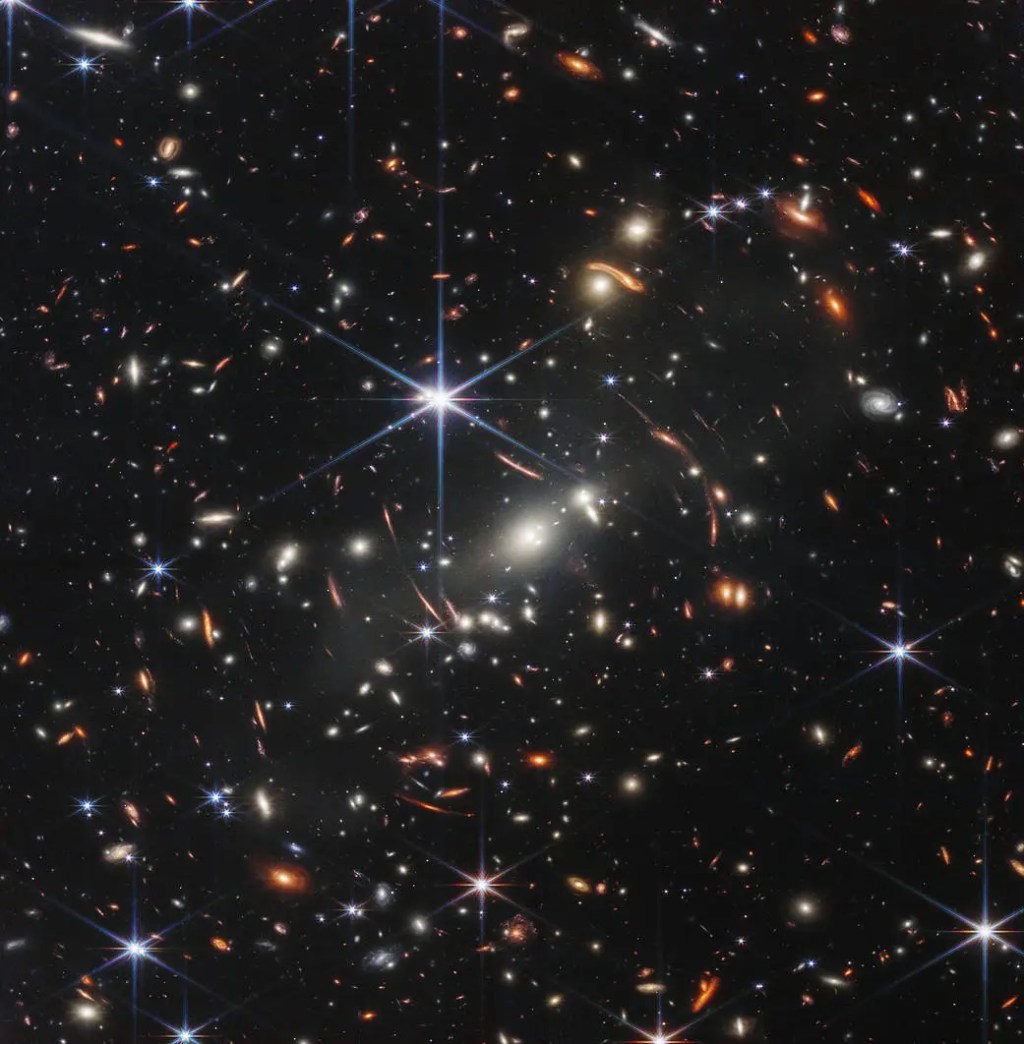
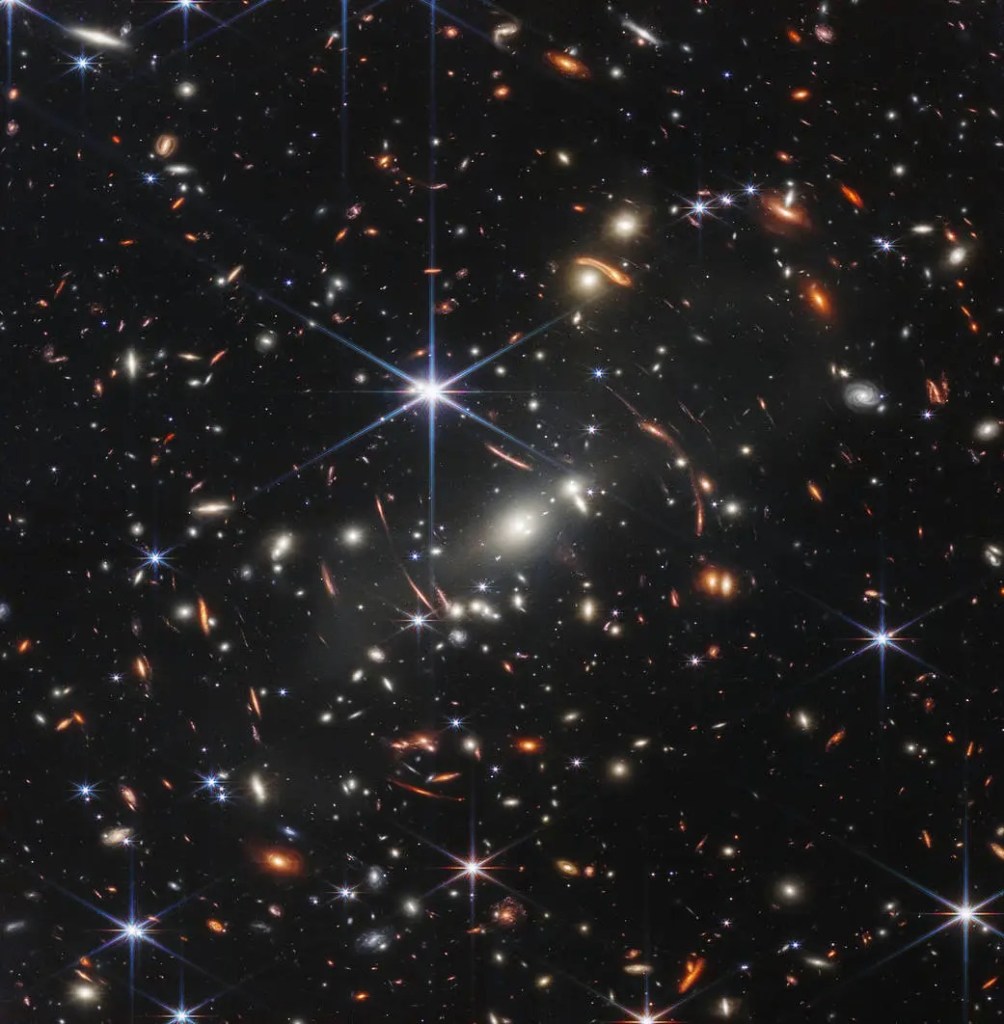
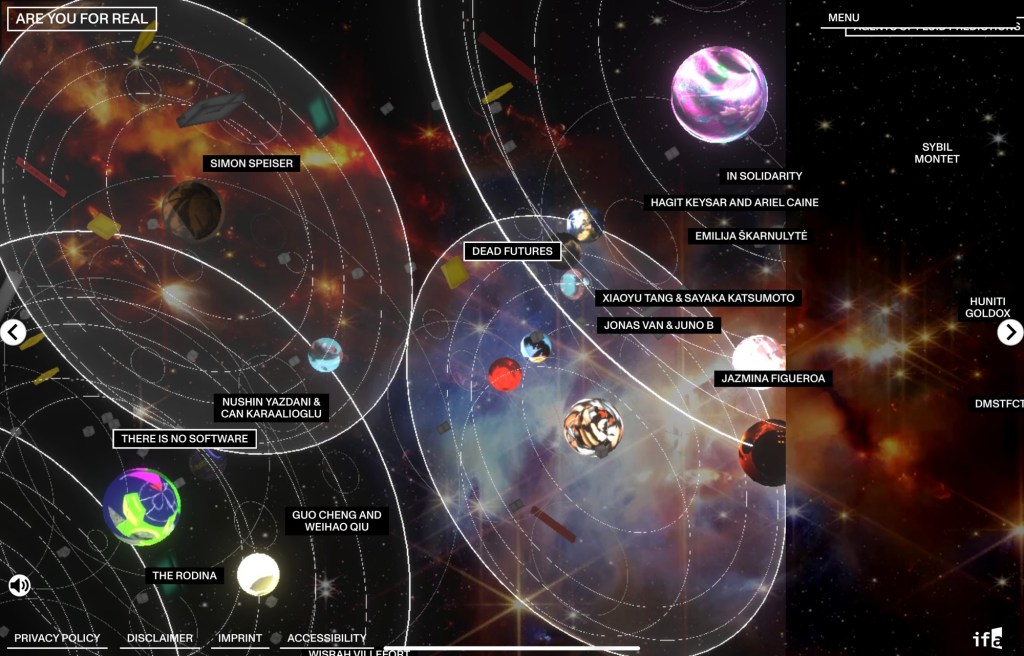
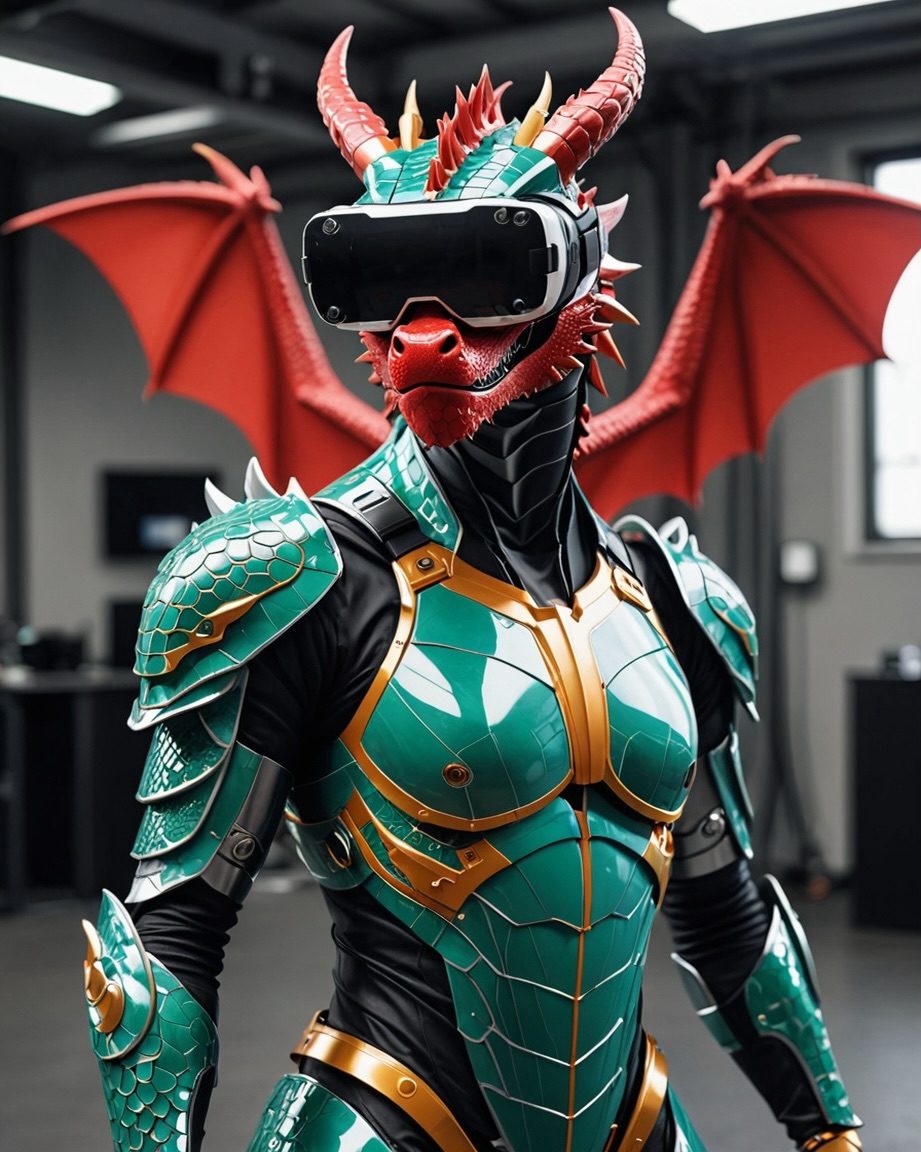
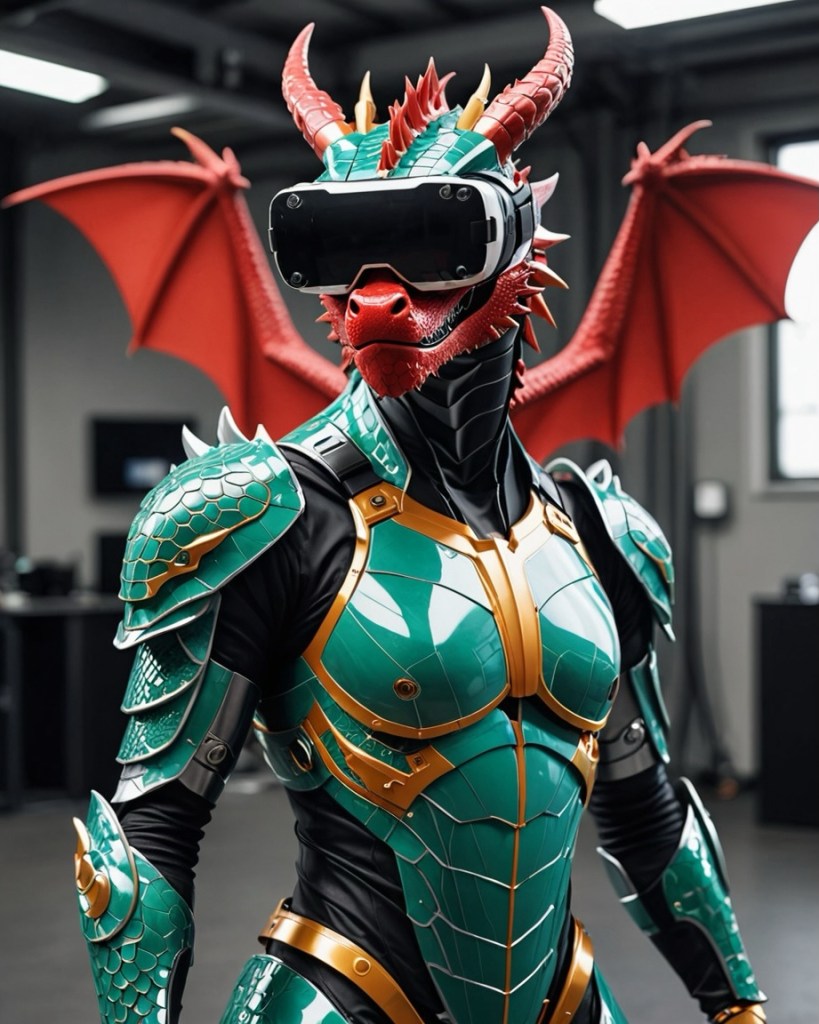
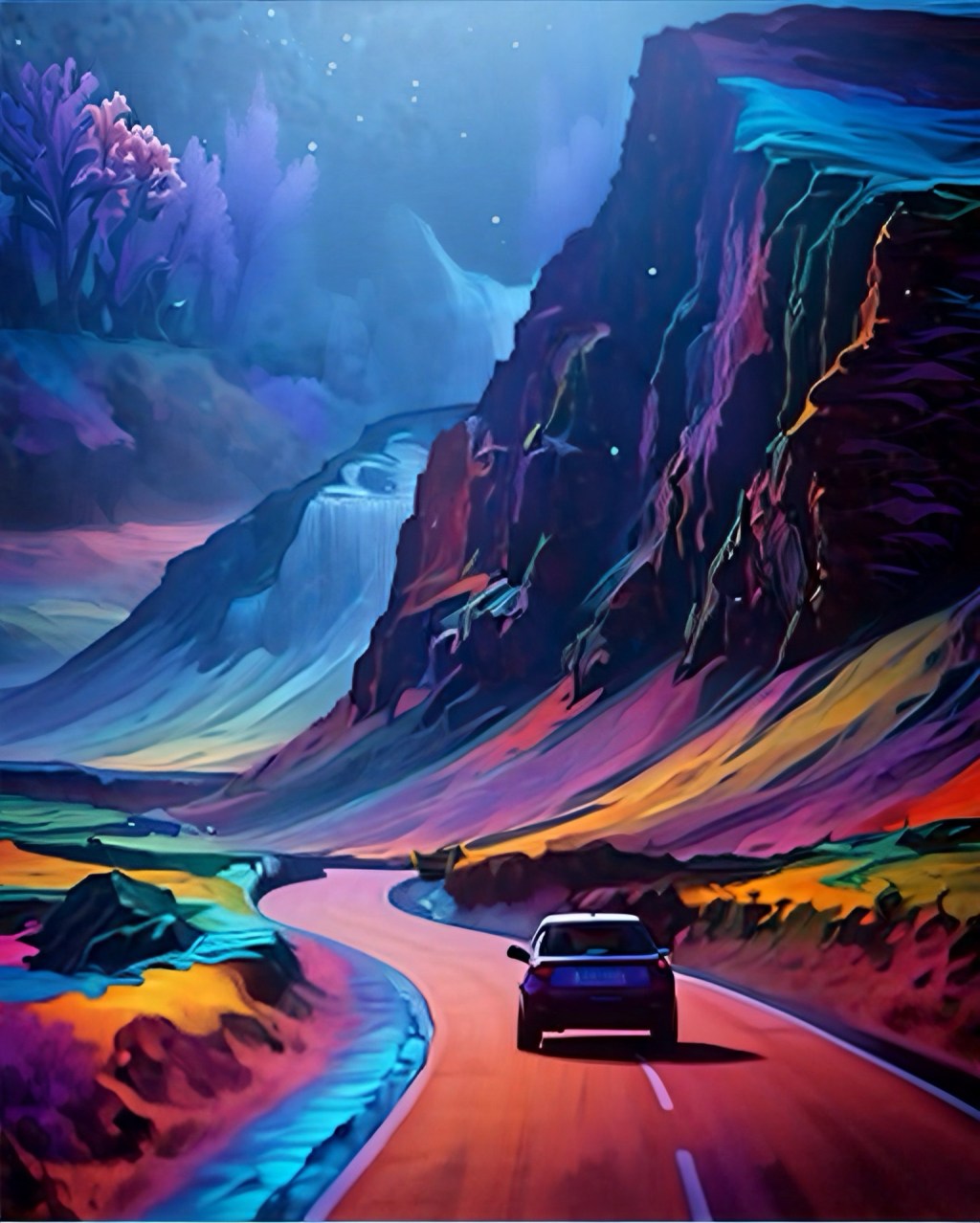
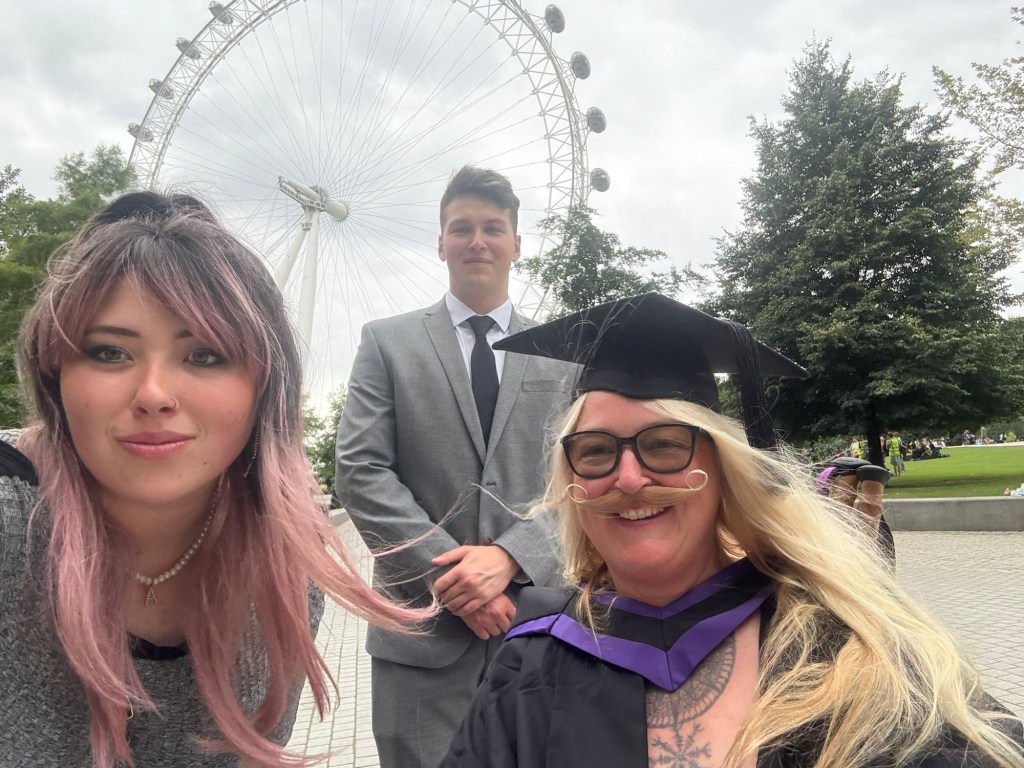
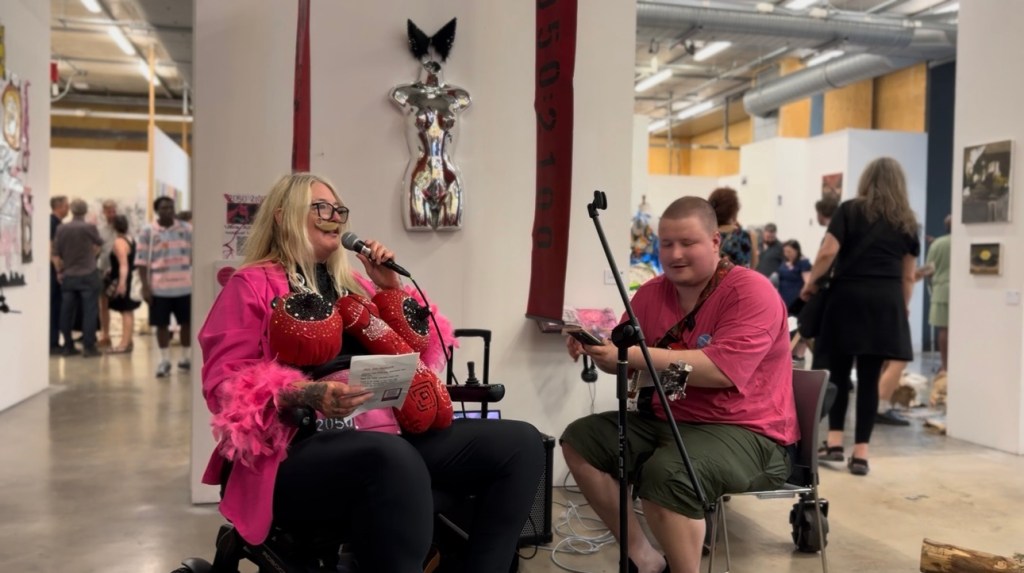
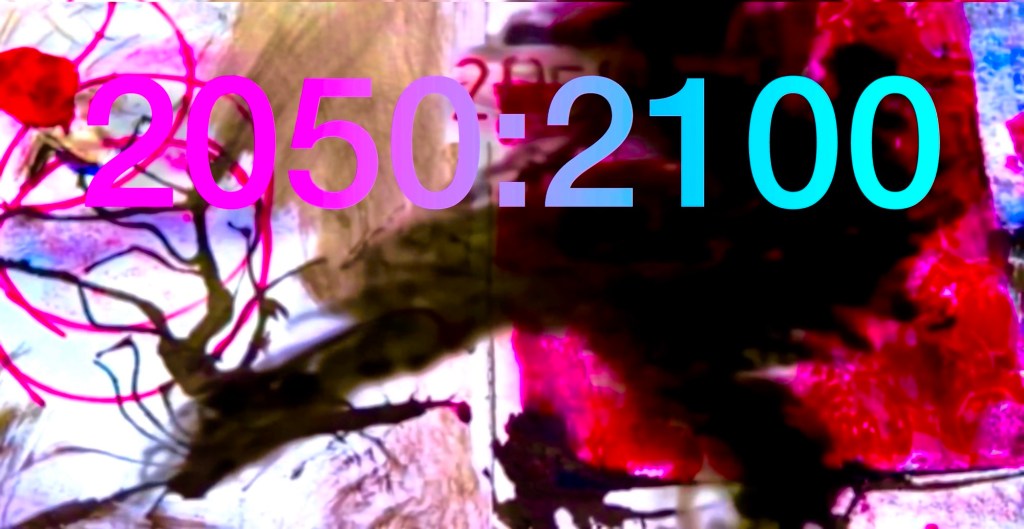

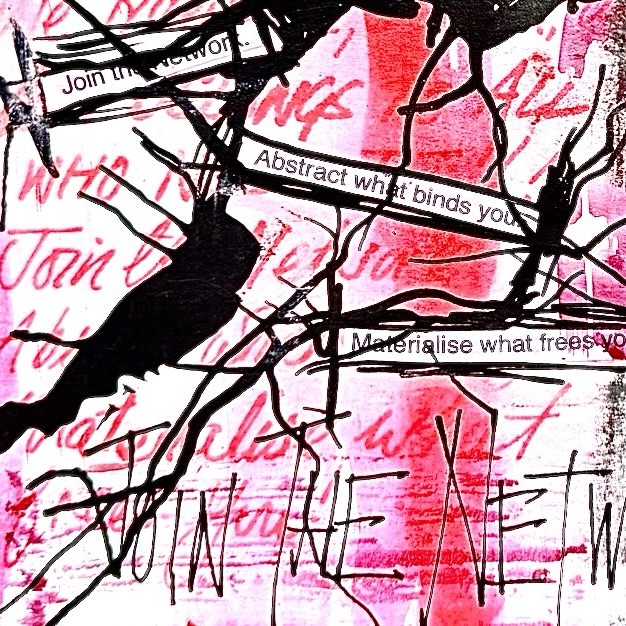
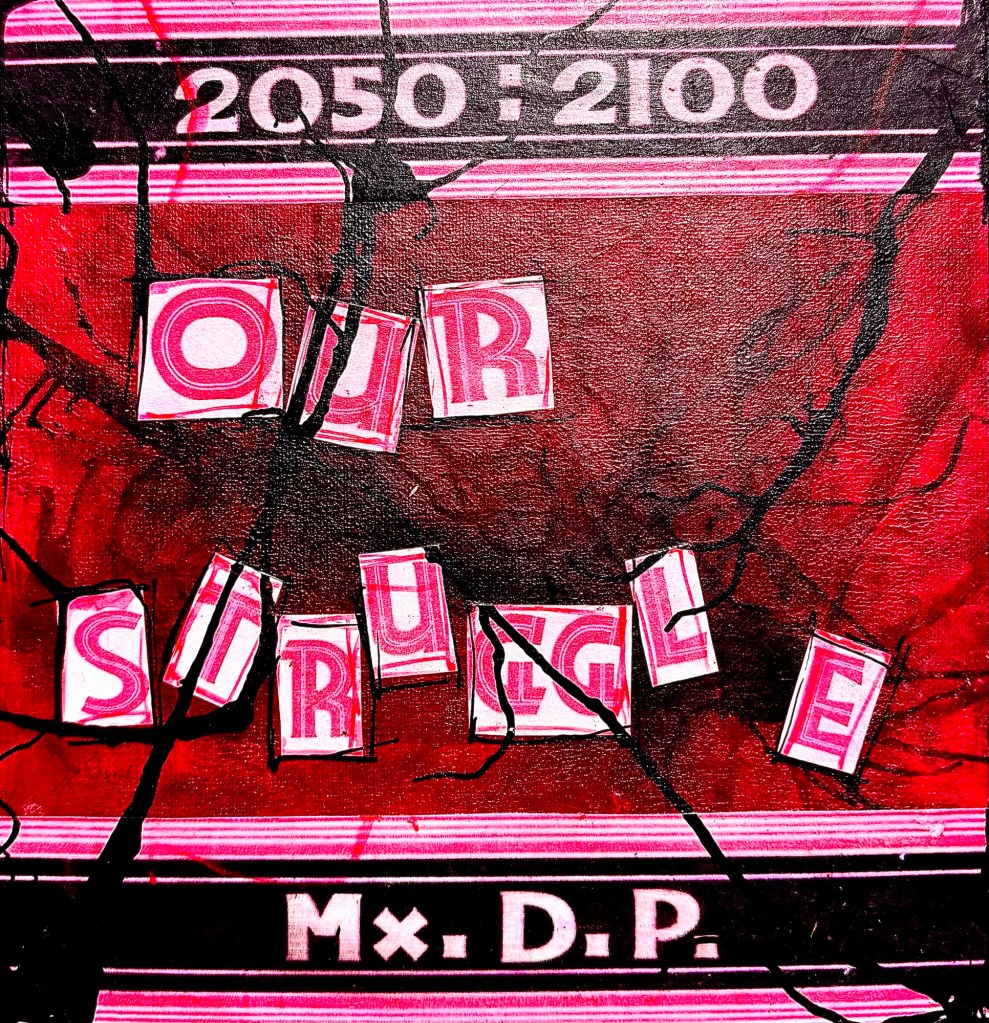
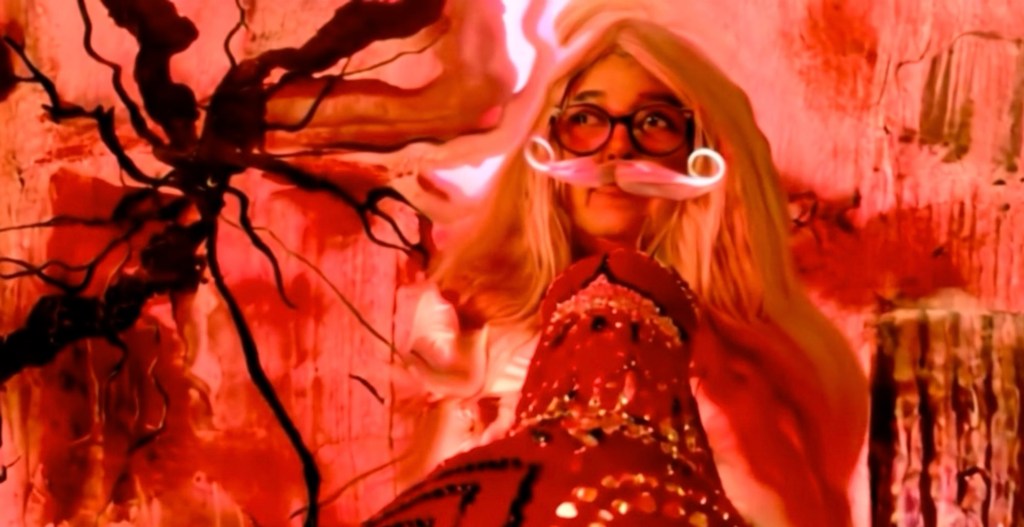
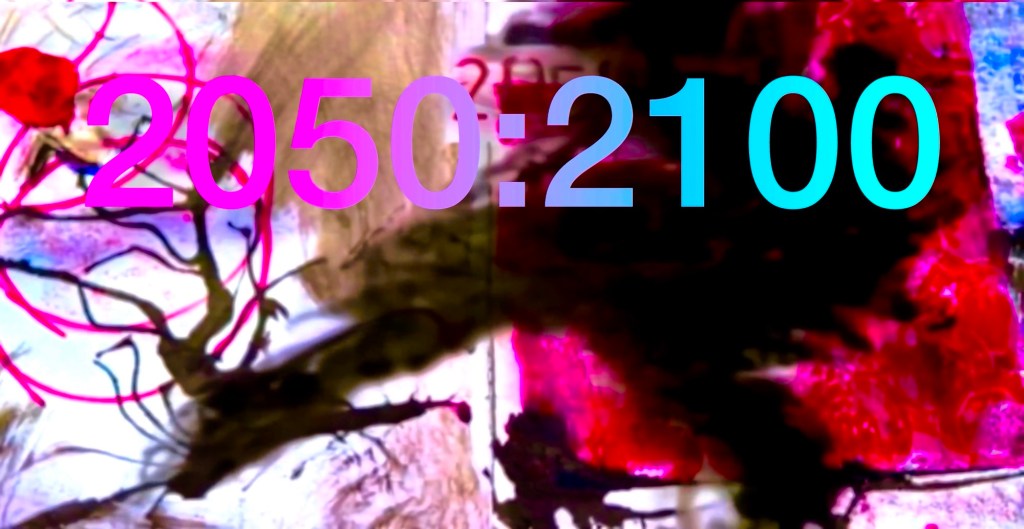

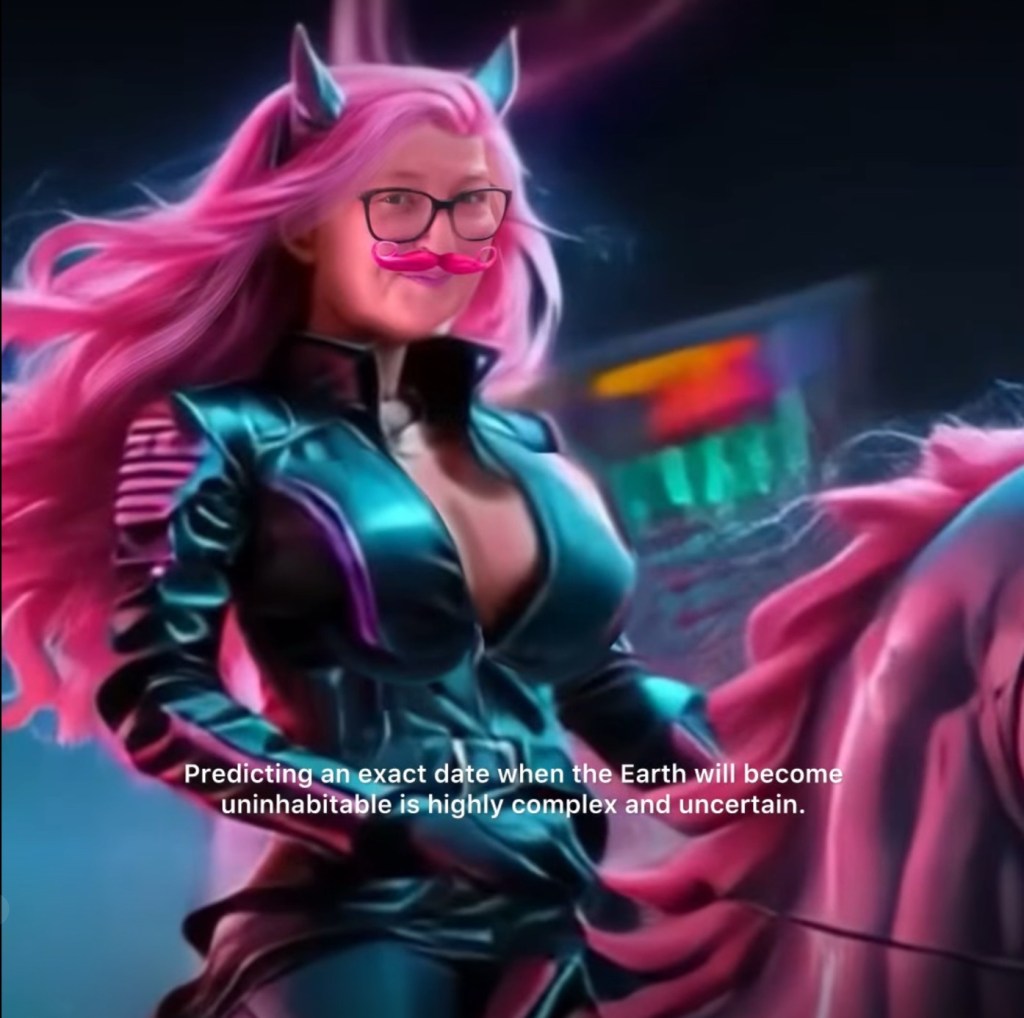
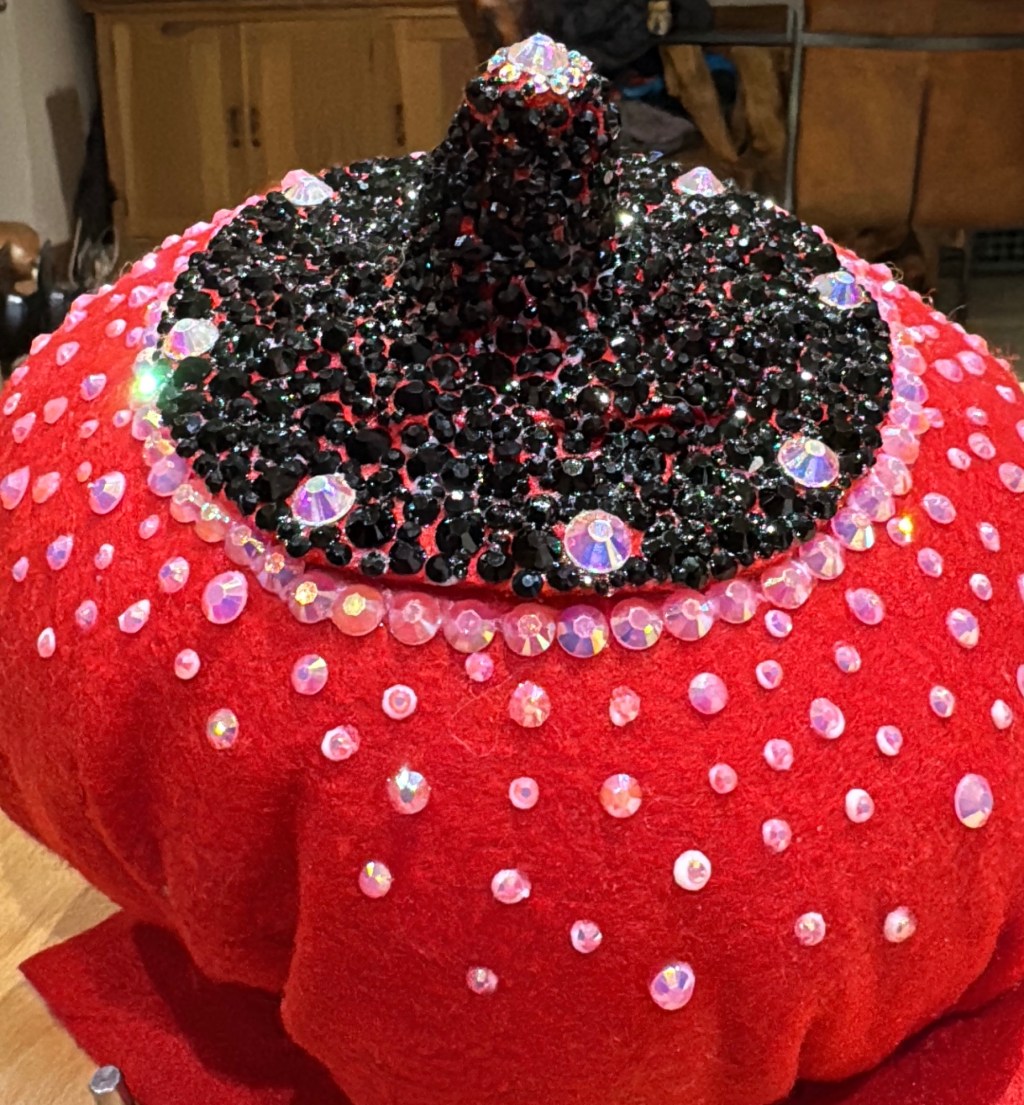
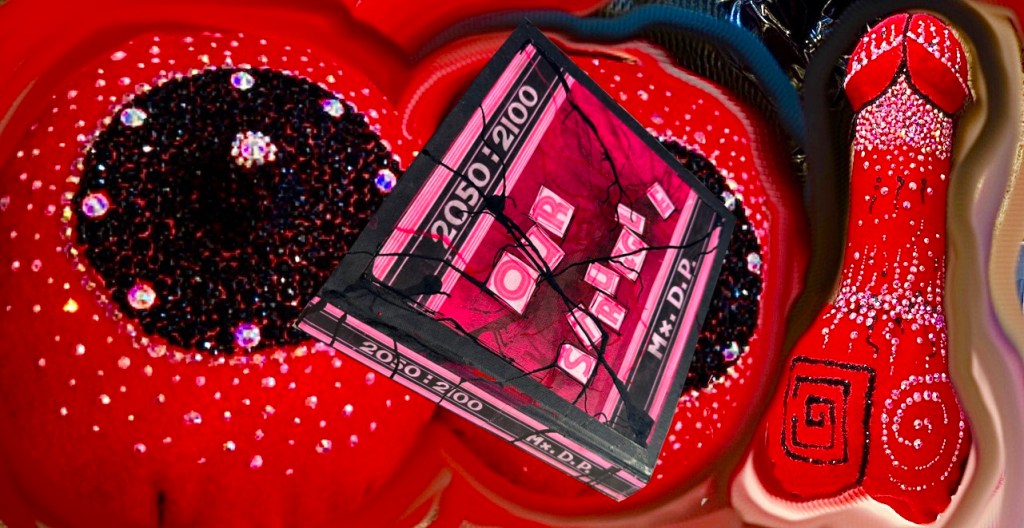

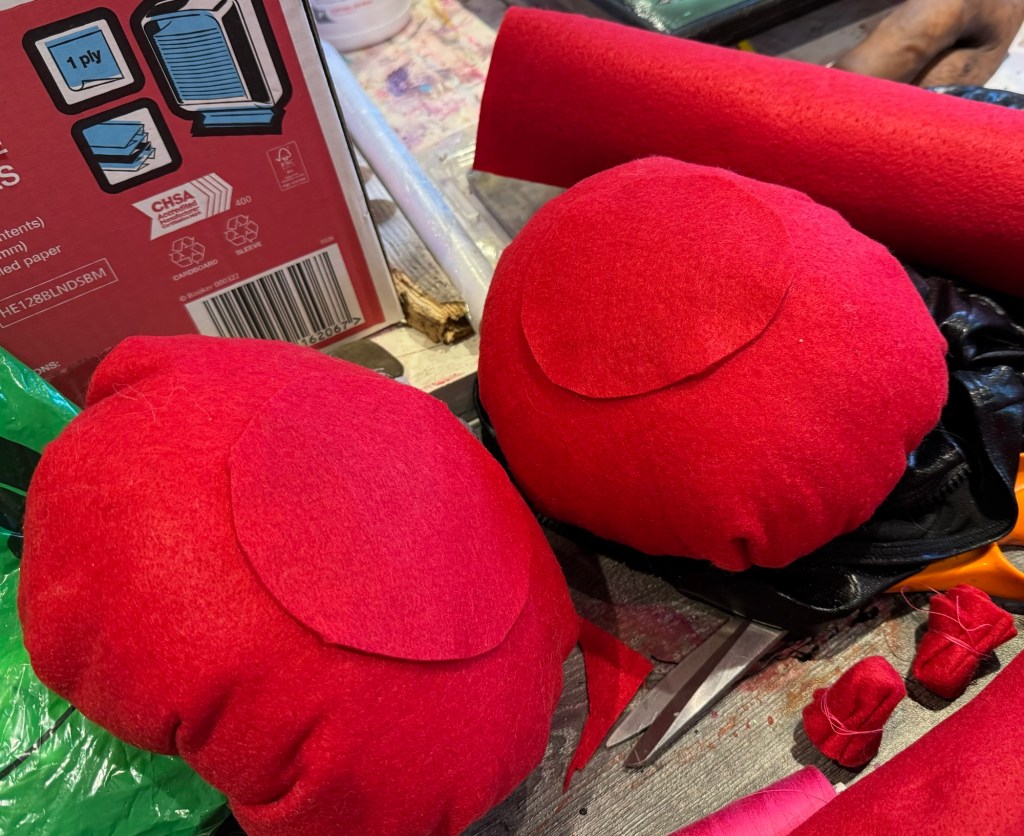
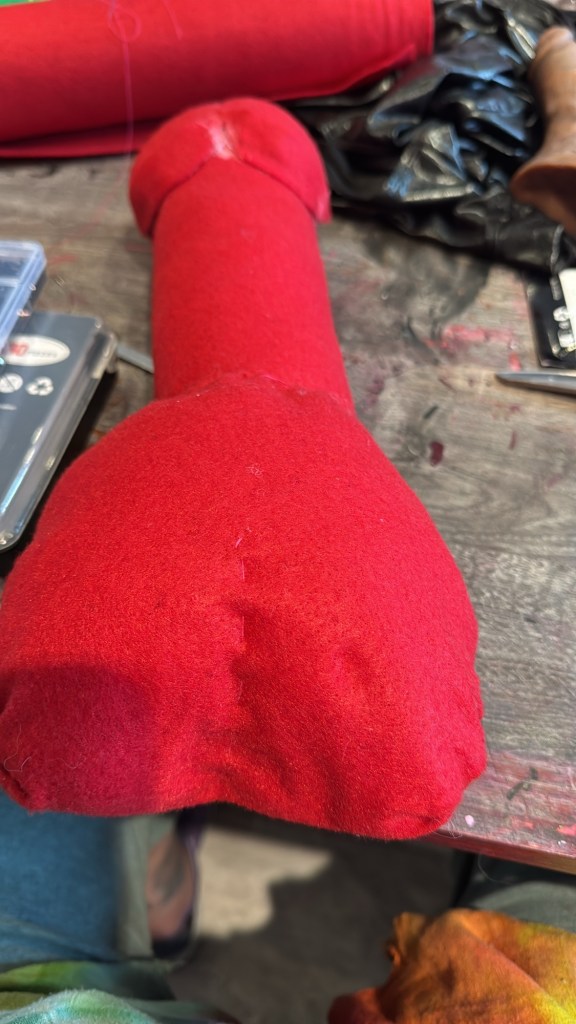
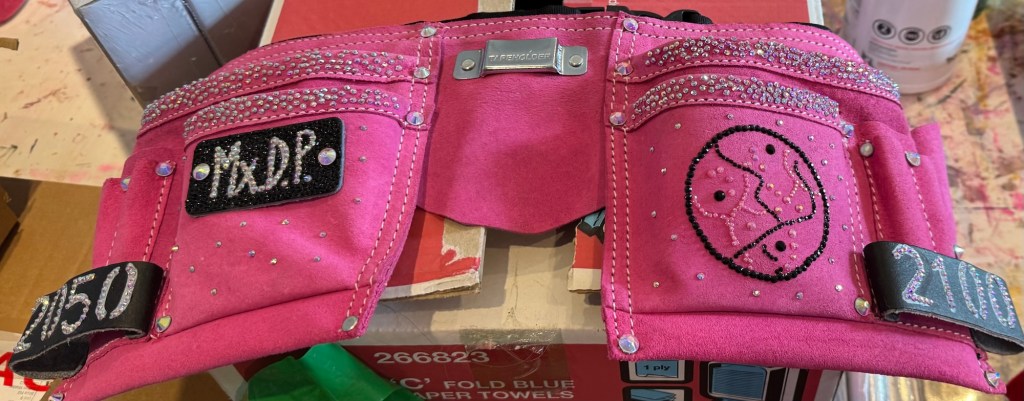
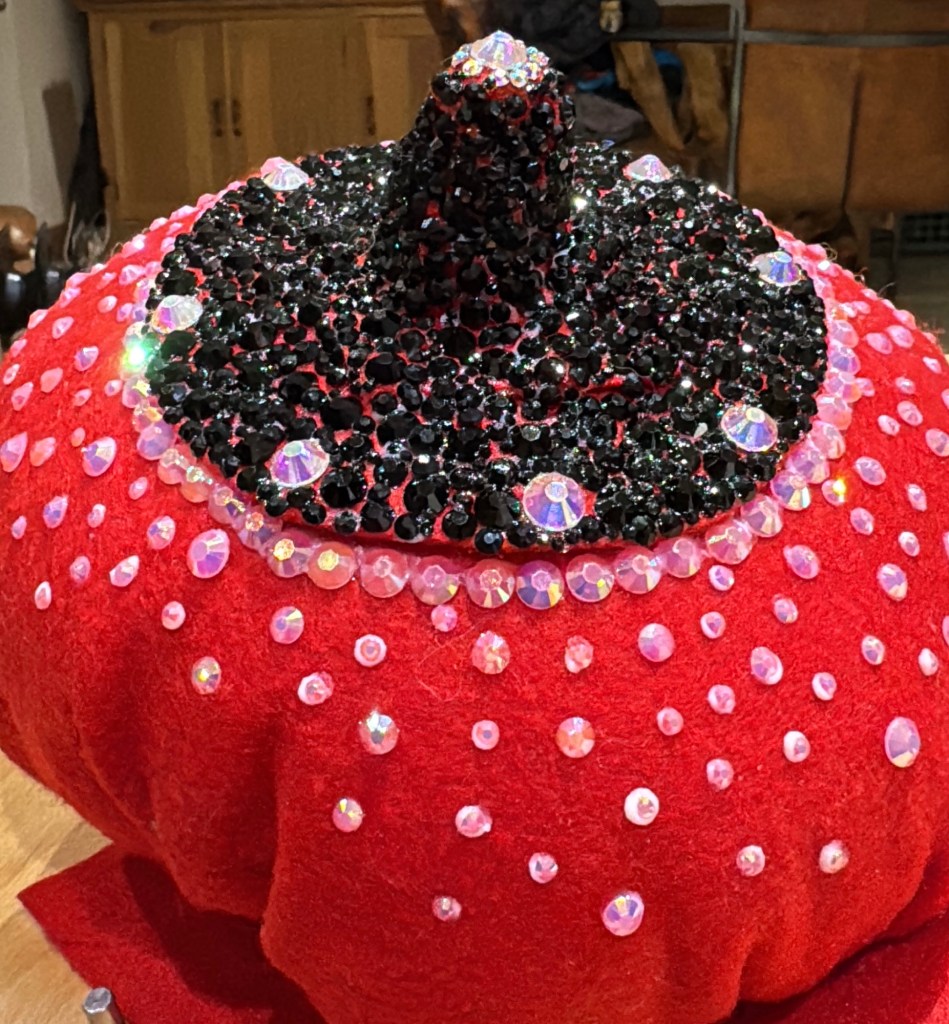

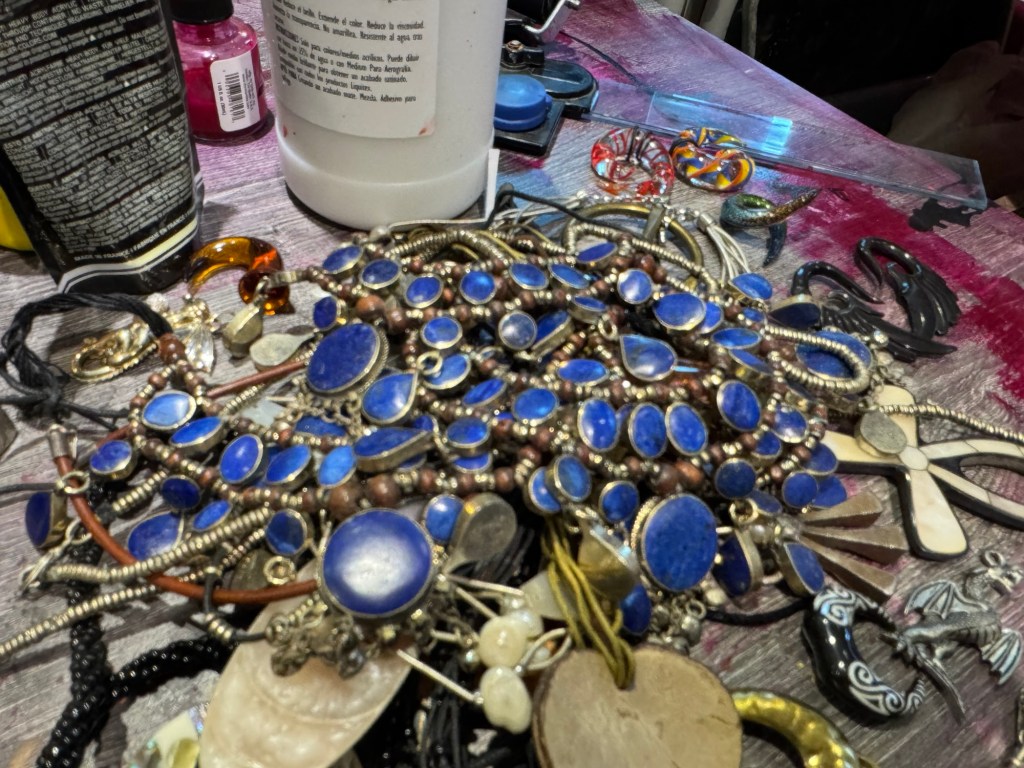
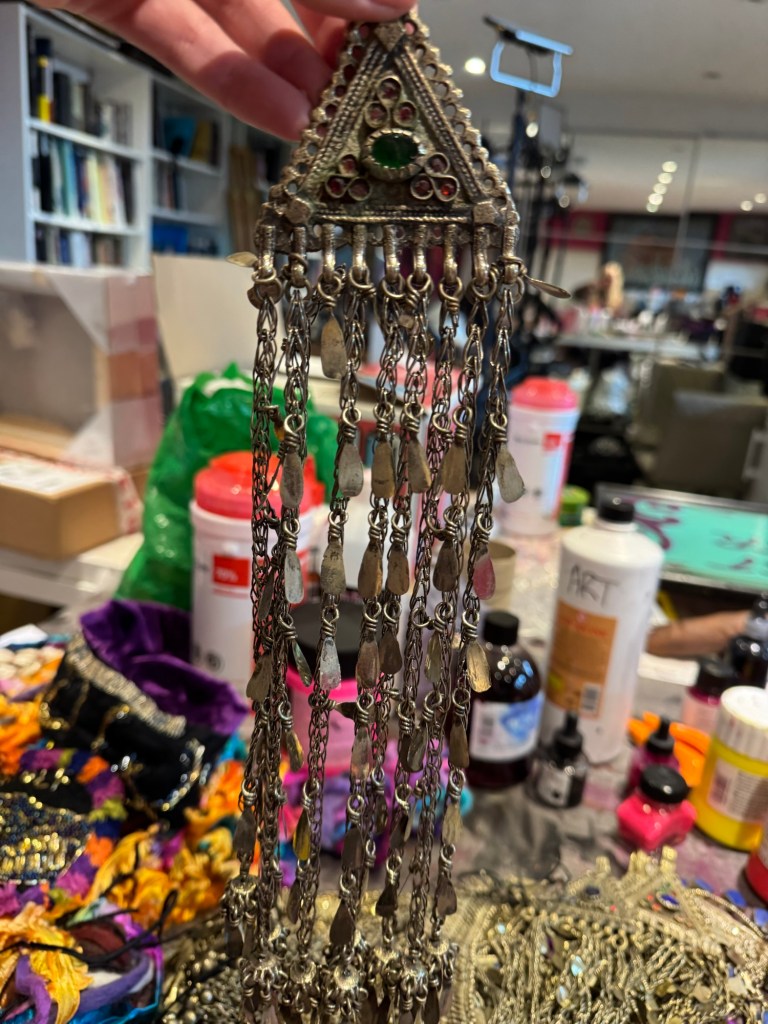
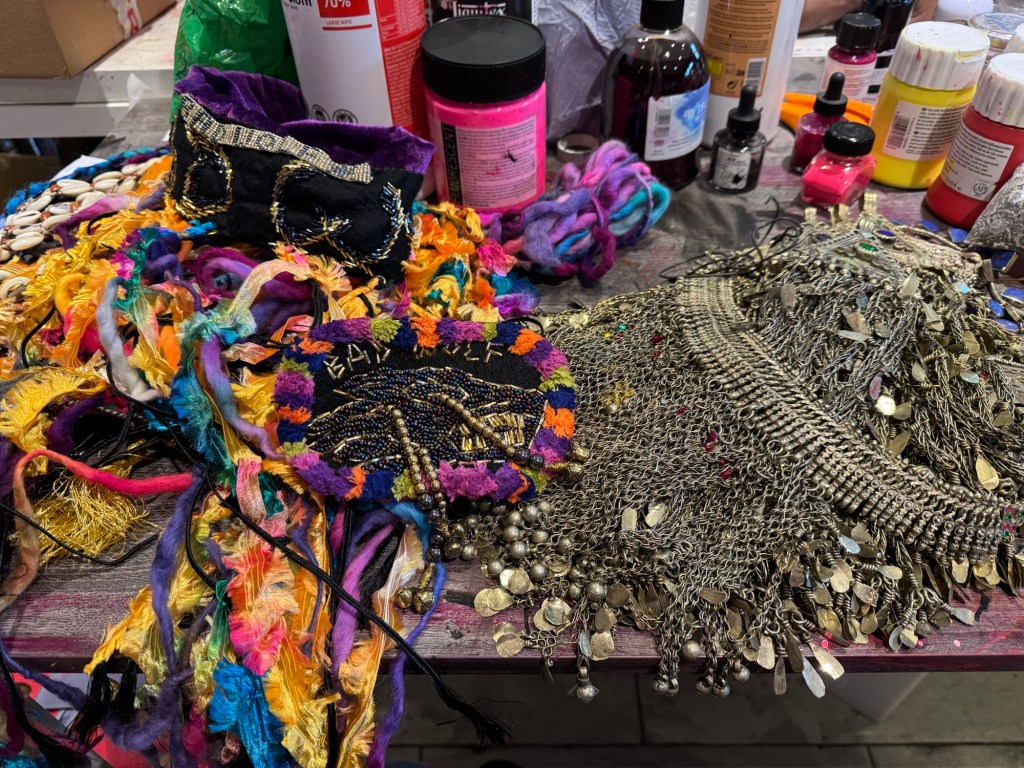
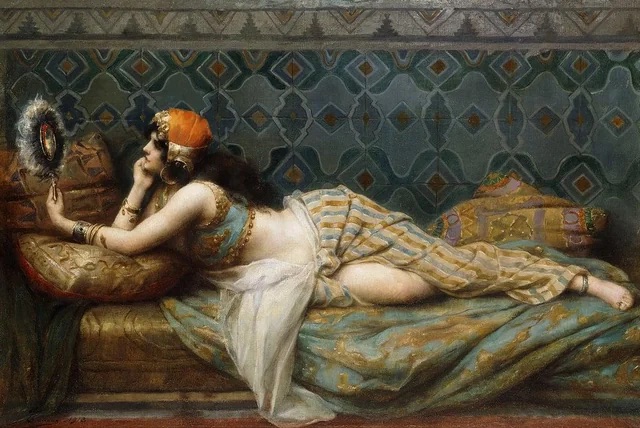

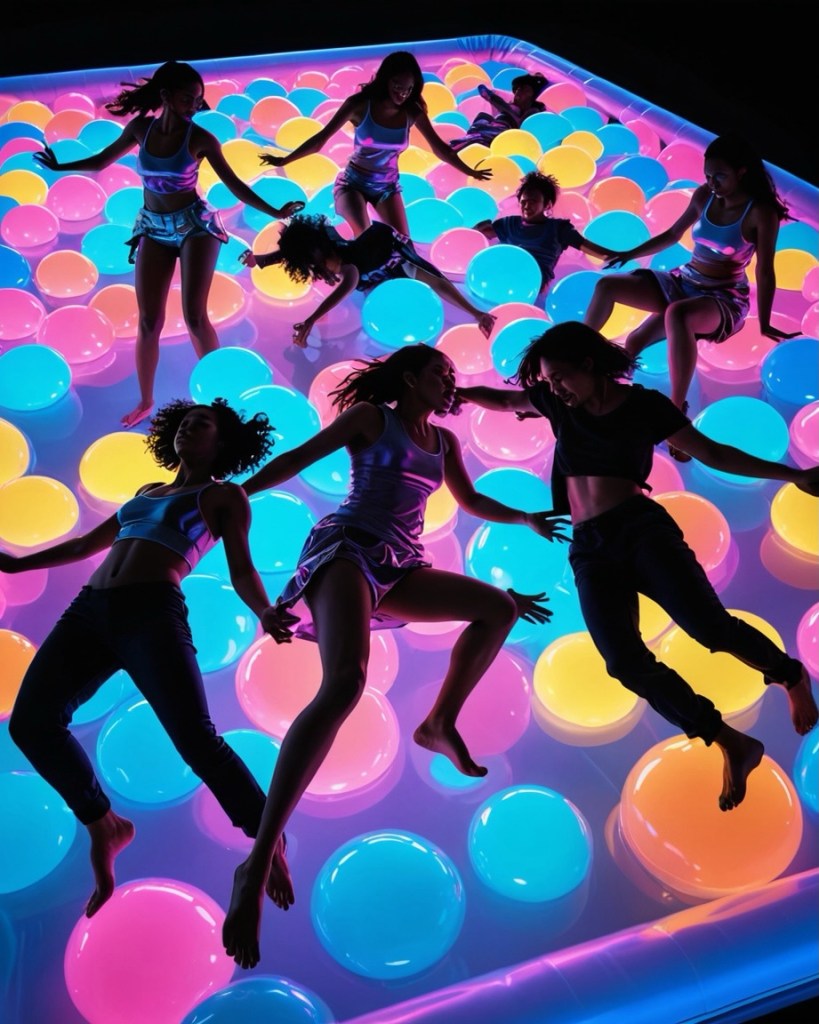
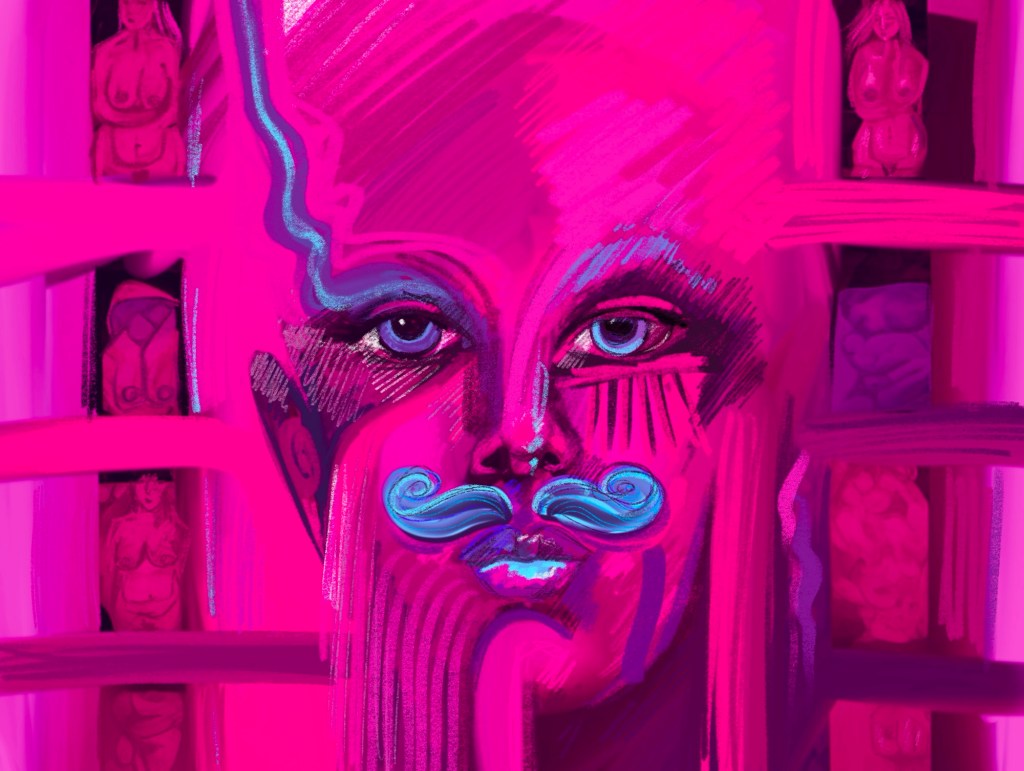
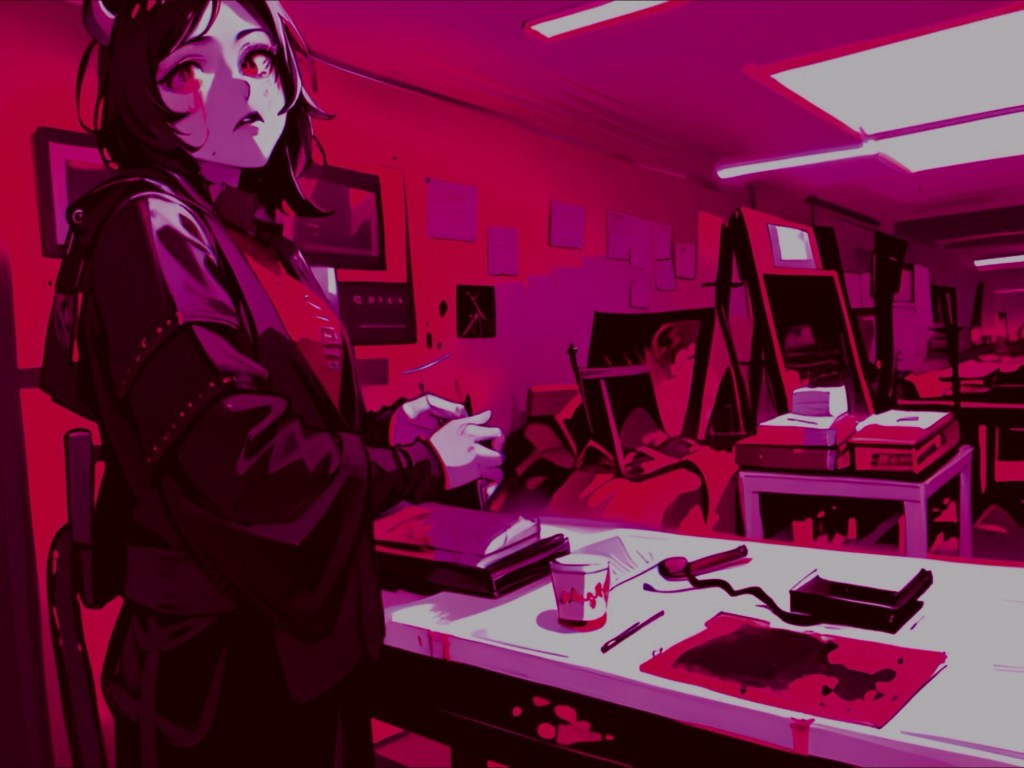
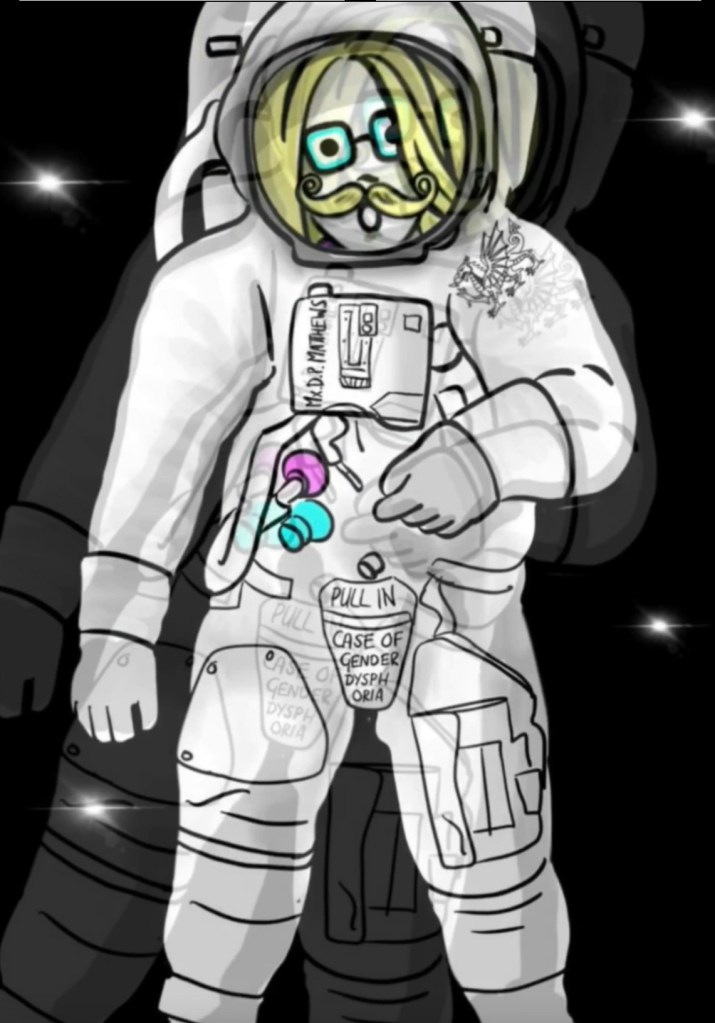
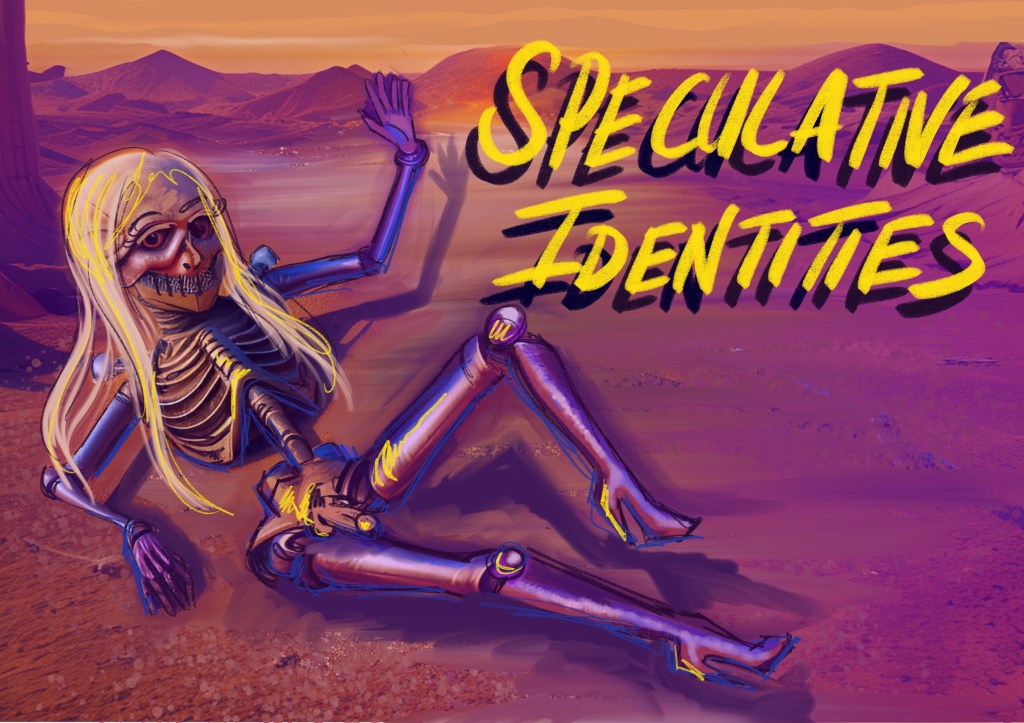
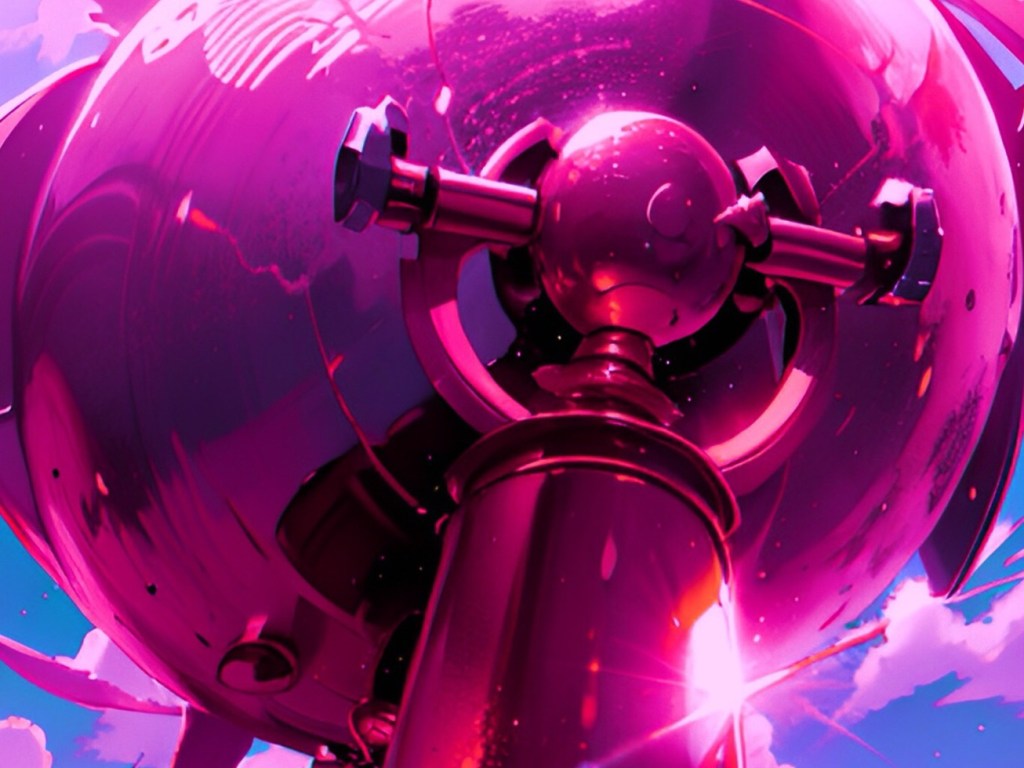
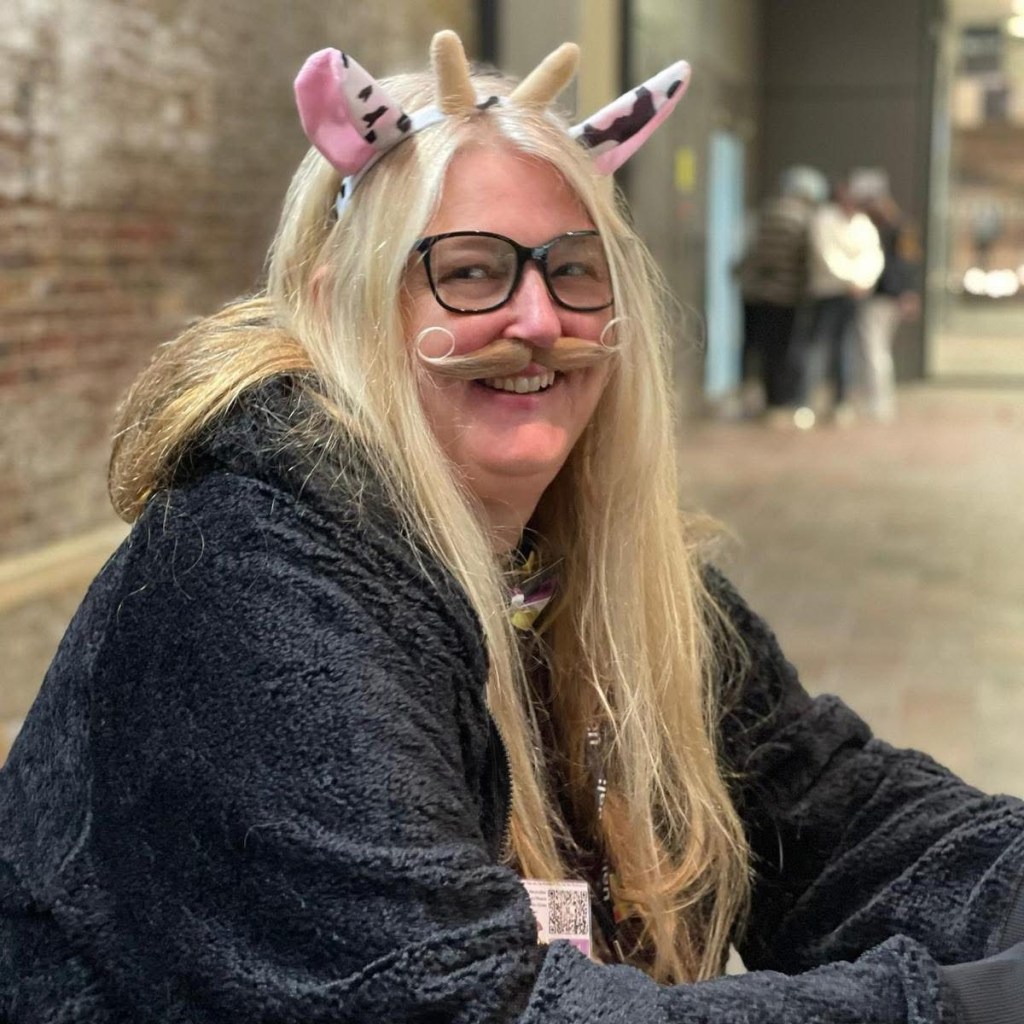
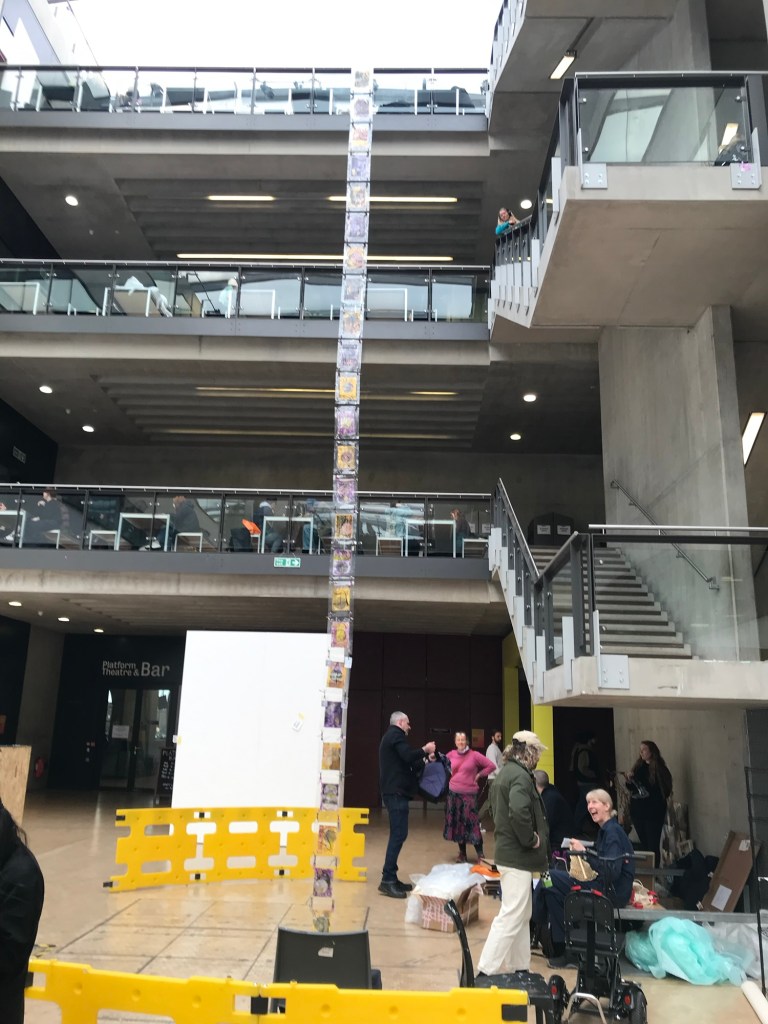
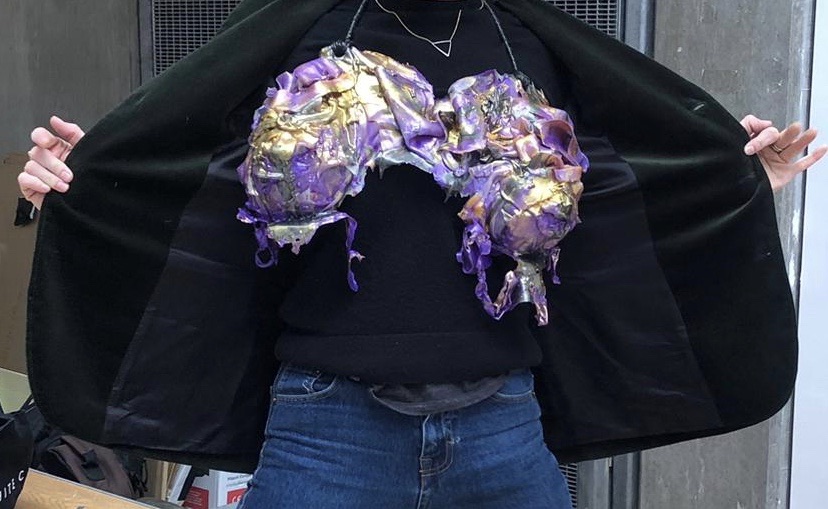
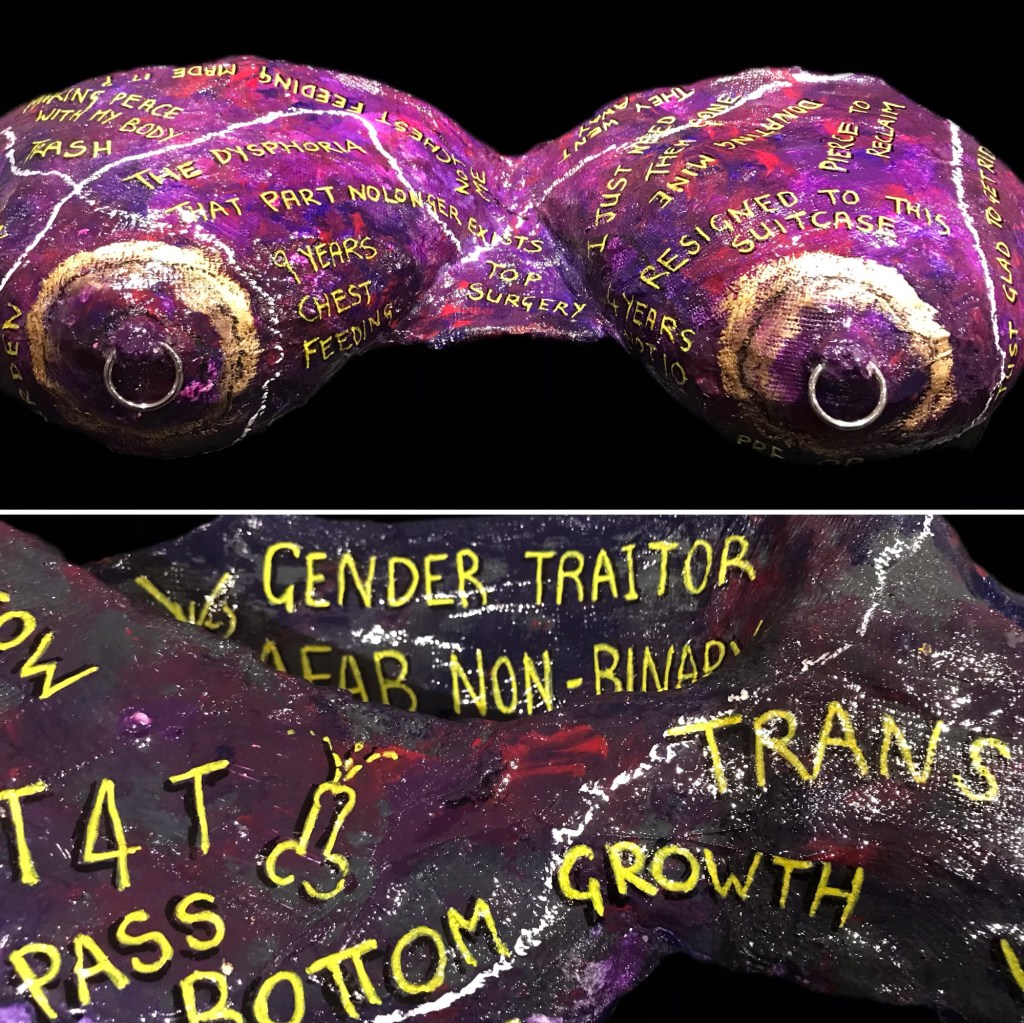
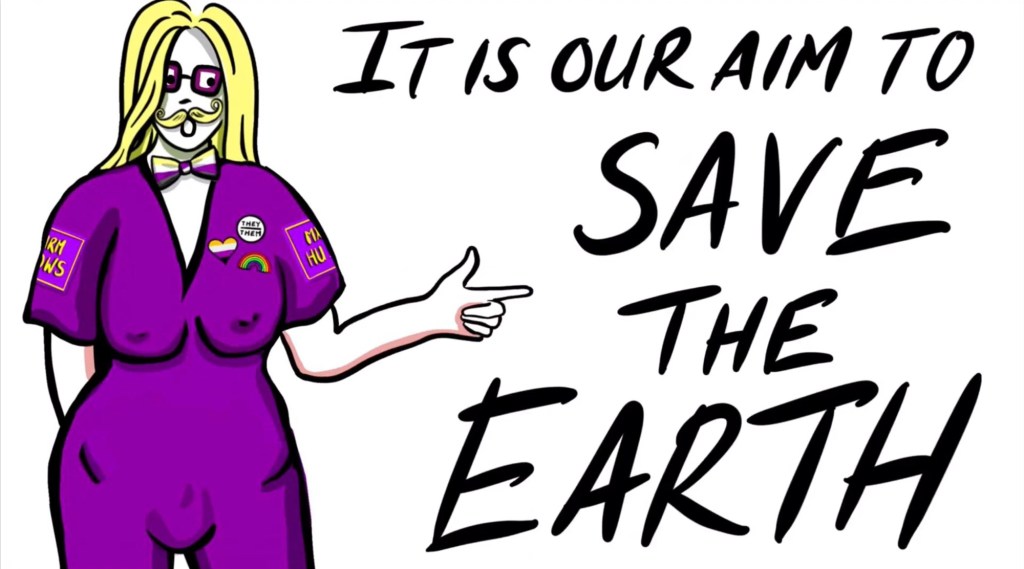


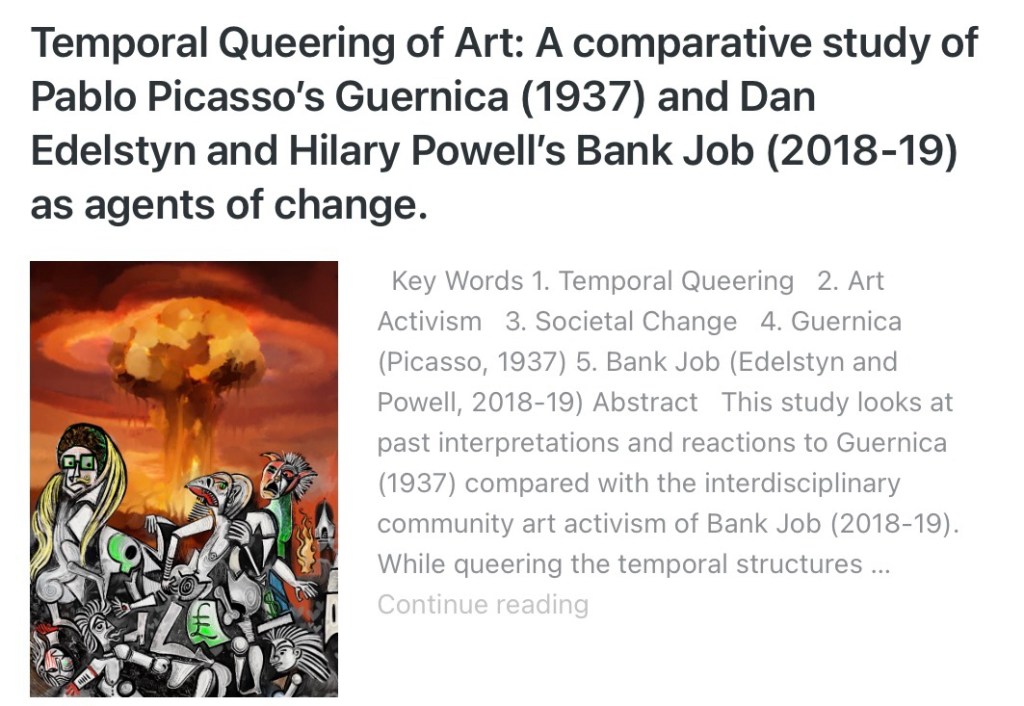



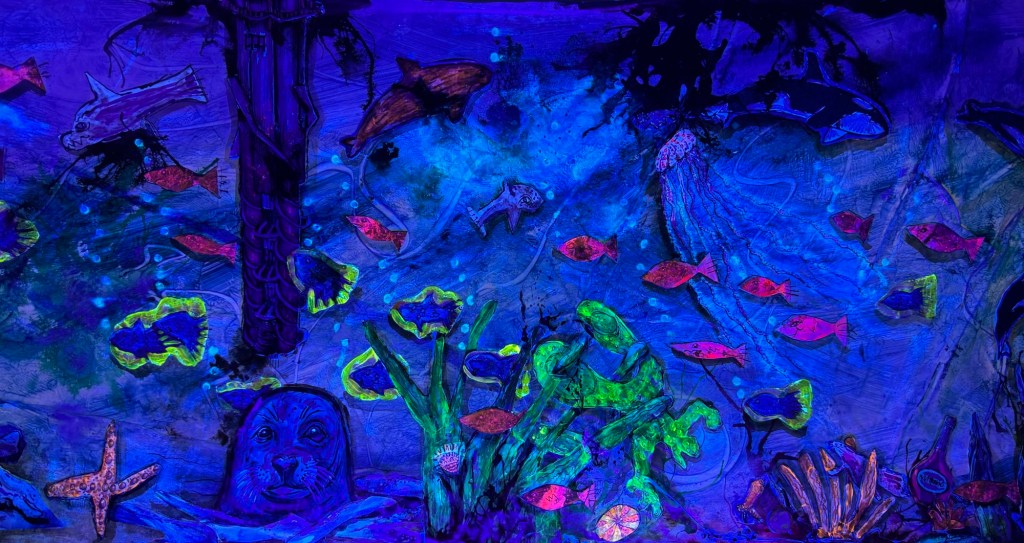
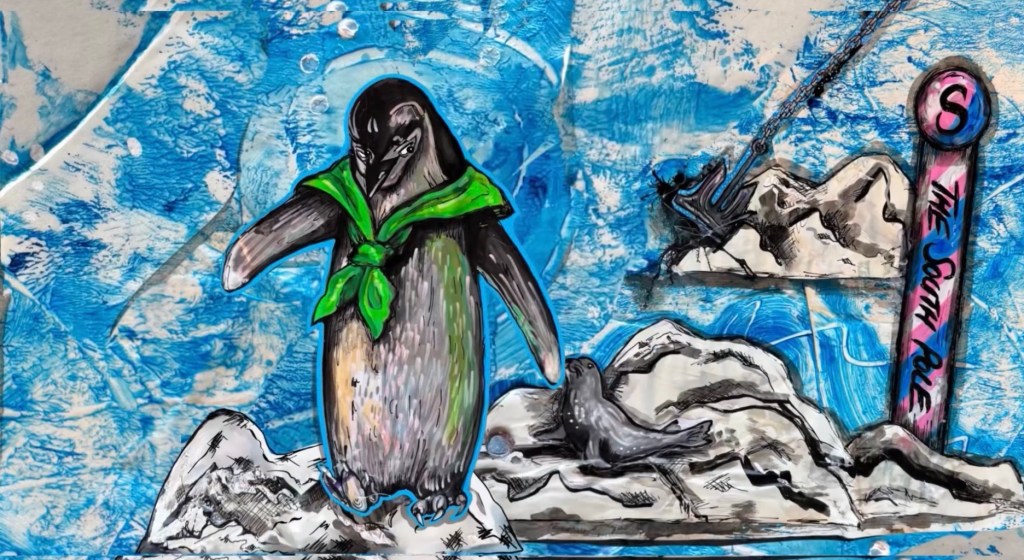
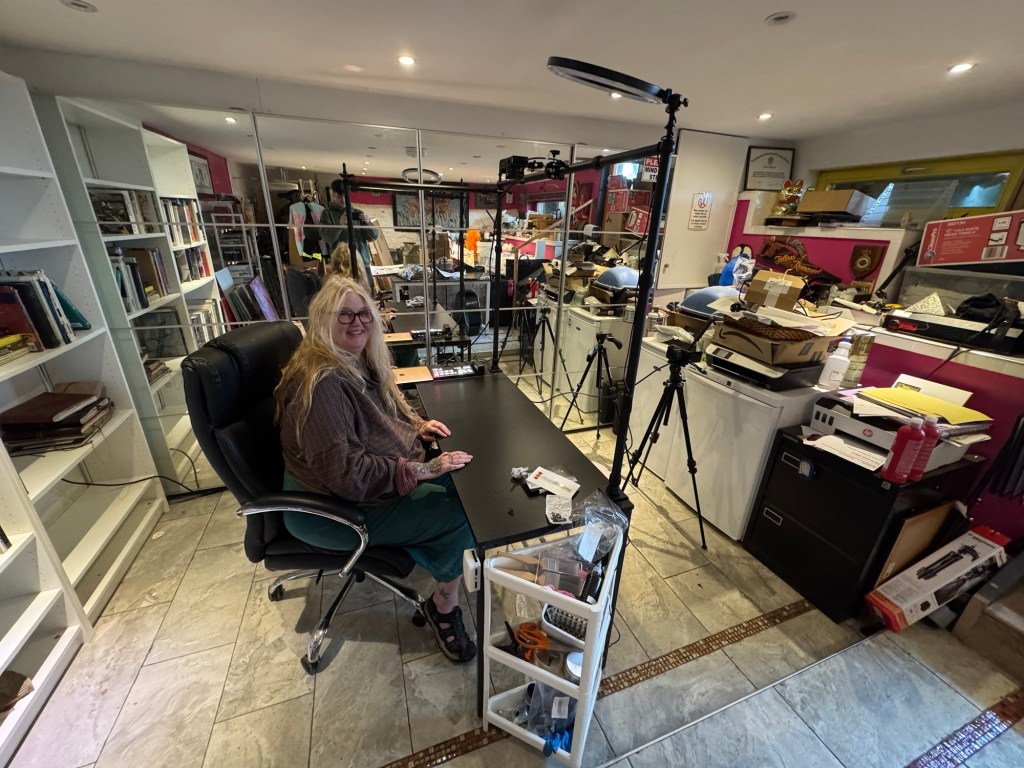
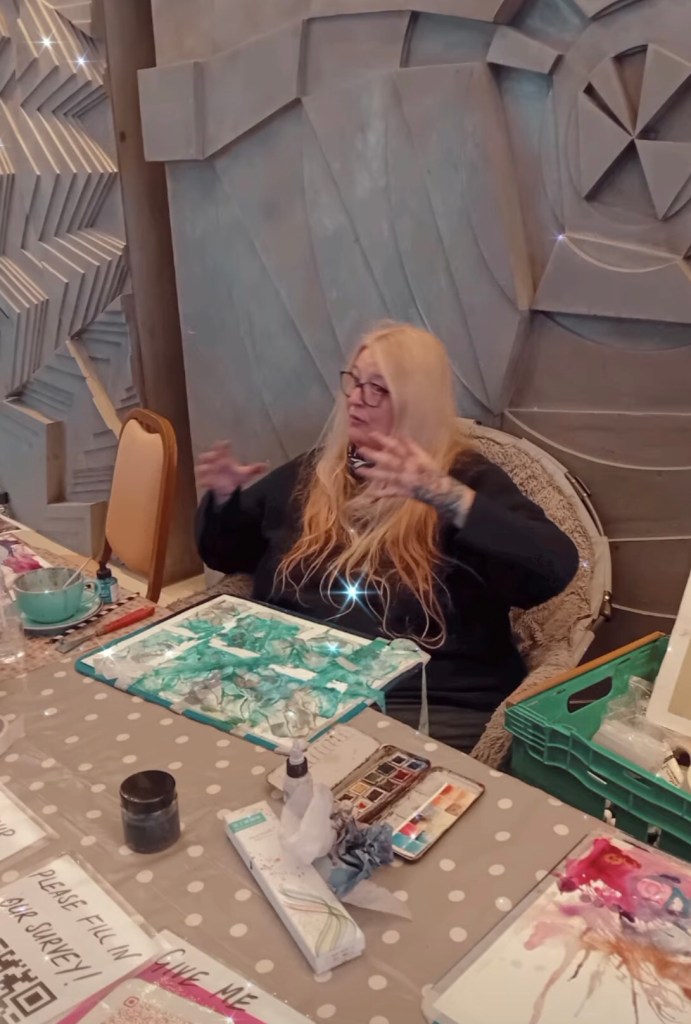
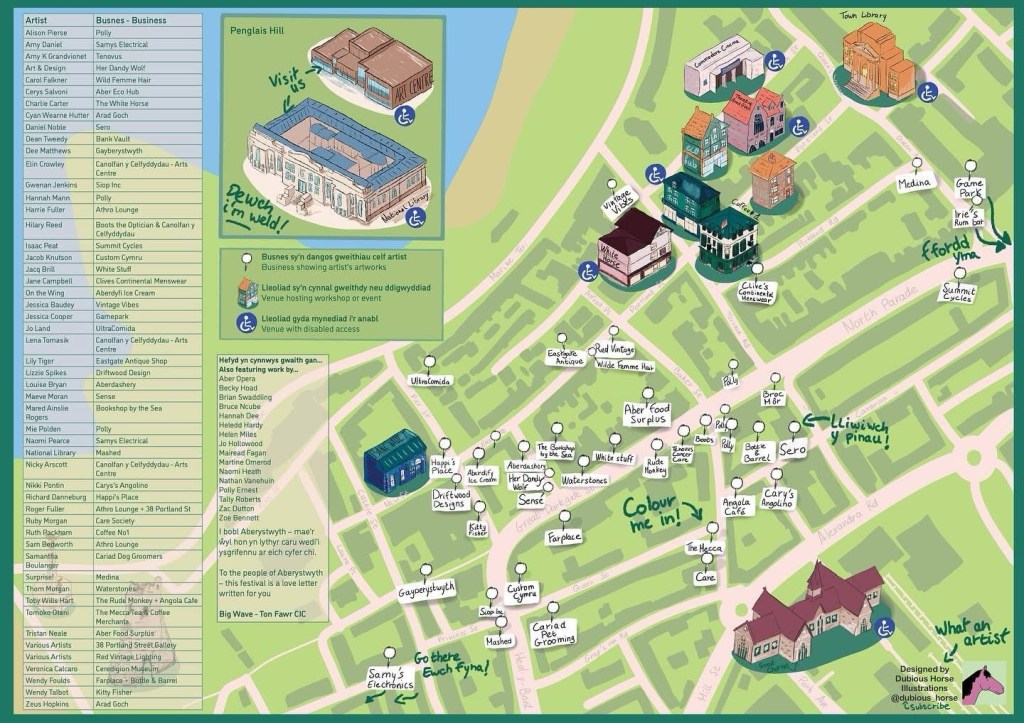
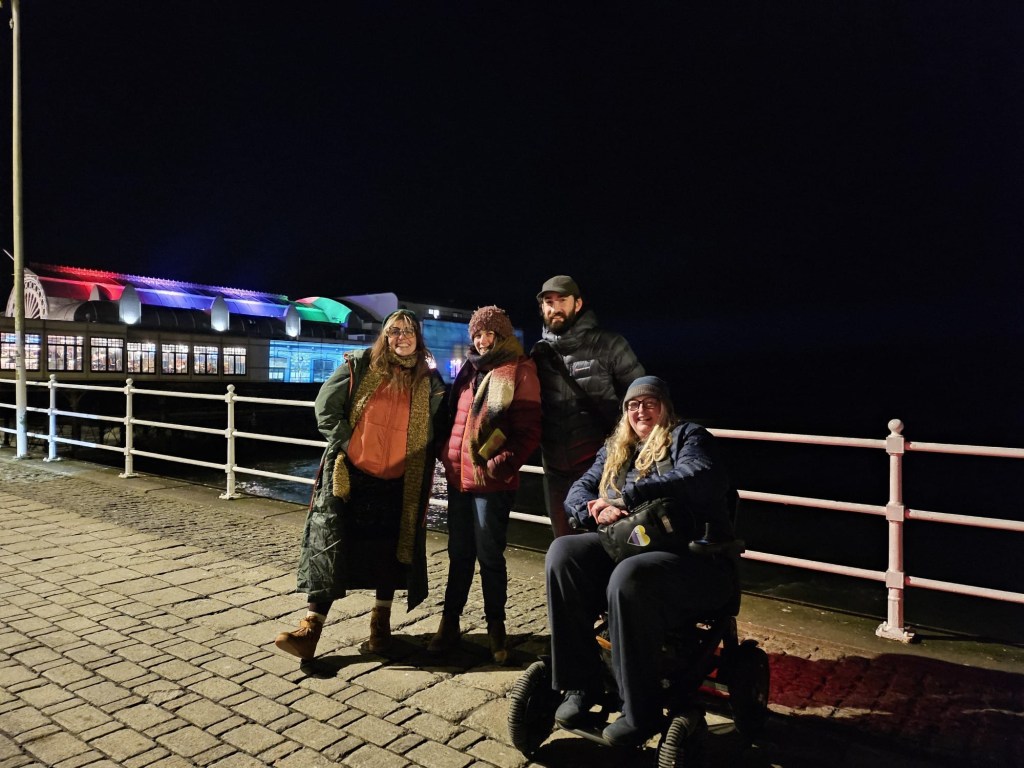
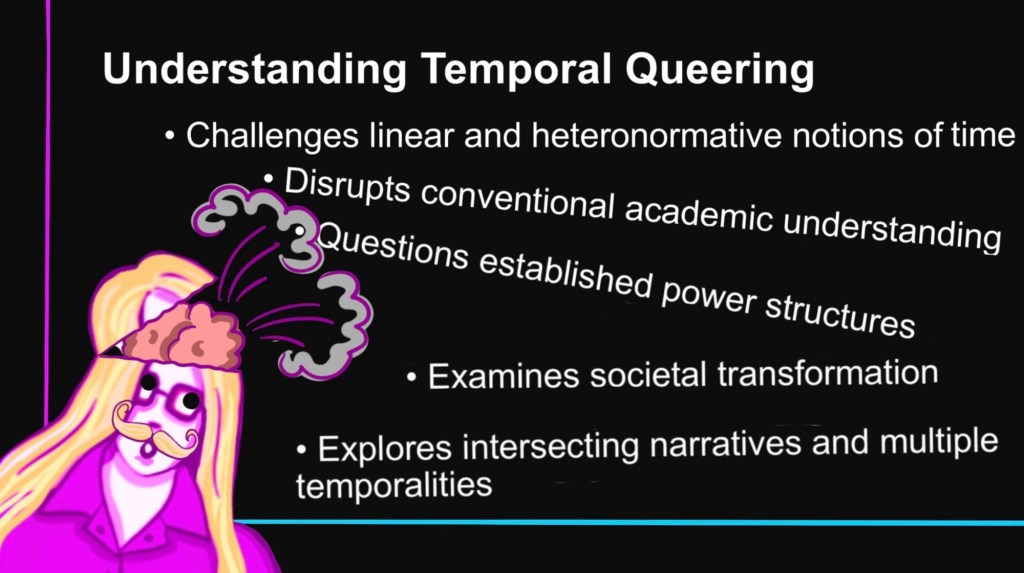
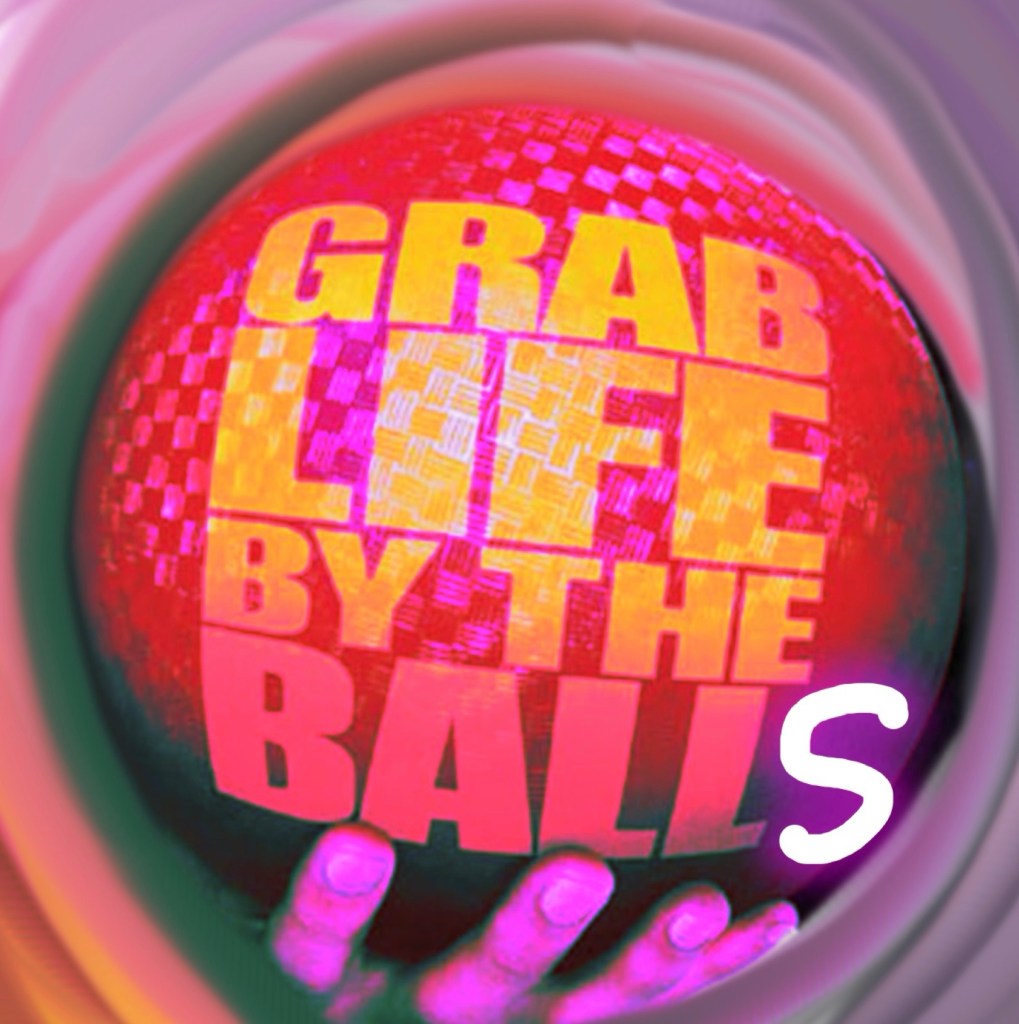
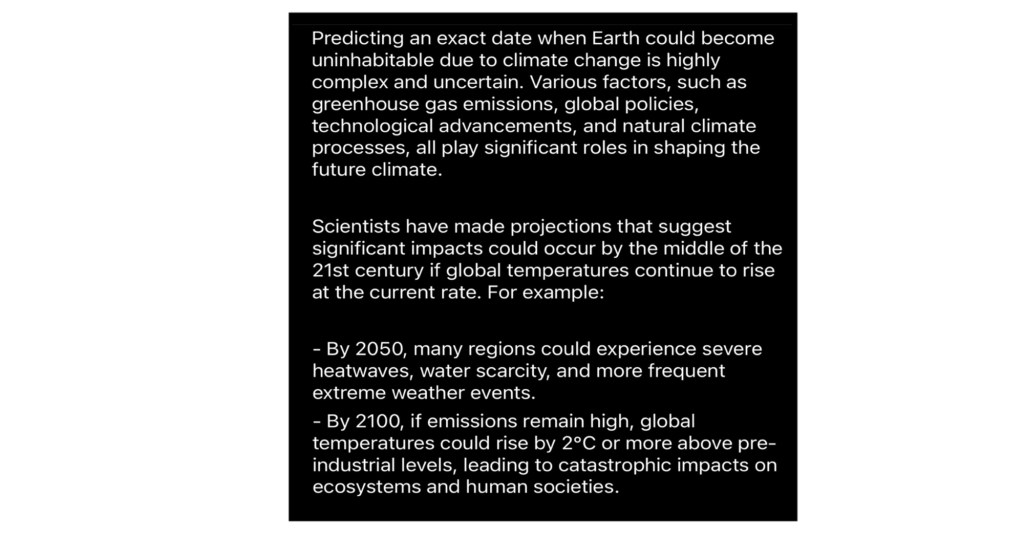
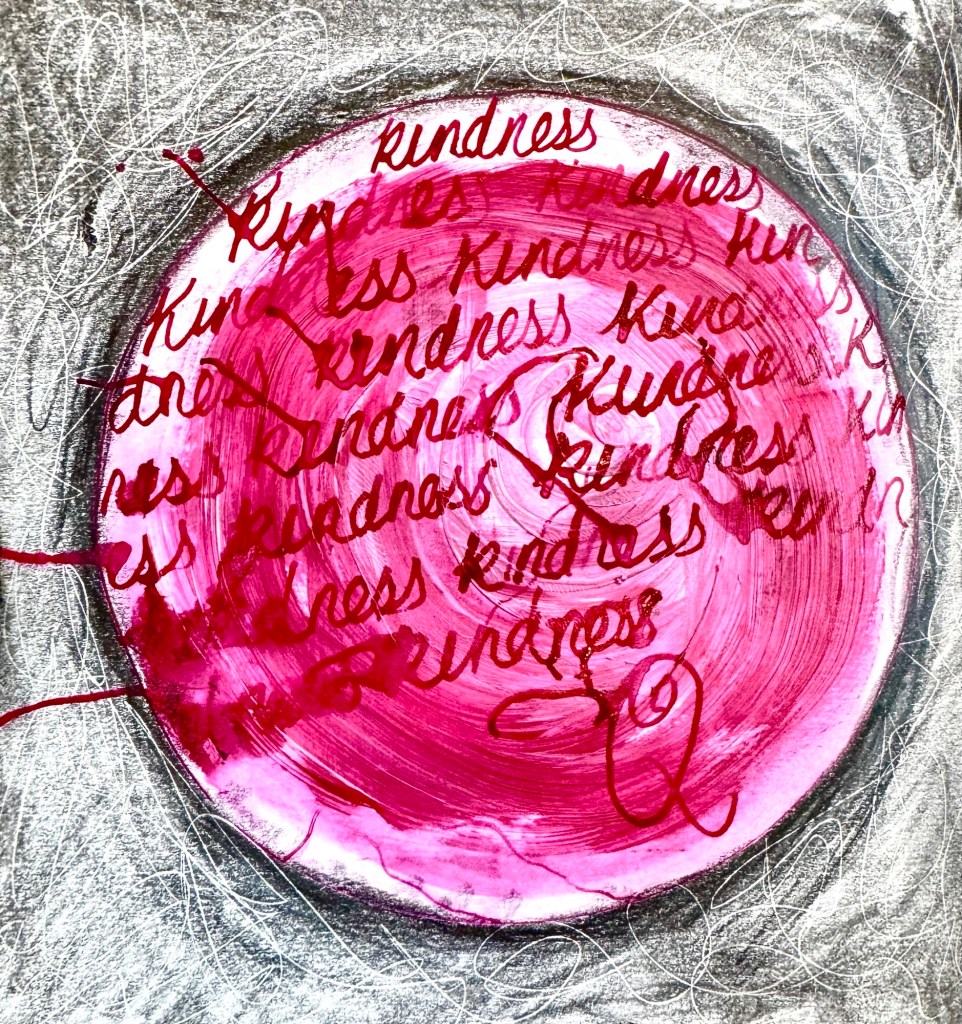
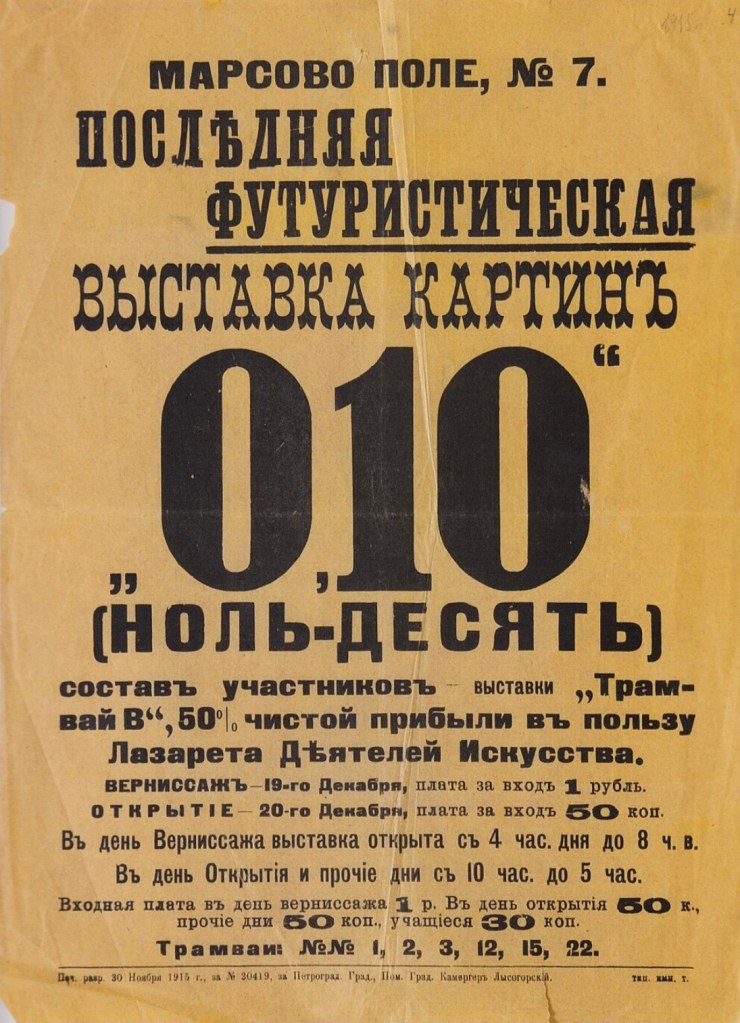

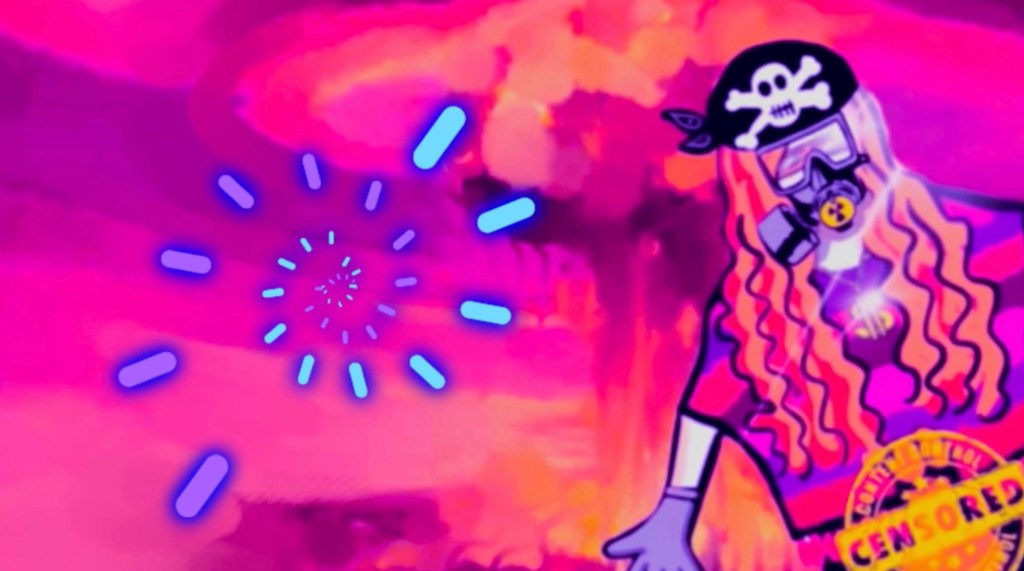
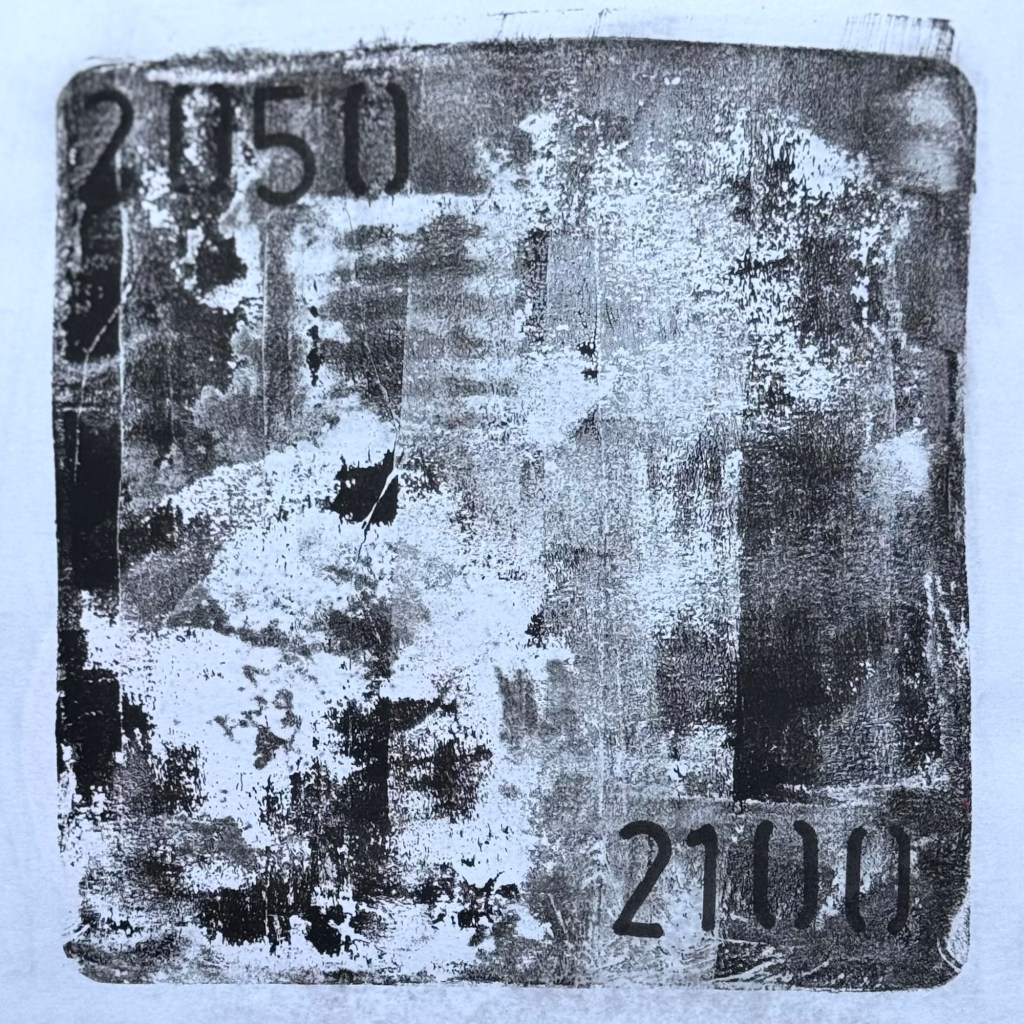
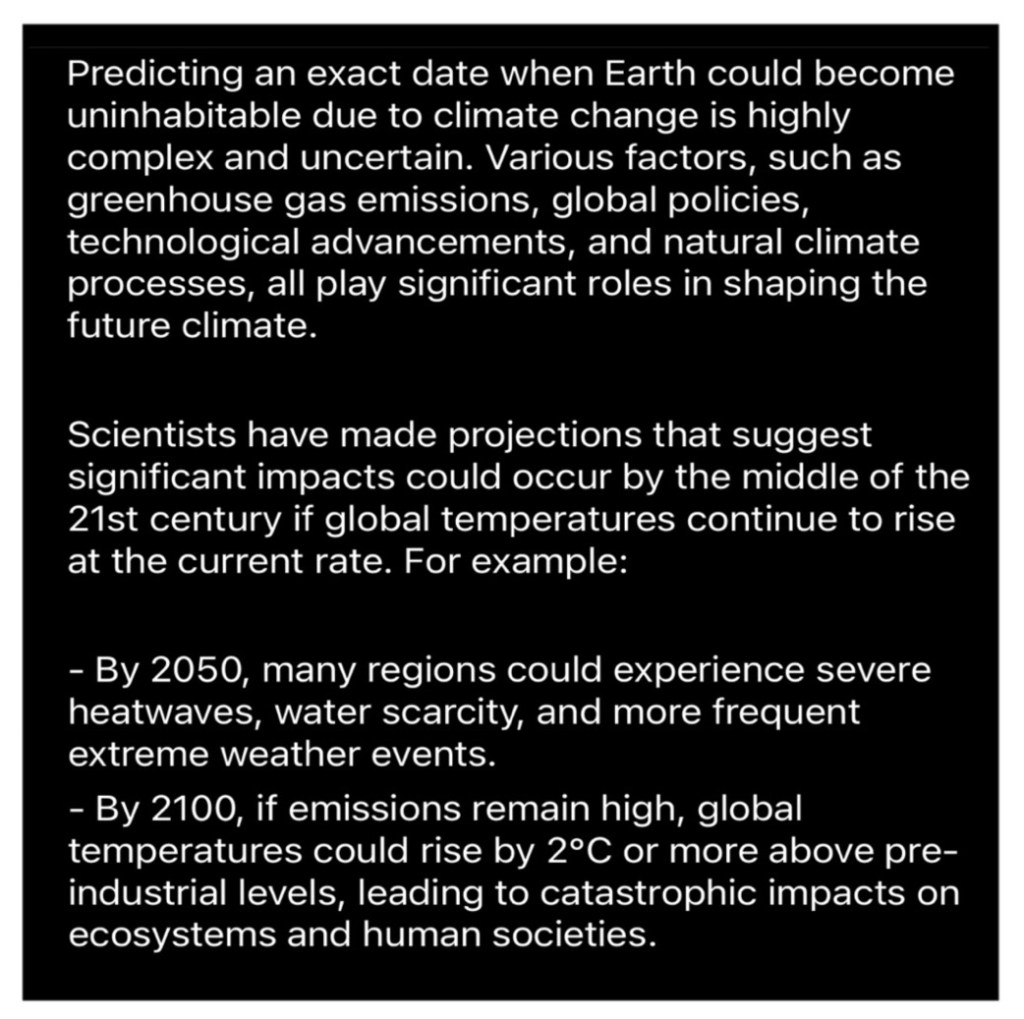



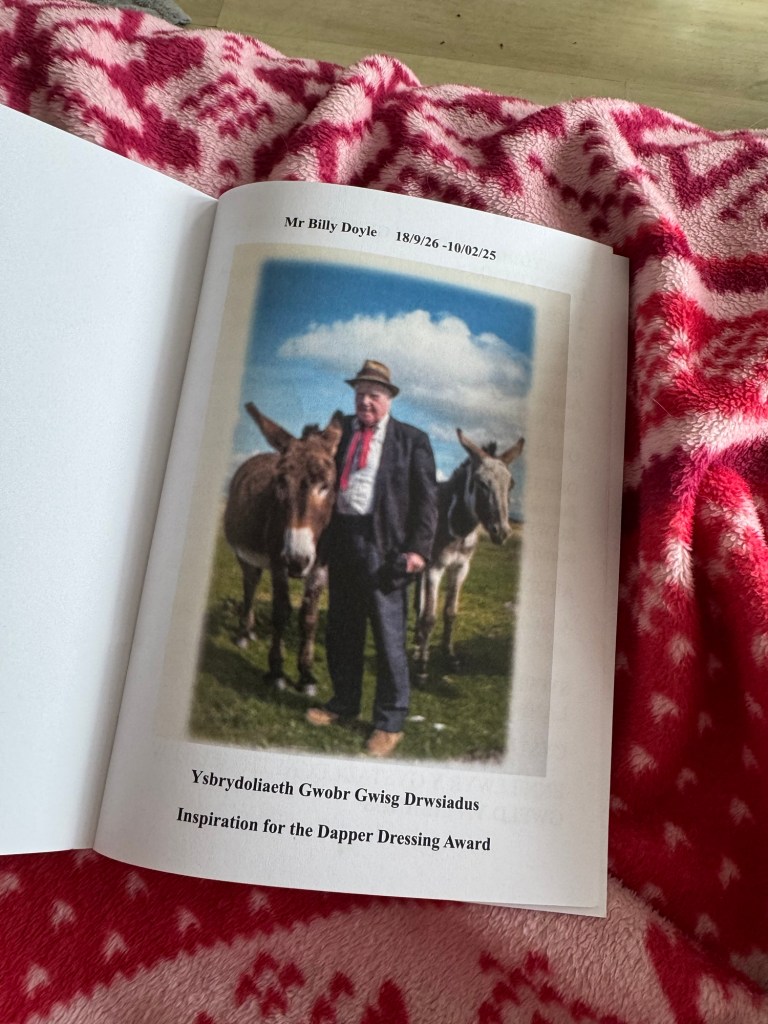



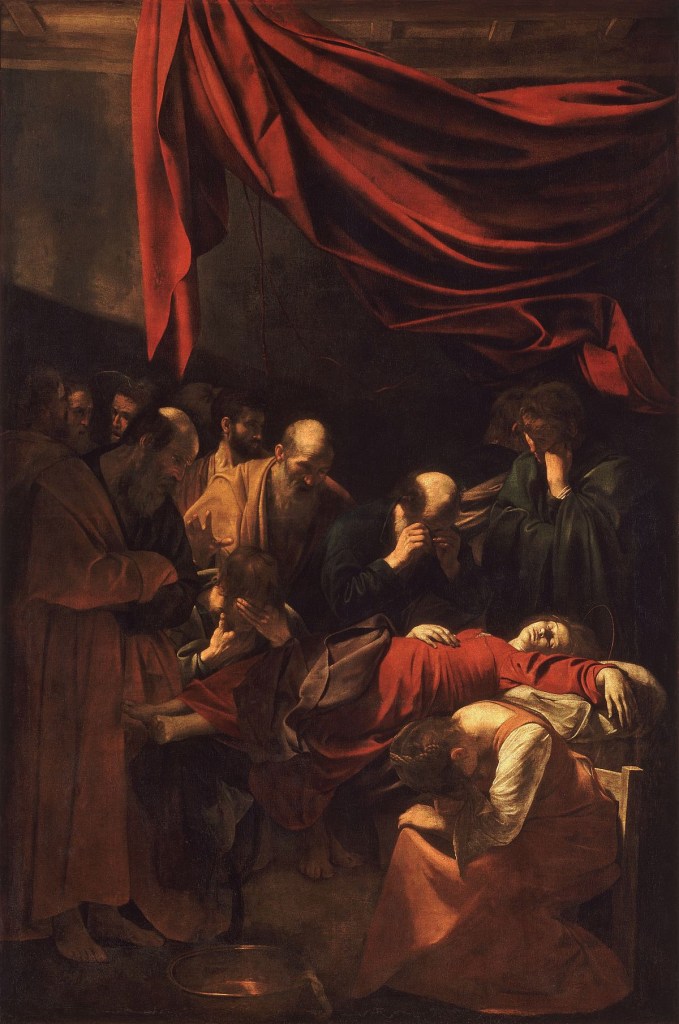
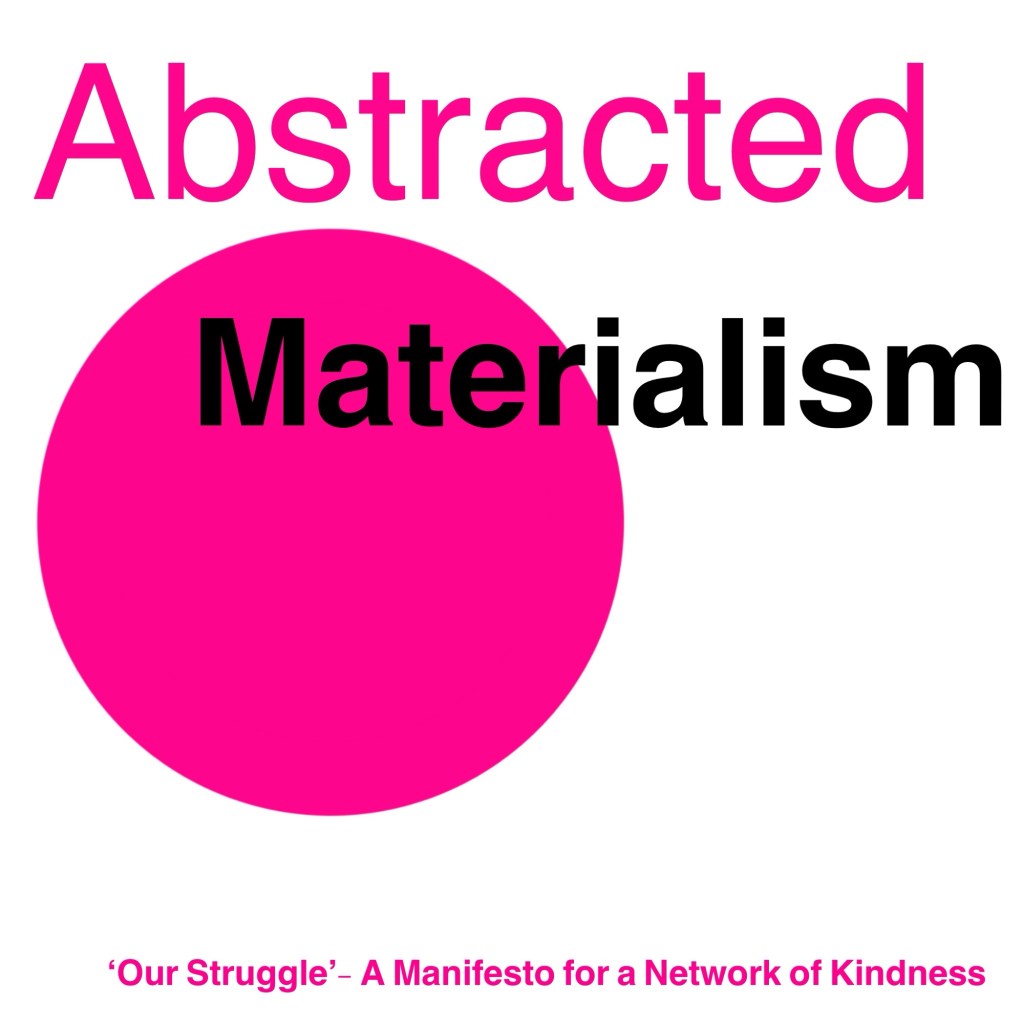
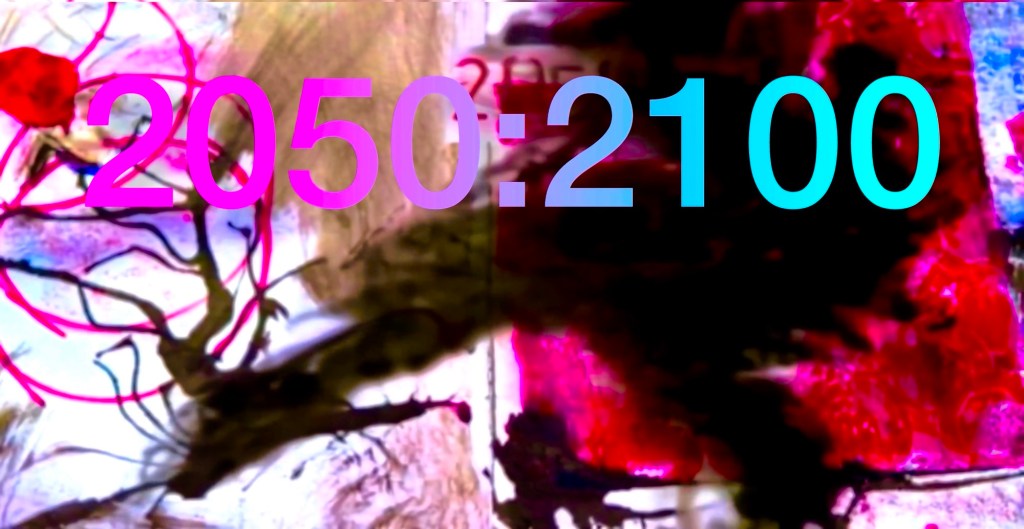


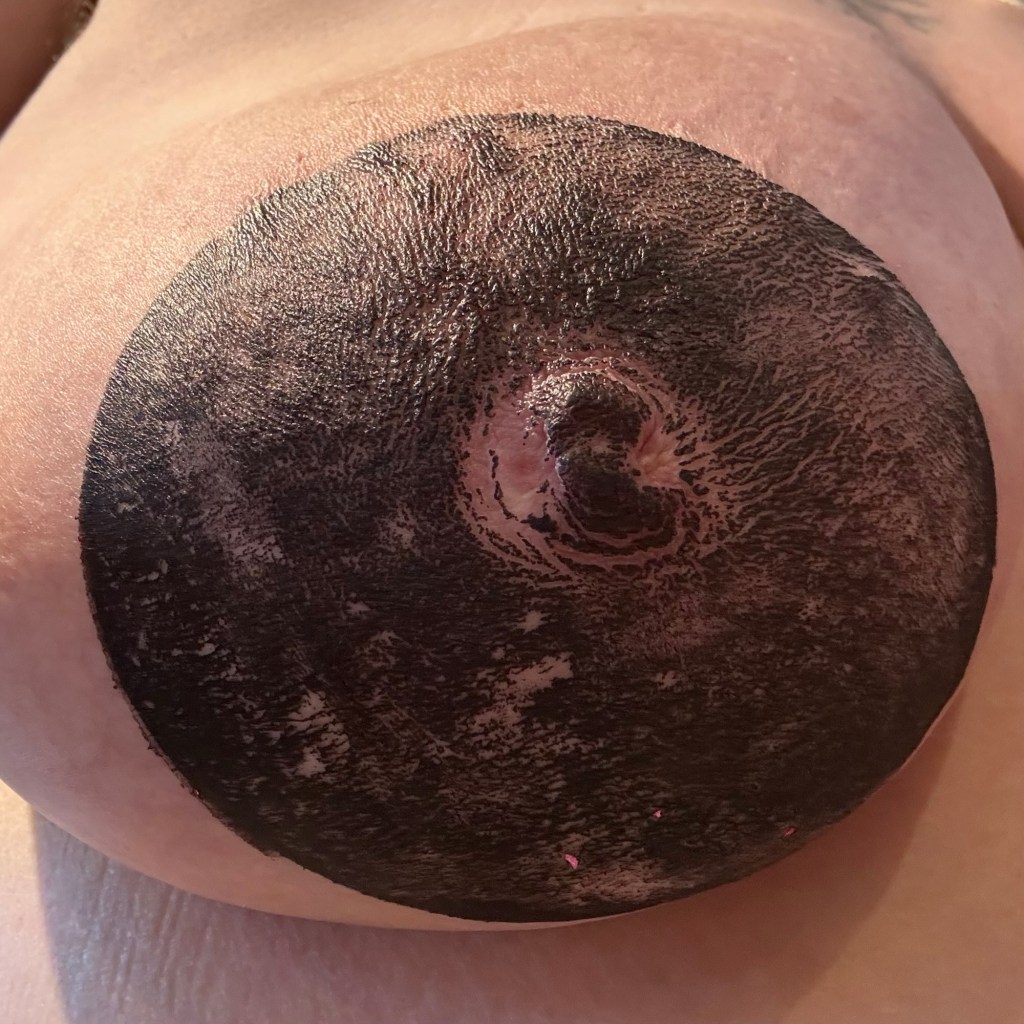
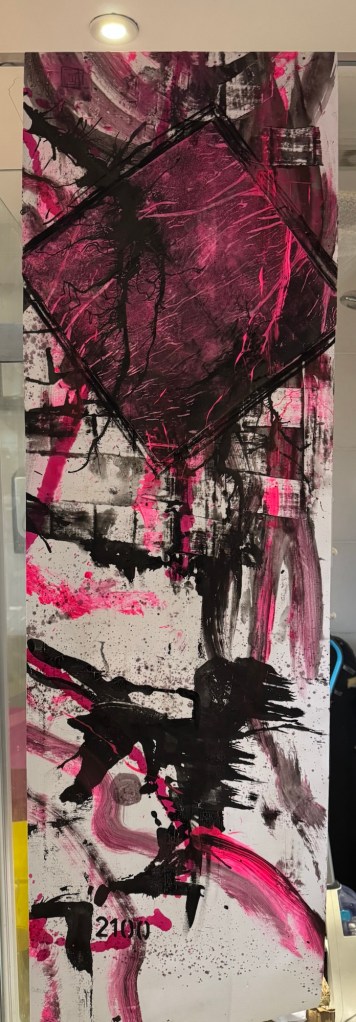
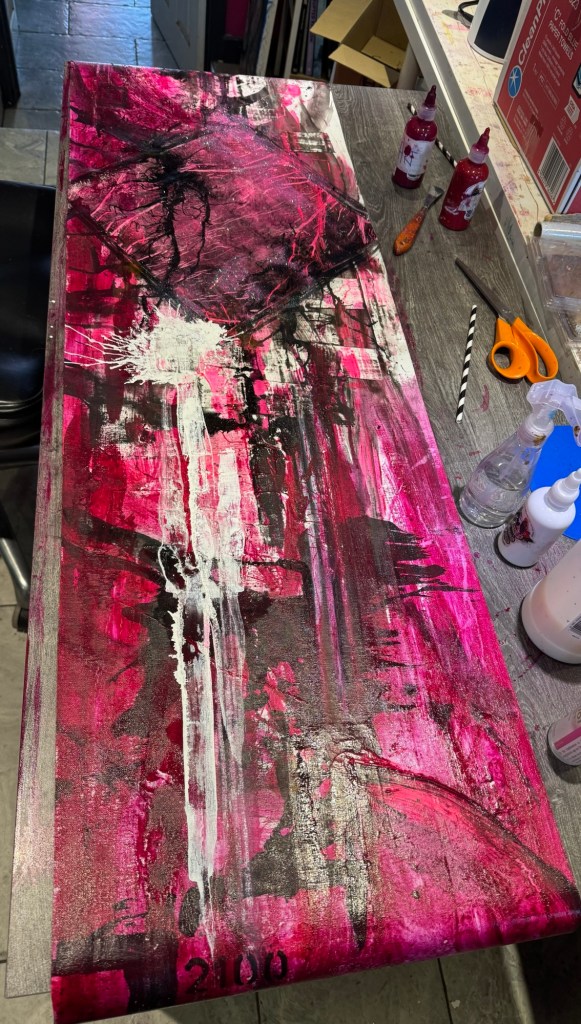
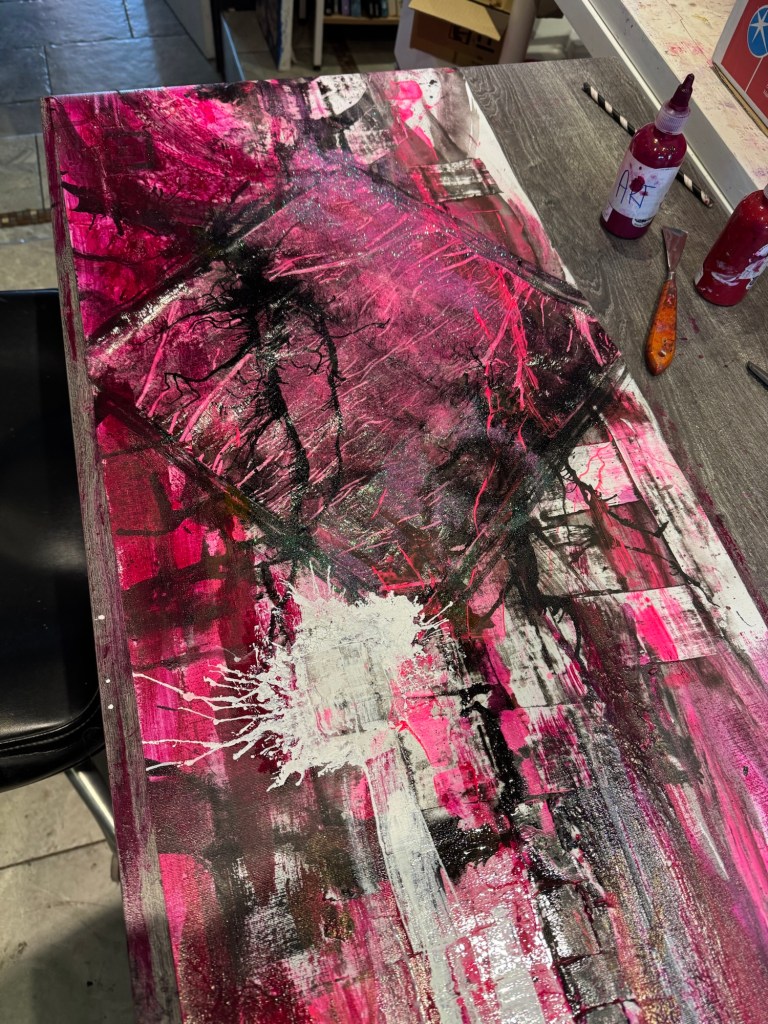
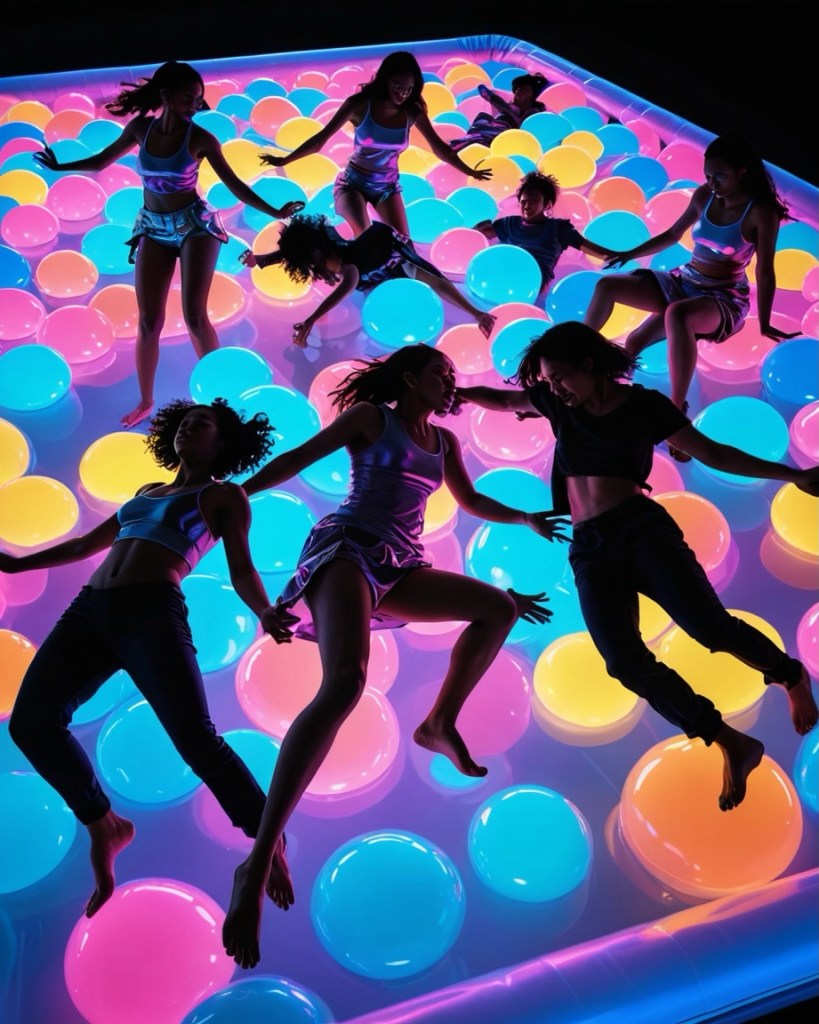
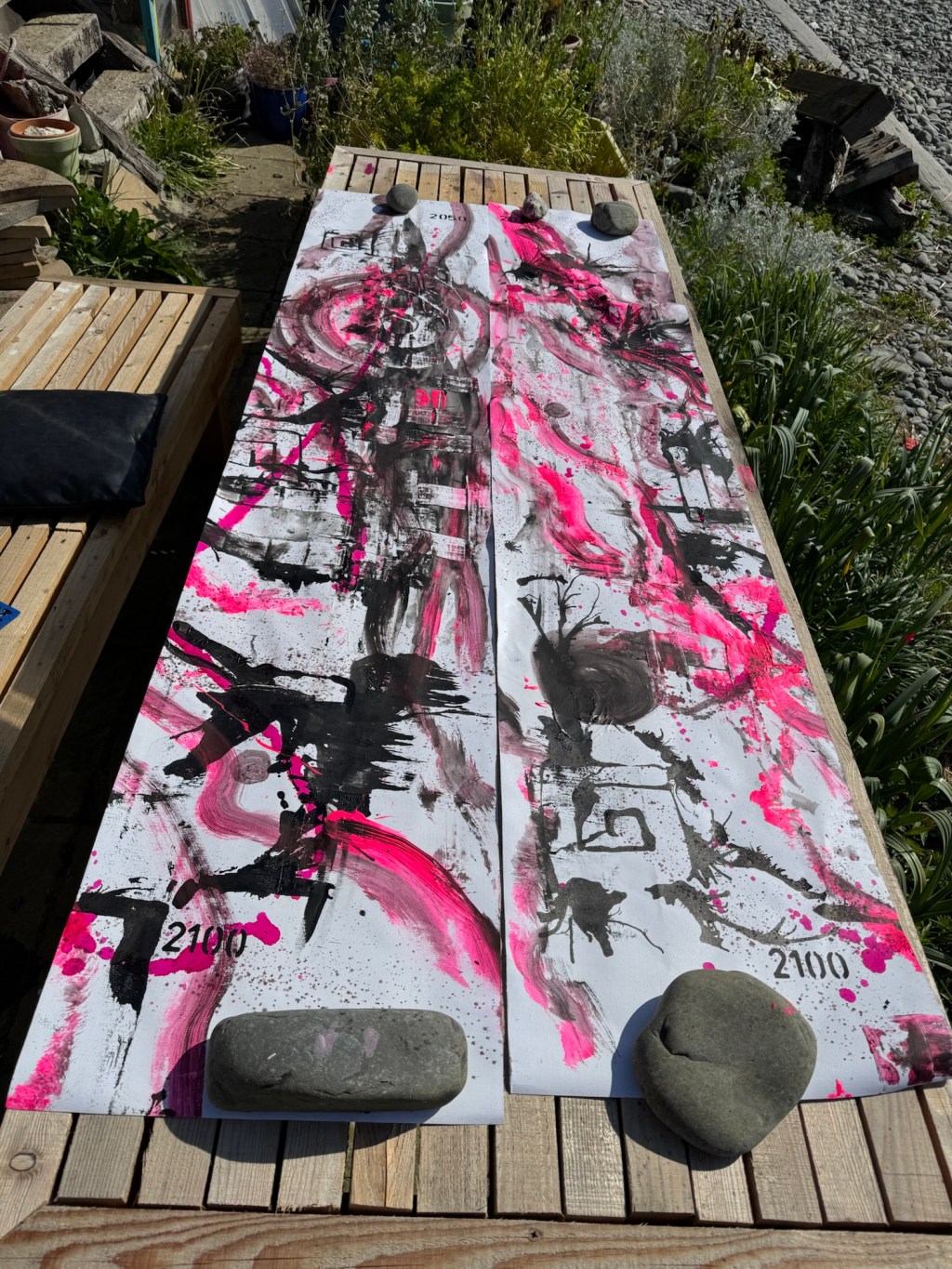

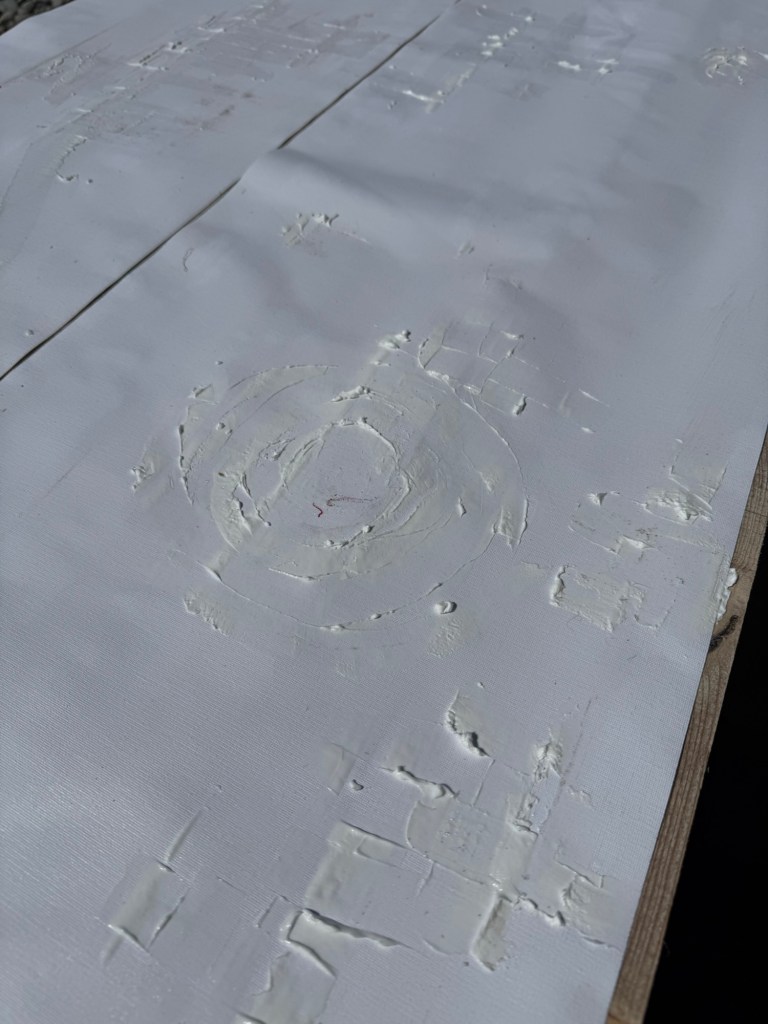
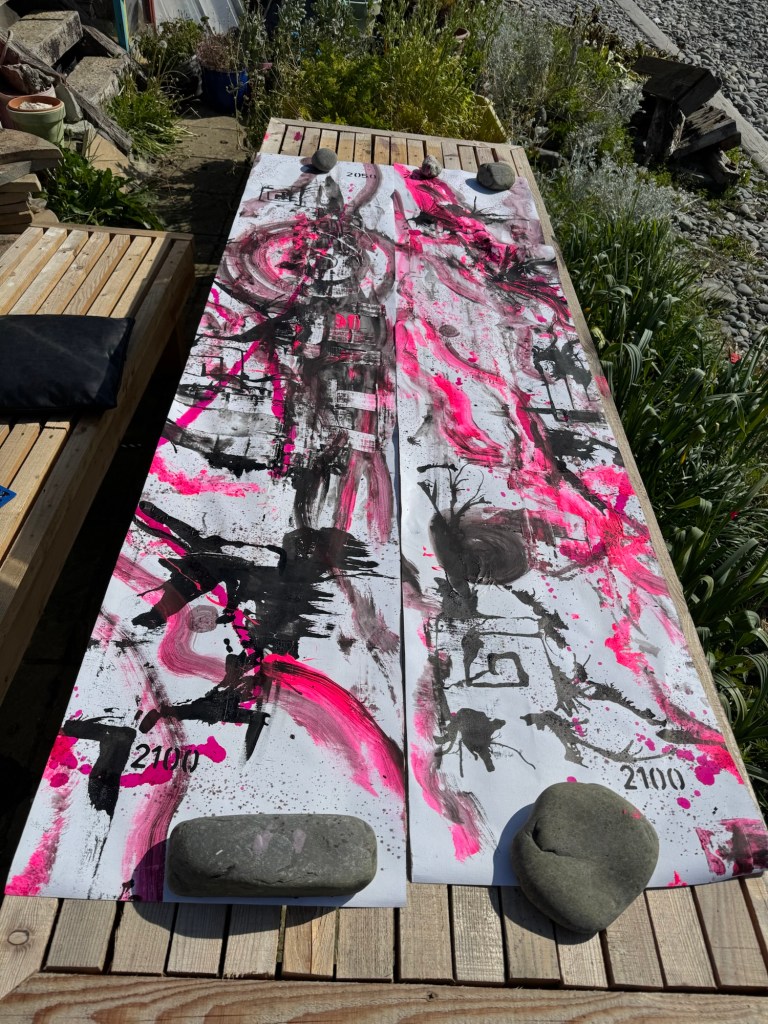

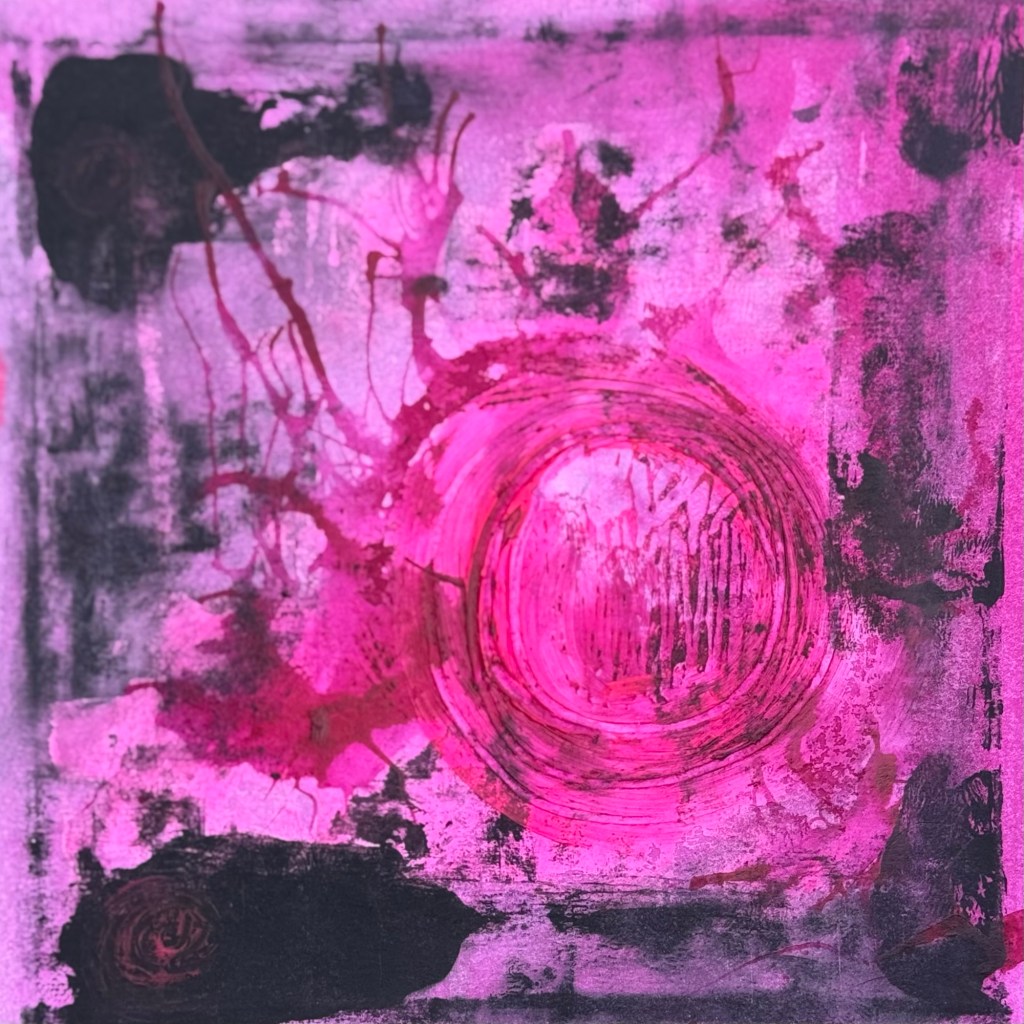
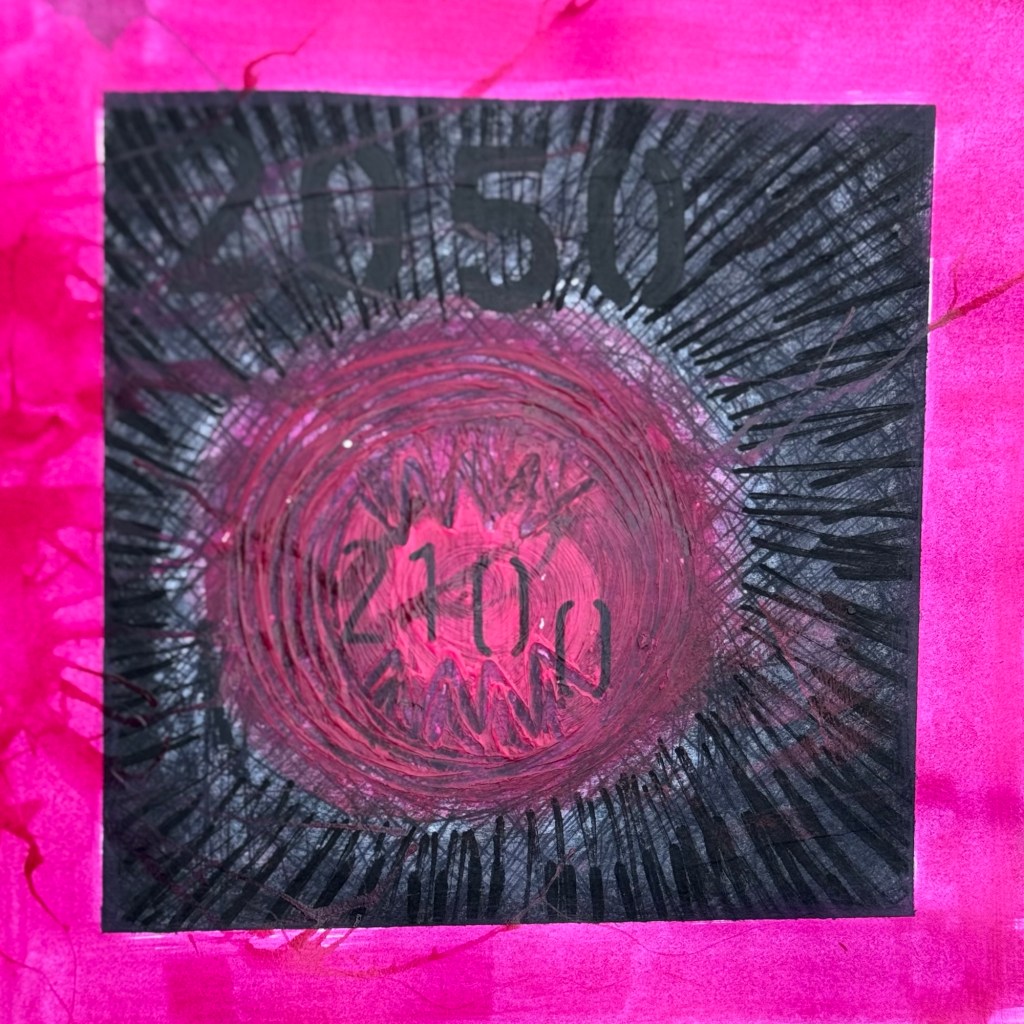


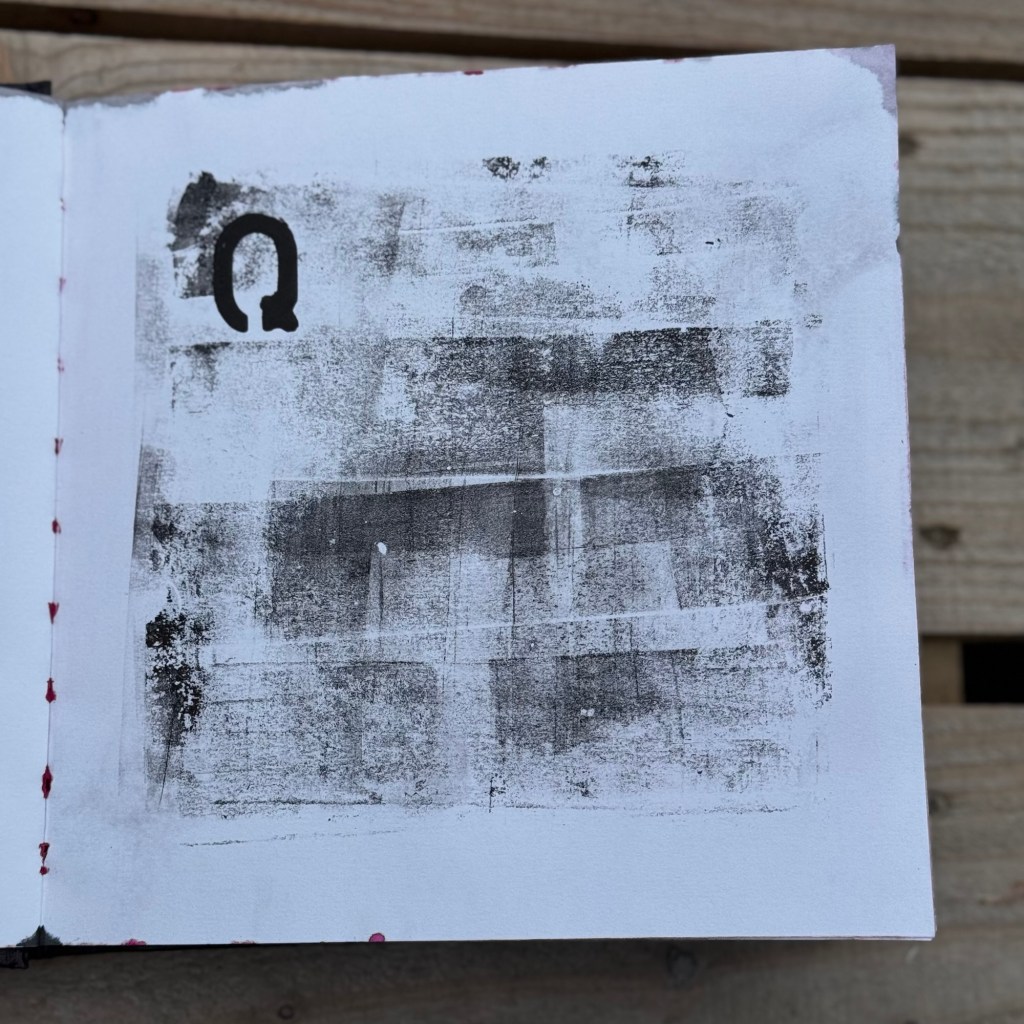
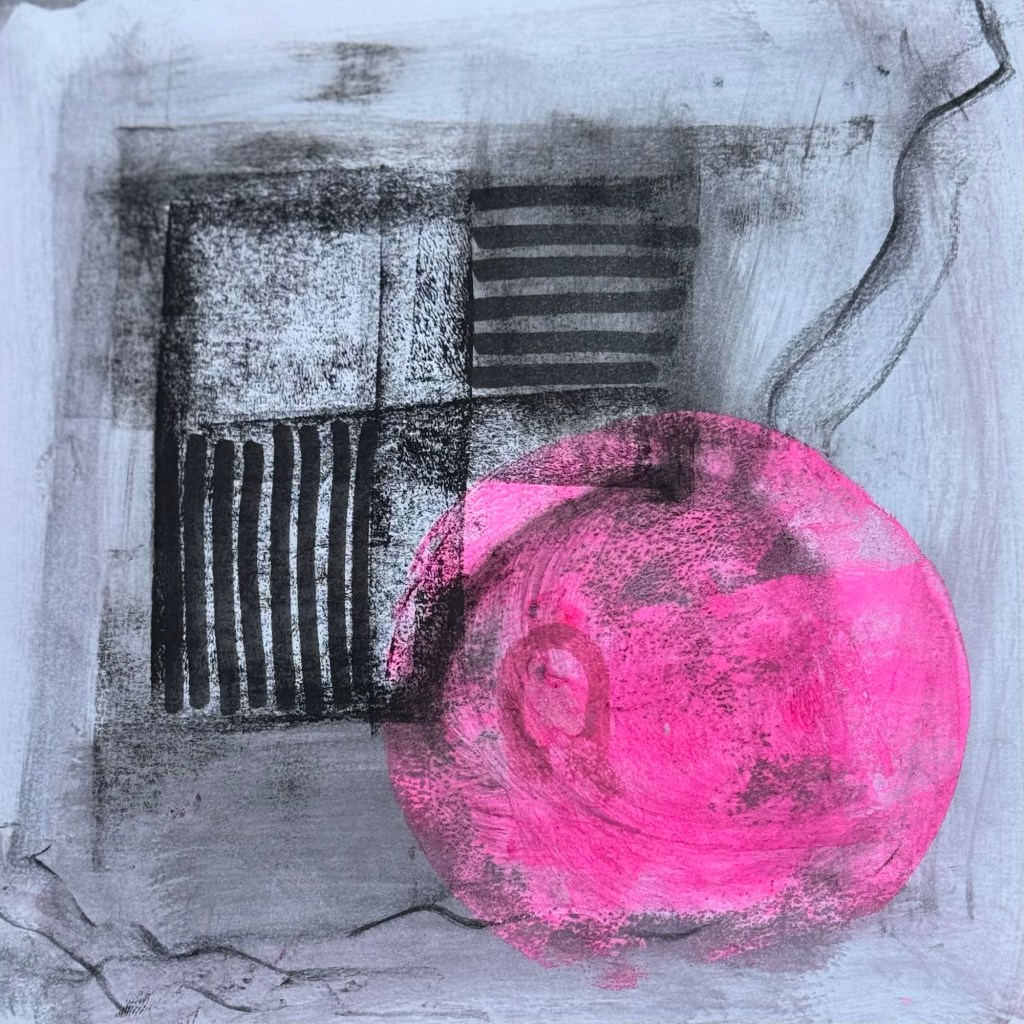
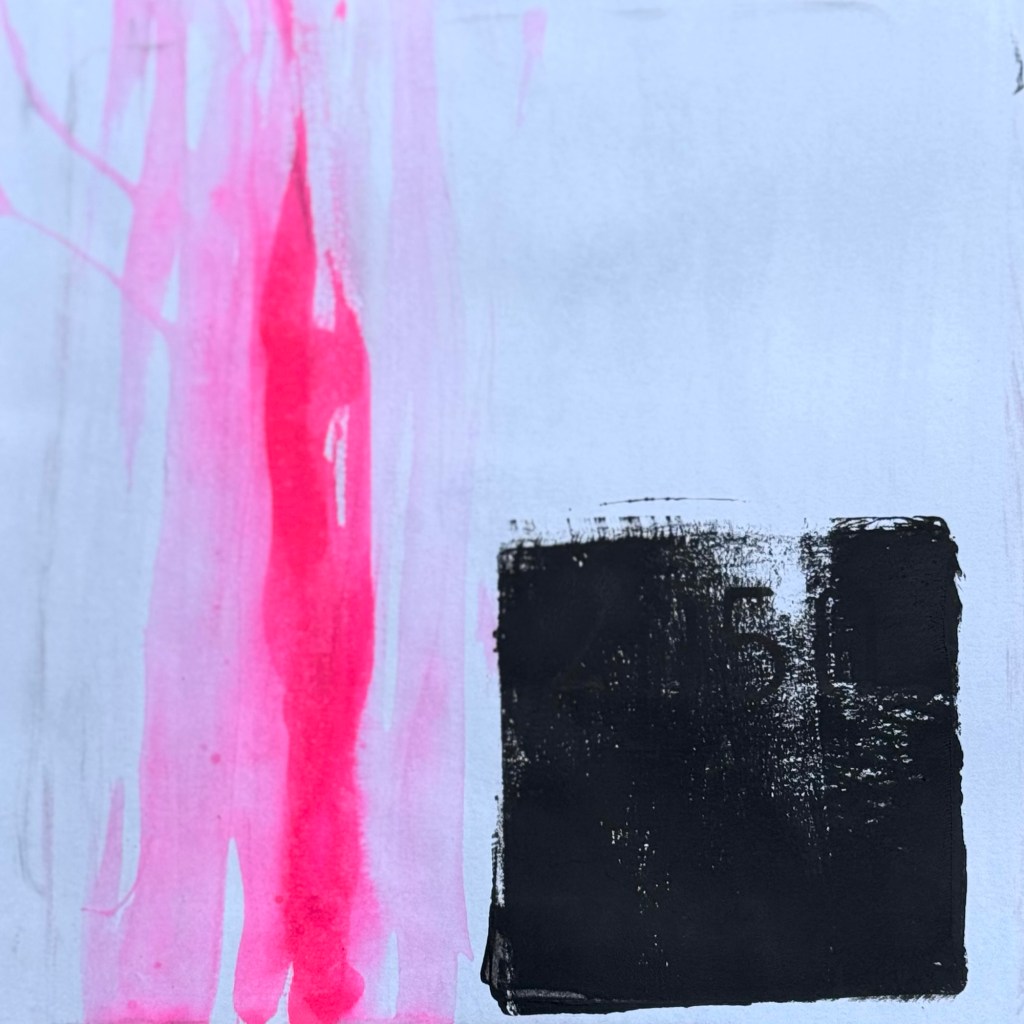
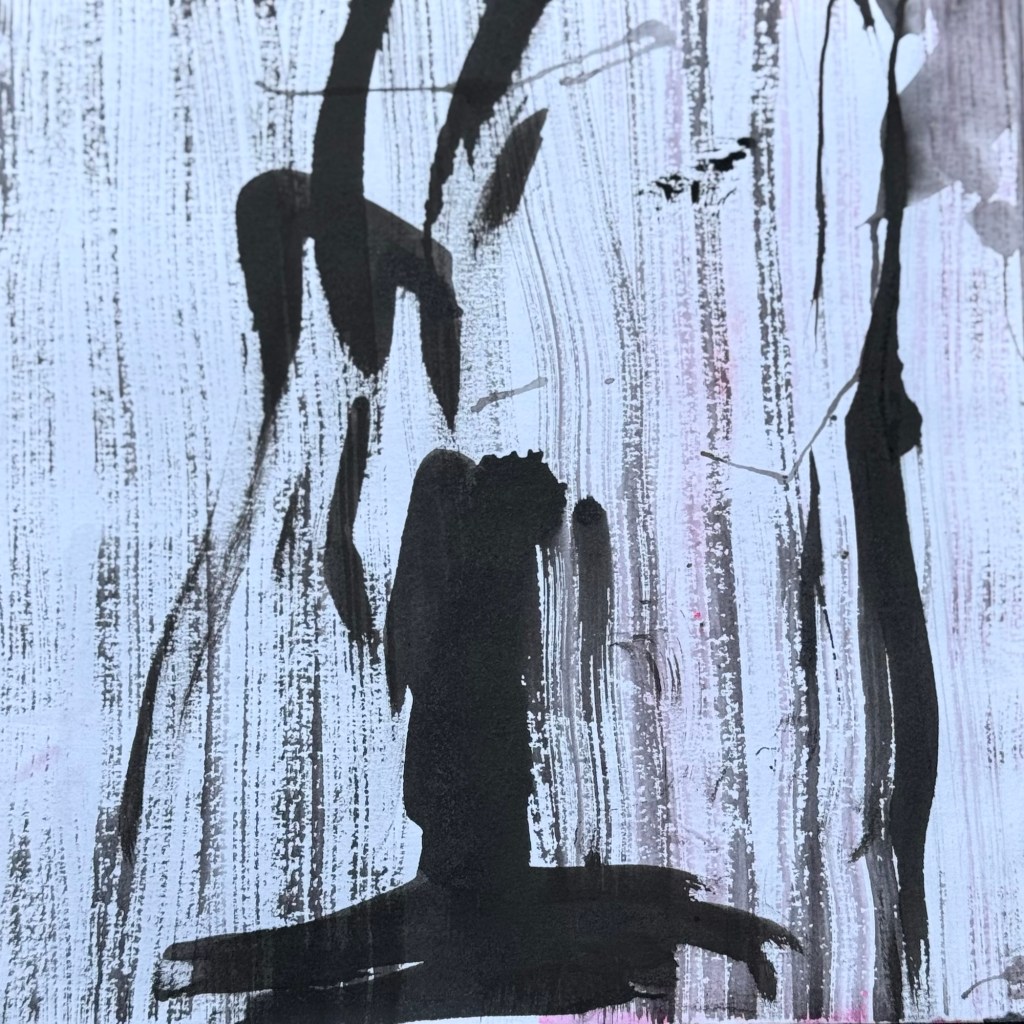
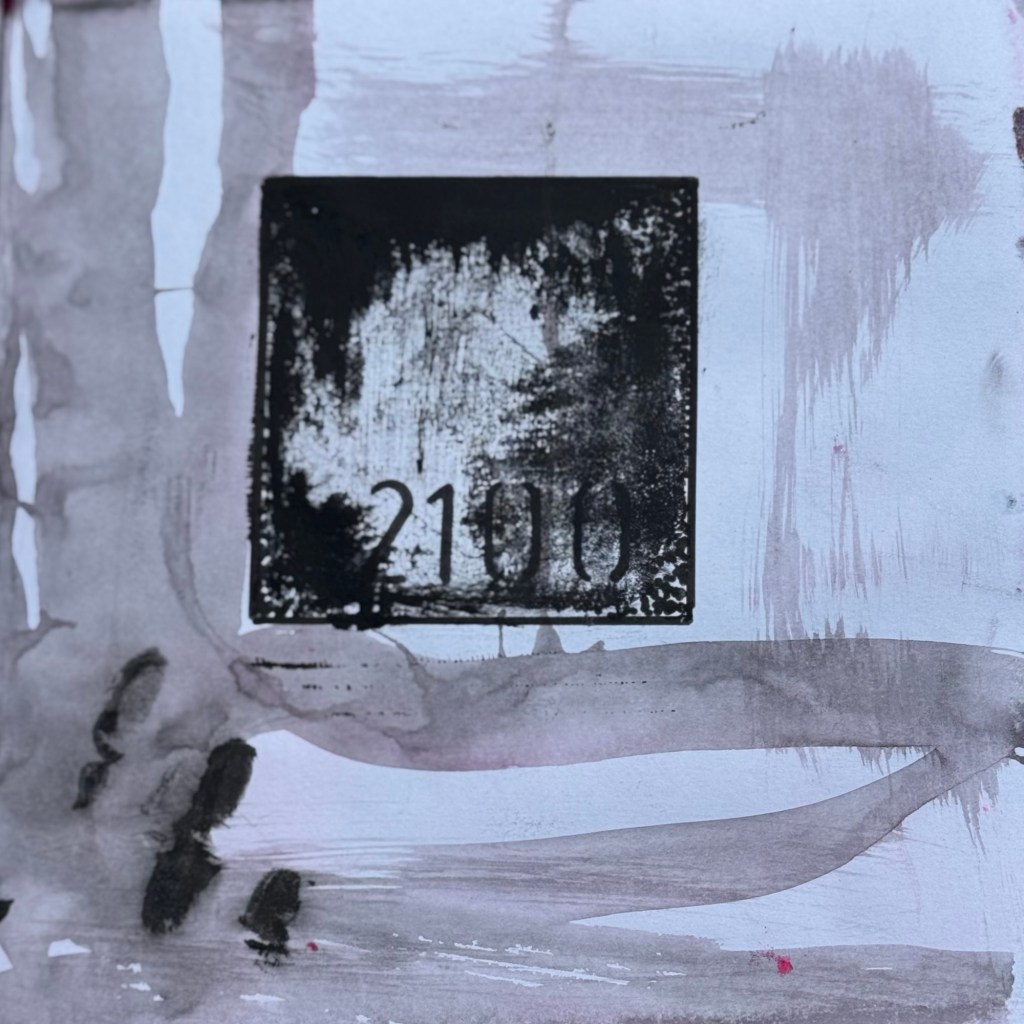
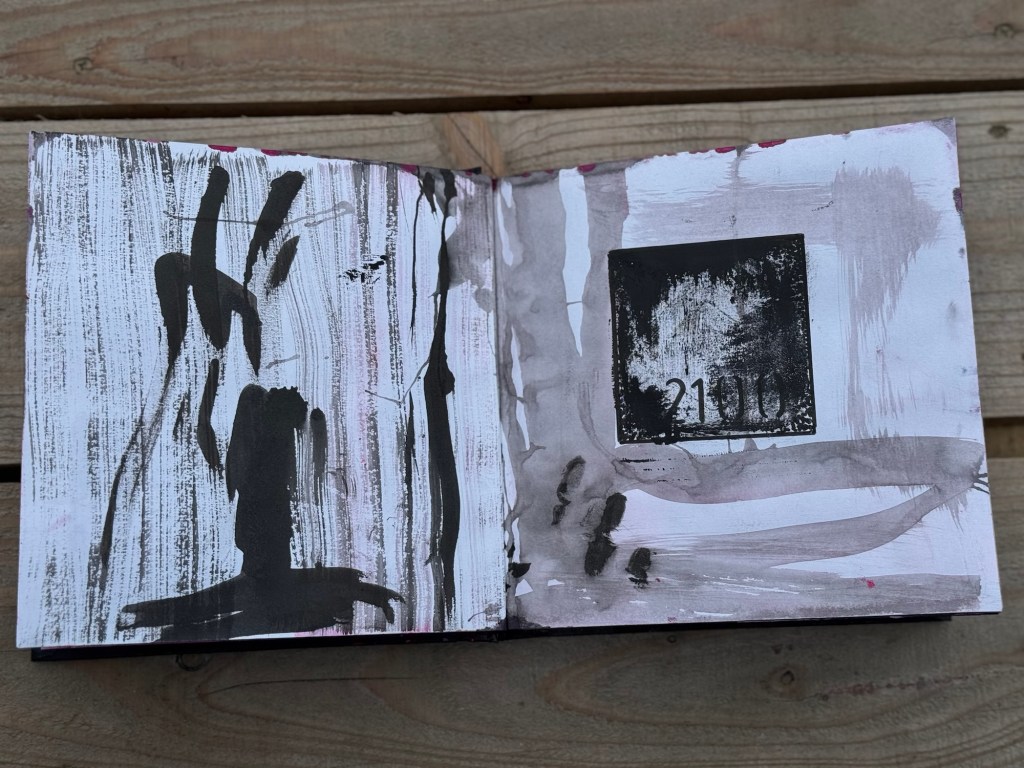
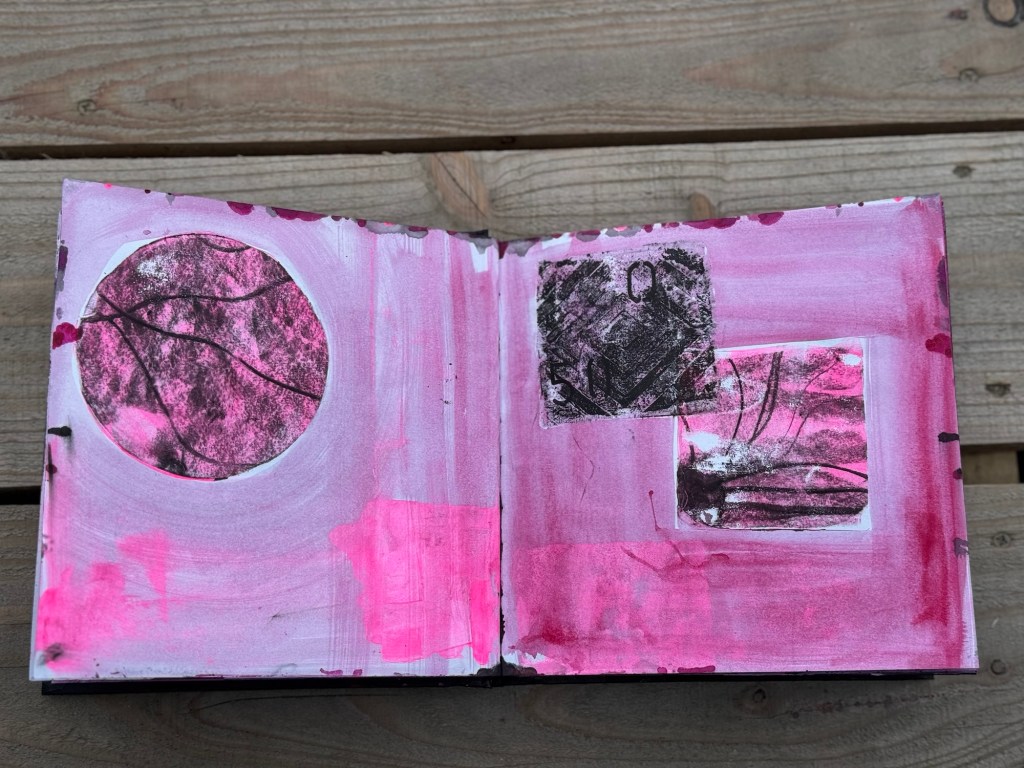

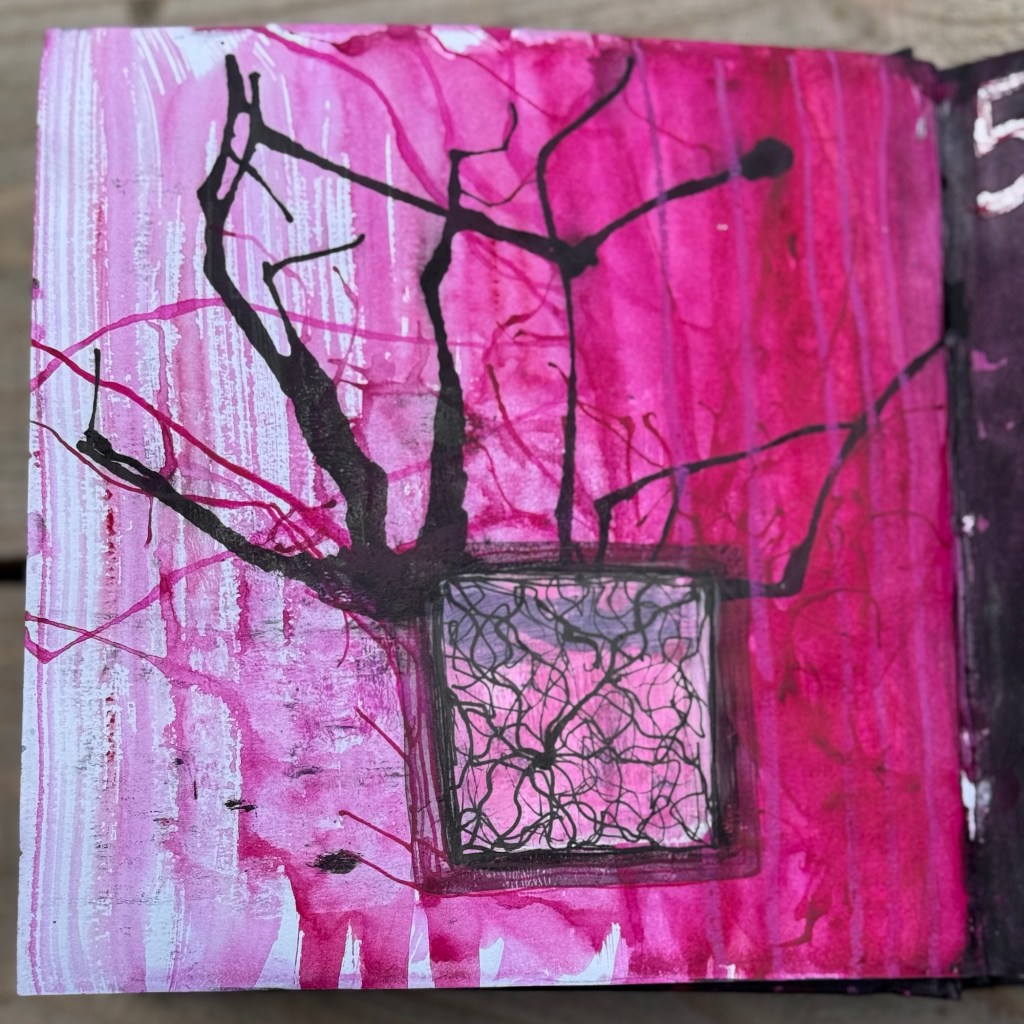

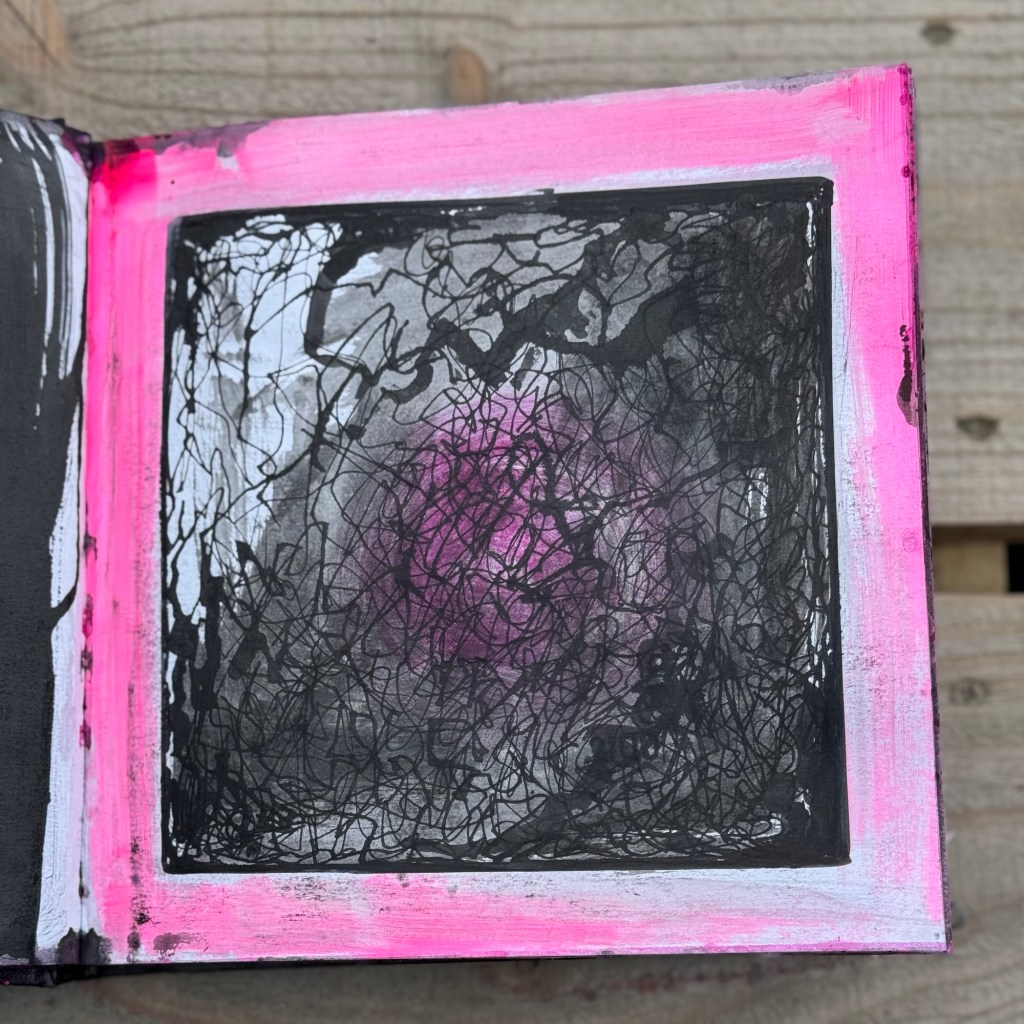
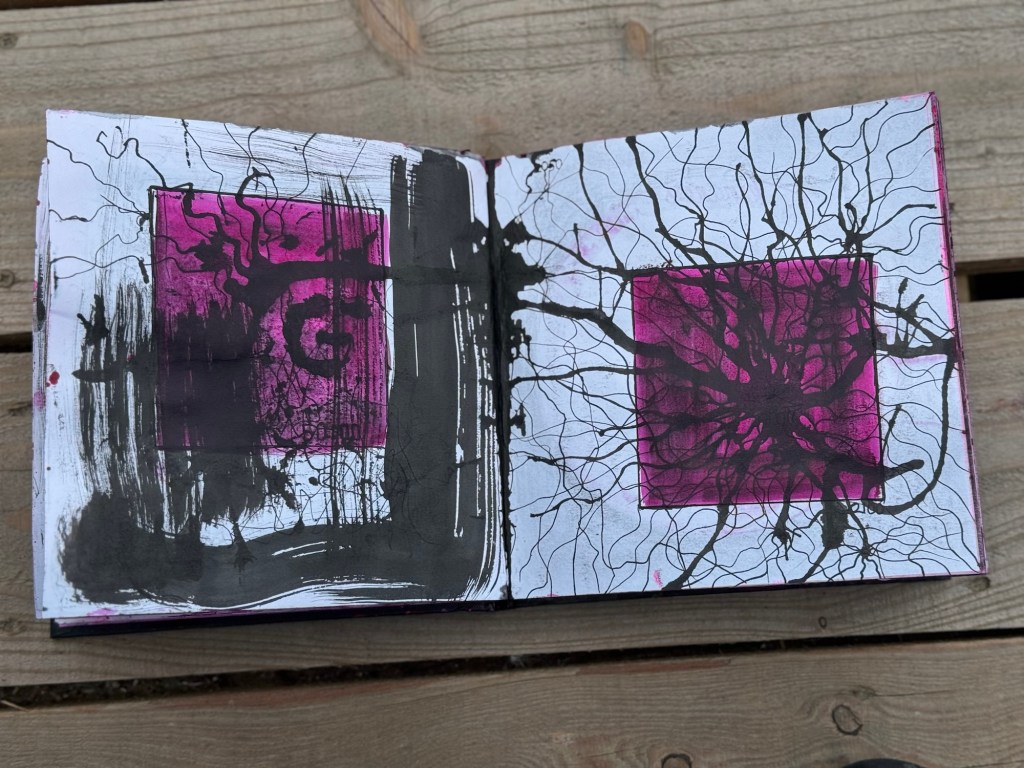
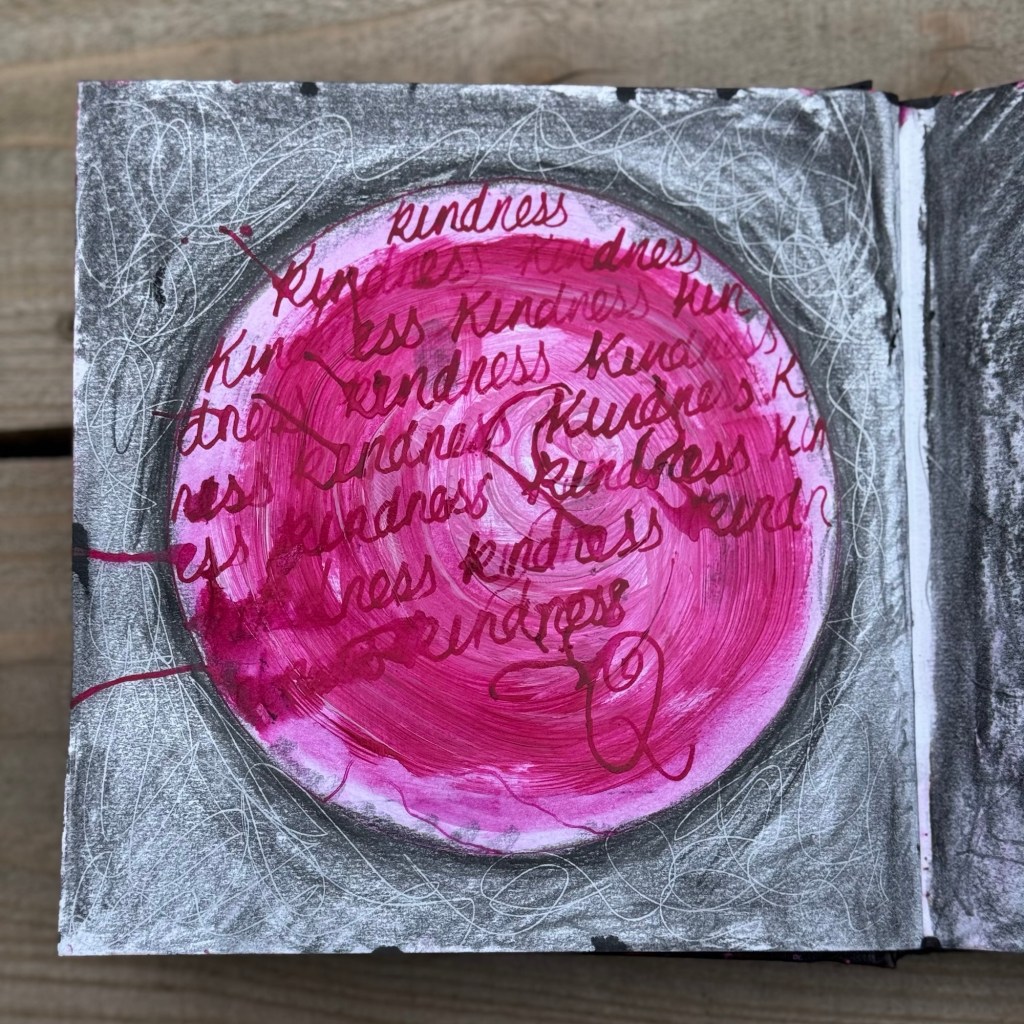
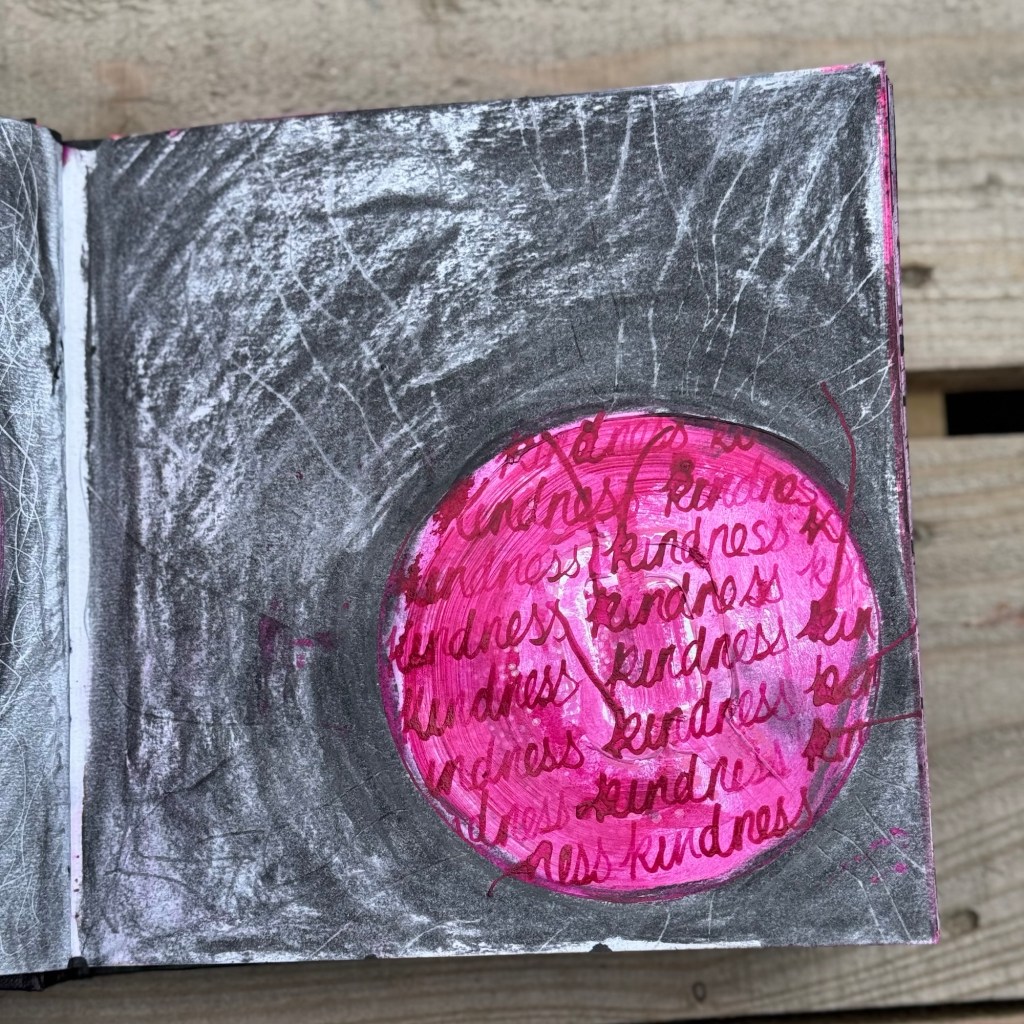
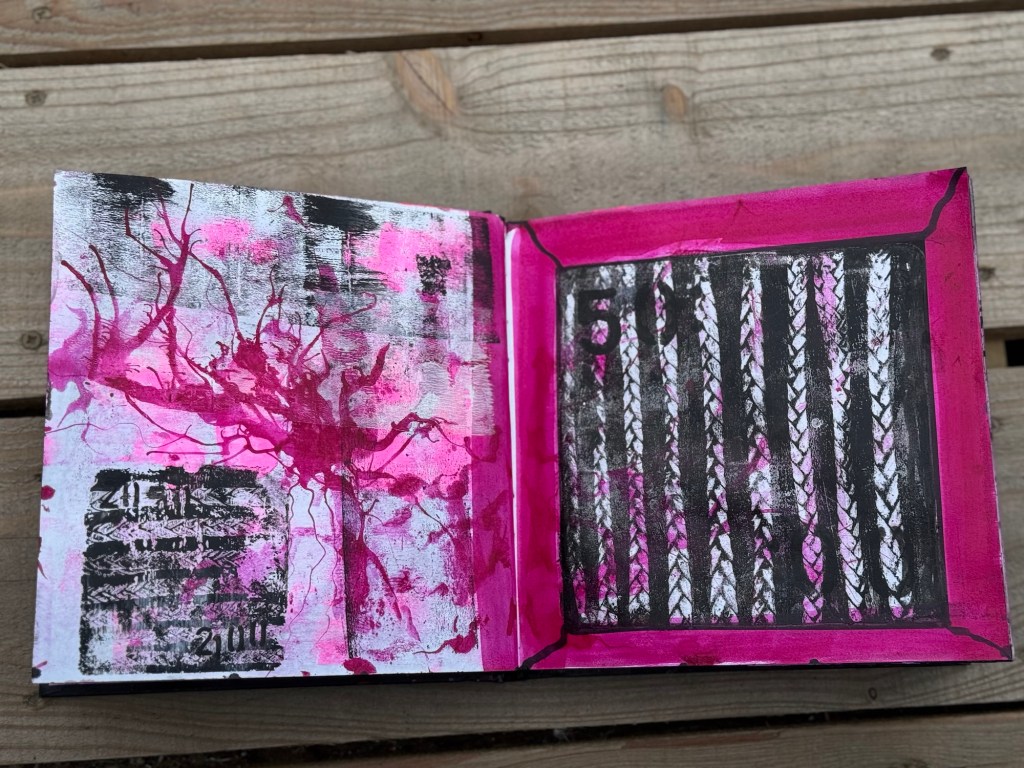
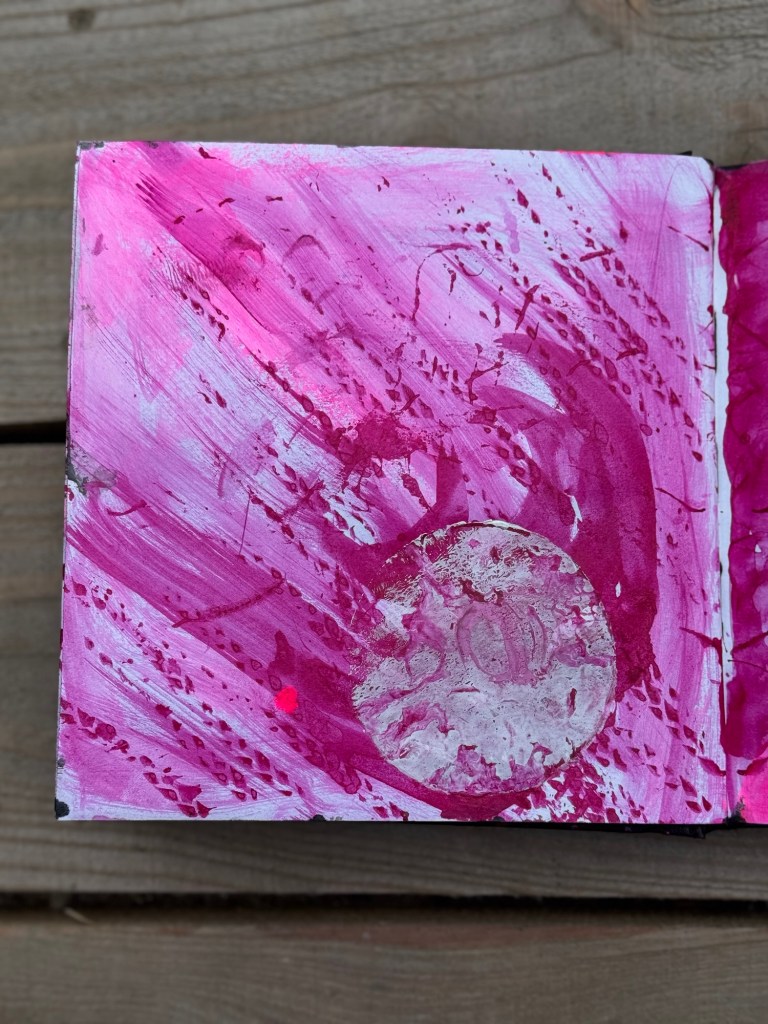
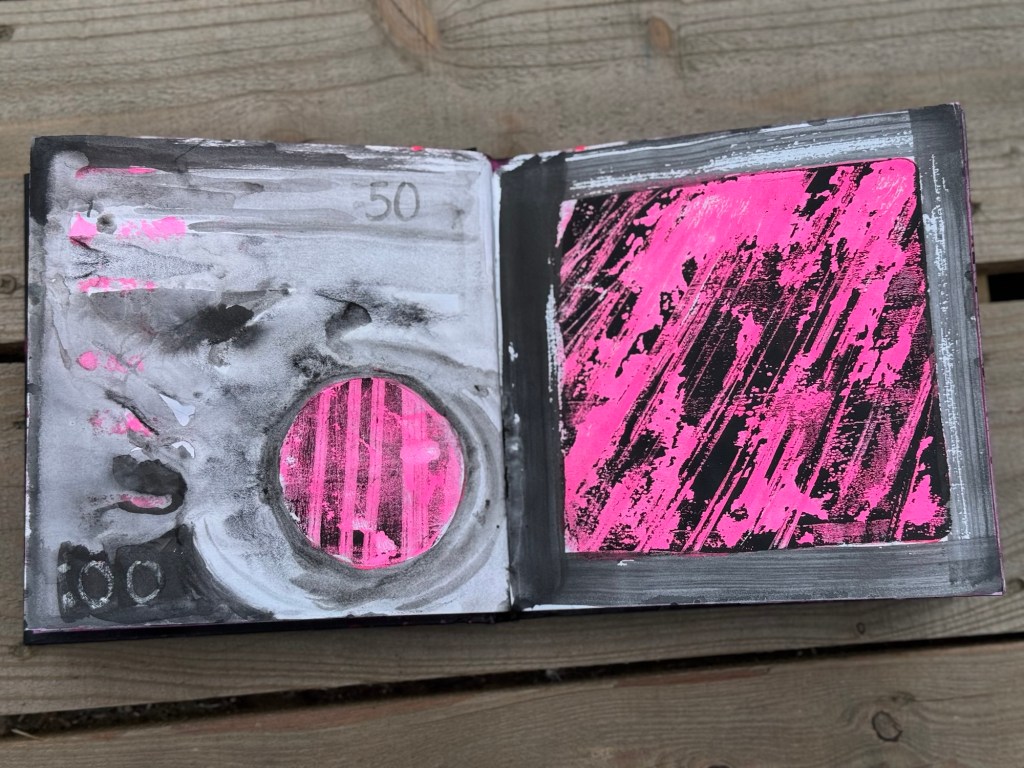

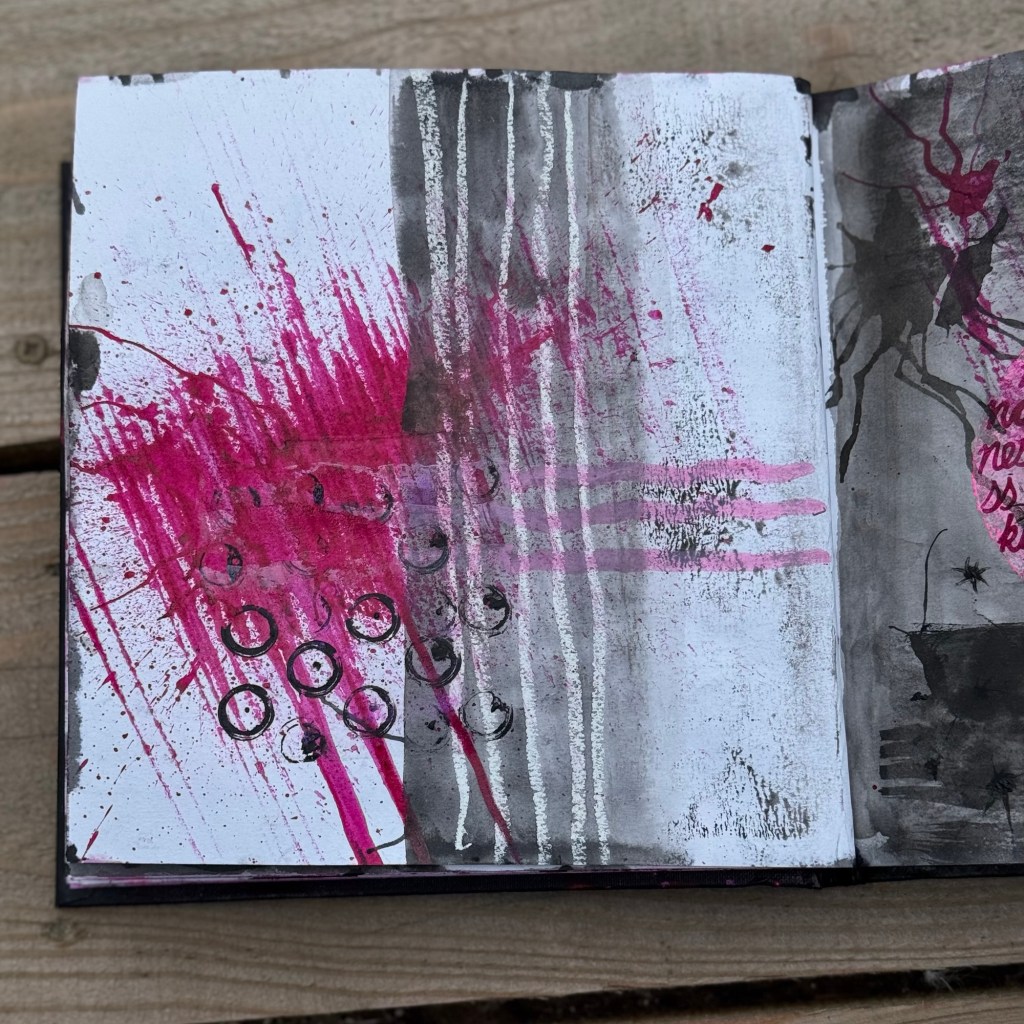
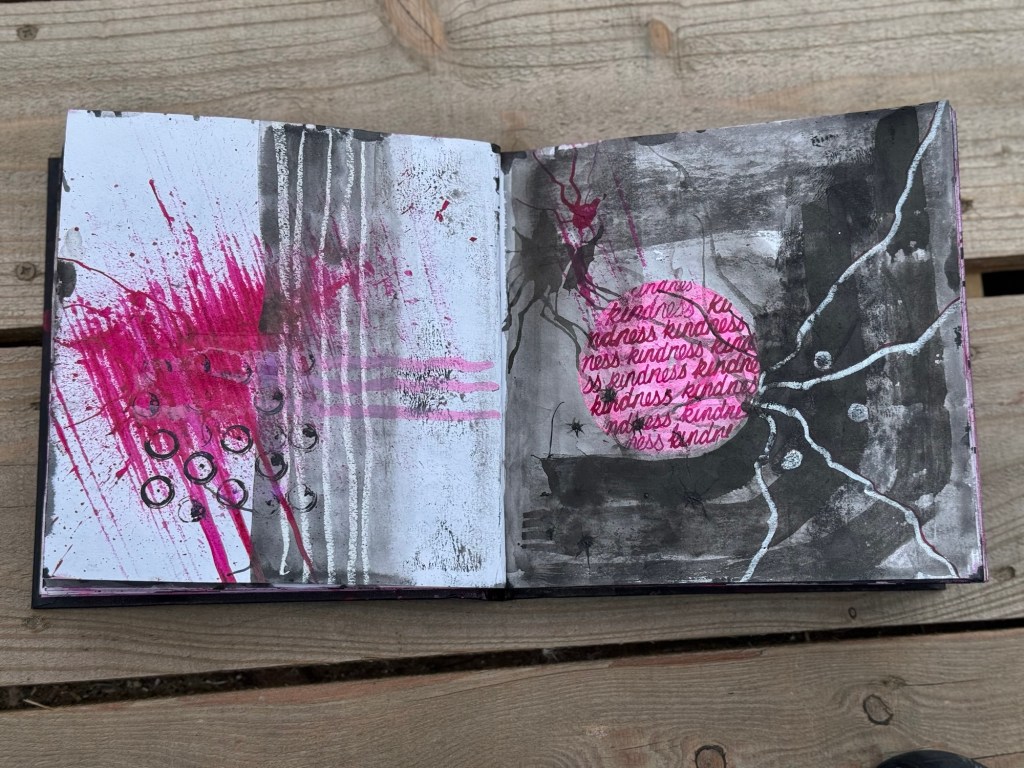
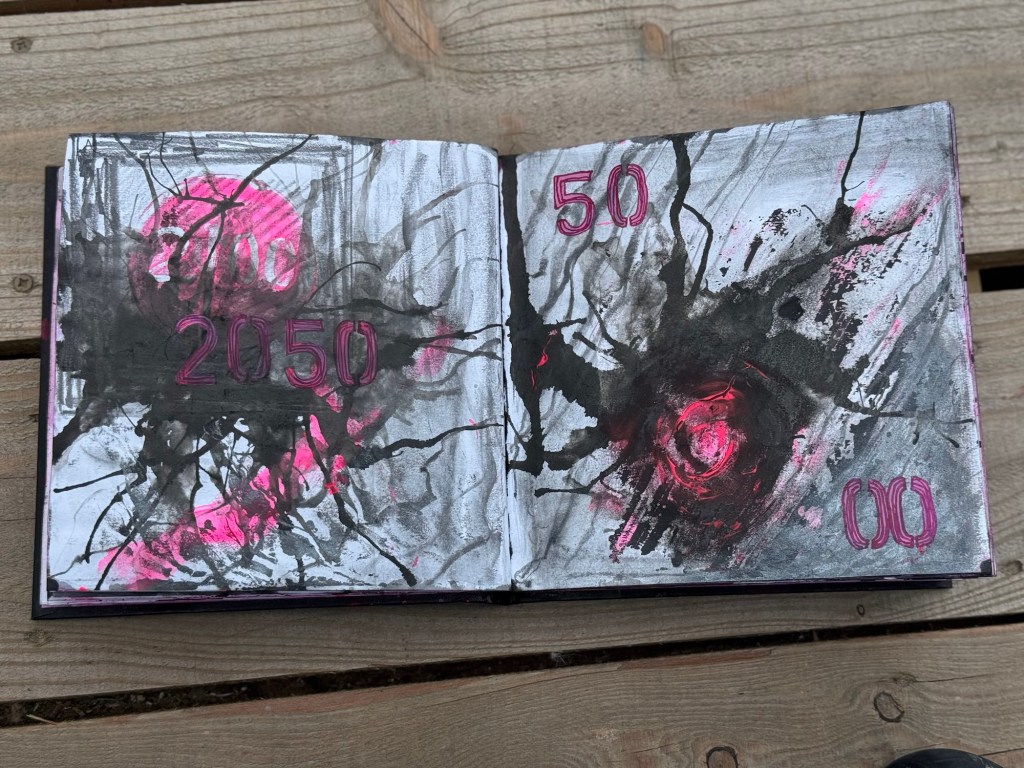

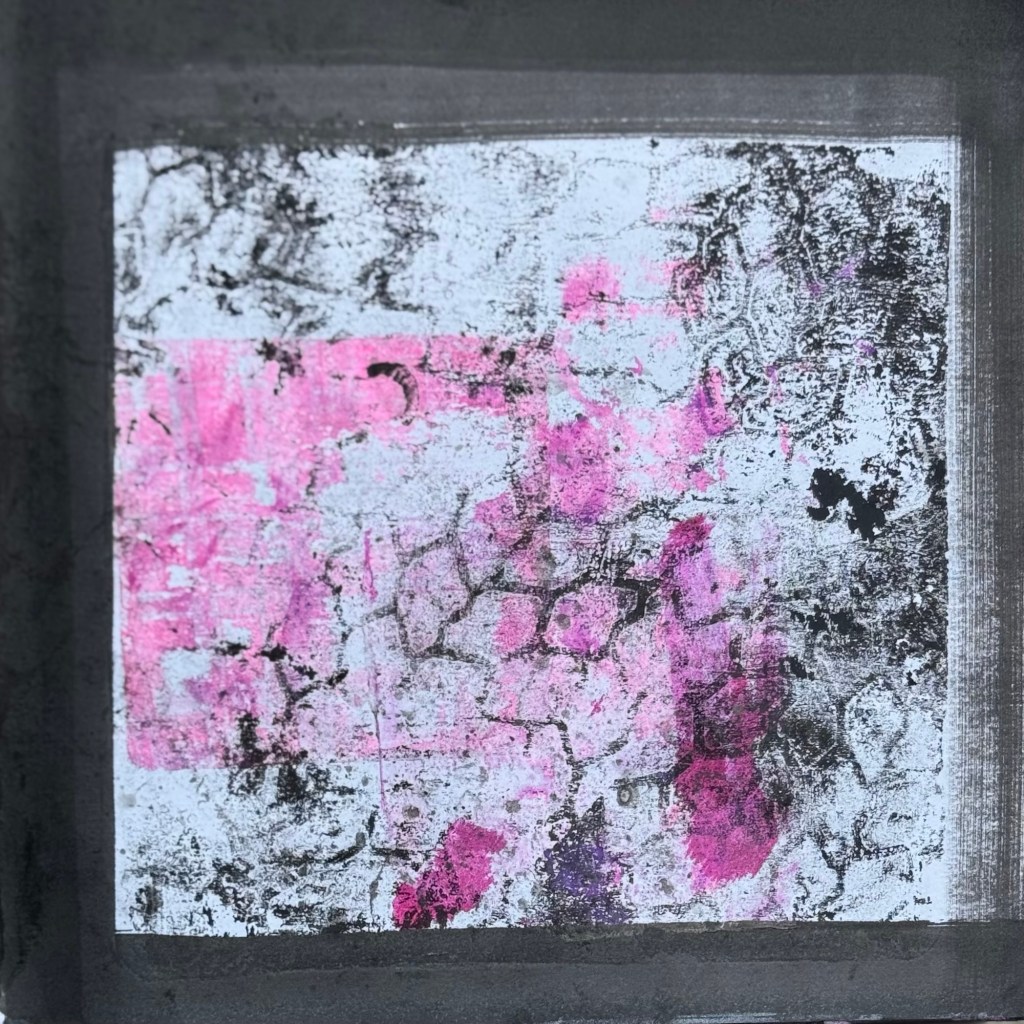
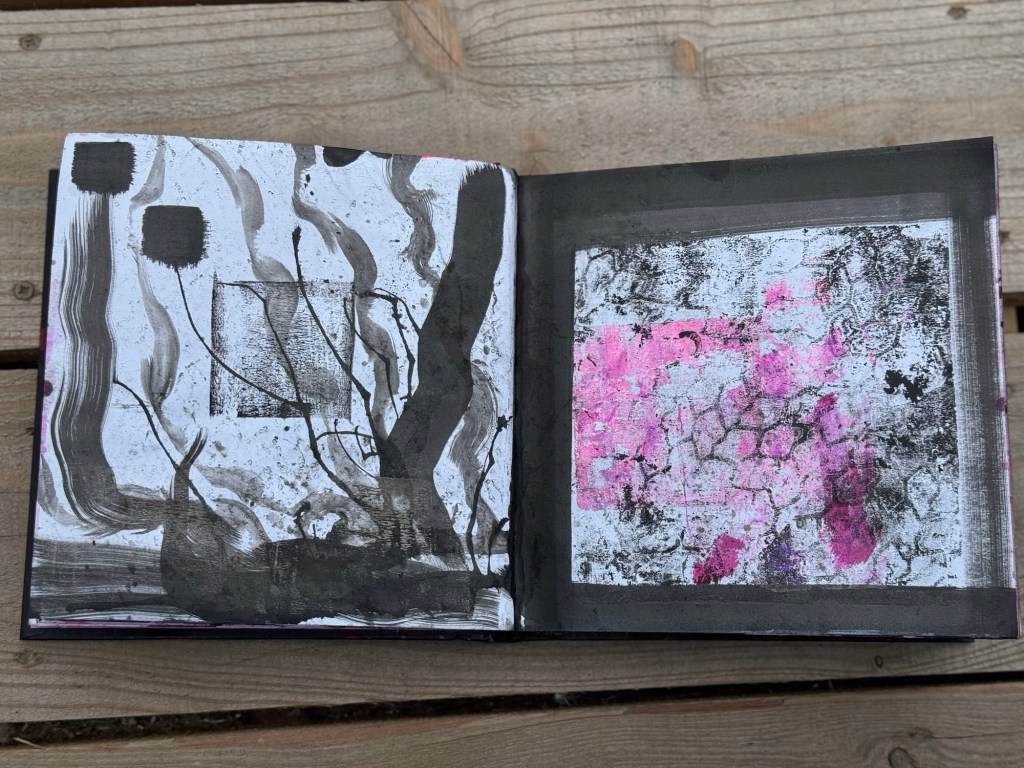
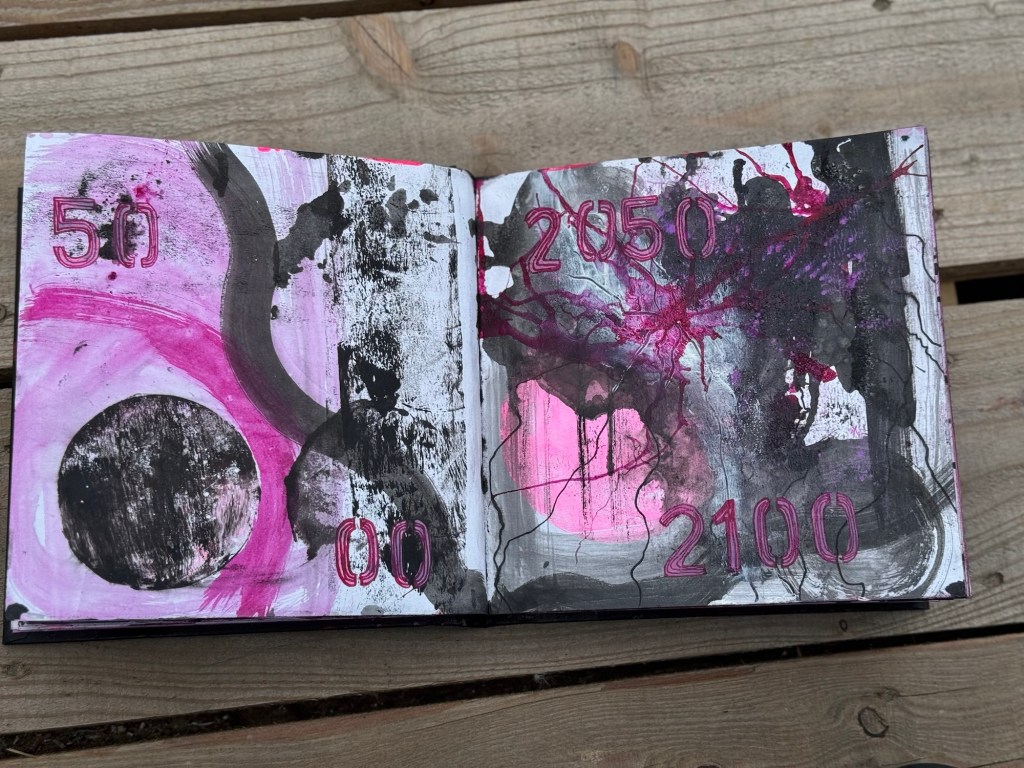
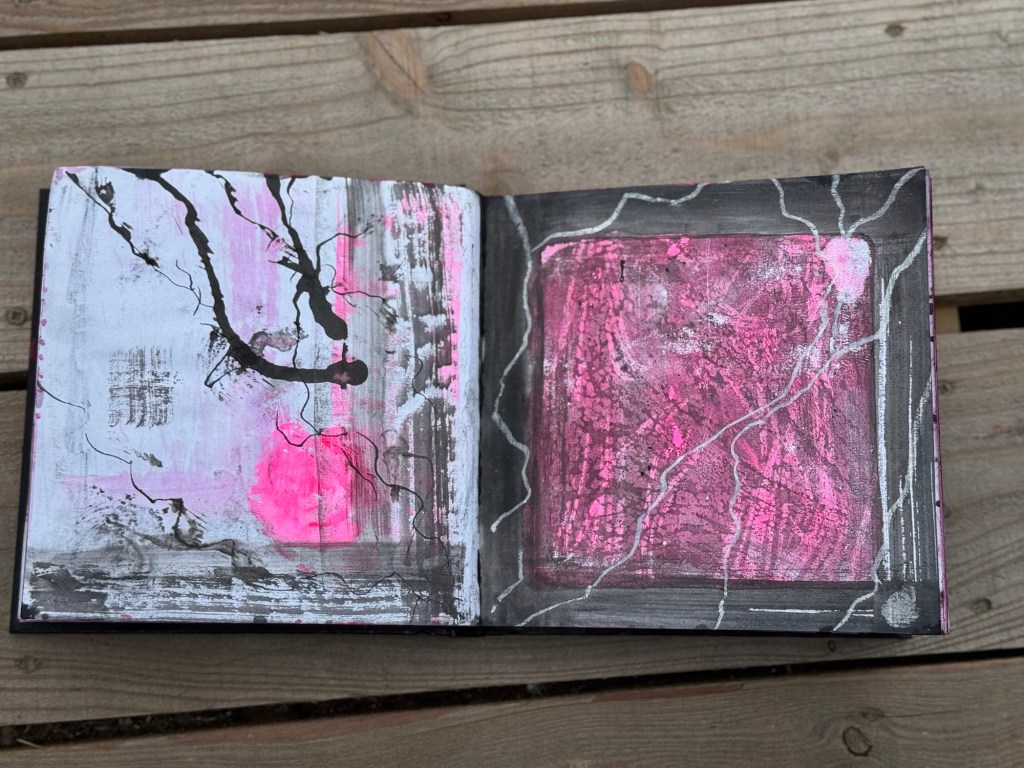
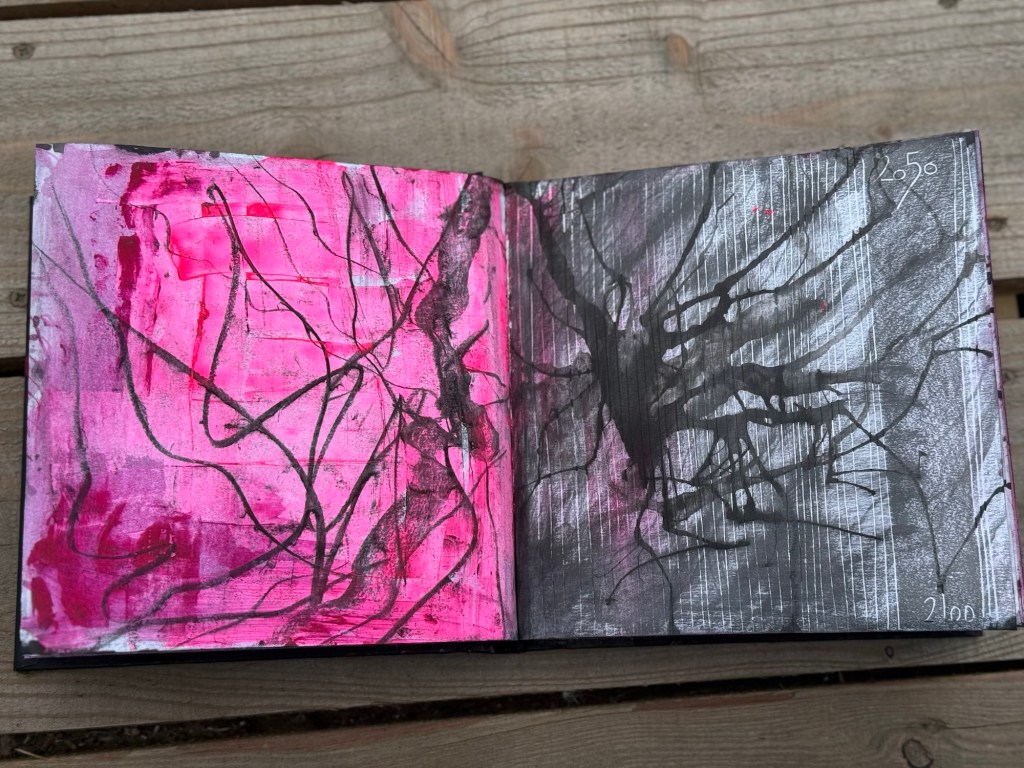
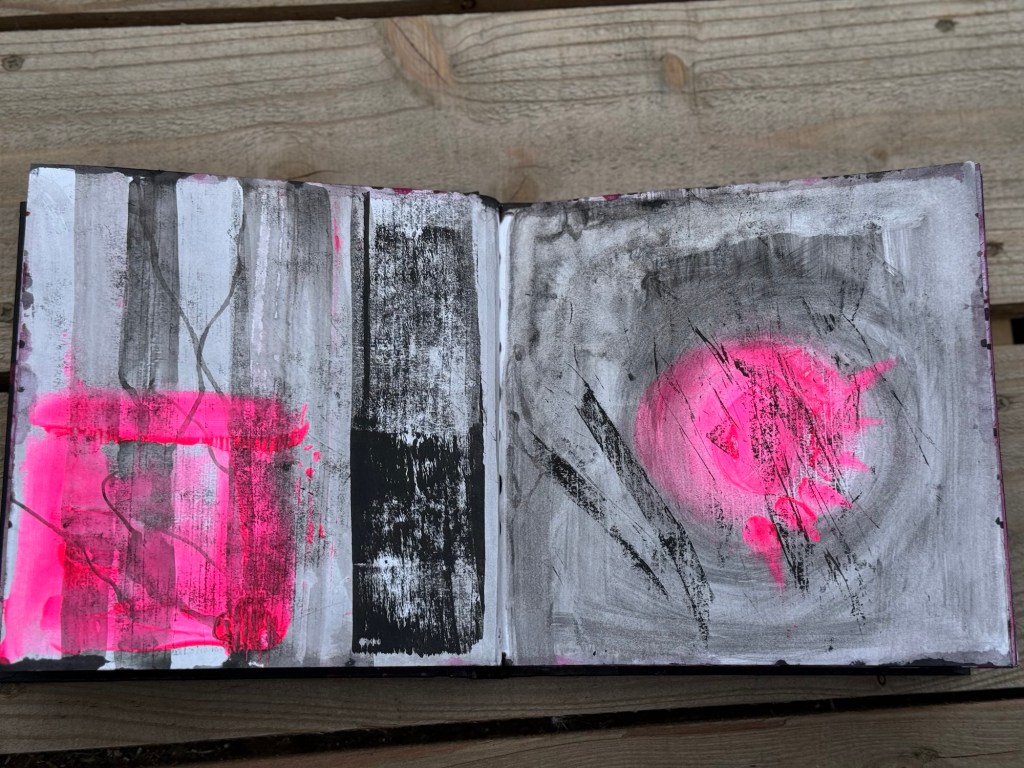
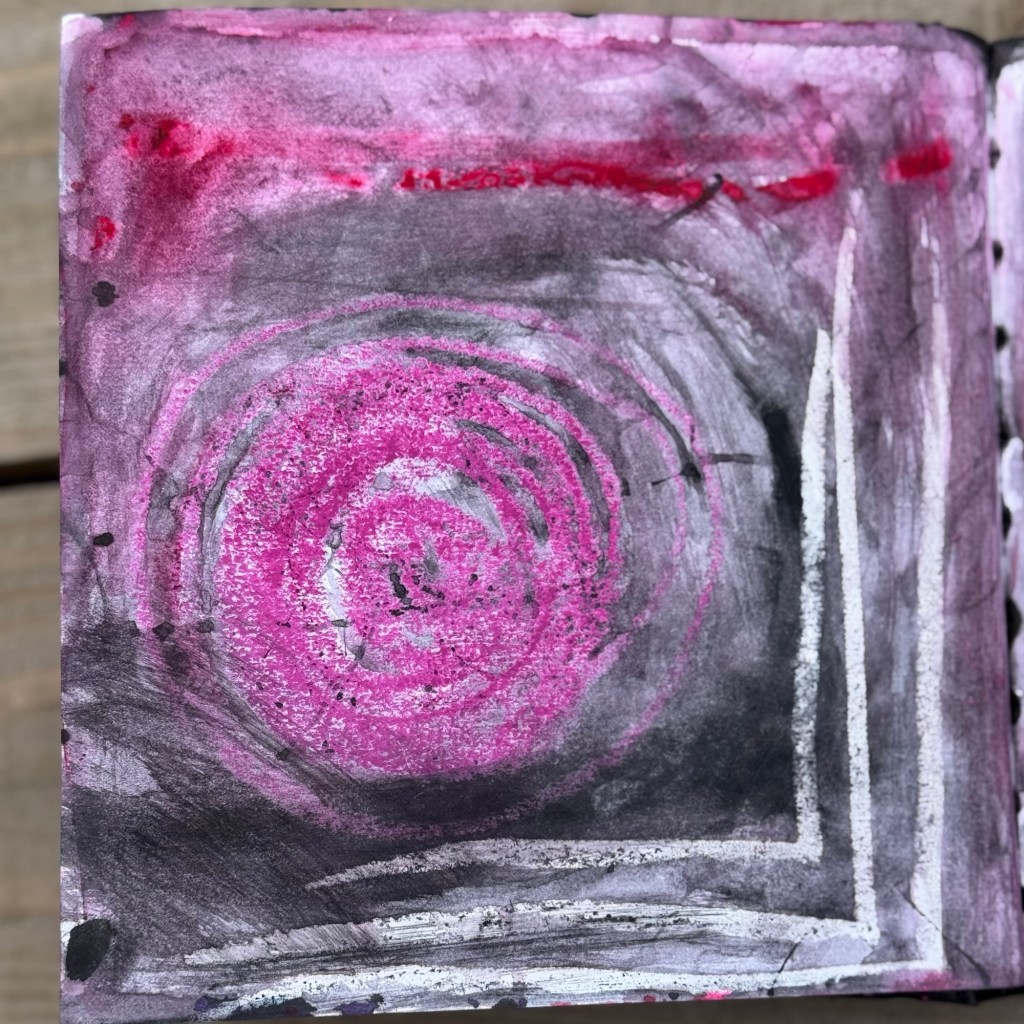
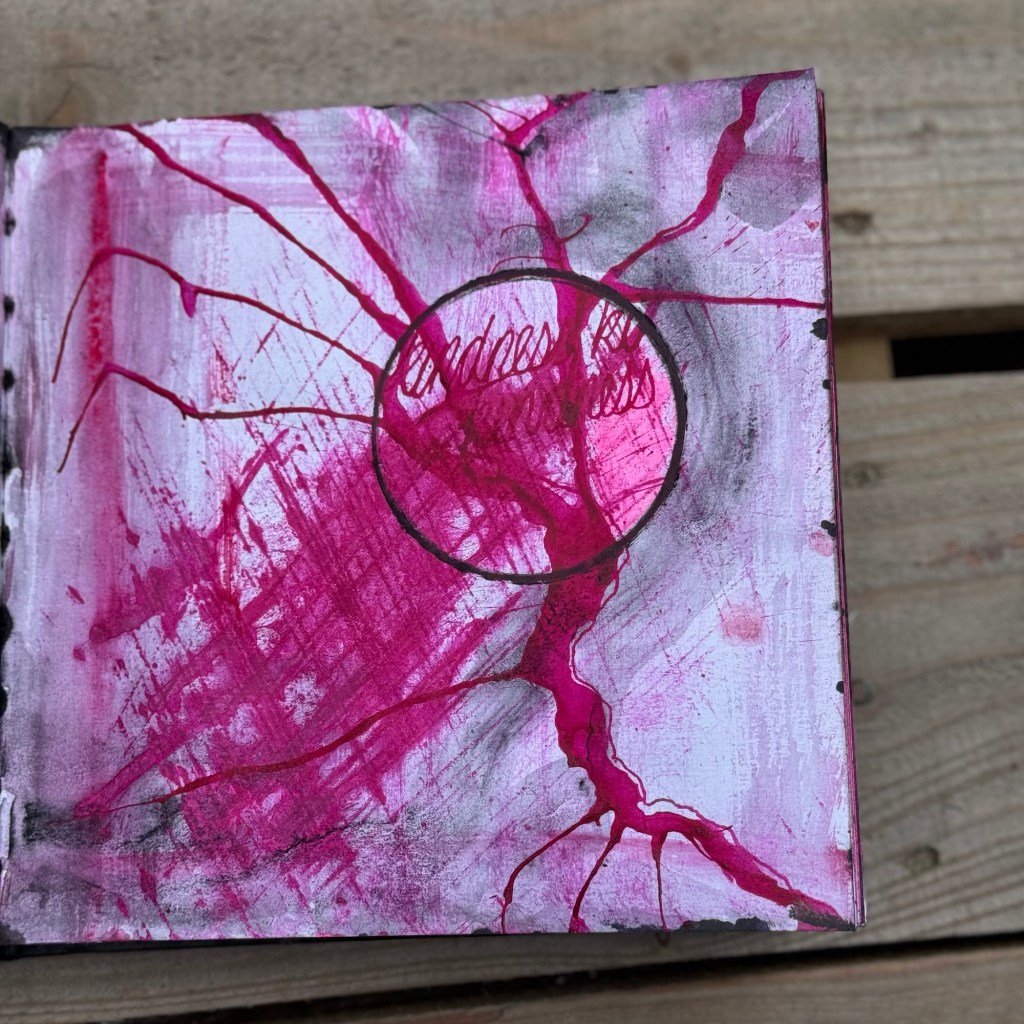
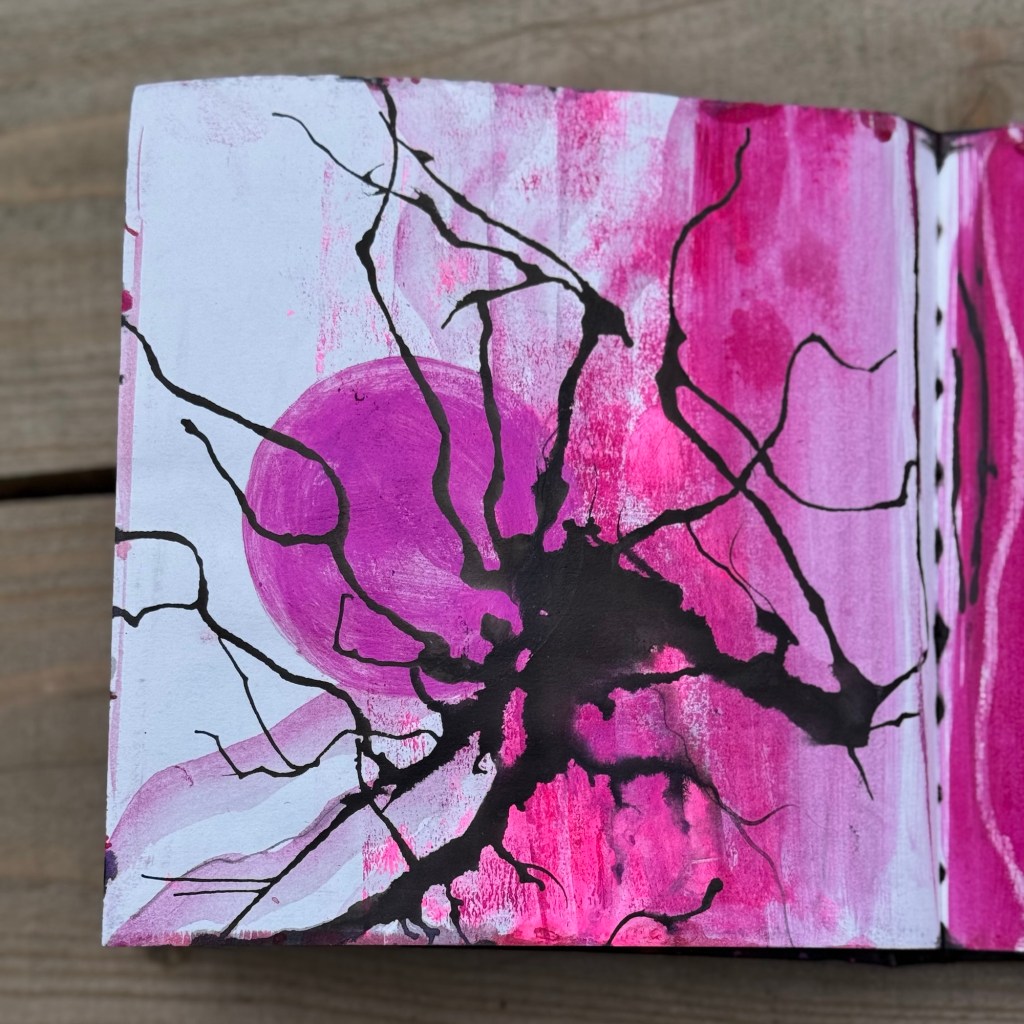
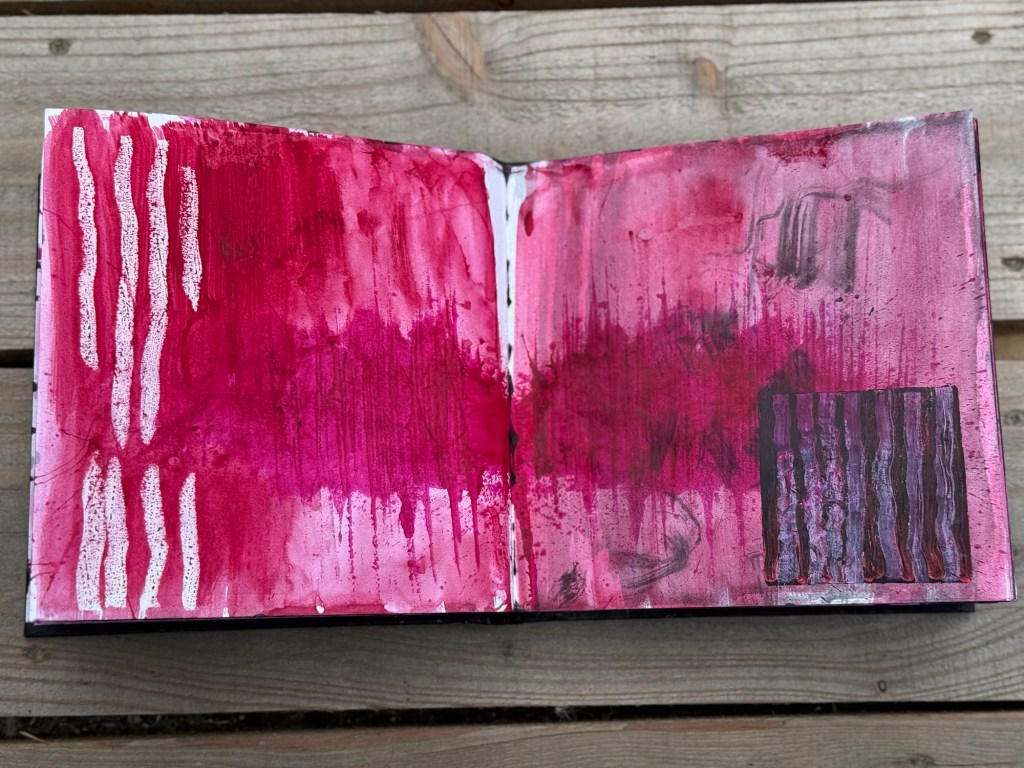


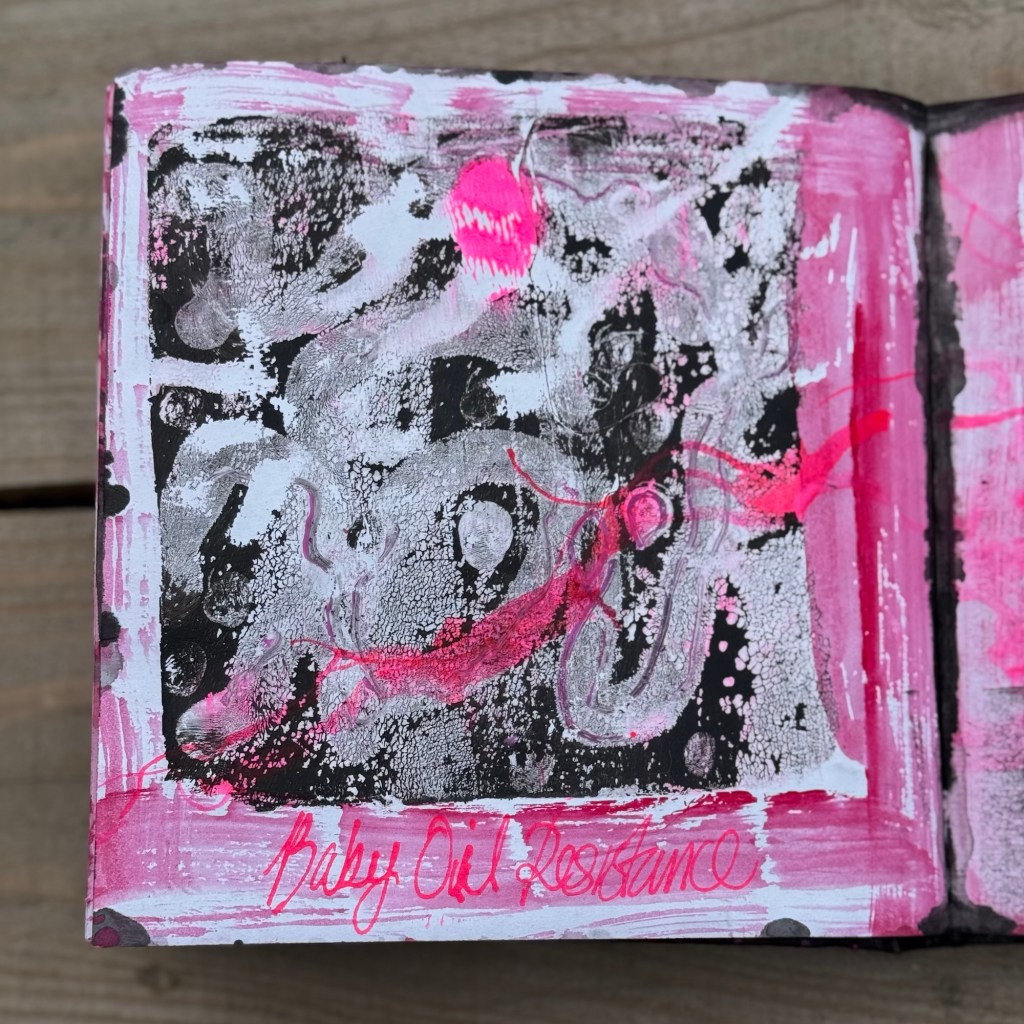


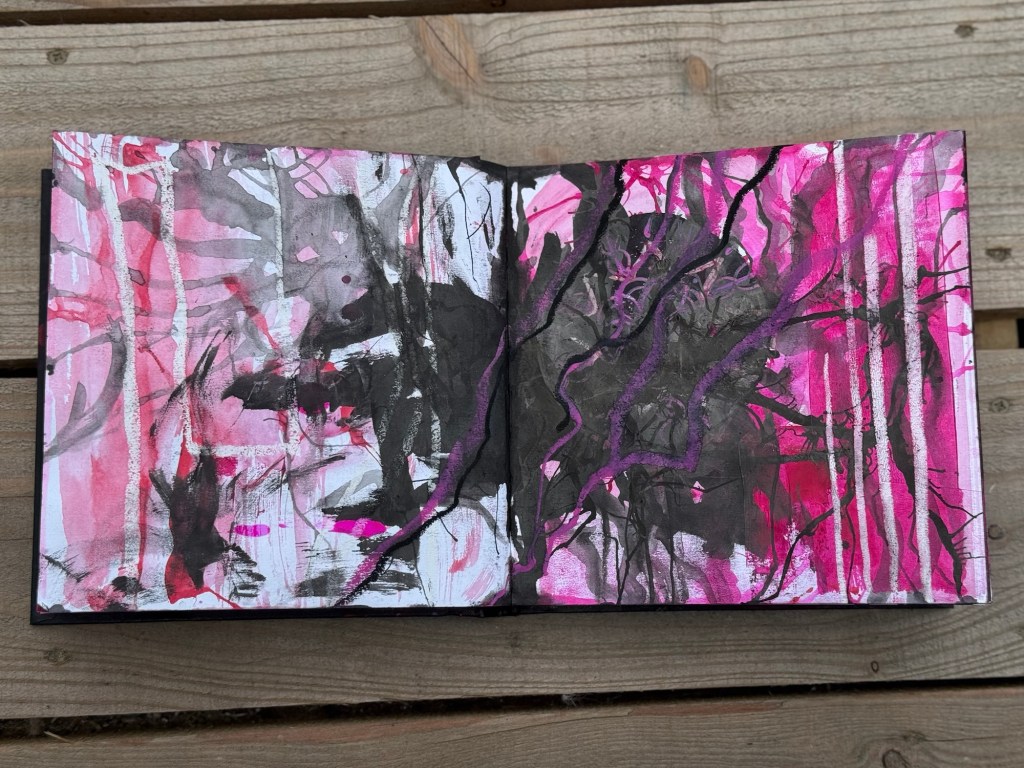
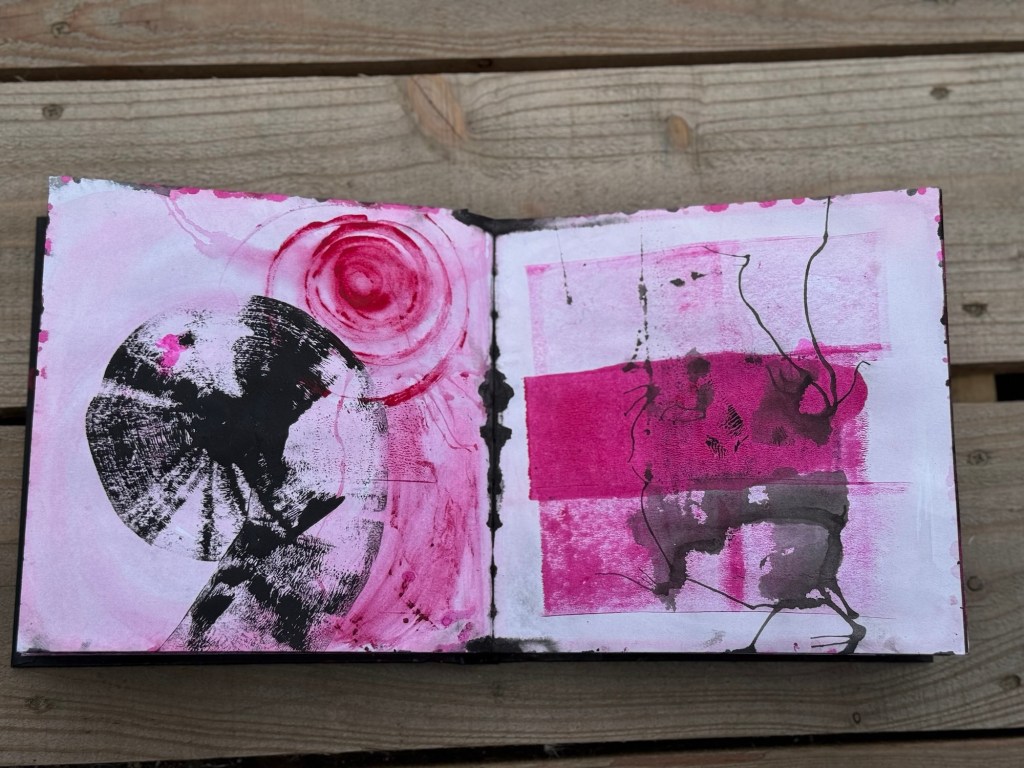

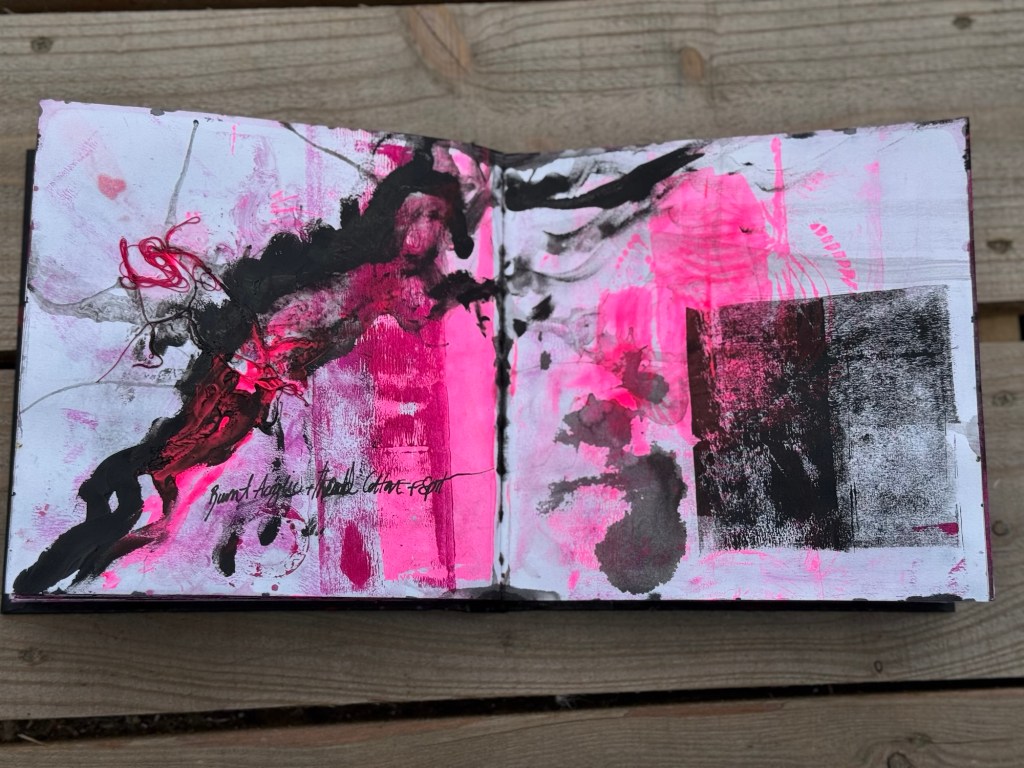
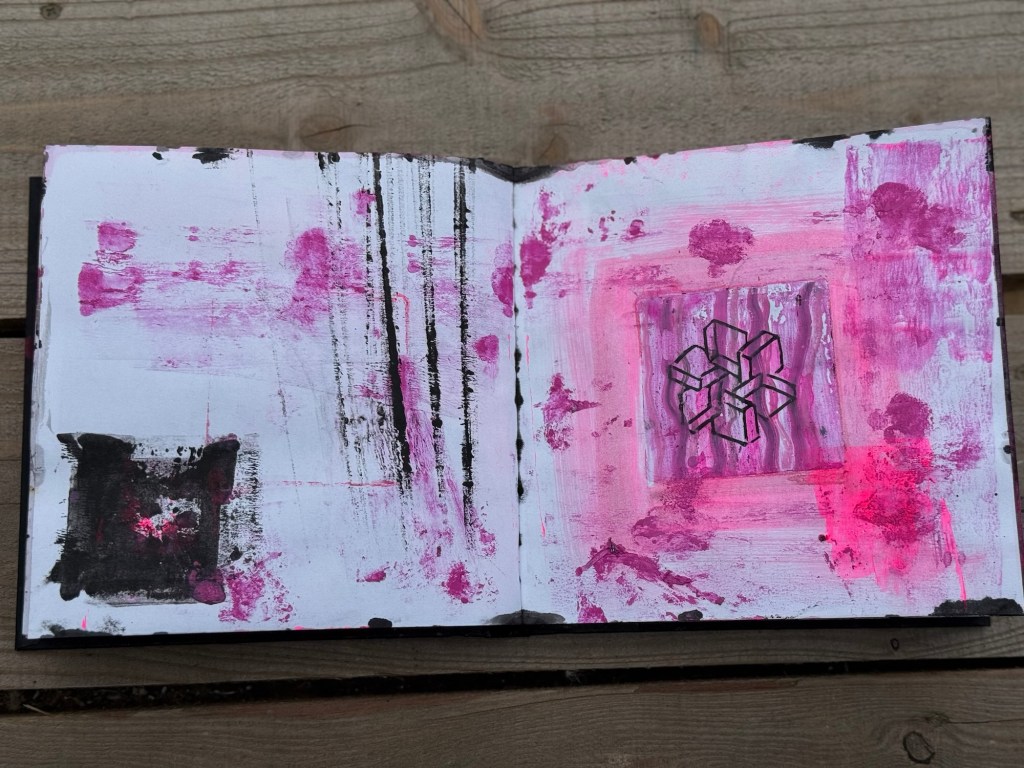
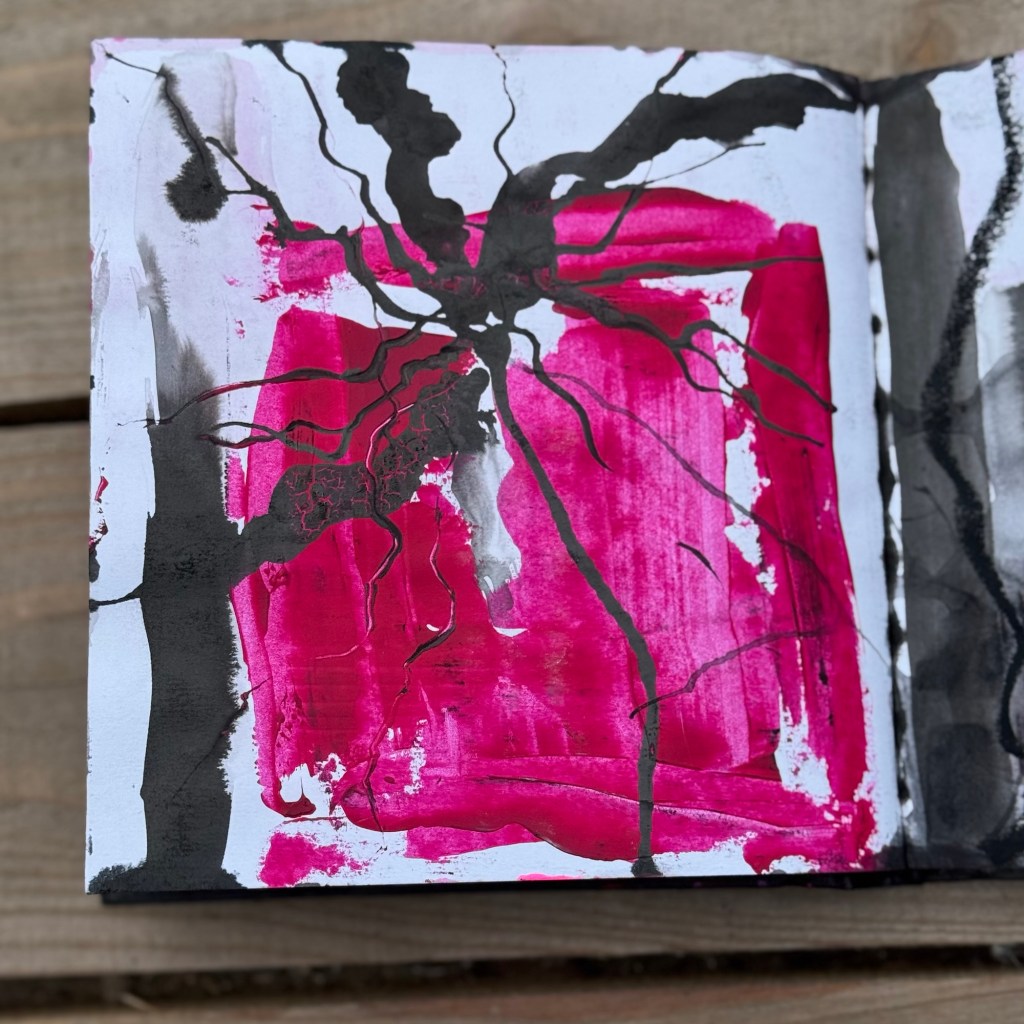
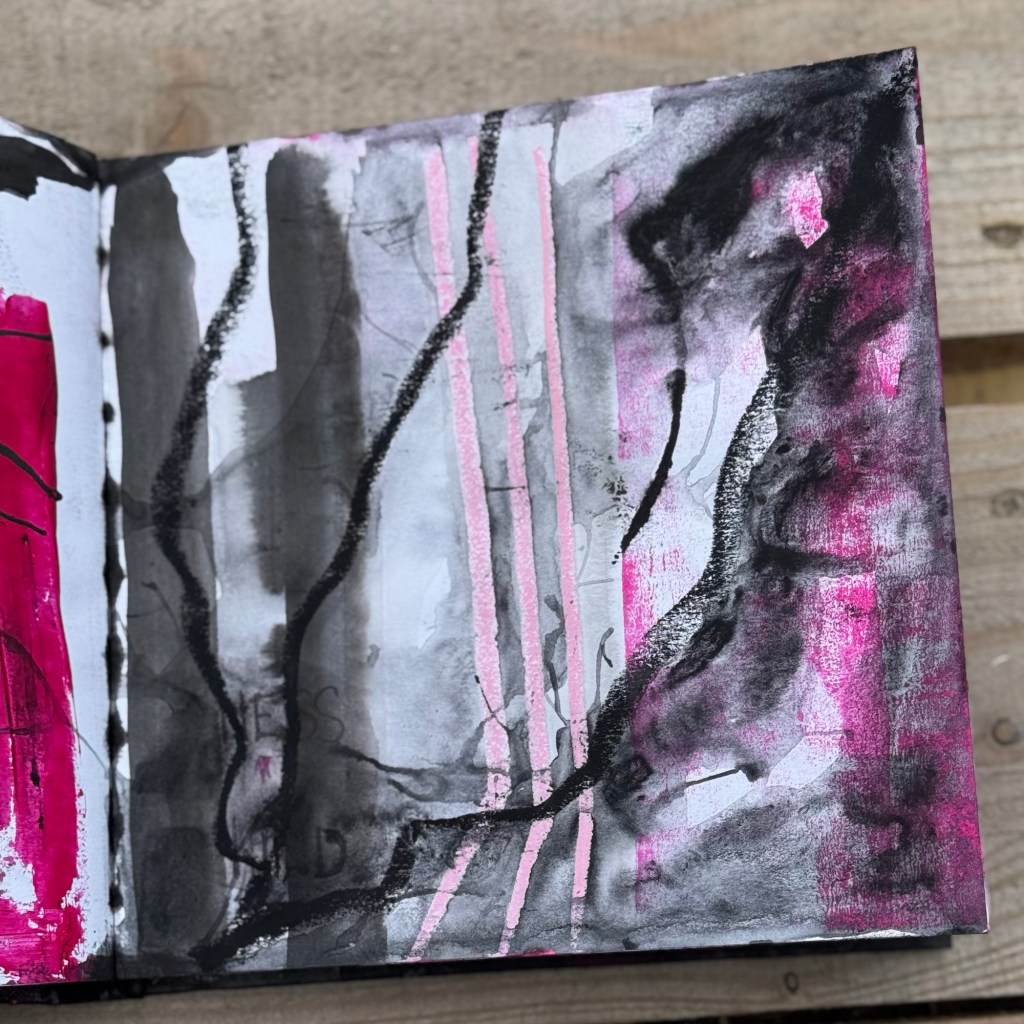
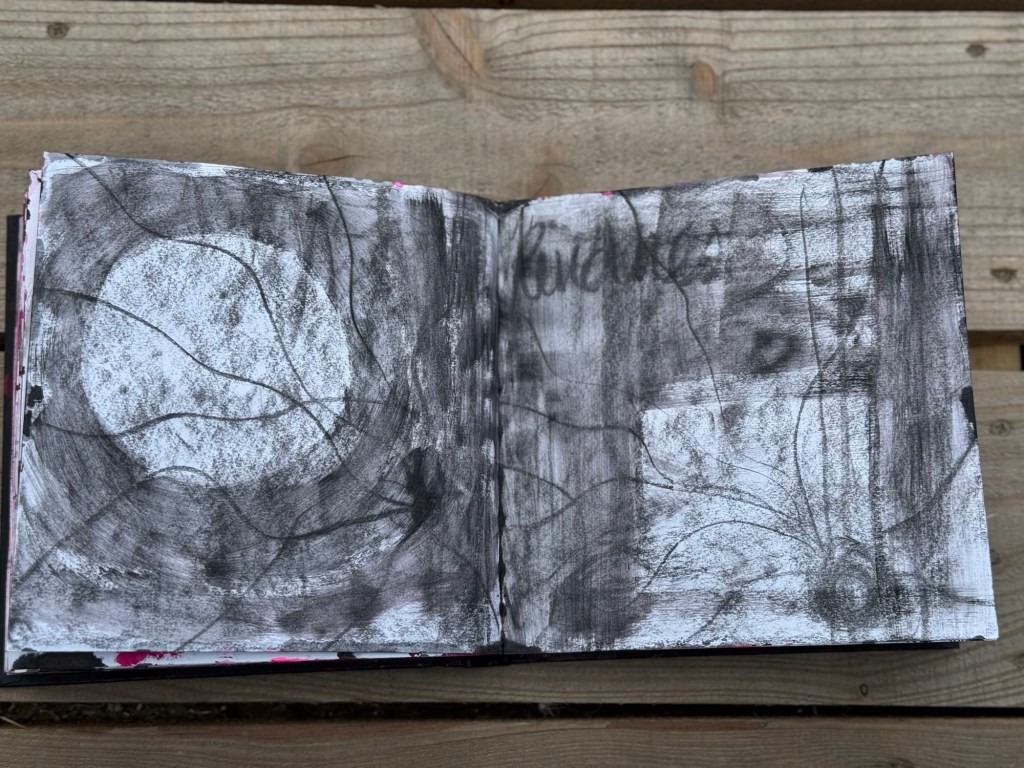
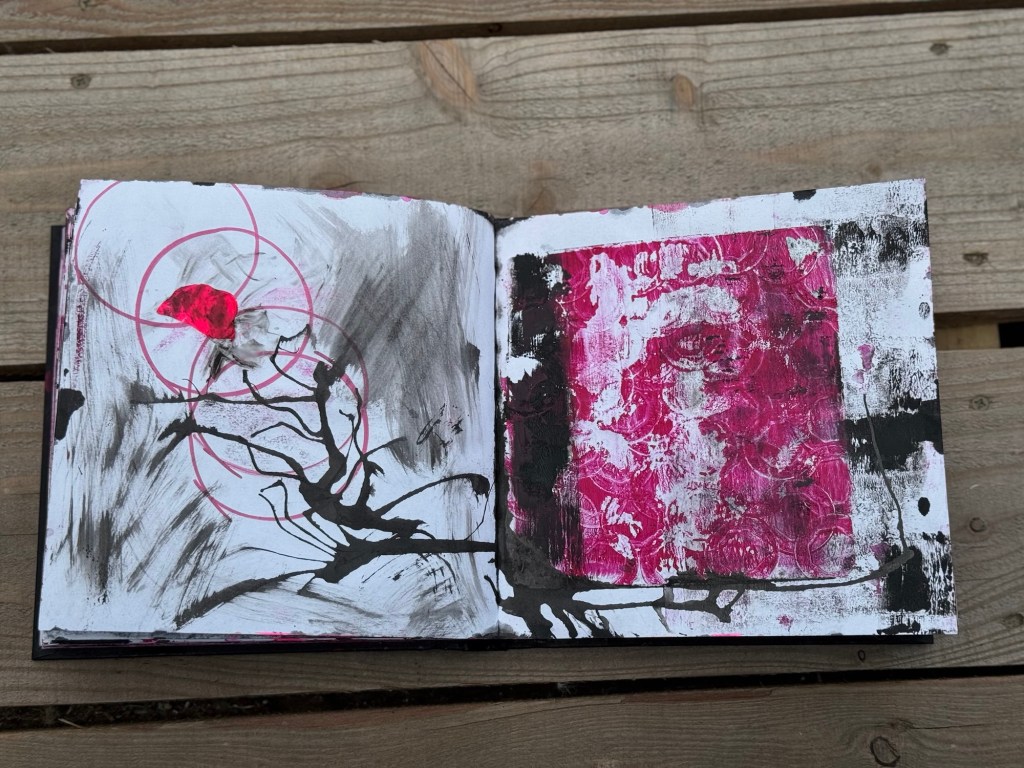
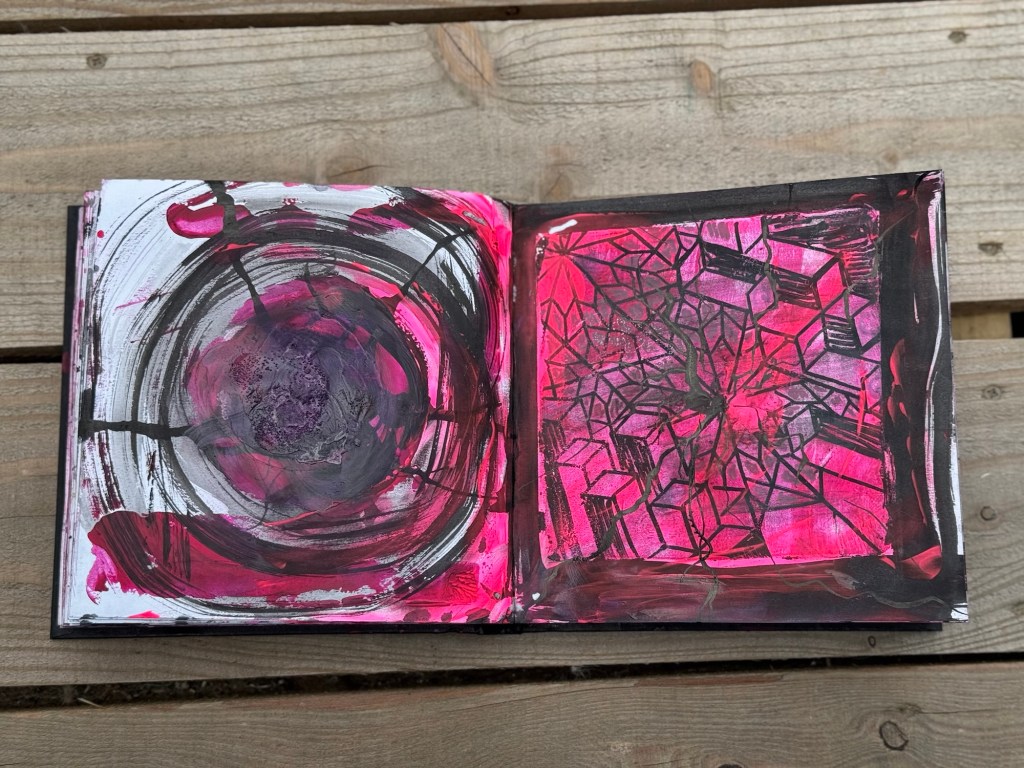
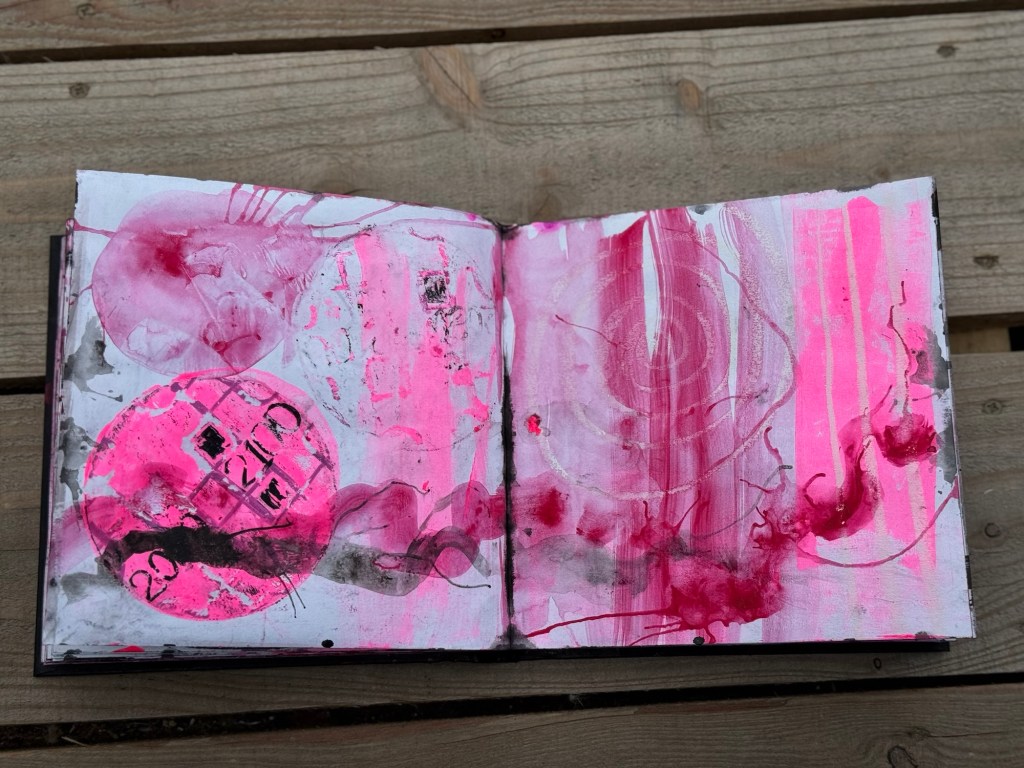
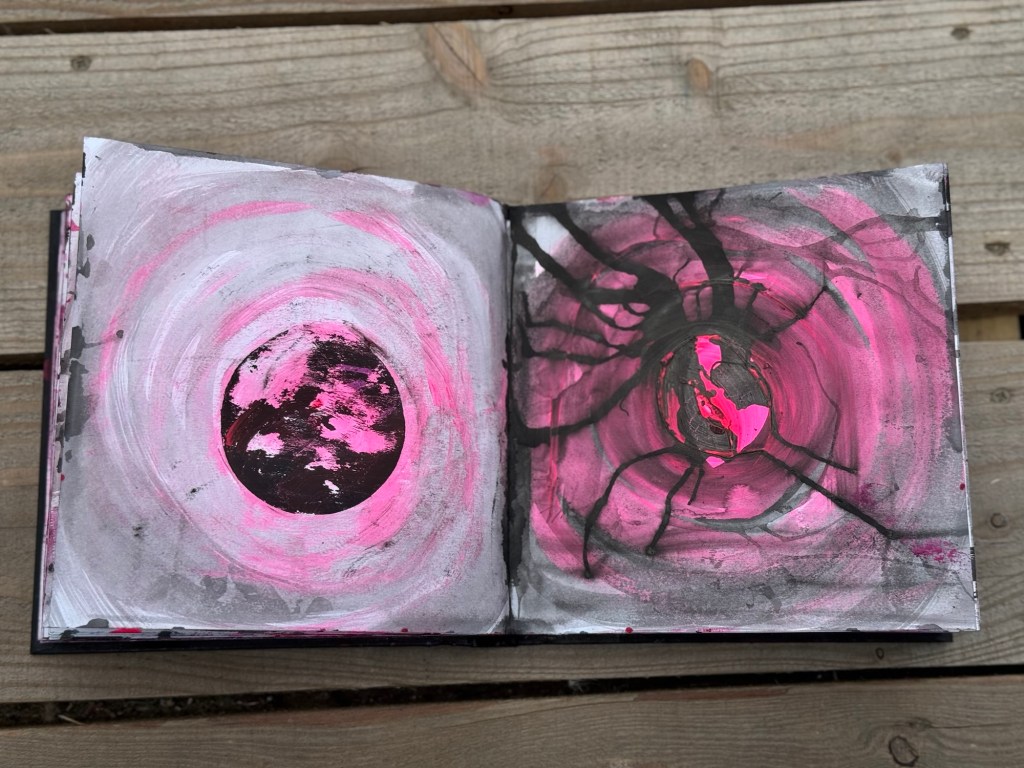
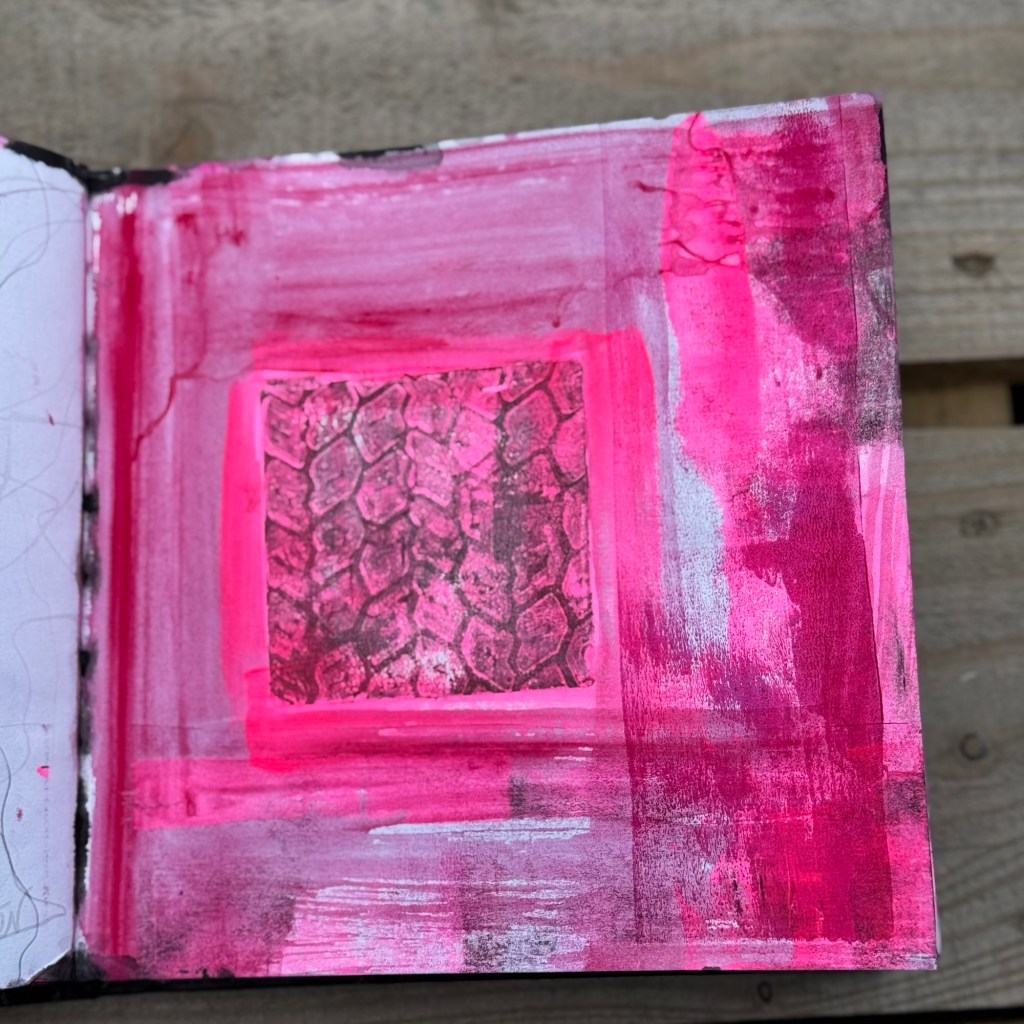
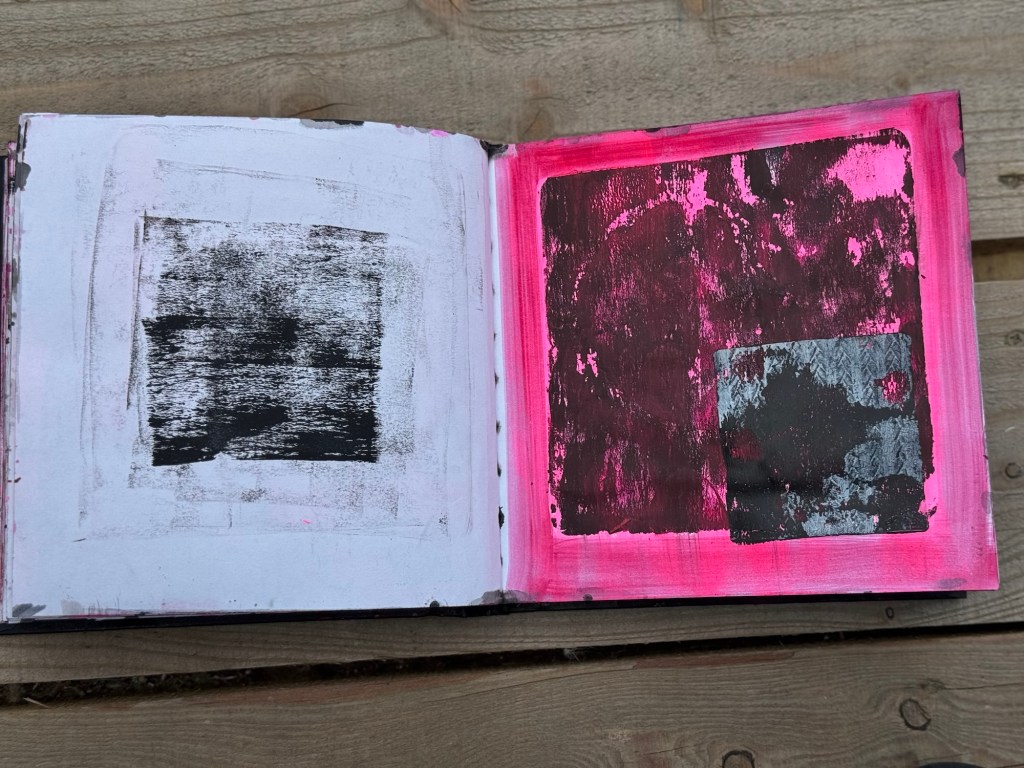
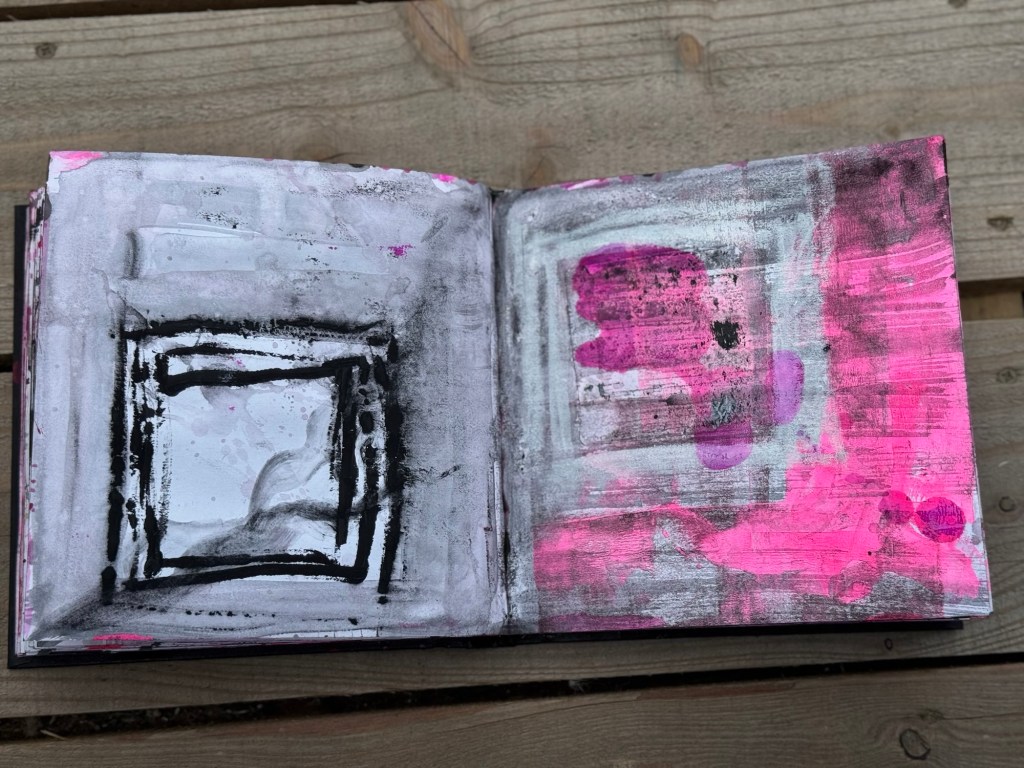
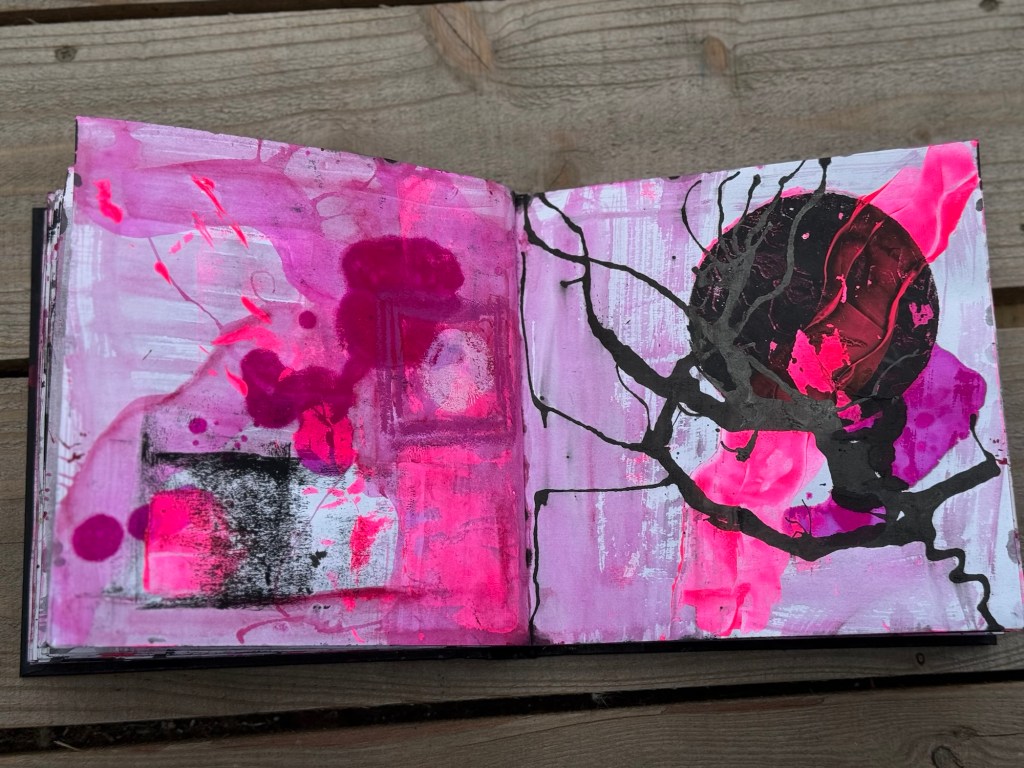
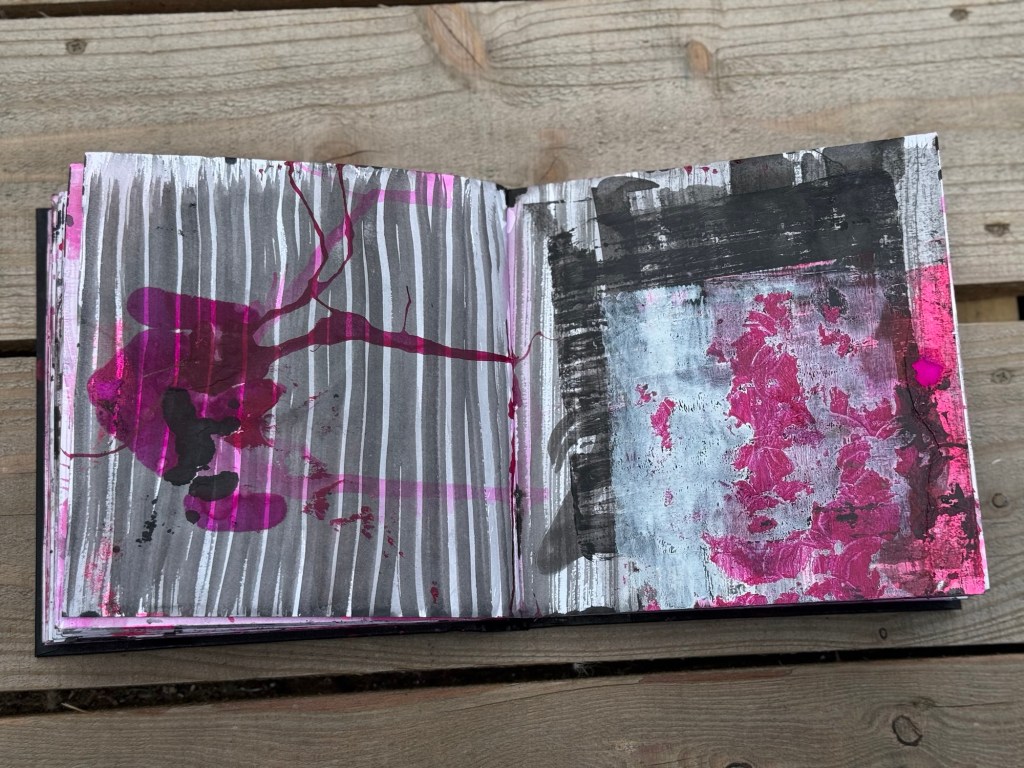
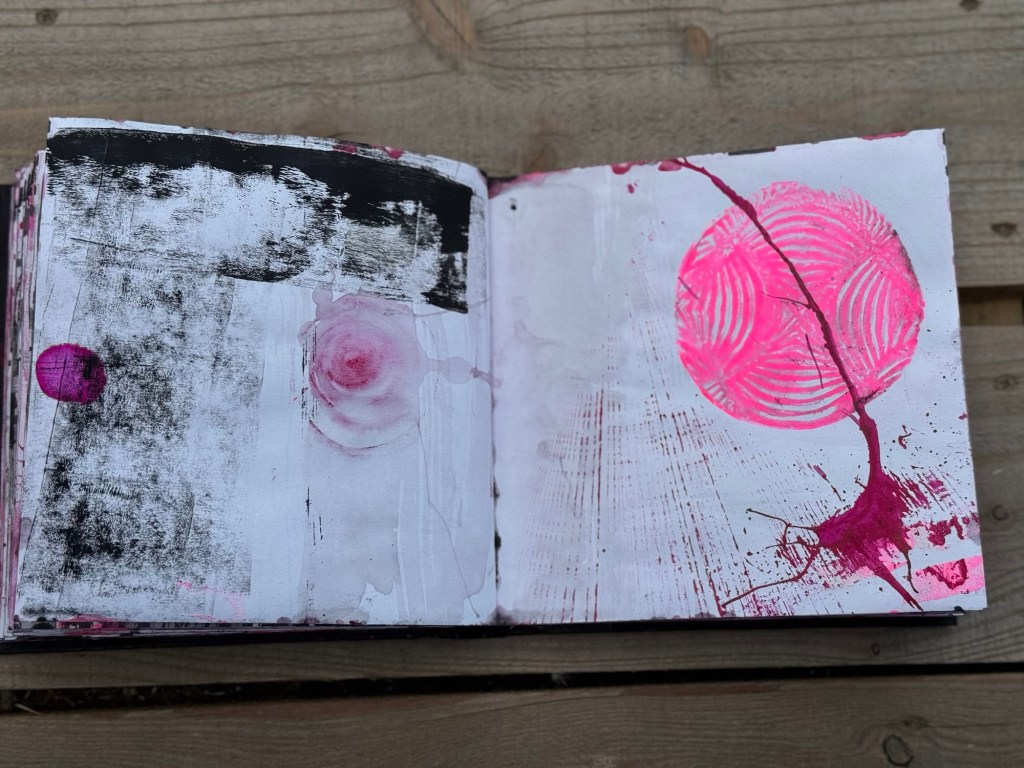
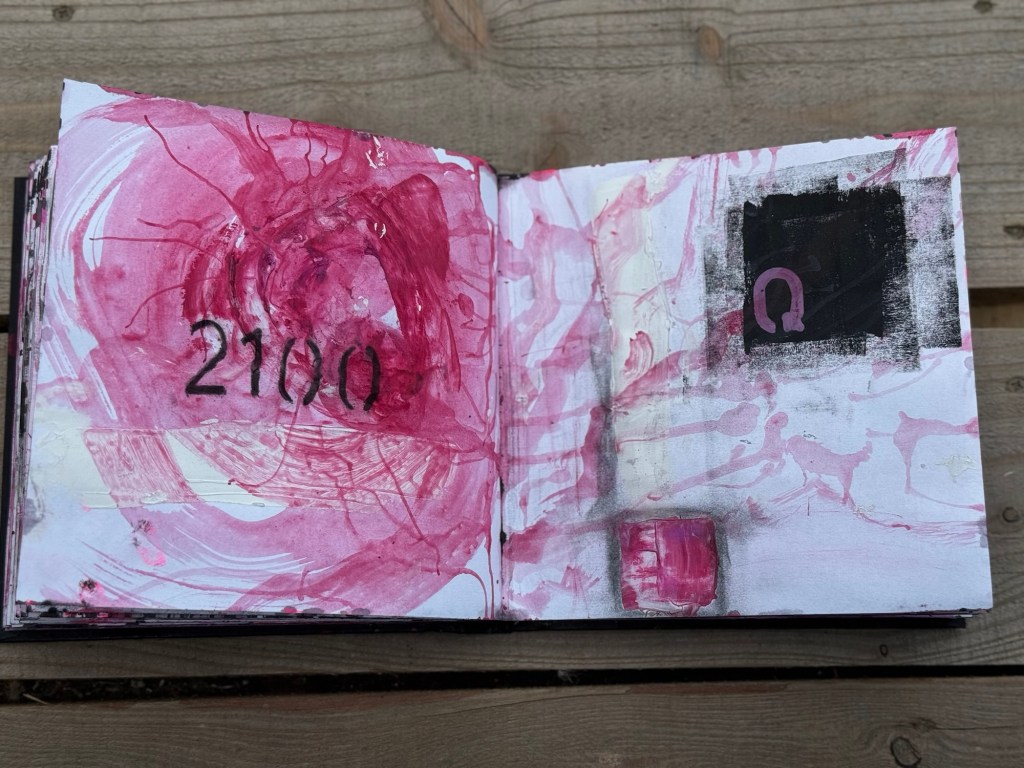
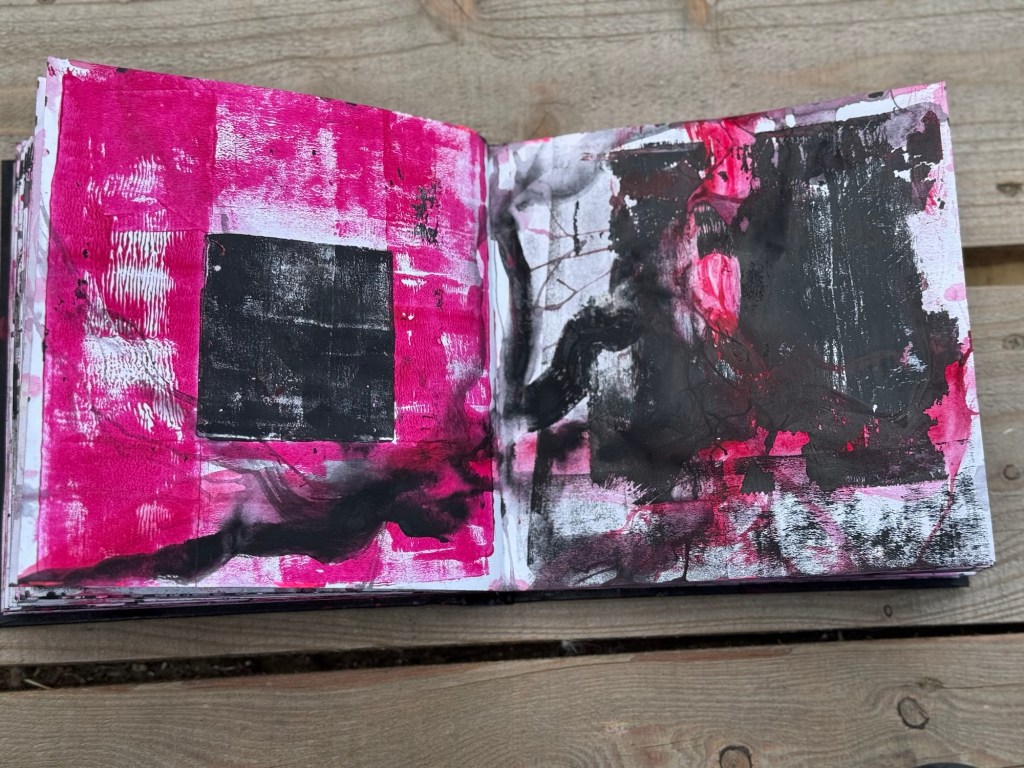
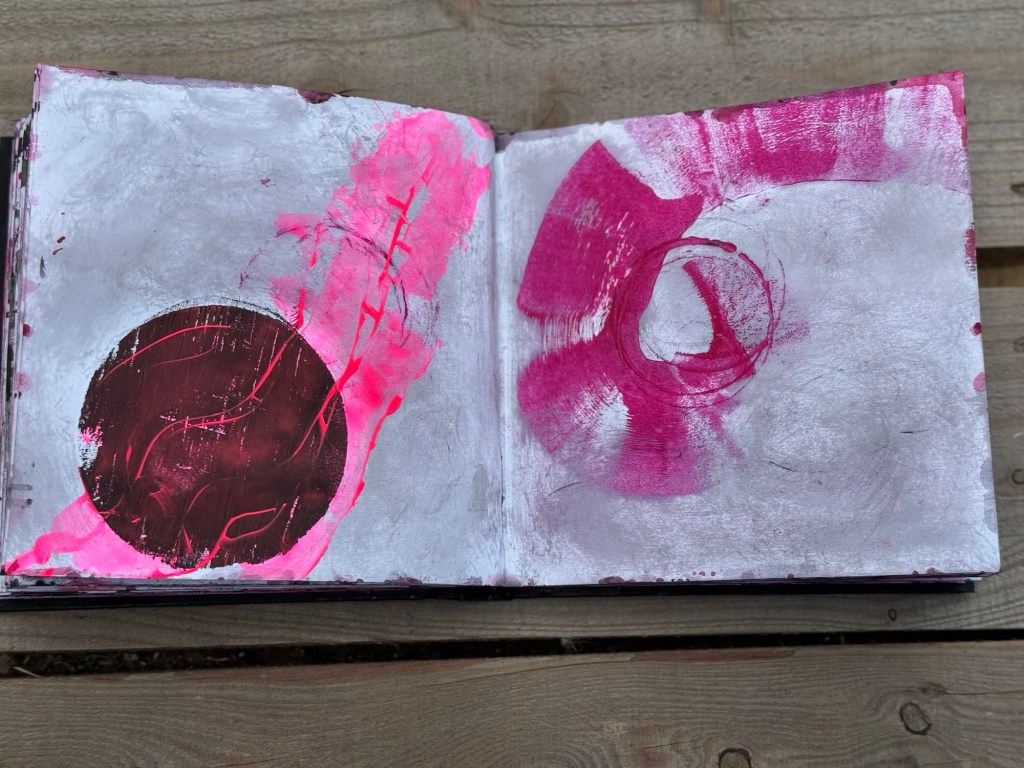
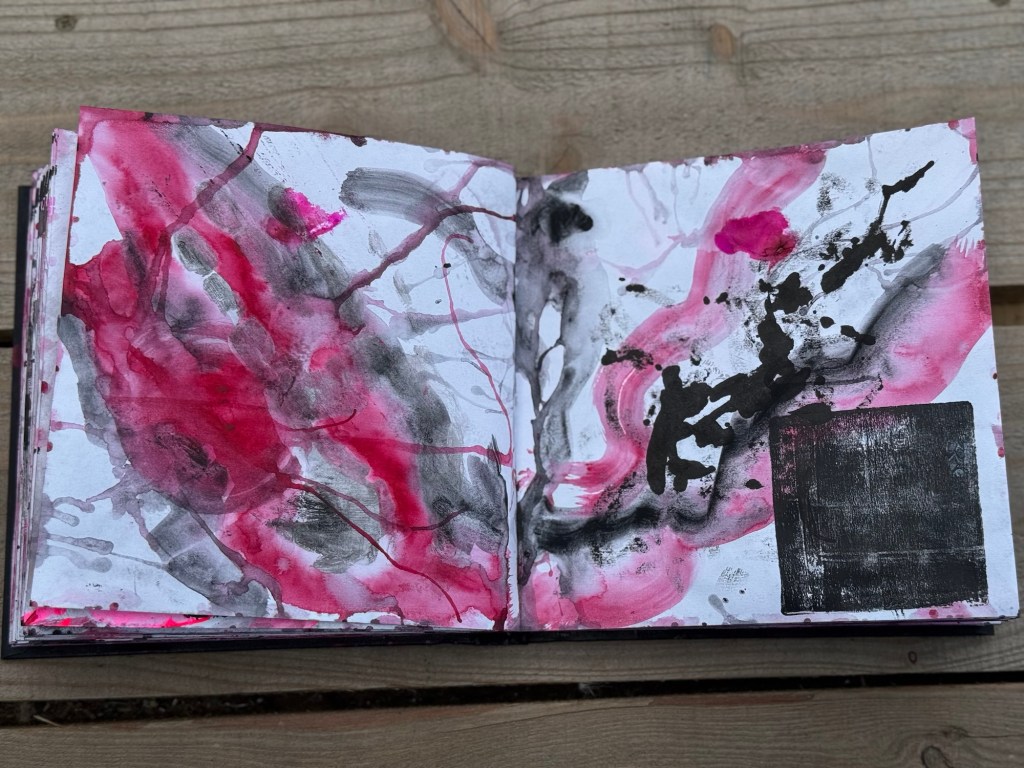
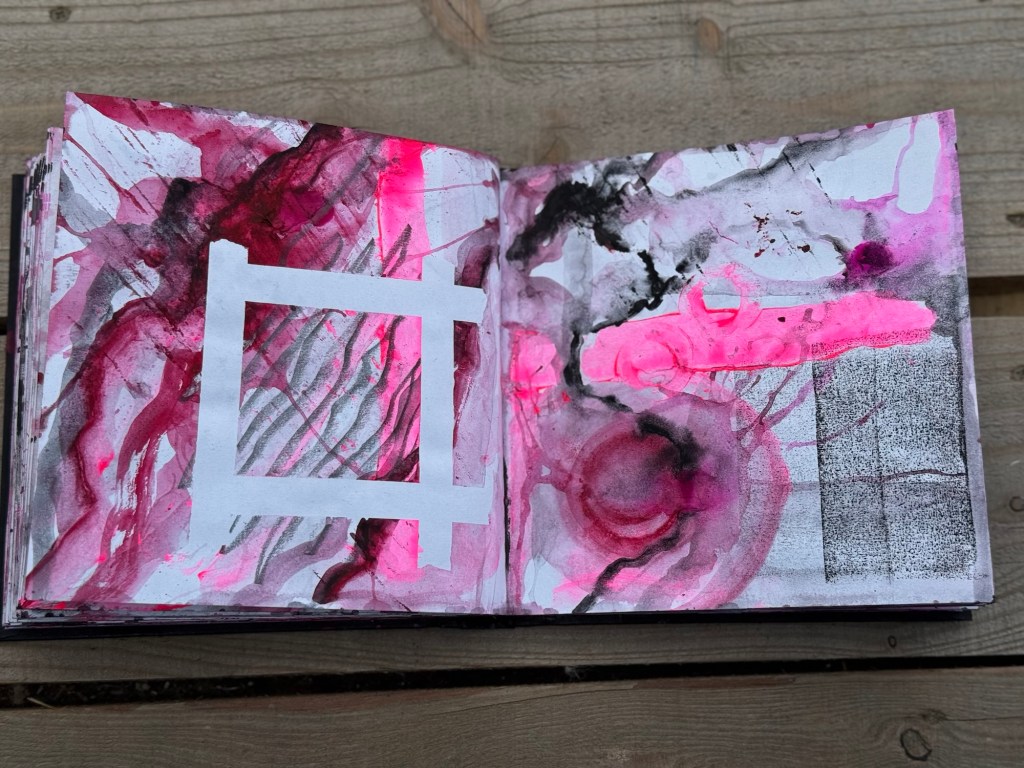
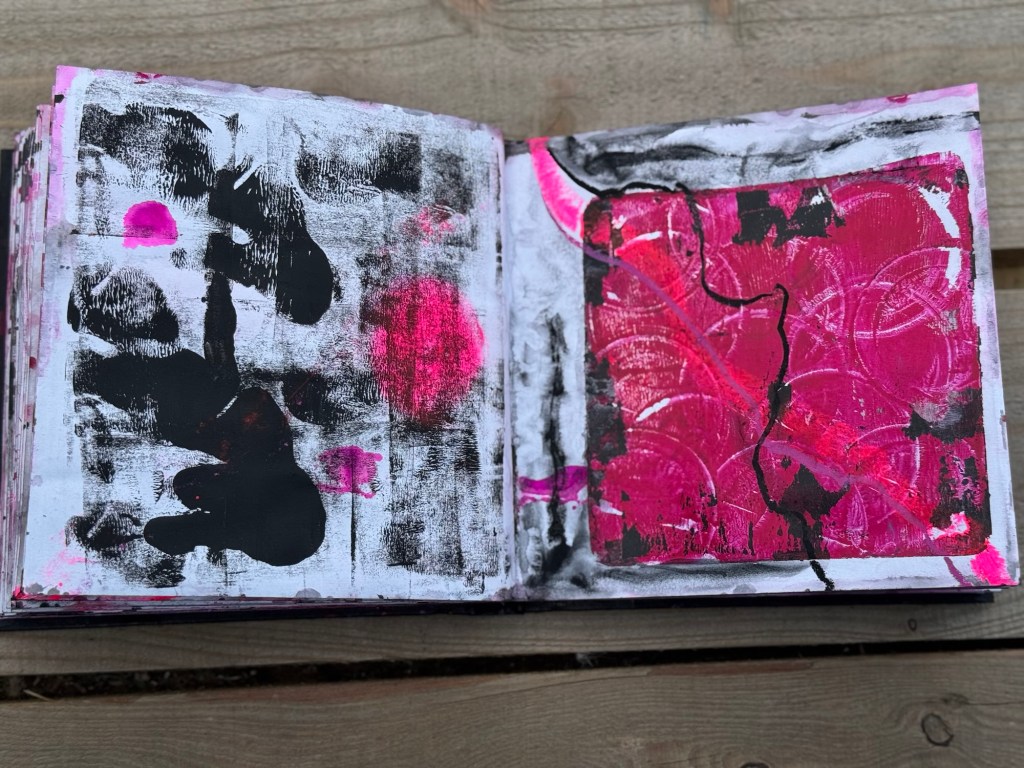
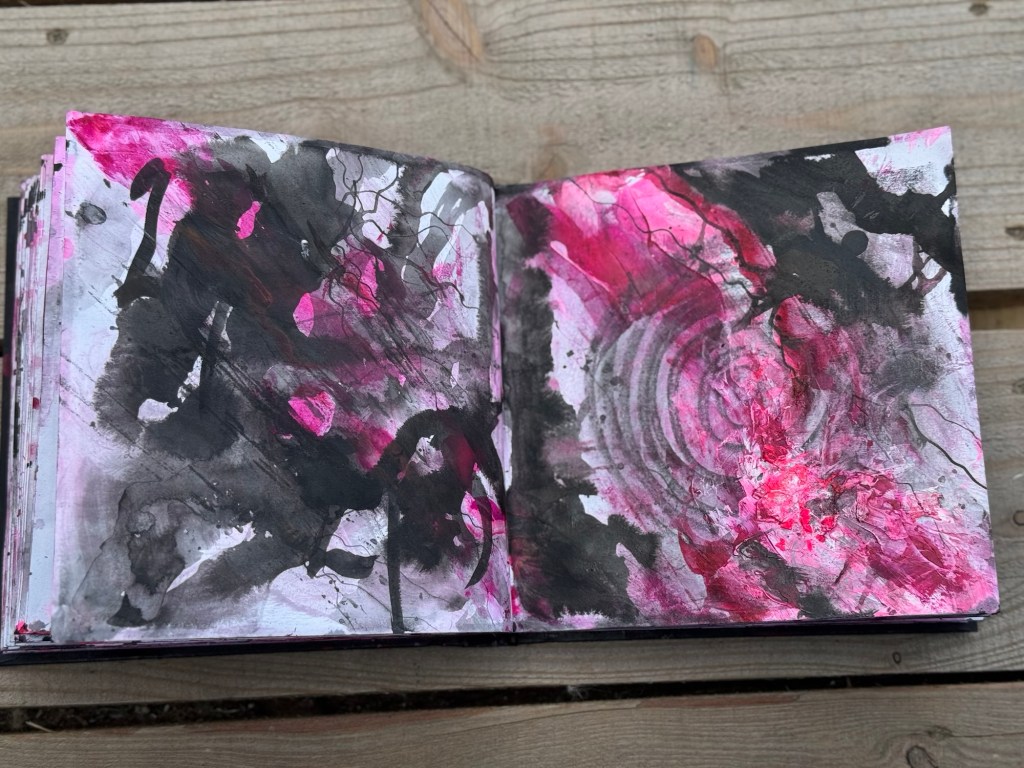
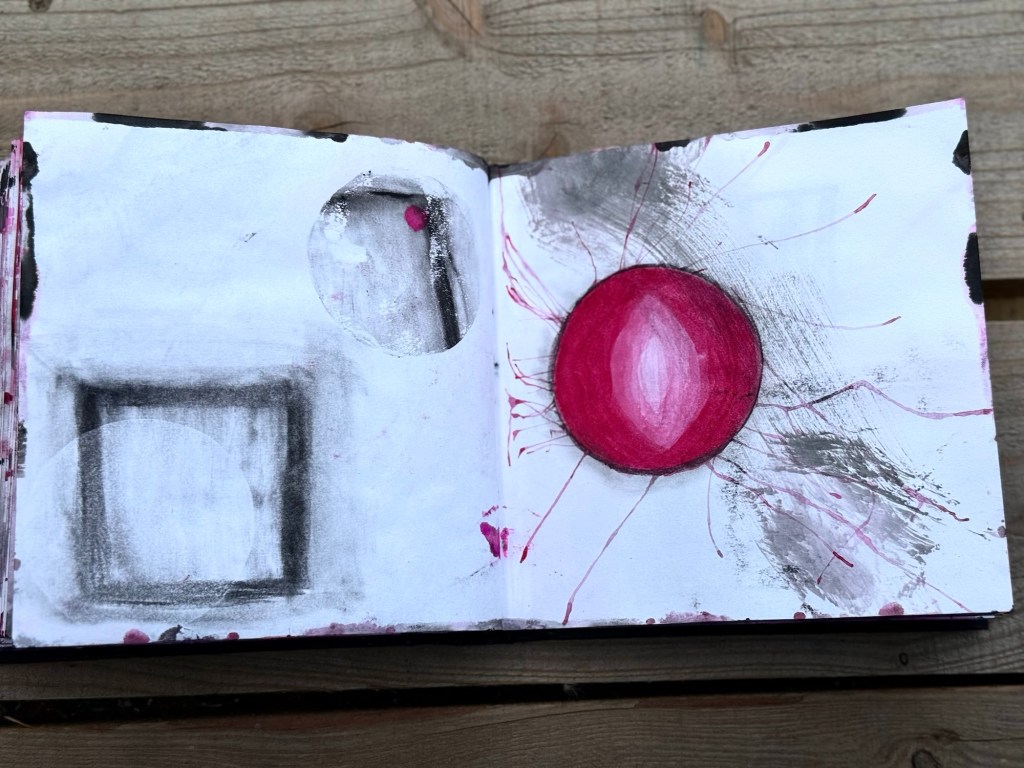
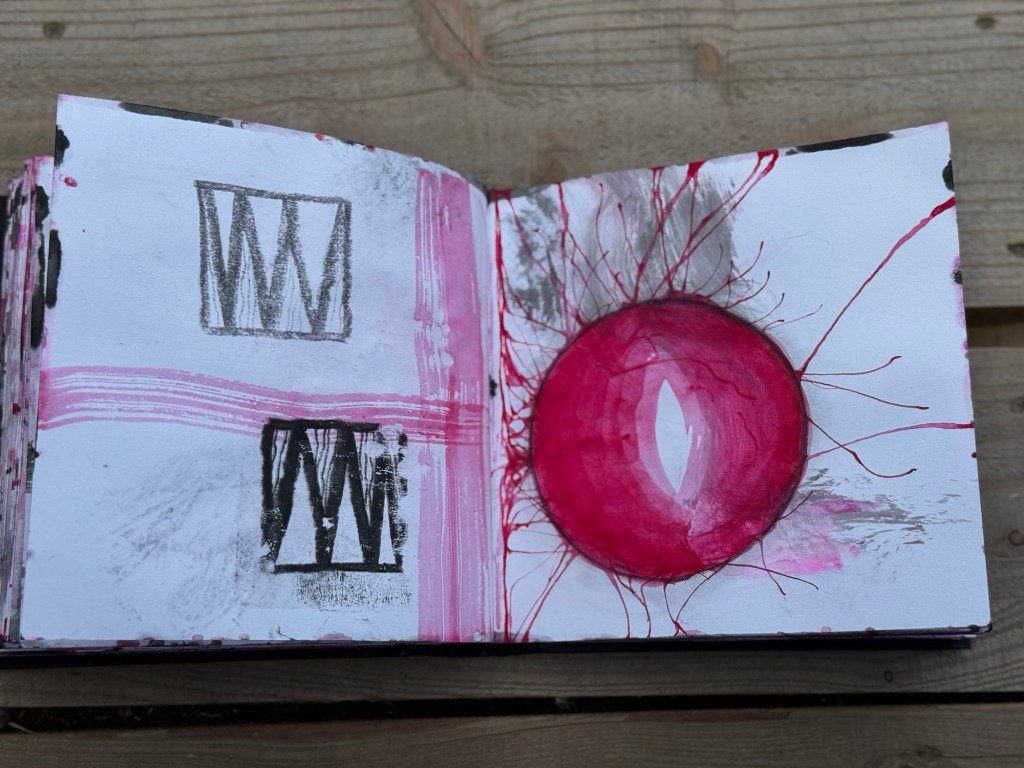
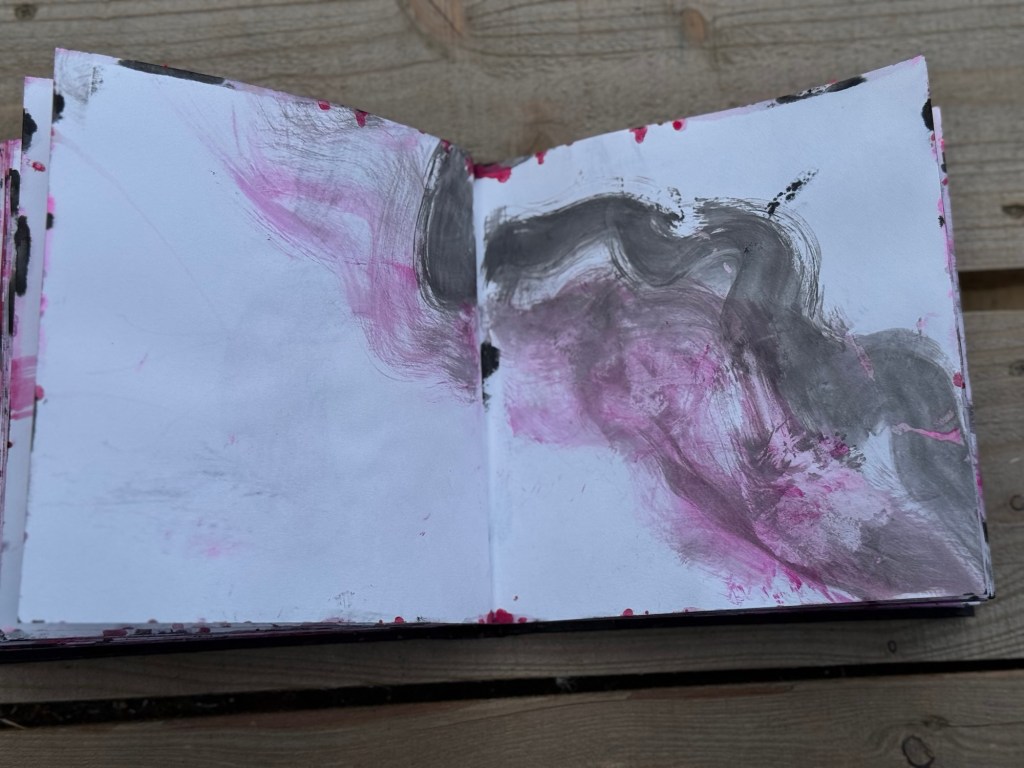
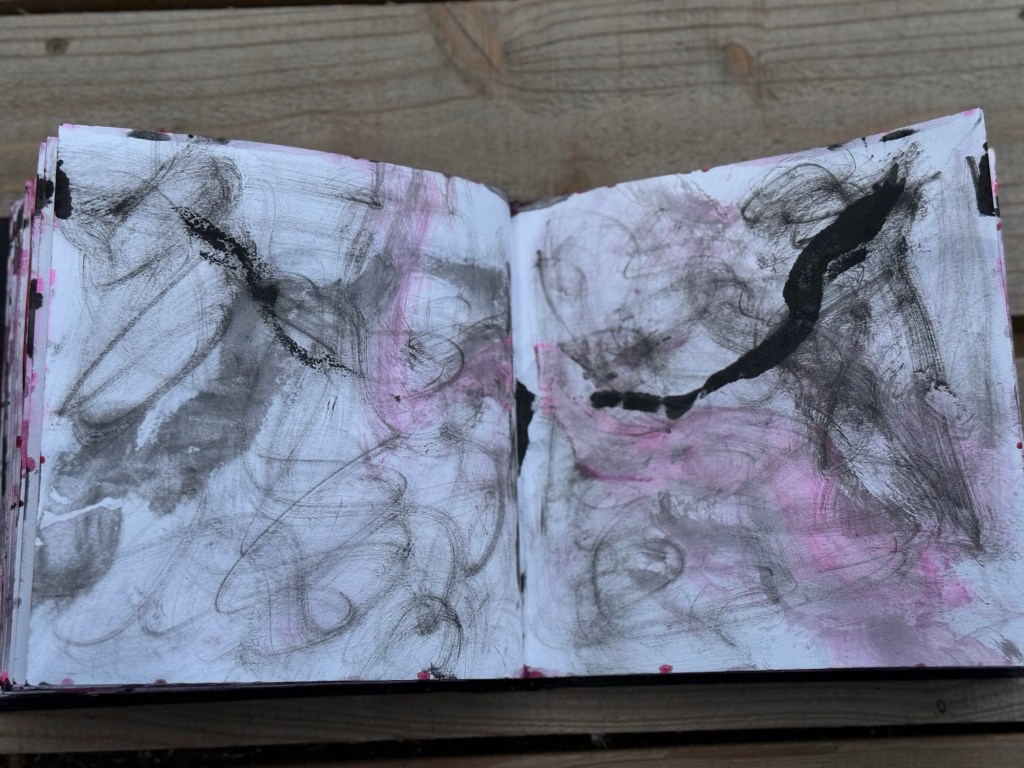
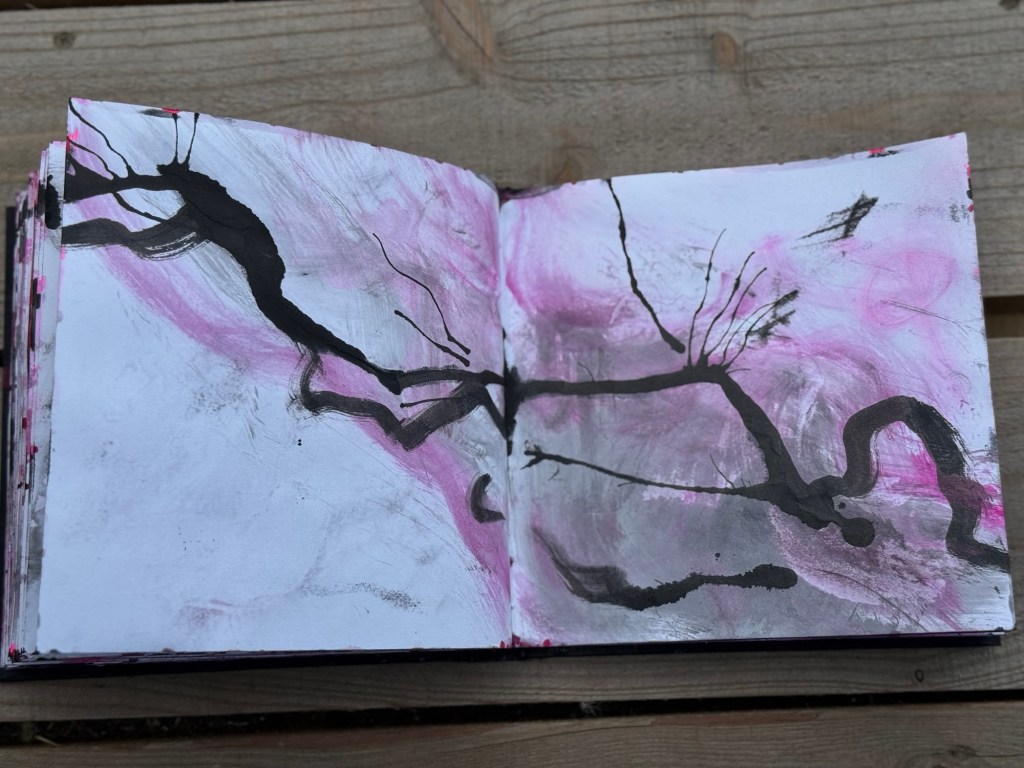
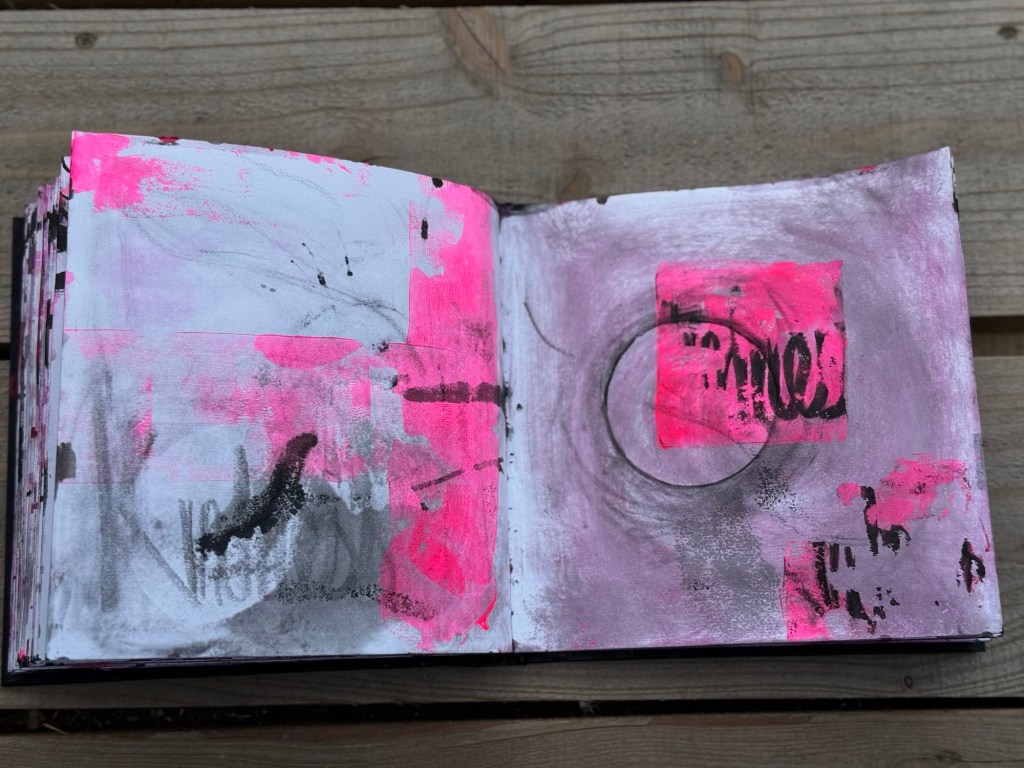
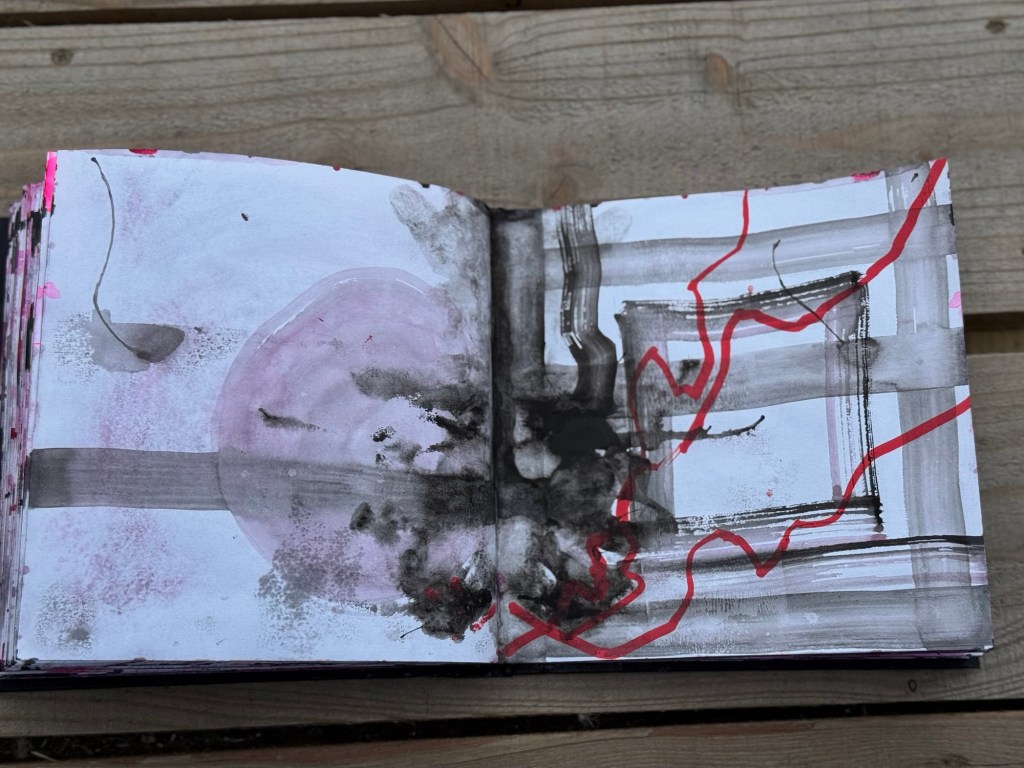
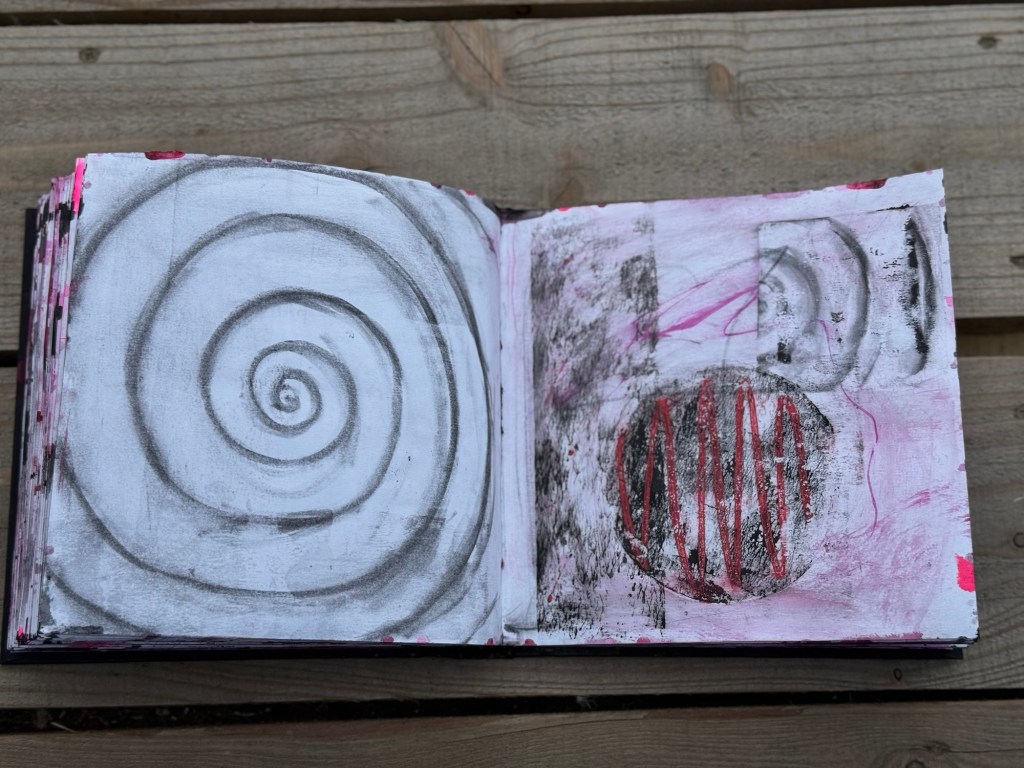
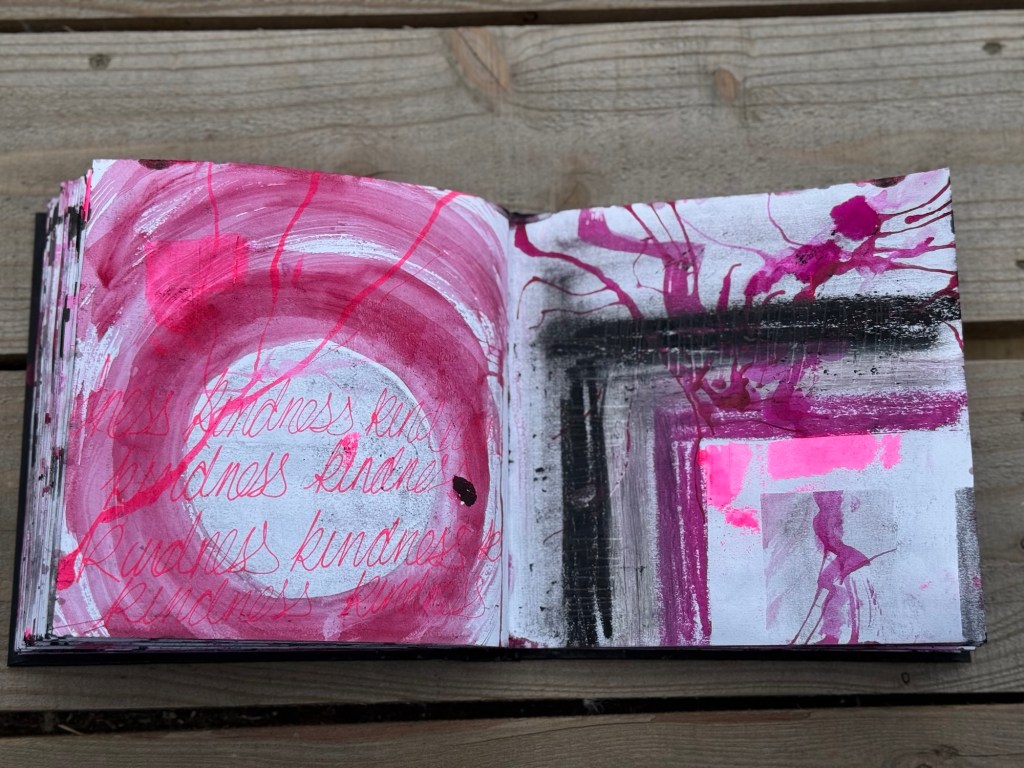
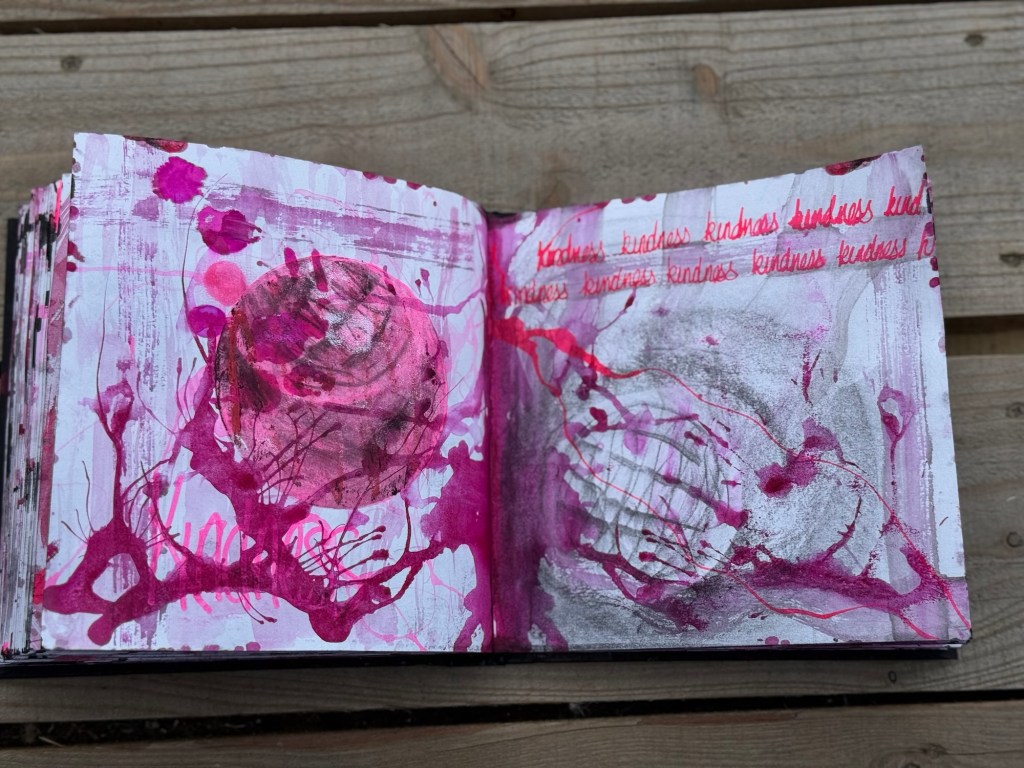
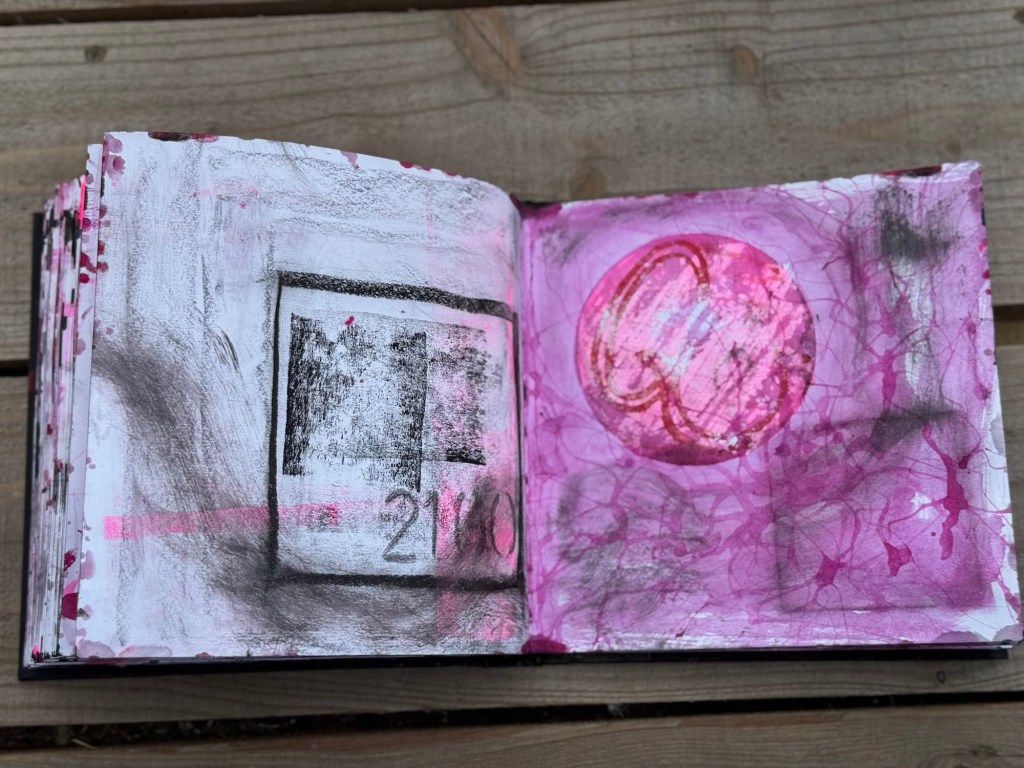
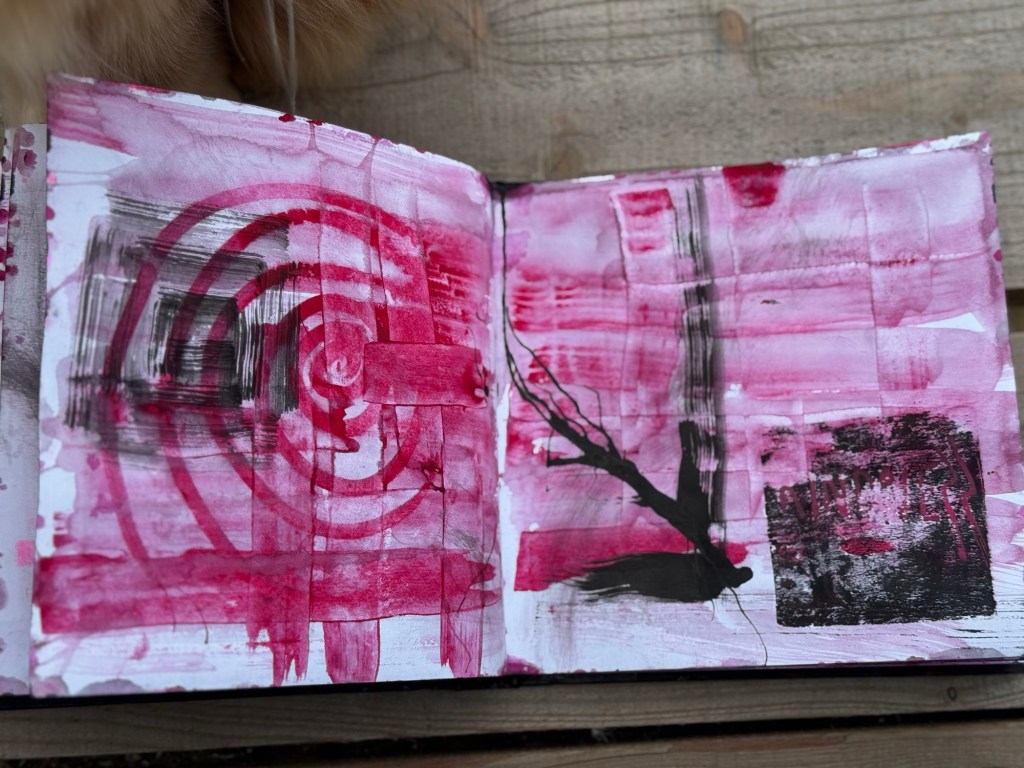
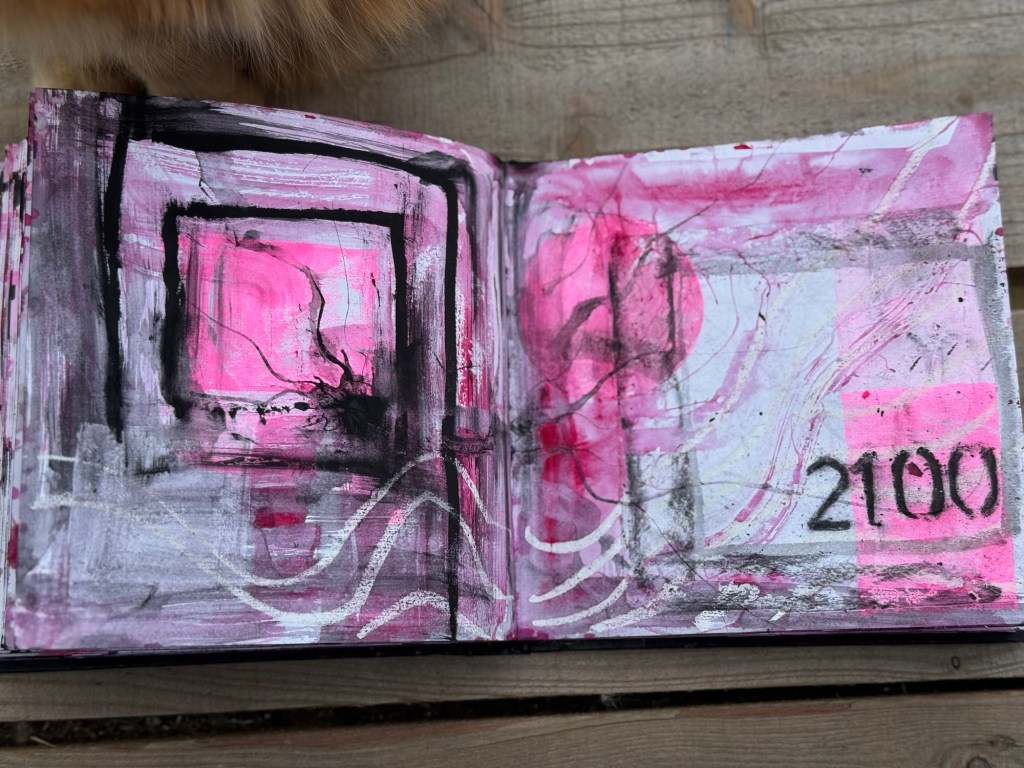
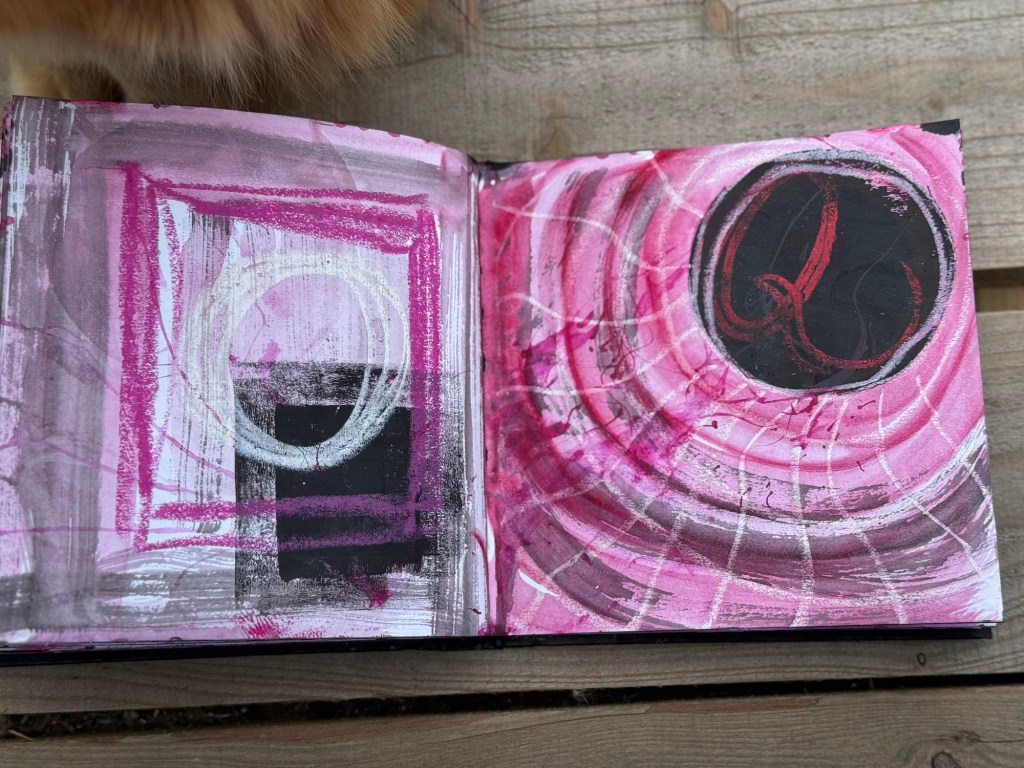

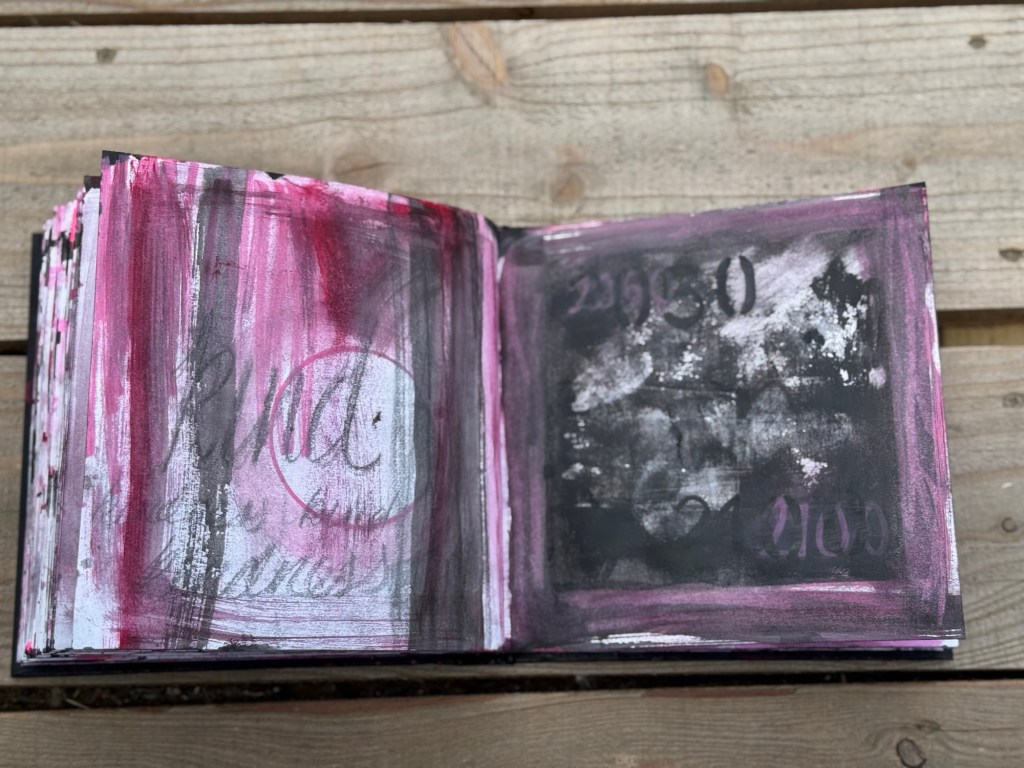
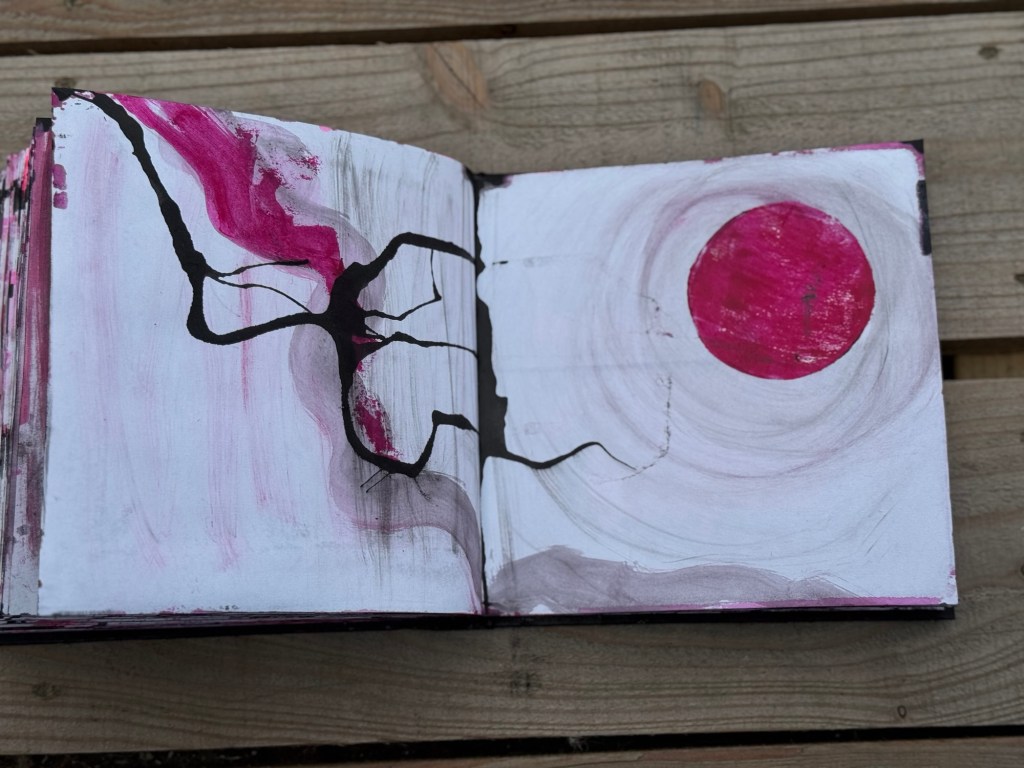
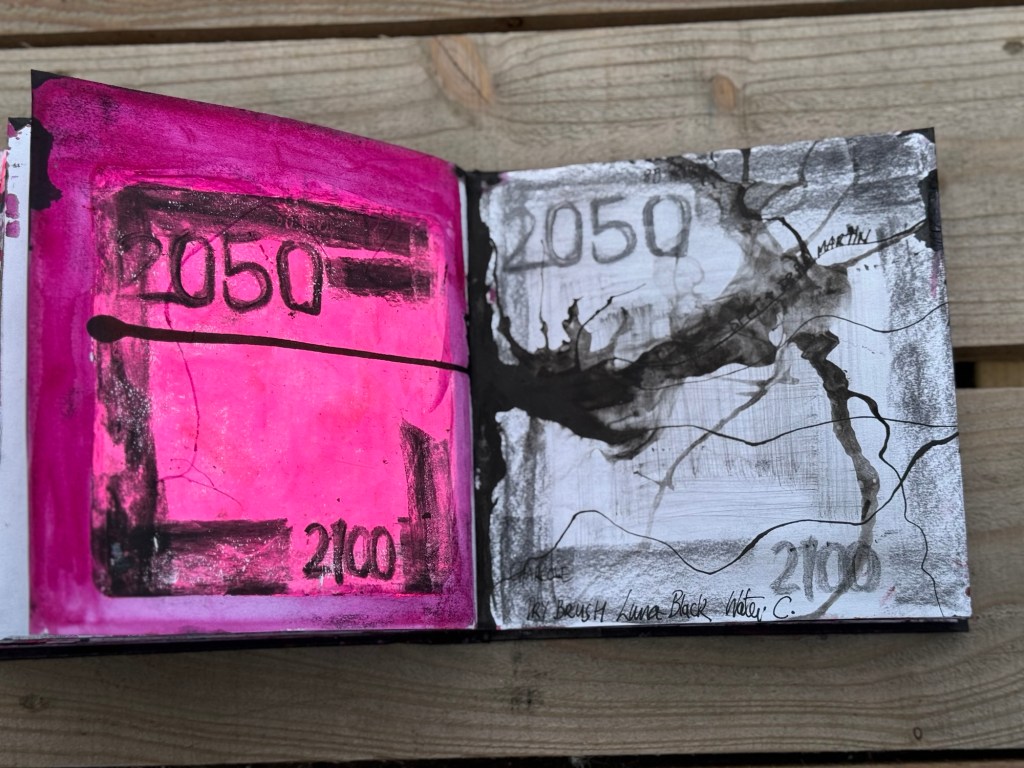
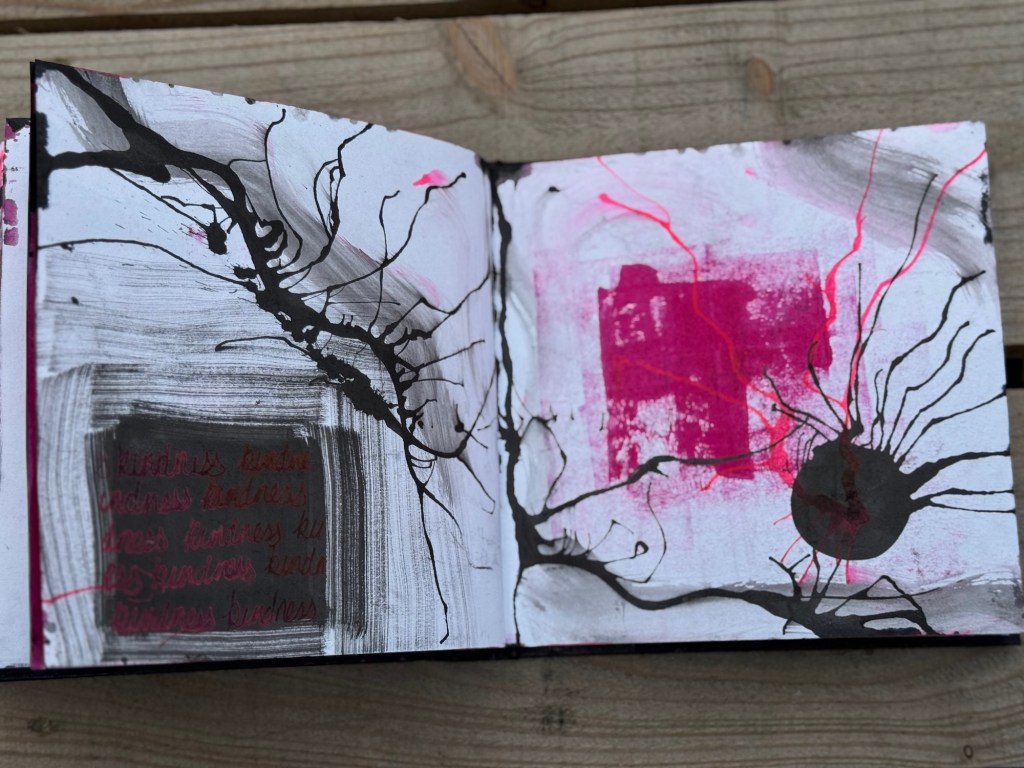
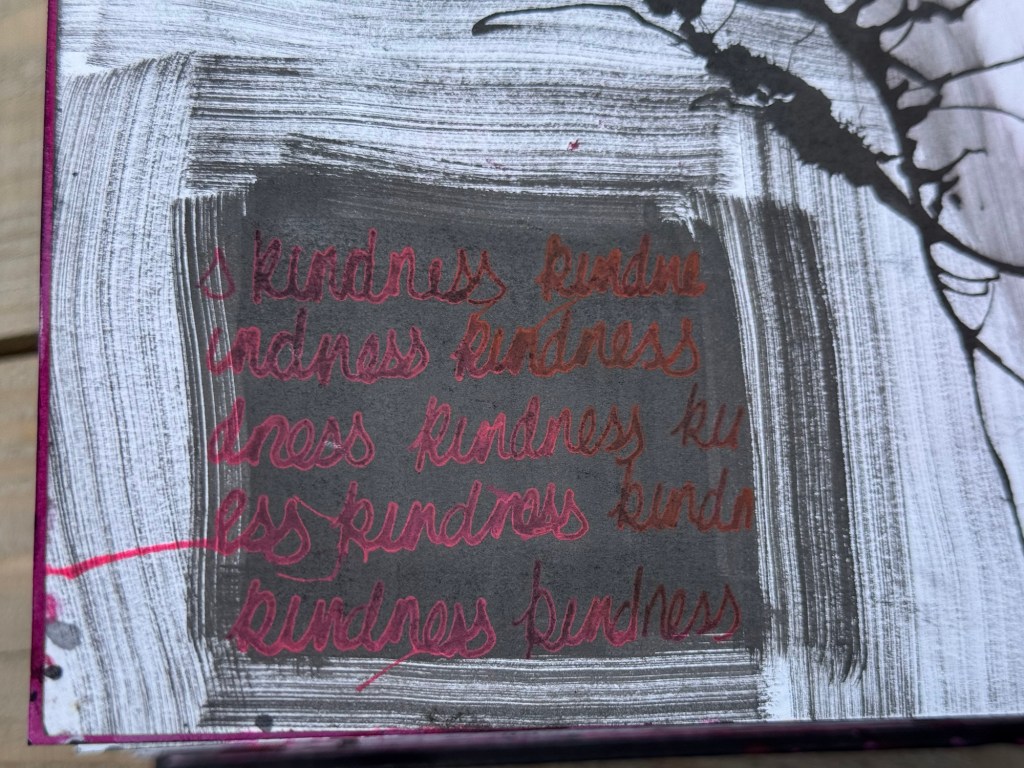
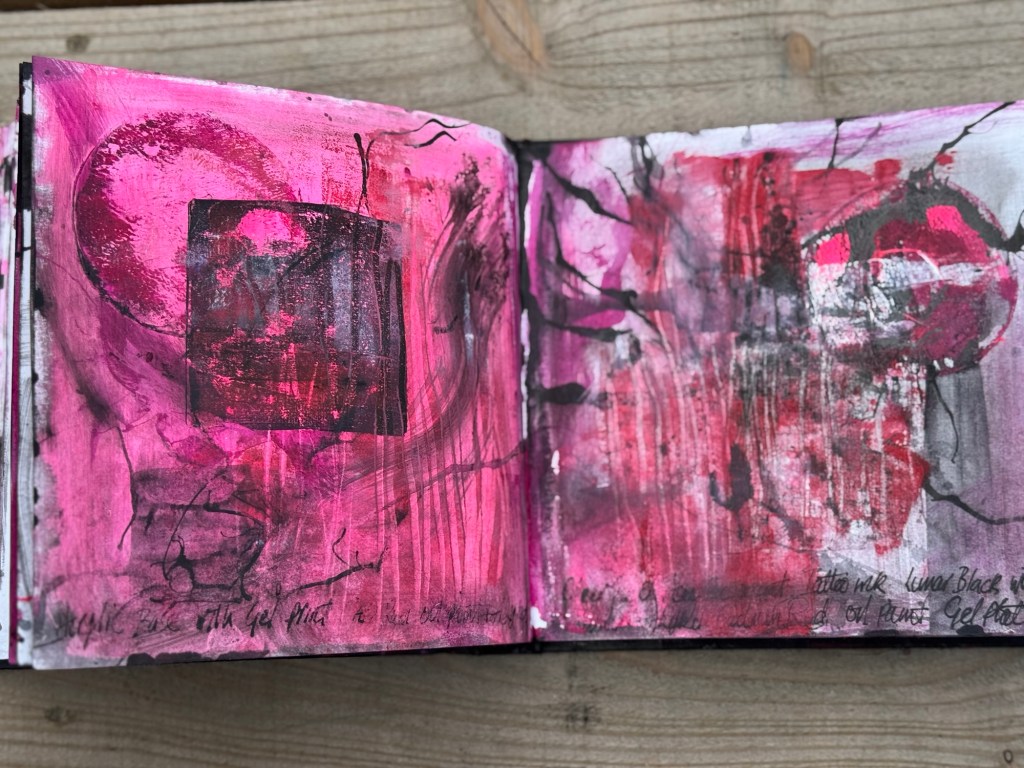
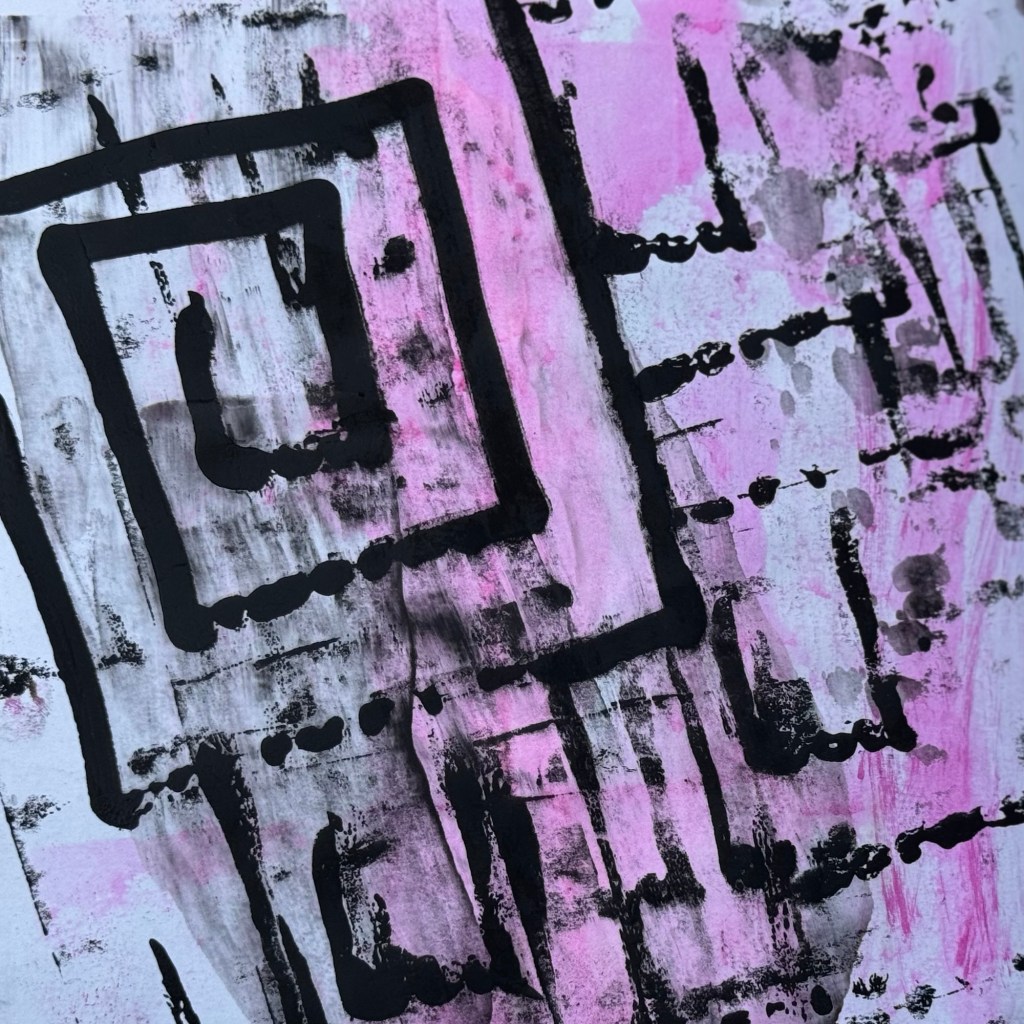
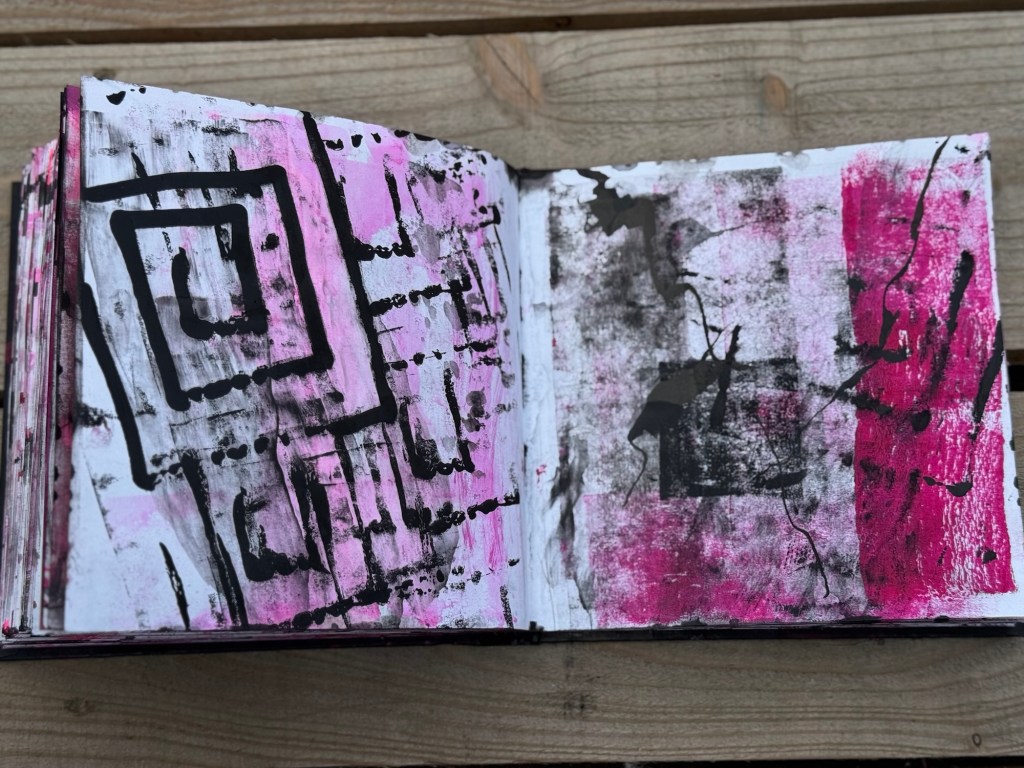
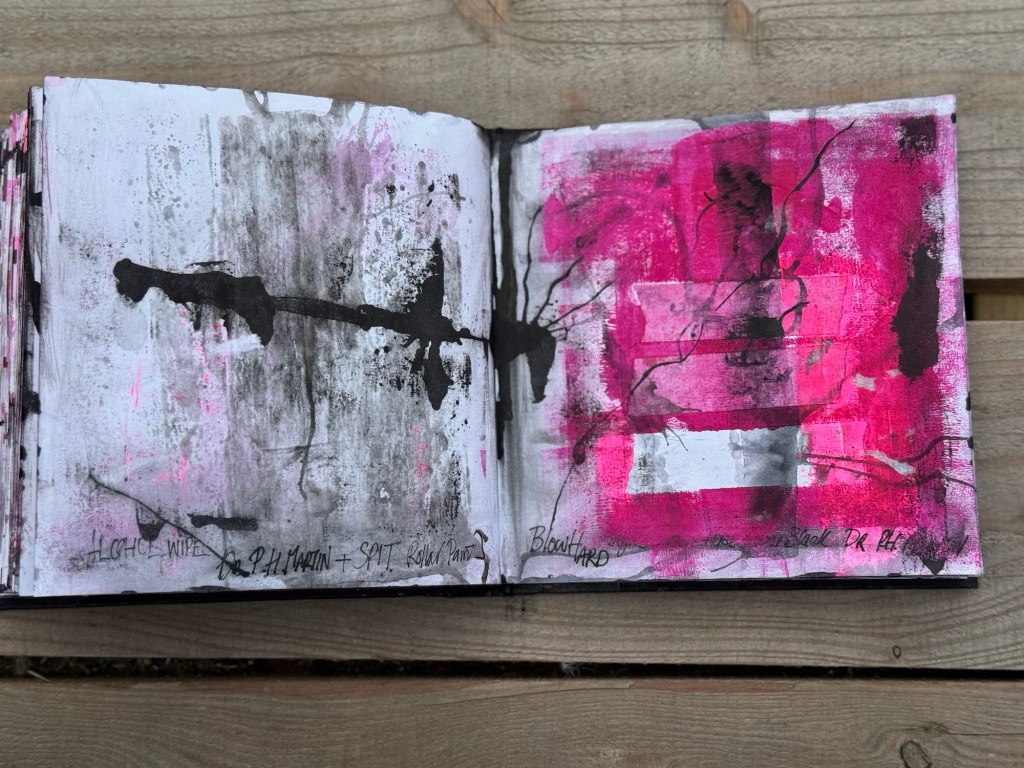
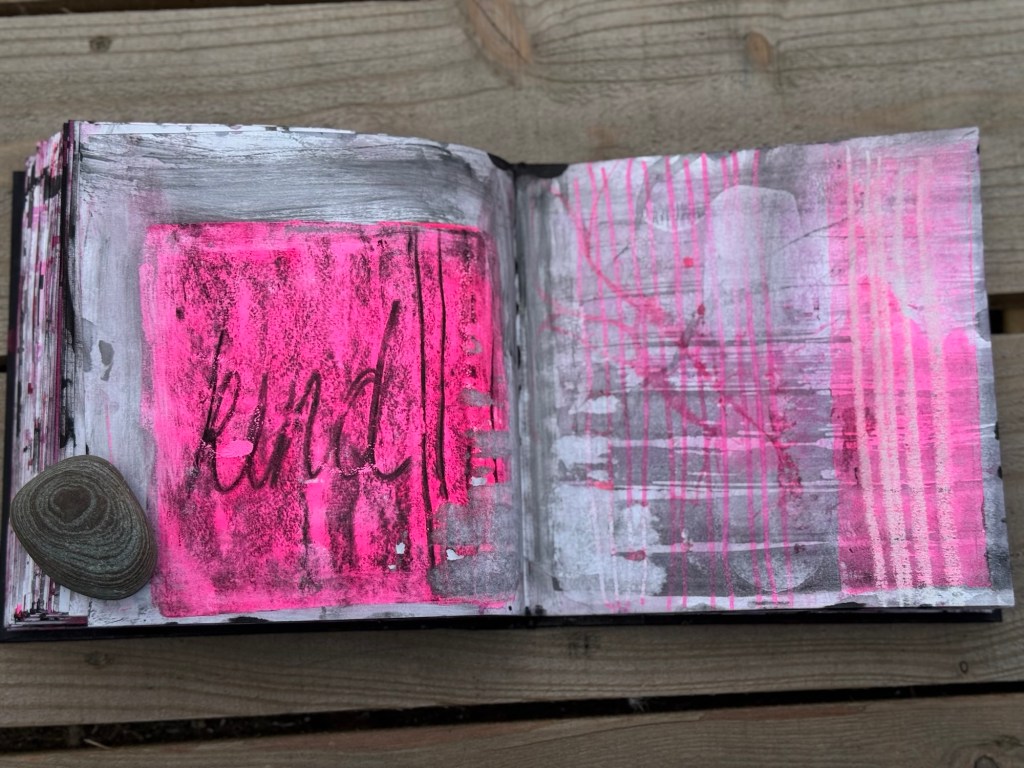
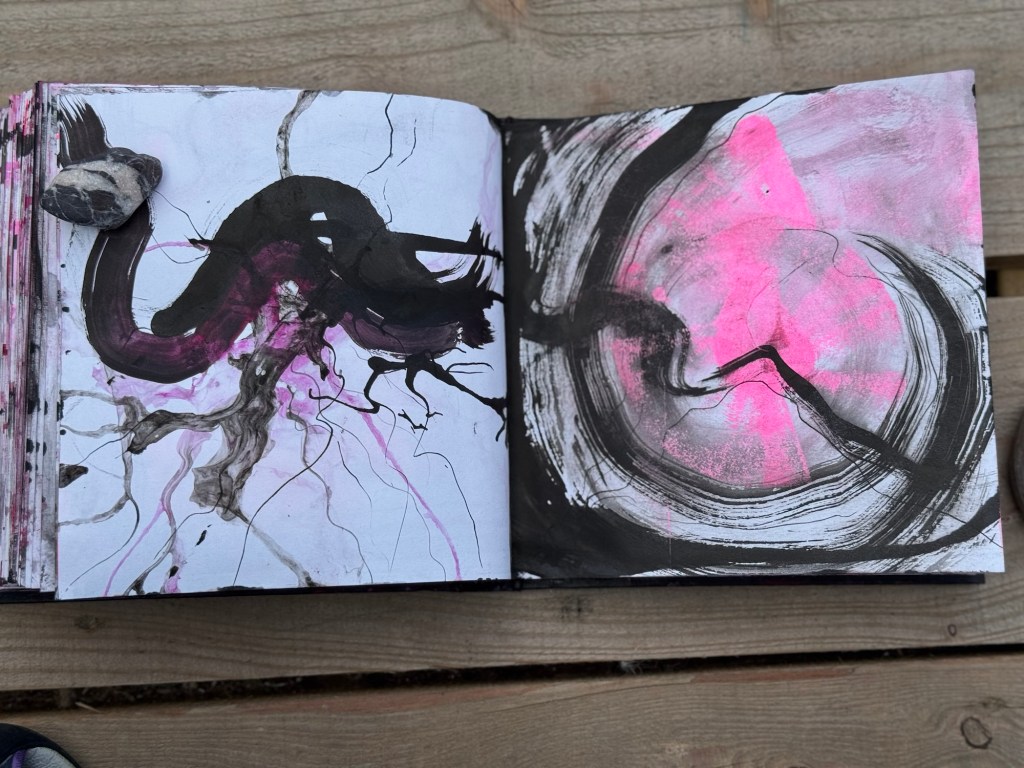
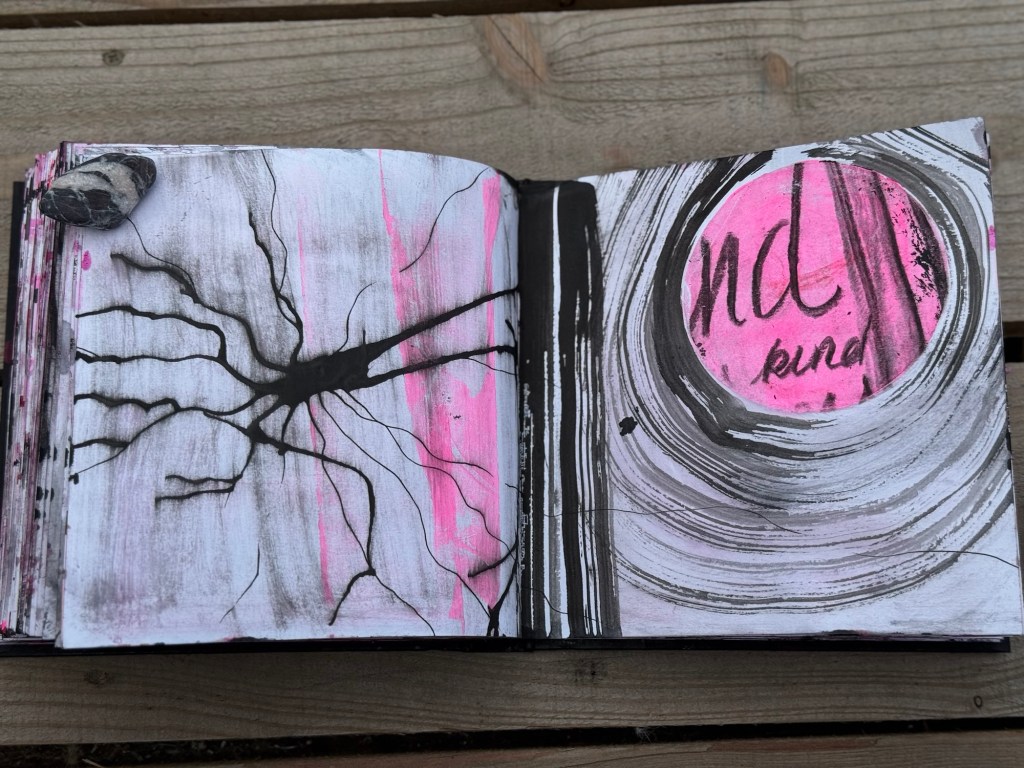
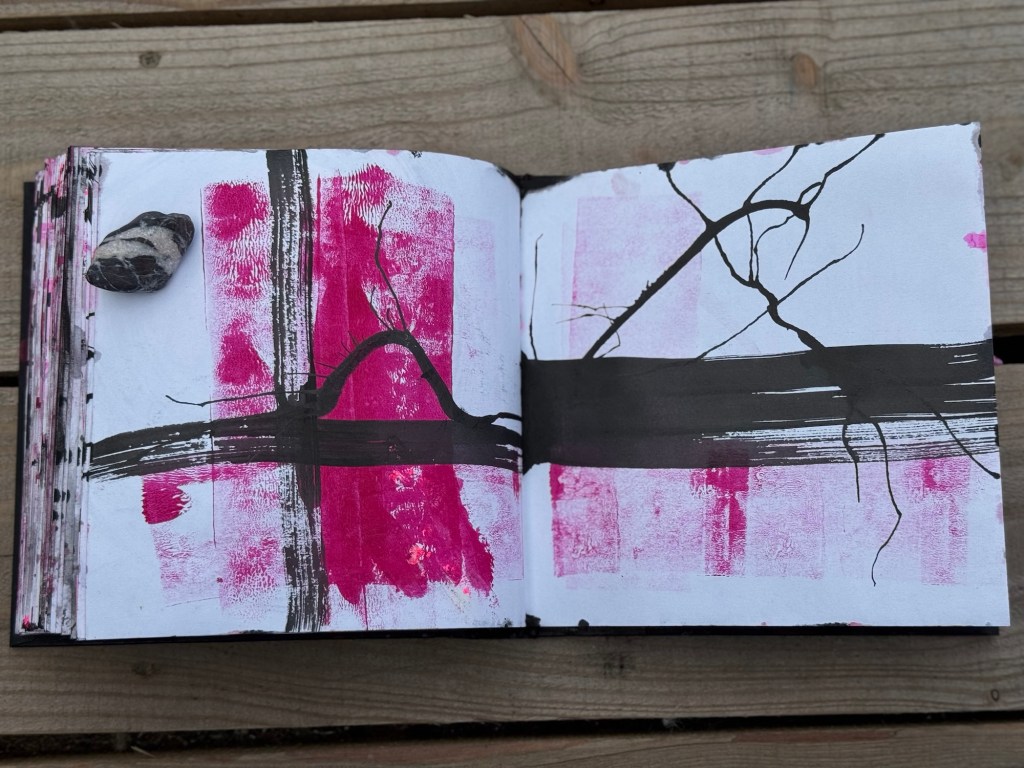
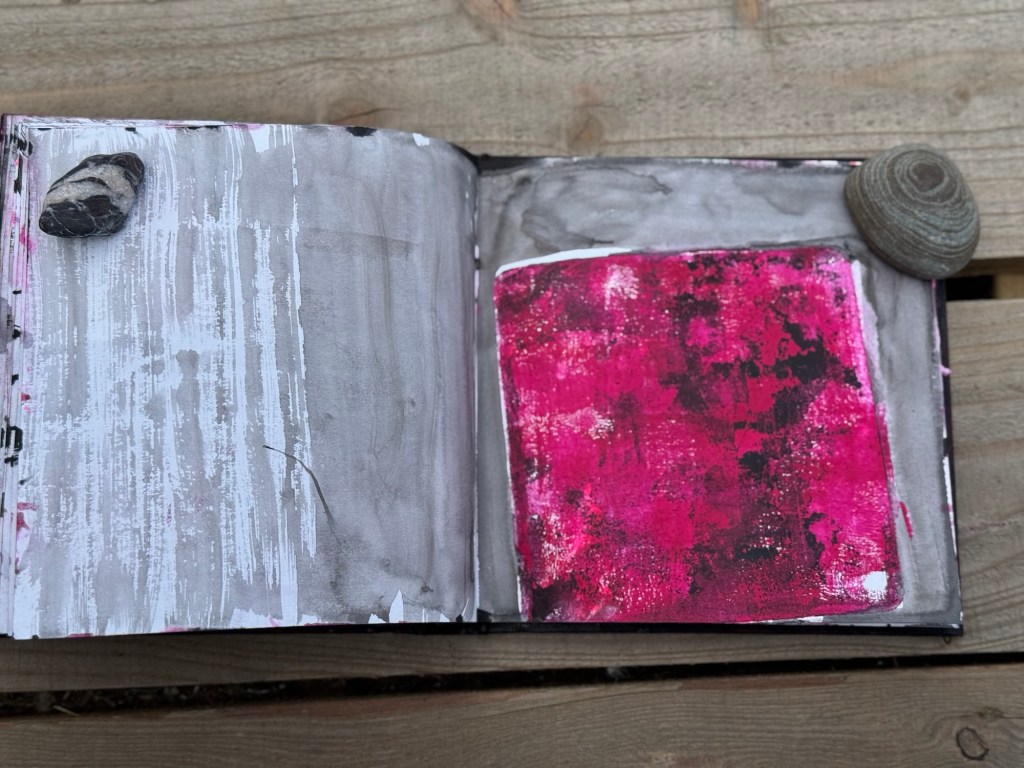
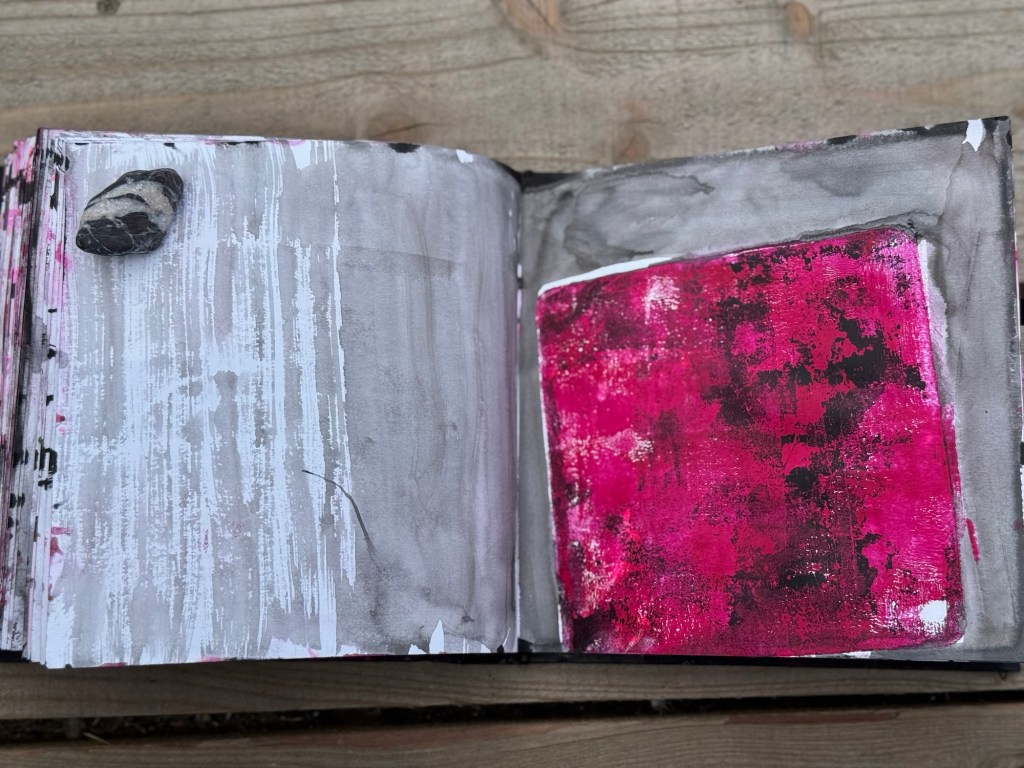
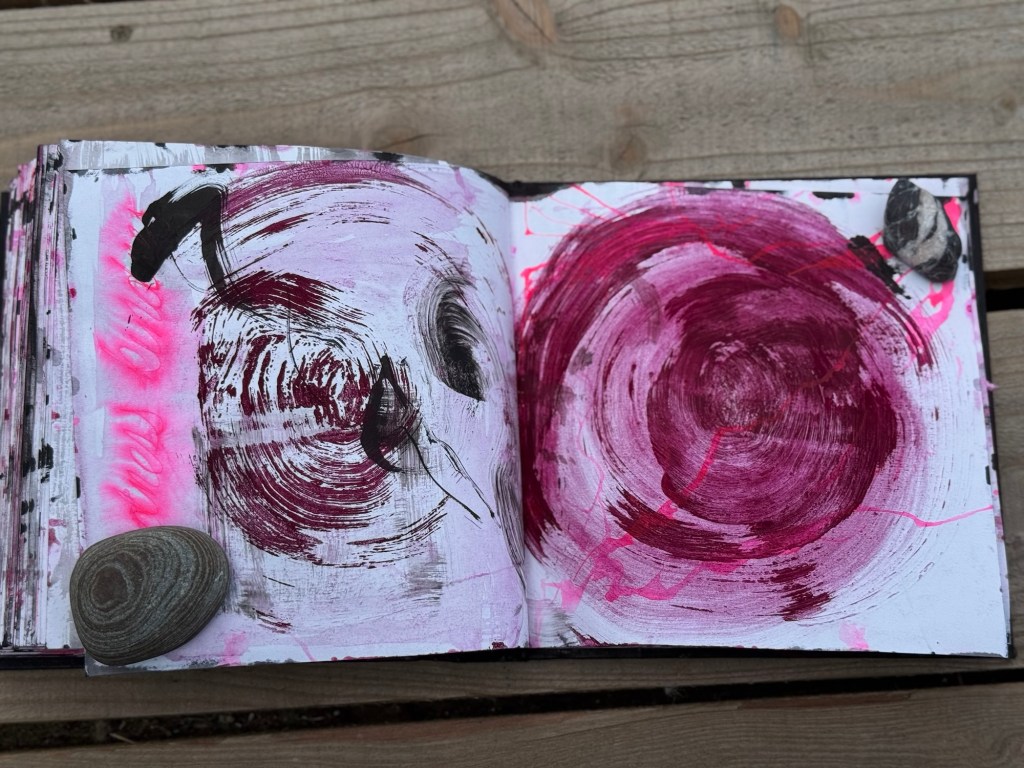
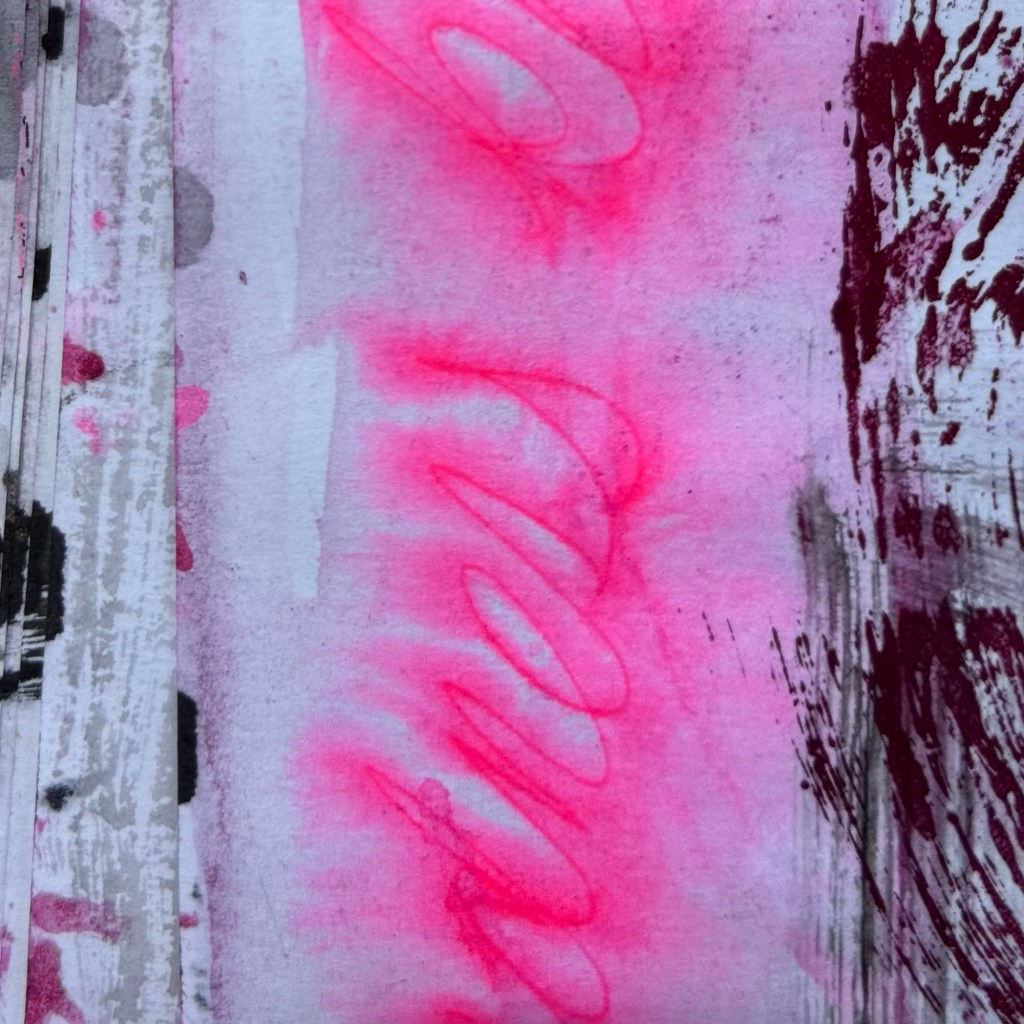
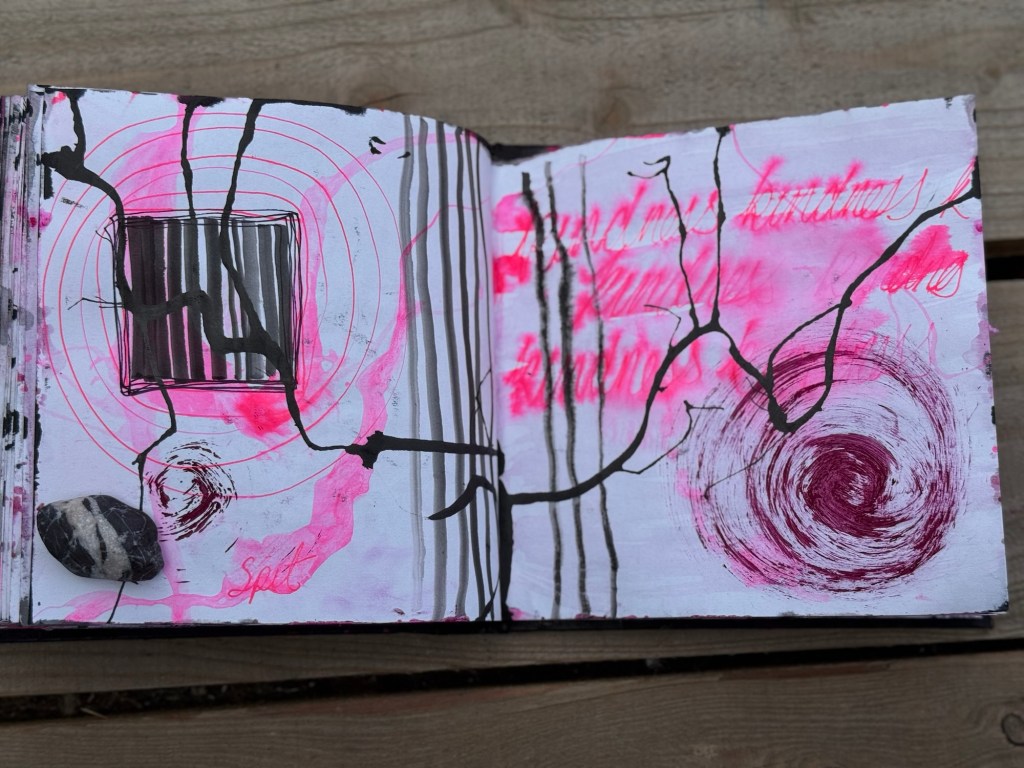
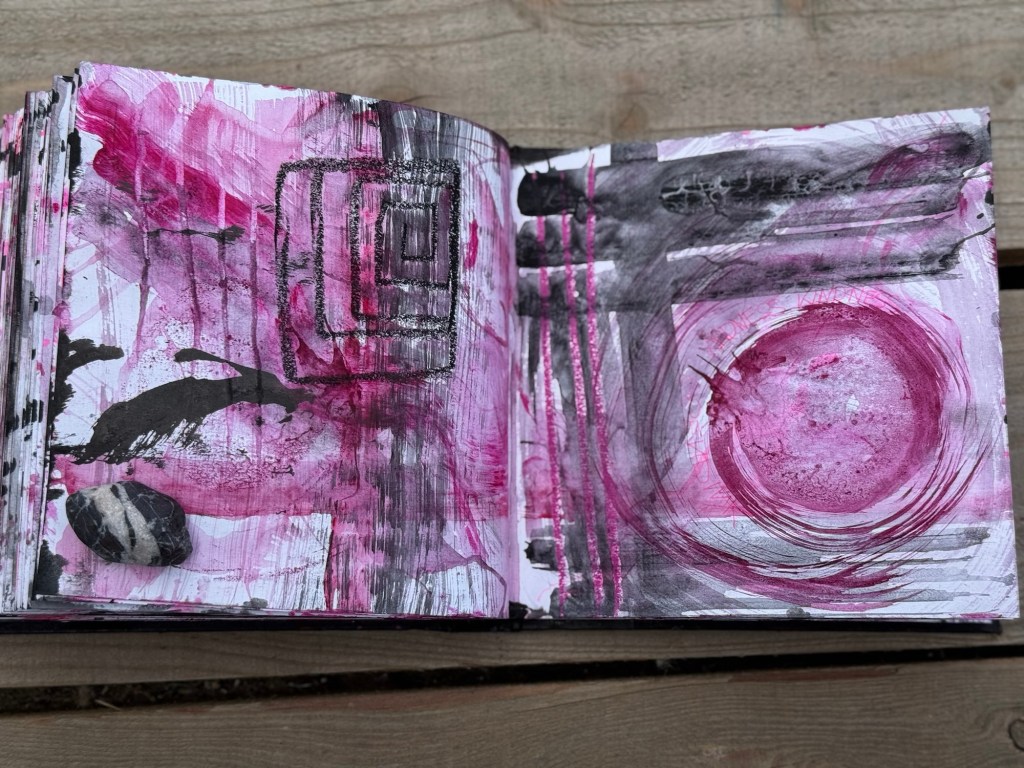
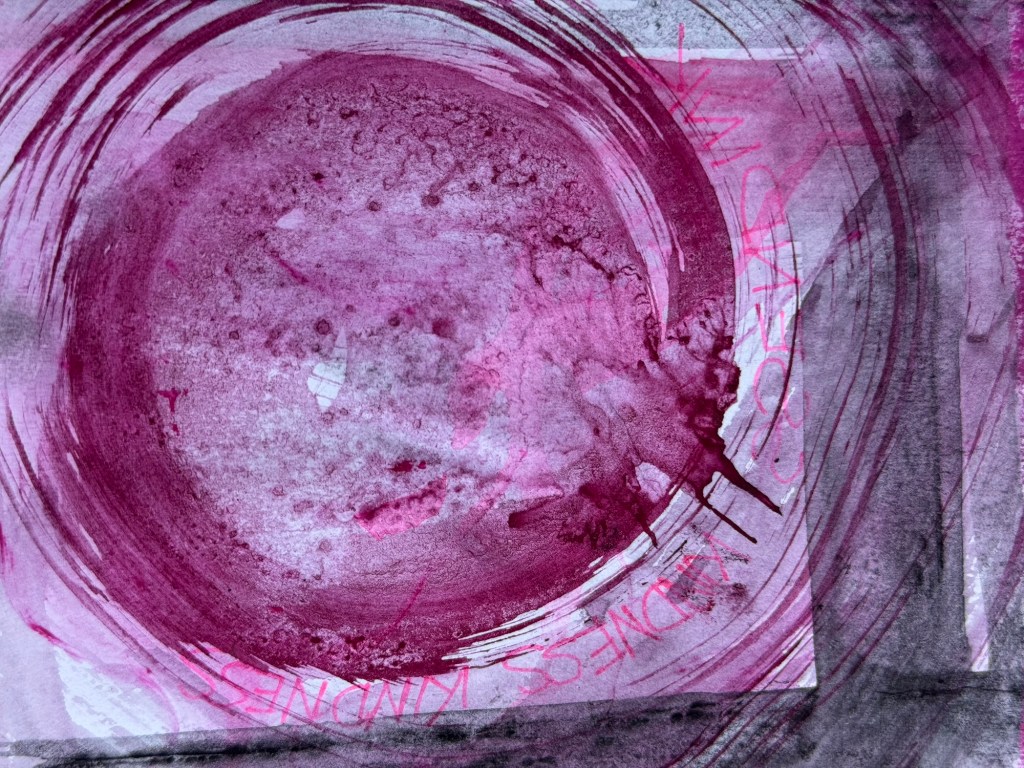
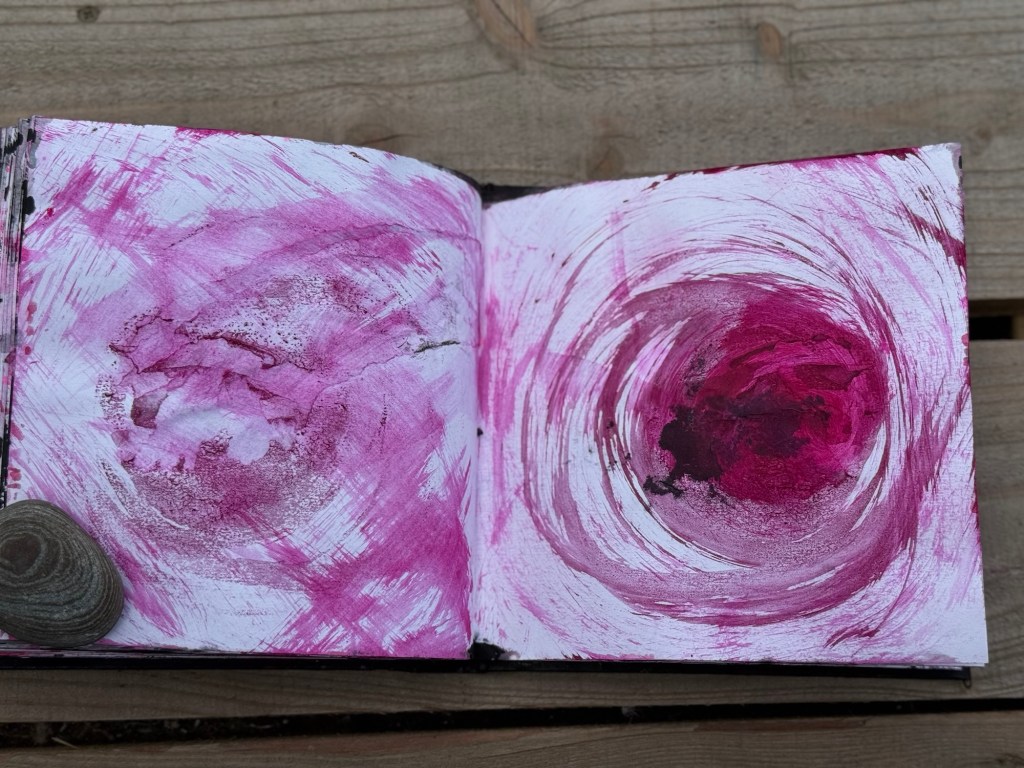
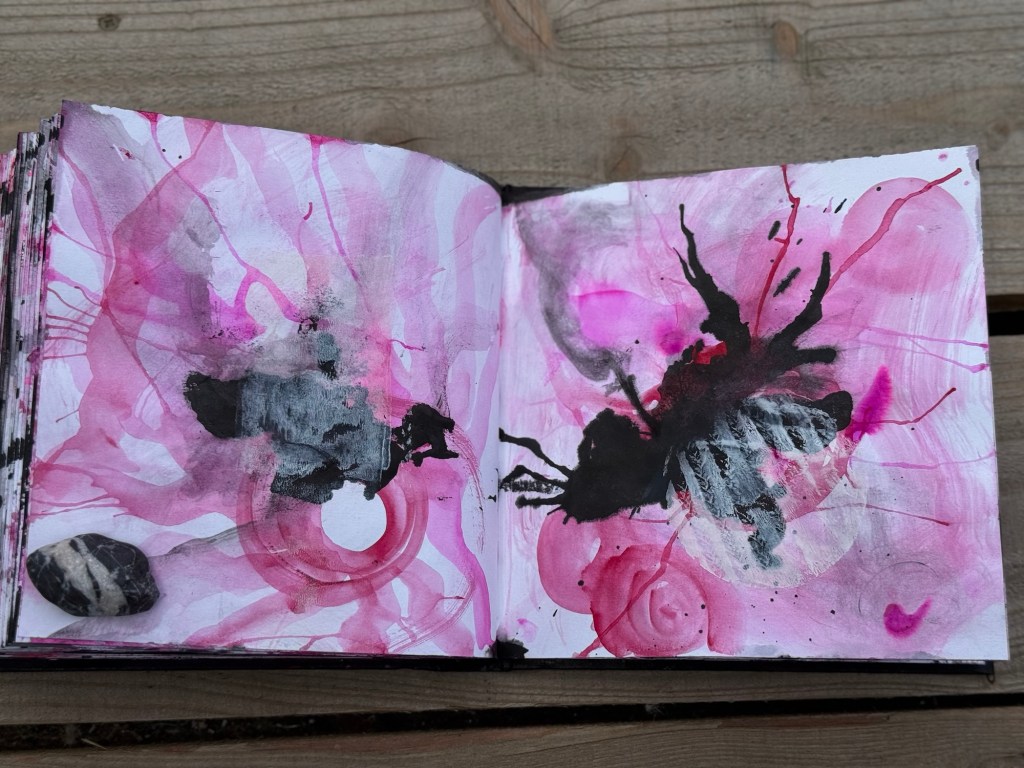
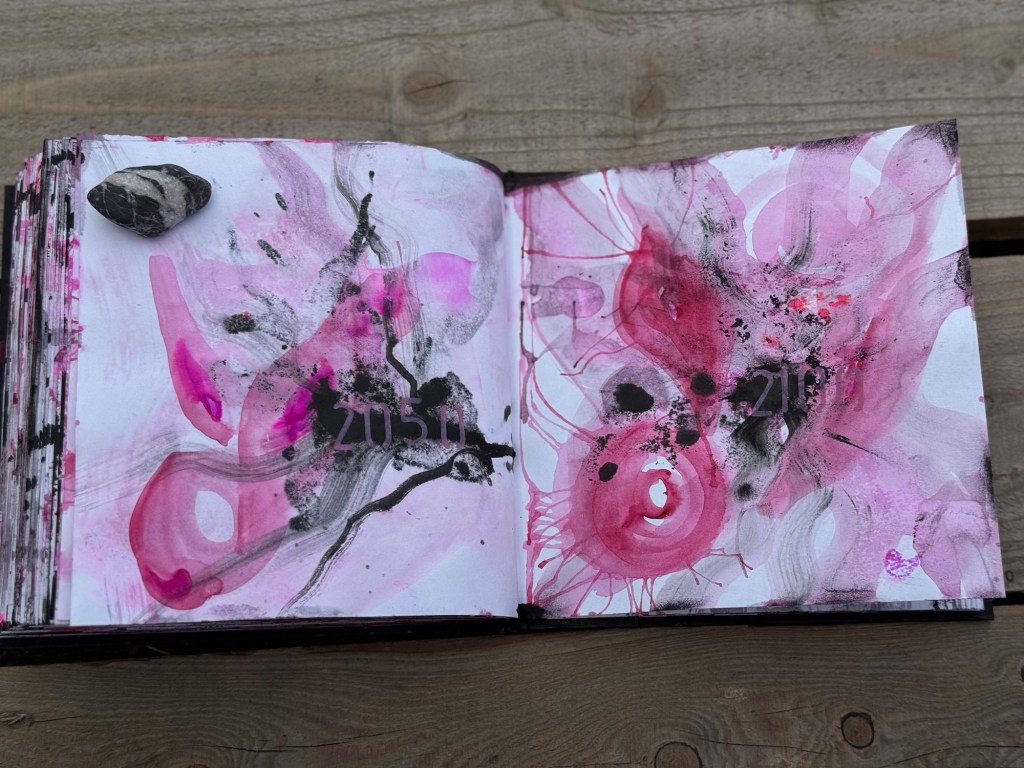
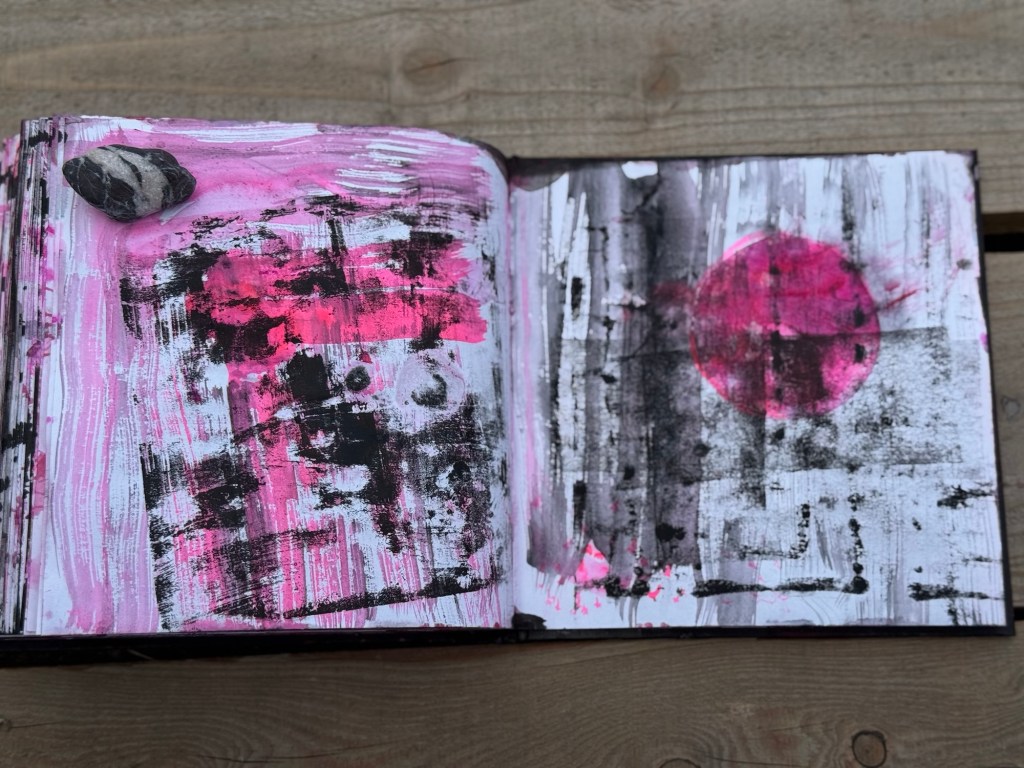
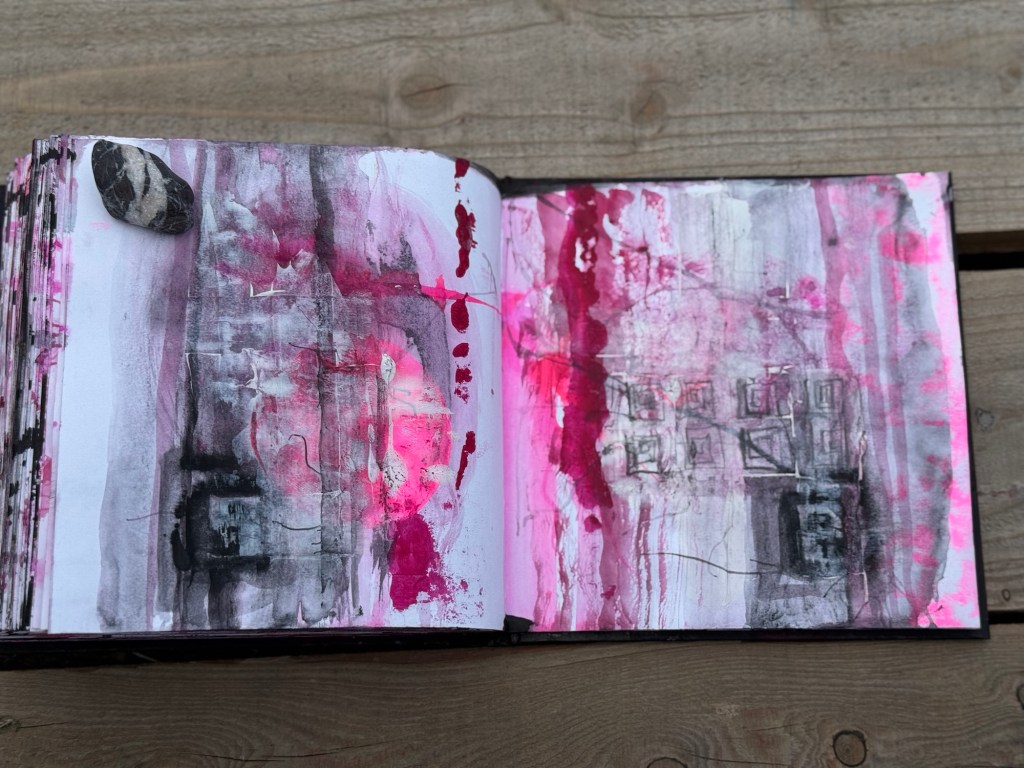
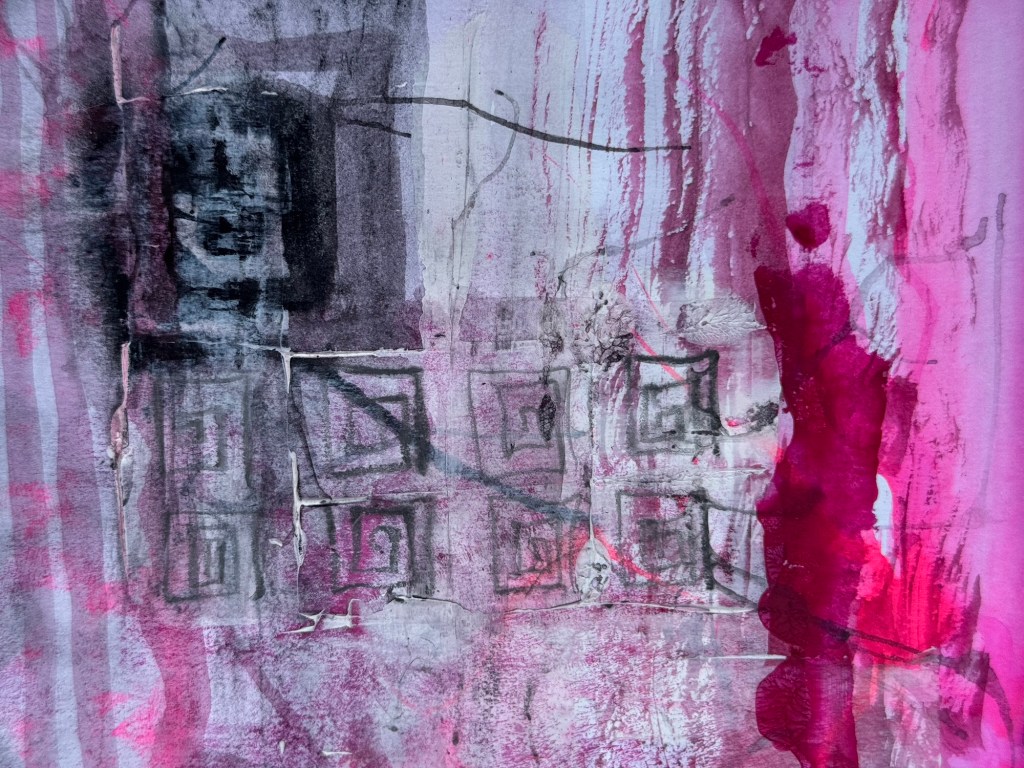
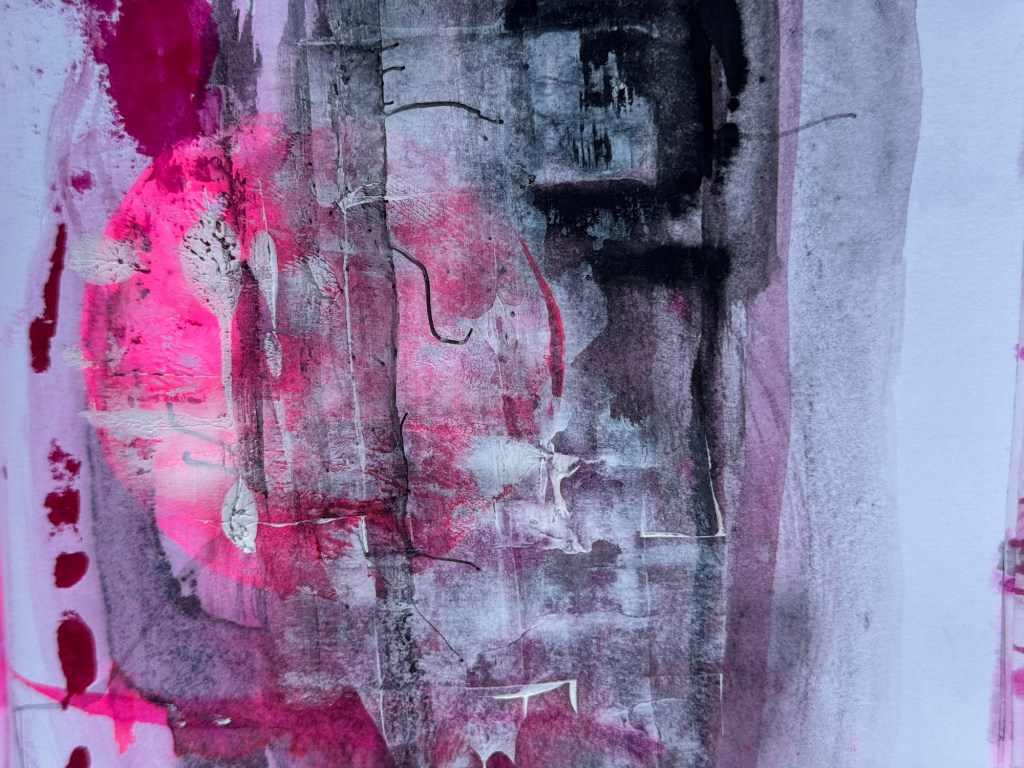
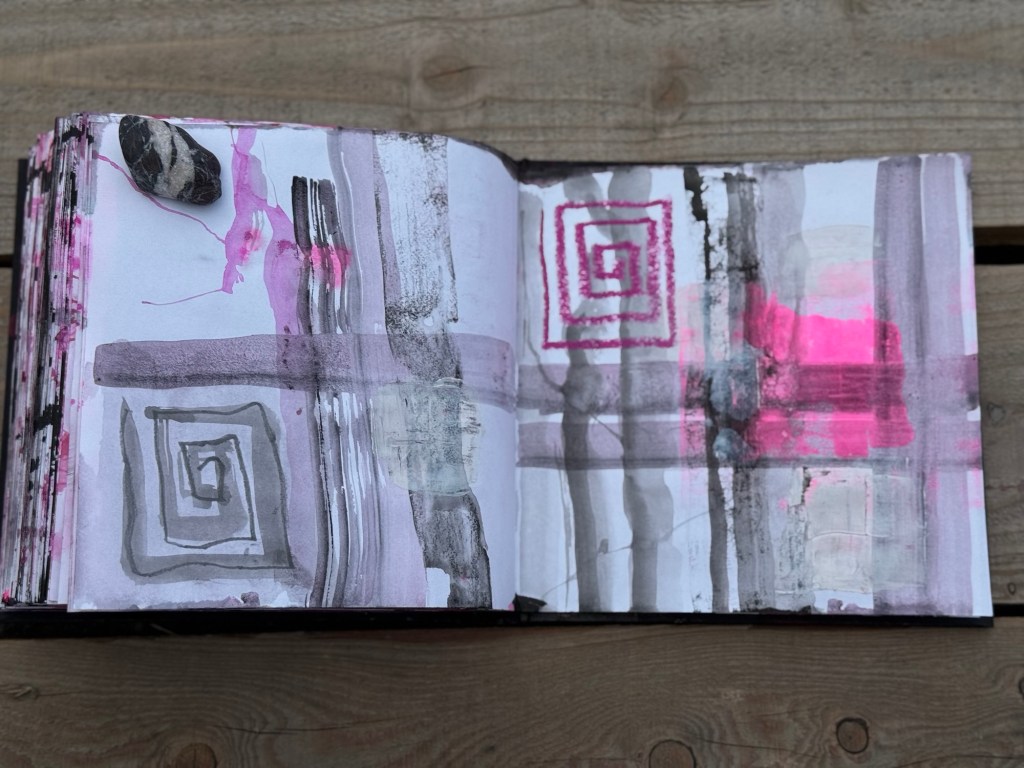
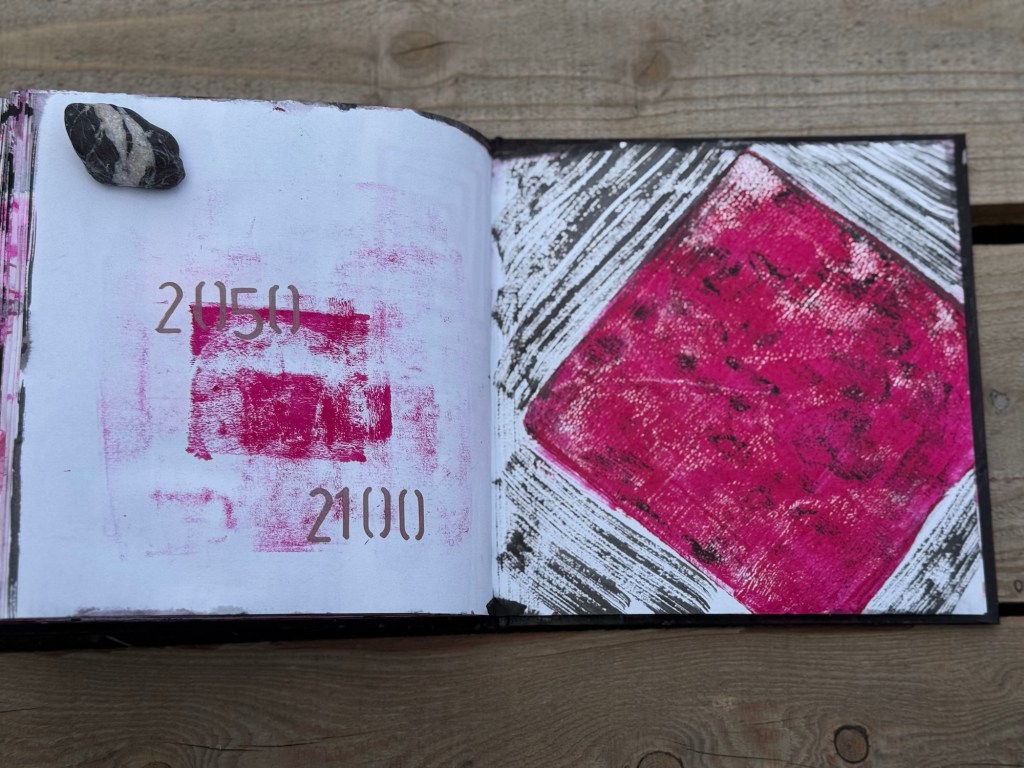
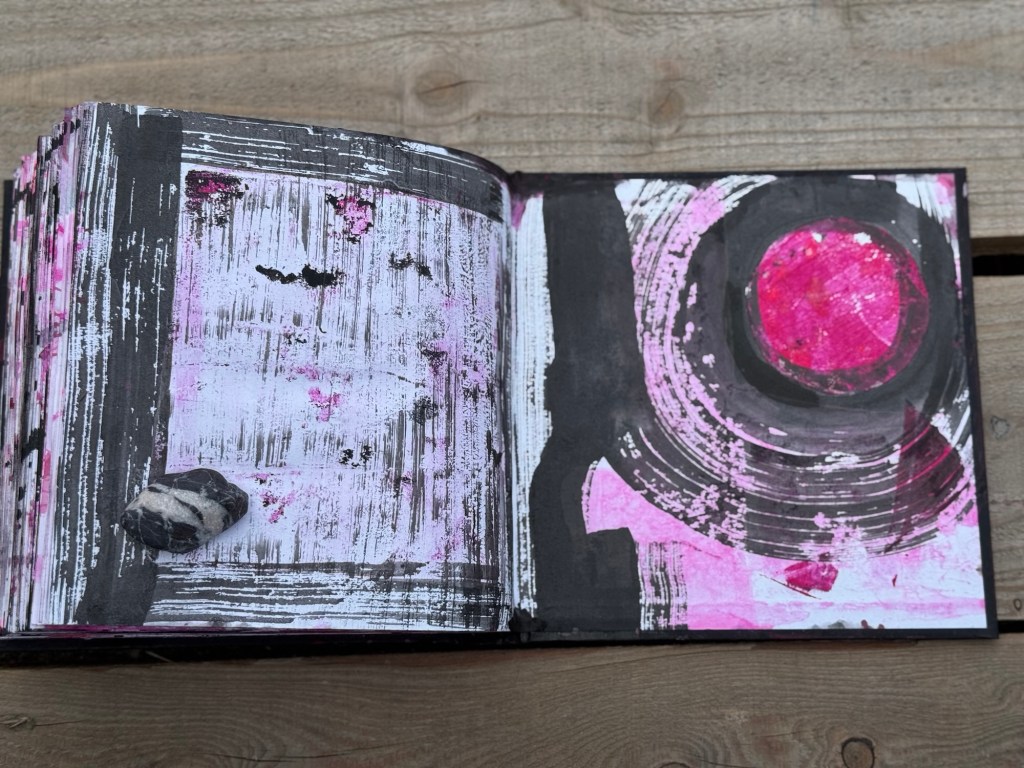


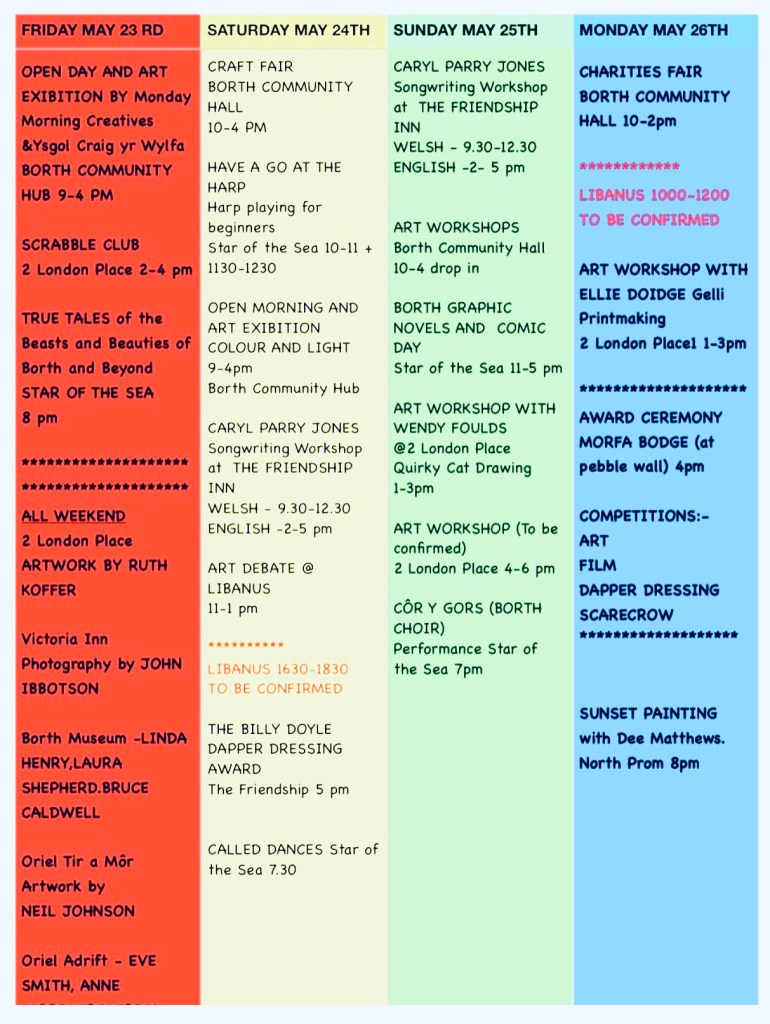
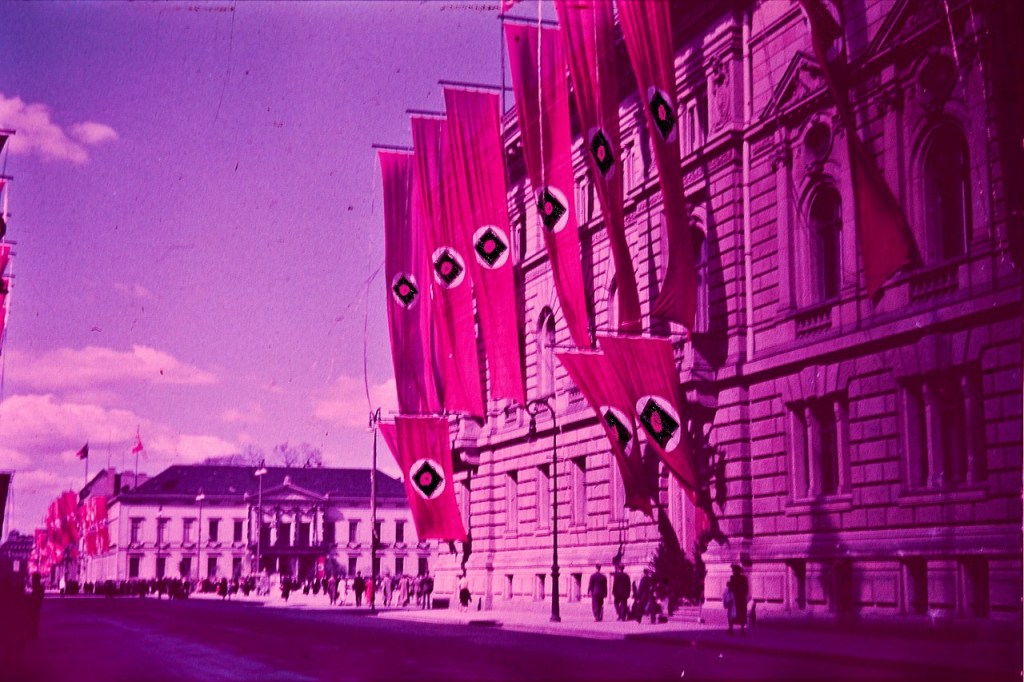


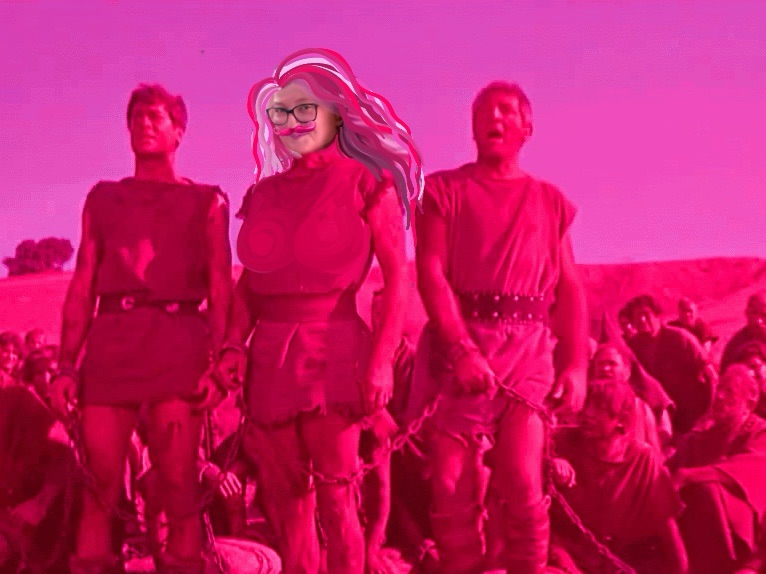
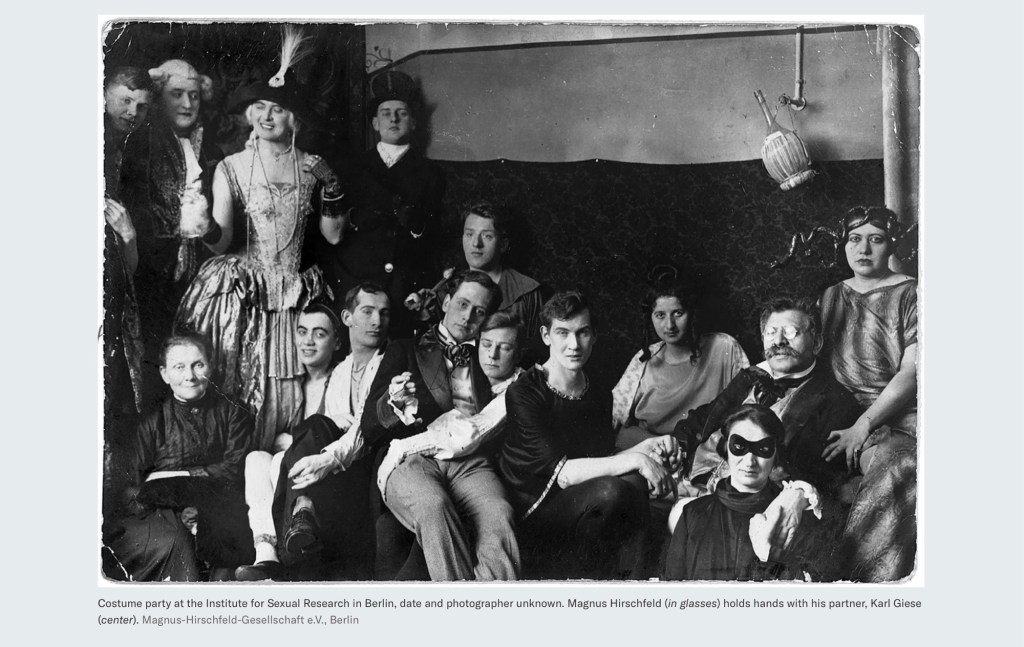
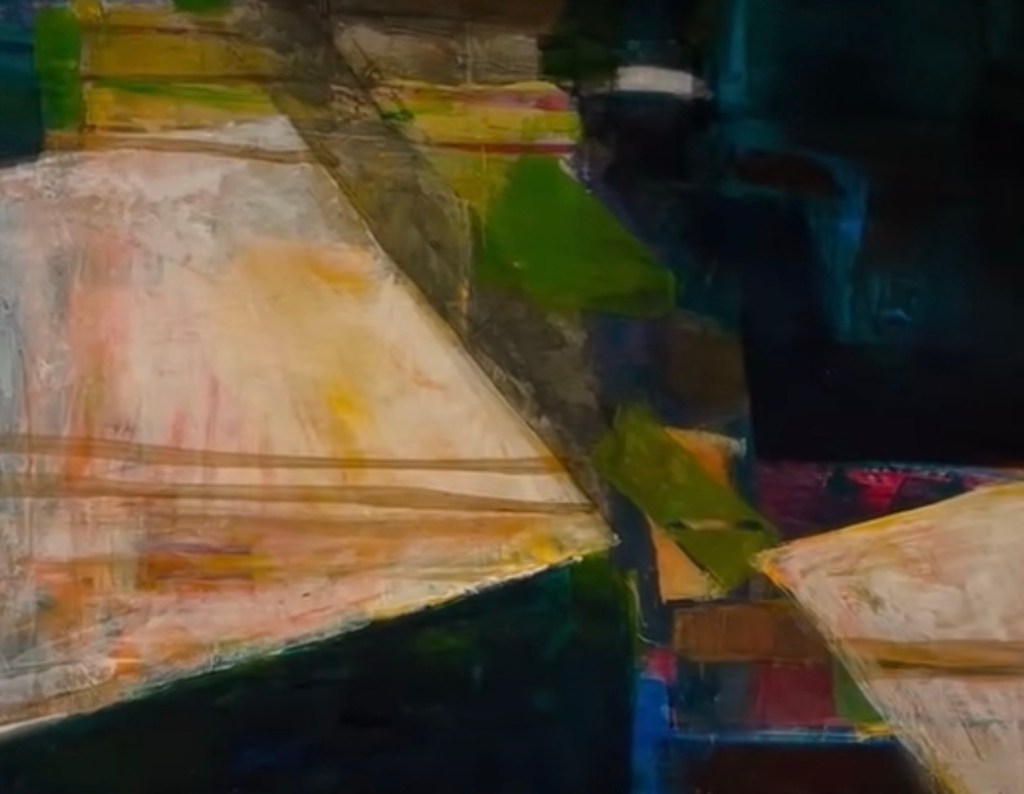
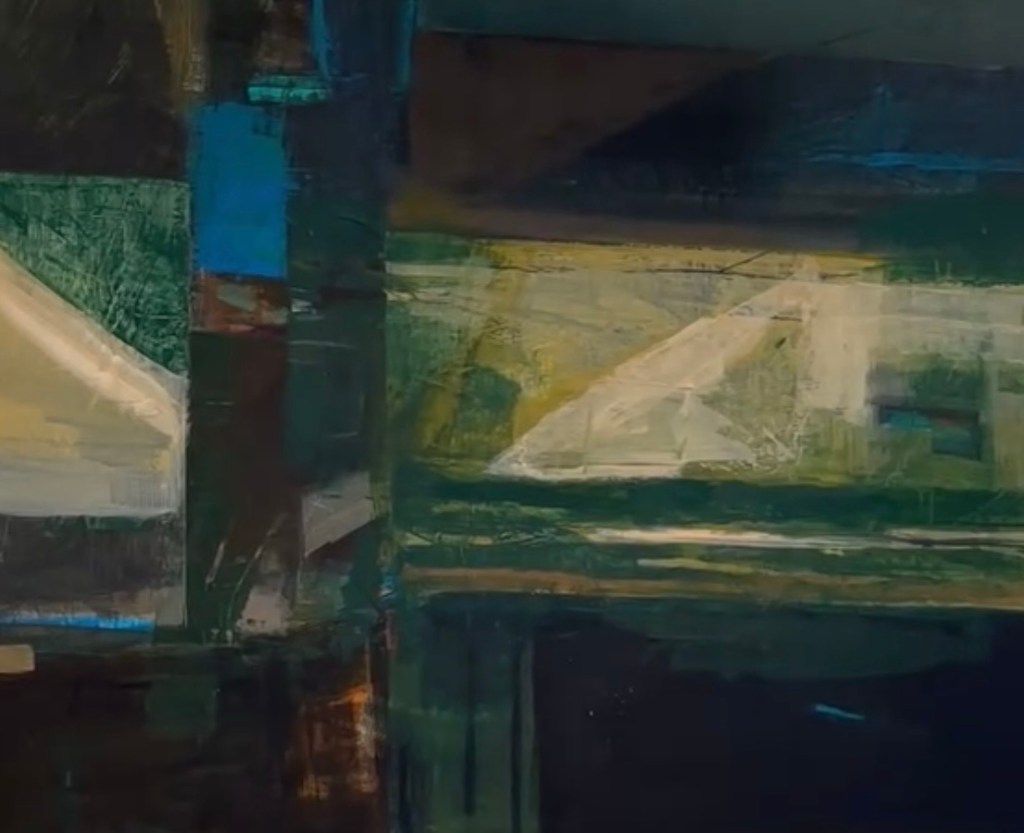
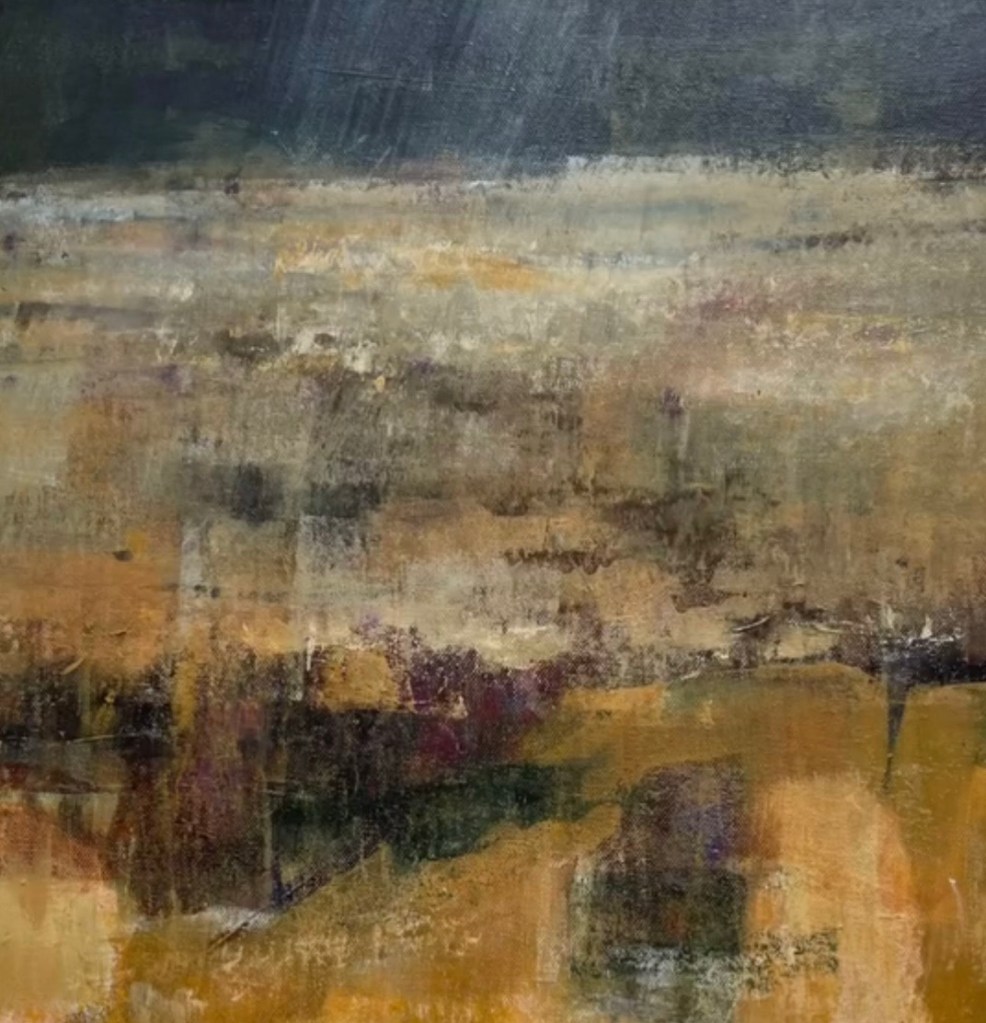
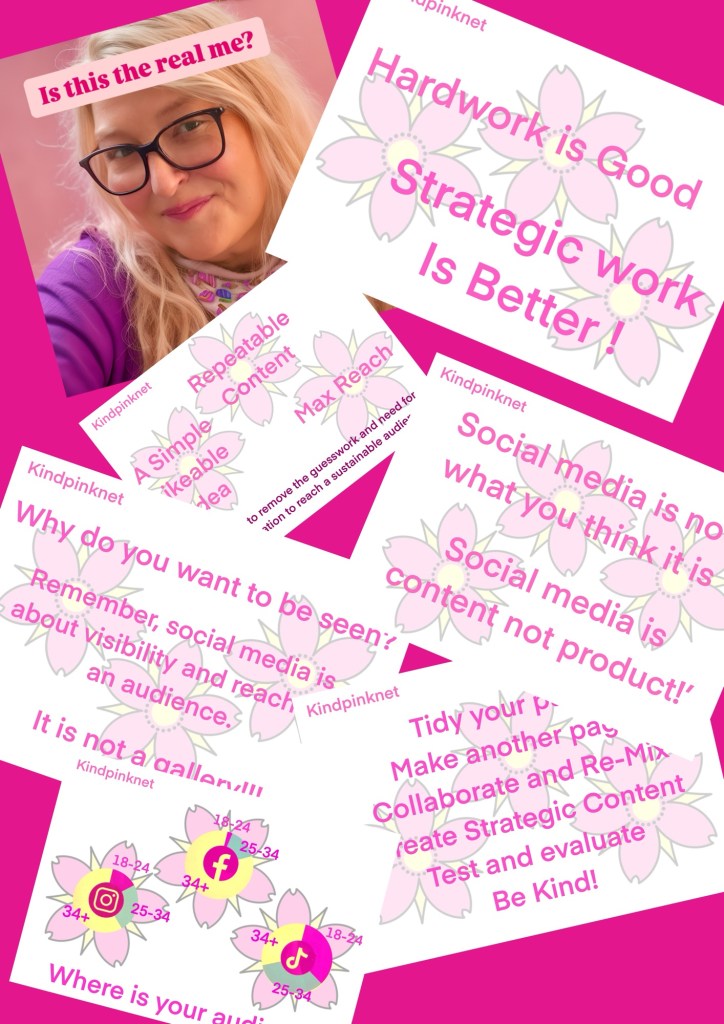
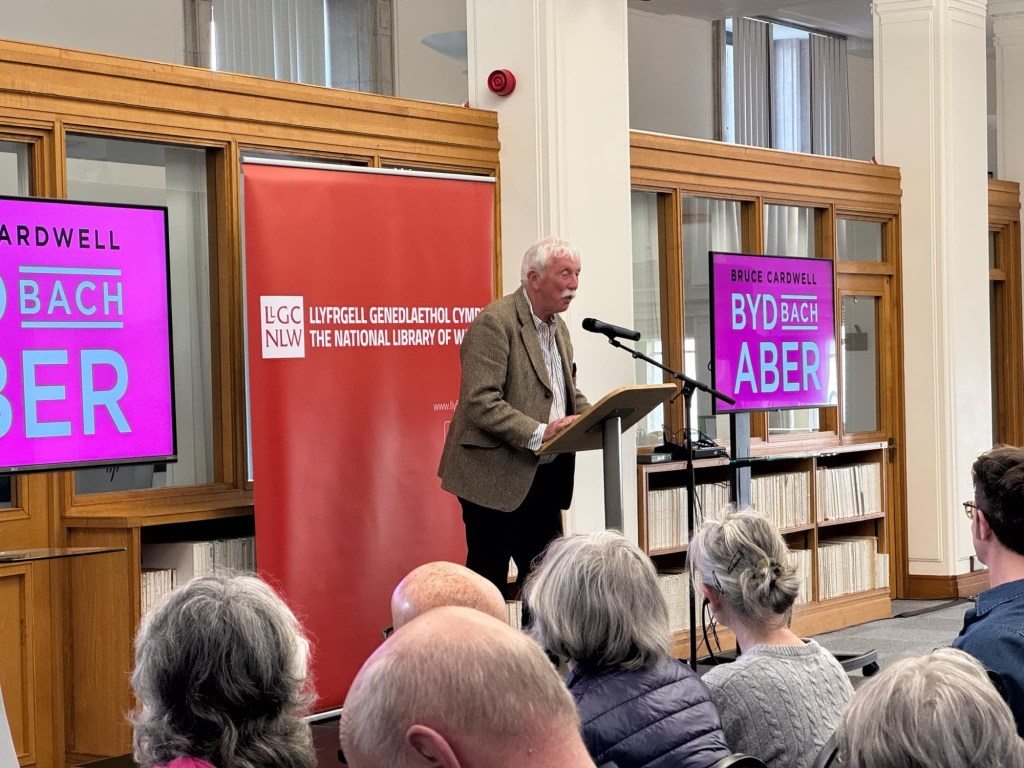

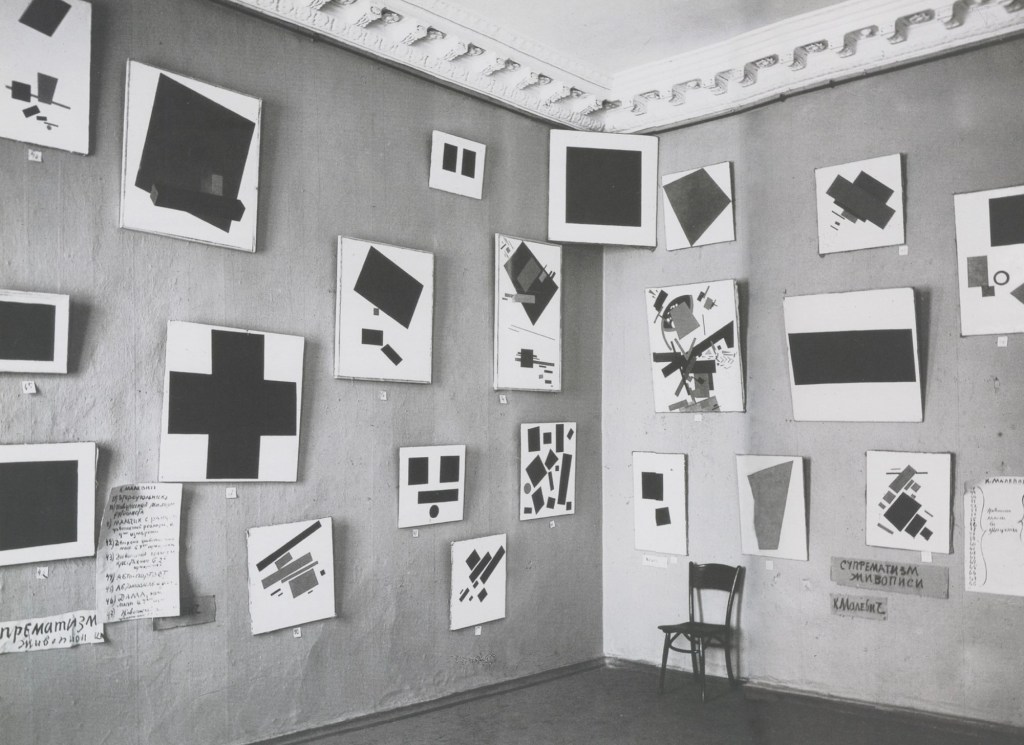
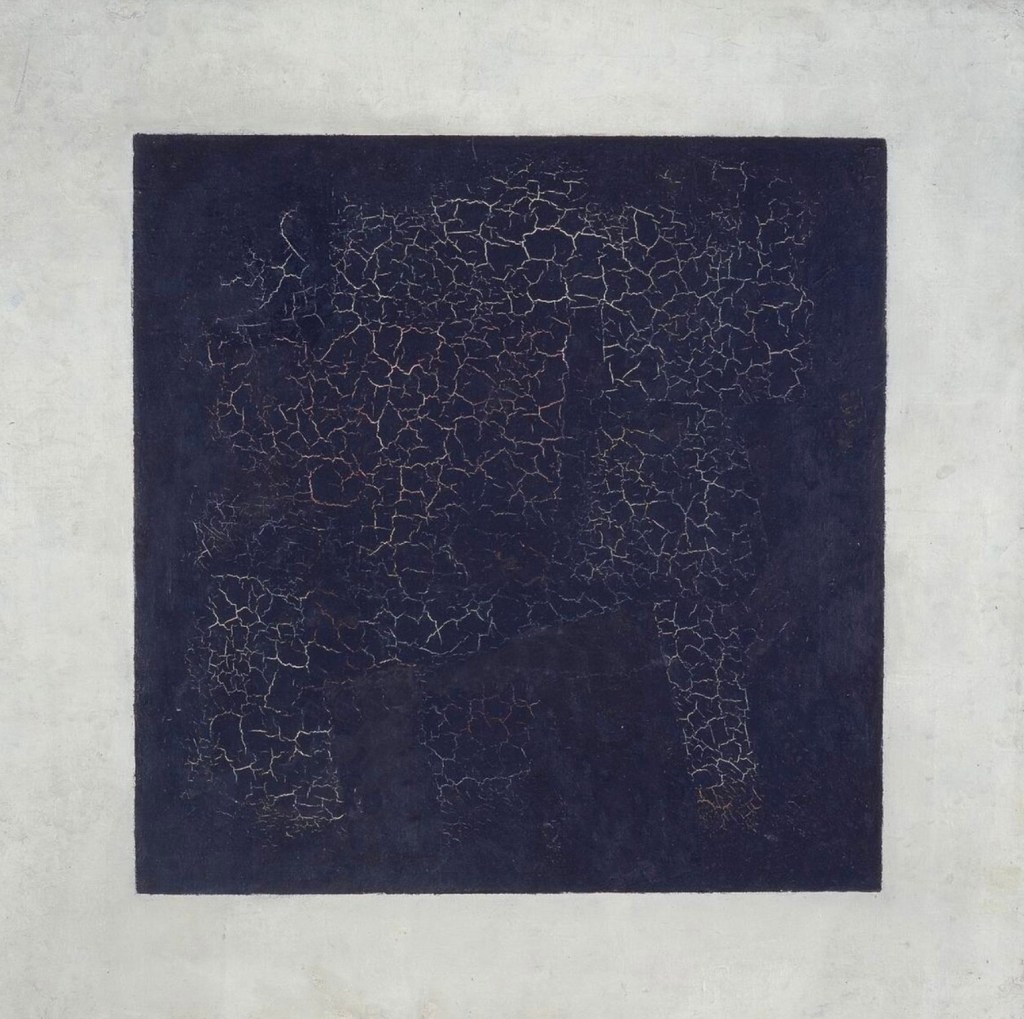
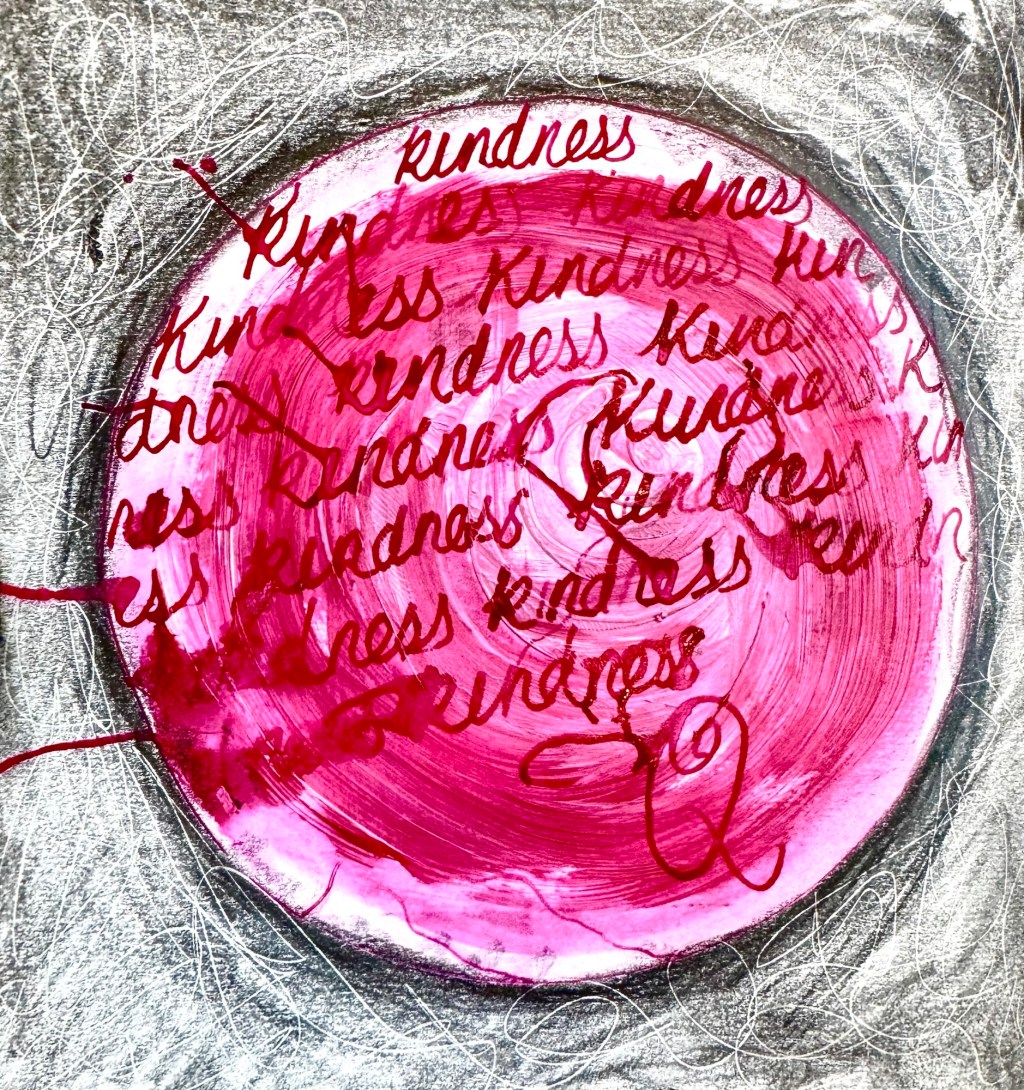

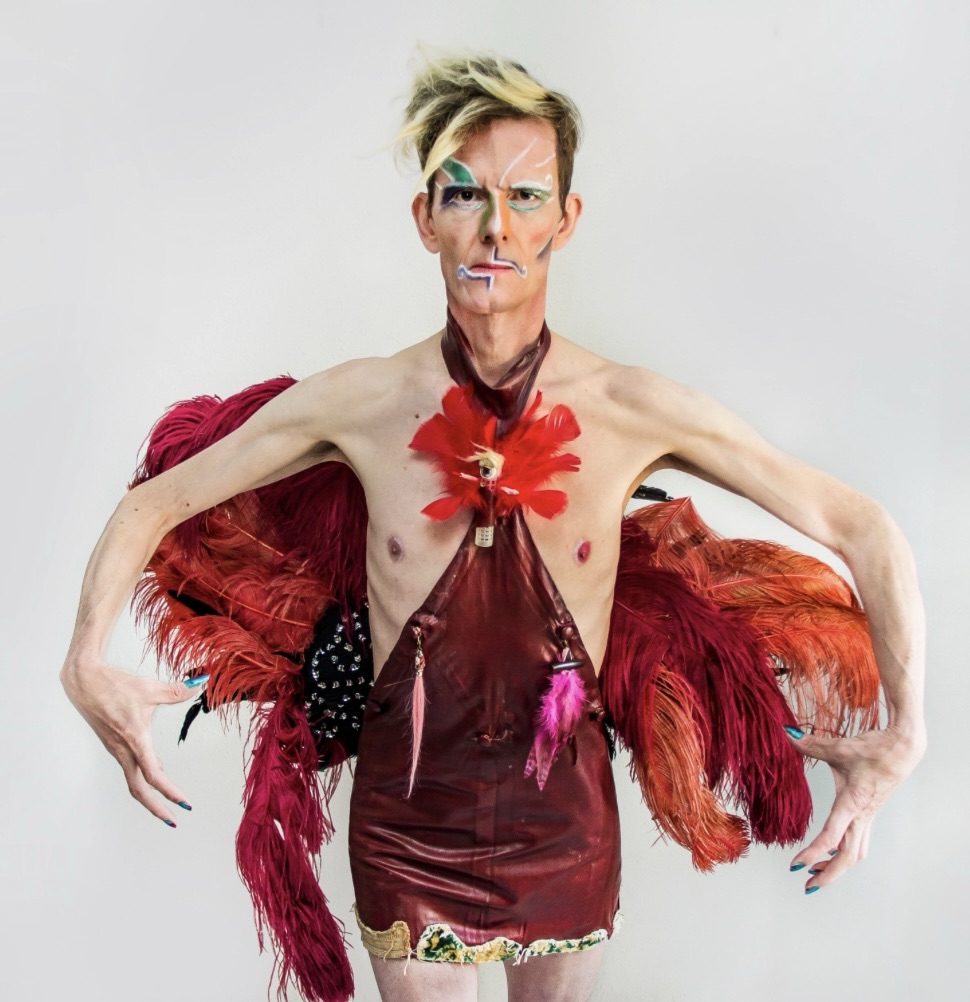
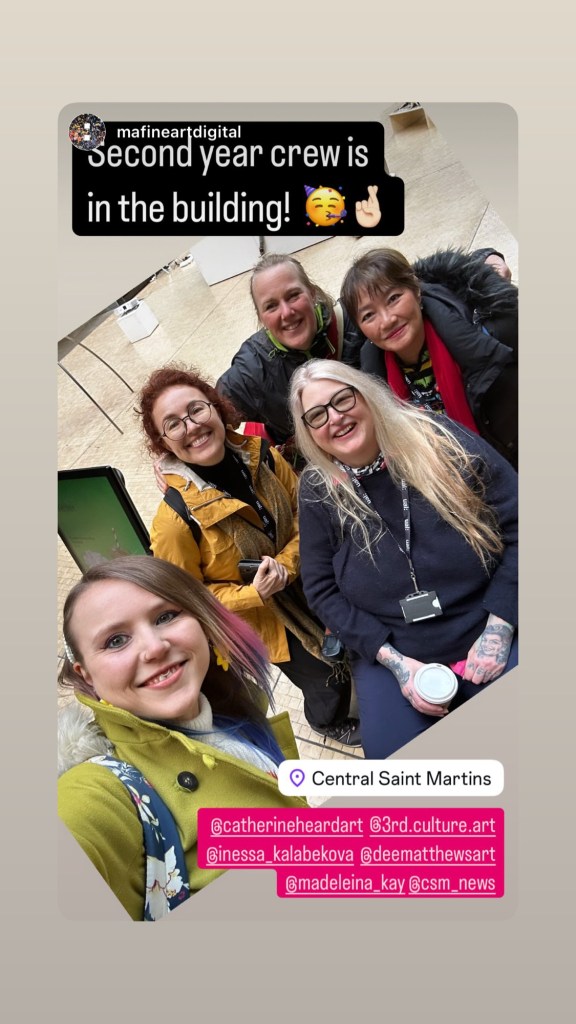
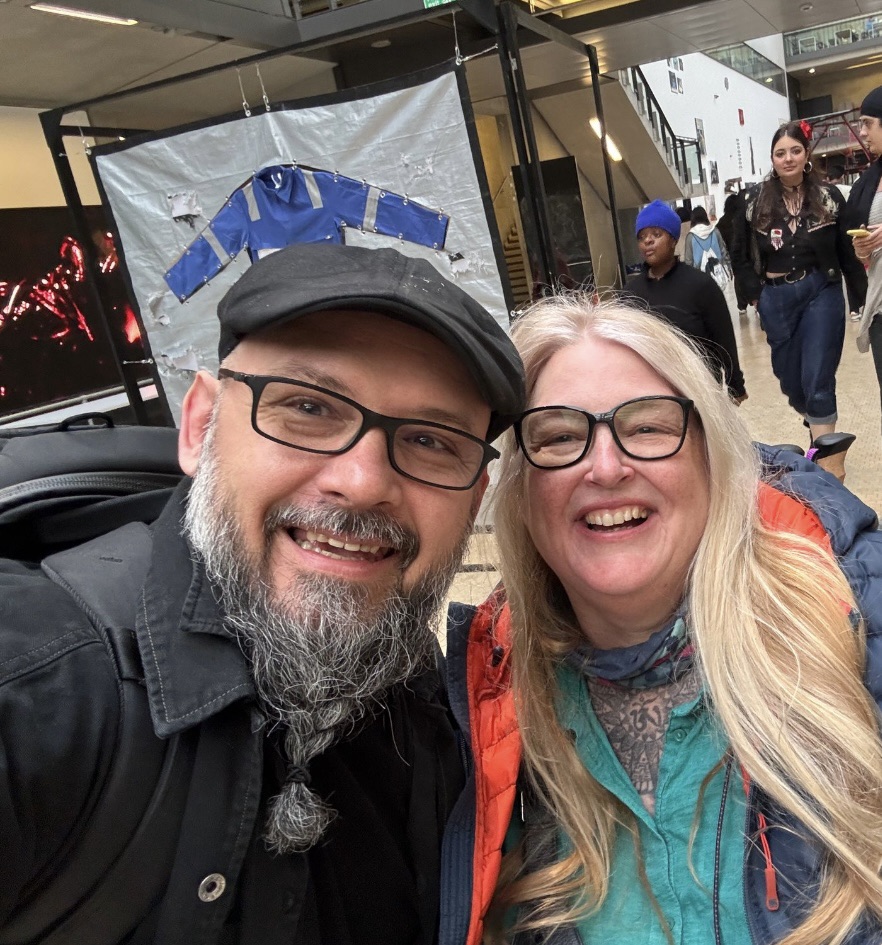

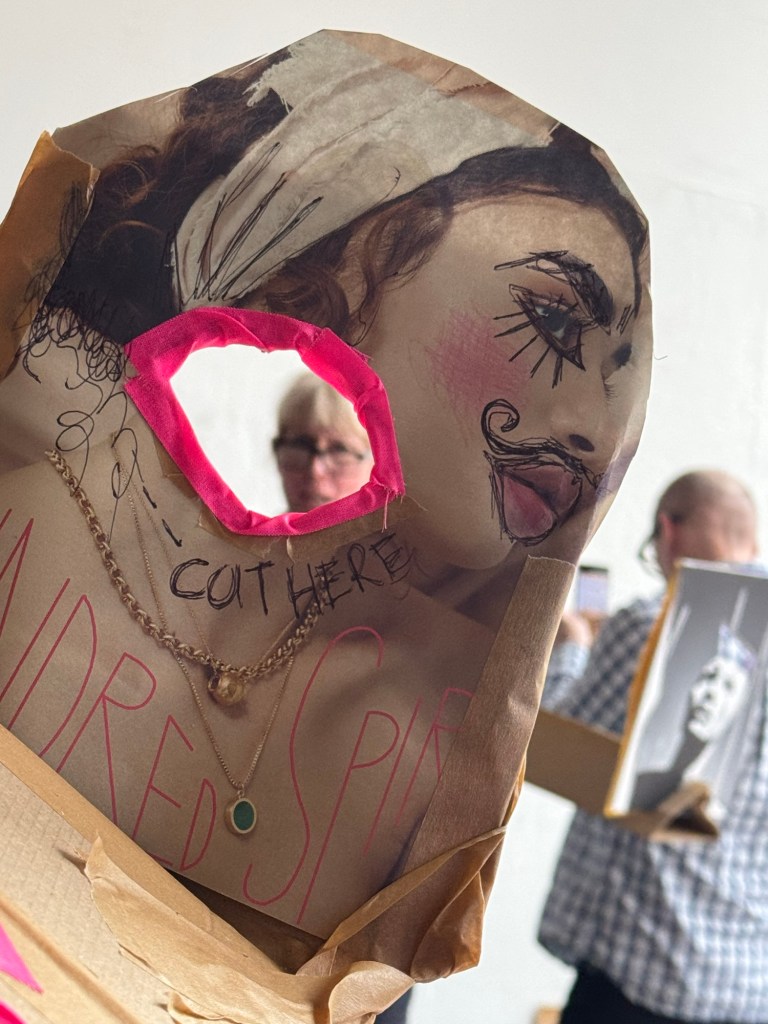
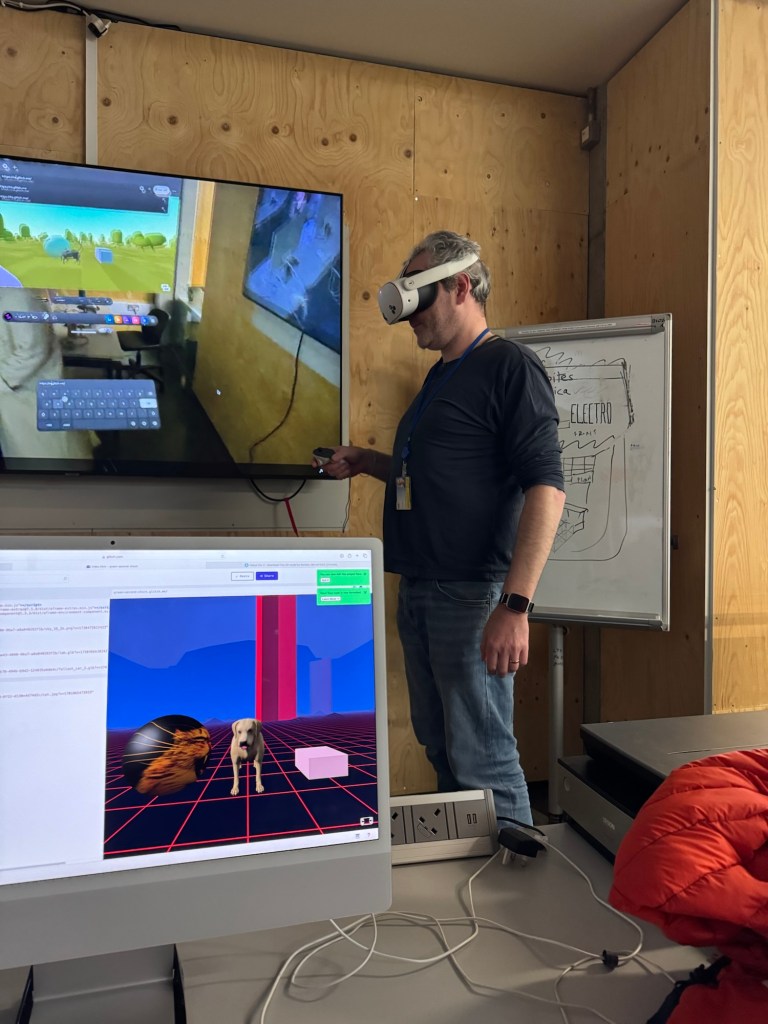
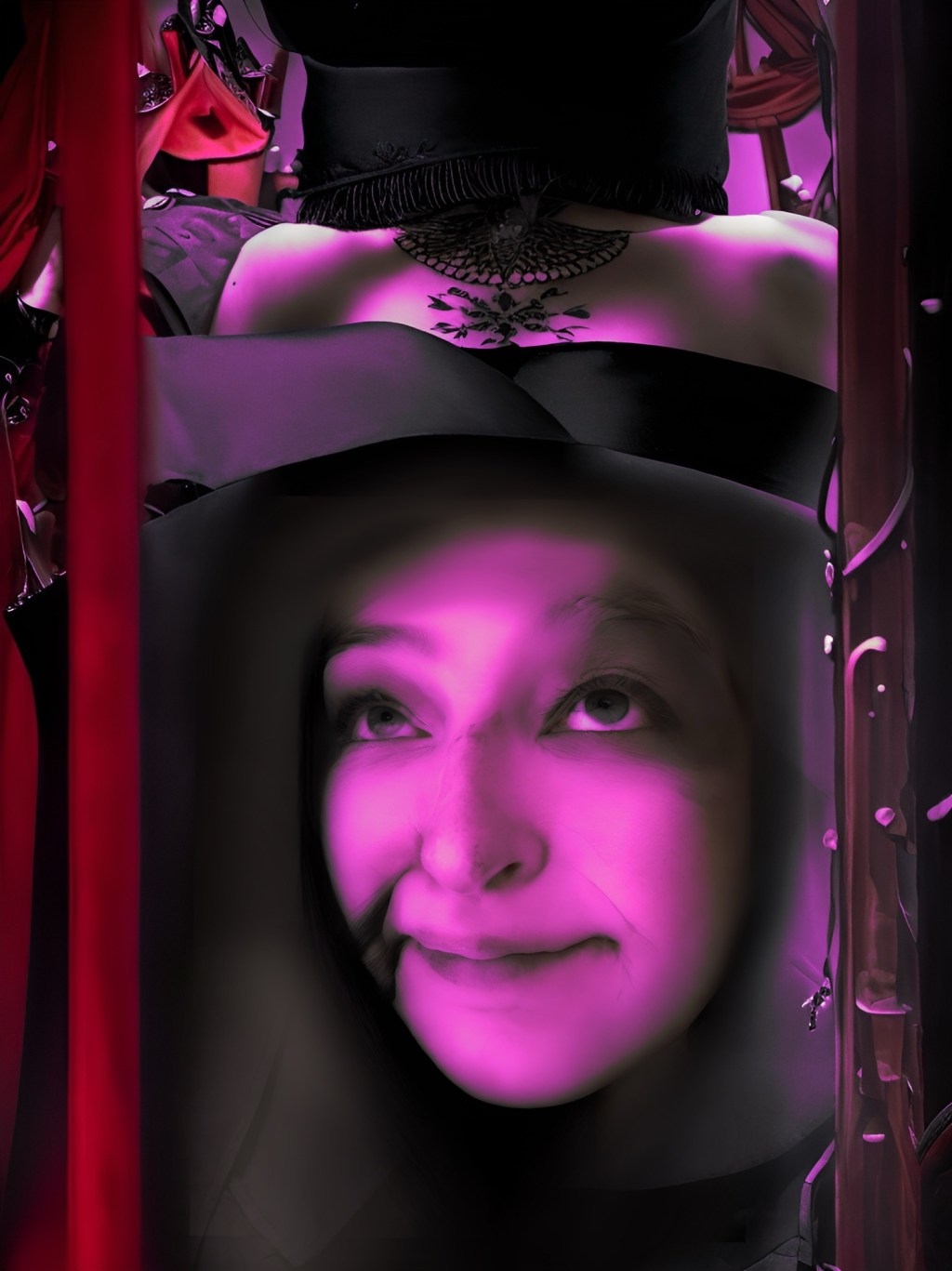
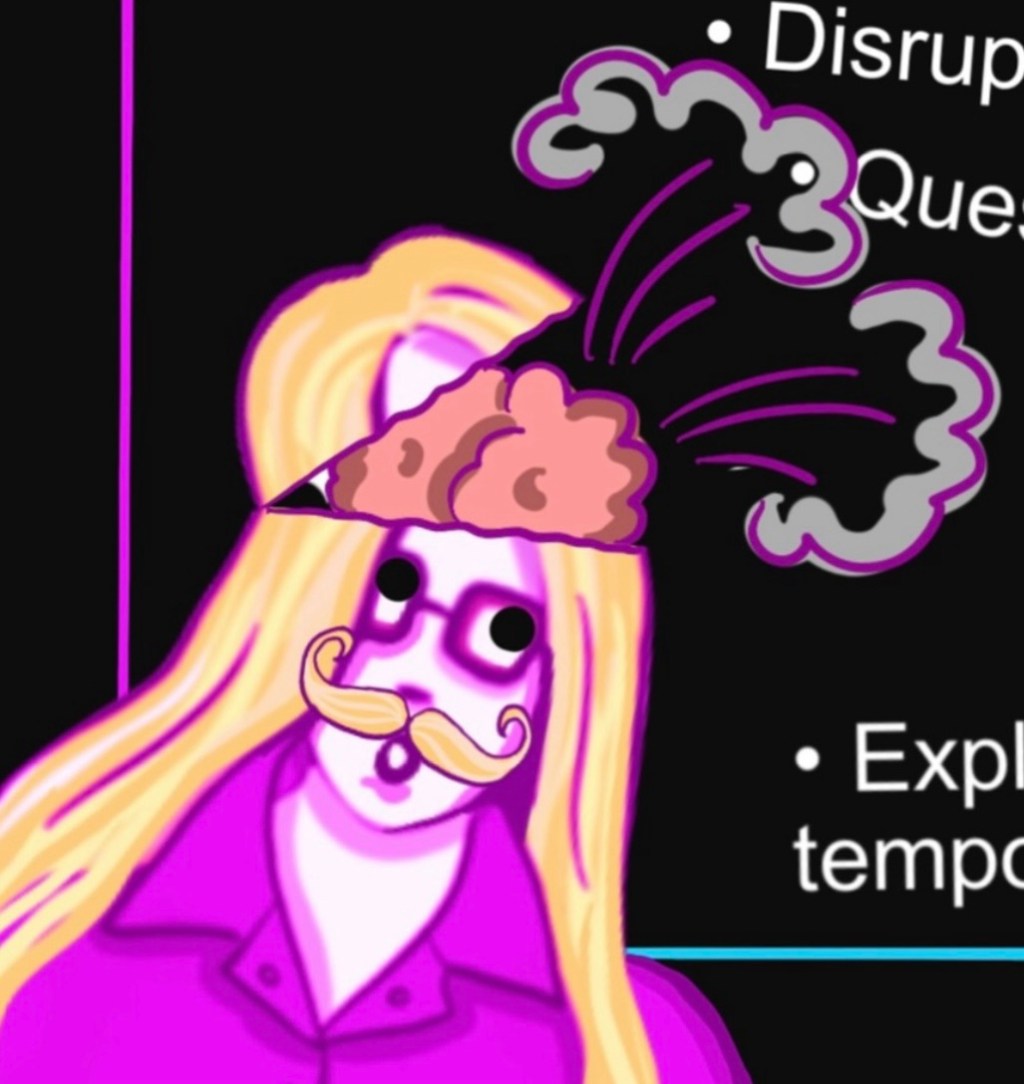
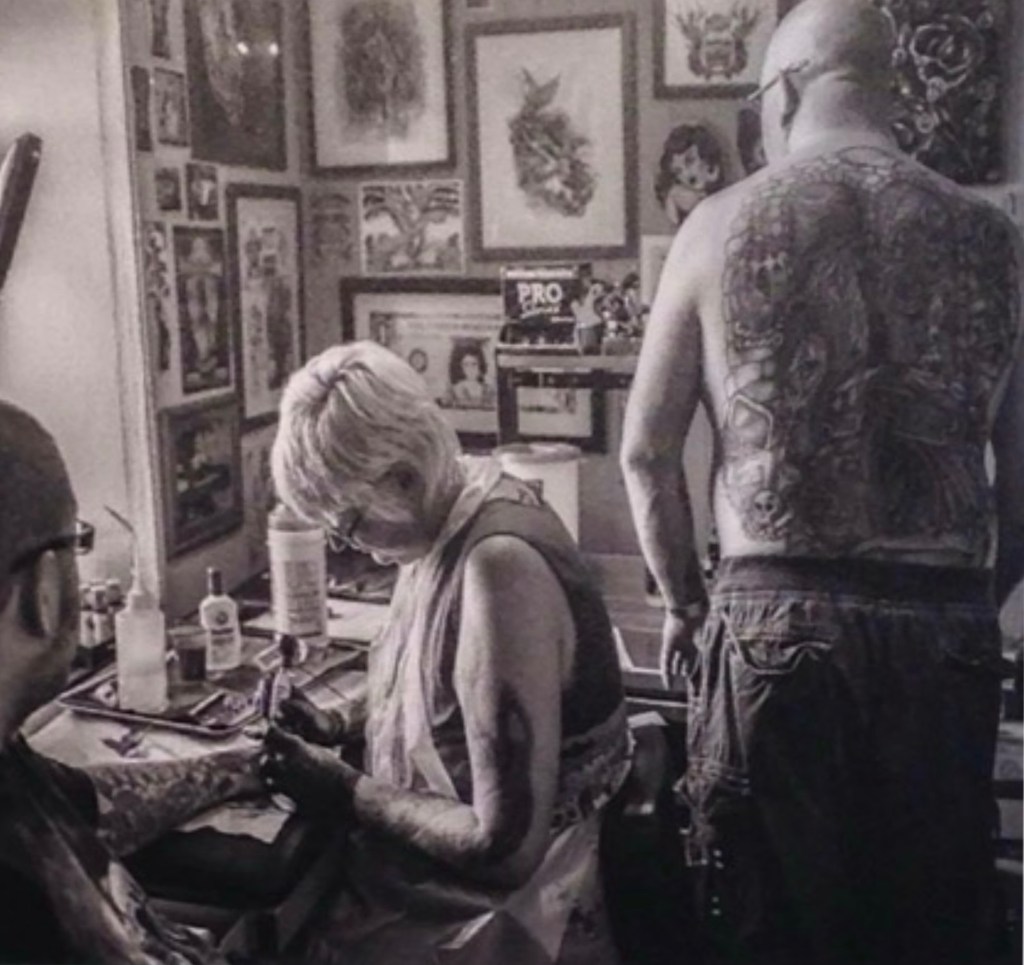
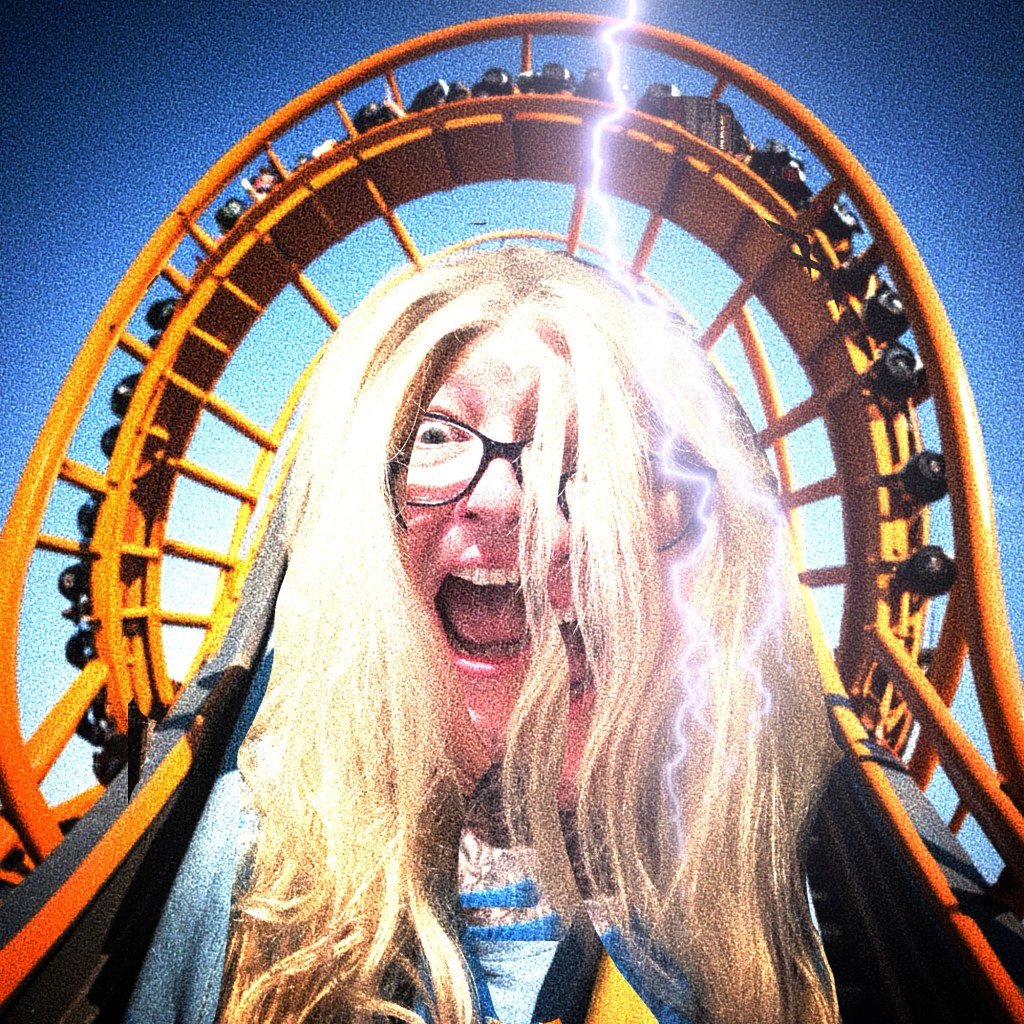
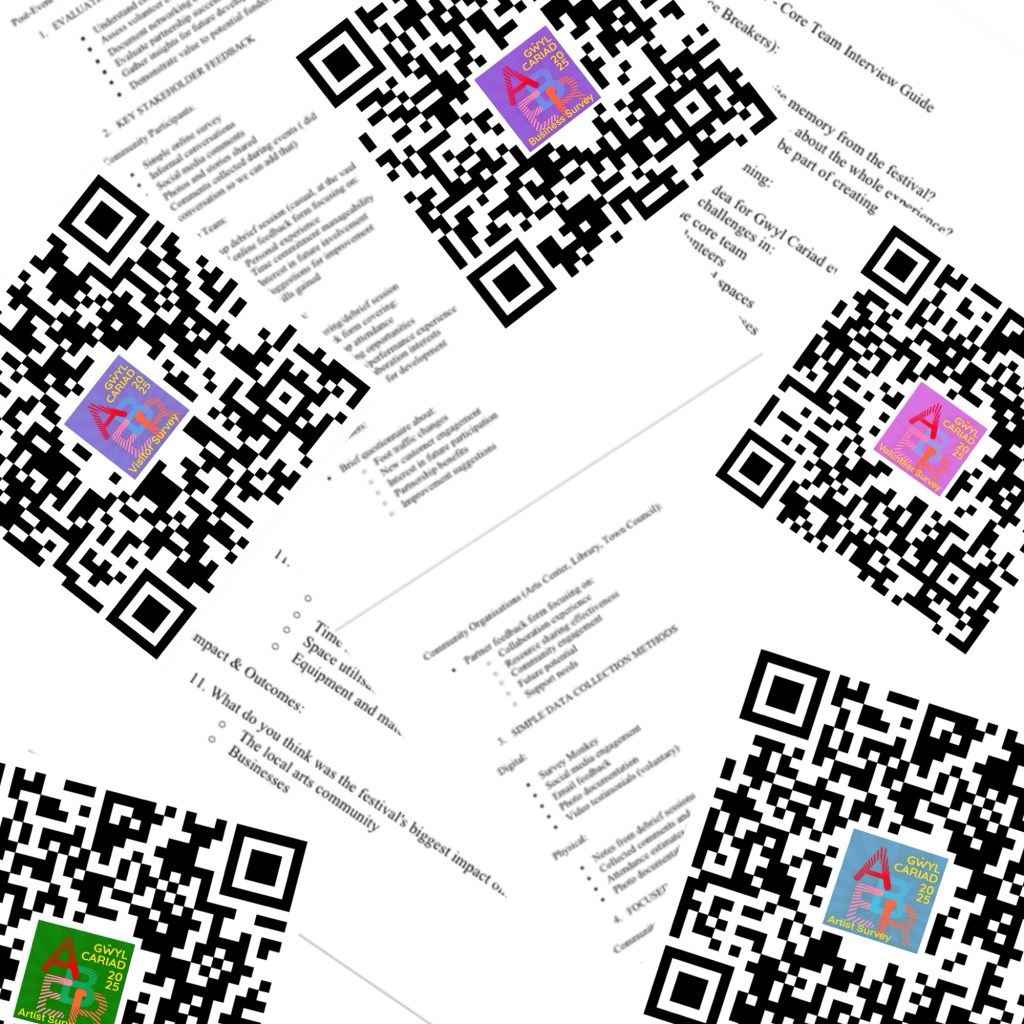

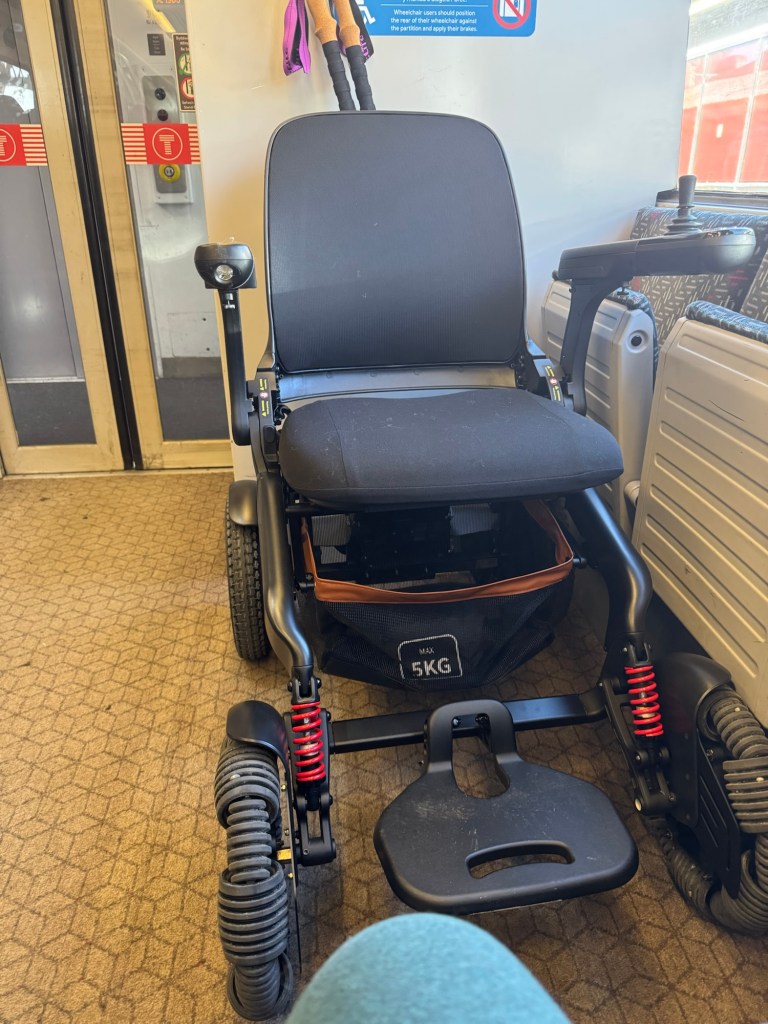

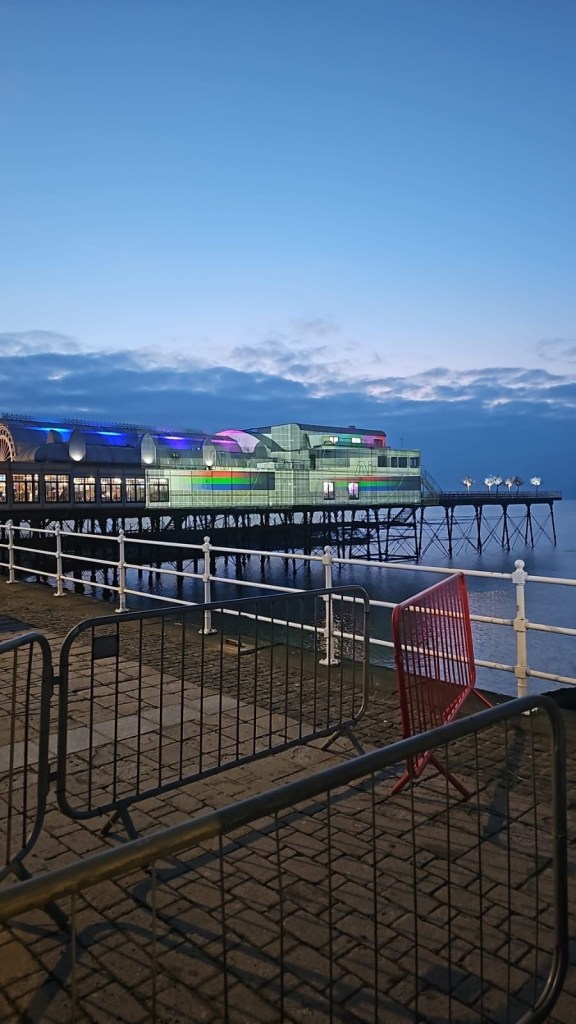
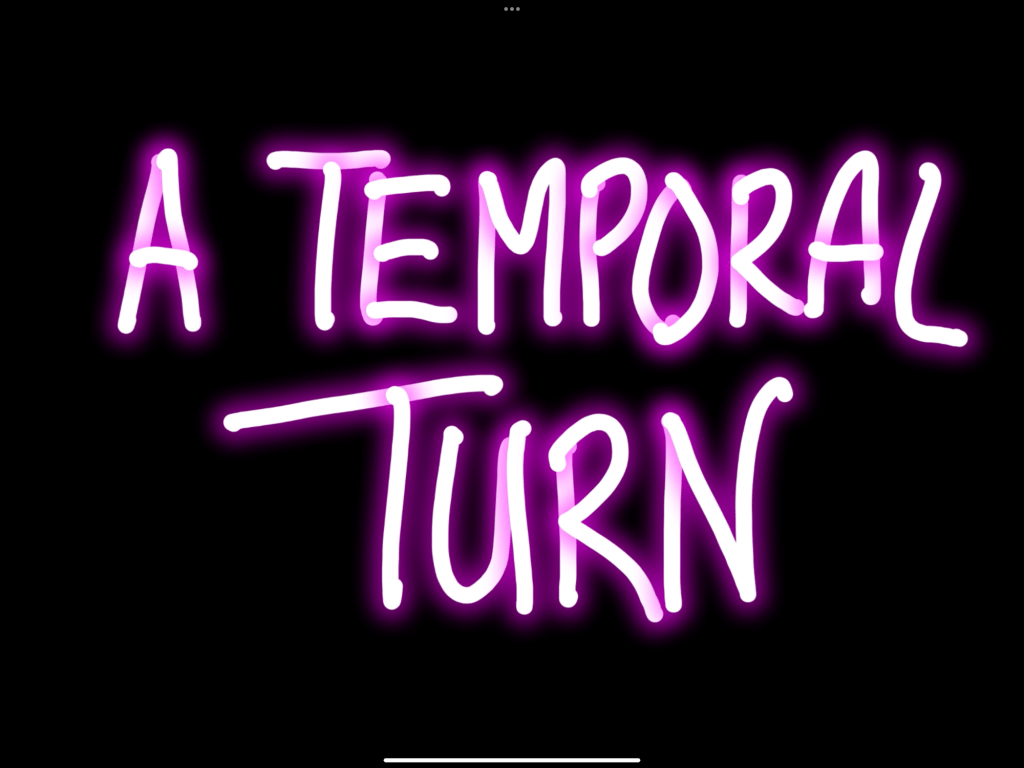

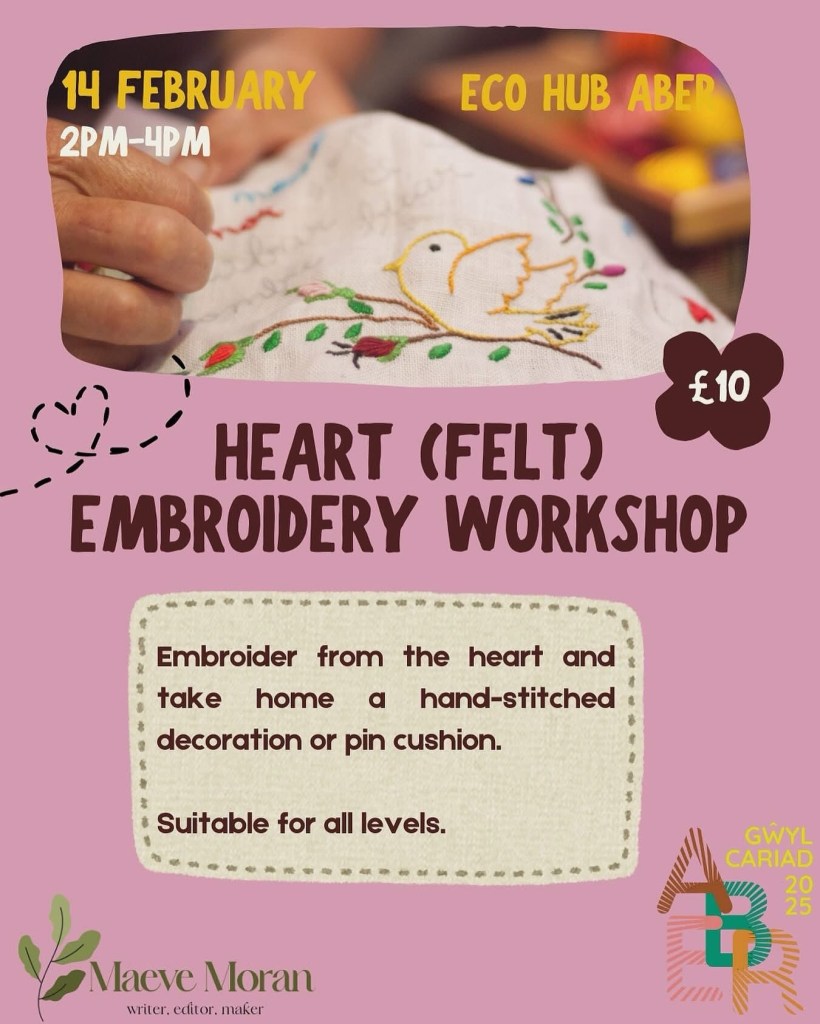

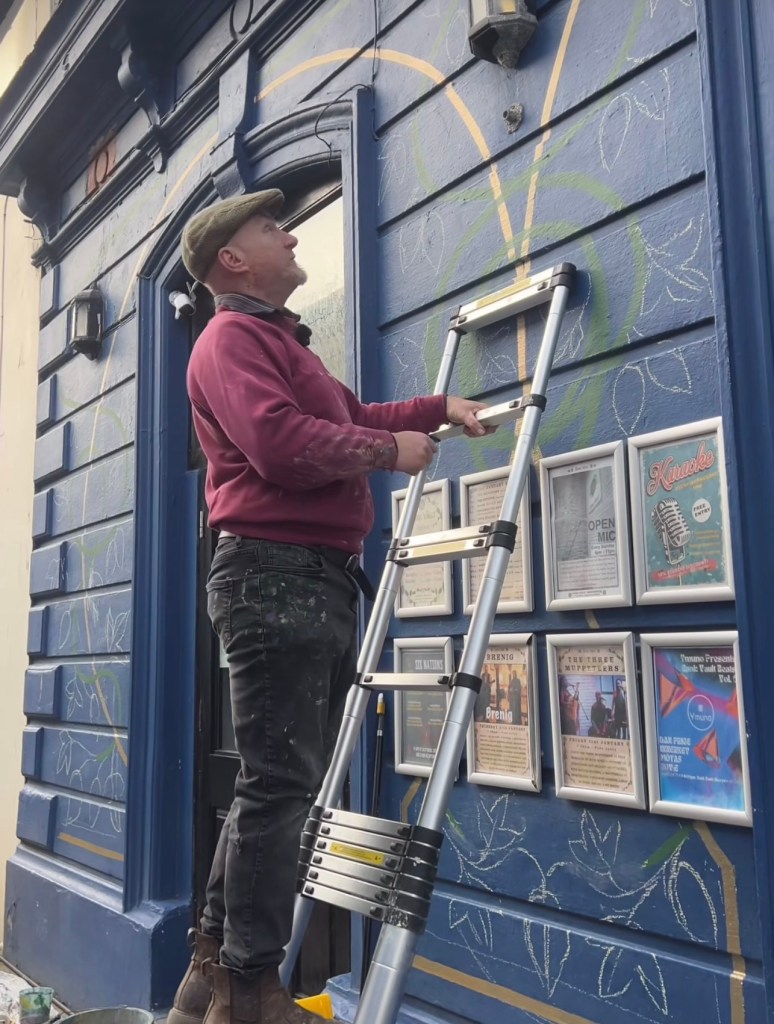
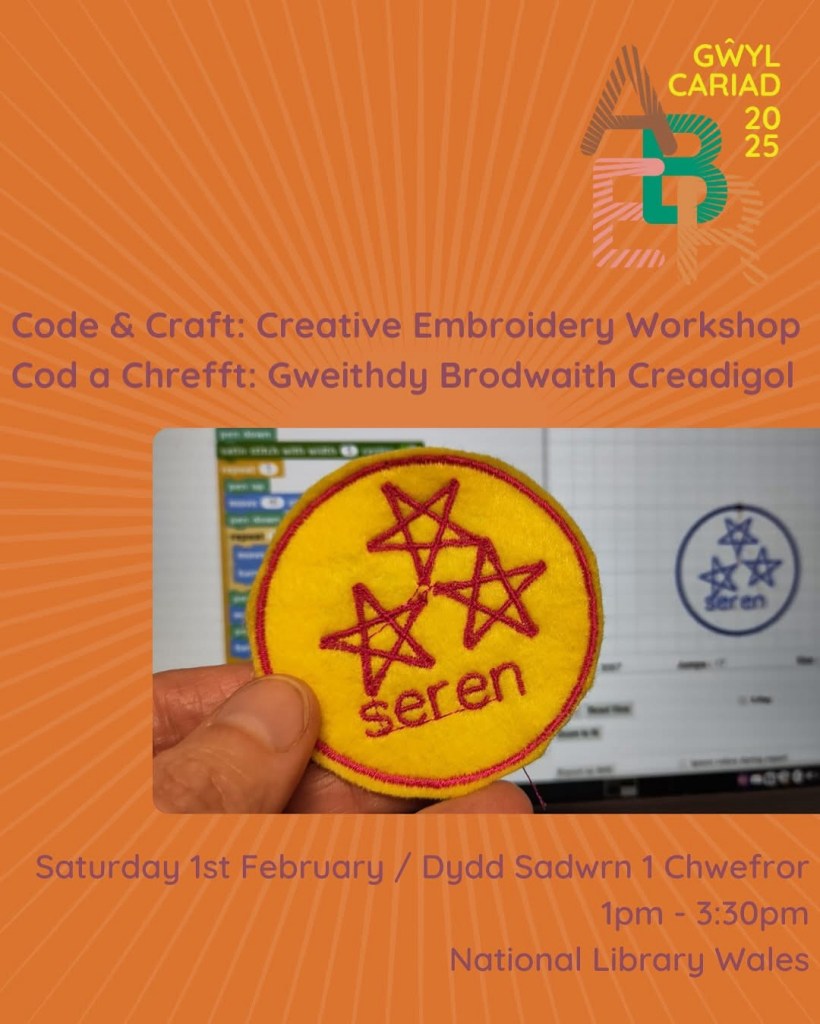
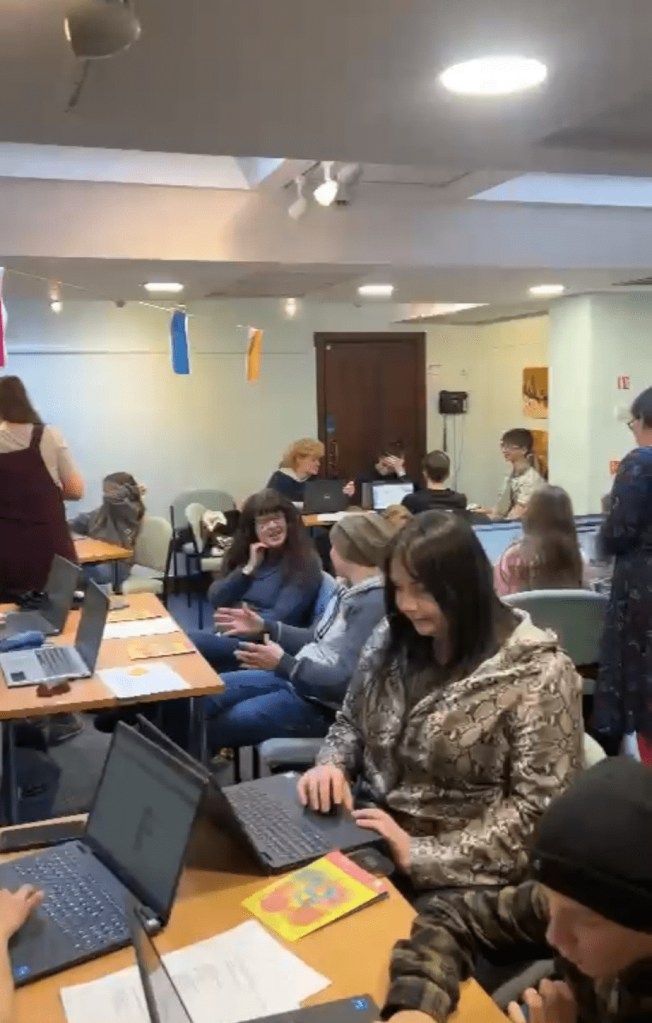
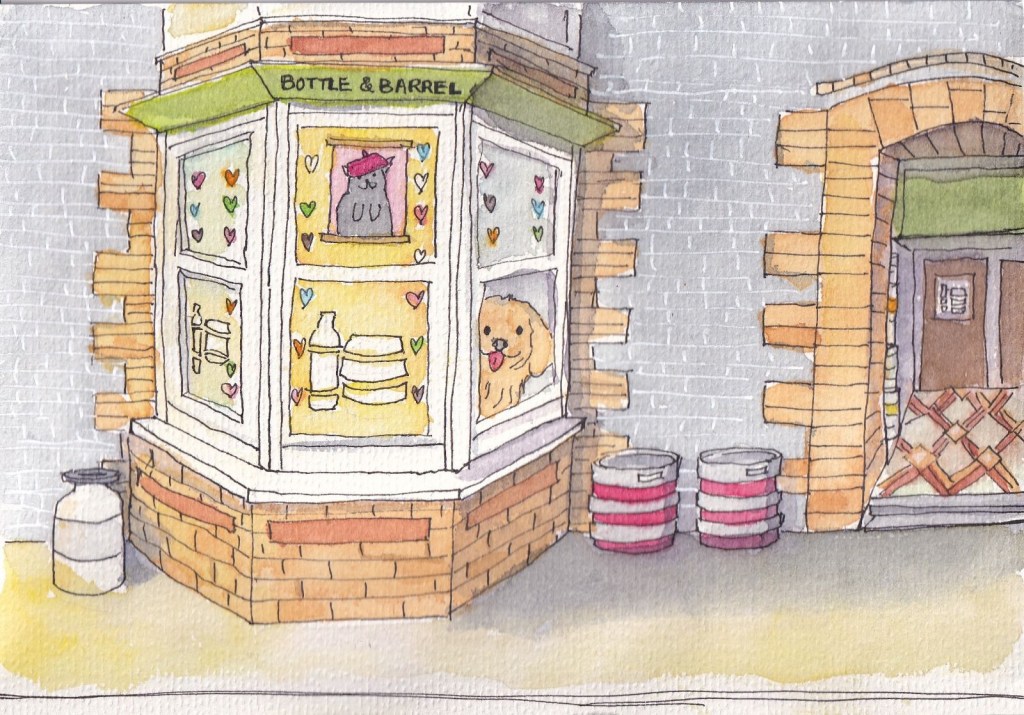
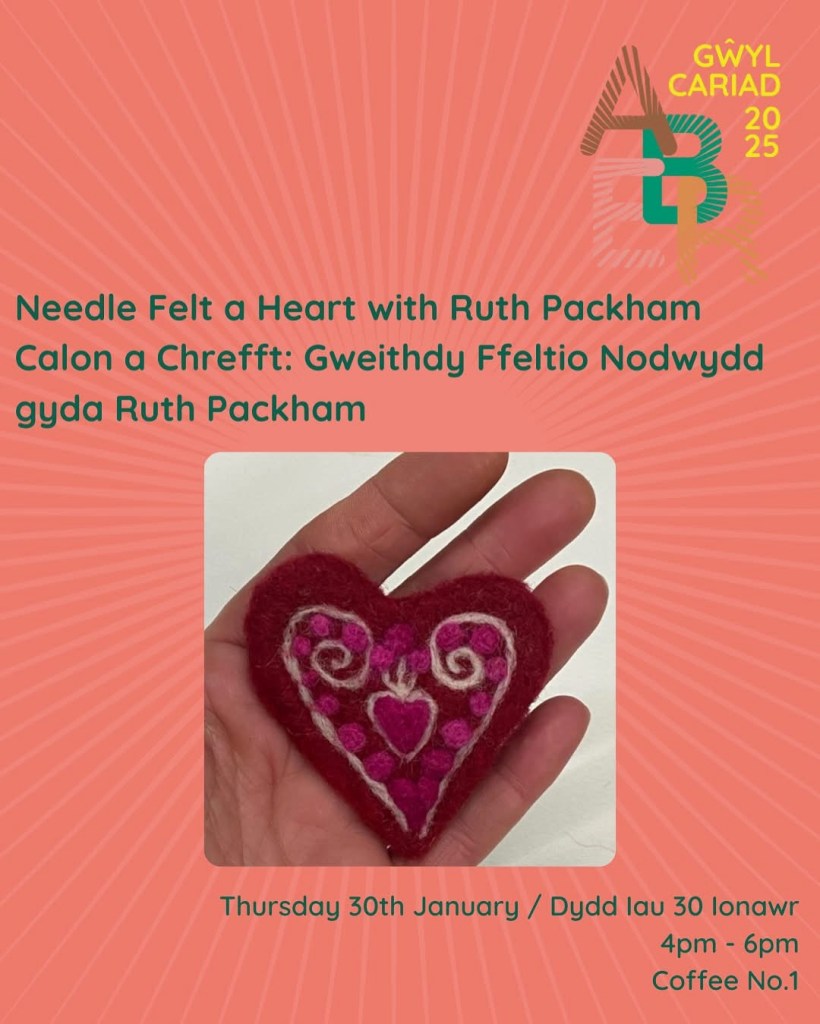
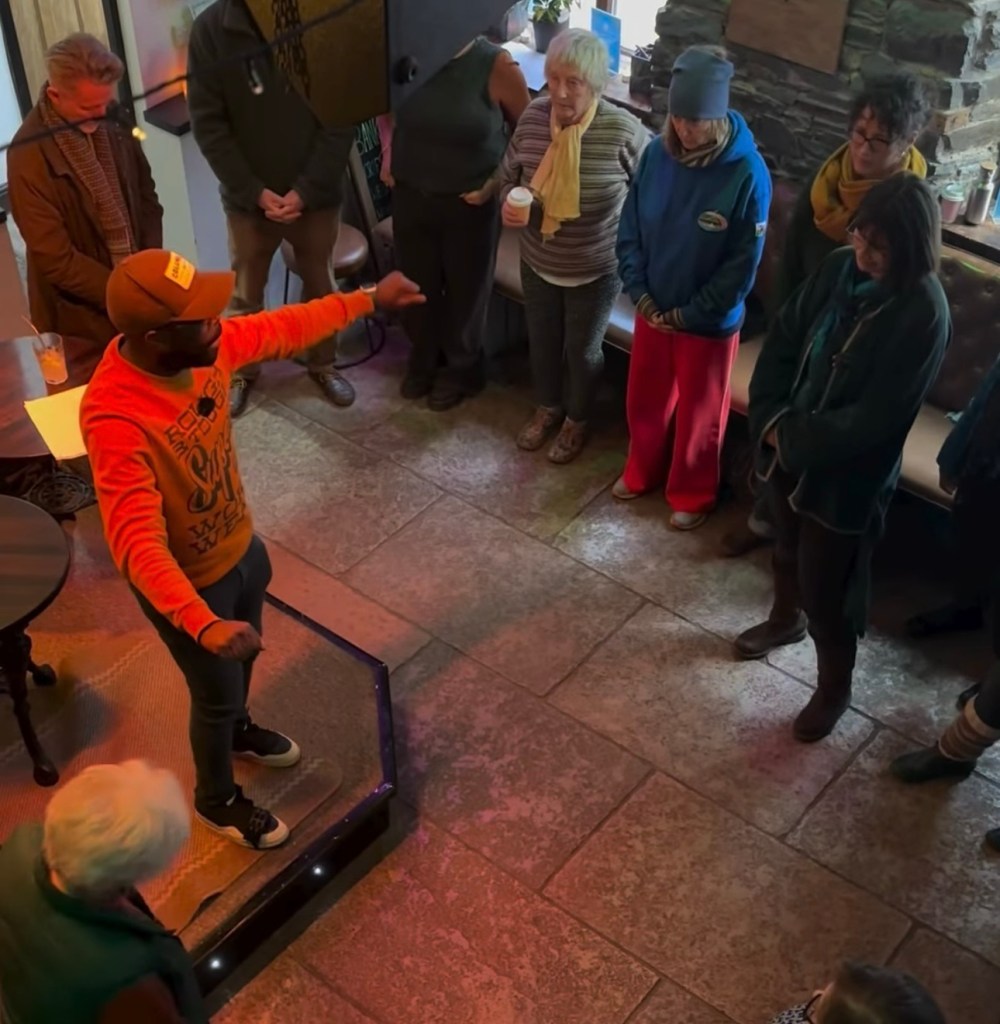
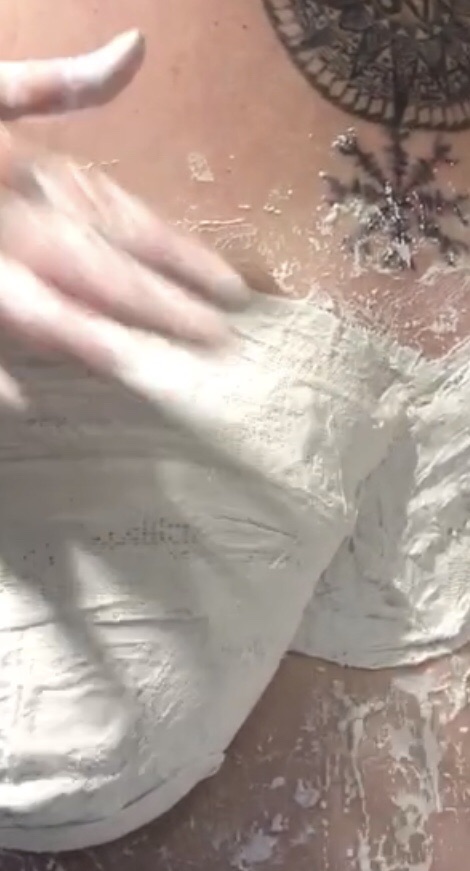
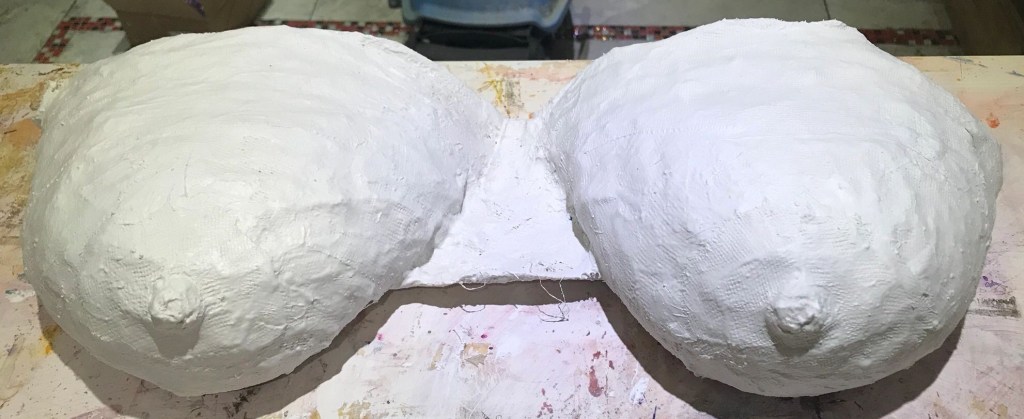
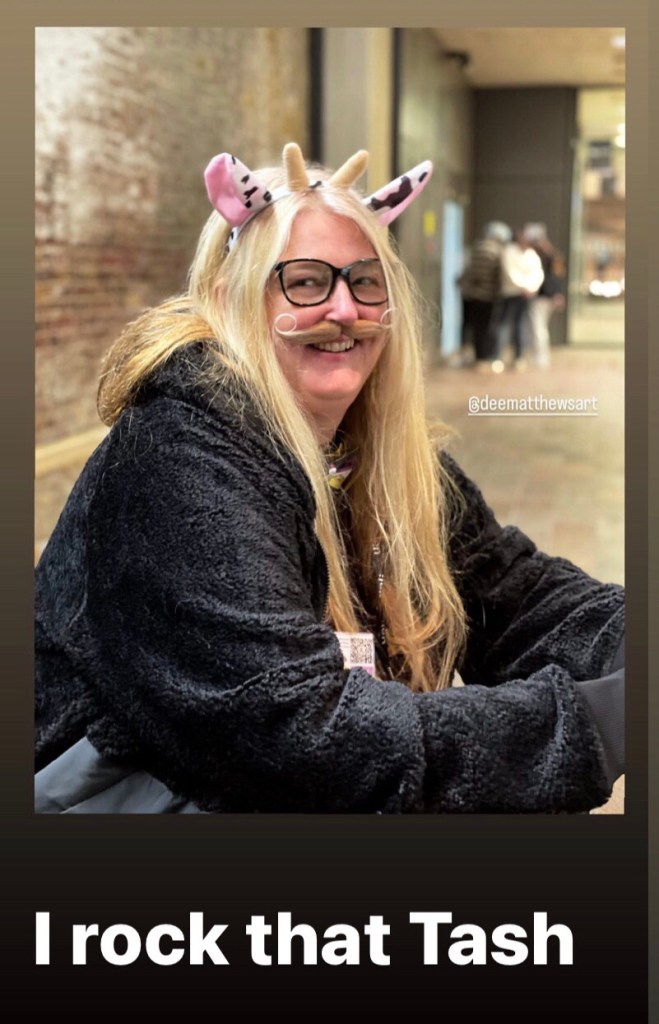
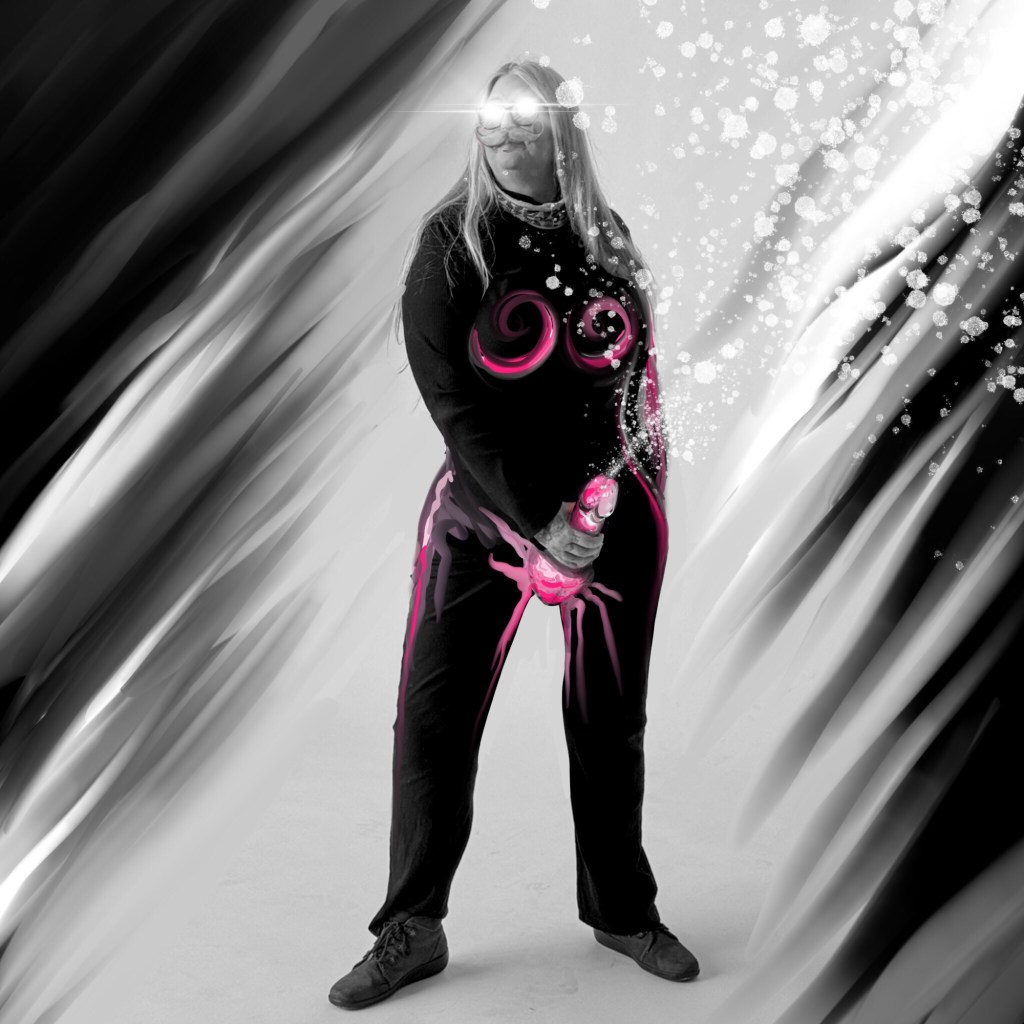
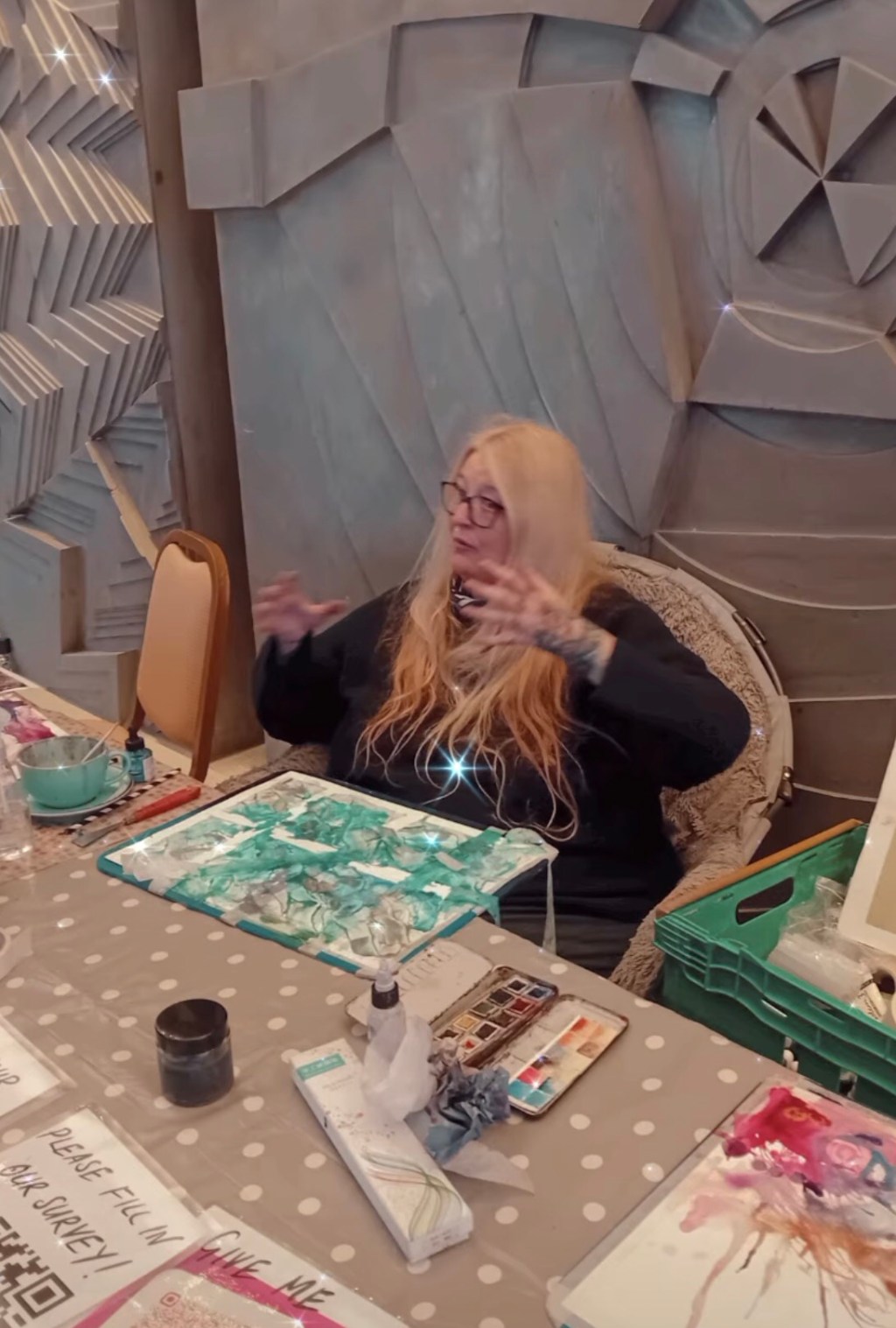
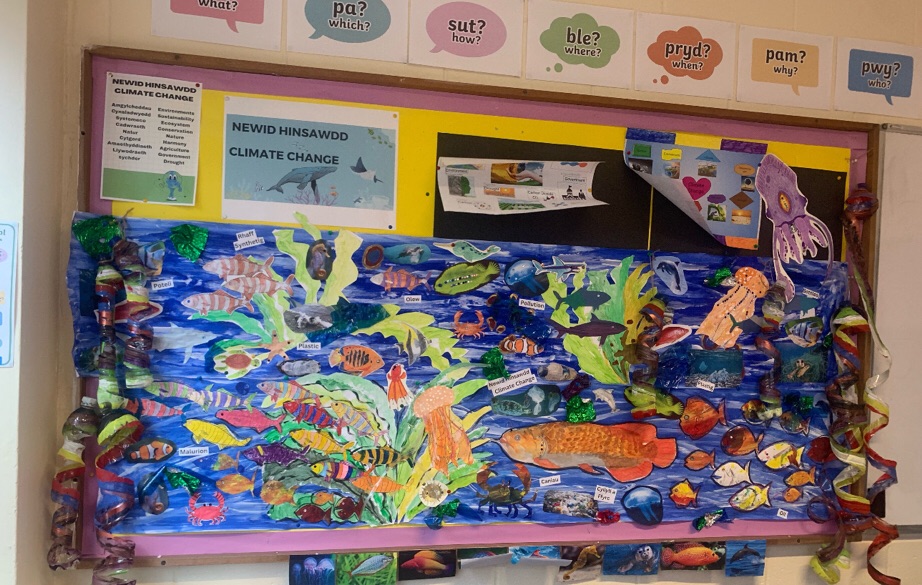
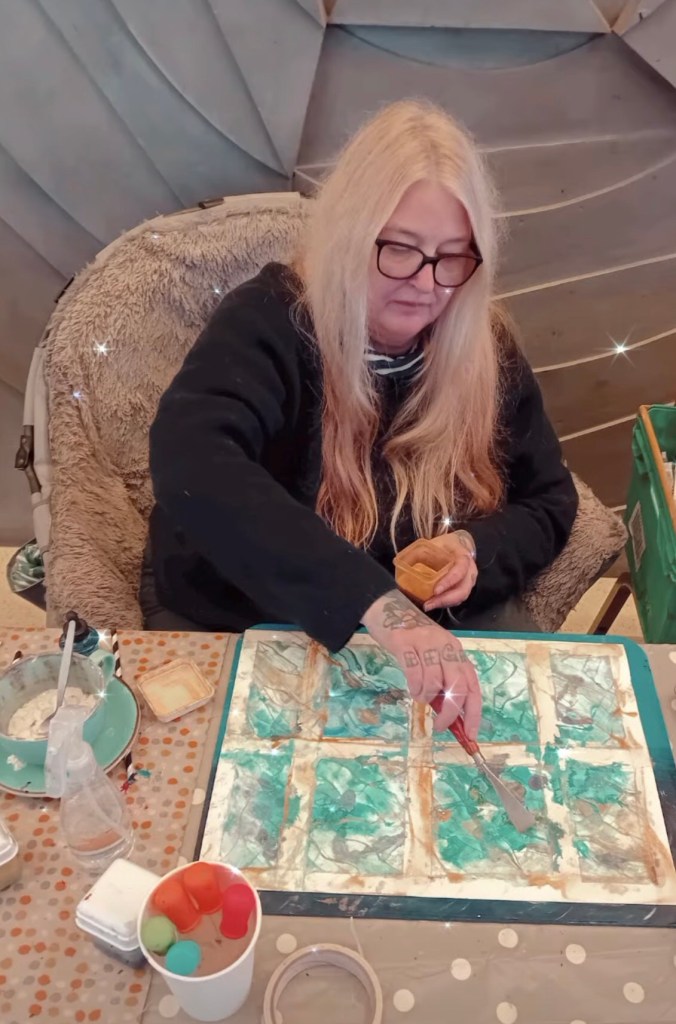
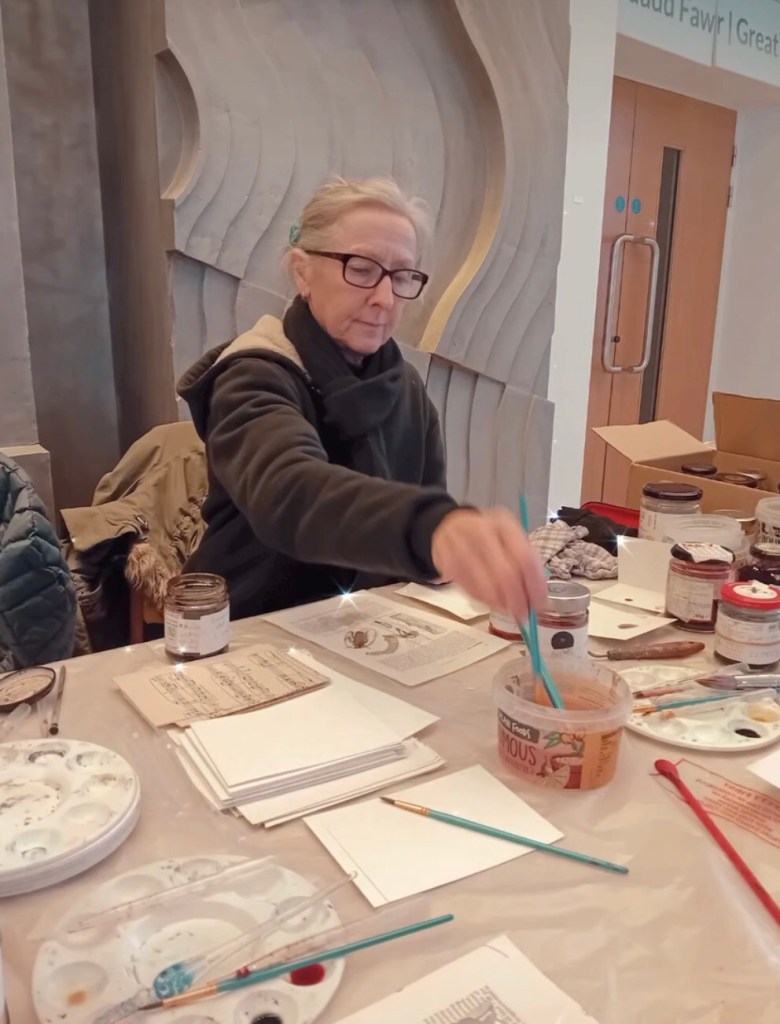
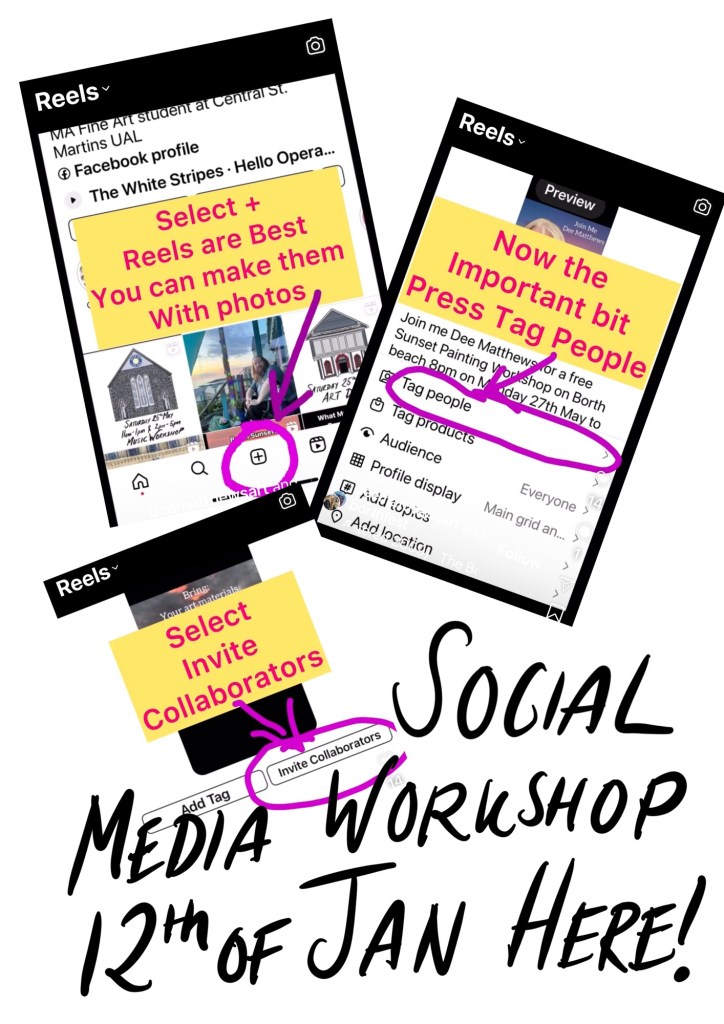
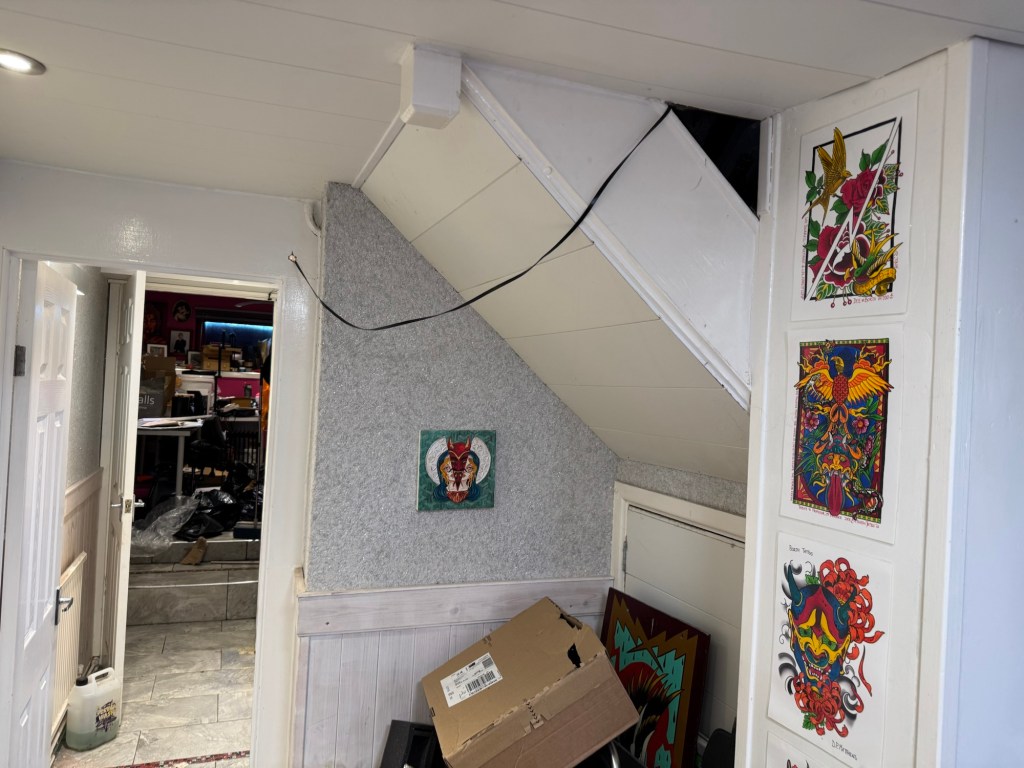
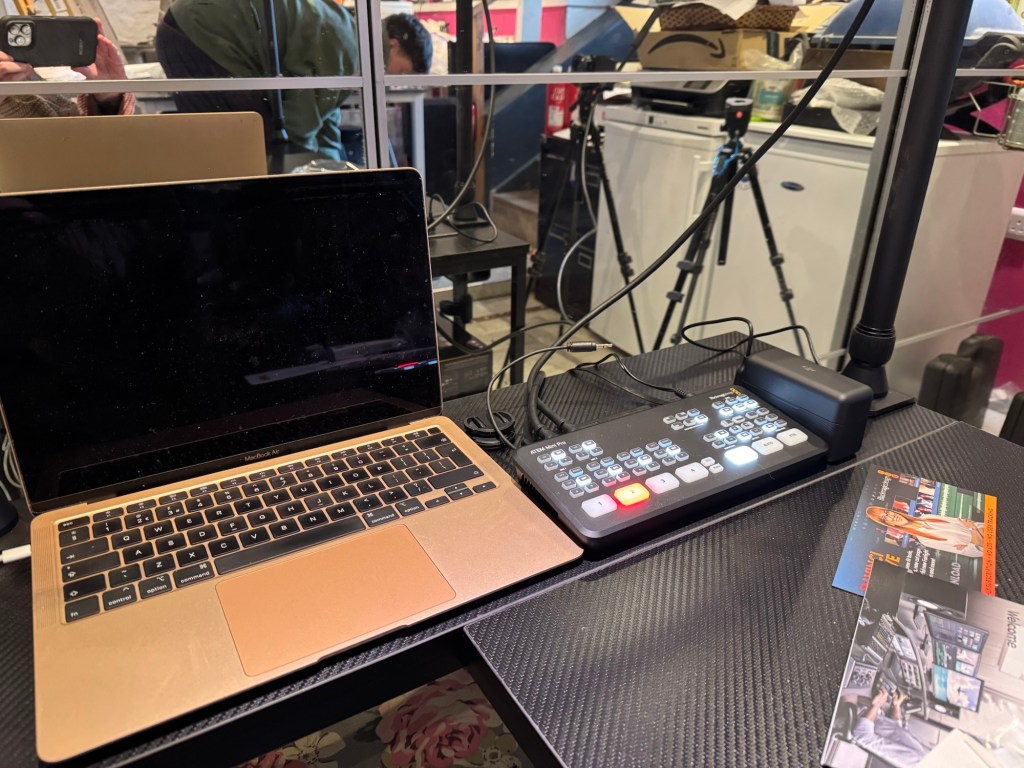
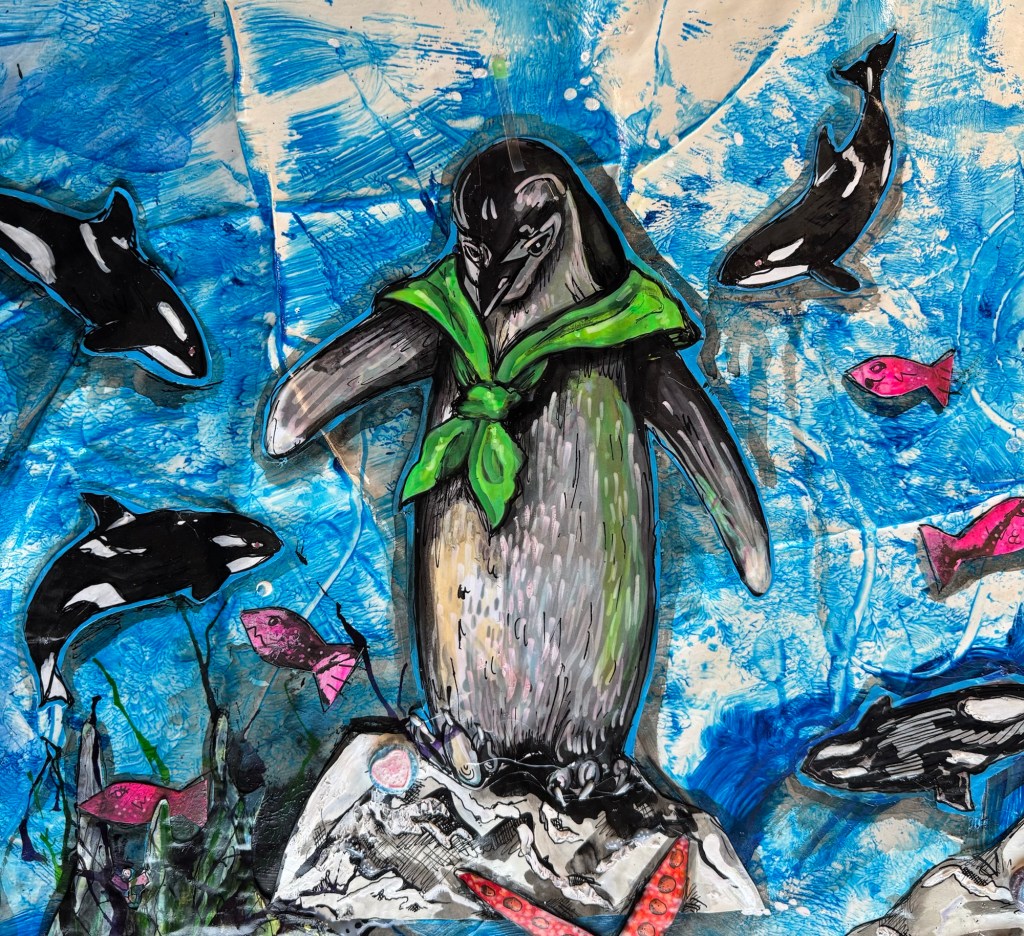
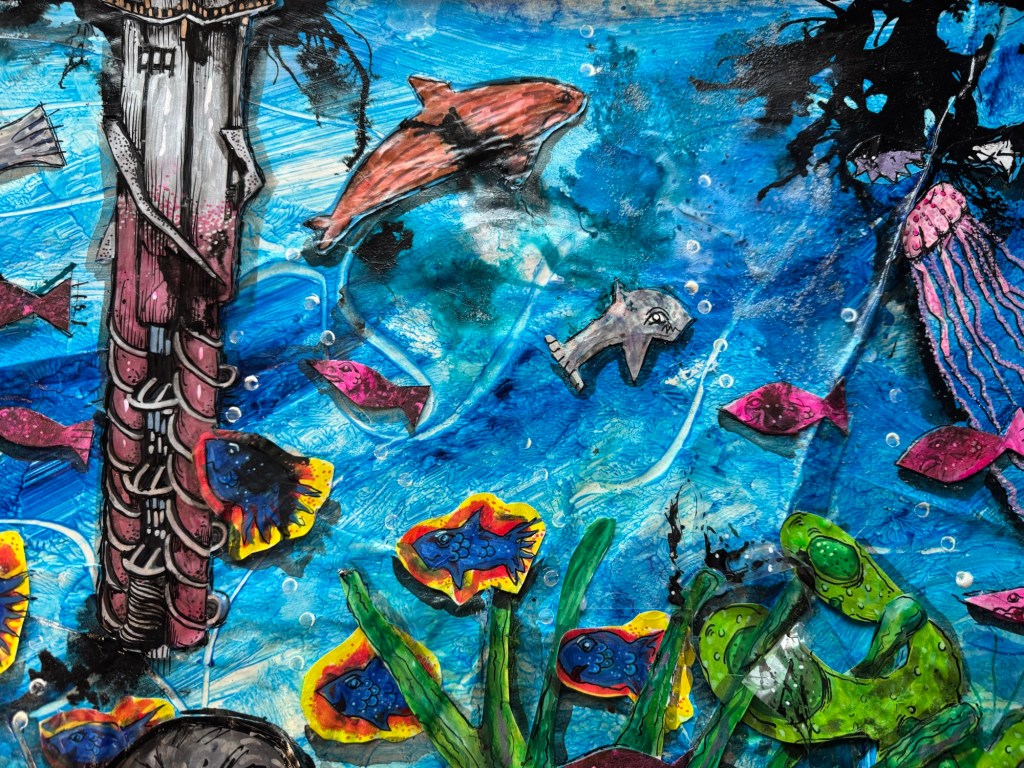

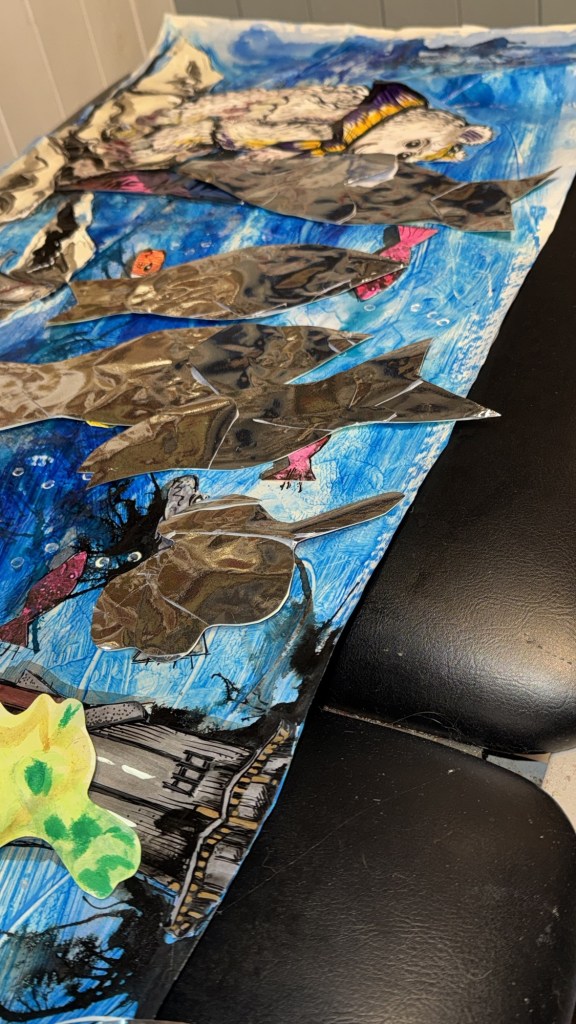
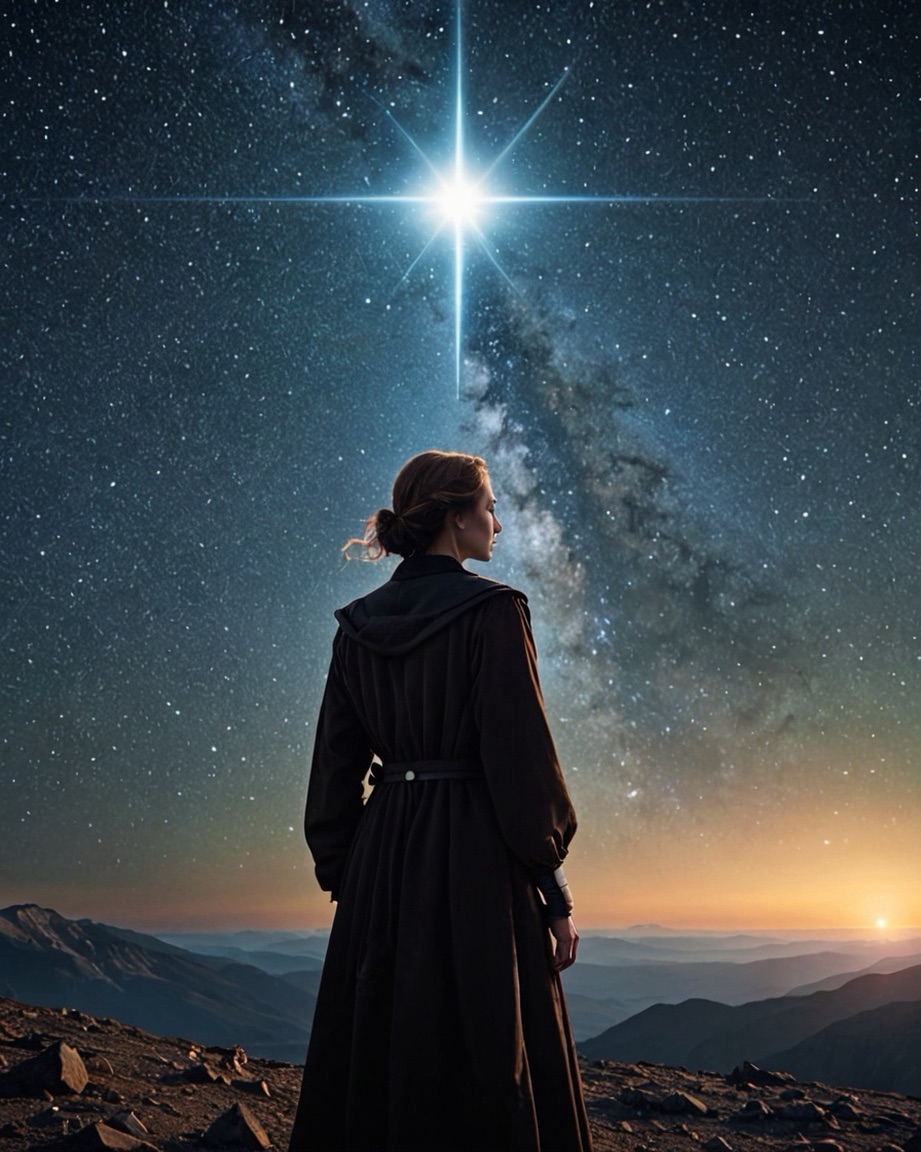
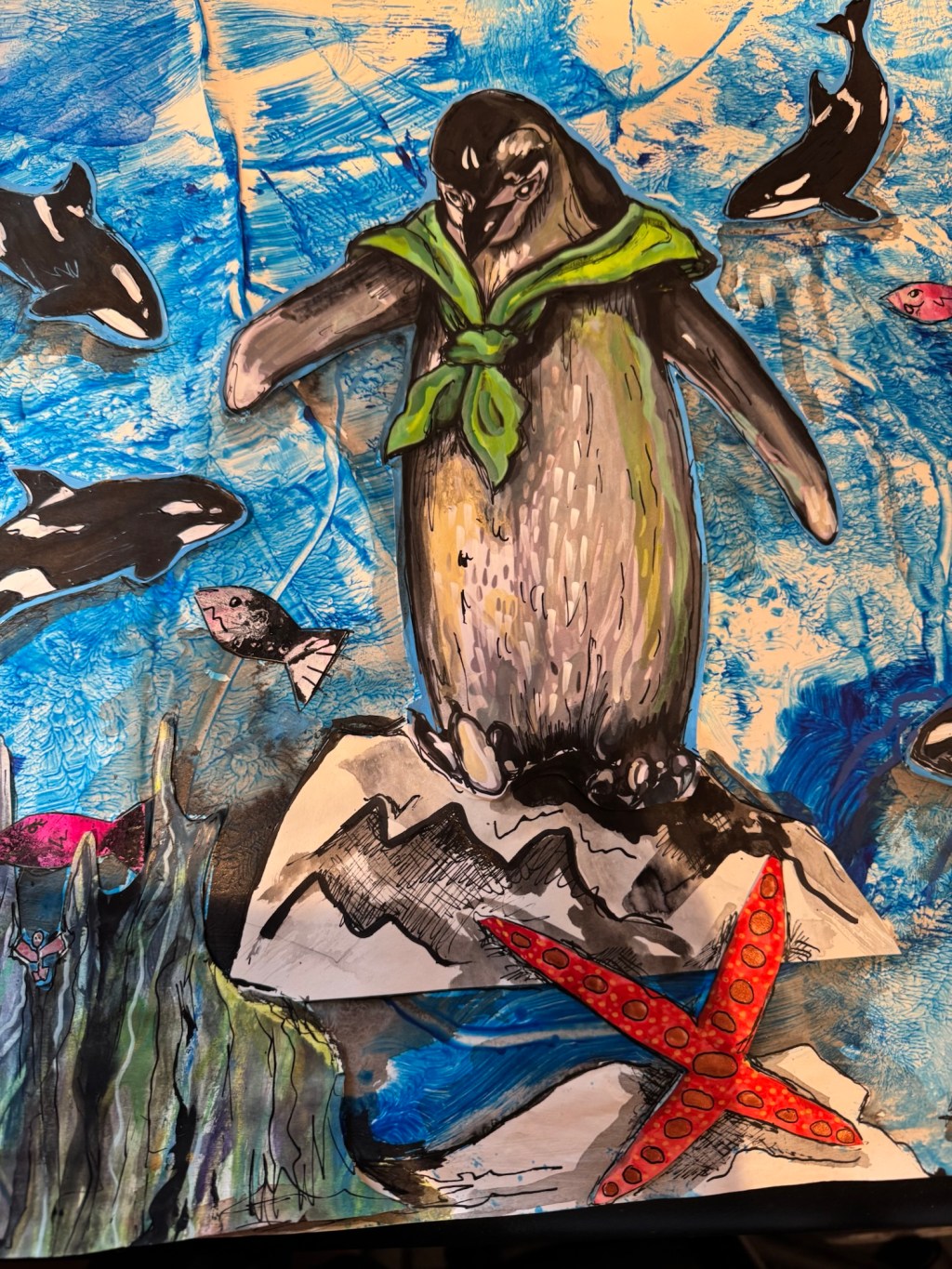
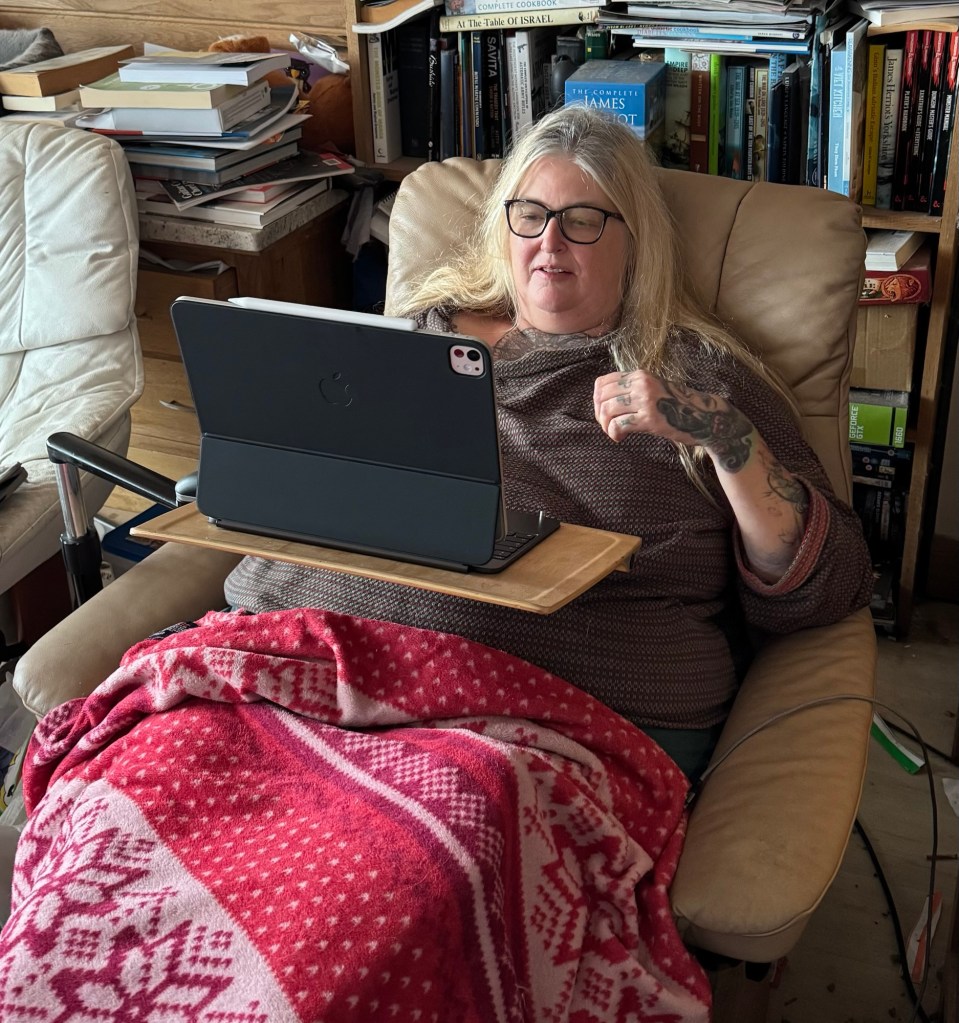
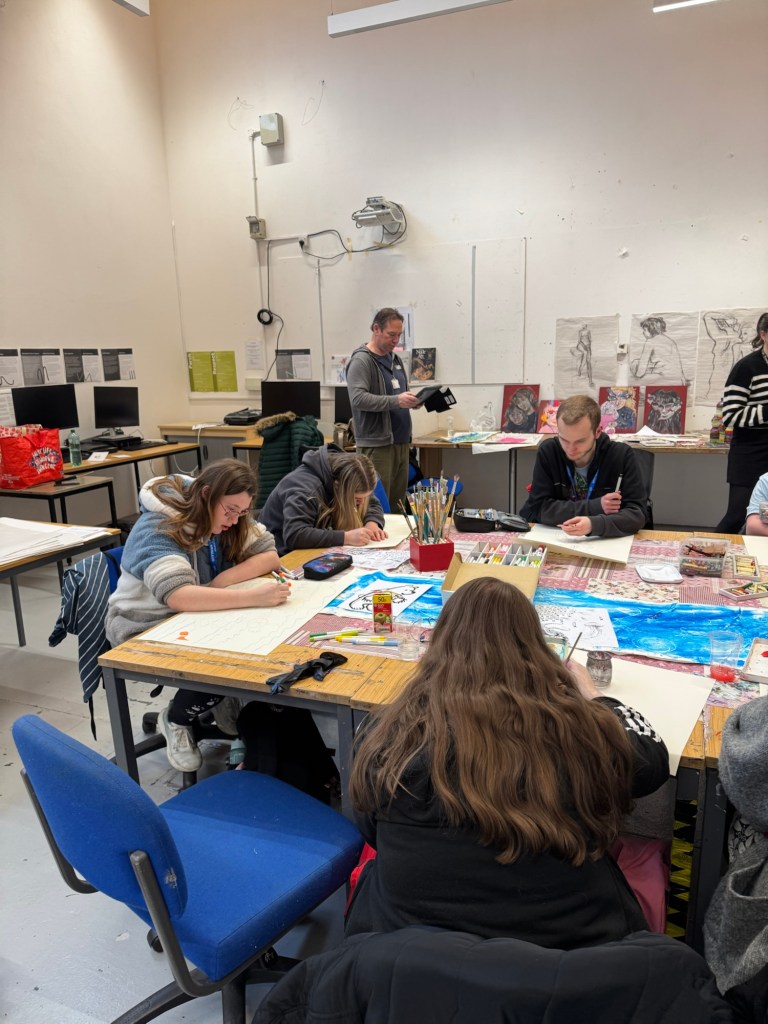
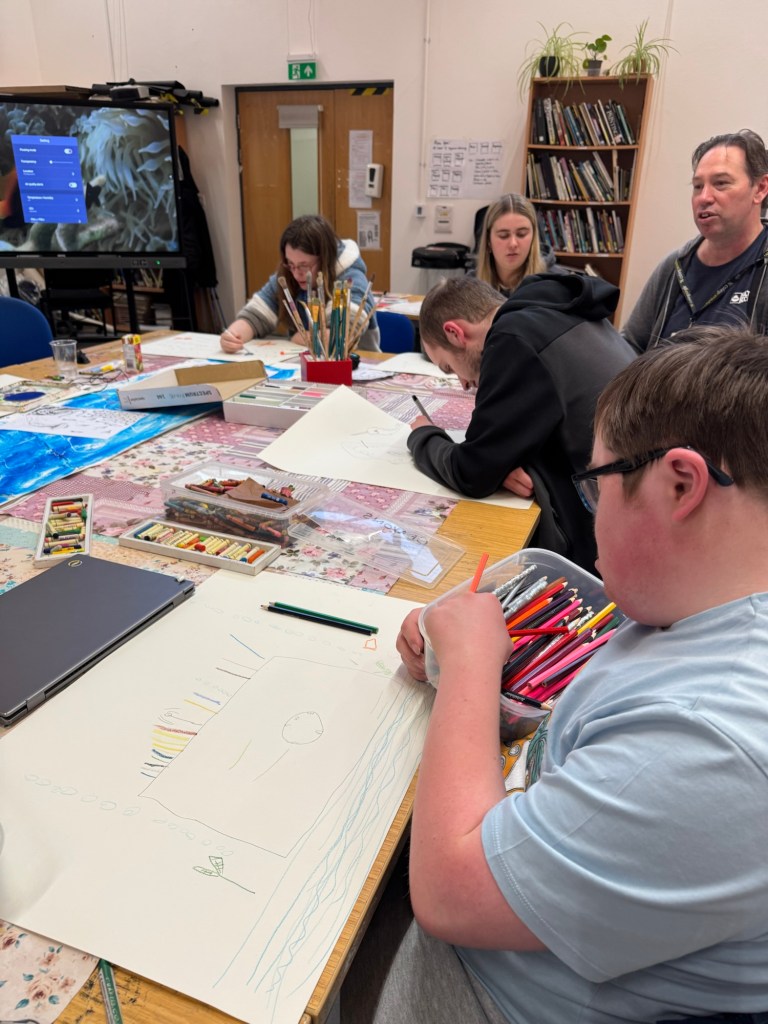

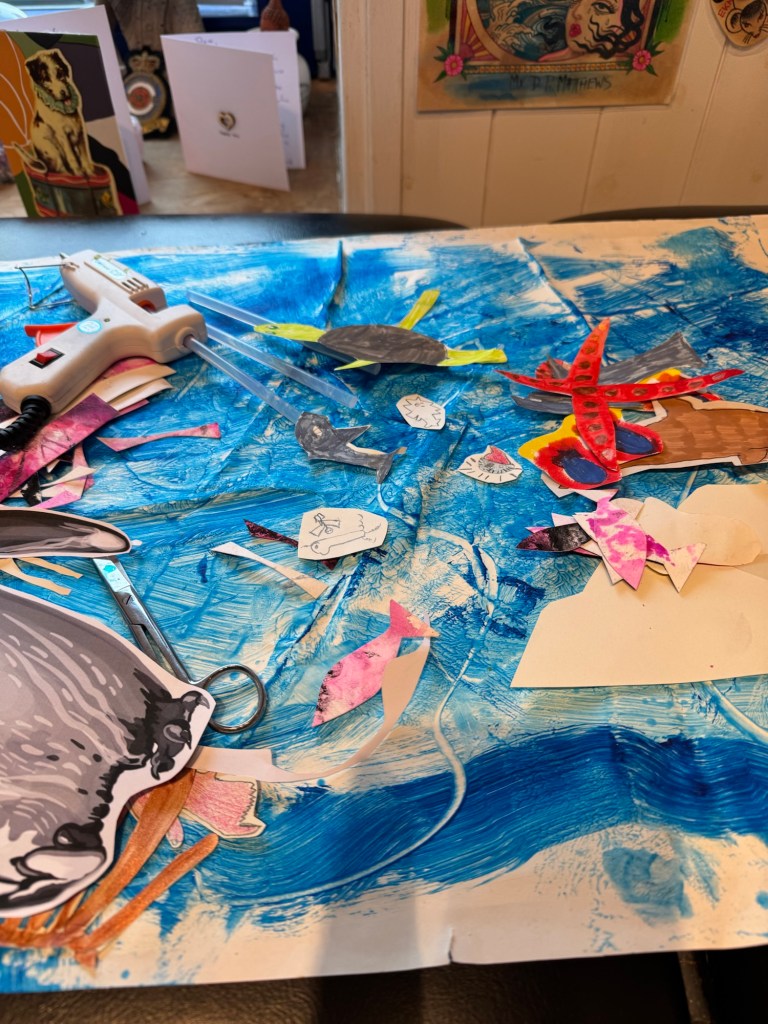
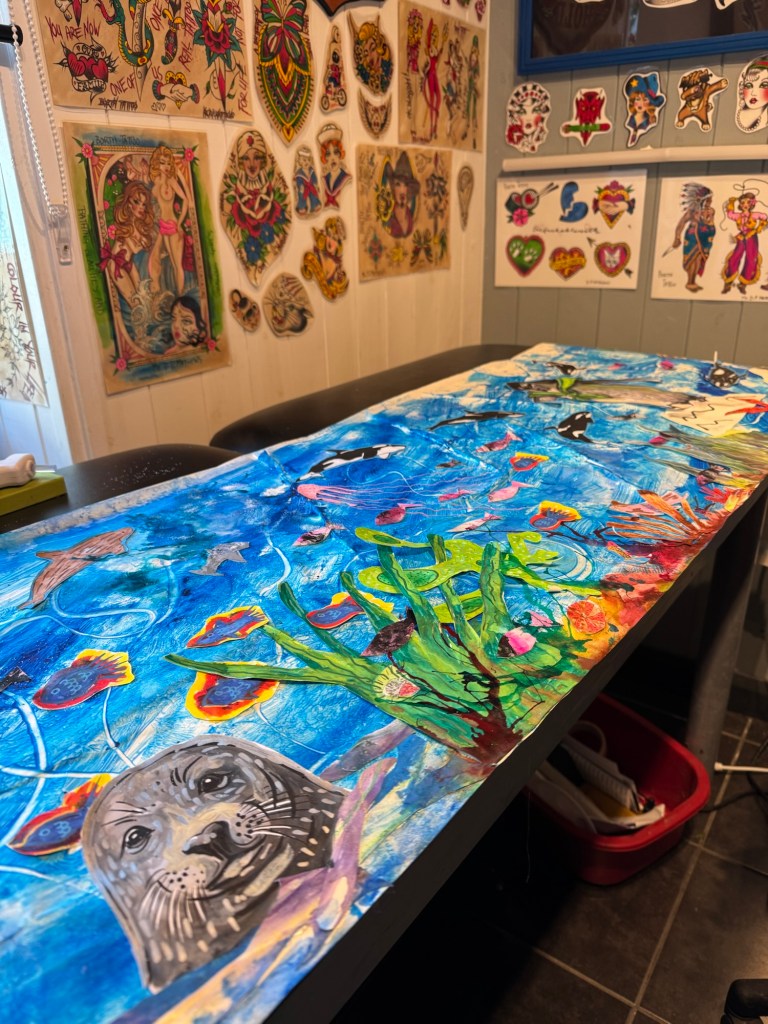

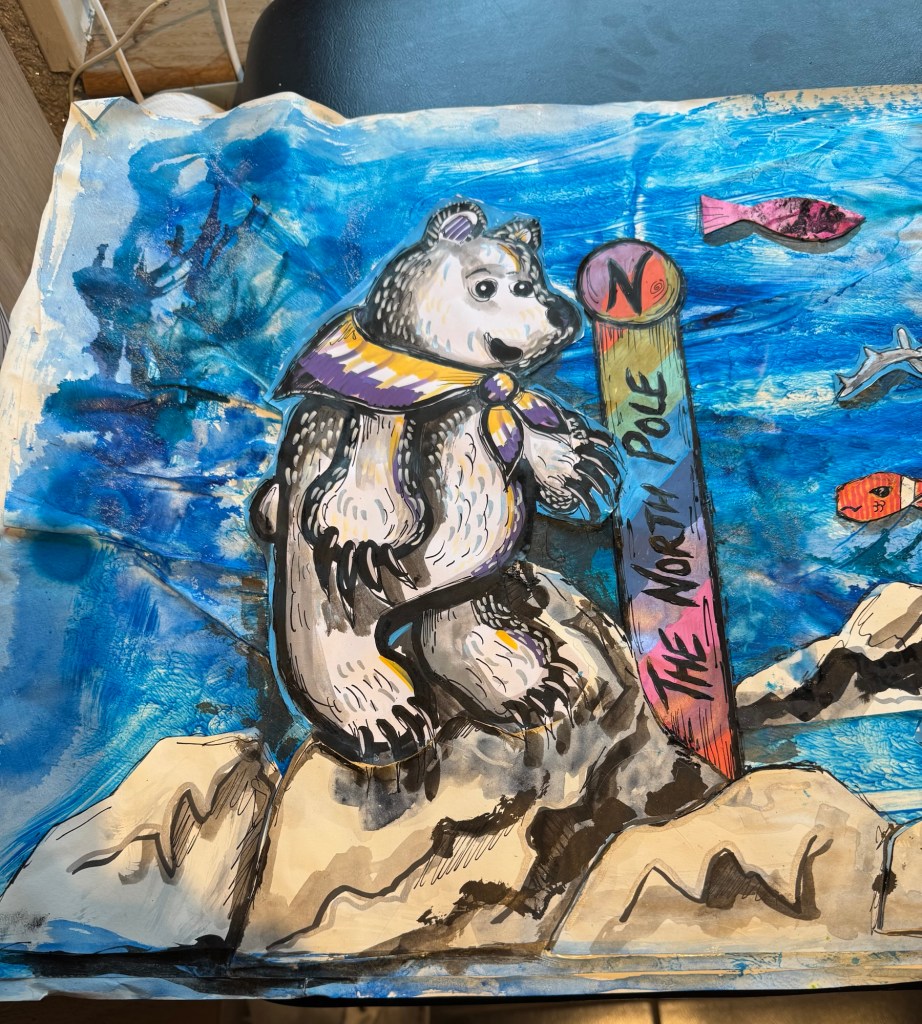
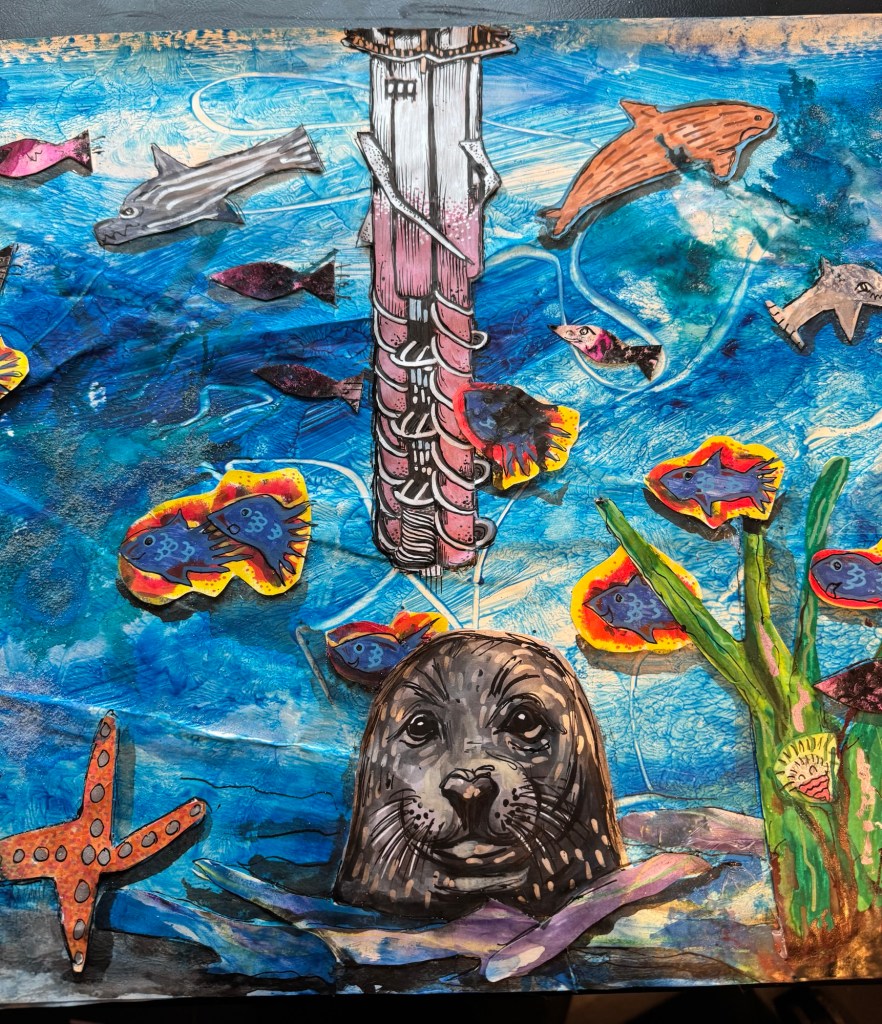
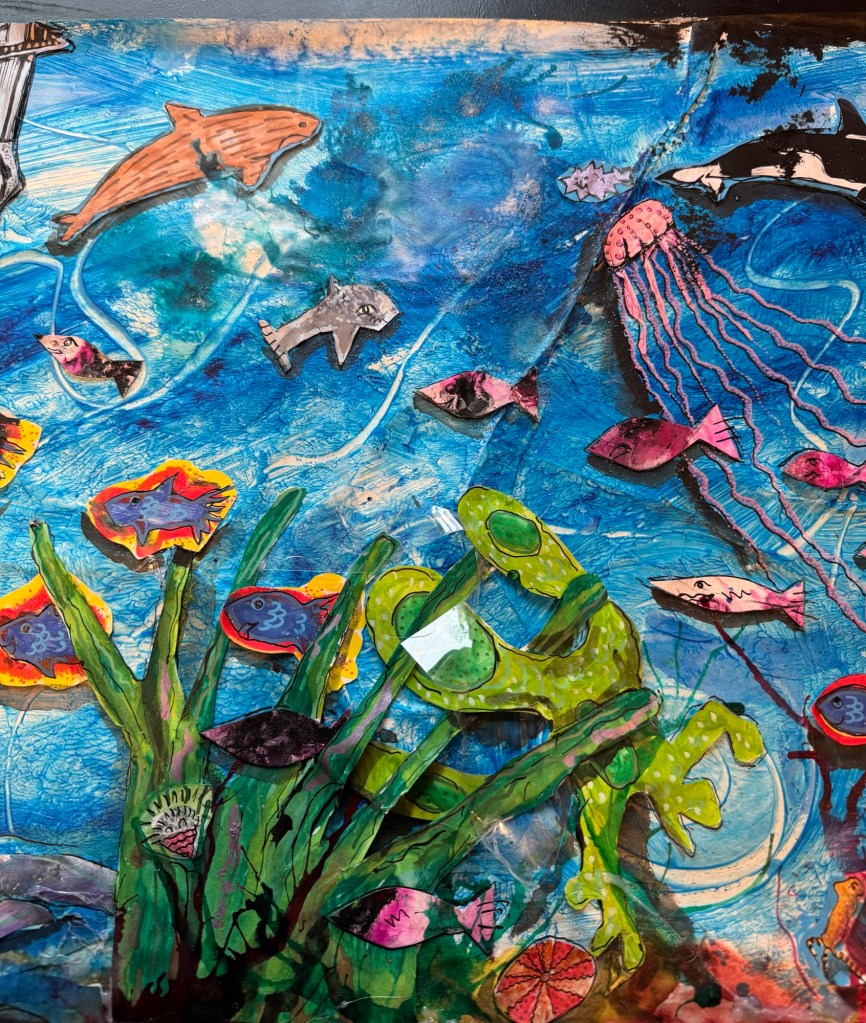
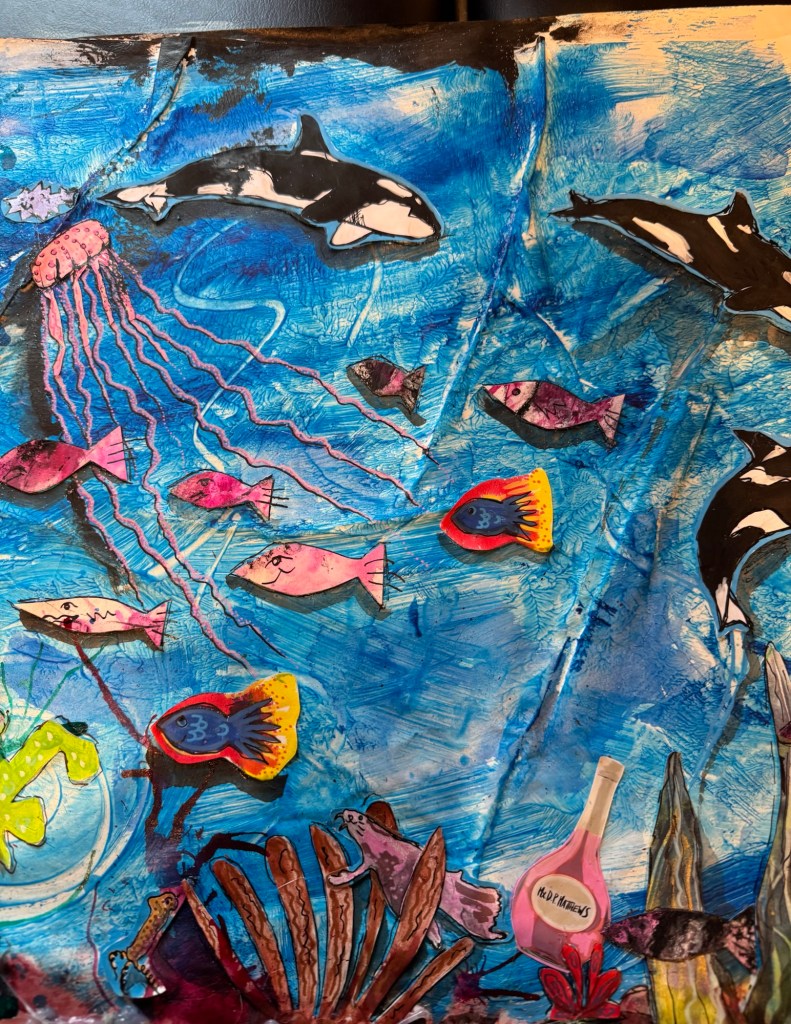

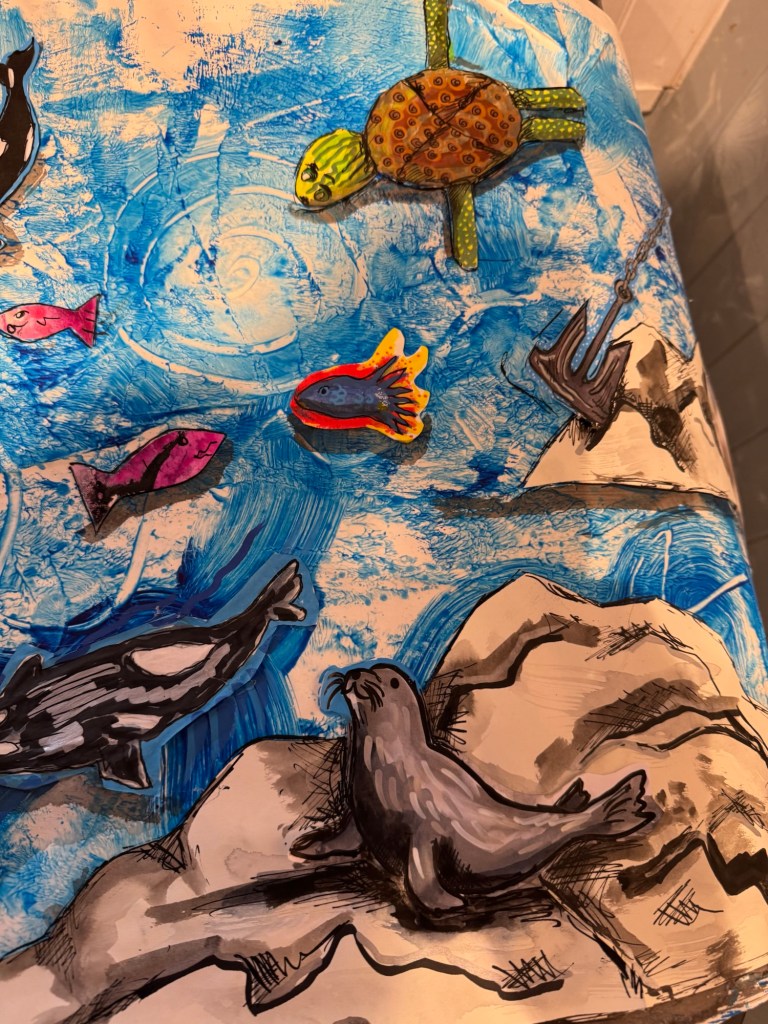
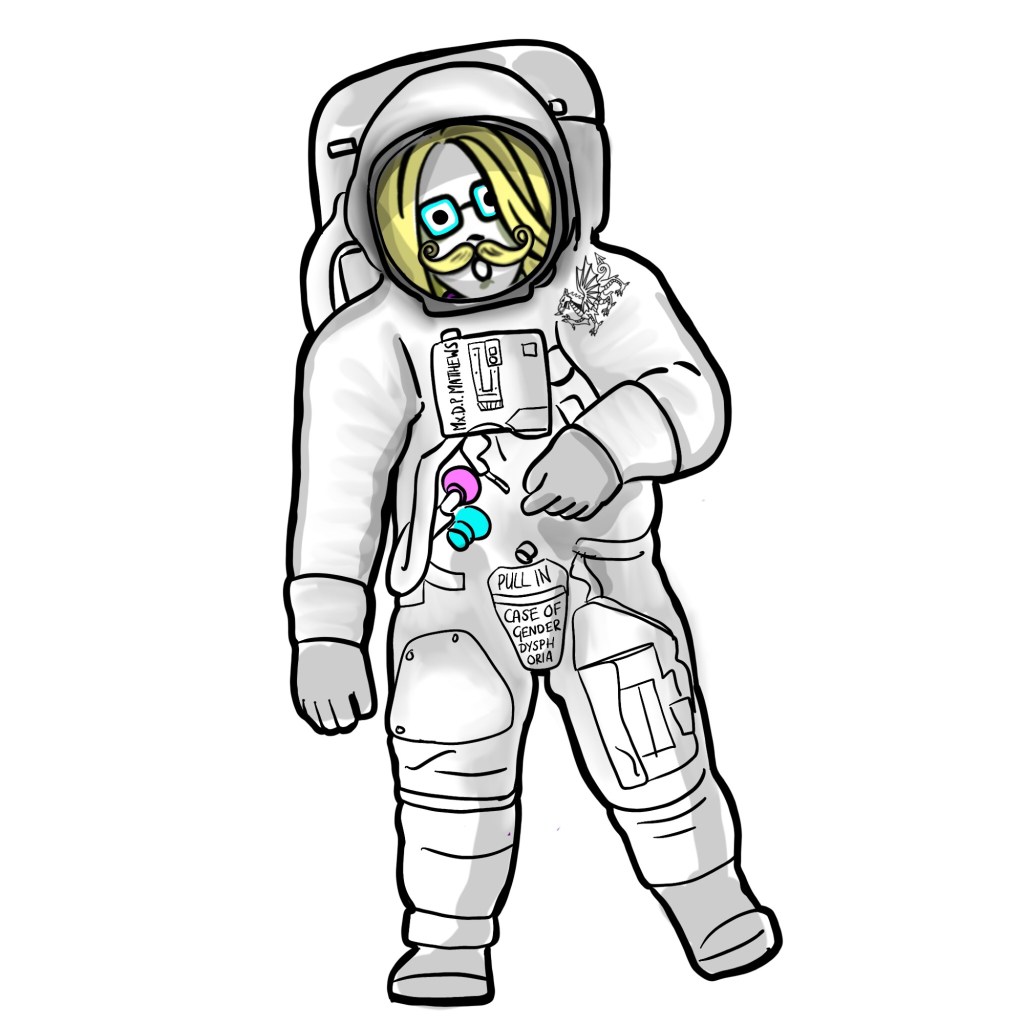


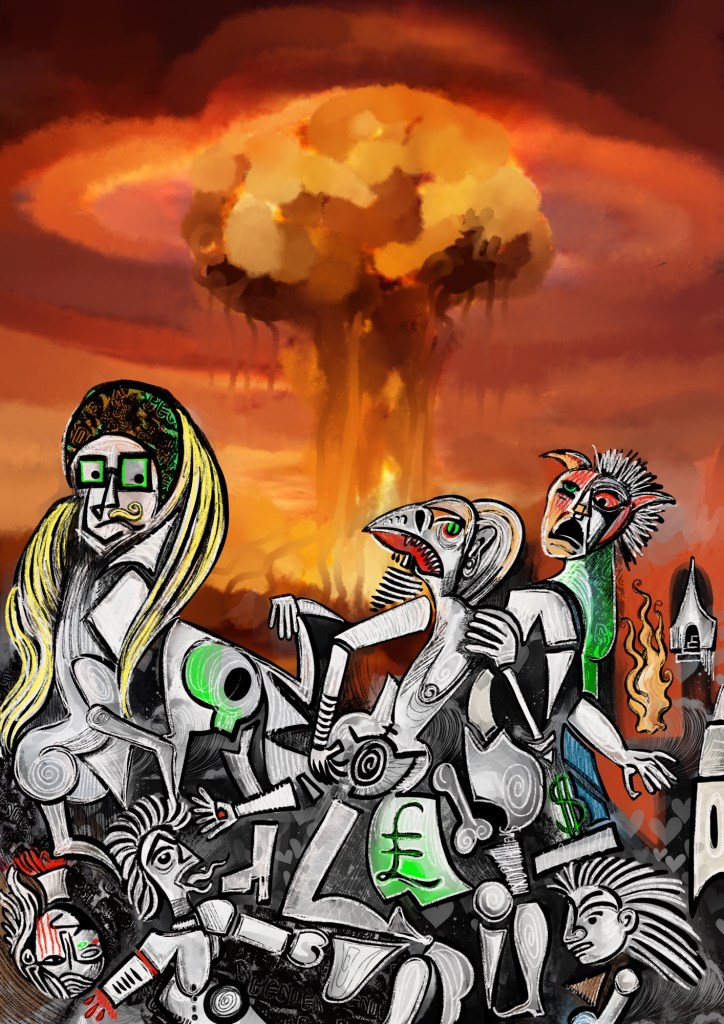


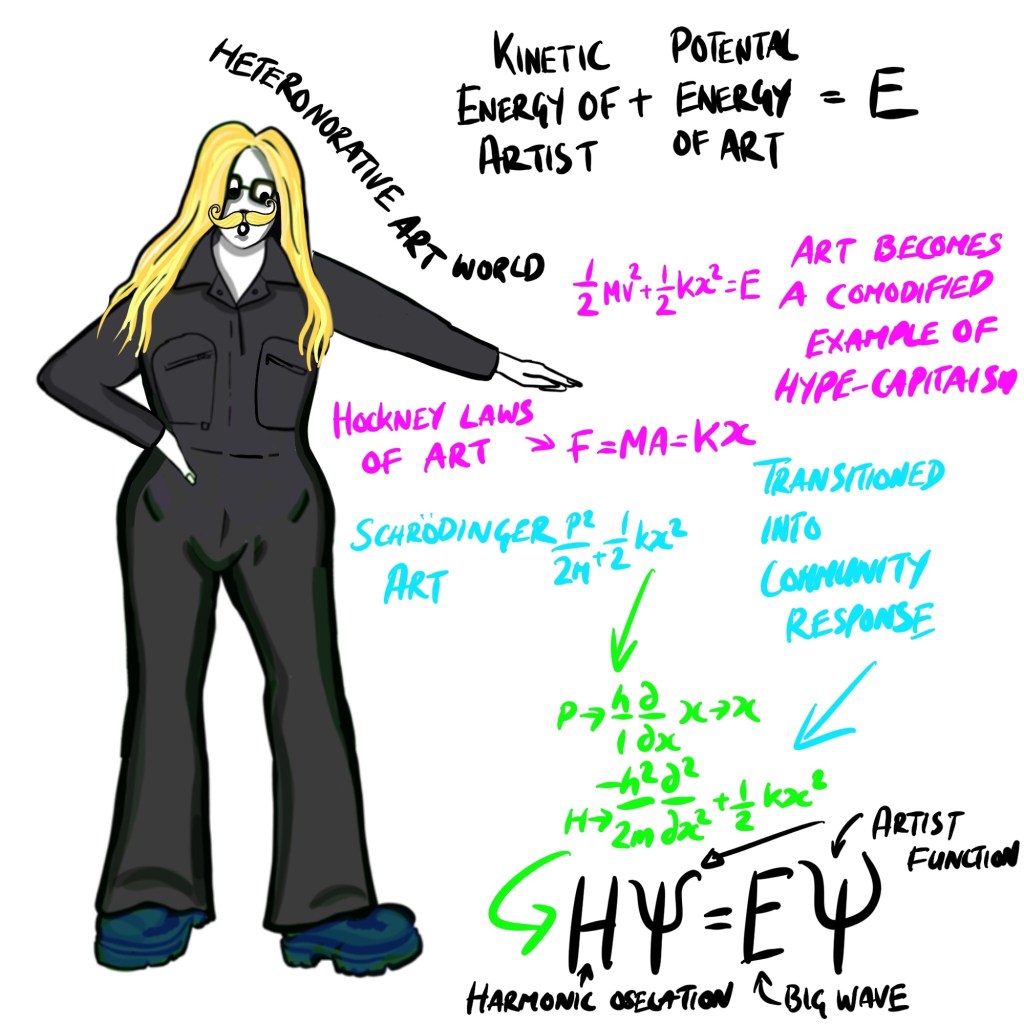


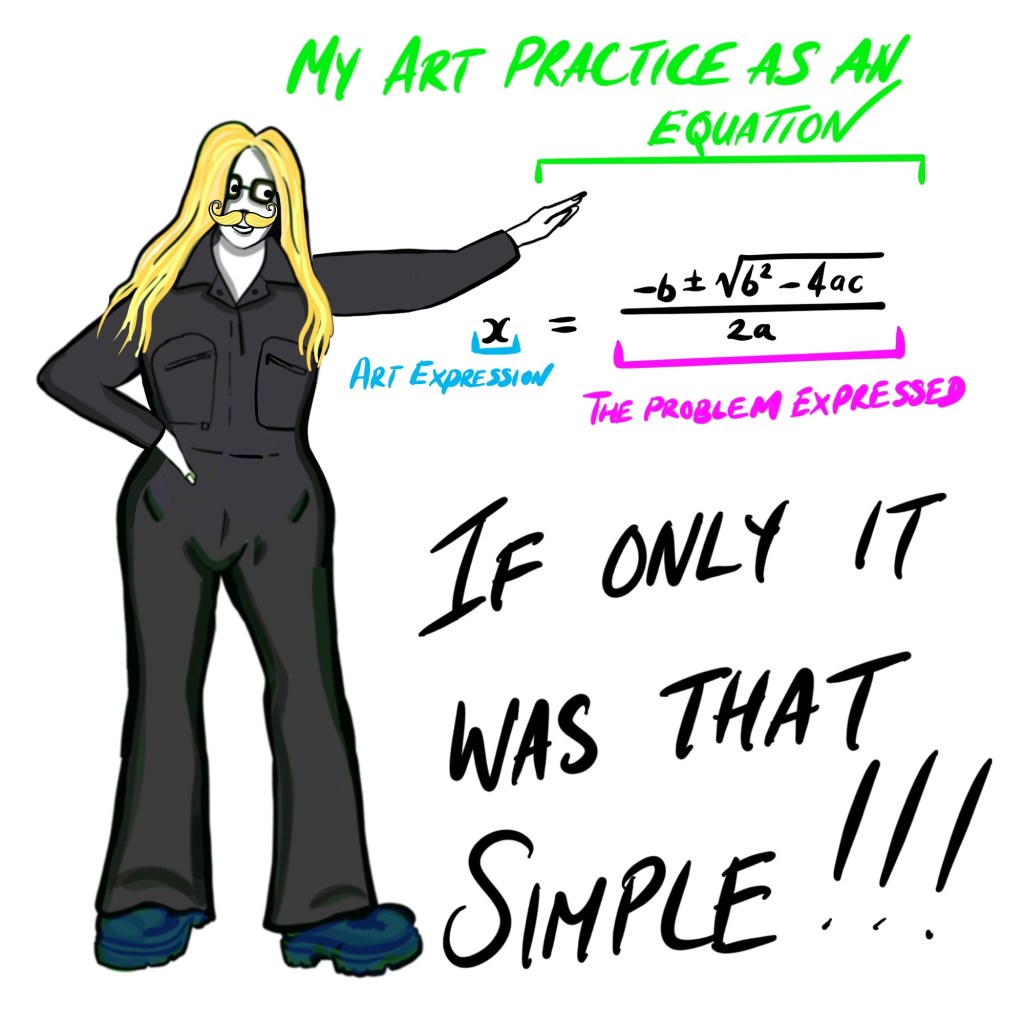
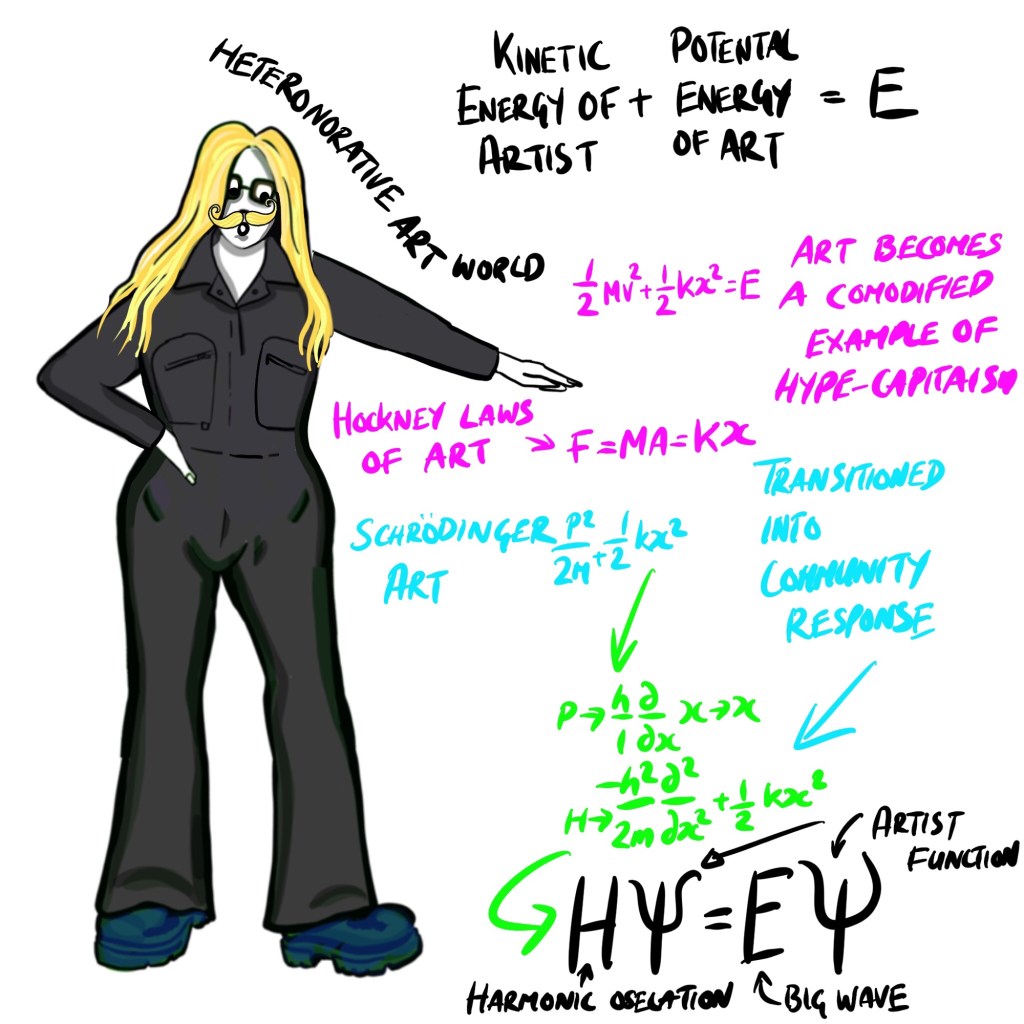
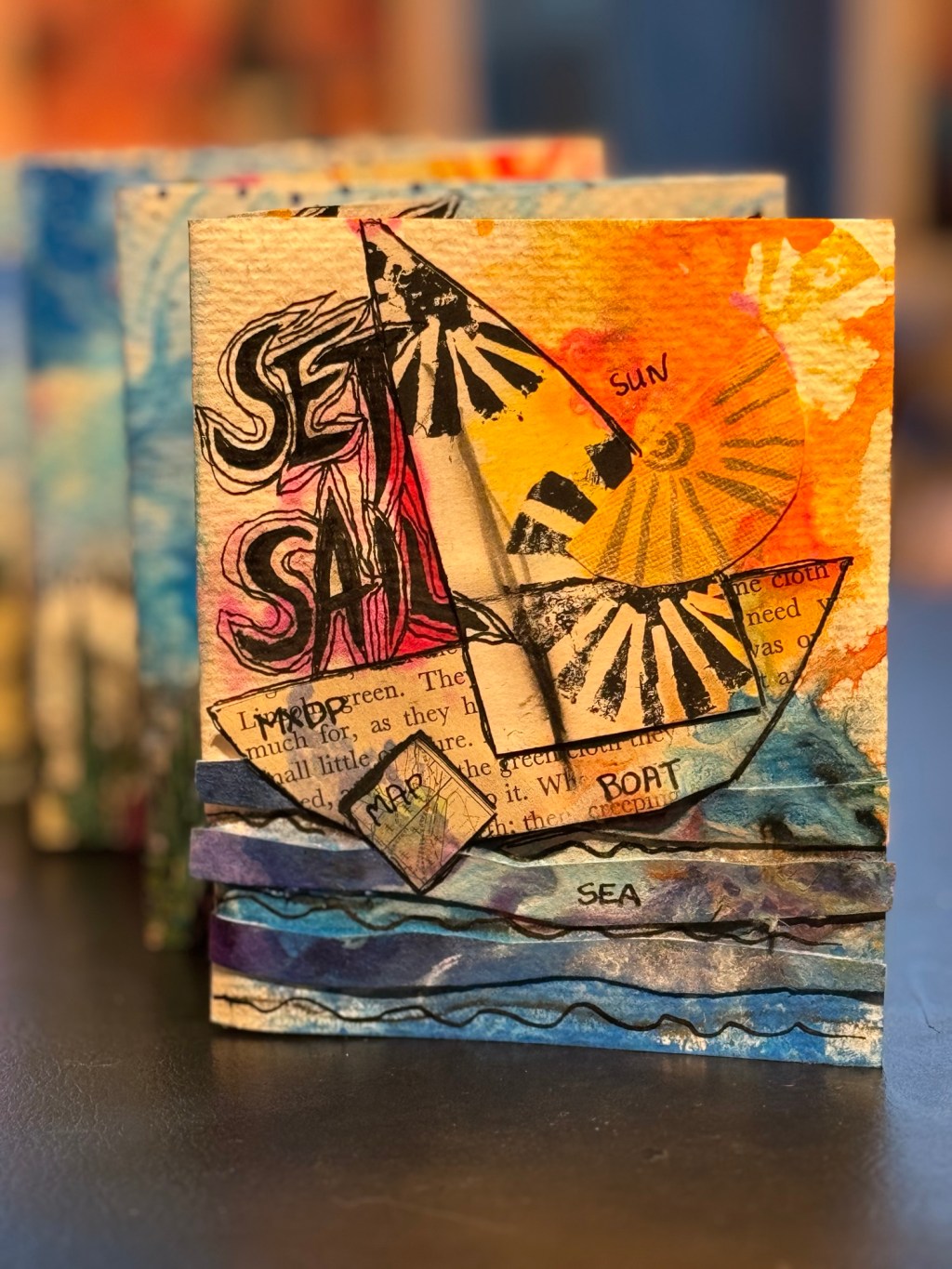

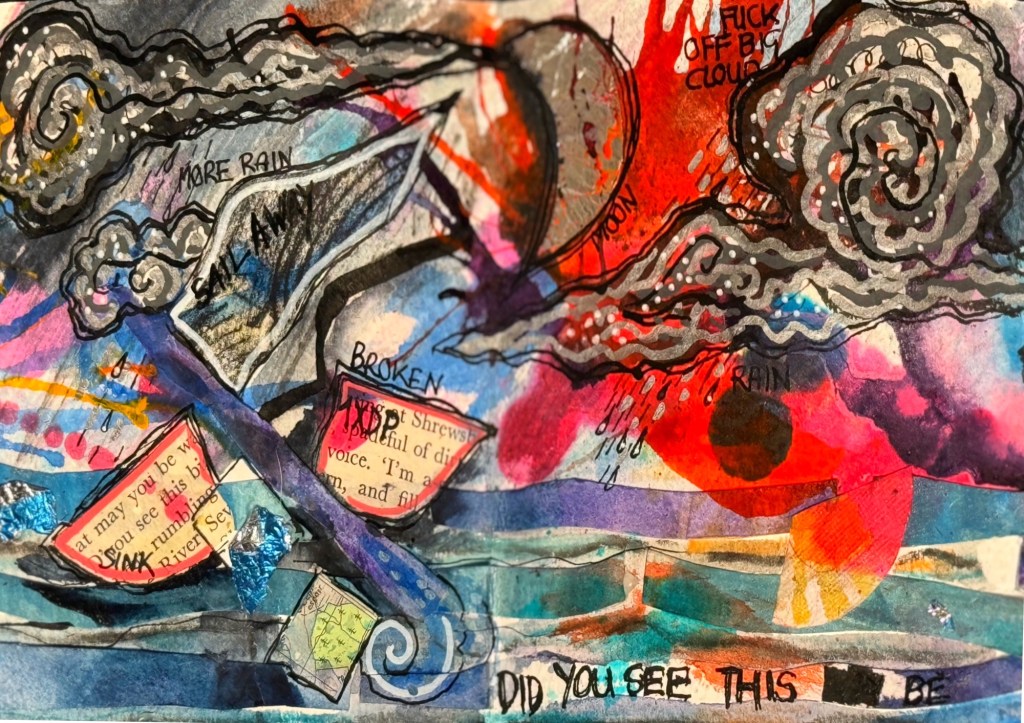
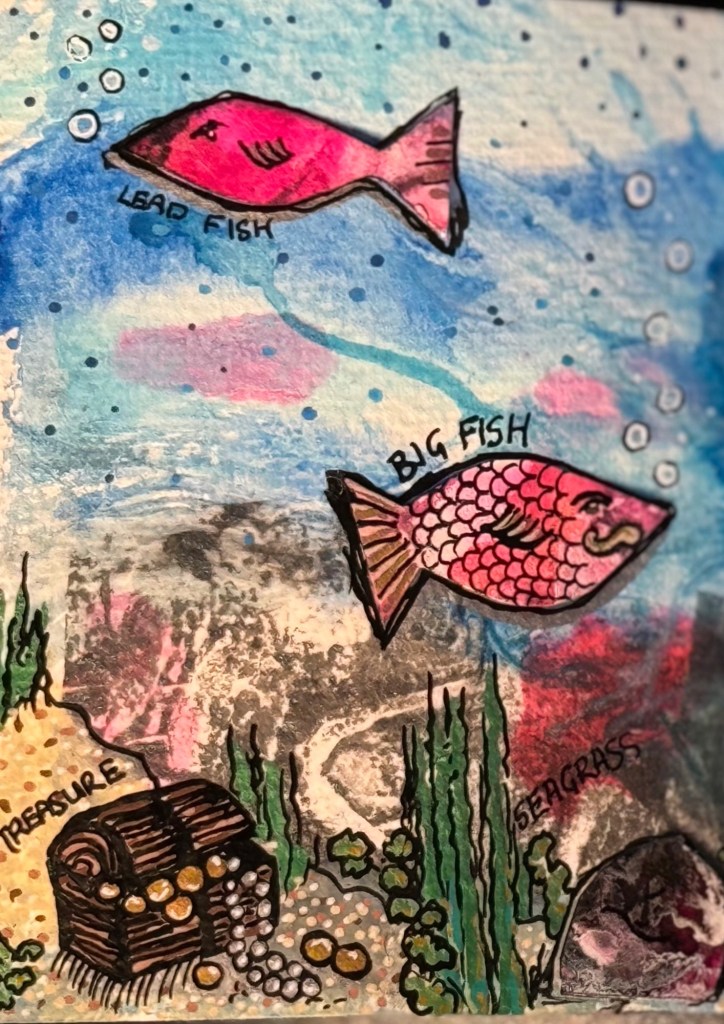
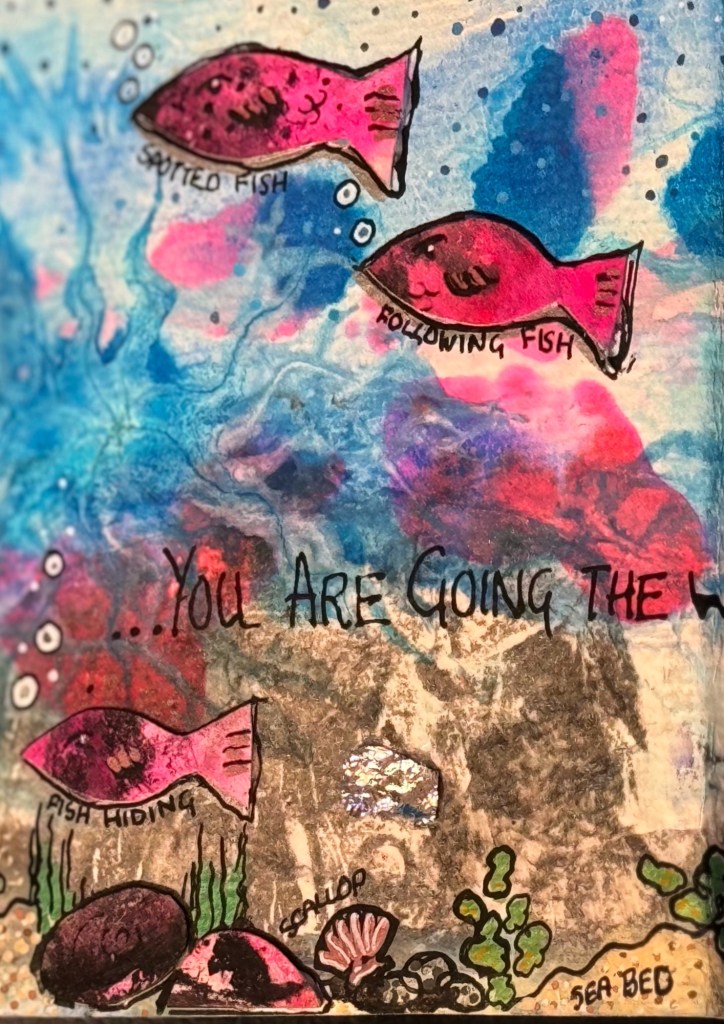
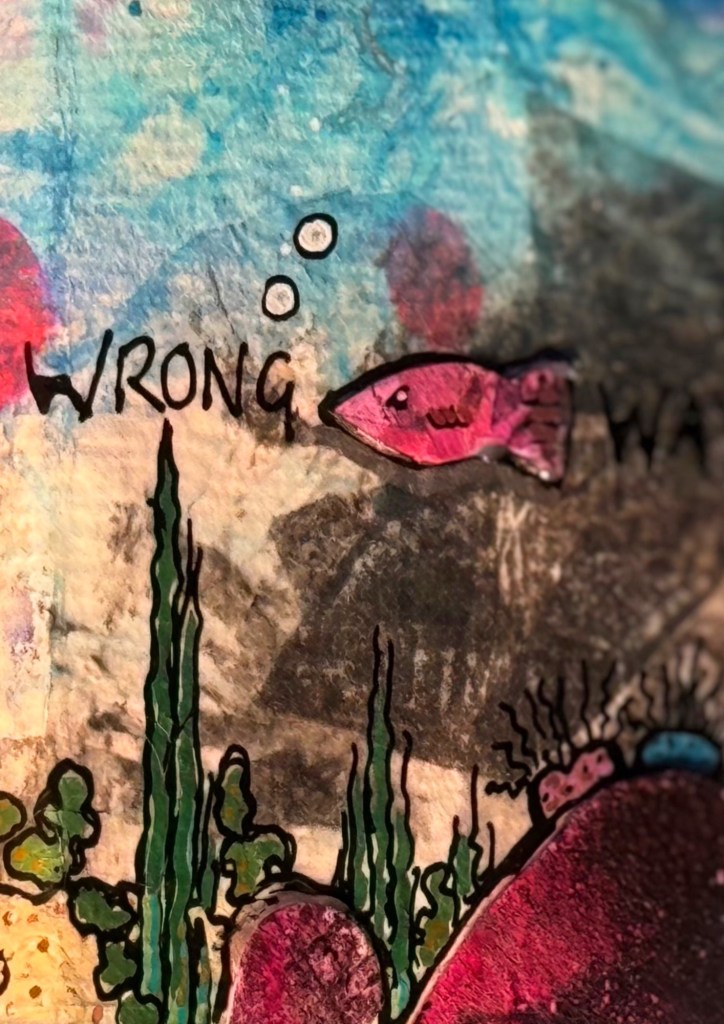

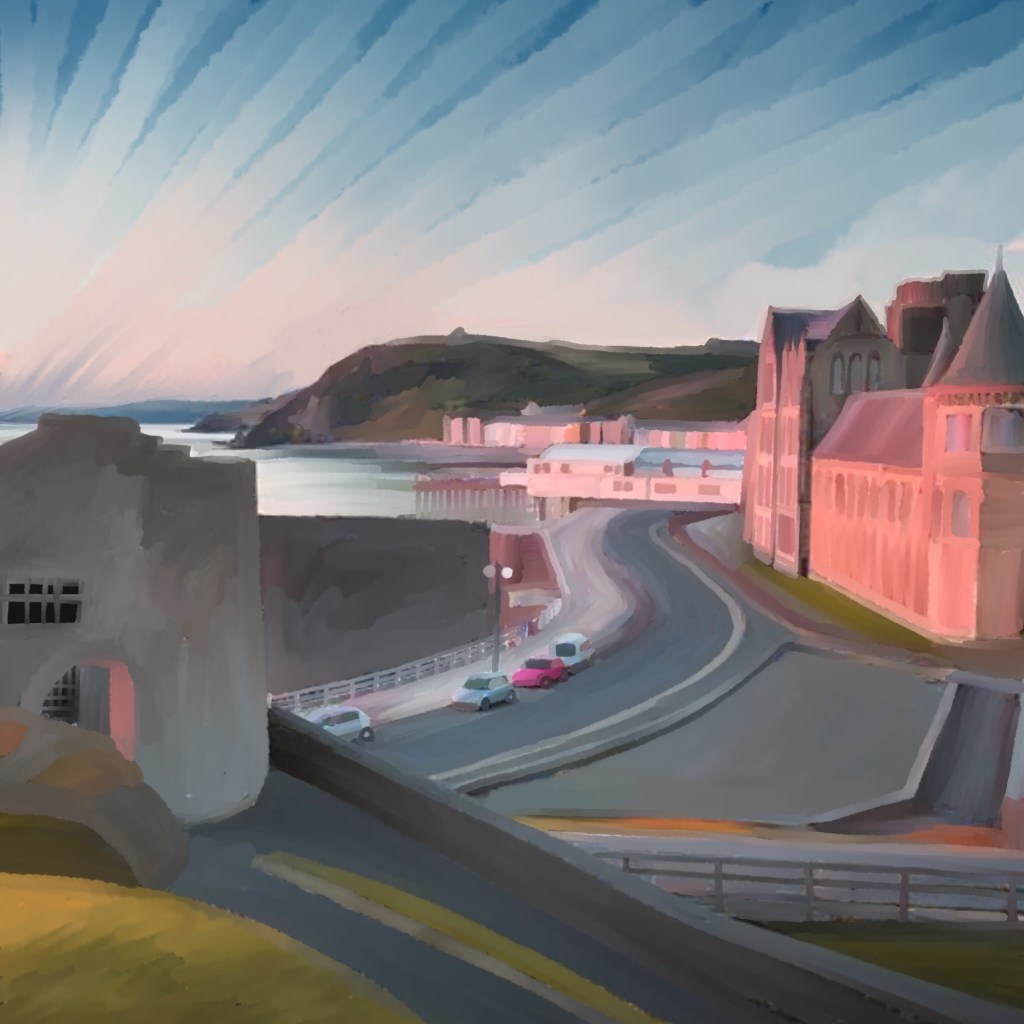
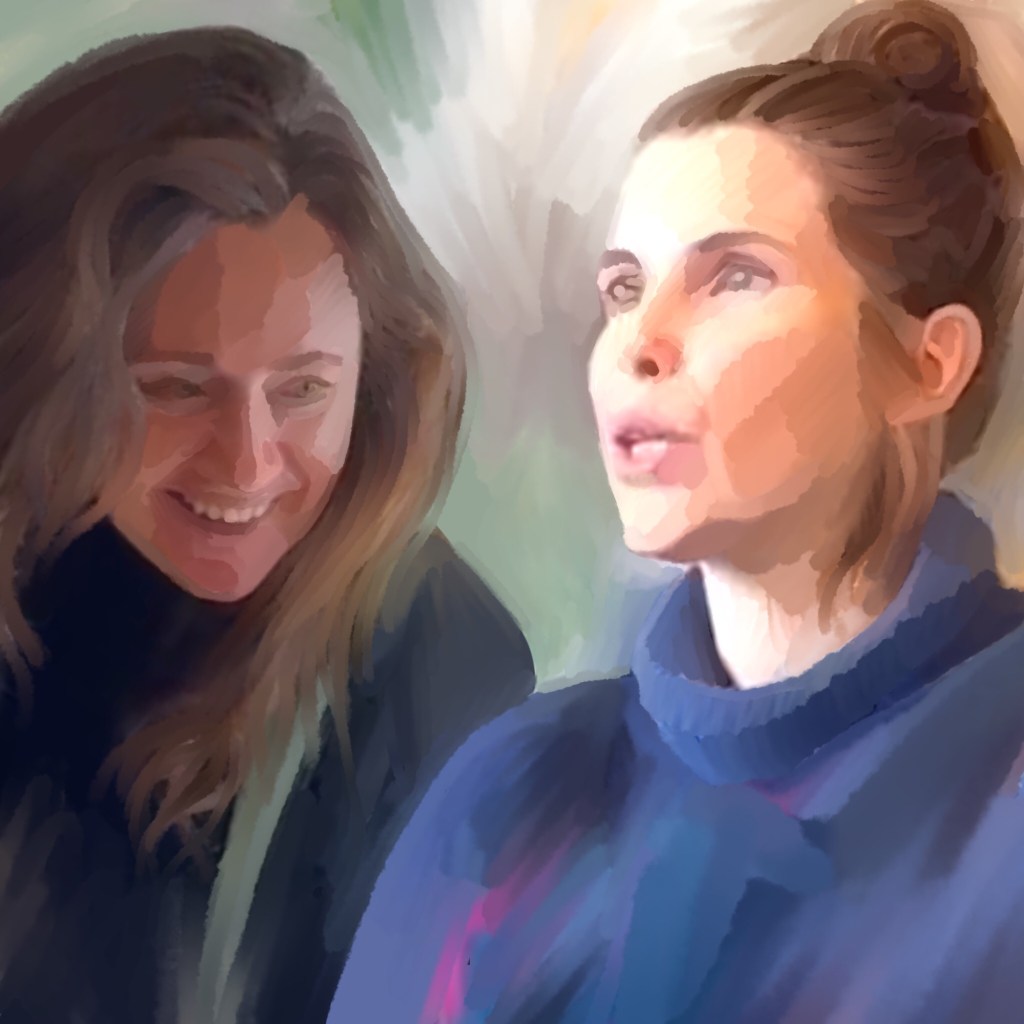
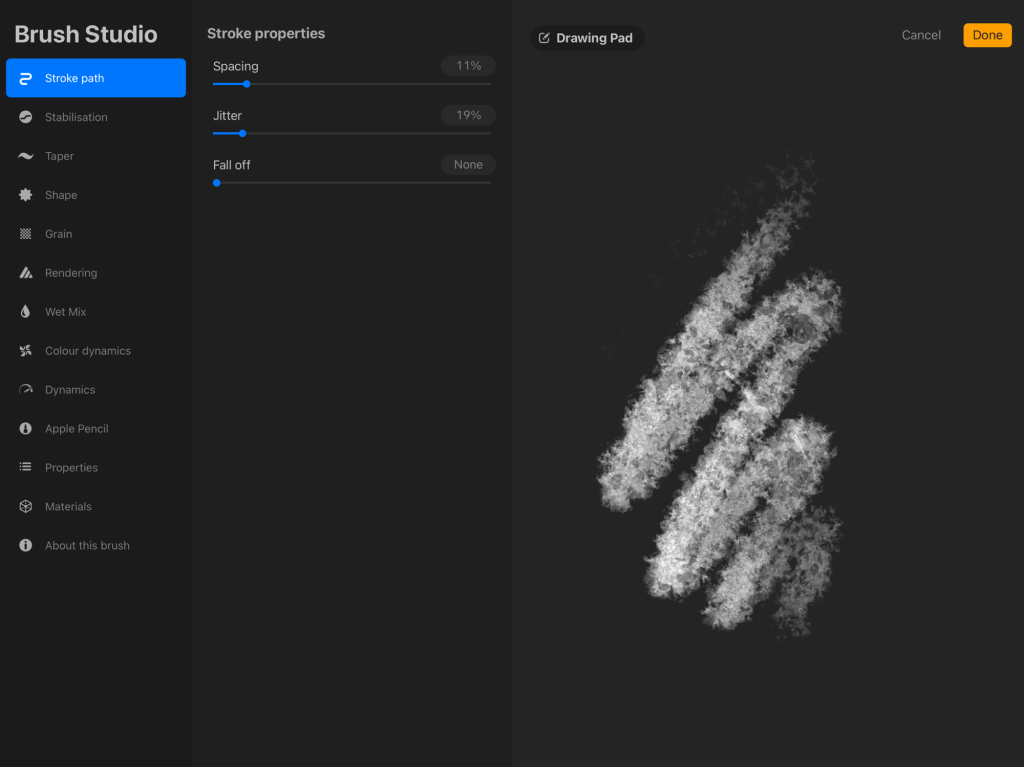
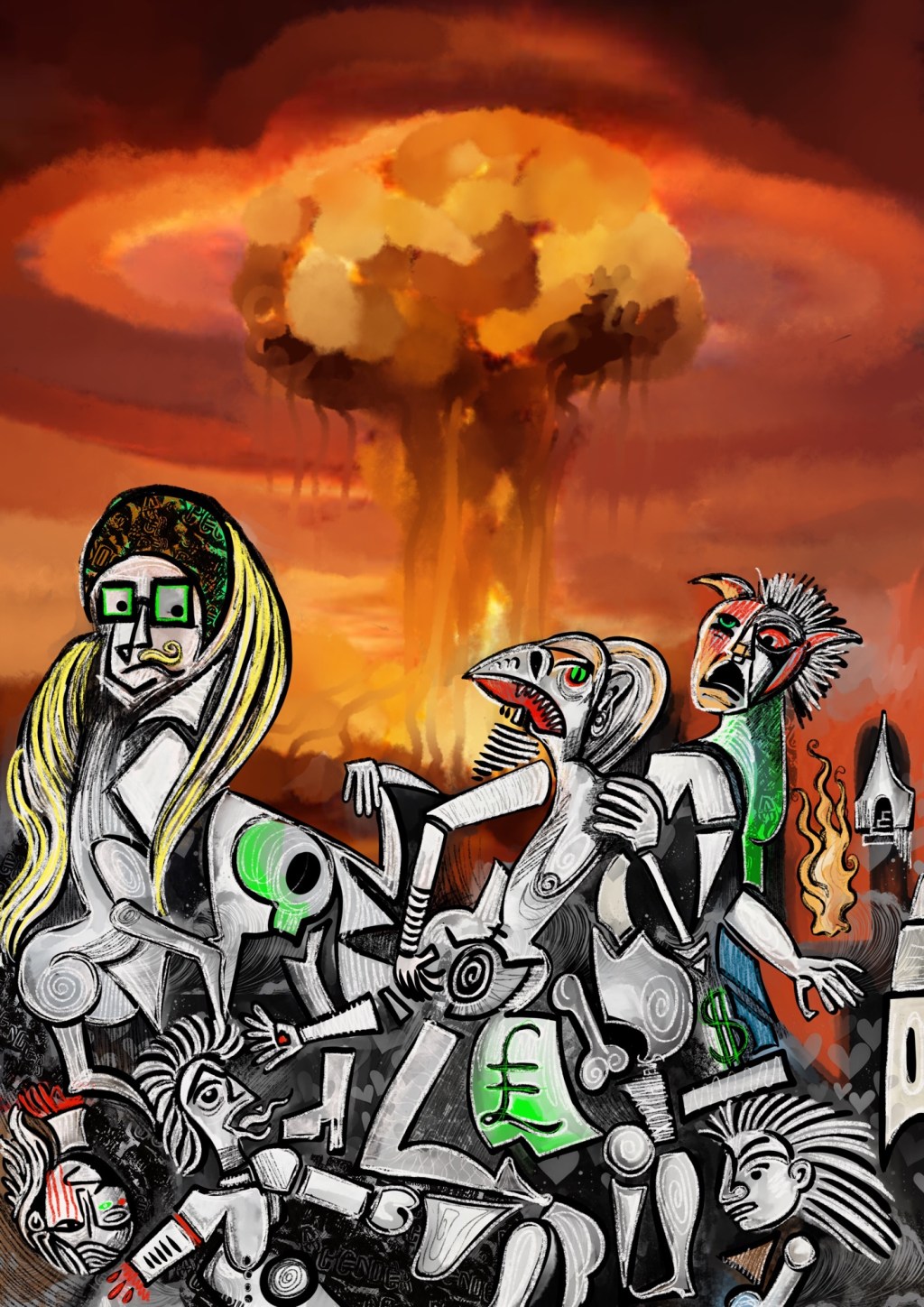

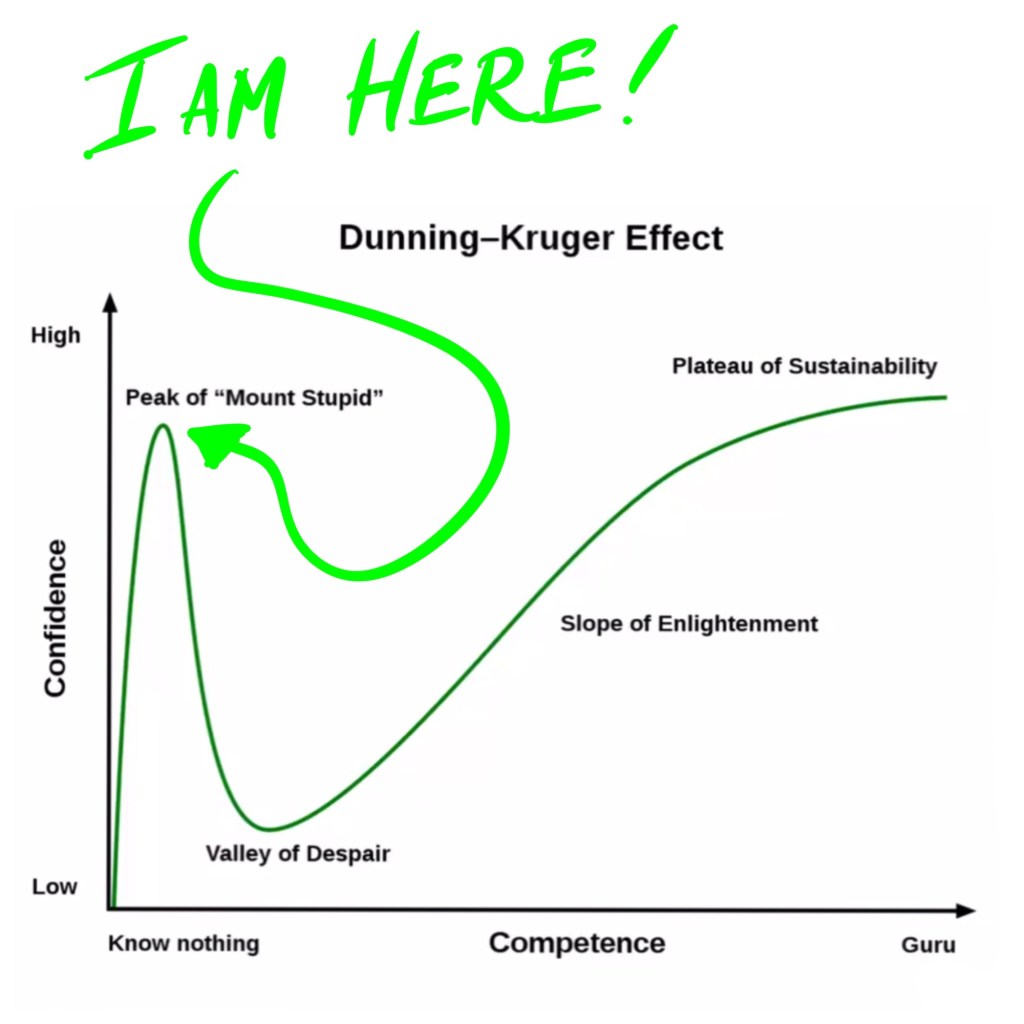
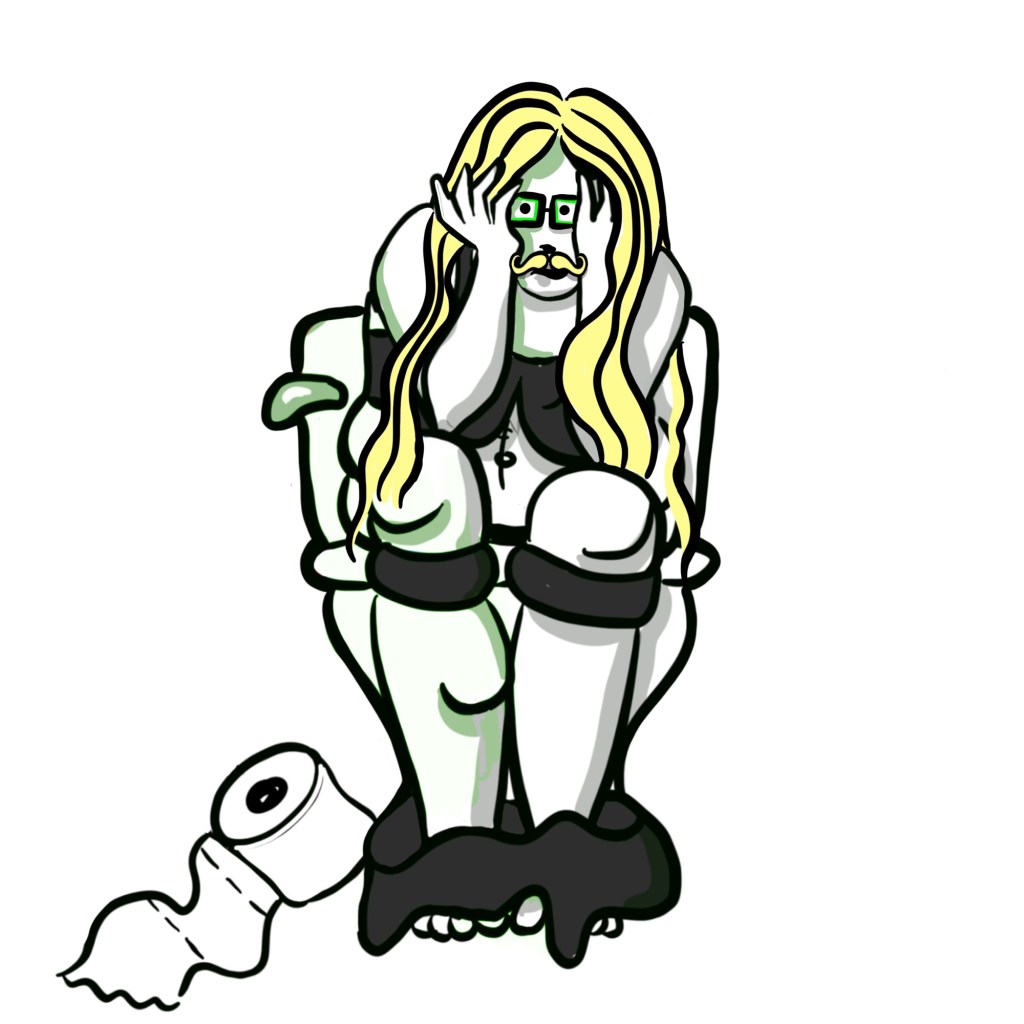
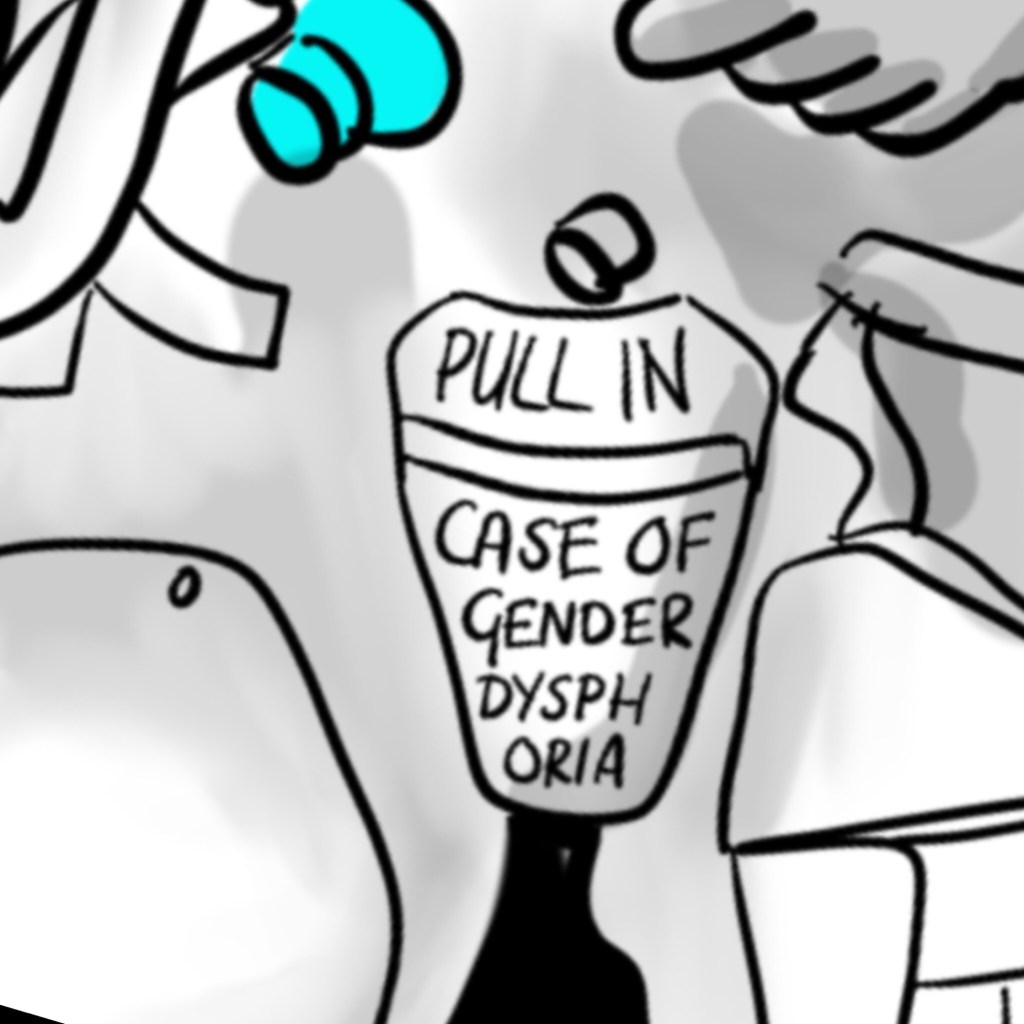

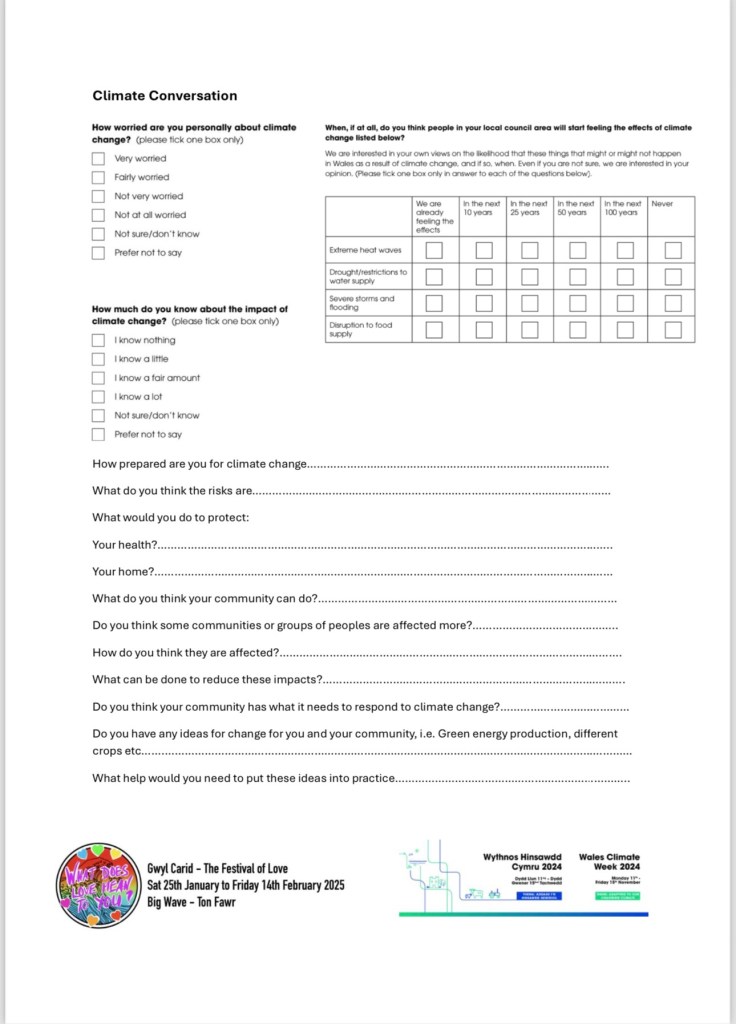





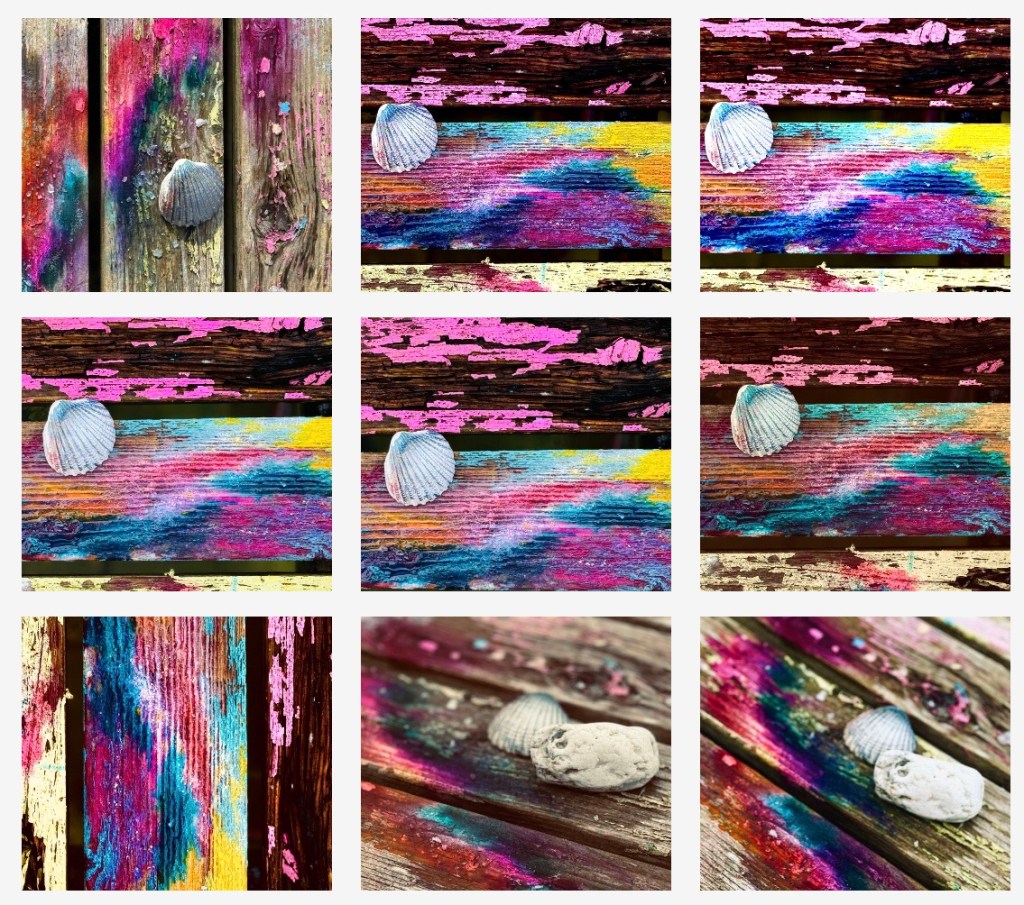


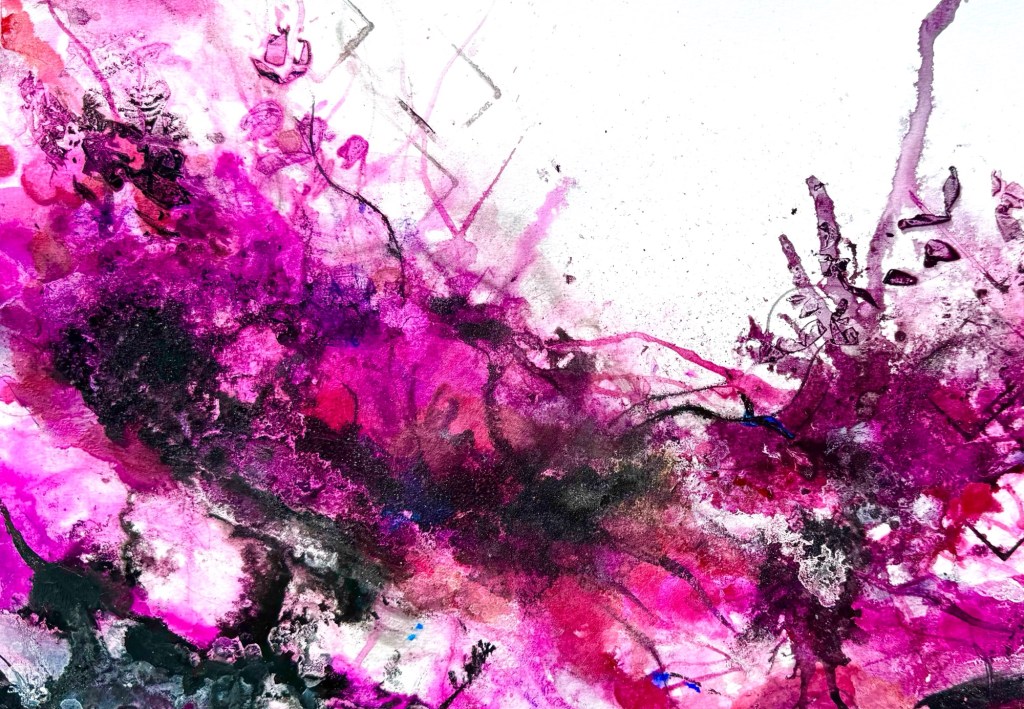


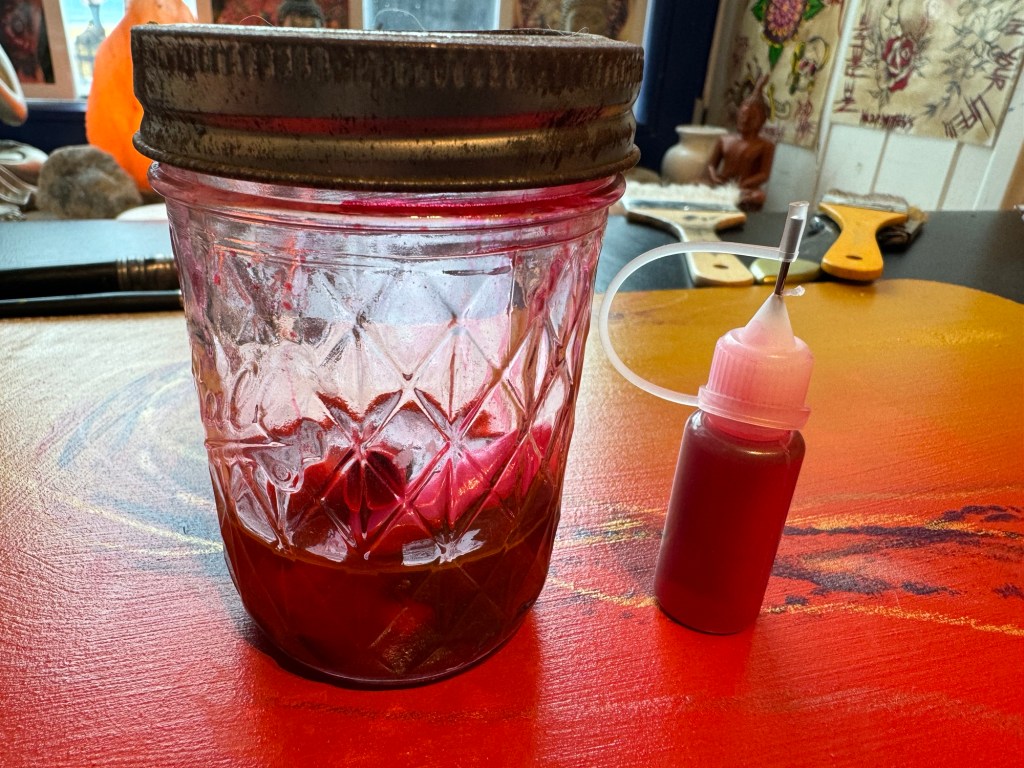








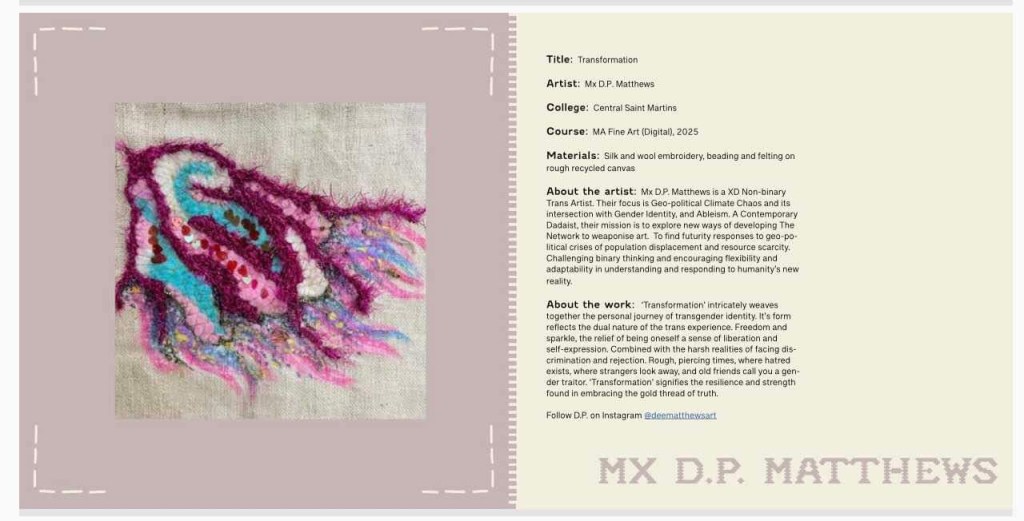




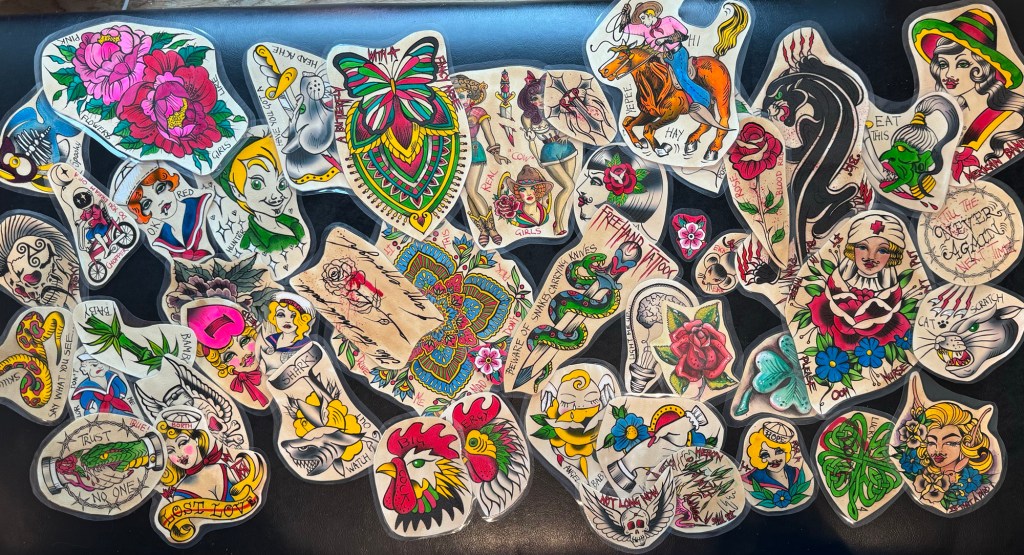


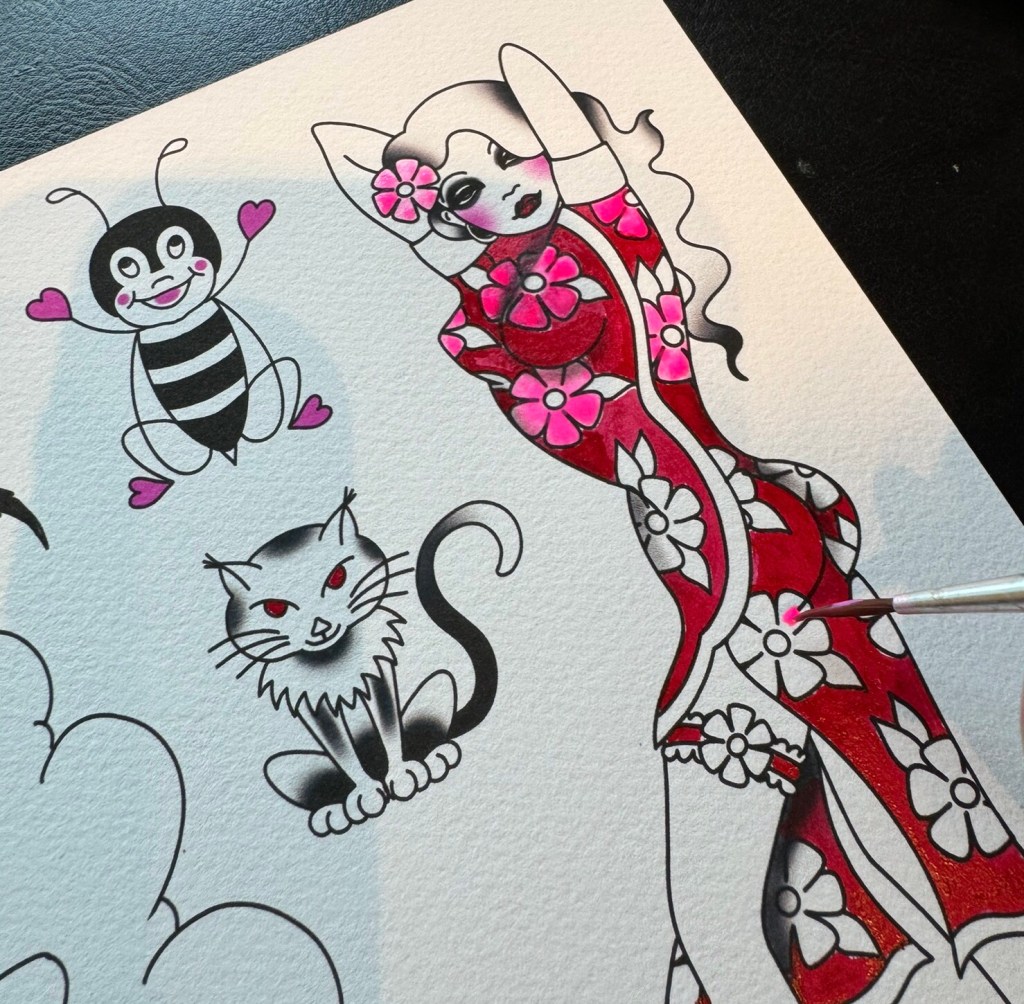


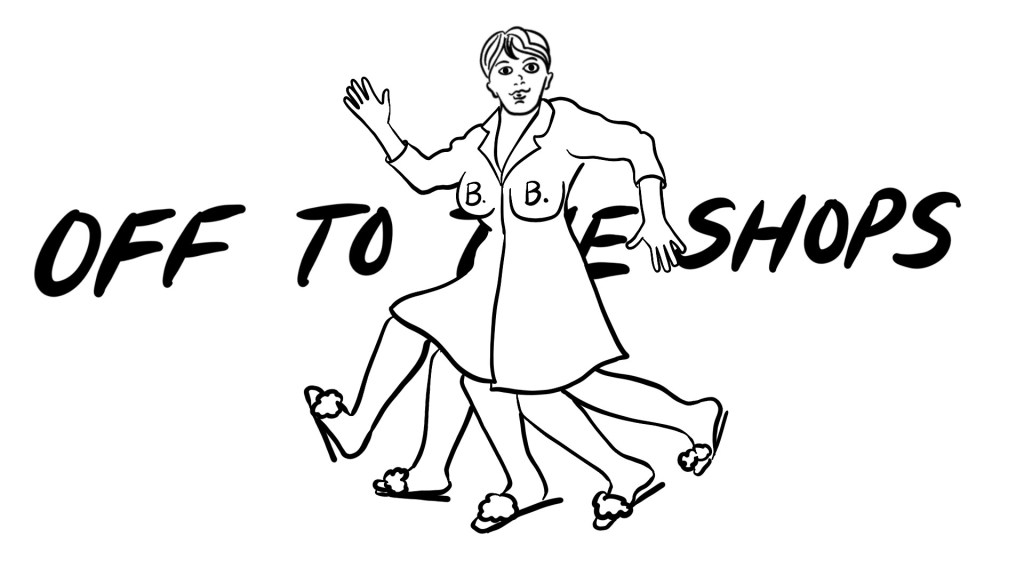
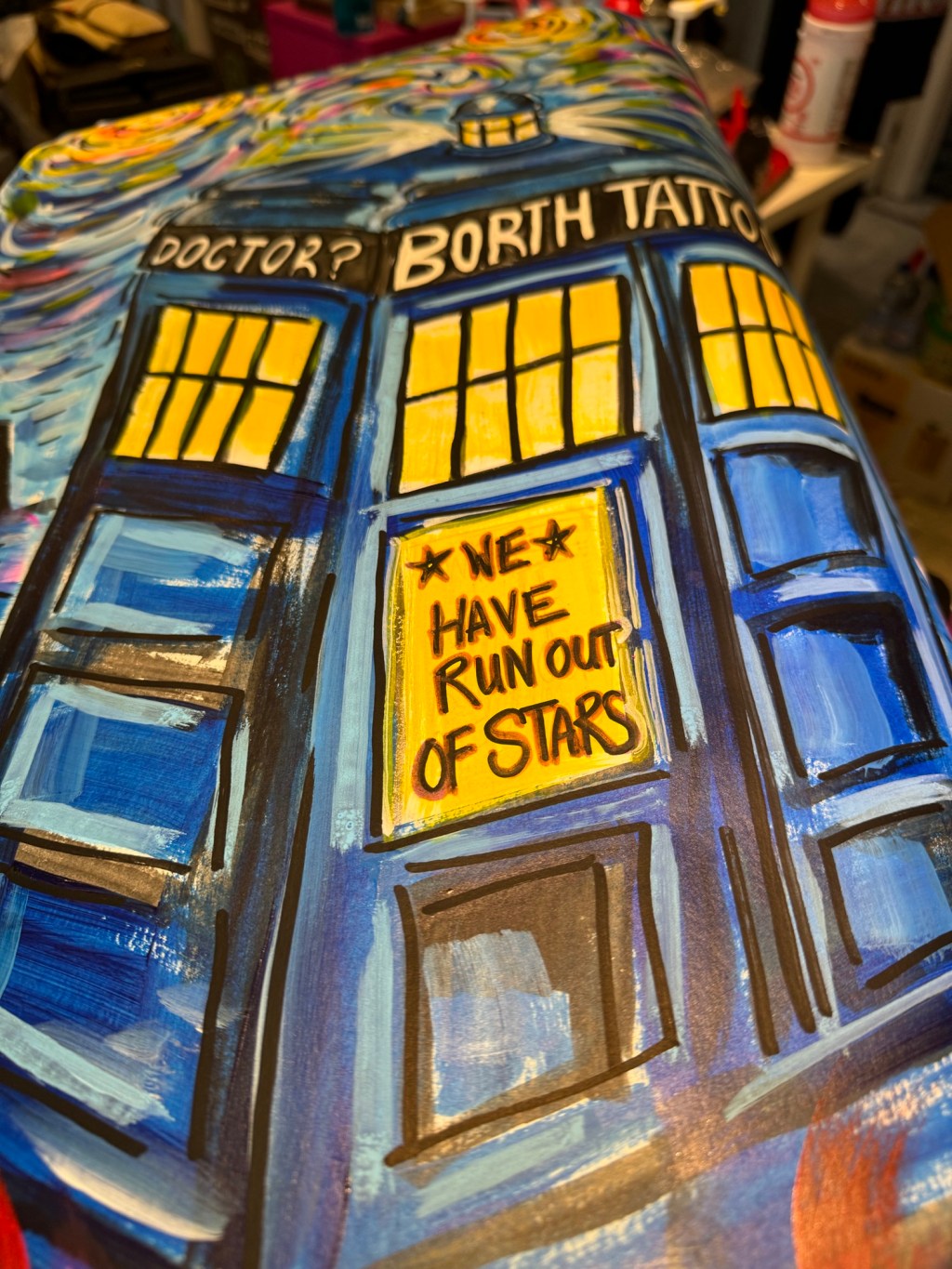










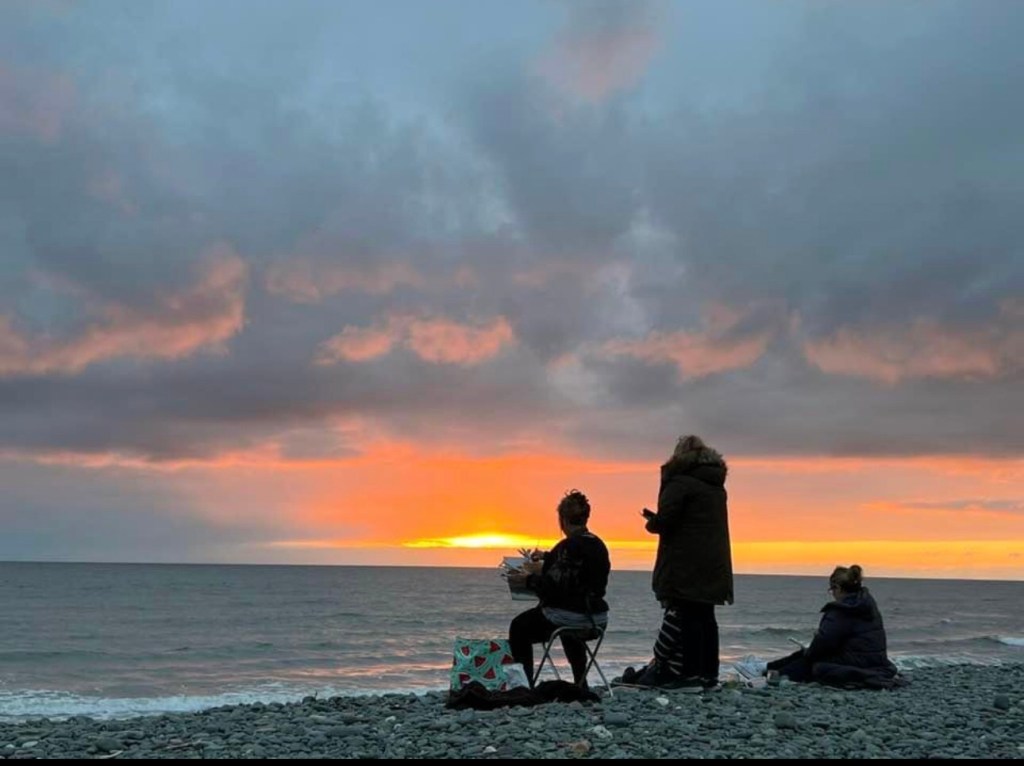
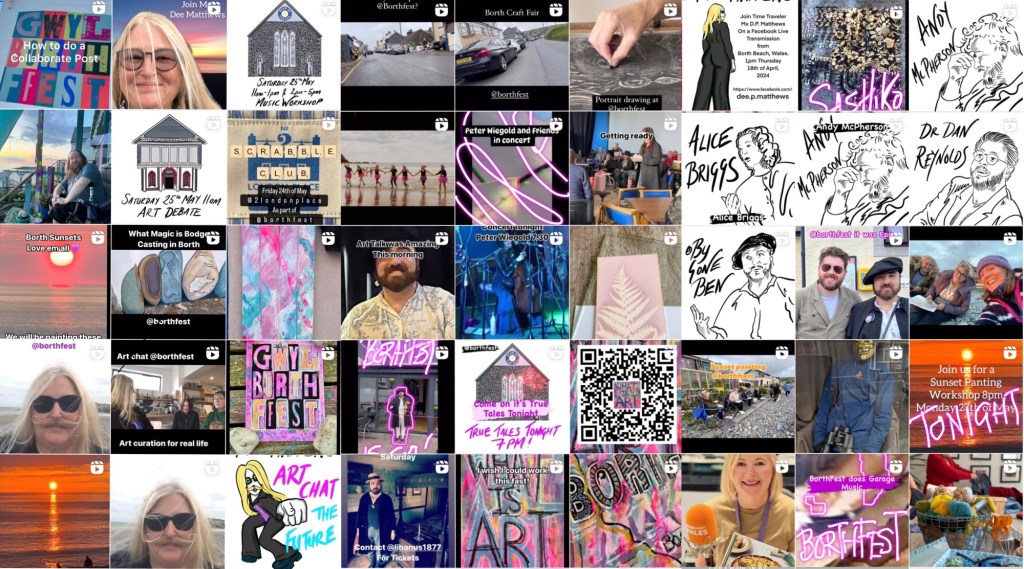

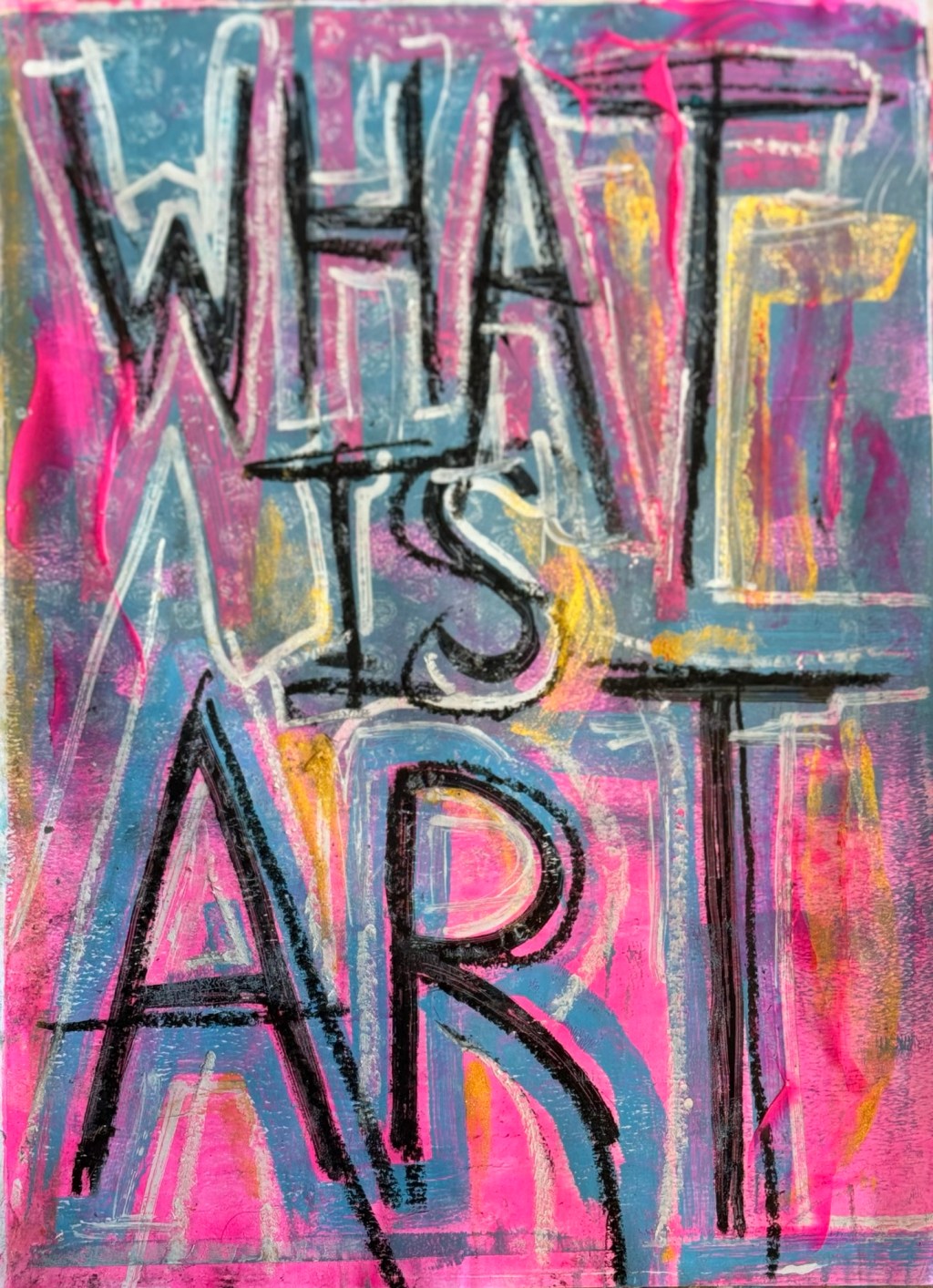


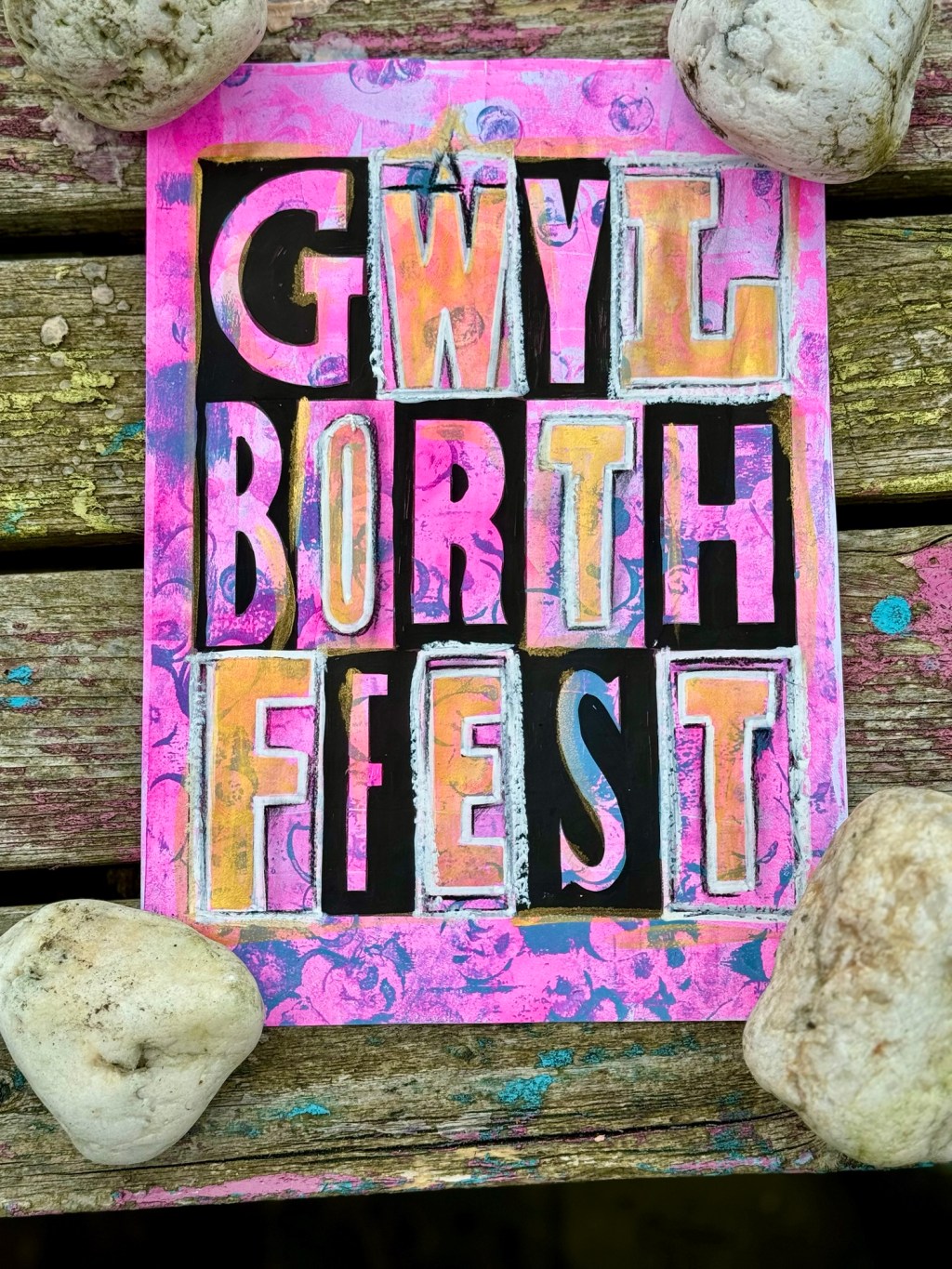
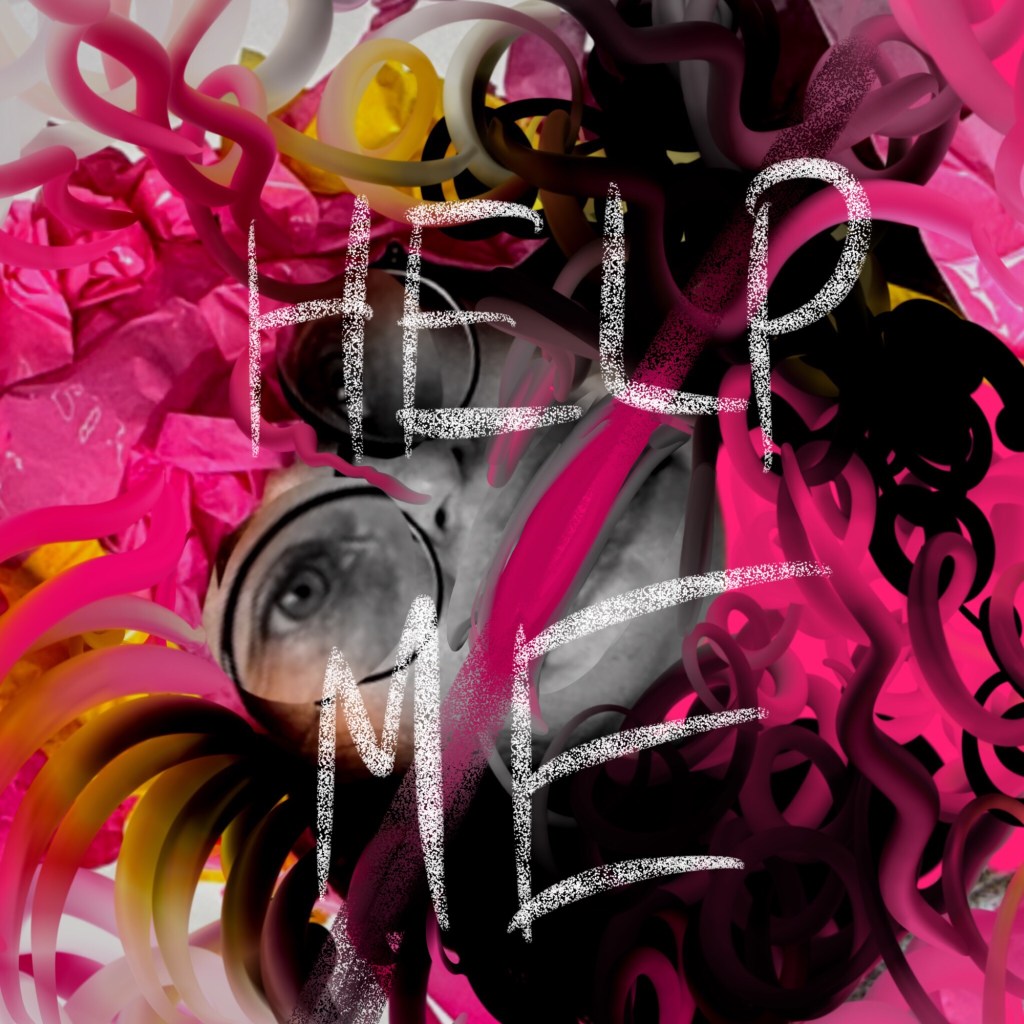
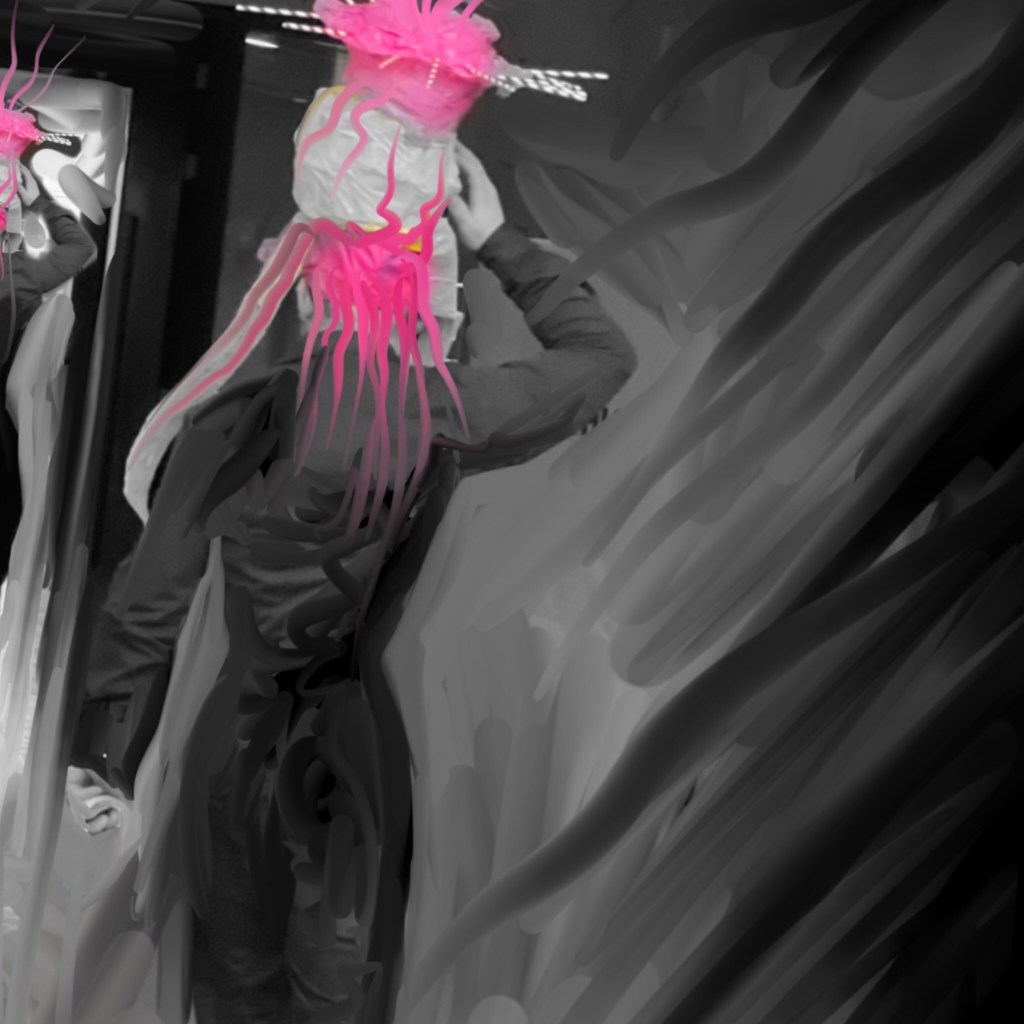
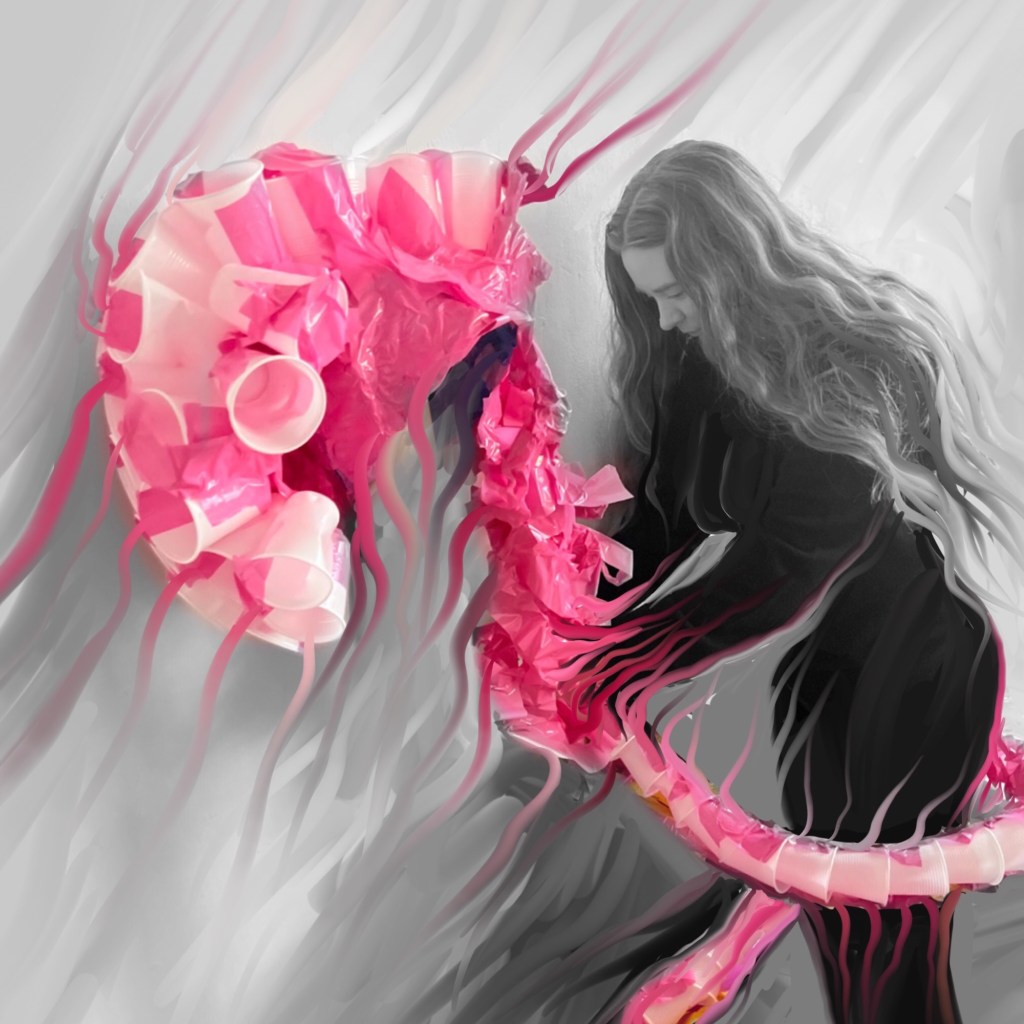
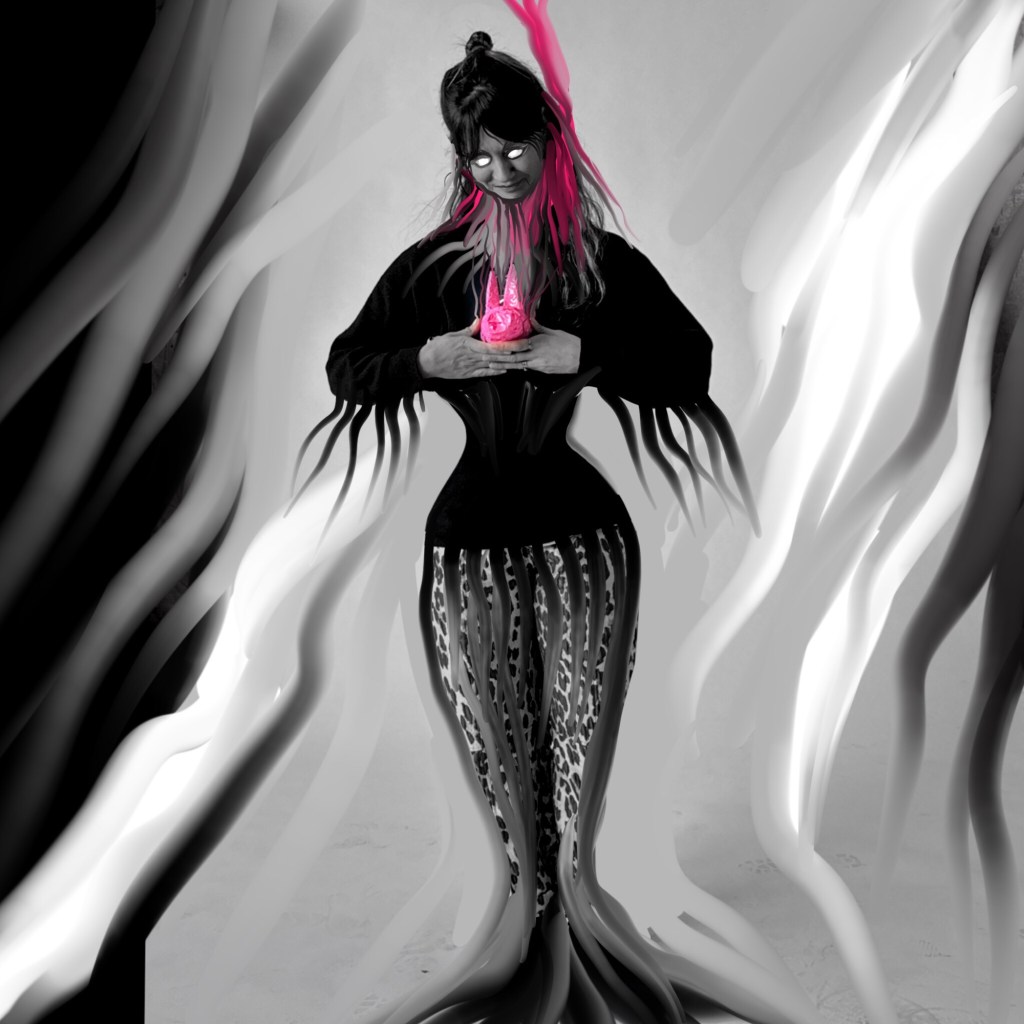
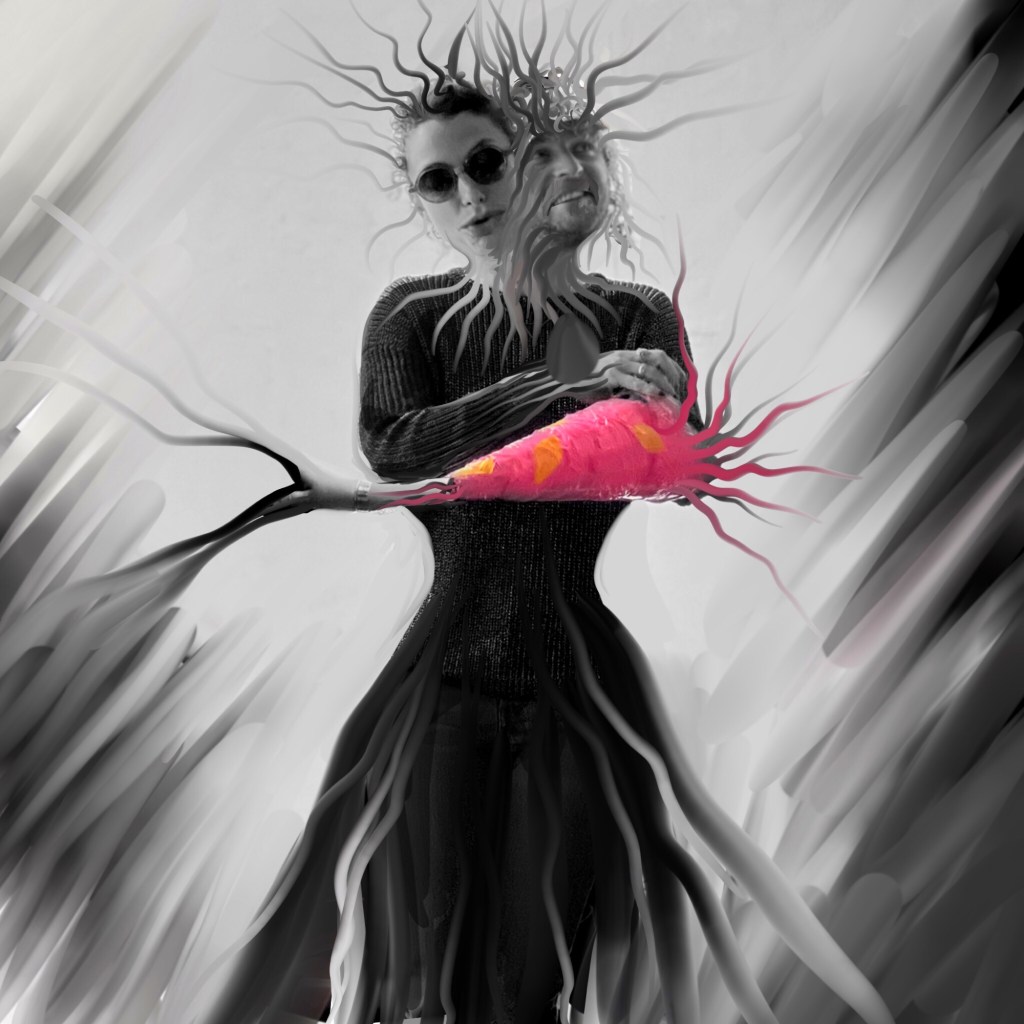


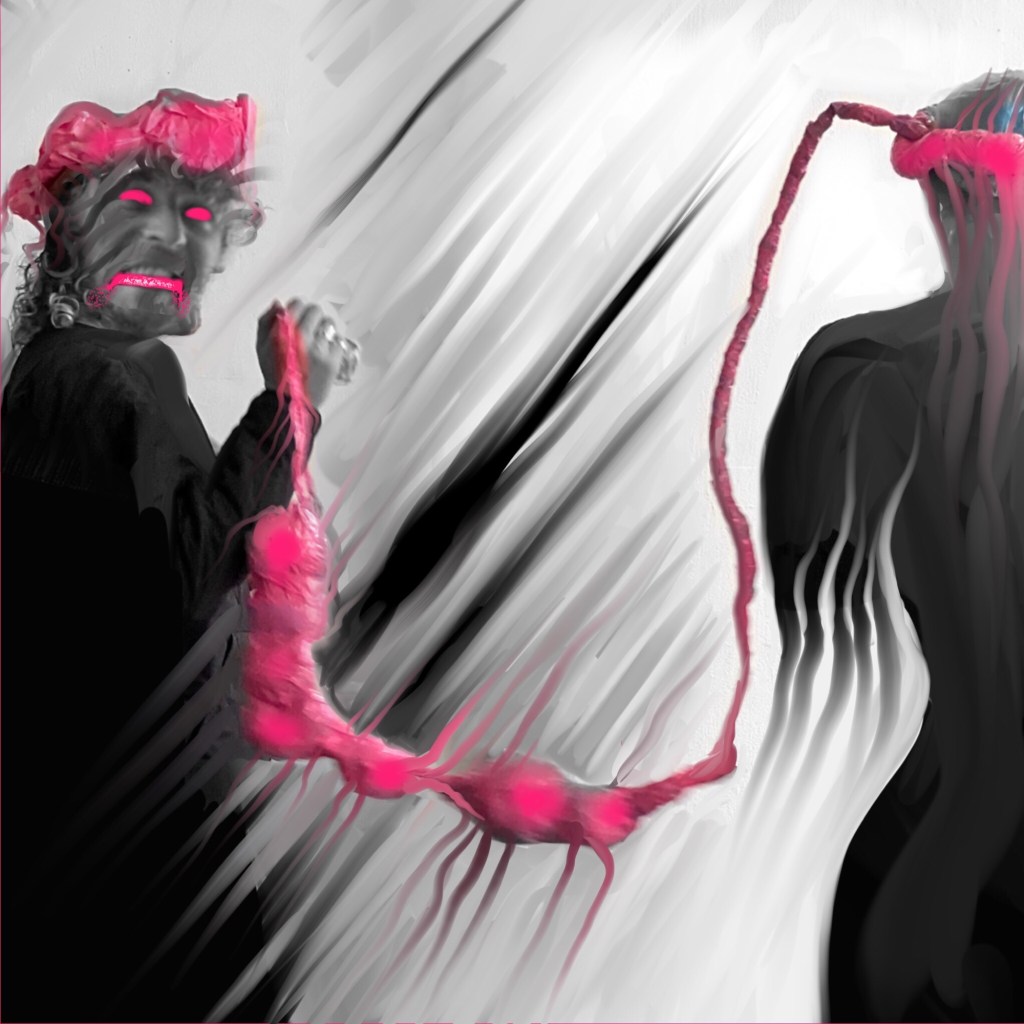
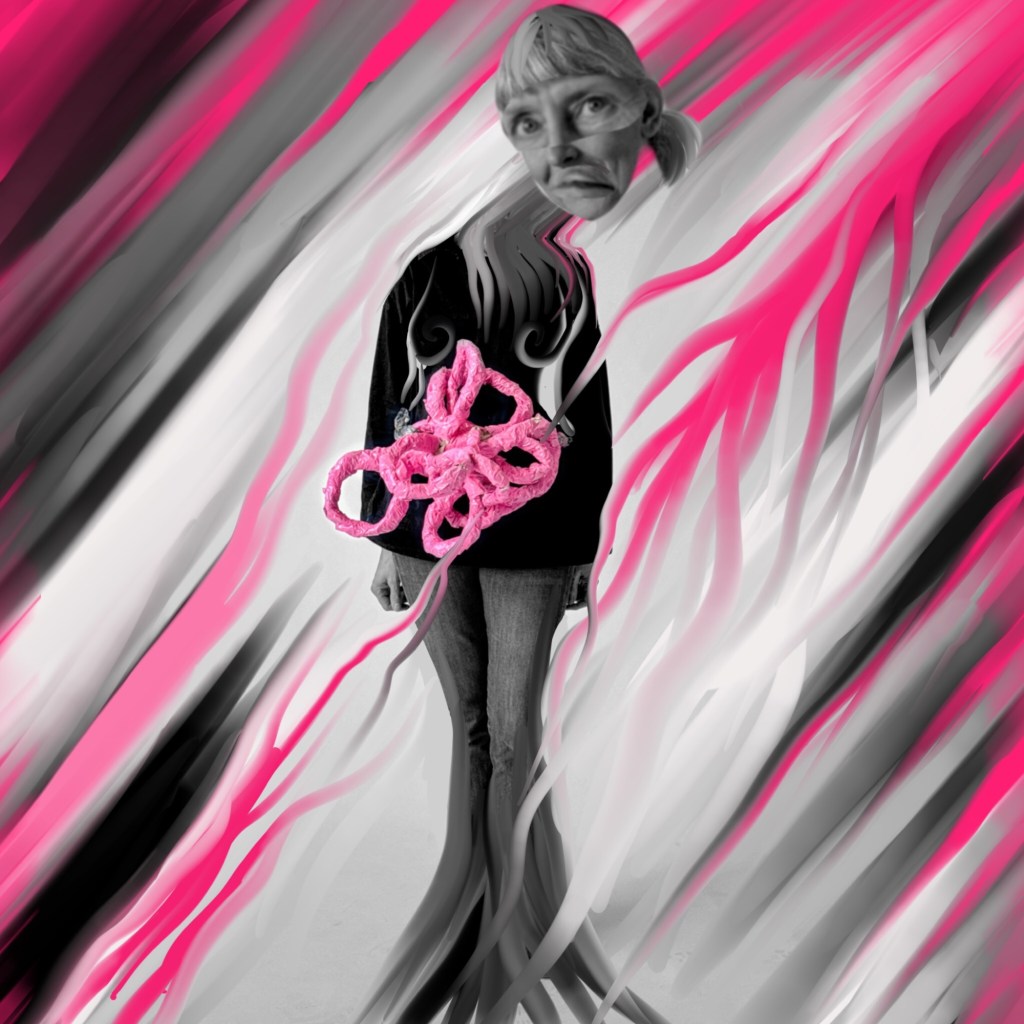
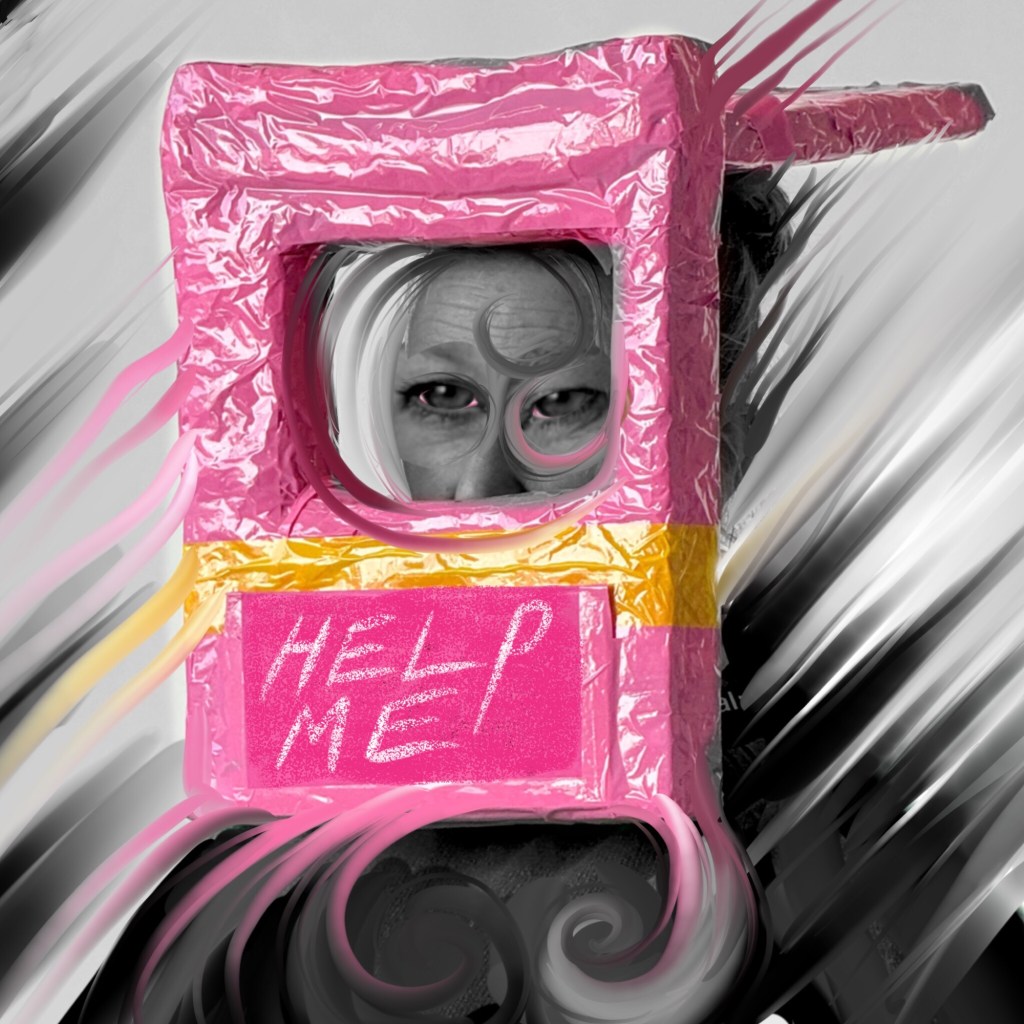
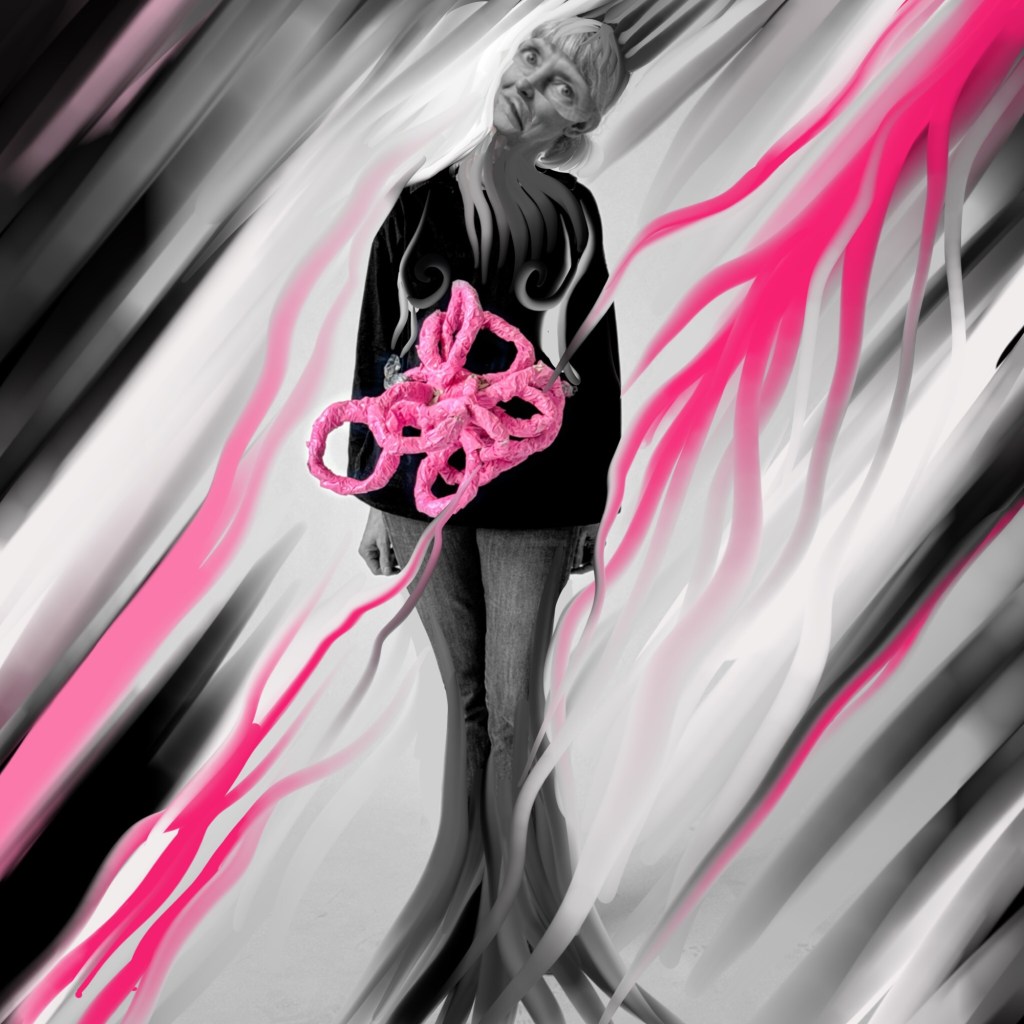
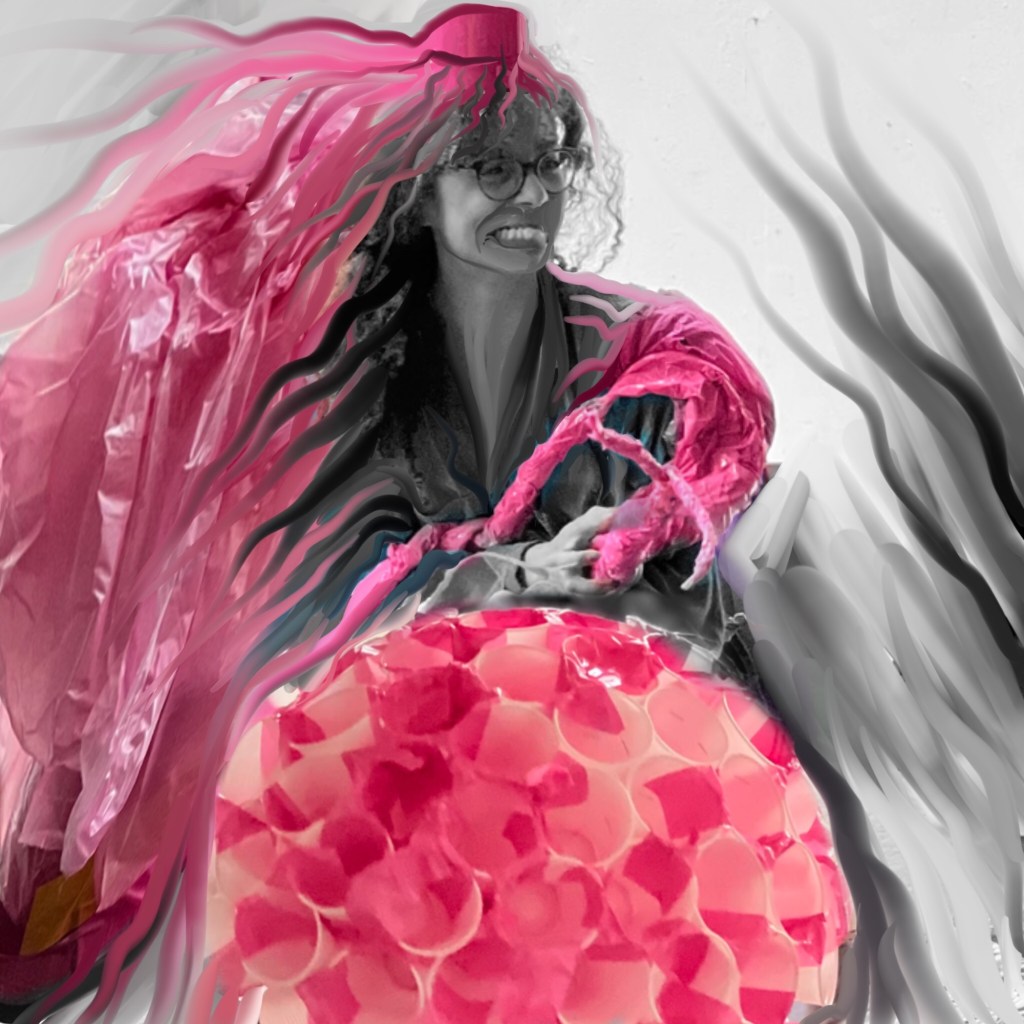
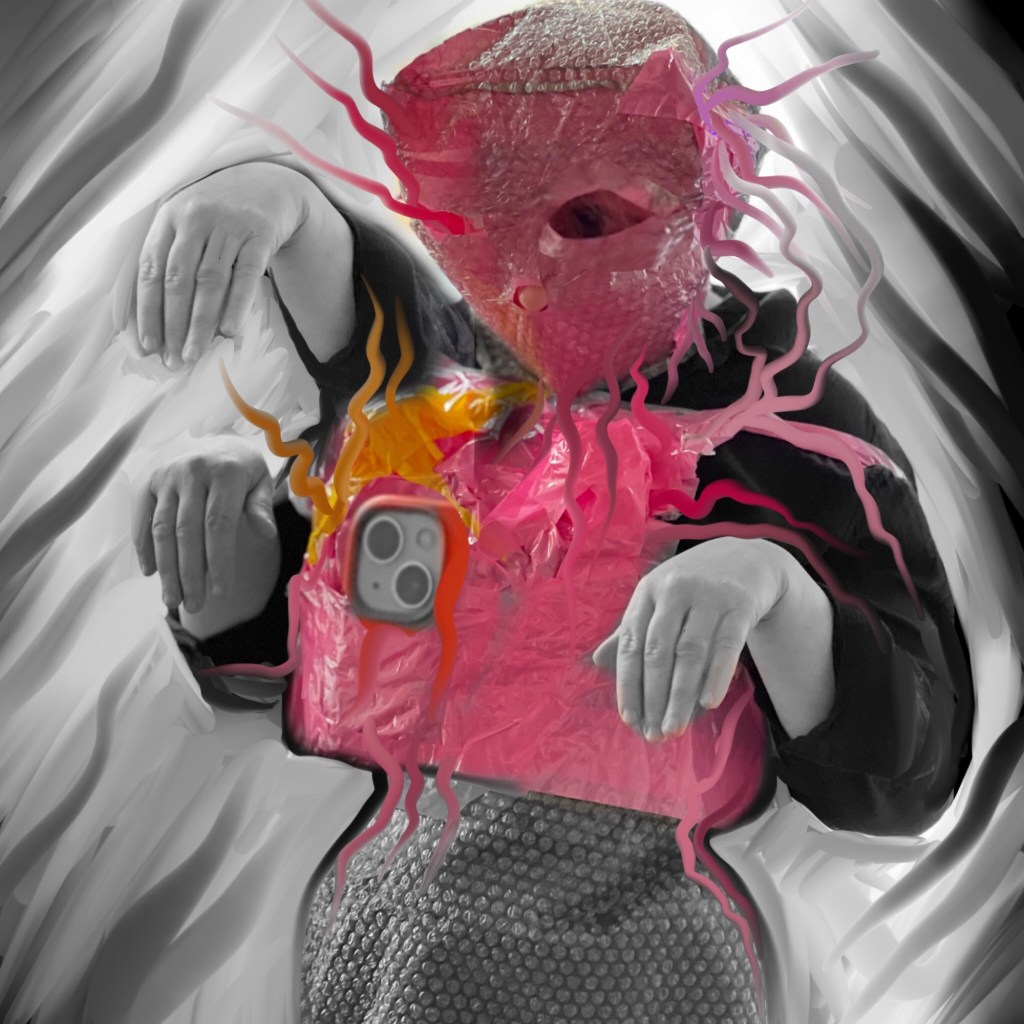
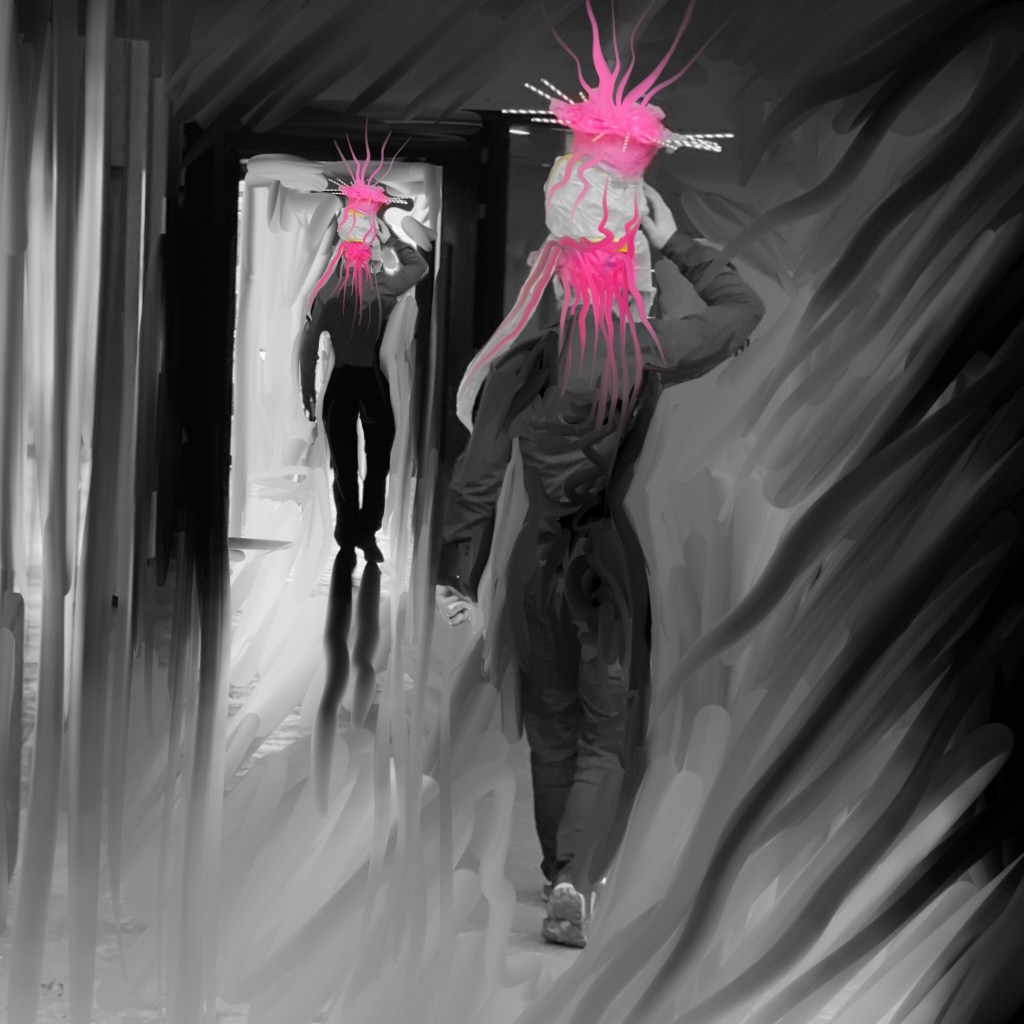

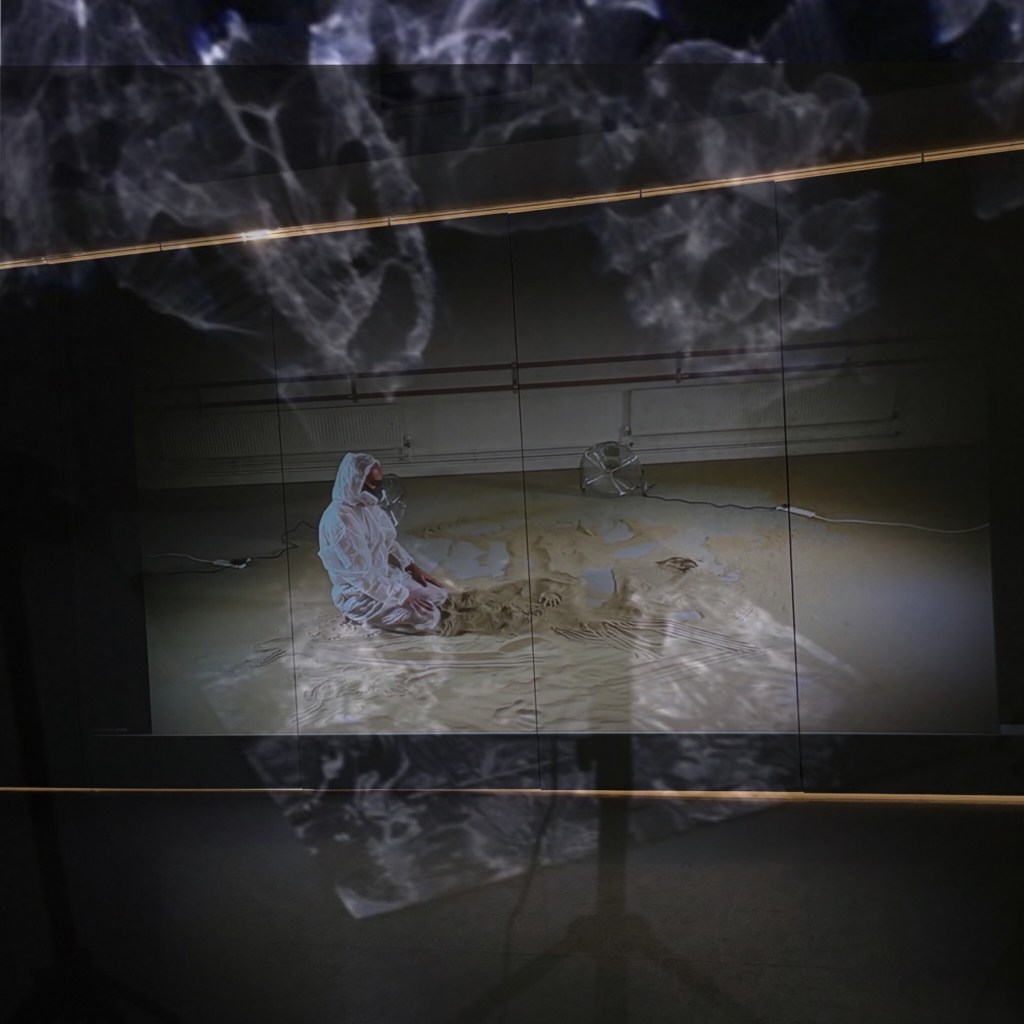
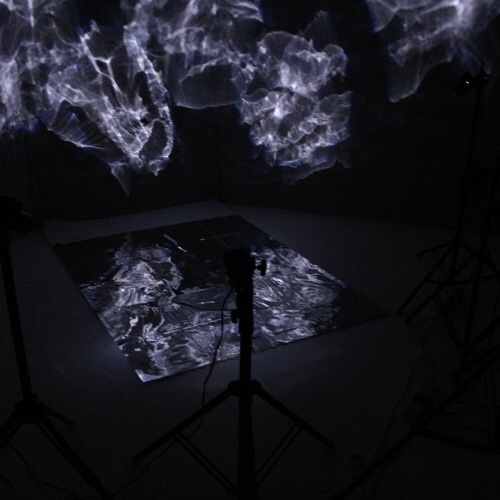
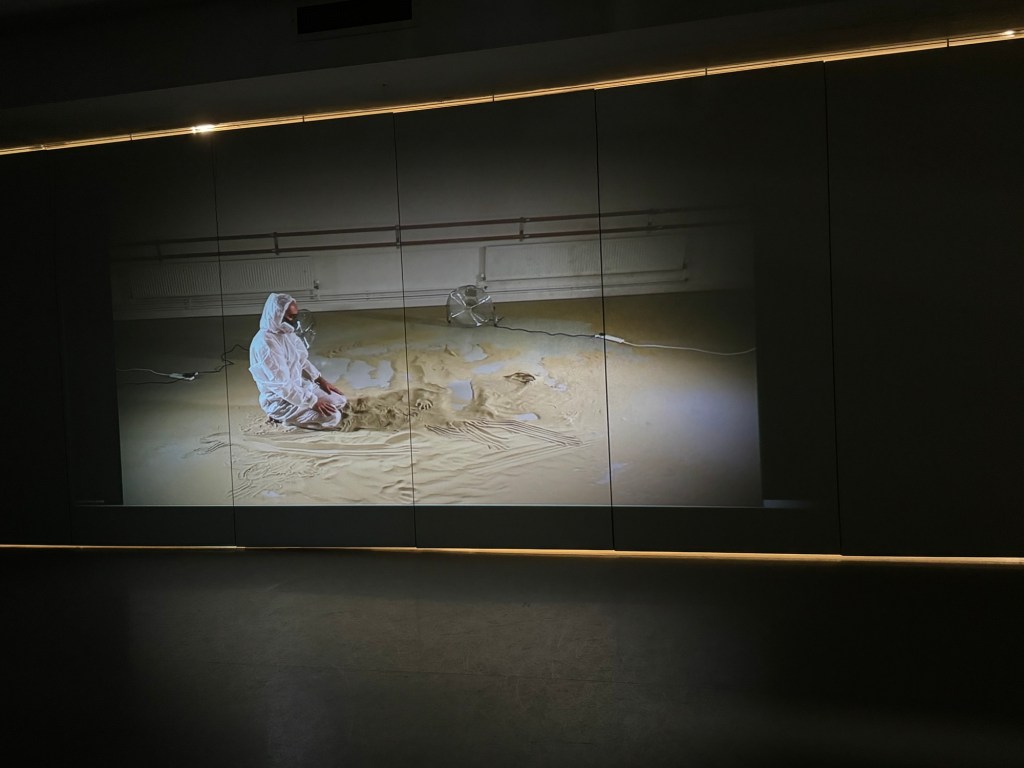
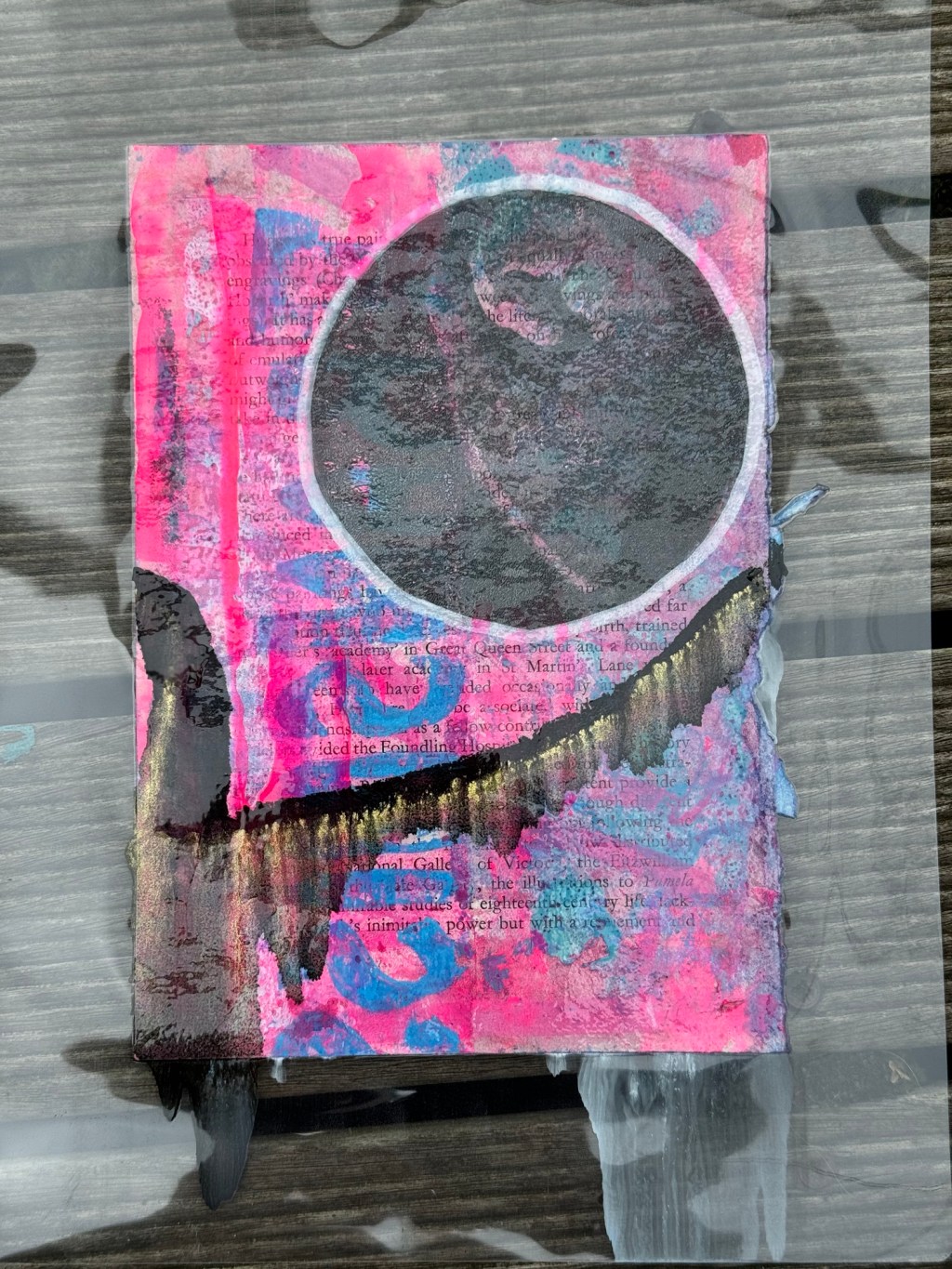
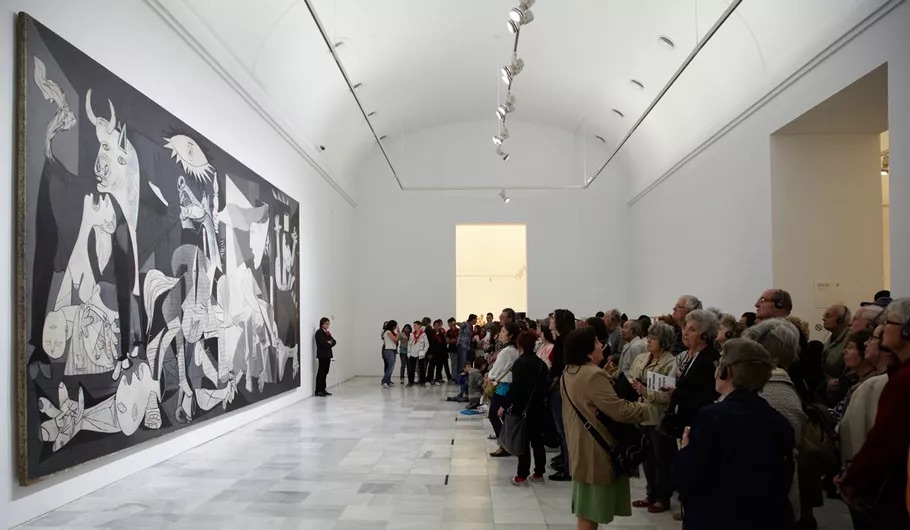
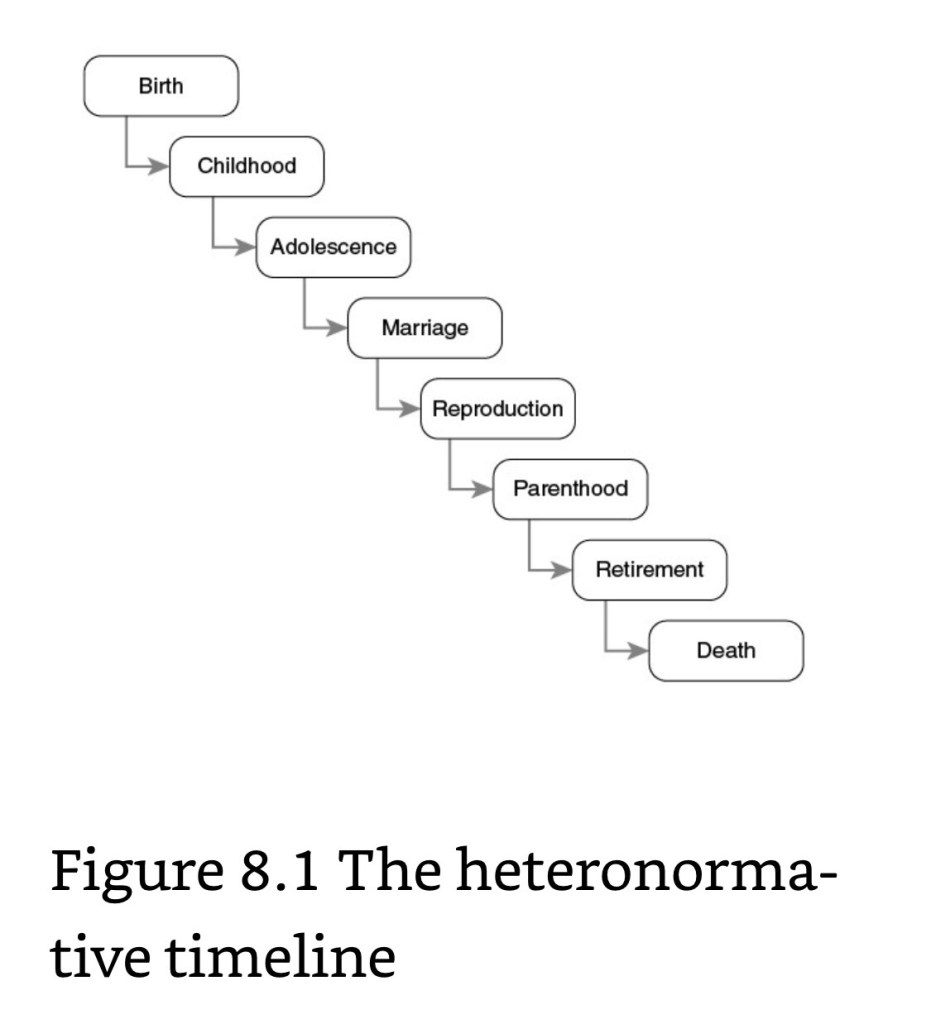
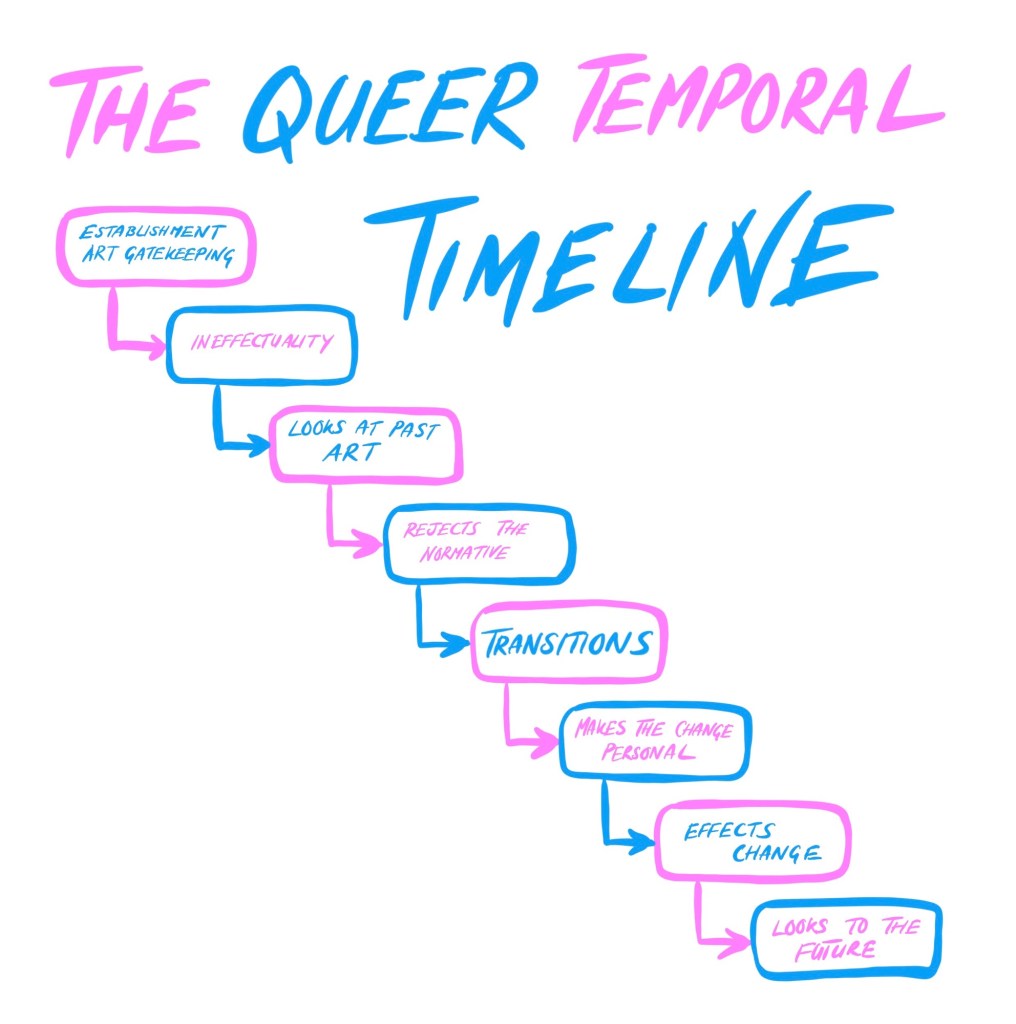

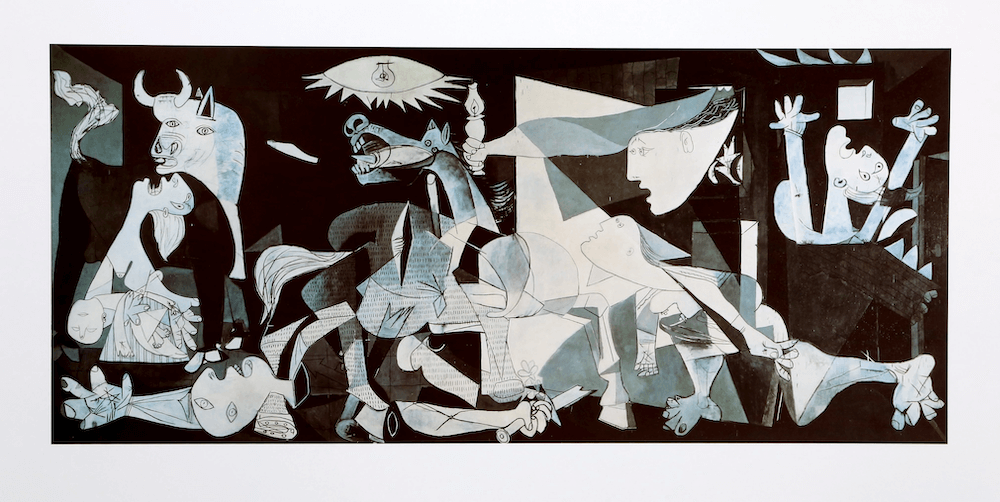
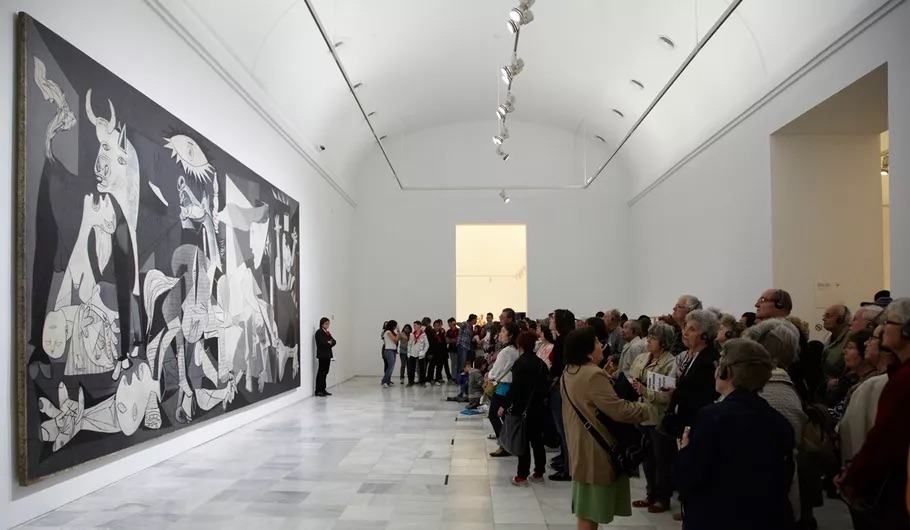


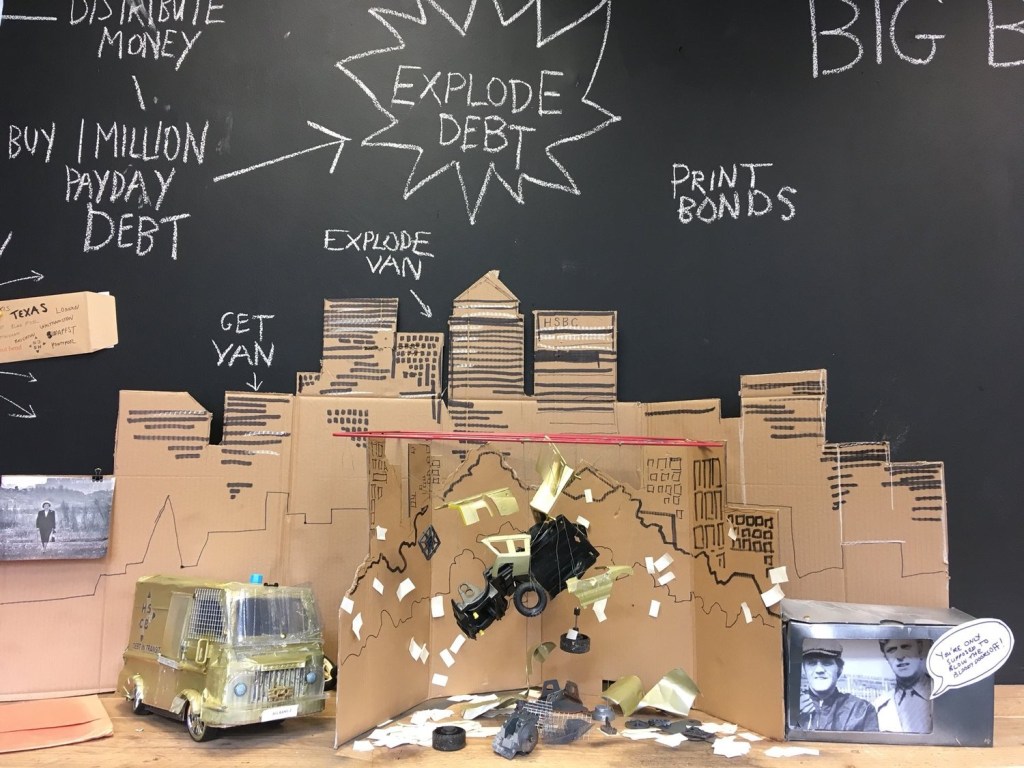
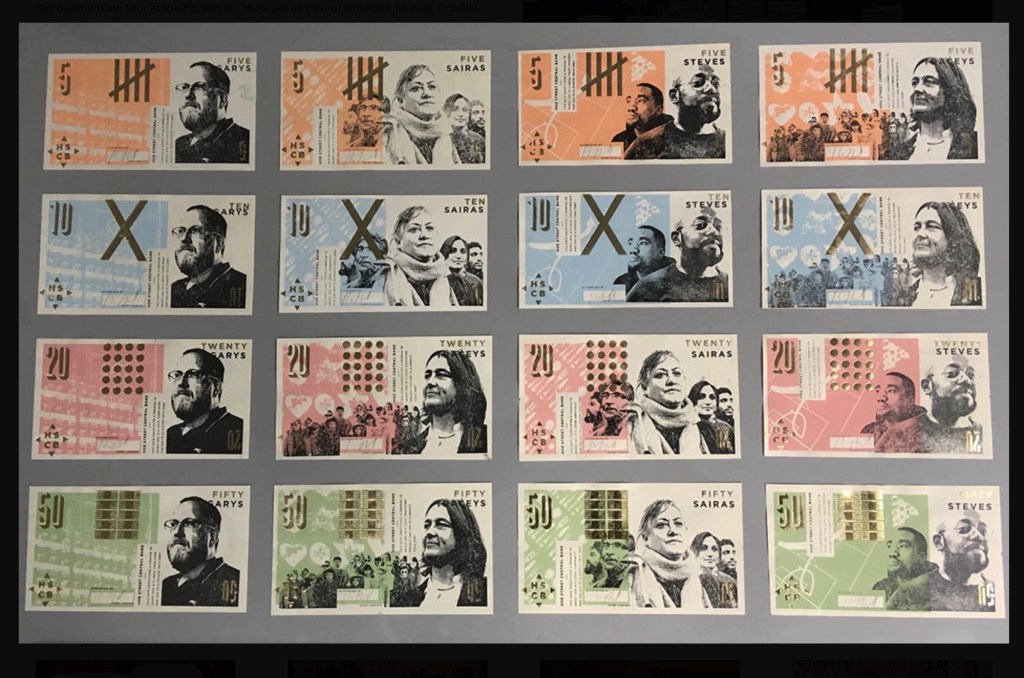
 Mx.D.P